
Finding OSHA-compliant sheet metal fabrication for US energy projects keeps our team busy every quarter, especially as renewable energy systems demand tighter tolerances and stricter safety documentation.
To source OSHA-compliant sheet metal fabrication for US energy projects, verify your fabricator holds ISO 9001 and AWS certifications, confirm their experience with energy infrastructure components, require full digital traceability, and insist on pre-shipment quality control processes aligned with OSHA industrial safety standards.
The rest of this article walks through the exact steps we use at DEWIN to help US buyers find, vet, and manage overseas sheet metal fabricators — particularly in Vietnam — so every component arrives ready for energy project installation without compliance headaches.
How do I find a sheet metal fabricator in Vietnam that understands OSHA safety requirements for energy infrastructure?
A buyer we work with in Texas once told us he had burned through three Vietnamese suppliers in one year AWS certifications 1. None of them could explain what machine guarding meant, let alone build parts that met the standard.
Find a Vietnam-based sheet metal fabricator that understands OSHA by checking for ISO 9001 and AWS certifications, requesting documented safety programs including lockout/tagout procedures, reviewing their portfolio of US energy project components, and confirming they have English-speaking engineers who understand American regulatory compliance requirements.
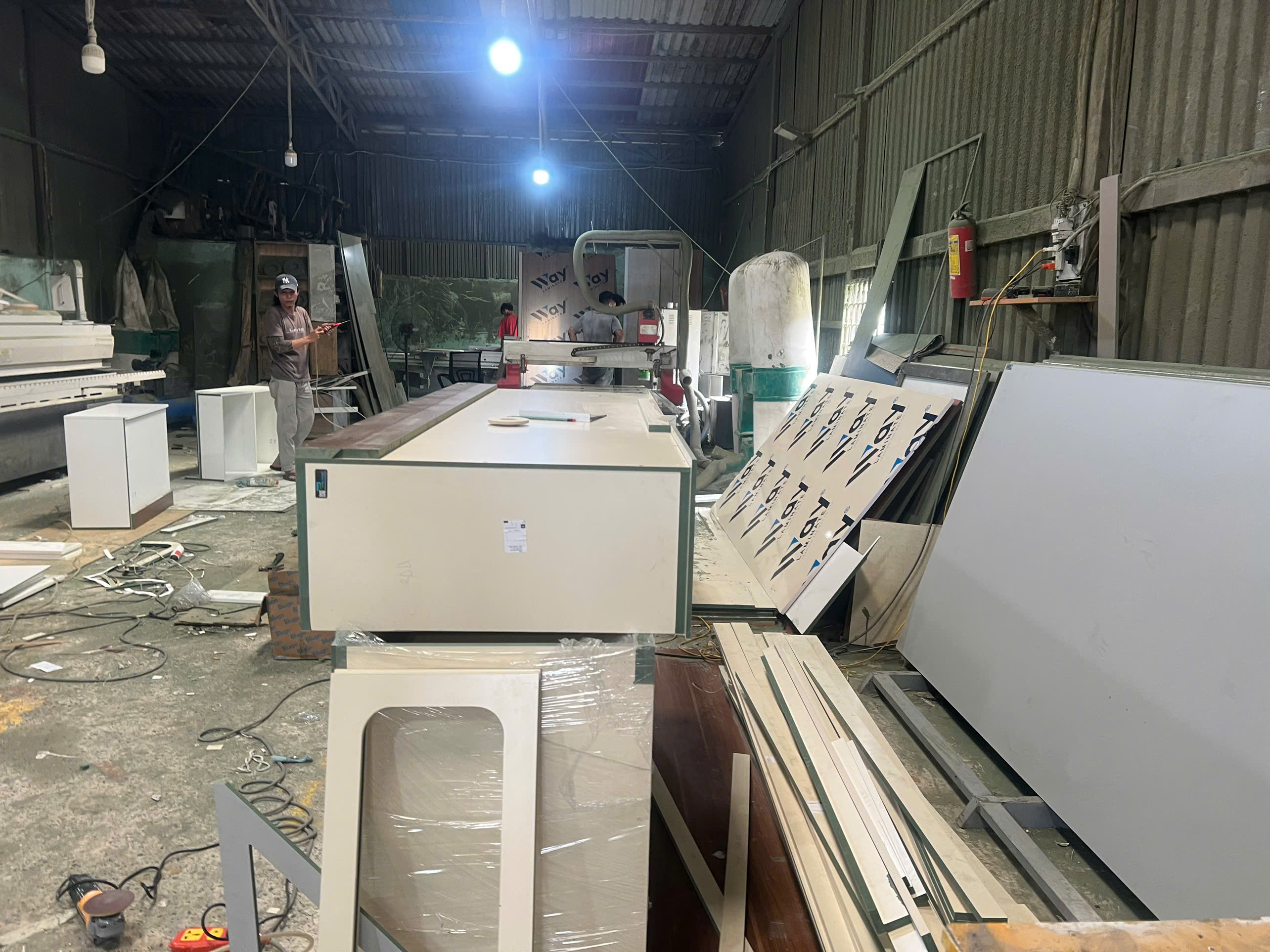
Vietnam's manufacturing sector has grown fast. But growth does not automatically mean compliance lockout/tagout procedures 2. Most fabrication shops in Vietnam know ISO standards. Far fewer understand OSHA-specific requirements like fall protection platforms 3, personal protective equipment protocols, or welding safety procedures that US energy projects demand.
Why Vietnam Is a Strong Alternative
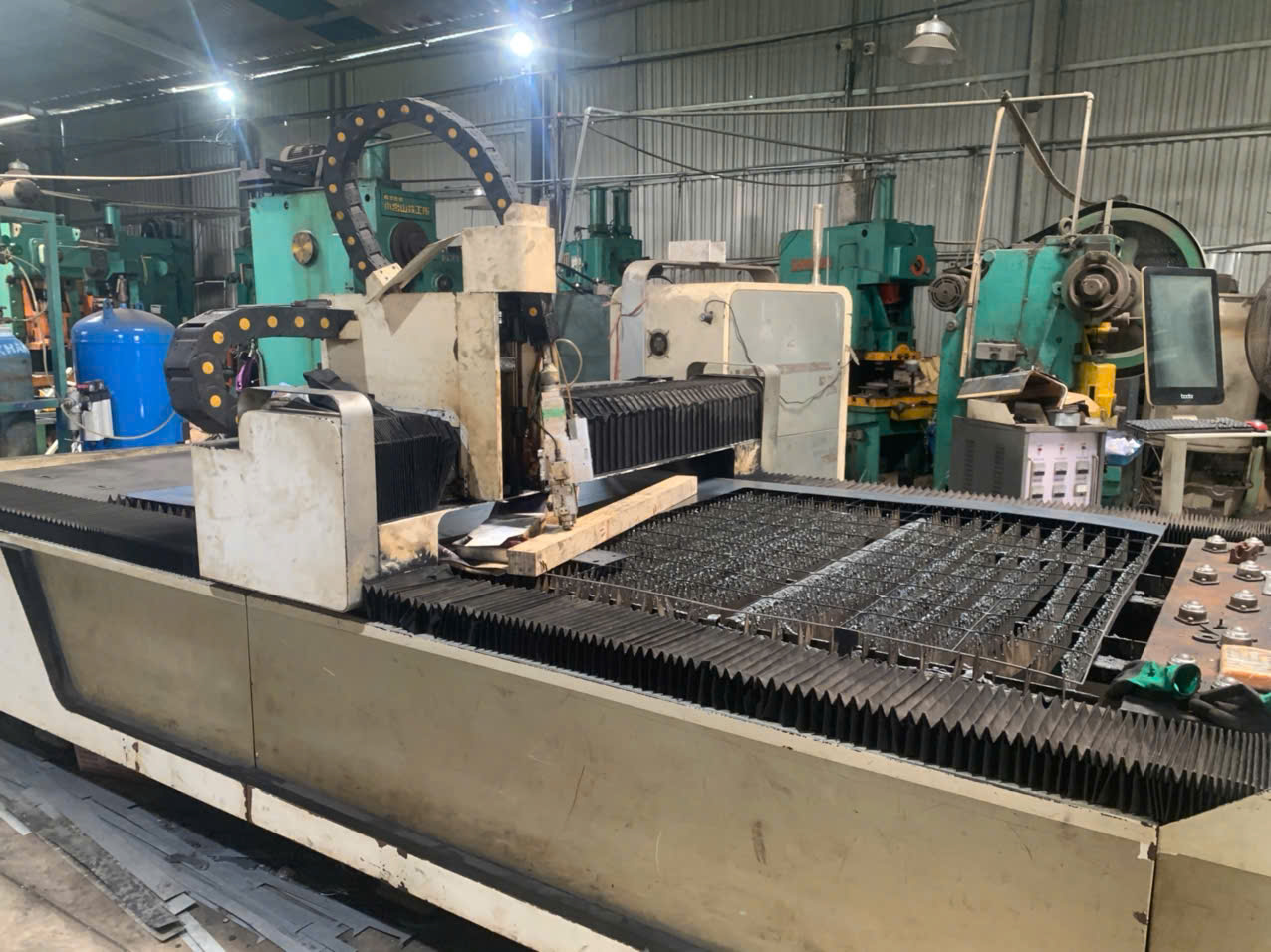
Our office in Vietnam — a team of seven — visits fabrication shops regularly. We see the capability firsthand. Many Vietnamese fabricators now operate CNC laser cutting machines, robotic welding cells, and press brakes that rival shops anywhere in the world. The gap is not in equipment. It is in documentation and process discipline.
When we audit a potential supplier, we look for specific signals. Can they produce a weld procedure specification? Do they have a hazard communication plan posted in their shop? Do their operators wear proper PPE on the floor — not just when visitors arrive?
Key Criteria for Selecting a Vietnamese Fabricator
| Criterion | What to Look For | Red Flag |
|---|---|---|
| Certifications | ISO 9001 4, AWS D1.1, ASME (if applicable) | No certifications displayed or verifiable |
| OSHA Awareness | Documented safety programs, LOTO procedures | Cannot explain machine guarding 5 requirements |
| Technical Capability | Laser cutting, CNC bending, robotic welding | Manual-only processes for precision parts |
| Communication | English-speaking project engineers | Sales-only English, no technical staff |
| Traceability | Digital tracking from raw material to shipment | Paper-only records, no batch tracking |
| Energy Project Experience | Portfolio of brackets, platforms, ductwork | No prior energy or industrial components |
The Role of a Local Partner
This is where having someone on the ground matters. Our Vietnam team conducts on-site audits before we recommend any fabricator to a US client. We check not just what they make but how they make it. We inspect material handling safety practices. We review their welding safety records. We confirm their fabrication shop safety protocols are real — not just written for an audit binder.
One thing we have learned: the best Vietnamese fabricators want to learn. When we explain OSHA requirements — like specific machine guarding dimensions or platform railing heights — they adapt. They invest. The key is finding the ones willing to do that work before the first order ships.
How can I ensure my custom sheet metal parts meet strict OSHA compliance standards before they are shipped to the U.S.?
The costliest mistake we see is discovering a compliance gap after parts land at a US port. One rejected shipment of mounting brackets for a solar installation cost a client six weeks and thousands of dollars in air freight for replacements.
Ensure custom sheet metal parts meet OSHA compliance before shipping by implementing a PPAP process, requiring first article inspection reports, specifying OSHA-relevant dimensions in your drawings, conducting pre-shipment inspections with a third-party or local team, and demanding full material certifications and weld documentation.
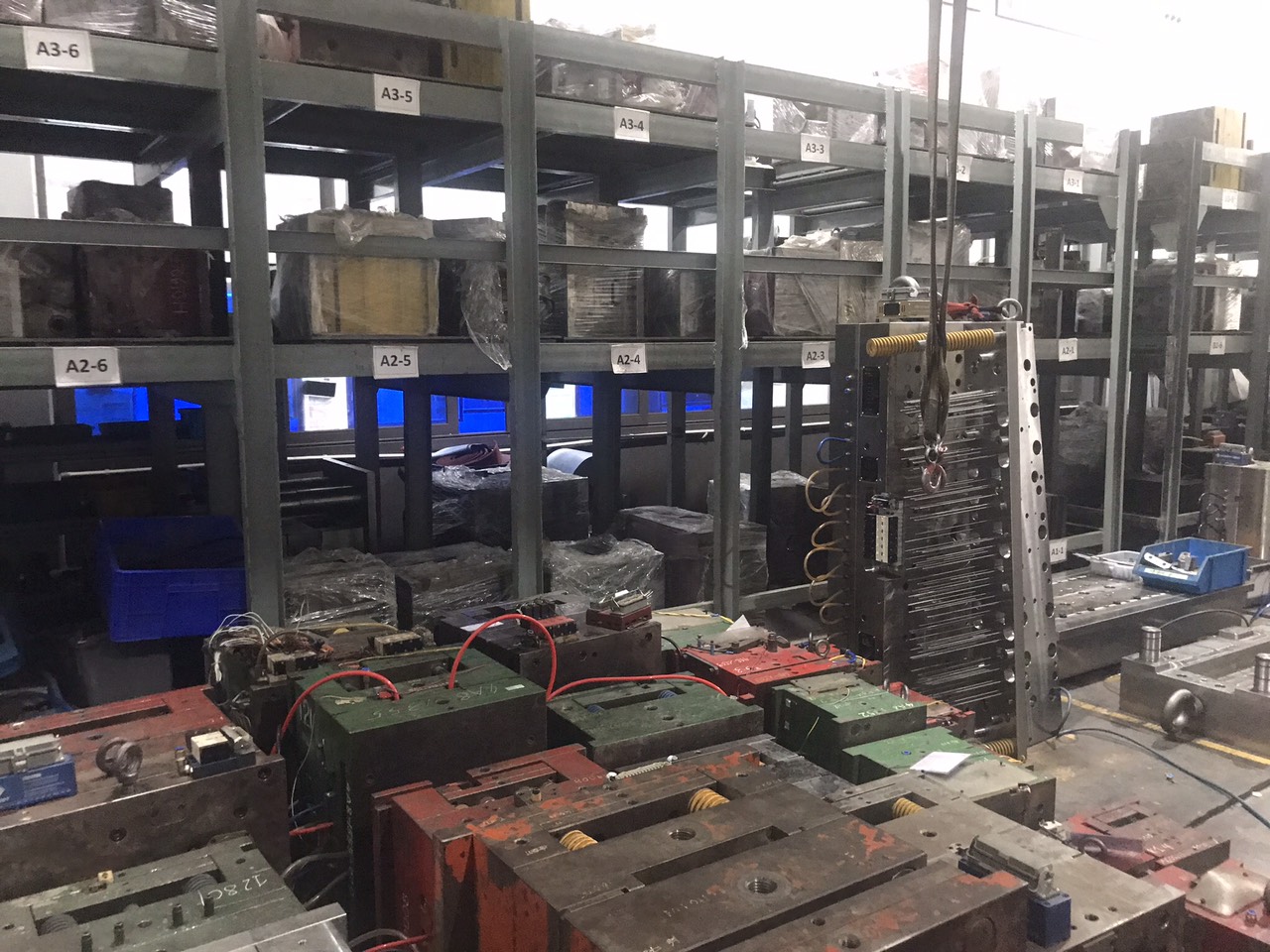
Compliance is not a single checkbox. It is a chain of verified steps from design through final packaging. Here is how we structure it for our US energy clients.
Start With the Drawing
Every OSHA-relevant requirement must appear on the engineering drawing. If a bracket needs specific hole tolerances for machine guarding bolts, that tolerance must be called out. If a platform component requires a specific load rating, that number must be on the print. We have seen too many cases where the buyer assumes the fabricator "knows" — they do not.
Our engineering team reviews every drawing before we send it to the shop floor. We flag dimensions that affect regulatory compliance. We add notes about surface finish requirements, weld quality standards, and material specifications that matter for power generation equipment applications.
The PPAP Framework
Production Part Approval Process is not just for automotive. We apply it to energy project components because it forces discipline. PPAP process 6
| PPAP Element | Purpose | OSHA Relevance |
|---|---|---|
| Design Records | Confirm drawing accuracy | Ensures safety-critical dimensions are documented |
| Process Flow Diagram | Map every fabrication step | Identifies where safety controls must be applied |
| Control Plan | Define inspection points | Catches non-conformances before shipment |
| First Article Inspection | Verify first part matches drawing | Confirms OSHA-relevant features are correct |
| Material Certifications | Trace raw material properties | Proves material meets energy project specifications |
| Dimensional Results | Measure all critical dimensions | Validates compliance with safety tolerances |
| Weld Procedure Specifications | Document welding parameters | Ensures welding safety and joint integrity |
Pre-Shipment Inspection
Before any container is sealed, our quality team performs a final inspection. We use calibrated instruments. We check critical dimensions against the drawing. We verify weld quality visually and, when required, with non-destructive testing 7.
For energy infrastructure parts — brackets, mounting assemblies, platform components — we pay special attention to hole positions, bend angles, and weld penetration. These are the features that determine whether a component meets industrial safety standards on the job site.
We also photograph and document everything. This creates the digital traceability that US energy project managers need for their compliance files. Every part gets a batch number. Every batch links back to raw material certificates, inspection results, and shipping records.
What quality control steps should I require to guarantee my energy project components are right the first time?
Getting it right the first time is not a slogan on our wall — it is the single biggest concern we hear from US purchasing managers. Rework eats margins. Returns destroy timelines. And in energy projects, a delayed component can hold up an entire installation crew.
Require incoming material inspection, in-process dimensional checks at every critical operation, documented weld quality verification, first article approval before full production, and a comprehensive final inspection with photographic evidence and digital traceability to guarantee energy project components are right the first time.
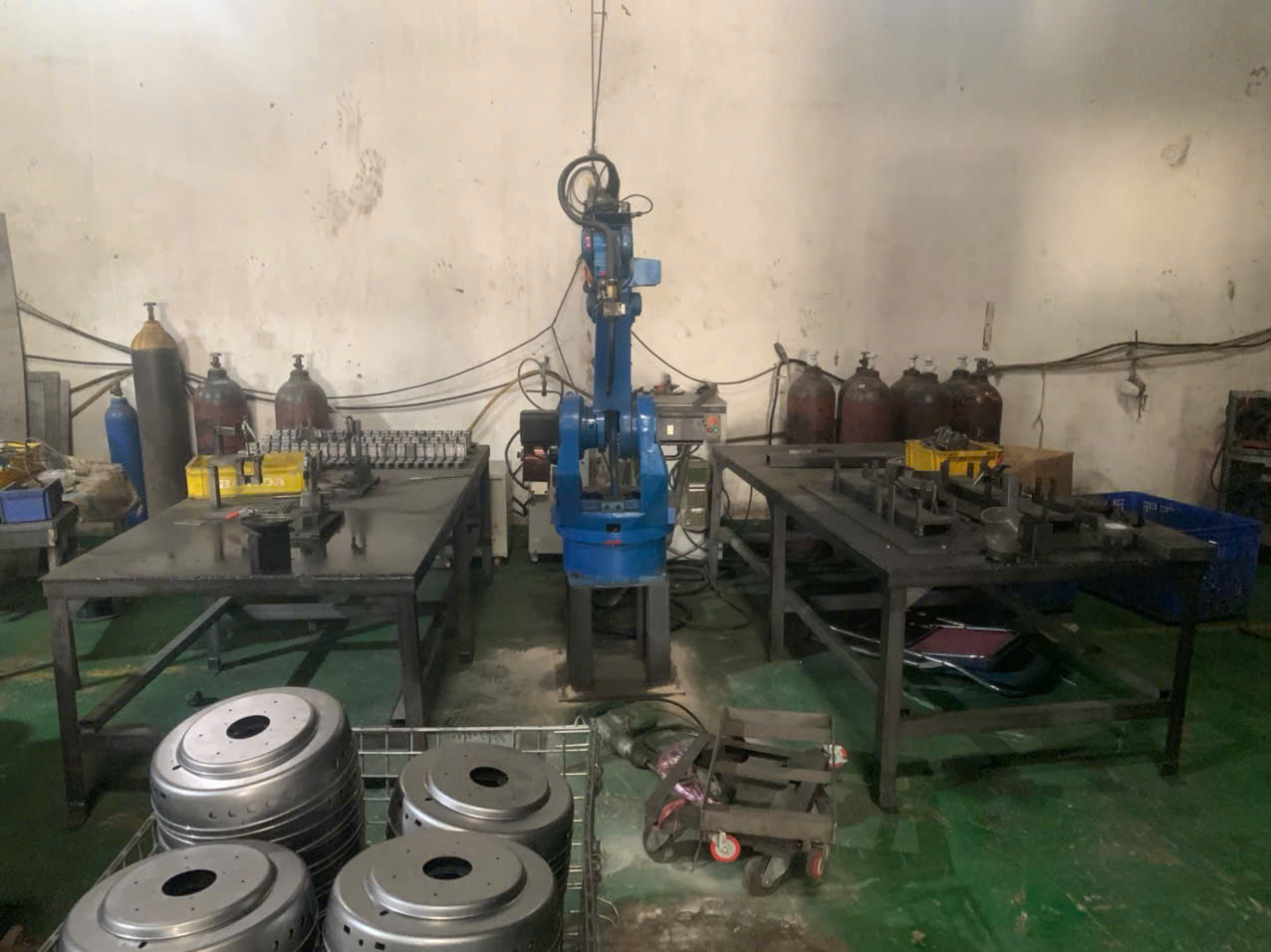
Quality control for energy project components is different from general sheet metal work. The stakes are higher. The tolerances are often tighter. And the documentation requirements are far more demanding. Here is the framework we recommend — and enforce — for every project we manage.
Incoming Material Inspection
Before any cutting or bending begins, verify the raw material. Check the mill certificate against the drawing specification. Measure the actual sheet thickness. Confirm the grade — whether it is stainless steel, carbon steel, or a high-performance alloy. Material handling safety starts here too: proper storage prevents contamination and damage that could compromise the finished part.
In-Process Quality Gates
We set up inspection points at each critical operation. After laser cutting, we check hole diameters and edge quality. After bending, we verify angles and flange lengths. After welding, we inspect joint appearance and measure for distortion.
This approach catches problems early. It is far cheaper to scrap one bent part than to discover a systematic error after fifty parts have been welded and finished.
A Practical Quality Control Checklist
| Stage | Inspection Activity | Tool / Method | Accept Criteria |
|---|---|---|---|
| Incoming Material | Thickness, grade, surface condition | Micrometer, visual, mill cert review | Within drawing spec ±0.05mm |
| Laser Cutting | Hole diameter, profile accuracy, edge burr | Calipers, go/no-go gauges | Per drawing ±0.1mm |
| Bending | Angle, flange length, springback | Protractor, CMM if critical | Per drawing ±0.5° |
| Welding | Penetration, appearance, distortion | Visual, fillet gauge, NDT if specified | AWS D1.1 or per drawing |
| Surface Finish | Coating thickness, adhesion, appearance | DFT gauge, cross-hatch test | Per spec (e.g., 60–80μm powder coat) |
| Final Assembly | Fitment, hardware torque, labeling | Torque wrench, visual | Per assembly drawing |
| Packing | Damage protection, labeling, count | Visual, count check | Zero transit damage |
The Cost of Getting It Wrong
Consider a set of custom mounting brackets for a solar structure installation. If the hole pattern is off by 2mm, those brackets will not align with the structural steel on site. The installer calls the project manager. The project manager calls the buyer. The buyer calls us. Now we are air-freighting replacements while a crew sits idle.
We have invested heavily in process controls precisely to avoid this scenario. Our approach combines the discipline of PPAP with the practical knowledge of what matters on an energy job site. We know which dimensions are critical for fitment and which have more tolerance. That experience — built over years of serving US energy clients — is what separates a reliable supply chain partner from a basic parts vendor.
Continuous Improvement
We track every non-conformance. We analyze root causes. We feed findings back to the fabrication shop. Over time, this data improves the fabricator's process capability. It also builds a quality history that gives our US clients confidence in repeat orders.
How can I leverage credit payment terms to manage my cash flow when sourcing OSHA-compliant fabrication from overseas?
A conversation with a purchasing manager in Ohio changed how we think about payment terms. He told us bluntly: "I can find compliant parts. What I can't find is a supplier who won't demand 100% payment before I've even received the goods."
Leverage credit payment terms by partnering with a sourcing provider that offers 60–90 day open account terms, which lets you receive and inspect OSHA-compliant fabricated components before payment is due, improving your cash flow and reducing financial risk on energy project procurement.

Cash flow is the lifeblood of any project-based business. Energy projects have long timelines. You commit capital for fabrication months before installation generates revenue. Traditional overseas sourcing makes this worse — most Asian suppliers require 30% deposit and 70% before shipment. Your money is locked up for weeks or months before parts even arrive at your warehouse.
How Open Account Terms Work
Open account — also called credit payment terms — means the supplier ships the goods and invoices you with a payment due date, typically 60 or 90 days later. You receive the parts. You inspect them. You may even install them on the job site. Then you pay.
This model is standard in domestic US manufacturing. It is rare in international trade, especially with Asian suppliers. Most overseas fabricators cannot absorb the credit risk. They lack the financial infrastructure to wait 60–90 days for payment.
At DEWIN, we offer open account terms 9 to qualified US clients because we understand the energy project procurement cycle. We carry the float. Our clients carry less risk.
Comparing Payment Models
| Payment Model | When You Pay | Cash Flow Impact | Risk to Buyer |
|---|---|---|---|
| 100% Prepayment | Before production starts | Severe — capital locked for months | High — no leverage if quality fails |
| 30/70 (Deposit + Pre-ship) | Before shipment | Moderate — most capital committed early | Moderate — some leverage on final payment |
| Letter of Credit | Upon document presentation | Moderate — bank holds funds | Low — bank verifies documents |
| 60–90 Day Open Account | 60–90 days after shipment | Minimal — pay after receipt and inspection | Very Low — inspect before paying |
Why This Matters for Energy Projects
Energy projects move in phases. Engineering. Procurement. Fabrication. Shipping. Installation. Commissioning. Each phase has its own cost. If you lock up fabrication capital too early, you may strain your ability to fund later phases — like the installation crew, the crane rental, or the electrical hookup.
Credit terms from your fabrication sourcing partner smooth out these cash flow peaks. You align your outgoing payments with your incoming project milestones. Some of our clients use this flexibility to take on larger projects. Others use it to maintain healthy working capital ratios that keep their lenders comfortable.
Qualifying for Credit Terms
Not every buyer qualifies immediately. We assess creditworthiness based on order history, company financials, and project pipeline. But for established purchasing managers and sourcing companies with a track record, we can often extend terms from the first or second order.
The combination is powerful: OSHA-compliant fabrication, quality control processes that deliver right-first-time results, and payment terms that respect the realities of energy project cash flow. That is the full package US buyers are looking for — and it is what we have built our business around.
Conclusion
Sourcing OSHA-compliant sheet metal fabrication for US energy projects demands verified certifications, rigorous quality control, digital traceability, and a partner who understands both regulatory compliance and your cash flow needs. For a deeper look at how to verify US OSHA compliance when sourcing sheet metal fabrication from Vietnam, explore our detailed guide.
Frequently Asked Questions
How do I find a sheet metal fabricator in Vietnam that understands OSHA safety requirements for energy infrastructure?
A buyer we work with in Texas once told us he had burned through three Vietnamese suppliers in one year AWS certifications 1 . None of them could explain what machine guarding meant, let alone build parts that met the standard.
How can I ensure my custom sheet metal parts meet strict OSHA compliance standards before they are shipped to the U.S.?
The costliest mistake we see is discovering a compliance gap after parts land at a US port. One rejected shipment of mounting brackets for a solar installation cost a client six weeks and thousands of dollars in air freight for replacements.
What quality control steps should I require to guarantee my energy project components are right the first time?
Getting it right the first time is not a slogan on our wall — it is the single biggest concern we hear from US purchasing managers. Rework eats margins. Returns destroy timelines. And in energy projects, a delayed component can hold up an entire installation crew.
Footnotes
1. AWS certifications validate welding expertise and quality standards. ↩︎
2. Official OSHA standard for the control of hazardous energy (Lockout/Tagout) (29 CFR 1910.147). ↩︎
3. OSHA provides standards for fall protection, including requirements for platforms. ↩︎
4. ISO 9001 is an international standard for quality management systems. ↩︎
5. Official OSHA general requirements for machine guarding (29 CFR 1910.212). ↩︎
6. PPAP is a structured process for approving production parts, ensuring quality. ↩︎
7. Authoritative Wikipedia overview of non-destructive testing (NDT). ↩︎
8. First article inspection verifies that the initial production part meets specifications. ↩︎
9. Open account terms allow buyers to receive and inspect goods before payment. ↩︎