Every week, our engineering team in Vietnam fields the same question from U.S. purchasing managers: which metal should I pick for my custom sheet metal project First Article Inspection (FAI) 1? The wrong choice leads to corrosion failures, blown budgets, or parts that warp during forming. The right material selection, however, saves money and headaches for years.
Stainless steel, aluminum alloy, and carbon steel each excel in different areas of sheet metal fabrication: stainless steel delivers superior corrosion resistance and strength, aluminum offers the best strength-to-weight ratio for lightweight needs, and carbon steel provides the lowest cost with excellent formability for structural applications.
Below, I break down the mechanical properties, cost considerations, fabrication processes, and quality factors that matter most when choosing between these three metals. Whether you source from Vietnam, Taiwan, or elsewhere in Asia, this guide will help you make a confident decision.
Which material is the best fit for my custom sheet metal project's durability and performance requirements?
A buyer in the Midwest once sent us drawings for an outdoor equipment chassis. He originally spec'd carbon steel. After we reviewed the operating environment — coastal salt air, daily washdowns — we recommended 304 stainless 2 instead. That single material change eliminated a recurring rust problem that had plagued his previous supplier's parts for two years.
The best fit depends on your environment and loads: choose stainless steel for harsh, corrosive conditions requiring high strength; aluminum alloy for weight-sensitive applications needing good corrosion resistance; and carbon steel for cost-driven structural parts in controlled, indoor environments where protective coatings are feasible.
Mechanical Properties at a Glance
Before diving deeper, here is a side-by-side look at the core mechanical properties of these three metals. This table helps you compare strength, weight, and hardness in one place.
| Property | Stainless Steel (304) | Aluminum Alloy (6061-T6) | Carbon Steel (SPCC / A36) |
|---|---|---|---|
| Tensile Strength | ~585 MPa (84.8 ksi) | ~310 MPa (45 ksi) | ~370–400 MPa (53.7–58 ksi) |
| Yield Strength | ~215 MPa (annealed) | ~276 MPa (T6 temper) | ~250–370 MPa |
| Density | 8.0 g/cm³ | 2.7 g/cm³ | 7.85 g/cm³ |
| Relative Weight | Heaviest | ~1/3 of steel | Nearly equal to stainless |
| Ductility | Moderate | High | High |
| Fatigue Strength | High | Lower | High |
Strength vs. Weight: The Real Trade-Off
Raw strength numbers do not tell the whole story. A part made from aluminum weighs roughly one-third of the same part in steel. That matters for portable devices, drone frames, and automotive panels. When our team evaluates a new project, we always ask: does the application move? If it does, the strength-to-weight ratio 3 of aluminum often wins.
But if the part sits in a fixed position and bears heavy mechanical stress — think mounting brackets, structural reinforcements, or industrial enclosures — stainless steel or carbon steel usually makes more sense. Carbon steel, for example, is the default for bridge supports and heavy machinery frames because of its high yield strength and low cost.
Corrosion Resistance: The Environment Decides
Stainless steel contains chromium, which forms a self-healing passive oxide layer 4. This means it resists rust without any paint or plating. We have shipped stainless parts to food-processing plants, marine equipment makers, and outdoor signage companies. In every case, the parts survived years of moisture exposure without degradation.
Aluminum also resists corrosion naturally, thanks to its own oxide layer. Anodizing 5 strengthens that layer further. However, aluminum can struggle in highly acidic or alkaline environments.
Carbon steel has poor corrosion resistance 6 on its own. It must be painted, galvanized, or powder-coated. For indoor structural parts or applications where periodic maintenance is acceptable, carbon steel remains a practical choice. But for anything exposed to weather, salt, or chemicals, it is risky without ongoing surface treatment.
When Durability Meets Real-World Applications
| Application | Recommended Material | Why |
|---|---|---|
| Outdoor enclosures, marine hardware | Stainless Steel | Inherent corrosion resistance, high strength |
| Aerospace brackets, drone frames | Aluminum Alloy | Lightweight, good strength-to-weight ratio |
| Indoor machinery frames, structural supports | Carbon Steel | Low cost, high formability, easy to weld |
| Food processing equipment | Stainless Steel | Hygienic, no coating needed |
| Electronic heat sinks | Aluminum Alloy | Excellent thermal conductivity |
| Painted automotive body panels | Carbon Steel | Cost-effective, good formability |
One nuance worth noting: stainless steel is sometimes dismissed as "too heavy." In practice, its high tensile strength lets engineers specify thinner gauges. A 1.2 mm stainless panel can replace a 2.0 mm carbon steel panel in certain structural roles, partially offsetting the weight difference.
How will choosing between stainless steel, aluminum, or carbon steel affect my total project costs and lead times?
Last quarter, a purchasing manager asked us to quote the same bracket design in all three metals. The carbon steel version was the cheapest per unit. But when we factored in the zinc plating and annual touch-up painting his end-user required, the five-year cost picture looked very different.
Carbon steel has the lowest upfront material cost but requires ongoing coating and maintenance. Aluminum sits in the middle price range and saves money through lighter shipping weight. Stainless steel costs roughly three times more than carbon steel initially but delivers the lowest total cost of ownership due to minimal maintenance and long service life.
Breaking Down Material Cost vs. Total Cost
Many buyers focus only on the price per kilogram. That is understandable — it is the number on the quote. But total project cost includes fabrication complexity, surface finishing, shipping weight, and long-term maintenance.
| Cost Factor | Carbon Steel | Aluminum Alloy | Stainless Steel |
|---|---|---|---|
| Raw material cost per kg | Lowest | Mid-range | Highest (~3× carbon steel) |
| Surface finishing required | Yes (paint, plate, galvanize) | Optional (anodize for durability) | Usually none |
| Fabrication difficulty | Easy (low bending force, simple welding) | Moderate (weld cracking risk) | Hard (high bending force, springback) |
| Shipping cost (weight factor) | High | Low (~1/3 the weight) | High |
| Long-term maintenance cost | High (recoating, rust repair) | Low to moderate | Very low |
| Typical lead time impact | Shortest (readily available, easy to form) | Moderate | Longer (harder to form, more QC steps) |
How Fabrication Complexity Affects Lead Times
Carbon steel is the easiest to work with. It bends cleanly, welds without special shielding gas, and requires the least press brake tonnage. High-volume production runs in carbon steel typically have the shortest lead times on our Vietnam production line.
Aluminum demands more care. Its low melting point makes laser cutting fast and efficient. But weldability is tricky — aluminum is sensitive to weld cracking, and joints require specific techniques like TIG welding 7 with proper filler alloys. Heat treatment after forming may also be needed to restore temper properties in alloy grades like 6061. These extra steps add a few days to the schedule.
Stainless steel is the most demanding. It work-hardens quickly, which means the press brake needs significantly more force. Angular springback is extreme, so our engineers compensate by overbending. Welding stainless also generates more heat, increasing the risk of warping. We typically add extra inspection steps for stainless parts, which adds to the timeline but prevents costly rework.
The Lifecycle Value Argument
Here is a concept I encourage every buyer to consider: lifecycle value. A carbon steel enclosure that costs $50 to fabricate may need $15 in plating, $10 per year in maintenance, and replacement after seven years. A stainless steel version at $120 may last fifteen years with zero maintenance. Over a decade, the stainless part wins on total spend.
Advances in fabrication technology over the past twenty years have also brought aluminum fabrication costs roughly in line with steel fabrication costs. This means aluminum is now a more viable option for cost-sensitive projects that also need weight savings — especially when you factor in reduced shipping costs for lighter parts.
What quality control measures should I look for to ensure my sheet metal parts are fabricated correctly the first time?
One of the most frustrating calls I have taken was from a U.S. buyer whose previous supplier had shipped 2,000 carbon steel brackets with the wrong bend radius. The parts could not seat properly in the assembly. The root cause was simple: no one checked the first article against the drawing before running the full batch. That single oversight cost the buyer six weeks and thousands of dollars in rework.
To ensure parts are fabricated correctly the first time, look for suppliers who perform First Article Inspection (FAI), maintain documented PPAP packages, use calibrated measuring tools (CMMs, calipers, gauges), follow in-process checks at each fabrication step, and conduct final dimensional and visual inspections before shipment.
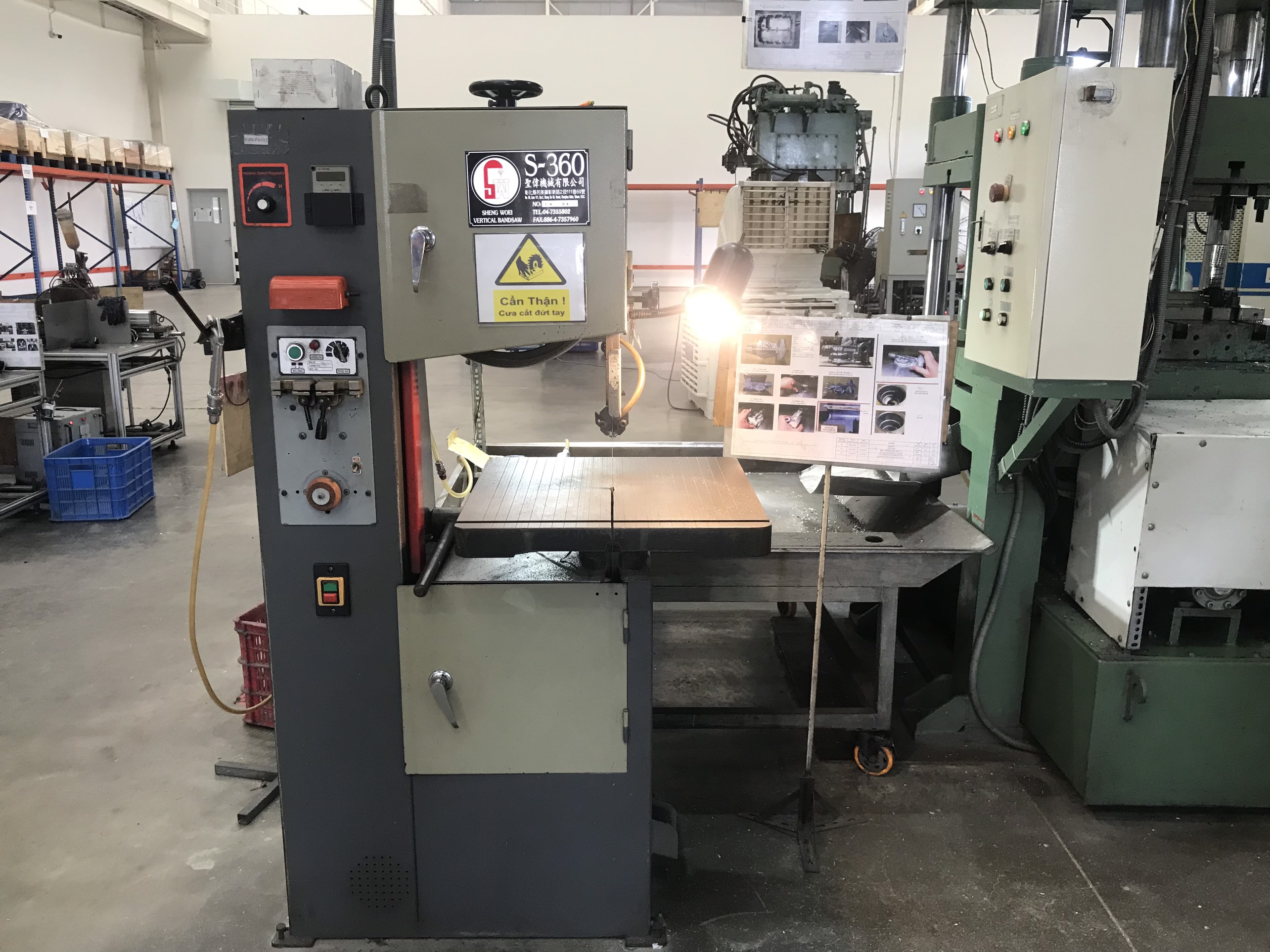
Why "Right First Time" Matters More with These Metals
Each metal has unique fabrication challenges that make quality control critical.
Stainless steel's springback can cause out-of-tolerance bends if the operator does not compensate correctly. Our process includes measuring the first three pieces off the press brake against the drawing before we continue the run.
Aluminum's weld cracking issue means every welded joint needs visual and, in some cases, dye-penetrant inspection. If a crack forms inside a weld, it can propagate under load and cause a catastrophic failure.
Carbon steel's rust susceptibility means surface prep matters enormously. If the coating does not adhere properly — due to oil residue or mill scale — the part will corrode in the field. We verify surface cleanliness before any painting or plating step.
The QC Process We Follow
Here is a simplified view of the process control steps our team uses for sheet metal projects, regardless of material:
- Drawing review and DFM feedback — Our engineers flag potential issues (tight tolerances, complex bends, material-specific risks) before production starts.
- Incoming material inspection — We verify alloy grade, thickness, and surface condition against the material certificate.
- First Article Inspection (FAI) — The first completed part is measured against every critical dimension on the drawing. Production does not proceed until FAI passes.
- In-process checks — Operators measure key dimensions at regular intervals during the run. For stainless steel, we check bend angles more frequently due to springback.
- Weld inspection — Visual inspection for all welds. Dye penetrant or X-ray for critical aluminum welds.
- Surface treatment verification — Coating thickness, adhesion tests, and visual checks for carbon steel parts requiring painting or plating.
- Final inspection — Full dimensional report, visual inspection, and packaging check before shipment.
PPAP and Documentation
For U.S. buyers, Production Part Approval Process (PPAP) documentation is often a requirement. PPAP packages 8 This includes control plans, process flow diagrams, measurement system analysis, and material certifications. We prepare these packages as a standard part of our project management workflow. It is not an afterthought — it is built into the timeline from day one.
Getting parts right the first time is not just about saving money. It is about protecting your production schedule. When a shipment arrives with non-conforming parts, your assembly line stops. Your customer gets upset. And the cost of air-freighting replacement parts from Asia erases any savings you gained from sourcing overseas.
How can I find a reliable supplier in Vietnam or Asia who can handle the technical complexities of these different alloys?
During a factory audit in Ho Chi Minh City last year, I watched a supplier struggle to explain their process for controlling springback on 304 stainless bends. They had no documented compensation chart. No first article records. The buyer who had brought us in for the audit quietly told me, "This is why my last three orders came back wrong."
To find a reliable supplier in Vietnam or Asia, verify their experience with your specific alloy grades, request documented quality systems (ISO certification, PPAP capability), conduct or commission factory audits, ask for reference projects with similar materials, and prioritize suppliers with local engineering teams who can manage technical communication and process control on-site.
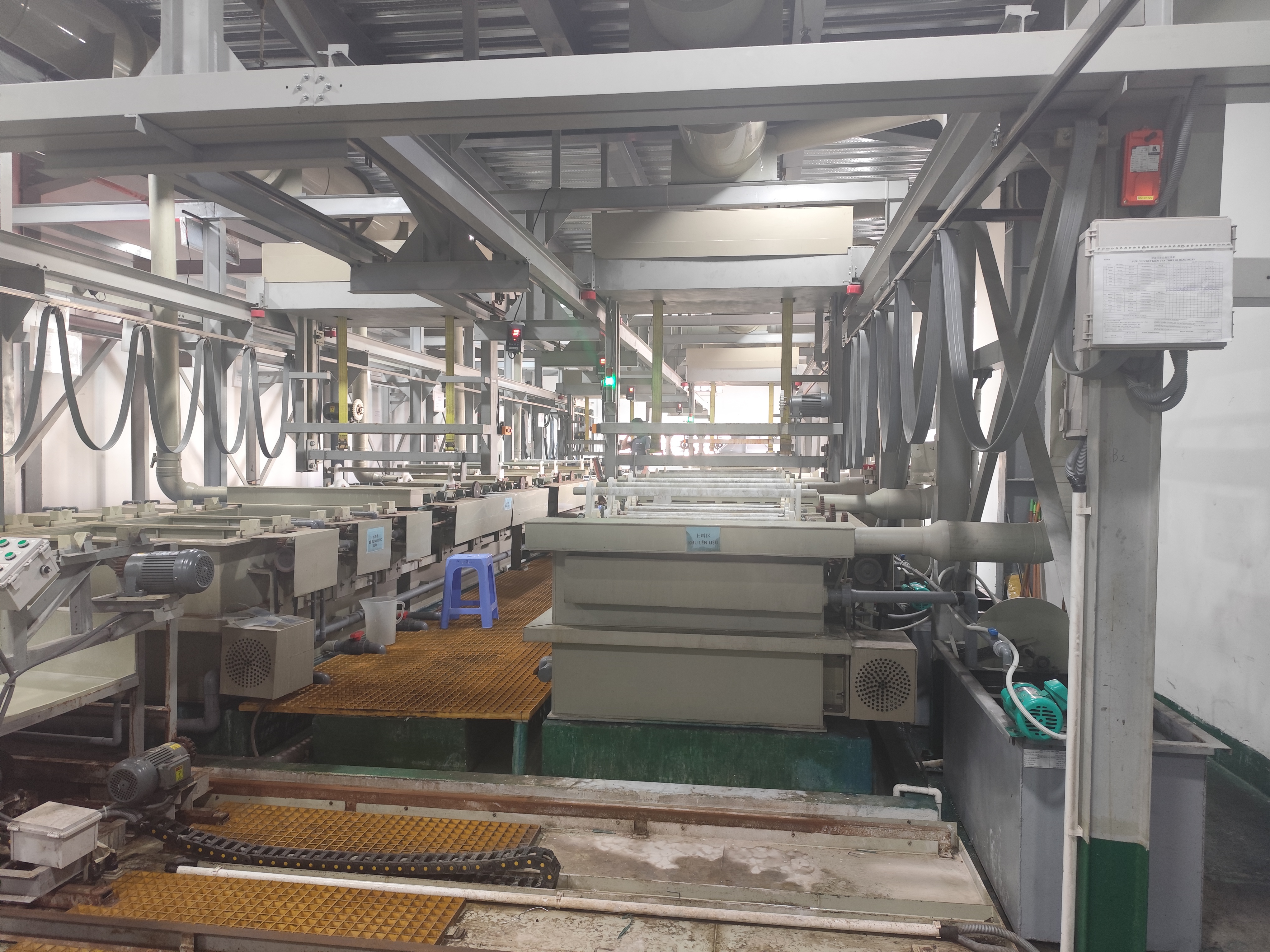
What to Evaluate Before Placing an Order
Finding a supplier who can cut and bend flat sheet metal is not hard. Finding one who understands the nuances of different alloy grades — how 6061-T6 aluminum behaves differently from 5052, or why 316 stainless is needed instead of 304 for marine exposure — is much harder.
Here are the key areas to evaluate:
Technical capability. Can the supplier demonstrate experience with your specific material? Ask for sample parts, process photos, and measurement reports from similar projects. If they have only worked with carbon steel and you need stainless, that is a red flag.
Equipment. Stainless steel requires higher-tonnage press brakes. Aluminum needs TIG welding capability with argon shielding. Carbon steel may need shot blasting and powder coating lines. Confirm the supplier owns (or has reliable access to) the right equipment.
Quality system. ISO 9001 certification 9 is a baseline. But certifications alone do not guarantee results. Ask how they handle first article inspection, in-process checks, and non-conformance management. Ask to see actual inspection reports from recent jobs.
Communication. This is where many Asian suppliers fall short. Technical drawings contain critical notes — material specs, surface finish callouts, geometric tolerances. If the supplier's team cannot read and interpret these accurately, mistakes happen. Having a local engineering team — like the one we maintain in Vietnam — bridges this gap.
The Advantage of a Local Team in Vietnam
Vietnam's sheet metal fabrication industry has grown rapidly. Labor costs are competitive, and many factories have invested in modern CNC equipment. But the gap between equipment capability and process discipline remains real.
Our seven-person team in Vietnam conducts supplier audits, monitors production runs, and performs inspections before parts ship. This on-the-ground presence catches problems early. It also means we can offer U.S. buyers a single point of contact for sourcing, quality control, and logistics — rather than forcing them to manage multiple overseas relationships directly.
Red Flags to Watch For
- The supplier cannot name the specific alloy grades they work with.
- They have no documented first article inspection process.
- They resist factory audits or video calls showing their production floor.
- Lead time promises seem unrealistically short for complex stainless or aluminum work.
- They cannot provide material certificates from their steel or aluminum suppliers.
When you get the supplier selection right, everything downstream — quality, delivery, cost — falls into place. When you get it wrong, you spend months chasing corrections and wondering why you sourced overseas at all.
Conclusion
Choosing between stainless steel, aluminum alloy, and carbon steel in sheet metal fabrication is a decision that balances mechanical properties, corrosion resistance, formability, and total cost of ownership 10 against your project's specific environment and performance needs.
Frequently Asked Questions
Which material is the best fit for my custom sheet metal project's durability and performance requirements?
A buyer in the Midwest once sent us drawings for an outdoor equipment chassis. He originally spec'd carbon steel. After we reviewed the operating environment — coastal salt air, daily washdowns — we recommended 304 stainless 2 instead. That single material change eliminated a recurring rust problem that had plagued his previous supplier's parts for two years.
How will choosing between stainless steel, aluminum, or carbon steel affect my total project costs and lead times?
Last quarter, a purchasing manager asked us to quote the same bracket design in all three metals. The carbon steel version was the cheapest per unit. But when we factored in the zinc plating and annual touch-up painting his end-user required, the five-year cost picture looked very different.
What quality control measures should I look for to ensure my sheet metal parts are fabricated correctly the first time?
One of the most frustrating calls I have taken was from a U.S. buyer whose previous supplier had shipped 2,000 carbon steel brackets with the wrong bend radius. The parts could not seat properly in the assembly. The root cause was simple: no one checked the first article against the drawing before running the full batch. That single oversight cost the buyer six weeks and thousands of dollars in rework.
Footnotes
1. Explains the critical quality control process of First Article Inspection. ↩︎
2. Provides detailed information on the specific properties and uses of 304 stainless steel. ↩︎
3. Found an authoritative Wikipedia page explaining ‘Specific strength’, also known as strength-to-weight ratio. ↩︎
4. Explains the scientific principle behind stainless steel’s self-healing passive layer. ↩︎
5. Describes the electrochemical process of anodizing for aluminum and its benefits. ↩︎
6. Explains the fundamental concept of corrosion resistance in materials science. ↩︎
7. Found an authoritative Wikipedia page for ‘Gas tungsten arc welding’, commonly known as TIG welding. ↩︎
8. Describes the Production Part Approval Process (PPAP) and its documentation requirements. ↩︎
9. Provides information on the internationally recognized ISO 9001 quality management standard. ↩︎
10. Provides a comprehensive understanding of total cost of ownership in manufacturing. ↩︎