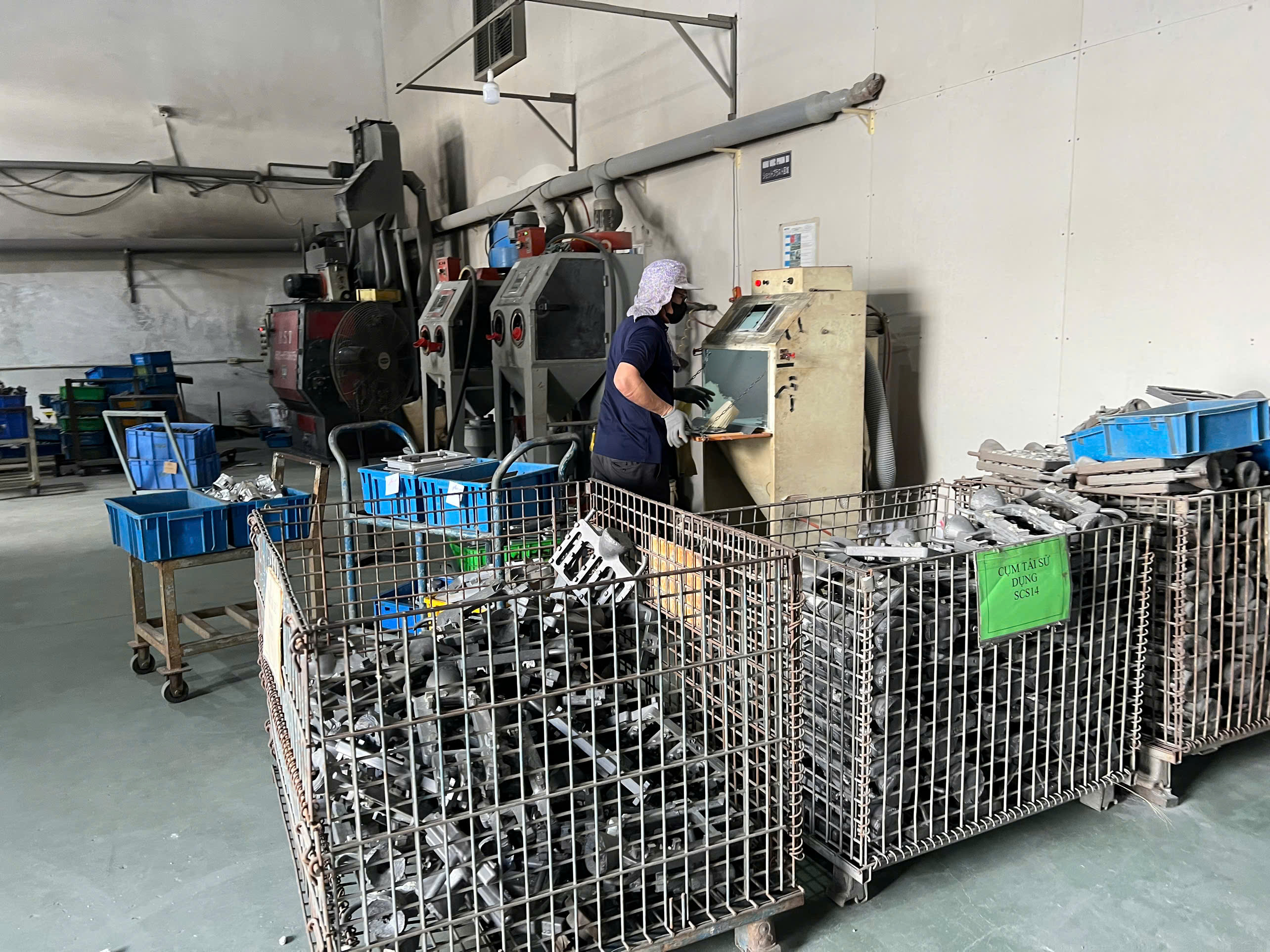

I once watched a client lose an entire product line because a contract manufacturer in Asia replicated their custom sheet metal bracket design and sold it to a competitor — no NDA, no ownership clause, nothing in writing.
When sourcing sheet metal fabrication, stipulate intellectual property protection clauses by including explicit IP ownership statements, non-disclosure agreements, tooling ownership terms, permitted-use restrictions, subcontracting obligations, return-or-destruction mandates, indemnification provisions, and governing law and jurisdiction definitions in your manufacturing agreement.
This article walks through each clause you need, how to enforce it, and what mistakes to avoid Intellectual Property Protection Clauses 1. Whether you source from Vietnam, Taiwan, or India, these steps apply.
How do I ensure my company retains full ownership of custom sheet metal designs and CAD drawings?
A purchasing manager we work with in the U.S. once assumed his design ownership was implied because he paid for the engineering explicit IP ownership clause 2. It was not. His supplier in China modified the CAD files slightly and began offering the part to other buyers.
To retain full ownership of custom sheet metal designs and CAD drawings, your manufacturing agreement must include an explicit IP ownership clause stating that all pre-existing and newly created intellectual property — including CAD files, drawings, and design iterations — belongs solely and exclusively to you, the client.
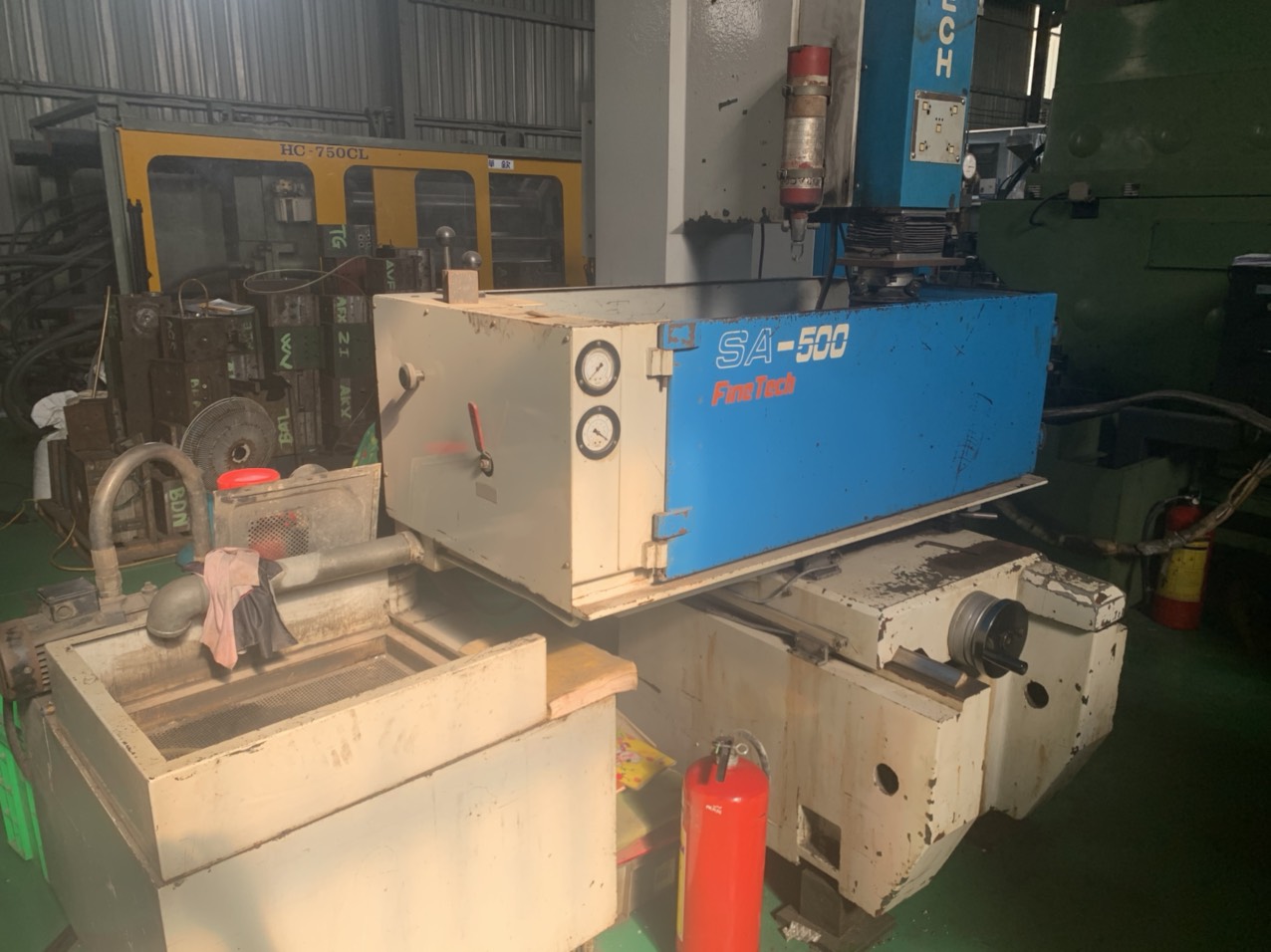
Why "Implied" Ownership Is Not Enough
Many buyers believe that paying for a design automatically grants them ownership design patents 3. This is incorrect in most jurisdictions. Without a written clause, the fabricator may claim joint ownership or even sole ownership of improvements they made during production. I have seen this happen with complex sheet metal brackets that require multiple bend sequences and custom cutouts non-disclosure agreement 4. The fabricator argues their process knowledge contributed to the final design. That argument can hold up in court if your contract is silent custom tooling and dies 5.
What Your IP Ownership Clause Must Cover
Your clause should address three categories of intellectual property:
| IP Category | What It Includes | Who Owns It |
|---|---|---|
| Background IP | Your original CAD files, sketches, specifications, tolerances | Client (you) — always |
| Foreground IP | New designs, modifications, or improvements created during fabrication | Client (you) — must be stated explicitly |
| Process IP | Proprietary fabrication techniques, bend sequences, welding methods | Depends on negotiation — clarify in writing |
Sample Clause Language
A strong ownership clause should read something like this: "All intellectual property rights 6 in and to the Designs, including but not limited to CAD drawings, engineering specifications, prototypes, and any modifications or improvements thereto, shall vest exclusively in the Client. The Manufacturer disclaims any right, title, or interest in such intellectual property."
Separating Design Ownership from Process Knowledge
Here is where negotiations get tricky. When our engineering team co-develops a custom fabrication approach with a client — say, a specific sequence of laser cutting, bending, and powder coating for a mounting bracket — we distinguish between the product design (which belongs to the client) and the general process knowledge (which belongs to the fabricator). Your contract should define IP and tooling ownership clearly. Vague language like "proprietary information" without a precise definition invites disputes.
Practical Steps to Lock Down Ownership
- Watermark all CAD files before sharing them with any supplier.
- Use version control so you can prove which design iteration you created.
- Register design patents in the manufacturing country — not just your home country.
- Include a copyright notice on every drawing and specification sheet.
Copyright registration 7 is relatively inexpensive and creates a public ownership record. This makes patent infringement cases much simpler to pursue.
What specific non-disclosure terms should I include to prevent my supplier from leaking proprietary fabrication techniques?
One lesson our team in Vietnam learned early: a well-meaning engineer at a supplier facility showed a visiting buyer from another company the exact jig setup we had co-developed with our client. No malice involved — just poor internal controls. That incident cost weeks of renegotiation and a near-lost account.
Your non-disclosure agreement should include precise definitions of confidential information, need-to-know access restrictions, mandatory employee and partner NDAs, secure data storage requirements, duration terms (indefinite for trade secrets), and certified return or destruction clauses for all proprietary materials upon project completion.
Mutual vs. Unilateral NDAs
Before diving into specific terms, decide which type of NDA fits your situation.
| NDA Type | When to Use | Risk Level |
|---|---|---|
| Unilateral NDA | You share proprietary designs; supplier shares nothing confidential | Low — protects only you |
| Mutual NDA | Both parties share trade secrets or proprietary processes | Medium — balanced protection |
| NNN Agreement 8 (Non-Disclosure, Non-Use, Non-Circumvention) | Sourcing from Asia where local enforcement may be weaker | Recommended for offshore sourcing |
For sheet metal fabrication 9 sourcing in Asia, I strongly recommend an NNN agreement rather than a standard NDA. The non-circumvention clause prevents the supplier from bypassing you and selling directly to your customers. The non-use clause prevents them from using your designs for their own products or other clients.
Core Terms Your NDA Must Include
Definition of Confidential Information. Do not use vague language. List exactly what is covered: CAD files, DXF/DWG drawings, material specifications, bend radii, tolerance callouts, surface finish requirements, assembly instructions, BOM data, and any proprietary processes you share.
Access Control. Mandate that only named individuals at the supplier facility can view your files. Require a log of who accessed what and when. Our China office team insists on this with every supplier we manage — it is a non-negotiable part of our process control.
Employee and Subcontractor NDAs. The fabricator must require every employee and subcontractor who touches your project to sign an individual NDA. This is where leaks happen most often. A machine operator moves to a competitor and carries your design knowledge with them.
Secure Data Transfer. Require encrypted file transfer protocols. Password-protect all CAD files. Prohibit the use of personal email or messaging apps for sharing design data. Our team uses secure cloud platforms with access expiration dates for every file we share with fabricators.
Duration. For trade secrets, the NDA should have no expiration. For general confidential information, five years is a common minimum. Never accept a one-year term — it offers almost no protection.
Return and Destruction. When the project ends, the supplier must either return or certify the destruction of all confidential files, prototypes, samples, and tooling. Get this in writing with a signed certificate.
What Happens Without These Terms
Without precise NDA terms, your proprietary fabrication techniques — the specific bend sequences, welding parameters, or custom fixture designs that make your part unique — become fair game. I have seen suppliers replicate a client's proprietary processes for a competitor within months of the contract ending. The absence of a non-circumvention clause made it perfectly legal. For a deeper look at structuring these agreements, see our guide on how to protect OEM design IP when sourcing sheet metal fabrication with an NDA.
How can I protect my rights to the custom tooling and dies used in my sheet metal production?
During a recent supplier transition project, we discovered that the original fabricator refused to release the custom stamping dies our client had paid for. The contract said nothing about tooling ownership. The client had to pay again — this time to a new supplier — to recreate dies that were rightfully theirs.
To protect your rights to custom tooling and dies, your contract must explicitly state that all tooling paid for by the client is the client's exclusive property, must be stored securely, maintained at the fabricator's expense, marked with the client's name, and returned or transferred upon request without conditions.
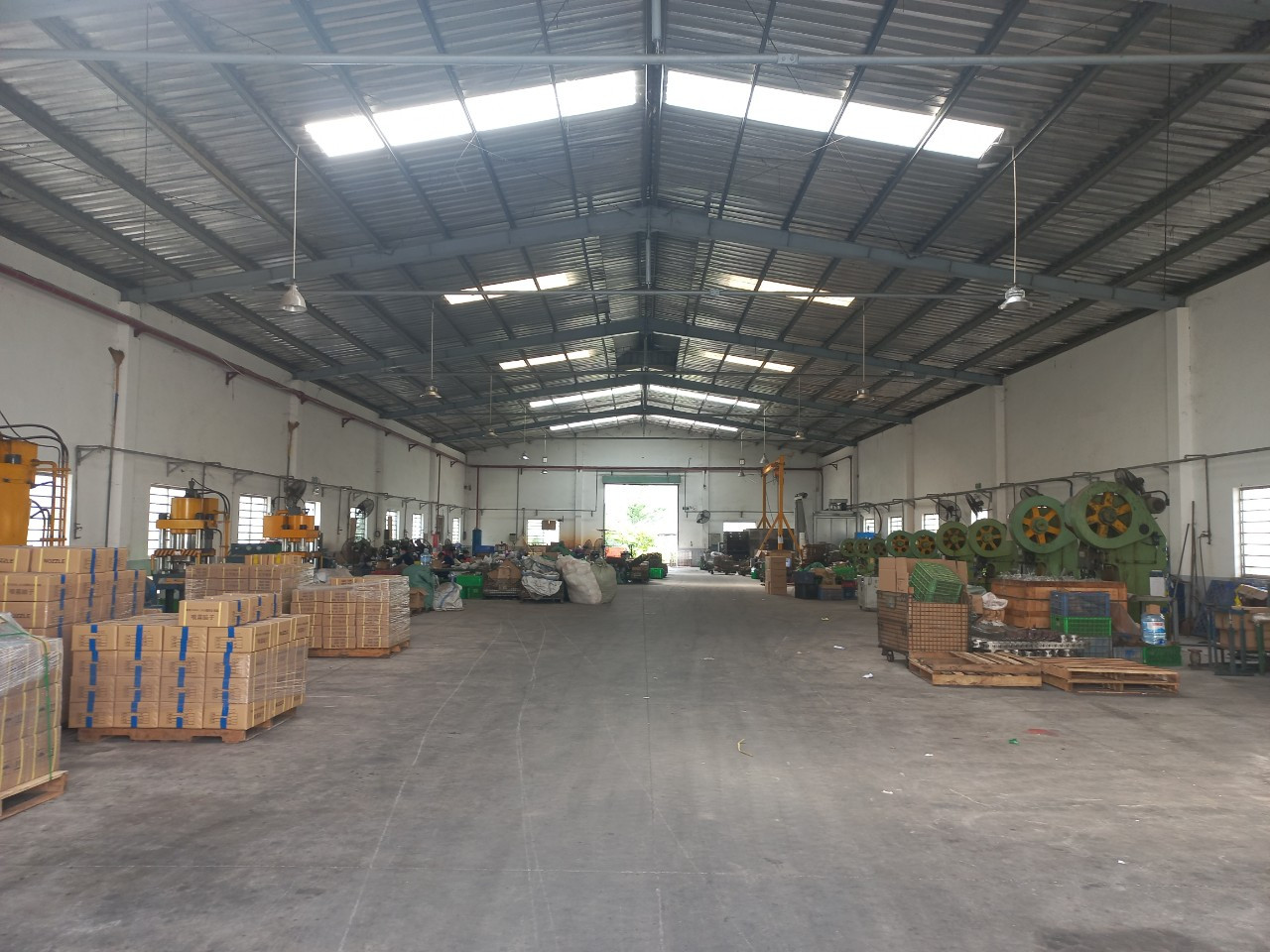
Why Tooling Ownership Is a Separate Issue
Many buyers lump tooling into their general IP clause. That is a mistake. Tooling — stamping dies, press brake tooling, custom jigs, fixtures, and inspection gauges — is physical property. It requires different contractual treatment than digital design files.
Key Tooling Clause Elements
| Clause Element | What It Covers | Why It Matters |
|---|---|---|
| Ownership declaration | All tooling paid for by client is client property | Prevents fabricator from claiming ownership |
| Identification marking | Tooling must be labeled with client's name/ID | Creates physical evidence of ownership |
| Storage and maintenance | Fabricator must store safely and maintain at their cost | Protects tooling condition |
| Usage restriction | Tooling may only be used for client's orders | Prevents fabricator from using your dies for other customers |
| Transfer rights | Client can request shipment of tooling at any time | Enables supplier transitions |
| Insurance | Fabricator must insure tooling against damage/loss | Protects client's investment |
The "Amortized Tooling" Trap
Some fabricators offer to amortize tooling costs into per-piece pricing. This sounds attractive — you pay nothing upfront for dies. But here is the catch: the fabricator retains ownership of the tooling until the amortization is complete. If you switch suppliers before that point, you lose the tooling entirely. I always advise our clients to pay for tooling upfront and own it outright. The short-term savings of amortization are not worth the long-term risk.
Divided Manufacturing as a Tooling Strategy
Companies like Apple use divided manufacturing to protect their IP. They split production across multiple suppliers so no single partner has access to the full design. You can apply this to tooling as well. Have one supplier produce the dies. Have another supplier use those dies for production. Neither supplier has the full picture. Our team coordinates this kind of split sourcing regularly for clients with sensitive custom fabrication projects.
Practical Tooling Protection Steps
Keep a detailed tooling register that includes photos, serial numbers, storage locations, and maintenance records. Require the fabricator to provide quarterly tooling condition reports. Include a clause that allows you to inspect tooling at any time — announced or unannounced. And always include a clear IP exit strategy: what happens to the tooling when the contract ends, when the supplier relationship ends, or when you move production to a different country.
What legal steps should I take to enforce IP clauses when sourcing from contract manufacturers in Asia?
Last year, our Singapore office helped a U.S. client navigate a situation where a Vietnamese contract manufacturer had begun producing a suspiciously similar bracket for a local buyer. The client's manufacturing agreement included strong IP clauses — but they had never registered their design patent in Vietnam. Enforcement became an uphill battle.
To enforce IP clauses when sourcing from Asia, register your patents, trademarks, and copyrights in the manufacturing country, specify that country's courts or an international arbitration body as the governing jurisdiction, conduct regular supplier audits, and collaborate with local legal counsel and IP enforcement authorities.
Why Your Home Country's IP Registration Is Not Enough
Intellectual property rights are territorial. A U.S. patent does not protect you in Vietnam, Taiwan, or India. You must register your IP in the country where manufacturing takes place. This is the single most important legal step buyers overlook.
Governing Law and Jurisdiction
Your contract must specify which country's laws govern the agreement and where disputes will be resolved. There are three main options:
| Dispute Resolution Method | Pros | Cons |
|---|---|---|
| Client's home country courts (e.g., U.S.) | Familiar legal system; strong IP laws | Difficult to enforce judgments in Asia |
| Manufacturer's country courts | Enforceable locally | May favor local party; unfamiliar system |
| International arbitration (e.g., SIAC, ICC, HKIAC) | Neutral; enforceable under New York Convention | Higher cost; slower process |
For most of our clients sourcing from Vietnam or other Asian countries, we recommend international arbitration through the Singapore International Arbitration Centre (SIAC). Singapore is neutral, the awards are enforceable in over 160 countries, and the legal framework is well-established. For more on navigating this topic, see our article on how to handle legal jurisdiction when sourcing sheet metal fabrication from Vietnam.
Supplier Audits and Compliance Verification
A contract is only as good as your ability to verify compliance. Build audit rights directly into your manufacturing agreement. These should allow you to:
- Inspect the fabricator's facility — announced or unannounced.
- Review digital access logs for your CAD files.
- Verify that employee NDAs are signed and current.
- Confirm that your tooling is stored, maintained, and marked properly.
- Check that no subcontracting has occurred without your written approval.
Our Vietnam office conducts these audits on behalf of our U.S. and European clients. We check everything from file access records to physical tooling condition. This is part of our standard process control and PPAP workflow.
Building a Digital Evidence Trail
Consider using blockchain-based systems to create an immutable record of design iterations, file transfers, and approvals. While still emerging in custom fabrication, this technology provides strong proof of ownership and timeline in the event of a dispute. At minimum, use timestamped version control for all CAD files and keep records of every file you share, with whom, and when.
Indemnification and Remedies
Your contract should include an indemnification clause where the fabricator agrees to compensate you for any losses resulting from their breach of IP clauses. Specify both monetary damages and the right to seek injunctive relief — a court order to stop the infringing activity immediately. Without an injunction clause, you may win damages but the fabricator continues using your design while the case drags on.
Common Pitfalls in Enforcement
Overly broad clauses can backfire. If a court finds your IP clause unreasonably restrictive, it may void the entire provision. Work with local counsel to ensure your terms are enforceable under the manufacturing country's laws. Avoid ambiguous language. Define every term precisely. And never rely solely on the contract — combine legal protection with operational safeguards like encrypted data transfer, divided manufacturing, and regular audits.
Conclusion
Protecting your intellectual property when sourcing custom sheet metal fabrication requires explicit contract clauses, operational safeguards, and local IP registration — not assumptions. Take these steps before sharing a single CAD file with any supplier.
Frequently Asked Questions
How do I ensure my company retains full ownership of custom sheet metal designs and CAD drawings?
A purchasing manager we work with in the U.S. once assumed his design ownership was implied because he paid for the engineering explicit IP ownership clause 2 . It was not. His supplier in China modified the CAD files slightly and began offering the part to other buyers.
What specific non-disclosure terms should I include to prevent my supplier from leaking proprietary fabrication techniques?
One lesson our team in Vietnam learned early: a well-meaning engineer at a supplier facility showed a visiting buyer from another company the exact jig setup we had co-developed with our client. No malice involved — just poor internal controls. That incident cost weeks of renegotiation and a near-lost account.
How can I protect my rights to the custom tooling and dies used in my sheet metal production?
During a recent supplier transition project, we discovered that the original fabricator refused to release the custom stamping dies our client had paid for. The contract said nothing about tooling ownership. The client had to pay again — this time to a new supplier — to recreate dies that were rightfully theirs.
Footnotes
1. Comprehensive guide to IP clauses in manufacturing agreements. ↩︎
2. Details the importance and components of IP ownership clauses in manufacturing. ↩︎
3. Official guide explaining what design patents are and their purpose. ↩︎
4. Provides a general definition and overview of non-disclosure agreements. ↩︎
5. Discusses the importance and manufacturing of custom tooling and dies. ↩︎
6. Replaced with an authoritative overview of intellectual property from the World Intellectual Property Organization (WIPO). ↩︎
7. Outlines the benefits and legal implications of copyright registration. ↩︎
8. Explains the specific components and advantages of NNN agreements in international sourcing. ↩︎
9. Explains the fundamental processes and applications of sheet metal fabrication. ↩︎