
When our team helped a U.S. client recover from a failed sheet metal supply chain last year, the root cause was clear — no structured supply agreement existed IATF 16949 1. The client lost three months and thousands of dollars. The fix was not finding a new fabricator. It was building a proper framework agreement from day one.
To structure long-term supply agreements for infrastructure sheet metal fabrication, define precise engineering specs, lock in annual pricing, establish lead time commitments, embed quality control checkpoints, and build proactive communication protocols — all within a master supply agreement that balances cost optimization with risk mitigation.
This article walks through the exact clauses, negotiation strategies, and procurement frameworks I use when setting up supply agreements for custom infrastructure parts revision control procedures 2. Whether you source from Vietnam, Taiwan, or India, these principles apply.
How can I ensure my sheet metal fabrication partner maintains strict quality control for my infrastructure projects?
A buyer we work with in the Midwest once received 500 mounting brackets with misaligned pilot holes force majeure definitions 3. The fabricator had skipped the fit-up check before welding. That single oversight cost the project two weeks and a partial reshipping. It taught us that quality control 4 cannot be assumed — it must be contractually embedded.
To ensure strict quality control, your supply agreement must define inspection points, material traceability requirements, revision control procedures, and first-article approval processes. Include measurable KPIs like defect rates below 0.5% and mandate PPAP documentation for every production run.
Start with Engineering Alignment
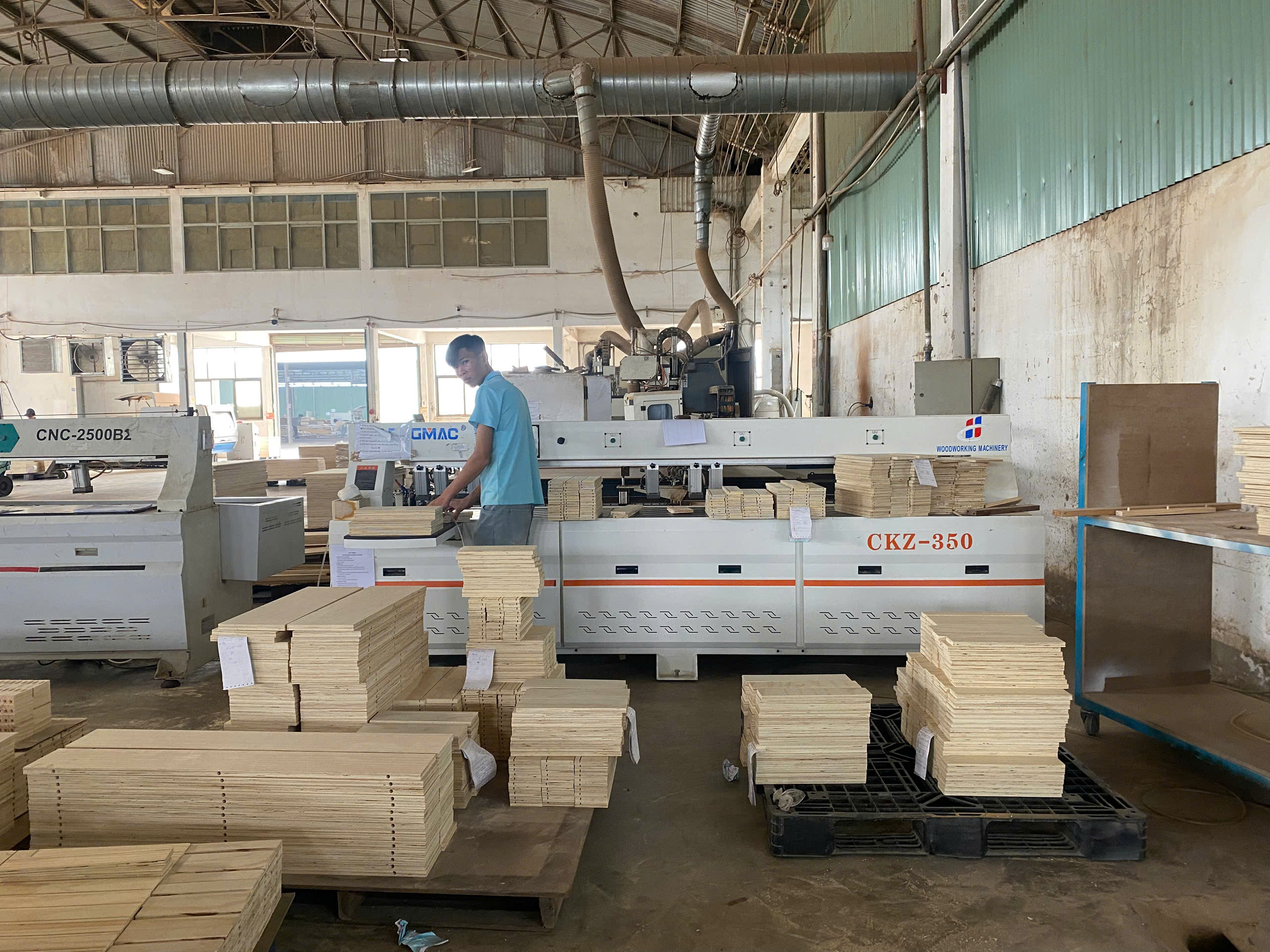
Before any quality system can work, both parties need to agree on what "right" looks like. This means sharing complete engineering drawings with tolerances, weld symbols, critical-to-quality features, and surface finish expectations. In our co-development process, we review every drawing line by line with the fabricator before production begins. Ambiguities in drawings are the number one source of non-conforming parts.
For infrastructure sheet metal — think heavy-duty mounting brackets, housing bases, and angular support components — tolerances on hole placement and bend angles are critical. A 0.5mm deviation on a mounting hole can mean the part does not fit its mating component on site.
Define Inspection Stages
Quality cannot be inspected only at the end. Your agreement should specify inspection at multiple stages.
| Inspection Stage | What to Check | Who Is Responsible |
|---|---|---|
| Incoming Material | Material grade, gauge, mill certificates | Fabricator + Supply Chain Partner |
| First Article Inspection | Dimensional accuracy, fit-up, surface finish | Fabricator + Buyer Approval |
| In-Process (Pre-Weld) | Hole alignment, bend angles, fit-up checks | Fabricator QC Team |
| Post-Weld | Weld integrity, distortion, cosmetic weld marks | Fabricator QC Team |
| Final Inspection | Full dimensional check, packaging, labeling | Independent QC or Supply Chain Partner |
When we manage production for U.S. clients, our local teams in Vietnam and China conduct final inspections before shipment. This catches issues that the fabricator's own team might overlook.
Certifications and Traceability
Infrastructure projects — especially those connected to defense or government contracts — often require ISO 9001 certification 5 at minimum. Some require AS9100 or IATF 16949. Your agreement should list the required certifications and mandate that the fabricator maintains them throughout the contract term.
Material traceability 6 is equally important. Every sheet of steel or aluminum used should be traceable to a specific mill lot. This is not optional for infrastructure work. Include a clause requiring the fabricator to retain material certificates and make them available on request.
Controlled Revision Management
Parts evolve. Drawings get updated. Without a controlled revision process, the fabricator might produce parts from an outdated drawing. Your agreement should specify that only the latest buyer-approved revision is valid. All superseded drawings must be clearly marked and removed from the production floor.
What clauses should I include in my supply agreement to prevent delivery delays and manage lead time risks?
Last quarter, a raw material shortage in Vietnam delayed a bracket order by 18 days. We had anticipated this — our agreement included a clause requiring the fabricator to notify us within 48 hours of any supply disruption. That early warning gave our client enough time to adjust their installation schedule. Without it, the downstream cost would have been severe.
Your supply agreement should include fixed lead time commitments with penalty clauses, mandatory early-warning notifications for delays, capacity reservation requirements, and force majeure definitions. Add rush-order provisions with defined premium charges and require quarterly capacity planning reviews.
Realistic Lead Time Baselines
Not all sheet metal parts are equal. A simple laser-cut bracket ships faster than a multi-bend welded assembly with powder coating. Your agreement should define lead times by part complexity tier.
| Part Complexity | Description | Typical Lead Time |
|---|---|---|
| Tier 1 — Simple | Flat cut parts, 1–2 bends, no finishing | 2–3 weeks |
| Tier 2 — Moderate | Multi-bend, hardware insertion, basic coating | 3–5 weeks |
| Tier 3 — Complex | Welded assemblies, tight tolerances, multi-step finishing | 5–8 weeks |
| Tier 4 — Critical | Complex assemblies with special certifications, testing | 8–12 weeks |
These baselines should be written into the agreement. Any deviation beyond a defined buffer (typically 3–5 business days) triggers a formal notification process.
Capacity Reservation and Planning
For long-term infrastructure contracts, you need more than a promise. You need reserved capacity. This means the fabricator commits a percentage of their production capacity to your orders. In return, you provide rolling forecasts — typically 3-month firm orders with 6-month projections.
One risk I evaluate carefully is customer concentration. If a fabricator has one or two clients representing over 50% of their revenue, that shop is fragile. A single lost account could destabilize their operations. I look for fabricators with a diversified customer base. This indicates financial stability and operational resilience.
Early Warning and Escalation Protocols
Your agreement should require the fabricator to notify you within 24–48 hours of any event that may affect delivery. This includes raw material delays, equipment breakdowns, labor shortages, or quality holds. Define an escalation path — who gets notified, at what threshold, and what remedial actions are expected.
Predictive Analytics and AI Forecasting
The metal contract manufacturing market is projected to grow from $168.4 billion in 2025 to $298.7 billion by 2034 at a 6.6% CAGR. With this growth comes increased demand for raw materials. AI tools now forecast material shortages up to 45 days in advance. Over 35% of manufacturers prioritize partners who balance technical expertise with supply chain innovation. If your fabrication partner uses predictive analytics 7 for procurement, include data-sharing clauses so you benefit from those insights.
Rush Orders and Premium Charges
Even the best planning cannot prevent every urgent need. Your agreement should include provisions for rush orders — with clearly defined premium charges (typically 15–30% above standard pricing). However, frequent rush orders signal a planning breakdown. If you find yourself expediting regularly, revisit your forecasting process.
How do I negotiate open account payment terms to improve my cash flow during long-term contracts?
The trade-off between cash flow and supplier relationships is one I navigate daily. A U.S. buyer recently asked us for 90-day open account terms on a six-figure annual sheet metal program. The fabricator in Vietnam wanted payment within 30 days. Bridging that gap required creative structuring — and a supply chain partner willing to absorb some of the financial risk.
To negotiate open account payment terms, build trust through smaller initial orders with shorter terms, then gradually extend to 60–90 day terms as the relationship matures. Use a supply chain management partner who can offer credit terms while paying fabricators on their preferred schedule, effectively decoupling buyer and supplier cash cycles.
Why Payment Terms Matter for Infrastructure Projects
Infrastructure sheet metal programs often involve large upfront tooling costs, recurring production runs, and long project timelines. Cash flow gaps can stall projects. If you pay for materials and fabrication 60–90 days before you invoice your own customer, the financial strain compounds over multi-year contracts.
Material costs alone represent 30–40% of total fabrication cost. For a $500,000 annual program, that means $150,000–$200,000 tied up in raw material at any given time. Open account terms shift that burden and free up working capital.
Graduated Terms Strategy
Most fabricators — especially in Asia — are cautious about extending credit to new buyers. I recommend a graduated approach.
| Contract Phase | Order Value | Payment Terms | Duration |
|---|---|---|---|
| Phase 1 — Trial | $5,000–$20,000 | 30% deposit, balance on delivery | First 2–3 orders |
| Phase 2 — Established | $20,000–$50,000 | Net 30 days | Months 3–6 |
| Phase 3 — Trusted | $50,000+ | Net 60 days | Months 6–12 |
| Phase 4 — Strategic | Ongoing | Net 60–90 days (open account) | Year 2+ |
This graduated structure builds confidence on both sides. The fabricator sees consistent order flow and on-time payments. The buyer earns progressively better terms.
The Role of a Supply Chain Partner
One of the reasons our clients choose to work through DEWIN is specifically for payment term flexibility. We can offer 60–90 day open account terms to qualified U.S. buyers because we pay our fabrication partners on their terms. This decoupling is valuable. The buyer gets the cash flow relief they need. The fabricator gets paid on time. And the supply chain keeps moving.
This model is especially relevant when sourcing from Vietnam or other Southeast Asian countries where fabricators typically lack the financial infrastructure to extend credit directly to overseas buyers. A Singapore-headquartered intermediary with local teams can bridge that gap effectively.
Protecting Both Sides
Your master supply agreement 8 should include clear payment clauses covering late payment penalties, dispute resolution for invoice discrepancies, and conditions under which credit terms can be revoked. Include a clause that allows the supplier or intermediary to revert to prepayment terms if payments are consistently late. This protects the supply chain and keeps the relationship honest.
How can I structure my agreement to ensure proactive communication and technical co-development for custom infrastructure parts?
One of the most frustrating experiences for any procurement manager is silence from a supplier. I learned this early in my career when a fabricator went dark for two weeks during a critical production run. No updates. No status reports. When the parts finally arrived, half failed inspection because a drawing note had been ignored. Since then, every framework agreement we build includes a detailed communication infrastructure.
Structure your agreement with a dedicated project manager as a single point of contact, mandatory weekly status updates during production, defined response times for technical queries, and co-development clauses that require joint design reviews before production. Include provisions for online portals or shared dashboards for real-time production visibility.
Why Communication Fails — and How to Prevent It
Communication breakdowns in sheet metal fabrication usually happen for three reasons. First, no single point of contact exists — emails go to different people and context is lost. Second, no structured update cadence is defined — updates happen only when problems arise. Third, technical questions are handled informally — critical drawing requirements get missed in casual conversations.
Your contract negotiation should address all three. Specify that the fabricator (or supply chain partner) assigns a dedicated project manager. Define the update frequency — weekly during active production, monthly during idle periods. And require that all technical queries and responses be documented in writing.
Co-Development for Custom Infrastructure Parts
Infrastructure sheet metal parts — like the angular mounting brackets and housing bases we regularly source — are rarely off-the-shelf. They require co-development. This means the fabricator's engineering team works alongside the buyer's design team to optimize parts for manufacturability, cost, and performance.
Your agreement should include a design-for-manufacturability (DFM) review clause. Before any production begins, the fabricator provides a formal DFM report that flags potential issues: tight bends that may crack, hole-to-edge distances that are too small, weld access problems, or material grade substitutions that could improve cost without sacrificing performance.
Technology-Driven Communication
Industry 4.0 practices 9 are reshaping supplier relationship management. Real-time production tracking through online portals, digital twin technology for process visibility, and automated shipping notifications are becoming standard expectations. Over 35% of manufacturers now prioritize partners who offer these capabilities.
When we manage programs for U.S. clients, our teams provide regular photo documentation of in-process work, shipping schedules with tracking numbers, and proactive alerts for any deviation. This level of transparency builds trust and eliminates surprises.
Cybersecurity and Data Protection
As digital integration deepens, your agreement must also address cybersecurity. Intellectual property — drawings, specifications, proprietary designs — flows between buyer, supply chain partner, and fabricator. Include clauses that restrict the fabricator from sharing your designs with third parties, require secure file transfer protocols, and define penalties for IP breaches. This is especially critical for infrastructure projects with government or defense connections.
North American Sourcing vs. Asian Sourcing — Communication Considerations
A common debate in procurement strategy is whether to source domestically or from Asia. Domestic fabrication offers faster communication (same time zone, same language) and shorter lead times. Asian sourcing offers cost optimization and access to specialized capabilities. The hybrid model — using Asian fabrication for volume production and domestic or digital platforms for rapid prototyping — is now the dominant approach. Your agreement should reflect whichever model you choose, with communication protocols adjusted accordingly.
When sourcing from Asia, having a local team on the ground (as we do in Vietnam and China) eliminates the time-zone and language barriers that often plague direct buyer-fabricator relationships. This is a form of risk mitigation that pays for itself many times over.
Conclusion
Structuring long-term supply agreements for infrastructure sheet metal fabrication requires deliberate planning across engineering alignment, pricing, lead time management, quality systems, payment terms, and communication protocols. Build these elements into your master supply agreement, and your supply chain becomes a competitive advantage — not a liability.
Frequently Asked Questions
How can I ensure my sheet metal fabrication partner maintains strict quality control for my infrastructure projects?
A buyer we work with in the Midwest once received 500 mounting brackets with misaligned pilot holes force majeure definitions 3 . The fabricator had skipped the fit-up check before welding. That single oversight cost the project two weeks and a partial reshipping. It taught us that quality control 4 cannot be assumed — it must be contractually embedded.
What clauses should I include in my supply agreement to prevent delivery delays and manage lead time risks?
Last quarter, a raw material shortage in Vietnam delayed a bracket order by 18 days. We had anticipated this — our agreement included a clause requiring the fabricator to notify us within 48 hours of any supply disruption. That early warning gave our client enough time to adjust their installation schedule. Without it, the downstream cost would have been severe.
How do I negotiate open account payment terms to improve my cash flow during long-term contracts?
The trade-off between cash flow and supplier relationships is one I navigate daily. A U.S. buyer recently asked us for 90-day open account terms on a six-figure annual sheet metal program. The fabricator in Vietnam wanted payment within 30 days. Bridging that gap required creative structuring — and a supply chain partner willing to absorb some of the financial risk.
Footnotes
1. Official IATF site defining the automotive quality management system standard. ↩︎
2. Explains revision control in manufacturing and its importance for consistency. ↩︎
3. Defines force majeure clauses and their role in contracts. ↩︎
4. Explains quality control, its importance, and methods in manufacturing. ↩︎
5. Official ISO page explaining certification, including ISO 9001. ↩︎
6. Defines material traceability and its importance in supply chain analytics. ↩︎
7. Replaced with a page from SAS, a leading and authoritative company in analytics and business intelligence, explaining predictive analytics. ↩︎
8. Defines master supply agreements and their common sections. ↩︎
9. Defines Industry 4.0 and its integration of digital technologies in manufacturing. ↩︎