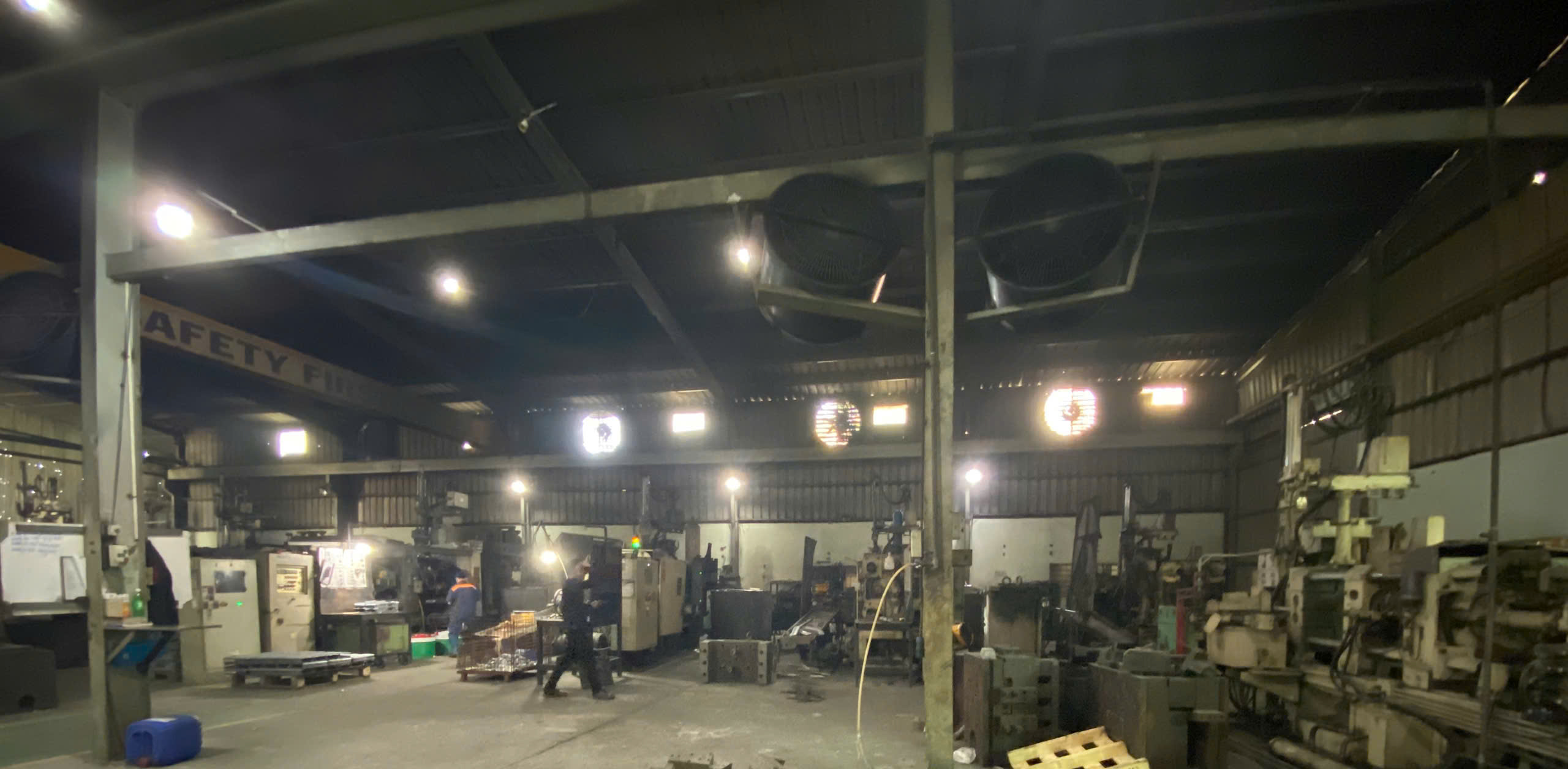

[Surface rust on stamped parts](https://dewintech.com/blog/what-if-stamped-parts-have-surface-rust-should/) has ruined more shipments than I can count salt spray test 1. Our team once opened a container in Vietnam and found orange bloom across an entire bracket order. The client’s launch was at risk, and the rework clock started ticking immediately.
Surface rust on stamped parts should be treated by degreasing the part first, removing rust with the least aggressive method that works, rinsing and drying immediately, then applying a protective barrier such as oil, primer, plating, or powder coating within an hour to prevent flash rust.
That is the short answer. But stamped parts are not flat stock. Their bends, seams, and residual oils change everything powder coating 2. Let me walk you through how we handle this with our suppliers, step by step.
How can I identify the root cause of surface rust on my stamped parts before choosing a treatment?
A buyer in Ohio once emailed me photos of rusty Z-clips and asked for an instant fix. I told him what our engineers always say first: diagnose before you treat, or the rust comes back.
Identify the root cause by checking four sources: residual die lubricants left after stamping, humidity exposure during storage or shipping, damaged or missing coatings, and defects in the incoming coil stock. Match the rust pattern and location on the part to the most likely cause before selecting any treatment.
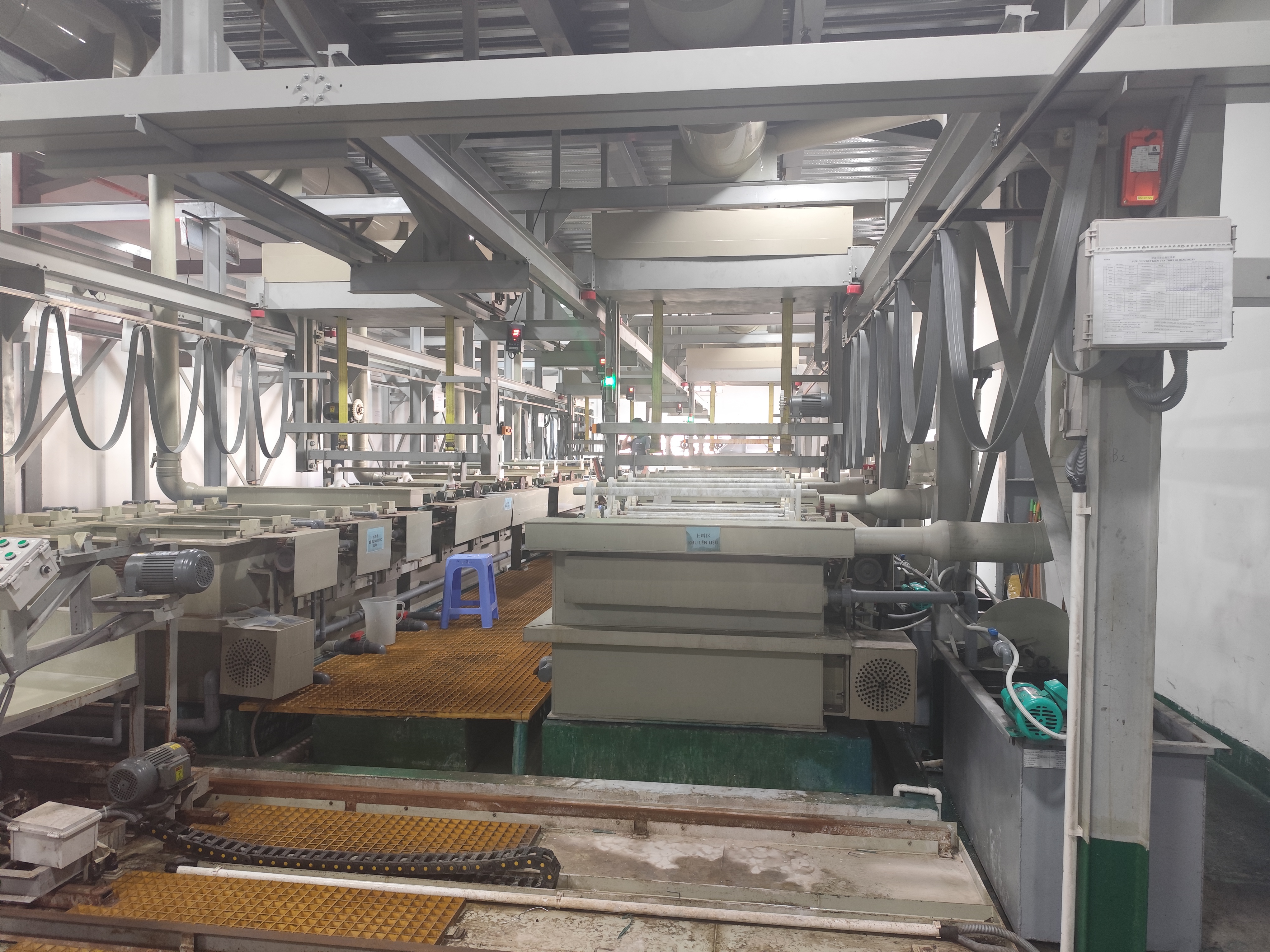
Rust never appears randomly. In our supplier audits across Vietnam and China, we trace the pattern of oxidation back to a specific process failure almost every time. The location of the rust tells you the story.
Read the rust pattern like a map
If rust concentrates in draw radii, bend lines, and punched holes, the cause is usually trapped stamping oil or cleaning fluid that was never fully removed. These tight geometries hold moisture and residue. If rust appears evenly across flat surfaces, suspect humidity during storage or transit. If rust follows straight lines down the part, the coil stock itself may have arrived with coating defects.
Grade the severity honestly
Before choosing a treatment, you need to know how deep the damage goes. We use visual grading standards such as ASTM D610 3 to keep this objective instead of emotional.
| Rust Grade | Appearance | Typical Cause | Treatment Path |
|---|---|---|---|
| Flash rust | Light orange haze, wipes off | Wet parts left to air-dry | Light abrasion, re-protect |
| Surface rust | Reddish-brown film, no pitting | Humidity, oil residue | Mechanical or chemical removal |
| Rust bloom | Early pitting, rough texture | Prolonged exposure | Chemical soak or blasting |
| Deep corrosion | Scale, pitting, thinning | Long-term neglect | Usually scrap and replace |
One more point matters for stamped parts specifically. Thin-gauge material has no margin for material loss. A rust grade that is cosmetic on a thick casting can be structural on a 0.8 mm bracket. When I review non-conformance reports with our Vietnam team, we always ask whether the part still meets drawing tolerances after cleanup. If it will not, rework is a waste of money.
What rust removal and surface treatment methods should I request from my supplier for stamped metal parts?
There is always a trade-off we weigh at the factory: aggressive removal cleans faster, but it can destroy the sharp edges and tight tolerances that make a stamped bracket fit.
Request degreasing first, then mechanical removal such as wire brushing or fine abrasion for light rust, chemical removal such as citric or phosphoric acid for rust in seams and pits, followed by rinsing, immediate drying, and a specified protective finish like zinc plating, oiling, or powder coating.

The golden rule I give every purchasing manager is simple: specify the least aggressive method that fully cleans the surface. Anything harsher risks changing part geometry. Anything weaker leaves oxidation under the coating, and rust will grow back beneath the paint.
The correct process sequence
Order matters more than most buyers realize. We hold our contract manufacturers to this sequence during process control reviews:
- Degrease completely. Rust removers cannot reach metal that is hiding under stamping oil.
- Remove the rust mechanically or chemically, matched to severity.
- Neutralize and rinse if acid-based products were used. Residual acid trapped in draw radii can reactivate corrosion weeks later.
- Dry immediately and completely. Wet steel can flash-rust within minutes.
- Apply the protective barrier fast, ideally within an hour of drying.
Match the method to the situation
| Method | Best For | Risk on Stamped Parts |
|---|---|---|
| Steel wool / wire brush | Light, accessible surface rust | Low, but may miss recesses |
| Fine sanding / flap wheel | Moderate rust on flat faces | Can round sharp edges |
| Citric acid soak | Rust in holes, seams, bends | Needs thorough rinsing |
| Phosphoric acid 4 / converter | Pitted areas, paint-prep | Residue must be neutralized |
| Media blasting | Heavy, widespread rust | Can distort thin gauge metal |
| Passivation 5 (stainless) | Free iron contamination | Requires bath control |
For stainless steel clips, the answer is different again. Rust on stainless usually means embedded free iron from tooling. Ask for citric or nitric acid passivation to restore the chromium oxide layer, not just abrasion. When we set up PPAP documentation 6 for a new stamping project, we write the exact removal method, chemical concentration, and re-protection window into the process sheet. Vague instructions like "clean the rust" invite shortcuts.
How do I evaluate whether a supplier's anti-rust coating or plating process meets my quality standards?
During a supplier audit near Ho Chi Minh City last year, I watched an operator skip the rinse tank to save time. The zinc plating 7 looked perfect that day. It would not have survived a month at sea.
Evaluate the coating process by requesting documented process controls, coating thickness measurements, adhesion test results, and salt spray test data matched to your service environment. Then verify with independent inspection, checking coverage inside holes, bends, and edges where stamped parts fail first.

Pretty photos prove nothing. A coating can look flawless and still fail because the layer is too thin, the pre-treatment was skipped, or the coverage misses the recesses. Our final inspection teams focus on evidence, not appearance.
Ask for numbers, not promises
A capable supplier can show you data without hesitation. When we qualify a plating house for a client's bracket program, we request the following at minimum: coating thickness readings from multiple points on the part, including inside bends; adhesion results such as cross-hatch testing for painted or powder-coated finishes; and neutral salt spray performance appropriate to the end use.
| Verification Item | What Good Looks Like | Red Flag |
|---|---|---|
| Thickness report | Multiple measured points, edges included | One reading per batch |
| Adhesion test | Documented cross-hatch or bend test | "We never have problems" |
| Salt spray data | Hours matched to your environment spec | No test capability in-house or via lab |
| Pre-treatment records | Bath concentration and temperature logs | No logs kept |
| Coverage check | Inspection of holes, flanges, recesses | Flat-face inspection only |
Watch the weak points of stamped geometry
Sharp edges carry thinner coating due to how plating and paint deposit. Punched holes and folded flanges shield surfaces from spray coating. So we always cut a sample part and check coverage at these exact locations. If your supplier only inspects the flat faces, your rust protection is theoretical. On mid-to-high specification projects, we also write the coating standard directly into the purchase order and tie final payment to passing inspection. Suppliers respect what buyers verify.
What steps can I take with my supplier to prevent surface rust from recurring in future production batches?
The most expensive lesson I learned in this business came from a repeat rust claim. We fixed the parts twice before we fixed the process. Prevention is where the real money is saved.
Prevent recurrence by agreeing on written process controls with your supplier: complete removal of stamping oils, controlled drying, immediate protective coating, VCI packaging with desiccants, climate-controlled storage, and rust inspection checkpoints at incoming coil, post-stamping, and pre-shipment stages.

Treating rust is firefighting. Preventing it is engineering. After that repeat claim, our team rebuilt the entire control plan with the supplier, and the problem never returned. Here is the framework we now apply to every stamping project we manage.
Build controls into three stages
First, control the inputs. Rust prevention starts before the press runs. We ask suppliers to inspect incoming coil stock for coating defects and storage rust, because a defective coil guarantees defective parts. For high-volume runs, simple SPC-style sampling at the coil stage catches systemic problems early.
Second, control the process. The window between stamping and protection is the danger zone. Parts should move from washing to drying to coating without long queues on the shop floor. We write maximum hold times into the process sheet. Bare steel sitting overnight in a humid workshop will bloom.
Third, control the journey. Ocean freight is a corrosion chamber. Temperature swings inside a container create condensation on bare metal every single night. So we specify VCI paper or bags, desiccant packs sized to the carton volume, and sealed inner packaging. For clients on our door-to-door logistics service, we also avoid leaving containers in port yards longer than necessary.
Make it contractual, not conversational
Verbal agreements evaporate under production pressure. Put the anti-rust requirements into the drawing notes, the control plan, and the packaging specification. Then audit against them. When our Vietnam office does pre-shipment inspection, rust check is a formal line item with photos, not a glance. That paper trail is what keeps batch two, three, and ten as clean as the golden sample.
Conclusion
Surface rust on stamped parts is a process failure, not bad luck. Diagnose the cause, specify the treatment, verify the coating, and lock prevention into your supplier agreements.
Frequently Asked Questions
How can I identify the root cause of surface rust on my stamped parts before choosing a treatment?
A buyer in Ohio once emailed me photos of rusty Z-clips and asked for an instant fix. I told him what our engineers always say first: diagnose before you treat, or the rust comes back.
What rust removal and surface treatment methods should I request from my supplier for stamped metal parts?
There is always a trade-off we weigh at the factory: aggressive removal cleans faster, but it can destroy the sharp edges and tight tolerances that make a stamped bracket fit.
How do I evaluate whether a supplier's anti-rust coating or plating process meets my quality standards?
During a supplier audit near Ho Chi Minh City last year, I watched an operator skip the rinse tank to save time. The zinc plating 7 looked perfect that day. It would not have survived a month at sea.
Footnotes
1. Explains the corrosion resistance testing method referenced for evaluating coating performance. ↩︎
2. Background on the dry finishing process used as a protective barrier against rust. ↩︎
3. Reference standard organization behind the visual rust grading system mentioned in the article. ↩︎
4. EPA resource relevant to chemical handling and safety of acid-based rust removal treatments. ↩︎
5. Explains the chemical process restoring chromium oxide layers on stainless steel parts. ↩︎
6. ISO standards body relevant to production part approval process documentation in manufacturing. ↩︎
7. Background on the protective metal coating process suggested as a rust prevention barrier. ↩︎