

Corrosion resistance of stamping parts is decided at the finishing stage, not the press. I learned this early, watching a batch of bare steel brackets rust in transit before our client even opened the crate.
Surface treatments improve corrosion resistance of stamping parts in three ways: they create a physical barrier against moisture and salts, they sacrifice themselves to protect the base metal, or they rebuild a stable oxide layer damaged during stamping.
That is the short answer. But [the right treatment](https://dewintech.com/blog/what-common-surface-treatments-stamping-parts-uses-are/) depends on your metal, your environment, and your budget. Let me walk you through how we handle this for our clients’ custom parts.
How do I choose the right surface treatment for my stamping parts based on their operating environment?
A purchasing manager once sent me a drawing for steel mounting clips with no finish specified. His parts were headed for outdoor HVAC units in Florida. That one missing note nearly cost him the whole order.
Choose surface treatments by matching them to exposure: dry indoor parts need only zinc plating or phosphating; humid or outdoor parts need galvanizing or powder coating; marine and chemical environments demand duplex systems like zinc phosphate plus e-coating or thick-film coatings.

The environment is the single biggest factor in this decision. In our sourcing projects across Vietnam and the wider Asian supply base, we always ask three questions before quoting a finish. Where will the part live? What touches it? How long must it last?
Match the Treatment to the Exposure Level
Here is the simple framework we use with clients when reviewing drawings:
| Operating Environment | Corrosion Risk | Recommended Treatments |
|---|---|---|
| Dry indoor (electronics, furniture) | Low | Clear zinc plating, phosphating, light oil |
| Humid indoor (bathrooms, basements) | Medium | Yellow zinc, nickel plating, powder coating 1 |
| Outdoor sheltered | Medium-high | Hot-dip galvanizing 2, powder coating over phosphate |
| Outdoor exposed / coastal | High | Duplex: galvanizing plus powder coat, e-coating |
| Marine / chemical / de-icing salts | Very high | Zinc-nickel plating, e-coat systems, stainless with passivation 3 |
Consider Function, Not Just Protection
Corrosion resistance is not the only requirement. A conductive grounding clip cannot wear a thick powder coat. A part that gets welded after finishing needs a weldable coating. A decorative bracket needs a finish that looks good and protects. We often see drawings that specify a finish which conflicts with the part's function. Our engineers flag these conflicts during design review, before tooling starts.
Cost matters too. Phosphating is cheap but short-lived on its own. Hot-dip galvanizing is economical for structural parts but too thick for tight-tolerance holes. Zinc-nickel costs more but survives far longer in salt exposure. The right answer balances all three: environment, function, and budget.
Which surface treatment options offer the best corrosion resistance for my custom stamped components?
The trade-off I weigh most often is protection versus everything else: cost, thickness, appearance, and lead time. When our team audits finishing suppliers in Vietnam, we test the same part with different coatings to compare real results.
For maximum corrosion resistance, duplex systems such as zinc phosphate with cathodic e-coating or galvanizing plus powder coating outperform any single treatment. Among standalone options, zinc-nickel plating, hot-dip galvanizing, anodizing for aluminum, and passivation for stainless steel lead their categories.
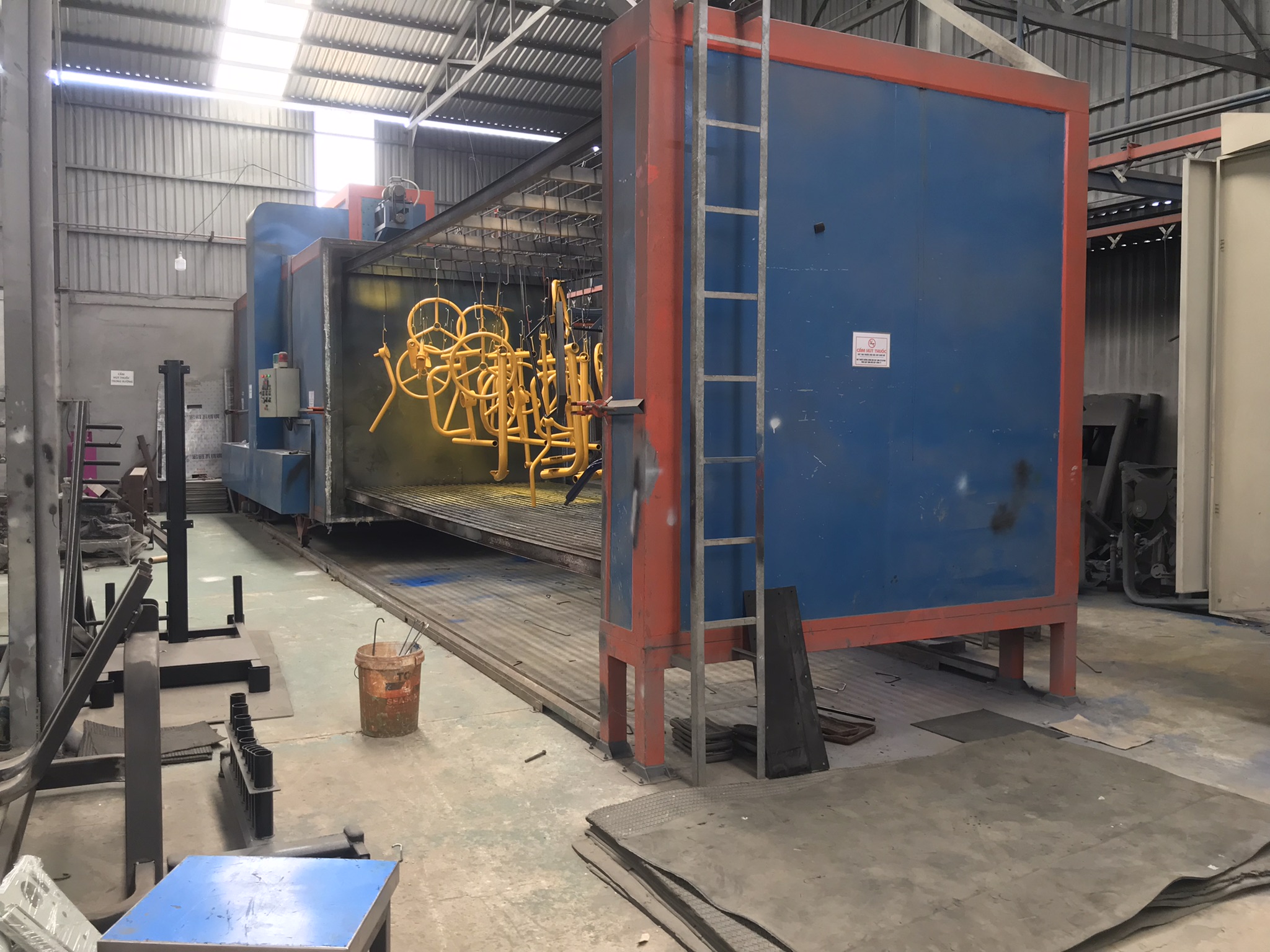
Let me break down the main options and where each one wins.
The Main Treatment Families Compared
| Treatment | How It Protects | Typical Base Metal | Relative Corrosion Life | Relative Cost |
|---|---|---|---|---|
| Zinc electroplating | Sacrificial + barrier | Carbon steel | Moderate | Low |
| Zinc-nickel plating | Sacrificial, high performance | Carbon steel | Very high | Medium-high |
| Hot-dip galvanizing | Thick sacrificial layer | Carbon steel | High | Low-medium |
| Phosphating | Conversion layer, paint base | Carbon steel | Low alone; high under paint | Low |
| Passivation | Restores chromium oxide | Stainless steel | High | Low |
| Electropolishing 4 | Smooths and cleans surface | Stainless steel | High | Medium |
| Anodizing 5 | Thickened oxide layer | Aluminum | High | Medium |
| Powder coating | Thick organic barrier | Steel, aluminum | High | Medium |
| Cathodic e-coating | Uniform barrier, full coverage | Steel | Very high | Medium |
Why Duplex Systems Win
A duplex system combines two mechanisms. Zinc phosphate grips the surface and gives paint something to bond to. The e-coat or powder coat then seals everything under a chemical-resistant barrier. The combined life exceeds the sum of each layer used alone. That is why automotive chassis parts almost always use phosphate plus e-coat.
For sacrificial protection, zinc-based coatings remain the workhorse. Zinc corrodes before the steel does, so even a small scratch stays protected. Zinc-nickel alloy plating pushes this further and holds up much longer in salt spray testing than plain zinc.
For aluminum stampings, anodizing thickens the natural oxide layer. It adds hardness and corrosion resistance without meaningful weight. For stainless steel, passivation and electropolishing restore the protective chromium oxide film that stamping disturbs. Best in class always depends on the base metal and the job.
Why do my stamped parts still corrode even after applying a protective coating?
A lesson that shaped our inspection process: a client returned zinc-plated brackets showing rust only along the sheared edges and bend lines. The plating itself was fine. The problem was everything underneath and around it.
Coated stamping parts still corrode because stamping creates weak points the coating cannot fully cover: exposed bare metal on sheared edges, micro-cracks at bend radii, embedded iron particles, trapped contaminants under the coating, and galvanic attack from mismatched fasteners.

The coating is only as good as the surface beneath it. Stamping is a violent process. It shears, stretches, and work-hardens the metal. Each of those actions creates a corrosion risk that finishing must overcome.
The Five Hidden Failure Points
- Sheared and blanked edges. Cutting exposes raw grain structure. Many coatings thin out or miss these edges entirely. Edge rust is the most common failure we see in returned parts. E-coating wraps edges better than spray methods; edge sealing helps too.
- Micro-cracks at bend radii. Tight bends create tiny cracks and work-hardened zones. Coatings bridge these cracks poorly and fail there first. Larger radii or stress relief before coating reduces the risk.
- Embedded free iron in stainless steel. Steel tooling transfers iron particles onto stainless surfaces during forming. That free iron rusts and spreads. This is why stainless stampings still rust, and why passivation after stamping is essential, not optional.
- Trapped contamination. Drawing oils, fingerprints, and shop dust left under a coating cause blistering and underfilm corrosion. Cleaning and pickling before treatment matter as much as the treatment itself.
- Galvanic corrosion at assembly. A zinc-plated bracket fastened with an incompatible screw creates a small battery. The less noble metal corrodes fast at the contact point. Coating and fastener chemistry must be engineered together.
In our process control work, we hold finishing suppliers to a full pretreatment sequence: degrease, rinse, pickle or activate, then coat. Skipping one step to save minutes is how "protected" parts come back rusty.
How can I verify that my supplier's surface treatment process meets my corrosion resistance requirements?
During a supplier audit in Vietnam last year, I asked a plating shop for their salt spray records. They had none. That single answer told us more than any factory tour could. Verification is where good sourcing separates from hopeful sourcing.
Verify a supplier's surface treatment by requiring documented salt spray testing to ASTM B117 with defined pass hours, coating thickness reports, adhesion tests, pretreatment process records, and first-article inspection. Audit their line controls and demand PPAP-level documentation for critical parts.
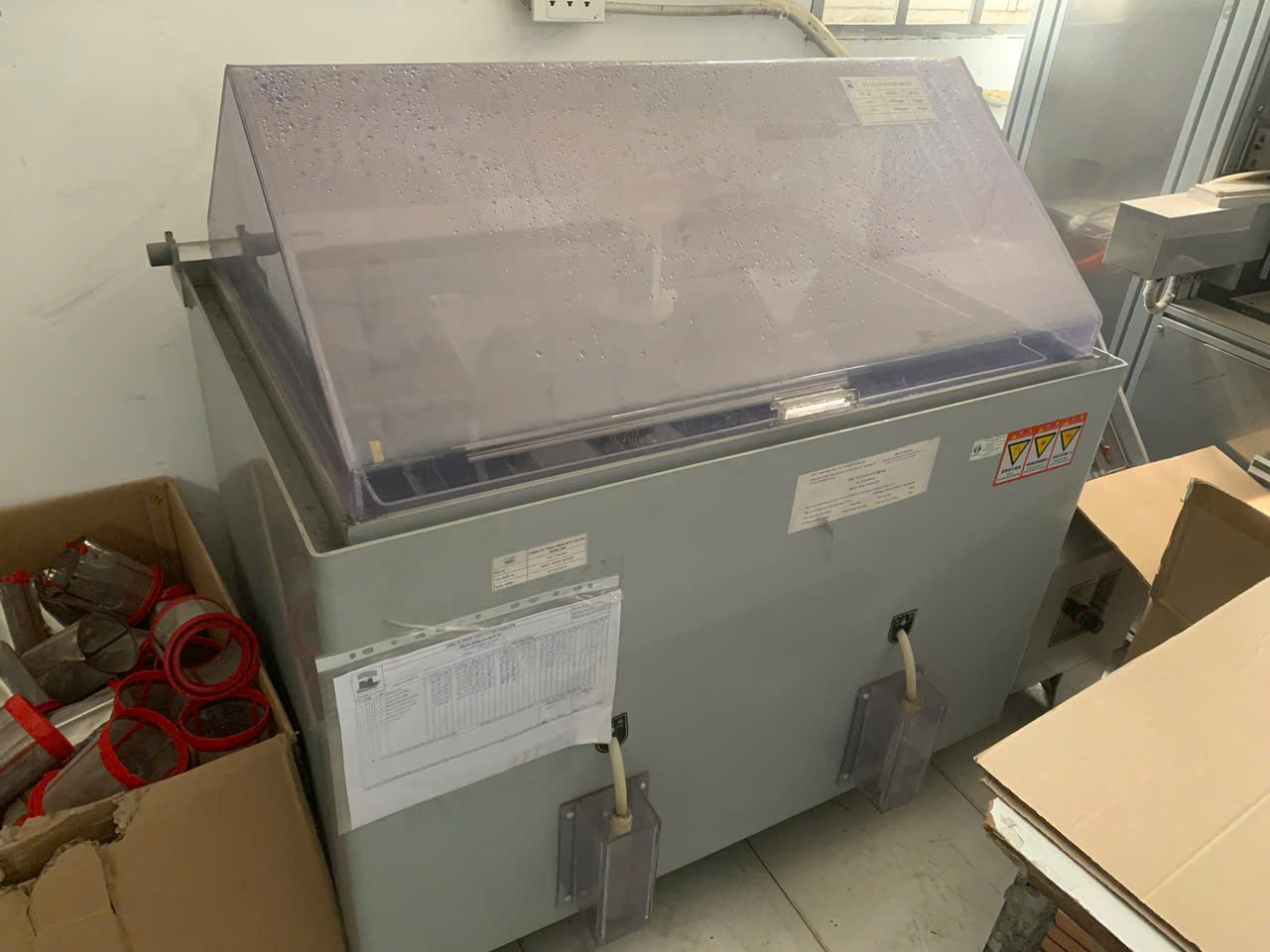
Trust is not a quality plan. Documents and tests are. Here is the verification framework we apply in our supplier audits and PPAP submissions for U.S. clients.
Define Requirements Before You Order
Vague specs produce vague results. Your drawing or purchase order should state:
- The exact treatment and standard (for example, zinc plating per ASTM B633, specific class and type).
- Minimum coating thickness and where it is measured.
- Required salt spray hours to white rust and to red rust.
- Color, gloss, and appearance criteria if the part is visible.
- Any restricted substances for regulatory compliance in your market.
Test and Document at Three Stages
| Stage | What to Check | Typical Method |
|---|---|---|
| Before production | Pretreatment chemistry, bath maintenance logs, line audit | On-site supplier audit |
| First article | Coating thickness, adhesion, coverage on edges and bends | Thickness gauge, cross-hatch adhesion, visual inspection |
| Ongoing production | Corrosion life, batch consistency | Salt spray per ASTM B117 6, periodic sampling, final inspection reports |
Salt spray testing is the industry's common yardstick. The part sits in a fog of salt solution, and hours to first white rust and first red rust are recorded. It does not perfectly predict real-world life, but it makes suppliers comparable and keeps them honest.
We also insist on checking thickness at edges and bend lines, not just flat faces. A supplier can hit spec on the flat and still fail where it matters. For critical programs, our team runs final inspection before shipment, so problems surface in Asia, not on our client's dock in the U.S. That is the difference between getting it right the first time and paying for rework twice.
Conclusion
Corrosion resistance of stamping parts comes from matching the right treatment to the metal and environment, controlling edges and pretreatment, and verifying results with real tests. Get the finish right, and the part lasts. If you need help specifying or verifying surface treatments for custom stamped parts, our team is ready.
Frequently Asked Questions
How do I choose the right surface treatment for my stamping parts based on their operating environment?
A purchasing manager once sent me a drawing for steel mounting clips with no finish specified. His parts were headed for outdoor HVAC units in Florida. That one missing note nearly cost him the whole order.
Which surface treatment options offer the best corrosion resistance for my custom stamped components?
The trade-off I weigh most often is protection versus everything else: cost, thickness, appearance, and lead time. When our team audits finishing suppliers in Vietnam, we test the same part with different coatings to compare real results.
Why do my stamped parts still corrode even after applying a protective coating?
A lesson that shaped our inspection process: a client returned zinc-plated brackets showing rust only along the sheared edges and bend lines. The plating itself was fine. The problem was everything underneath and around it.
Footnotes
1. Wikipedia overview of the organic barrier coating method discussed in comparisons. ↩︎
2. Explains the sacrificial zinc coating process referenced as a top corrosion treatment. ↩︎
3. Explains chemical process restoring chromium oxide film mentioned for stainless steel. ↩︎
4. Background on surface smoothing technique listed among stainless steel treatments. ↩︎
5. Background on the oxide-layer thickening process used for aluminum stampings. ↩︎
6. Official standard reference for the salt spray test method named in the article. ↩︎
7. Cite the official standard defining salt spray testing methodology referenced in the article. ↩︎