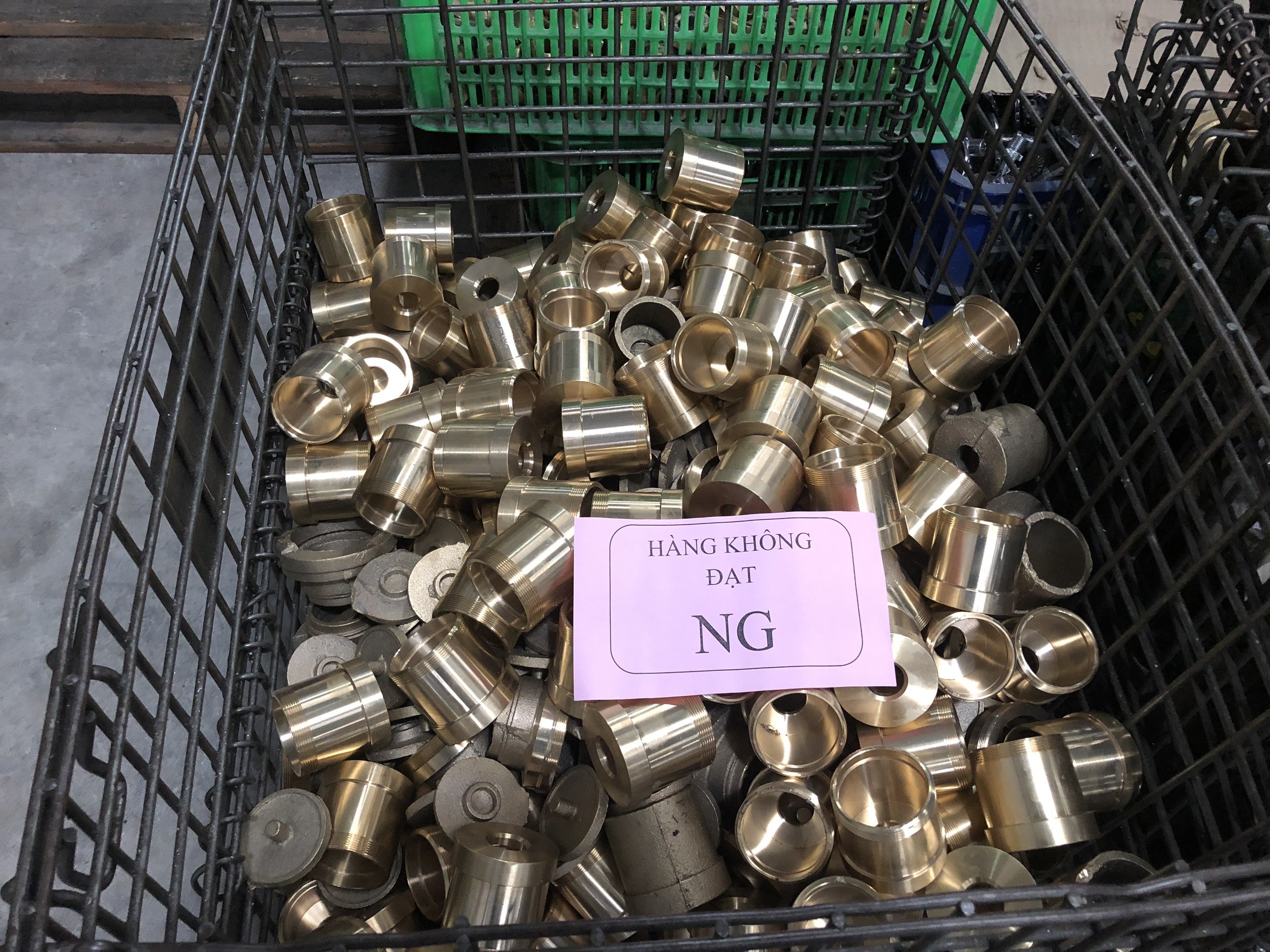

When our team first began auditing stamping suppliers across Vietnam and Taiwan, we noticed a recurring problem: parts looked flawless off the press but failed within months in the field. Rust crept in. Wear accelerated. Buyers lost confidence, and returns piled up. The root cause was almost always the same — inadequate or mismatched surface treatments on those stamping parts.
Surface treatments affect stamping parts performance by enhancing corrosion resistance, wear resistance, hardness, and fatigue life while improving friction coefficient, dimensional accuracy, and aesthetic quality. The right treatment acts as a protective barrier that extends component lifespan and ensures reliable function in demanding environments.
This article breaks down the most important surface treatment technologies, explains how they influence fit and durability, and gives you practical ways to verify quality before your stamped parts ever leave the factory floor. Whether you source brackets, clips, or complex multi-planar components, the information below will help you make better decisions.
Which Surface Treatments Are Best Suited for My Custom Stamped Parts?
A U.S. purchasing manager recently asked our engineering team to recommend a finish for a set of precision mounting brackets headed into outdoor electrical enclosures. The answer was not simple — it depended on the base material, the operating environment, and a tight budget window.
The best surface treatments for custom stamped parts depend on three factors: operational environment, base material, and performance requirements. Common options include electroplating for conductivity, powder coating for corrosion resistance, passivation for stainless steel, and heat treatment for hardened wear surfaces.

Understanding the Major Treatment Categories
Surface treatments fall into several broad families. Each one changes the part surface in a different way. Some add a physical layer on top. Others alter the chemistry of the existing surface. The key is matching the mechanism to your application.
| Treatment Type | Mechanism | Best For | Typical Materials |
|---|---|---|---|
| Electroplating (Zinc, Nickel, Tin, Chrome) | Deposits a thin metal layer via electric current | Corrosion resistance, conductivity, appearance | Steel, brass, copper alloys |
| Powder Coating 1 | Electrostatically applied polymer cured by heat | Thick corrosion barrier, color options, UV resistance | Steel, aluminum |
| Anodizing | Electrochemical oxide layer growth | Hardness, wear resistance, aesthetics | Aluminum alloys |
| Passivation | Chemical removal of free iron; chromium oxide layer | Corrosion resistance for stainless steel 2 | Stainless steel |
| Heat Treatment (Case Hardening, Nitriding) | Diffuses carbon or nitrogen into the surface | Surface hardness, wear resistance | Low-carbon steel, alloy steel |
| Electropolishing | Controlled electrochemical material removal | Surface roughness 3 reduction, corrosion resistance | Stainless steel, nickel alloys |
| PVD / CVD Coatings | Vapor deposition of ultra-thin hard films | Low friction coefficient, extreme wear resistance | Tool steels, high-performance alloys |
How to Narrow Down Your Choice
I walk through the same decision tree with every new project. First, define the environment. Will the part sit indoors or face salt spray, humidity, or chemical exposure? Second, identify the base material. A stamped stainless steel clip needs passivation, not zinc plating. Third, set your performance targets — do you need electrical conductivity, a specific surface roughness, or high adhesion strength for subsequent bonding?
For the mounting brackets we source — parts with sharp folded edges, punched holes, and multi-planar bends — zinc electroplating 4 or powder coating covers most general-purpose needs. When a buyer needs electronics-grade conductivity, we pivot to tin or nickel plating. And for parts that must survive thousands of salt spray test 5 hours, we discuss multi-layer systems or nano-coatings.
Budget matters too. Electroplating is cost-effective at high volumes. Powder coating gives a thicker barrier per dollar but adds measurable thickness that can affect dimensional accuracy on tight-tolerance features. PVD coatings deliver premium performance but carry a higher unit cost, which makes sense only when the application truly demands it.
How Can I Ensure My Supplier Applies the Right Surface Coating for Corrosion Resistance?
Last year, a shipment of stamped steel brackets arrived at a client's U.S. warehouse with white rust forming on the zinc finish — barely two weeks after leaving the factory. The zinc layer was too thin, and the supplier had skipped chromate conversion. That one oversight cost weeks of rework and strained the business relationship.
To ensure your supplier applies the right coating for corrosion resistance, specify the exact treatment, minimum thickness, and acceptance criteria in your drawing or purchase order. Require salt spray test reports, coating thickness measurements, and third-party inspection before shipment to confirm compliance.

Start With a Clear Specification
Vague callouts cause problems. Writing "zinc plate" on a drawing is not enough. You need to define the plating standard, the minimum thickness in microns, the chromate type (trivalent vs. hexavalent), and the salt spray test hours the finish must survive. Our team always works with the buyer's engineering group to lock these details into the drawing before we even approach a supplier.
The Corrosion Resistance Hierarchy
Not every coating offers the same level of protection. Here is a practical comparison we share with clients when they are weighing options:
| Coating | Typical Salt Spray Hours (to Red Rust) | Relative Cost | Notes |
|---|---|---|---|
| Clear Zinc Electroplate (8 µm) | 96–168 hrs | Low | Common, but limited in harsh environments |
| Yellow Zinc Chromate (12 µm) | 200–500 hrs | Low–Medium | Better protection; hexavalent being phased out |
| Zinc-Nickel Alloy Plate (10–15 µm) | 720–1000+ hrs | Medium–High | Excellent for automotive and outdoor use |
| Hot-Dip Galvanizing | 500–1000+ hrs | Medium | Thicker layer; may affect tight tolerances |
| Powder Coating (60–80 µm) | 500–1500+ hrs | Medium | Good barrier but adds significant thickness |
| Passivation (Stainless Steel) | Varies by grade | Low | Enhances inherent corrosion resistance of SS |
| Electropolishing + Passivation | Superior for SS | Medium | Reduces surface roughness, removes inclusions |
Supplier Audit Checkpoints
When our Vietnam or China office audits a plating supplier, we verify several things. Does the facility have calibrated thickness gauges? Do they run in-process salt spray test panels? Is there a documented process for post-plating de-embrittlement baking on high-strength steel? That last point is critical — hydrogen embrittlement 6 from electroplating can cause catastrophic failure in hardened steel stampings if the baking step is skipped or shortened.
We also confirm that the supplier tracks bath chemistry on a schedule. Contaminated plating baths produce poor adhesion strength, uneven coverage, and early corrosion. These are invisible problems that only show up weeks later, often after the parts have already shipped.
Put It in Writing
Every purchase order we issue includes the surface treatment specification, the required test method, and the acceptance criteria. We ask for Certificates of Compliance and retain samples from each lot for our own verification. This paper trail protects both us and the buyer.
What Impact Does Surface Treatment Have on the Durability and Fit of My Stamping Parts?
One trade-off we weigh on nearly every project is the tension between maximum protection and maintaining tight dimensional accuracy. A set of Z-shaped spring clamps we sourced last quarter had a tolerance of ±0.05 mm on the mounting hole. The buyer wanted powder coating. We had to explain that a 70-micron coating layer on each side would consume the entire tolerance band — and then some.
Surface treatments directly impact durability by increasing wear resistance, fatigue life, and hardness, but they also affect fit by adding material thickness or altering surface roughness. Selecting the right treatment requires balancing protective performance against dimensional accuracy and assembly tolerance constraints.

Durability: More Than Just Corrosion
Durability encompasses several properties. Corrosion resistance gets the most attention, but wear resistance and fatigue life are equally important for parts that move, flex, or bear loads.
Heat treatment processes like case hardening 7 or nitriding diffuse carbon or nitrogen into the steel surface. This creates a hard outer shell while keeping the core ductile. The result is a part that resists abrasive wear on the surface but can absorb impact without cracking. For stamped brackets used in automotive suspension or engine mounting, this combination is essential.
Electropolishing is another durability booster that works differently. It removes microscopic peaks and stress concentrators from the surface. The smoother surface reduces the friction coefficient and eliminates sites where fatigue cracks would normally initiate. We have seen electropolished stainless steel clips outlast their untreated counterparts by a wide margin in cyclic load testing.
Fit: The Dimensional Reality
Every coating adds thickness. Even "thin" electroplated layers matter when your tolerance window is narrow. Here is a quick reference we use internally:
| Treatment | Typical Thickness Per Side | Impact on Dimensions | Mitigation Strategy |
|---|---|---|---|
| Zinc Electroplate | 5–25 µm | Minor; usually within tolerance | Specify "plate to print" dimensions |
| Nickel Electroplate | 5–50 µm | Moderate on tight features | Mask critical surfaces or adjust pre-plate dims |
| Powder Coating | 50–100+ µm | Significant | Mask holes, mating surfaces; adjust tooling |
| Anodizing (Type II) | 12–25 µm (50% penetrates, 50% builds) | Moderate | Account for build-up in design stage |
| PVD Coating | 1–5 µm | Negligible | Ideal for tight-tolerance parts |
| Passivation | 0 µm (no material added) | None | No dimensional concern |
Engineering the Sequence
The order of operations matters. Our engineering team always recommends performing any heat treatment or substrate hardening before applying a surface coating. If you harden after coating, you risk destroying the coating layer. If you coat before hardening, the coating may not adhere properly to the softer substrate. For advanced high-strength steels, this sequence is especially critical because traditional treatments like chrome plating can fail under the high contact pressures these materials generate.
We also pay attention to masking. On those precision brackets with punched circular and slotted holes, we specify which surfaces the supplier must mask during coating. This preserves the hole diameters for bolt clearance and keeps mating surfaces within tolerance.
Surface Roughness and Assembly
Surface roughness after treatment affects how parts assemble. A rougher post-treatment surface can increase grip — useful for brackets that must resist sliding. A smoother surface reduces friction, which matters for clips or clamps that need to slide into position during installation. Engineered micro-topography, such as laser-textured dimples on die surfaces, can even create micro-reservoirs for lubricant retention in high-speed stamping operations. The point is that surface finish is not an afterthought. It is a design parameter.
How Do I Verify Surface Treatment Quality Before My Stamped Parts Ship?
Three years ago, we implemented a mandatory final inspection protocol for every coated or plated shipment. The reason was simple: two consecutive lots of nickel-plated connectors had failed adhesion testing at the buyer's incoming inspection dock. The supplier's own QC had signed off on both lots. Since adding our own verification layer, we have not repeated that mistake.
Verify surface treatment quality before shipment by requiring coating thickness measurements, adhesion strength testing (cross-hatch or tape pull), salt spray test results, visual inspection against limit samples, and dimensional checks on critical features post-treatment. Independent third-party inspection adds an essential layer of confidence.
The Inspection Toolkit
Verification is not subjective. It relies on specific instruments and standardized test methods. Here are the tools and tests we use or require from our supplier partners:
- Coating thickness gauge (magnetic or eddy-current type) — measures microns of plating or coating on every lot.
- Cross-hatch adhesion test (ASTM D3359 8) — scores the coating surface in a grid pattern and applies tape. If coating lifts, adhesion strength is insufficient.
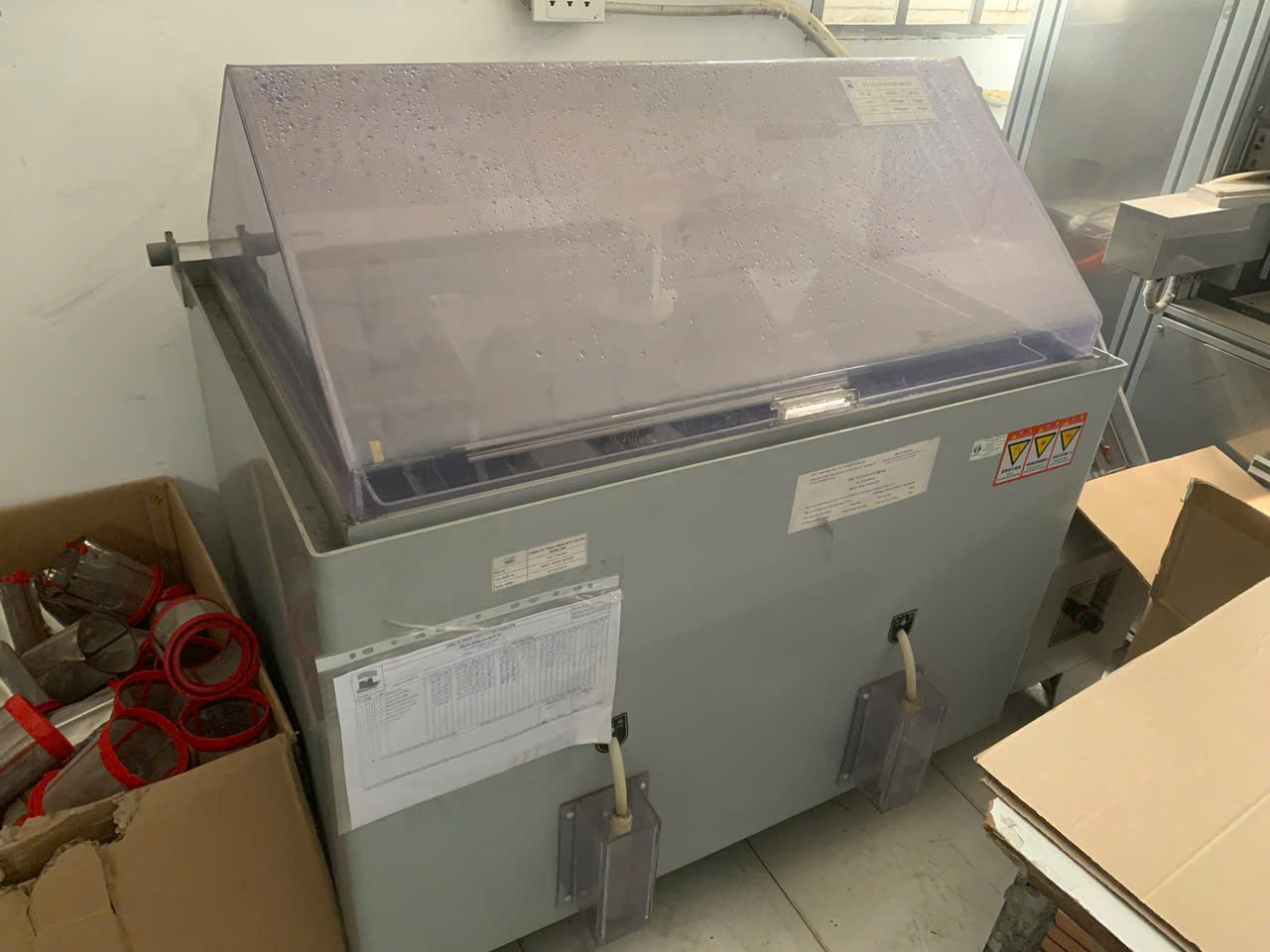
- Salt spray chamber (ASTM B117) — exposes samples to a controlled salt fog environment for a specified number of hours and checks for red or white rust.
- Surface roughness profilometer — measures Ra values to confirm the finish meets the drawing callout.
- Dimensional inspection (calipers, CMM, go/no-go gauges) — confirms that post-treatment dimensions remain within tolerance.
Process Control vs. Final Inspection
Relying only on final inspection is risky. Our approach emphasizes process control at the supplier's facility. We audit the plating line parameters: bath temperature, current density, immersion time, and chemical concentration. If these are within control limits, the output is predictable. If they drift, defects follow. We review process control charts during every supplier audit.
PPAP (Production Part Approval Process 9) documentation is another layer we use. Before mass production begins, the supplier must submit first-article samples with full measurement reports and test results. We review these against the drawing and the buyer's specification. Only after PPAP approval does the supplier proceed to volume production.
What to Do When You Find a Problem
When our inspectors flag a coating issue — say, a thickness reading below the minimum on two out of ten sample points — we do not accept the lot. We issue a nonconformance report, require root cause analysis from the supplier, and hold the shipment until corrective action is verified. This process protects the buyer from receiving parts that will fail in the field. It also trains the supplier to take surface treatment quality seriously from the start.
For buyers managing their own supply chain, I recommend establishing written acceptance criteria before production. Share limit samples — both "good" and "borderline" — with your supplier. This removes ambiguity and reduces disputes at incoming inspection.
Conclusion
Surface treatments are the invisible line between stamping parts that perform reliably and ones that fail prematurely. Choose the right treatment, specify it clearly, and verify it rigorously — your parts, your reputation, and your customers all depend on it.
Frequently Asked Questions
Which Surface Treatments Are Best Suited for My Custom Stamped Parts?
A U.S. purchasing manager recently asked our engineering team to recommend a finish for a set of precision mounting brackets headed into outdoor electrical enclosures. The answer was not simple — it depended on the base material, the operating environment, and a tight budget window.
How Can I Ensure My Supplier Applies the Right Surface Coating for Corrosion Resistance?
Last year, a shipment of stamped steel brackets arrived at a client's U.S. warehouse with white rust forming on the zinc finish — barely two weeks after leaving the factory. The zinc layer was too thin, and the supplier had skipped chromate conversion. That one oversight cost weeks of rework and strained the business relationship.
What Impact Does Surface Treatment Have on the Durability and Fit of My Stamping Parts?
One trade-off we weigh on nearly every project is the tension between maximum protection and maintaining tight dimensional accuracy. A set of Z-shaped spring clamps we sourced last quarter had a tolerance of ±0.05 mm on the mounting hole. The buyer wanted powder coating. We had to explain that a 70-micron coating layer on each side would consume the entire tolerance band — and then some.
Footnotes
1. Comprehensive guide to the electrostatic powder application and thermal curing process. ↩︎
2. Authoritative Wikipedia entry covering properties and grades of stainless steel. ↩︎
3. Technical overview of surface texture measurements and their importance in engineering and manufacturing. ↩︎
4. Detailed explanation of the zinc electrodeposition process for corrosion protection on steel parts. ↩︎
5. The official ASTM standard for operating salt spray (fog) apparatus for corrosion testing. ↩︎
6. Detailed Wikipedia article explaining the mechanisms and effects of hydrogen embrittlement. ↩︎
7. Comprehensive Wikipedia guide to the case hardening process and its applications. ↩︎
8. Standard test methods for assessing the adhesion of coating films to metallic substrates. ↩︎
9. Industry standard definition of the PPAP quality assurance process from AIAG. ↩︎