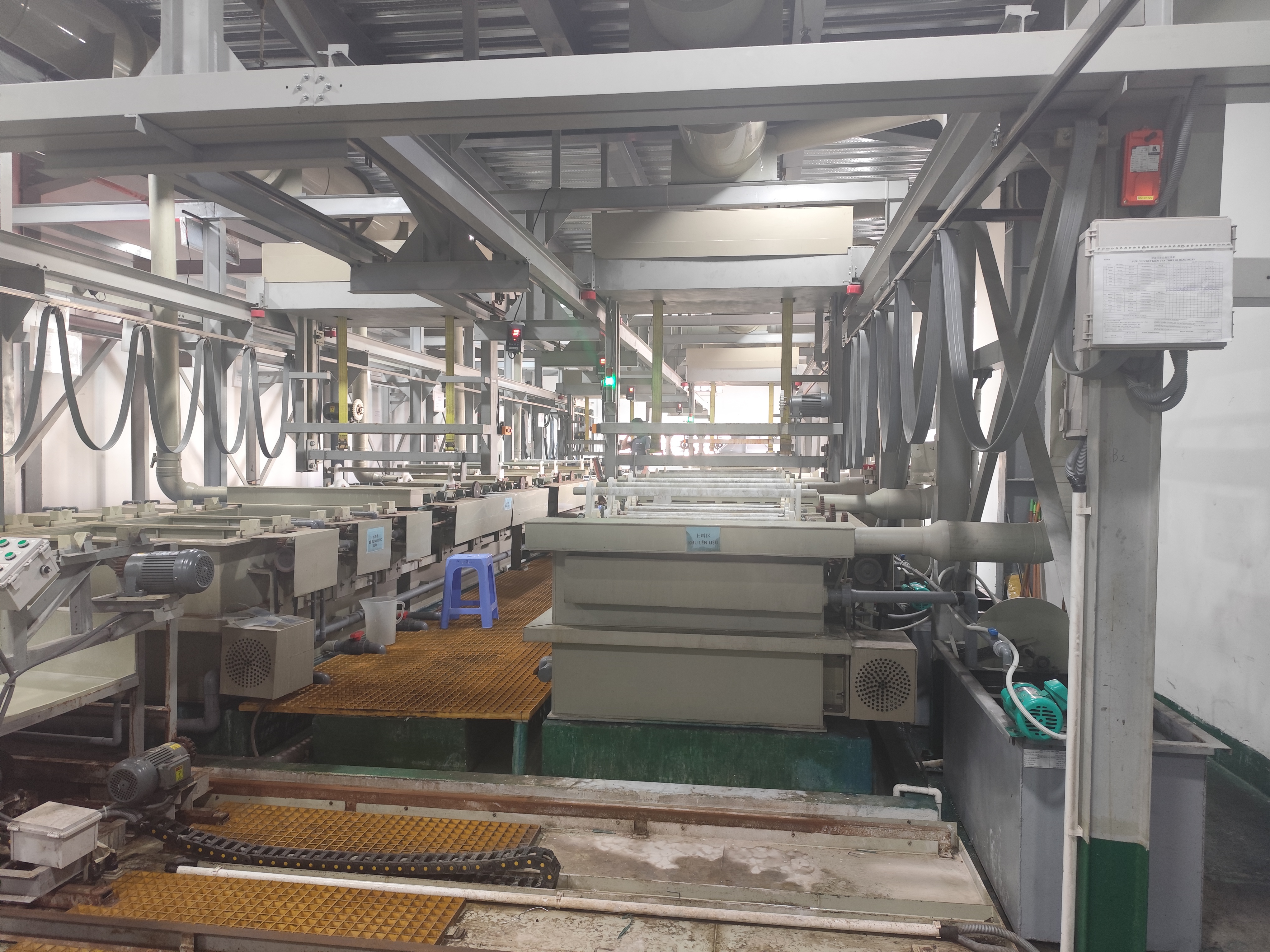
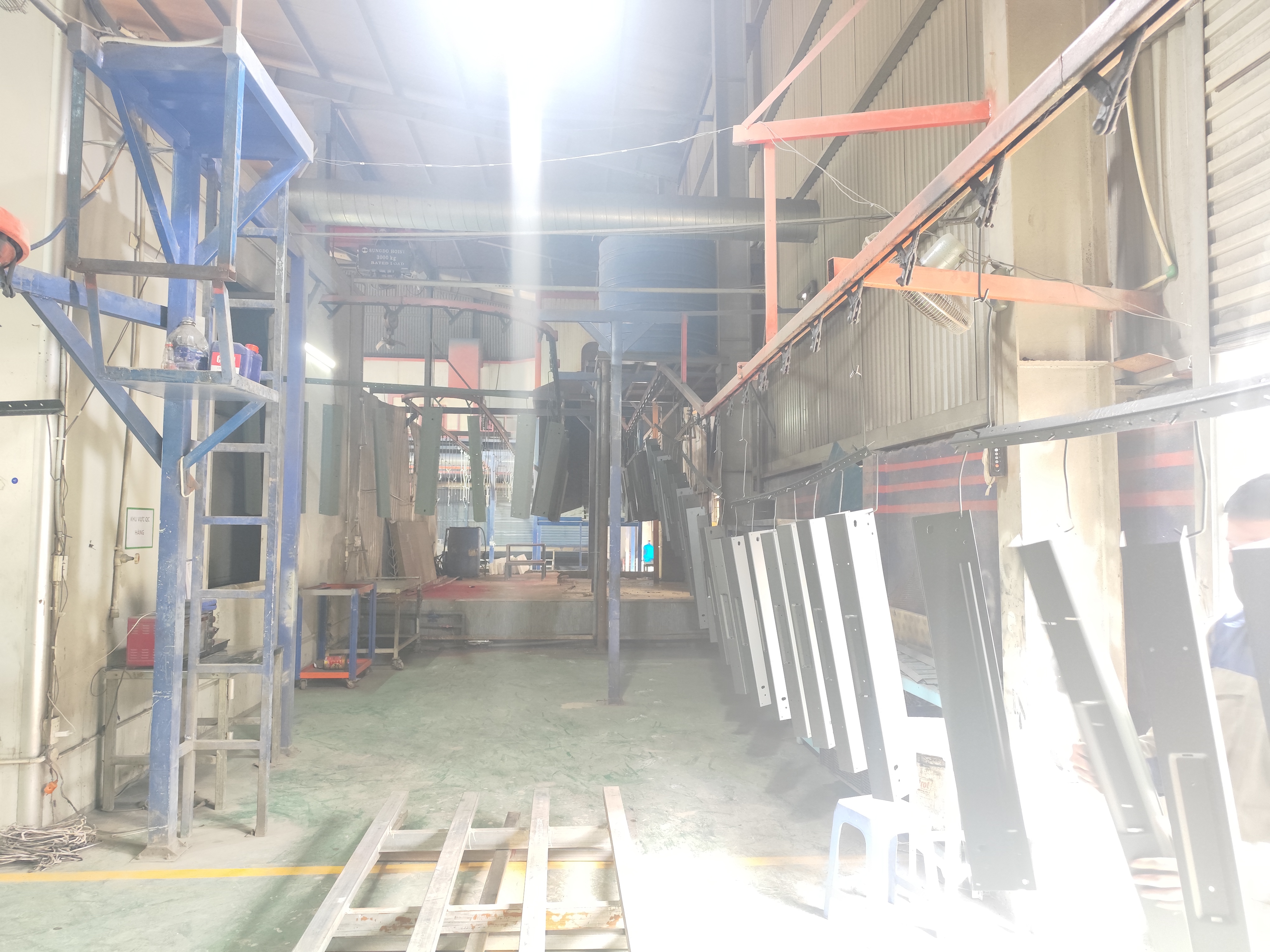
Every week on our production floor, we see untreated sheet metal samples arrive from client prototypes — already showing early signs of oxidation Sacrificial (cathodic) protection 1. It’s a frustrating problem, especially when the final product is destined for outdoor or coastal use. Left unchecked, material degradation 2 quietly eats away at part integrity, turning a promising design into a maintenance nightmare.
Surface treatments extend the service life of sheet metal products by creating protective barriers — through coatings, oxide layers, or sacrificial metals — that block corrosion, reduce wear, and resist environmental factors, often doubling component lifespan or adding 8–12 years of durability depending on the method chosen.
Below, I walk through the key questions our U.S. clients ask most often about surface treatments — from fighting rust in harsh conditions, to choosing the right finish, balancing costs, and verifying quality. Each section draws on real project experience and hard data.
How can I ensure my sheet metal parts won't rust or corrode in harsh environments?
A client in the Gulf Coast region once sent us photos of mounting brackets that had failed within 18 months. The parts looked solid on paper, but nobody had matched the finish to the salt-air exposure. That single oversight cost them an entire production run.
To prevent rust and corrosion in harsh environments, select a surface treatment matched to your specific exposure — such as hot-dip galvanizing for marine settings or passivation for stainless steel — and ensure proper surface preparation, which accounts for 80% of coating effectiveness.
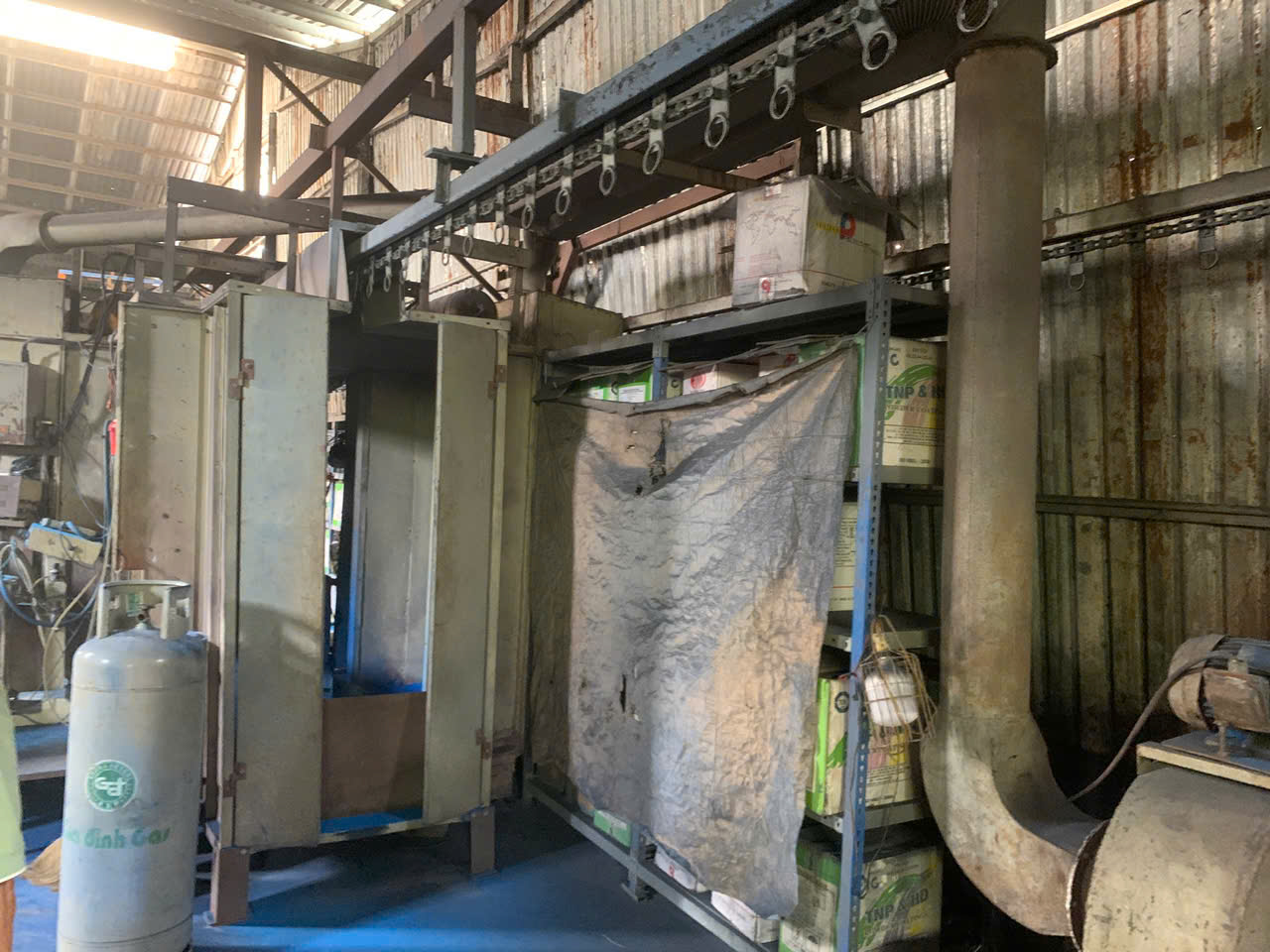
Understanding How Corrosion Happens
Corrosion is an electrochemical process 3. When moisture and oxygen reach bare metal, they trigger oxidation. In environments with salt, chemicals, or humidity, this reaction accelerates fast. The goal of any protective coating is to interrupt that reaction.
There are three main protection mechanisms:
- Barrier protection: Powder coating 4, paint, and anodizing aluminum create a physical shield. They block moisture and oxygen from touching the substrate. Insulation barriers like these reduce corrosion rates by up to 70% compared to untreated surfaces.
- Sacrificial (cathodic) protection: Galvanizing applies a zinc layer that corrodes before the steel does. Zinc anodes extend service life by 8–12 years in marine applications. Hot-dip galvanizing 5 with a zinc coating of 80μm or more can protect for 20–30 years.
- Passivation and conversion coatings: Passivation removes free iron from stainless steel and builds a stable chromium-rich oxide film. Chemical conversion coatings — chromate or phosphate — add corrosion resistance and improve adhesion for subsequent paint layers.
Matching the Treatment to the Environment
This is where 65% of premature failures originate: choosing the wrong treatment for the actual service conditions. Here is a quick-reference guide we share with our clients:
| Environment | Recommended Treatment | Expected Life Extension | Key Benefit |
|---|---|---|---|
| Indoor / dry | Powder coating or basic paint | 7–10 years | Cost-effective barrier |
| Outdoor / moderate | Anodizing (aluminum) or powder coating | 10–15 years | UV and weather resistance |
| Coastal / marine | Hot-dip galvanizing | 20–30 years | Sacrificial zinc protection |
| Chemical / industrial | Epoxy coating or passivation | 8–15 years | Chemical resistance |
| High humidity | Zinc-rich primer + polyurethane topcoat | 10–12 years | Multi-layer barrier |
Surface Preparation Is Non-Negotiable
On our production lines, we follow SSPC-SP 10/NACE No. 2 standards 6 for abrasive blast-cleaning. We then solvent-wipe every part to remove soluble salts and residues. Skipping these steps is the fastest way to guarantee early coating failure.
Coatings must also be applied within strict environmental windows — between 40°F and 95°F, with relative humidity between 35% and 85%. Our teams in Vietnam and China monitor these conditions in real time during every coating run.
When we handle post-repair finishing, we apply zinc-rich primers, seal edges, and run ultrasonic thickness checks on every batch. These steps prevent recurring defects and give our U.S. clients confidence that parts arrive ready to install.
Which surface treatment should I choose to maximize the wear resistance of my custom parts?
During a recent co-development project for heavy-duty mounting brackets, our engineering team had to weigh three finishing options. The parts would endure constant vibration, sliding contact, and periodic impact. Choosing the right metal finishing process was not cosmetic — it was structural.
To maximize wear resistance, choose treatments that increase surface hardness — such as electroplating with hard chrome, thermal spraying, or anodizing aluminum — and match the treatment to your part's contact type, load conditions, and operating temperature for the longest functional lifespan.
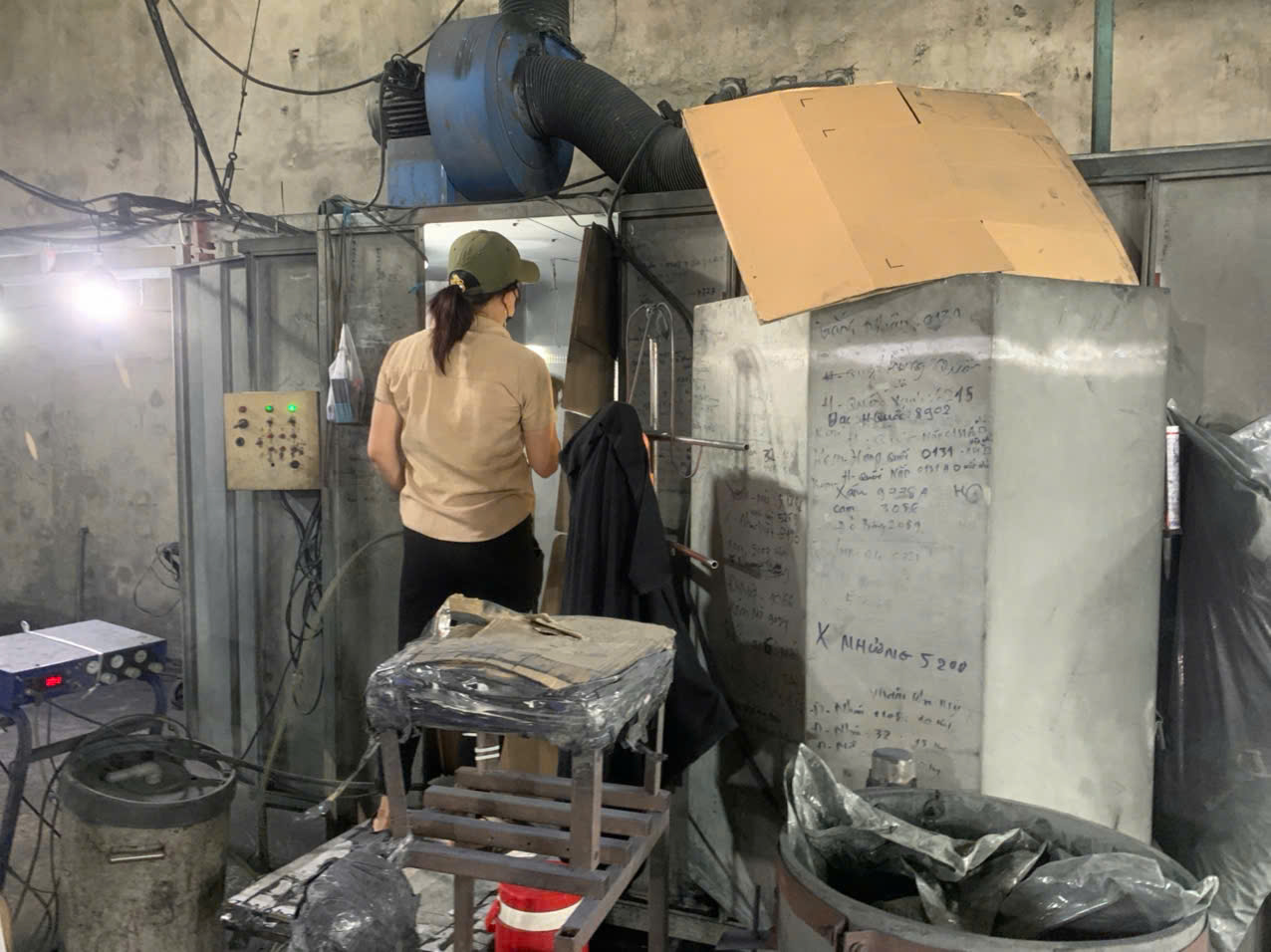
How Surface Hardness Affects Part Life
Wear happens when two surfaces slide, roll, or impact against each other. Harder surfaces resist abrasion longer. But hardness alone is not the full picture. You also need to consider the coefficient of friction 7, fatigue strength, and thermal stability.
Here is how the most common wear-resistant treatments compare:
| Treatment | Typical Hardness (HV) | Best For | Limitations |
|---|---|---|---|
| Hard chrome electroplating 8 | 800–1000 | Sliding contact, pistons, shafts | Environmental regulations on hexavalent chromium |
| Nickel electroplating | 500–700 | General wear, moderate loads | Lower hardness than chrome |
| Anodizing (Type III hard) | 400–600 | Aluminum parts, moderate abrasion | Limited to aluminum substrates |
| Thermal spraying (carbide) | 1000–1400 | Heavy abrasion, mining equipment | Higher cost, thicker coatings |
| Titanium nitride (PVD) | 2000+ | Cutting tools, extreme wear | Expensive, thin layer |
| Powder coating (filled) | 200–300 | Light wear, combined corrosion/wear | Not suitable for high-load contact |
Choosing by Application Type
Not every custom part needs the hardest possible finish. I often walk clients through a simple decision process:
- Identify the wear mode. Is it sliding, rolling, impact, or erosive? Sliding contact benefits most from hard chrome or nickel plating. Impact wear calls for tougher, more ductile coatings like thermal spray.
- Check the mating surface. If your part contacts a softer material, you may not need extreme hardness. Over-hardening can damage the mating component.
- Consider the operating temperature. Some coatings degrade at high temperatures. Anodizing aluminum holds up well to moderate heat, but PVD coatings handle extreme conditions better.
- Factor in corrosion resistance. In many real-world applications, wear and corrosion act together. A combined approach — such as nickel plating plus a topcoat — often outperforms a single treatment.
Friction Reduction and Fatigue Strength
Some treatments do double duty. Electroplating and certain conversion coatings reduce the coefficient of friction. This means less heat buildup, less galling, and longer intervals between maintenance.
Properly applied protective coatings also improve fatigue strength. They fill micro-defects on the surface and can induce compressive residual stresses. These stresses resist crack initiation under cyclic loading — a critical factor for brackets and structural parts that see repeated stress cycles.
Our quality team runs fatigue life checks on sample parts during the PPAP process. When a client's drawing calls out specific wear or fatigue requirements, we verify the treatment delivers before shipping.
How do I balance the cost of premium surface treatments against the long-term service life of my products?
One of the hardest conversations I have with purchasing managers is the cost discussion. Everyone wants the best finish at the lowest price. But I have learned — sometimes through painful warranty returns — that underspending on surface treatment almost always costs more in the long run.
Balancing cost and service life requires analyzing total lifecycle cost — not just per-unit treatment price. A premium finish like hot-dip galvanizing costs more upfront but eliminates maintenance and replacements for 20–30 years, while cheaper coatings may need reapplication every 5–7 years.
The Total Cost of Ownership Framework
When we help clients evaluate finishes, we use a simple total cost model. It looks beyond the initial treatment price and includes maintenance, downtime, replacement parts, and labor over the product's expected life.
Here is an example comparison for a steel bracket used outdoors:
| Cost Factor | Basic Powder Coating | Hot-Dip Galvanizing | Galvanizing + Powder Coat |
|---|---|---|---|
| Initial treatment cost per part | $2.50 | $5.00 | $7.00 |
| Expected recoat interval | 7 years | None (20+ years) | None (25+ years) |
| Recoat cost over 20 years | $5.00–$7.50 | $0 | $0 |
| Replacement risk cost | Moderate | Very low | Very low |
| Total 20-year cost per part | $7.50–$10.00 | $5.00 | $7.00 |
| Maintenance frequency | Quarterly inspection + cleaning | Annual visual check | Annual visual check |
The numbers tell a clear story. The "cheap" option often ends up costing more than the premium one over a 20-year window.
When Budget Coatings Make Sense
I do not push premium finishes on every project. For indoor electronics enclosures, standard powder coating provides excellent corrosion resistance at low cost. If the part lives in a climate-controlled environment, there is no reason to pay for galvanizing.
The key is honest environmental matching. We ask every client to fill out a simple exposure questionnaire before we quote. It covers temperature range, humidity, chemical exposure, UV contact, and expected product life. This five-minute exercise prevents the 65% of premature failures that come from mismatched finishes.
Sustainability and Emerging Options
New metal finishing processes are shifting the cost equation. Advanced anodizing techniques are becoming more affordable. Plasma treatment enhances adhesion and corrosion resistance without heavy metals. EU regulations are pushing the industry toward closed-loop systems that reduce waste and eliminate hexavalent chromium — and these cleaner processes are reaching cost parity with traditional methods.
For clients who value sustainability alongside durability, these emerging options offer real advantages. Vacuum deposition and self-healing coatings are still niche, but they are moving into mainstream production faster than many buyers realize.
What quality control steps should I look for to ensure my supplier's surface treatment meets my durability specs?
Last quarter, we caught a coating adhesion failure during final inspection that would have affected 400 brackets heading to a U.S. distributor. The treatment looked fine visually. But our cross-cut adhesion test revealed delamination at the edges. Without that test, the parts would have failed in the field within months.
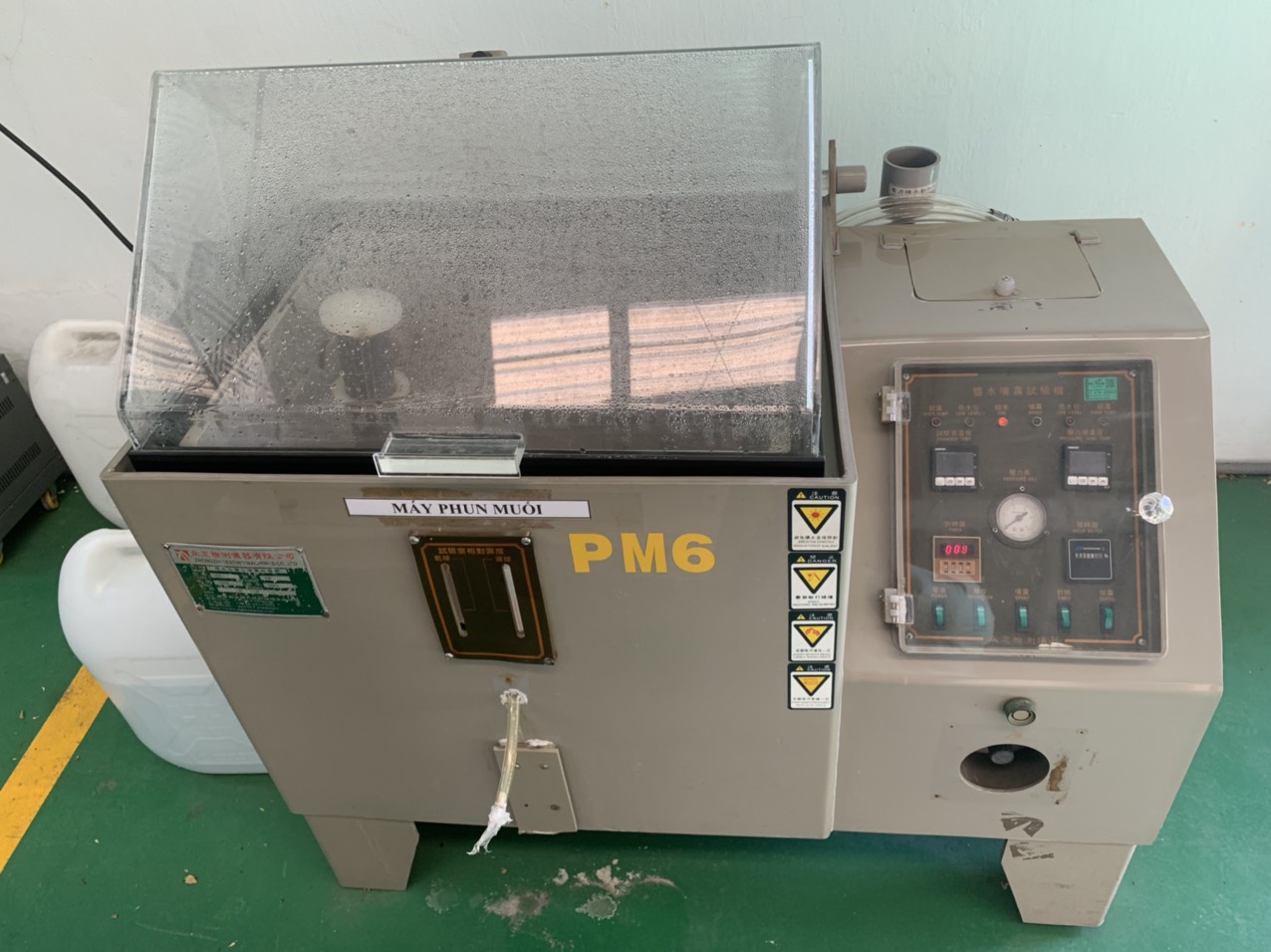
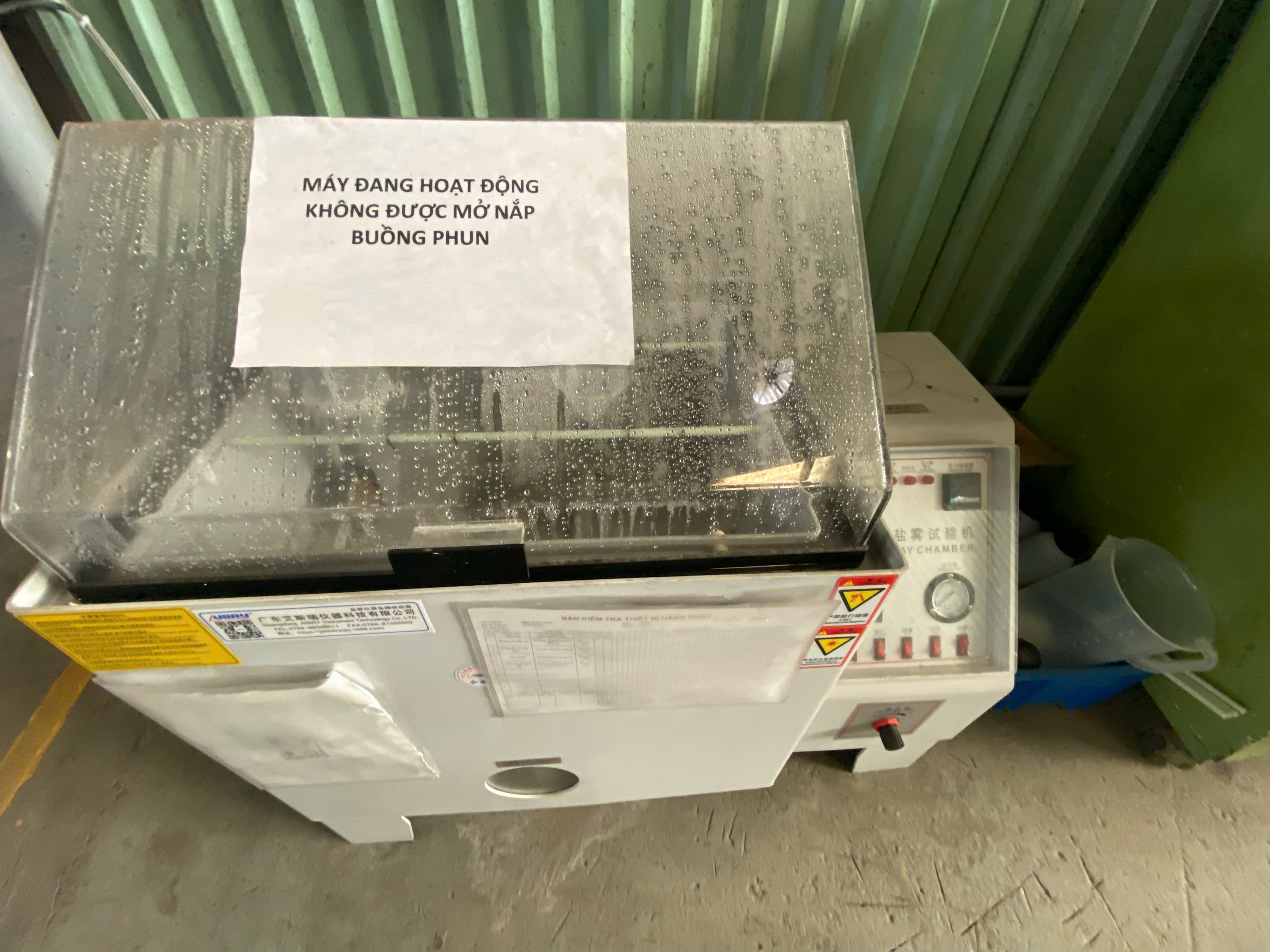
Ensure your supplier performs standardized QC steps including coating thickness measurement (per ASTM B499 or similar), cross-cut adhesion testing (ASTM D3359), salt spray testing (ASTM B117), and documented process controls for surface preparation, application conditions, and post-treatment inspection.
The QC Checklist That Prevents Field Failures
Quality control for surface treatments is not optional — it is the difference between a product that lasts and one that generates warranty claims. Here is the inspection sequence we follow on every coated batch:
- Pre-treatment verification. We confirm surface prep is complete — blast profile, cleanliness, and absence of contaminants. This step catches problems before any coating is applied.
- In-process monitoring. During coating application, we track temperature, humidity, line speed, and bath chemistry (for plating). Deviations trigger an immediate hold.
- Post-treatment testing. We run a series of standardized tests on sample parts from each batch.
- Documentation and traceability. Every lot gets a full inspection report tied to the production order, material cert, and treatment parameters.
Key Tests and What They Measure
| Test | Standard | What It Checks | Pass Criteria (Typical) |
|---|---|---|---|
| Coating thickness | ASTM B499 9 / ISO 2178 | Adequate thickness for protection | Per drawing spec (e.g., ≥80μm for galvanizing) |
| Cross-cut adhesion | ASTM D3359 | Coating bond to substrate | Class 4B or 5B (minimal flaking) |
| Salt spray (fog) | ASTM B117 | Corrosion resistance under accelerated conditions | No red rust at 500+ hours (varies by spec) |
| Pencil hardness | ASTM D3363 | Surface hardness of organic coatings | 2H or harder |
| Impact resistance | ASTM D2794 | Coating flexibility and adhesion under deformation | No cracking or delamination |
| Visual inspection | ASTM D3276 | Blistering, runs, sags, holidays | No visible defects |
What to Ask Your Supplier
From years of managing supplier audits across Vietnam, China, and Taiwan, I have found that the suppliers who deliver consistent quality share a few traits:
- They document every step. If a supplier cannot show you a process control plan for their surface treatment line, that is a red flag.
- They own or have direct access to testing equipment. Outsourcing salt spray tests to a third party is fine, but basic thickness and adhesion checks should happen in-house on every batch.
- They run PPAP for new finishes. When we introduce a new coating for a client, we complete a full Production Part Approval Process — including capability studies on coating thickness — before we ship a single part.
- They welcome audits. Our team conducts on-site supplier audits that specifically cover surface treatment stations, chemical management, and waste handling.
Routine maintenance also matters on the buyer's side. Even with the best treatments, quarterly visual inspections per ASTM D3276 catch early signs of blistering or coating breakdown before they become structural problems. Proper treatments and protective coatings together can double the lifespan of metal components — but only if both the application and the ongoing monitoring are done right. To learn more about all the variables that influence longevity, see our guide on factors that affect the service life of sheet metal fabrication products.
Conclusion
Surface treatments are not an afterthought — they are a core engineering decision. Match the finish to the environment, invest in proper surface preparation, and verify quality with standardized tests. These steps prevent the majority of premature failures and can double your product's service life. If you need help selecting the right treatment for your custom sheet metal parts, our team at DEWIN is ready to walk you through the best surface treatment options for sheet metal fabrication.
Frequently Asked Questions
How can I ensure my sheet metal parts won't rust or corrode in harsh environments?
A client in the Gulf Coast region once sent us photos of mounting brackets that had failed within 18 months. The parts looked solid on paper, but nobody had matched the finish to the salt-air exposure. That single oversight cost them an entire production run.
Which surface treatment should I choose to maximize the wear resistance of my custom parts?
During a recent co-development project for heavy-duty mounting brackets, our engineering team had to weigh three finishing options. The parts would endure constant vibration, sliding contact, and periodic impact. Choosing the right metal finishing process was not cosmetic — it was structural.
How do I balance the cost of premium surface treatments against the long-term service life of my products?
One of the hardest conversations I have with purchasing managers is the cost discussion. Everyone wants the best finish at the lowest price. But I have learned — sometimes through painful warranty returns — that underspending on surface treatment almost always costs more in the long run.
Footnotes
1. Found an authoritative industry source on sacrificial anodes. ↩︎
2. Found an authoritative source explaining metallurgical degradation. ↩︎
3. Provides a detailed explanation of electrochemical corrosion as a process. ↩︎
4. Found a comprehensive Wikipedia article on powder coating. ↩︎
5. Details the process and benefits of hot-dip galvanizing for corrosion protection. ↩︎
6. Provides information on industry standards for near-white metal blast cleaning surface preparation. ↩︎
7. Explains the scientific concept of the coefficient of friction and its relevance. ↩︎
8. Describes the process, benefits, and applications of hard chrome plating. ↩︎
9. Provides details on the ASTM standard for magnetic measurement of coating thickness. ↩︎