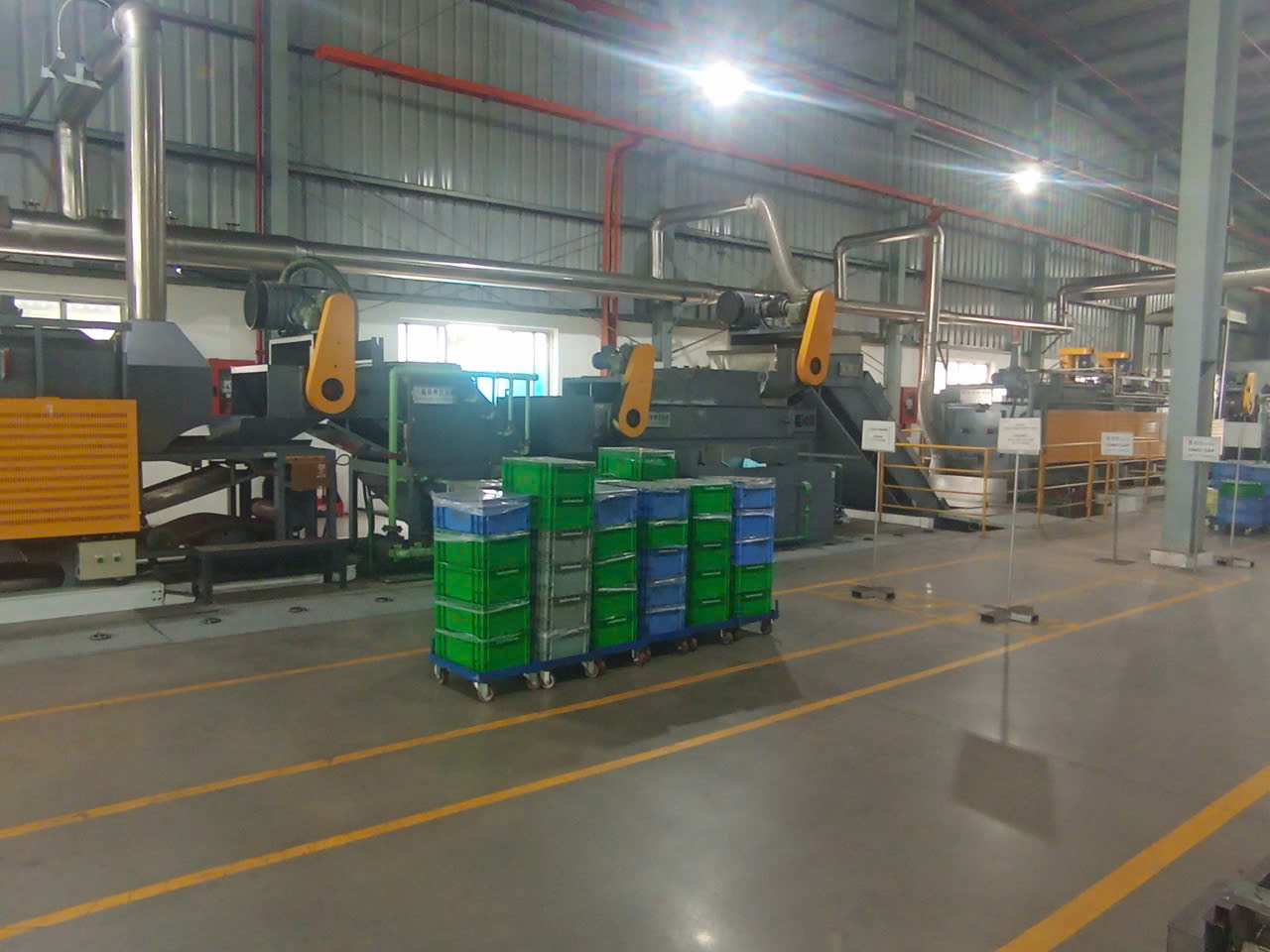
Choosing materials suitable for die-casting is a crucial step in the entire production process. A good choice not only ensures the performance and reliability of the final product, but also improves production efficiency and reduces costs. The cost, structural characteristics, strength, and weight of materials are all factors that need to be considered.
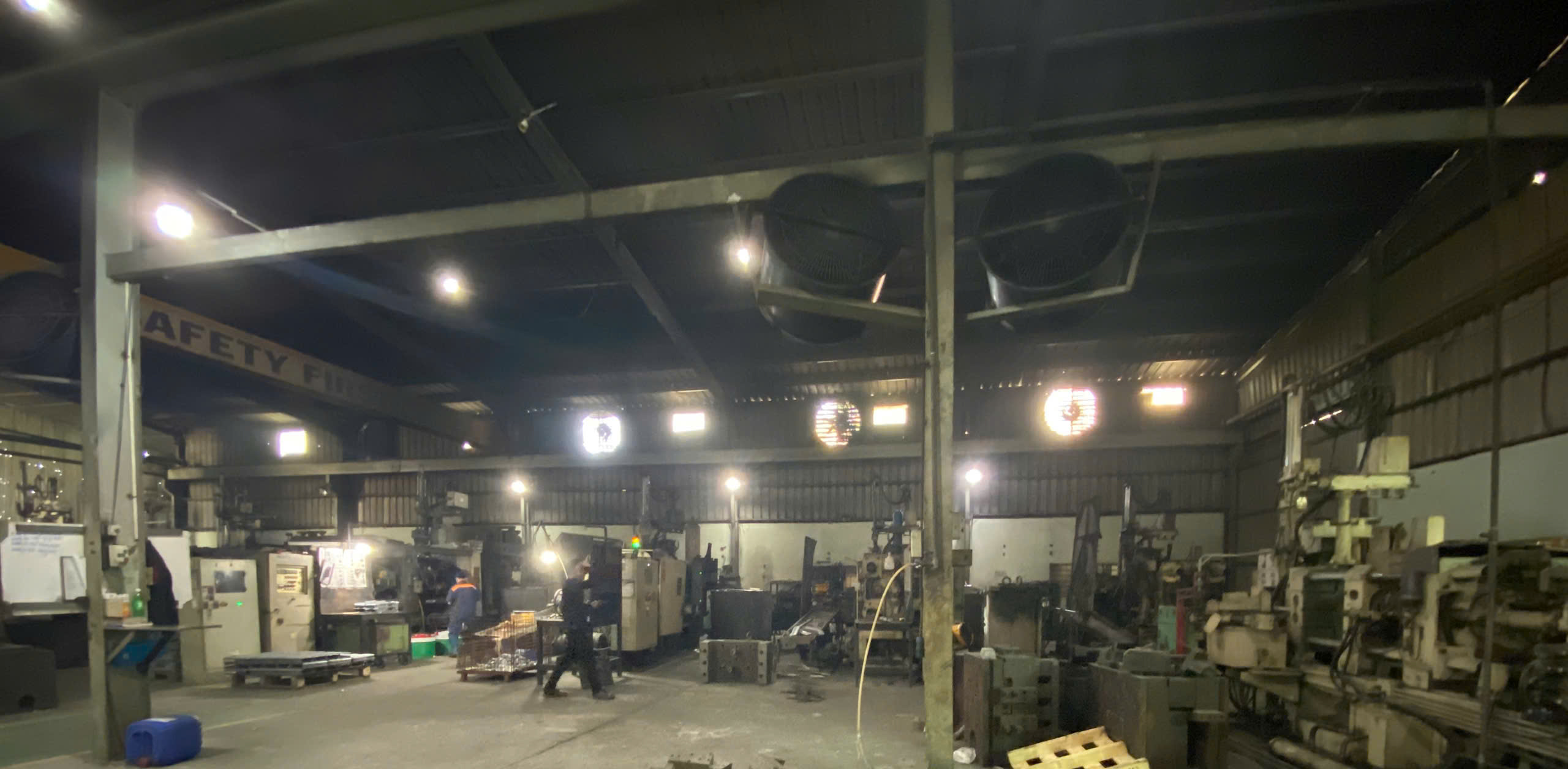
Material Cost
Material costs are usually a major component of the budget for die-casting projects. Choosing cost-effective materials can significantly reduce production costs. However, cost must be balanced with material quality and performance requirements. Manufacturers should consider raw material prices, processing costs, and recycling values to evaluate the cost-effectiveness of materials comprehensively. For example, although aluminum alloys have higher raw material costs, their ease of processing and high recycling value often become more economical choices.
Structural Characteristics
The structural characteristics of materials include melting point, hardness, wear resistance, and dimensional stability. These characteristics directly affect the shape and details of die castings. They also determine whether the material can withstand the high-speed and high-pressure injection of the die-casting machine. The material should be selected from a range with good fluidity and lower melting point to ensure good filling ability and forming accuracy.
Hardness
Strength refers to the ability of a material to resist external forces without fracture or deformation. When selecting materials, it is necessary to consider the application scenario of the final product and choose the corresponding strength level. For example, aluminum and zinc alloys are widely used in the manufacturing of automotive components and industrial machinery because they provide sufficient strength while being lighter in weight.
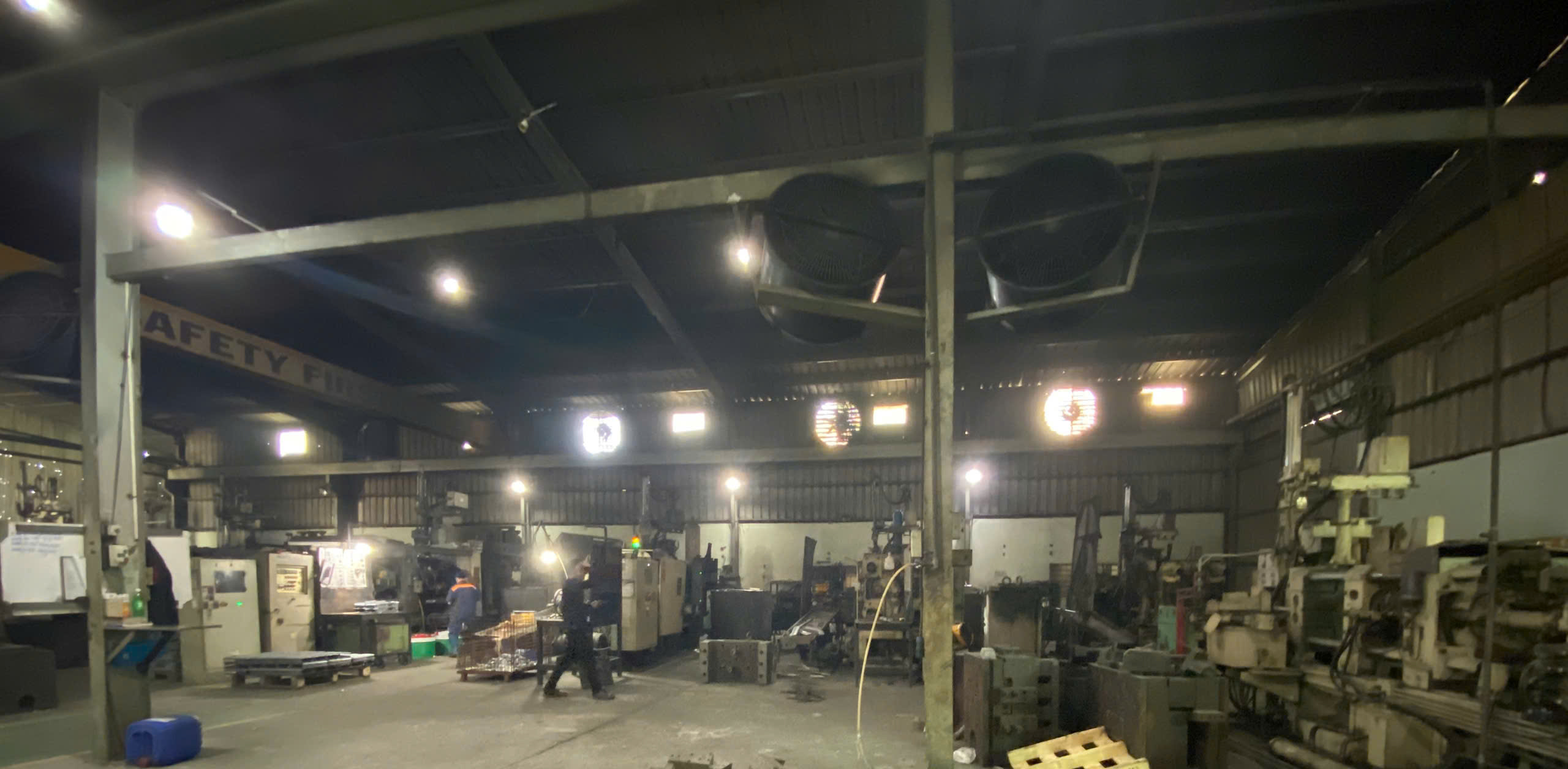
Surface Smoothness
Surface smoothness is one of the key factors determining the appearance quality of die castings. It not only affects the aesthetics of the product, but may also affect its performance, such as reducing friction or improving corrosion protection. When selecting die casting materials, it is necessary to choose materials that can meet the required surface finish requirements. The ease of material processing is closely related to surface smoothness. Easy-to-process materials can achieve good smoothness with minimal surface treatment after die-casting.
Weight
Weight is an important consideration for many applications, especially in the automotive and aviation sectors. Lightweight materials help improve fuel efficiency and reduce carbon emissions. Magnesium alloy is one of the lightest structural metals and is often used in high-performance die castings that require weight reduction.
Choosing materials suitable for die-casting requires comprehensive consideration of multiple factors, considering these factors and selecting the most suitable material to ensure that the product achieves the best balance in terms of performance, reliability, and cost-effectiveness. Understanding the unique properties and limitations of each material can help manufacturers succeed in fierce market competition.
Thank you for reading our article. If you need related products or have any questions or suggestions about our products, please don’t hesitate to contact us by sending an email, and we will reply to your email as soon as possible.
Precision Manufacturing & Sourcing Specification Matrix
| Technical Dimension | Standard Commercial Grade | High-Precision OEM Export Grade | DEWIN Verification Protocol |
|---|---|---|---|
| Machining & Forming Tolerance | ISO 2768-m (±0.10 mm nominal) | ISO 2768-f (±0.01 mm – ±0.025 mm critical bores) | Calibrated 3D CMM & Air/Pin Gauging |
| Surface Roughness & Finish | Ra 1.6 – 3.2 µm as-machined / standard coat | Ra 0.4 – 0.8 µm precision ground / MIL-A-8625 anodized | Profilometer & Coating Thickness Gauge |
| Material & Alloy Certification | Supplier Mill Test Report (MTR) | Independent OES chemical & mechanical verification | EN 10204 3.1 + RoHS/REACH Compliance |
| Batch Inspection & Packaging | ISO 2859-1 (AQL 1.0 Major / 2.5 Minor) | Zero-defect critical features + VCI export crating | Pre-Shipment Inspection (PSI) Report |
Frequently Asked Questions
What engineering files are required to quote how to choose materials suitable for die casting? with DEWIN?
Provide 3D CAD models (STEP or IGES) along with 2D engineering drawings (PDF/DXF) specifying critical-to-quality (CTQ) tolerances, material grade, surface finish, and annual volume.
How does DEWIN verify dimensional accuracy and material compliance before shipment?
Every production lot undergoes incoming material spectrometer verification (EN 10204 3.1), First Article Inspection (FAI) via 2D/3D coordinate measuring machines (CMM), and AQL pre-shipment audits.
Can DEWIN support both low-volume prototype validation and mass production scaling in Vietnam and China?
Yes. DEWIN coordinates rapid CNC and bridge-tooling prototypes alongside high-tonnage production tooling across audited ISO 9001 and IATF 16949 partner factories in Vietnam and China.