

Tracking sheet metal fabrication technology trends has become a core challenge we face daily when helping U.S. buyers source custom parts from Asia — suppliers who fall behind on technology deliver late, produce defects, and cost more in the long run.
To track sheet metal fabrication technology trends for better procurement, monitor supplier investments in industrial automation, AI-driven quality control systems, fiber laser technology, advanced materials, and digital transformation tools like IoT and digital twins — then benchmark these capabilities during regular supplier audits to reduce cost and risk.
This article breaks down the specific technologies shaping sheet metal fabrication today, what to look for when evaluating suppliers, and how these shifts affect your costs and lead times AI-driven quality control systems 1. Let’s walk through each area step by step.
How can I stay updated on the latest sheet metal fabrication technologies to improve my sourcing strategy?
A buyer we work with in the Midwest once told me he lost an entire quarter's schedule because his supplier was still running legacy punch presses while competitors had moved to fiber laser cutting fiber laser technology 2. That gap in awareness cost him six figures in expediting fees and quality failures.
Stay updated on sheet metal fabrication technologies by subscribing to industry publications, attending trade shows like FABTECH, conducting annual supplier technology audits, and partnering with sourcing teams who regularly visit factory floors across Asia to verify equipment and process capabilities firsthand.
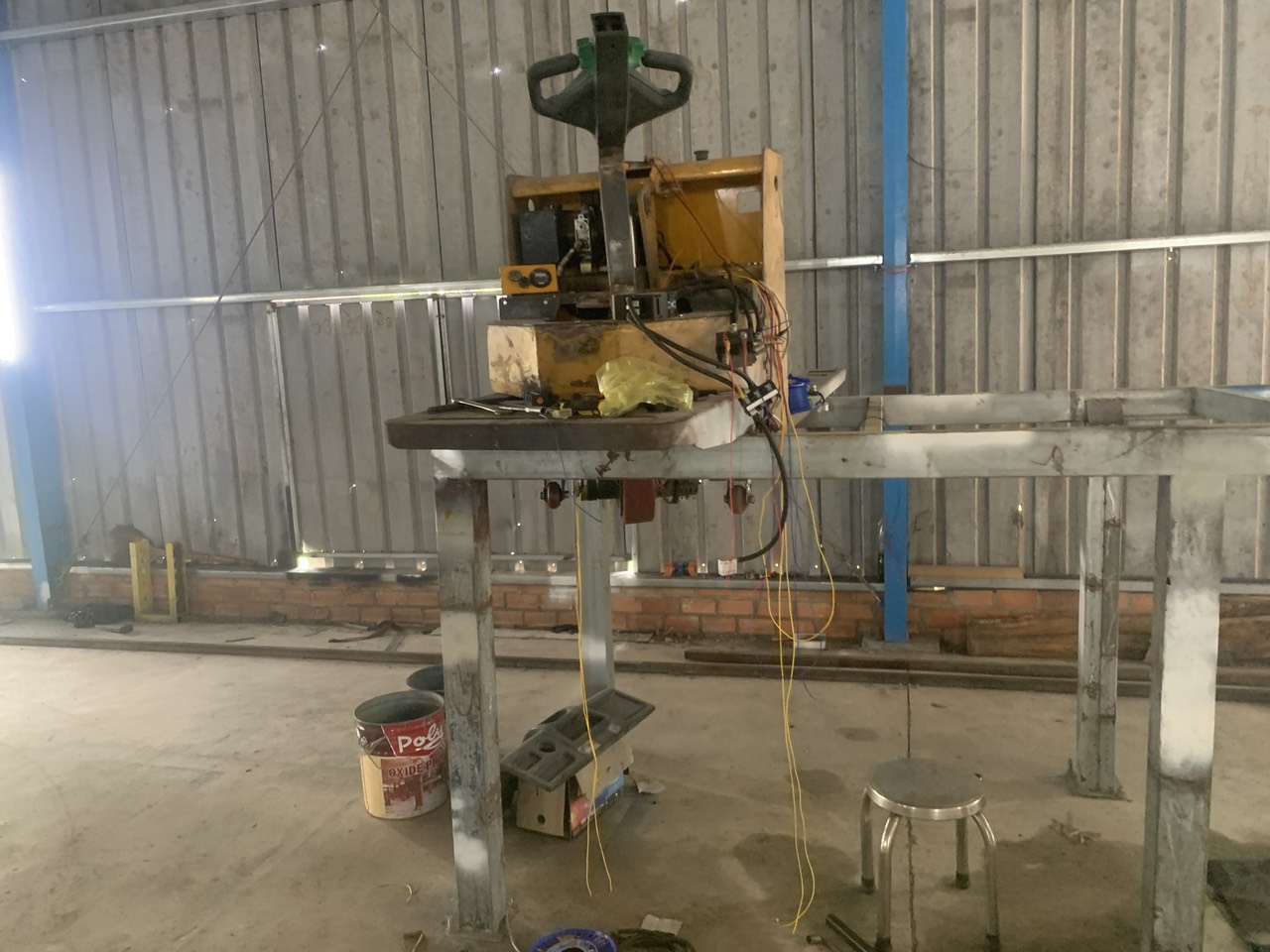
Why Technology Awareness Matters for Procurement
Most procurement managers focus on price and lead time digital transformation tools 3. But the technology a supplier uses determines both. A shop running a 6kW fiber laser cuts three times faster than one using a CO2 laser First Article Inspection (FAI) 4. That speed difference flows directly into your quote and delivery date.
When our team in Vietnam visits prospective suppliers, we check the machine list first. The brand, model year, and capacity of their CNC press brakes, laser cutters, and welding stations tell us more than any sales pitch. We look for signs of digital transformation — are they using CAD/CAM software for nesting? Do they have IoT sensors on their equipment for predictive maintenance 5? These details reveal whether a supplier is investing in the future or coasting on outdated methods.
Practical Ways to Track Trends
Here is a simple framework we recommend to our clients:
| Method | Frequency | What You Learn |
|---|---|---|
| Industry trade shows (FABTECH, EuroBLECH) | Annual | New equipment launches, automation trends |
| Trade publications (The Fabricator, MetalForming) | Monthly | Case studies, technology adoption rates |
| Supplier technology audits | Every 6–12 months | Actual equipment, process maturity |
| Sourcing partner factory visits | Quarterly | Real-time capability verification |
| Webinars from equipment OEMs (Trumpf, Amada, Bystronic) | Ongoing | Specific machine capabilities, ROI data |
Building a Technology Radar
We maintain an internal "technology radar" for our clients. It is a simple spreadsheet that lists each supplier's key equipment, software, and certifications. We update it after every factory visit. This radar helps us spot gaps early. For example, if a supplier has no robotic welding capability and your next project requires high-volume welded assemblies, you know to start qualifying a second source now — not when the RFQ deadline hits.
The key insight is that tracking technology is not a one-time task. It is an ongoing discipline. The sheet metal industry is evolving fast, with smart factory concepts and additive manufacturing 6 changing what is possible. Procurement teams that build this discipline into their process gain a lasting advantage in cost optimization strategies, quality, and delivery reliability.
What specific technology benchmarks should I look for when auditing a new sheet metal supplier?
During a recent supplier audit at a factory in northern Vietnam, our quality engineer noticed the shop had invested in a brand-new Amada fiber laser but was still inspecting parts with handheld calipers and no CMM in sight. That disconnect between cutting-edge fabrication and outdated quality control systems is exactly the kind of imbalance that leads to non-conforming parts.
When auditing a new sheet metal supplier, benchmark their fiber laser cutting capacity, CNC press brake precision and tonnage, robotic welding capabilities, quality control systems including CMM and AI-based inspection, CAD/CAM software integration, and sustainability practices — these factors directly predict part quality, cost, and delivery performance.
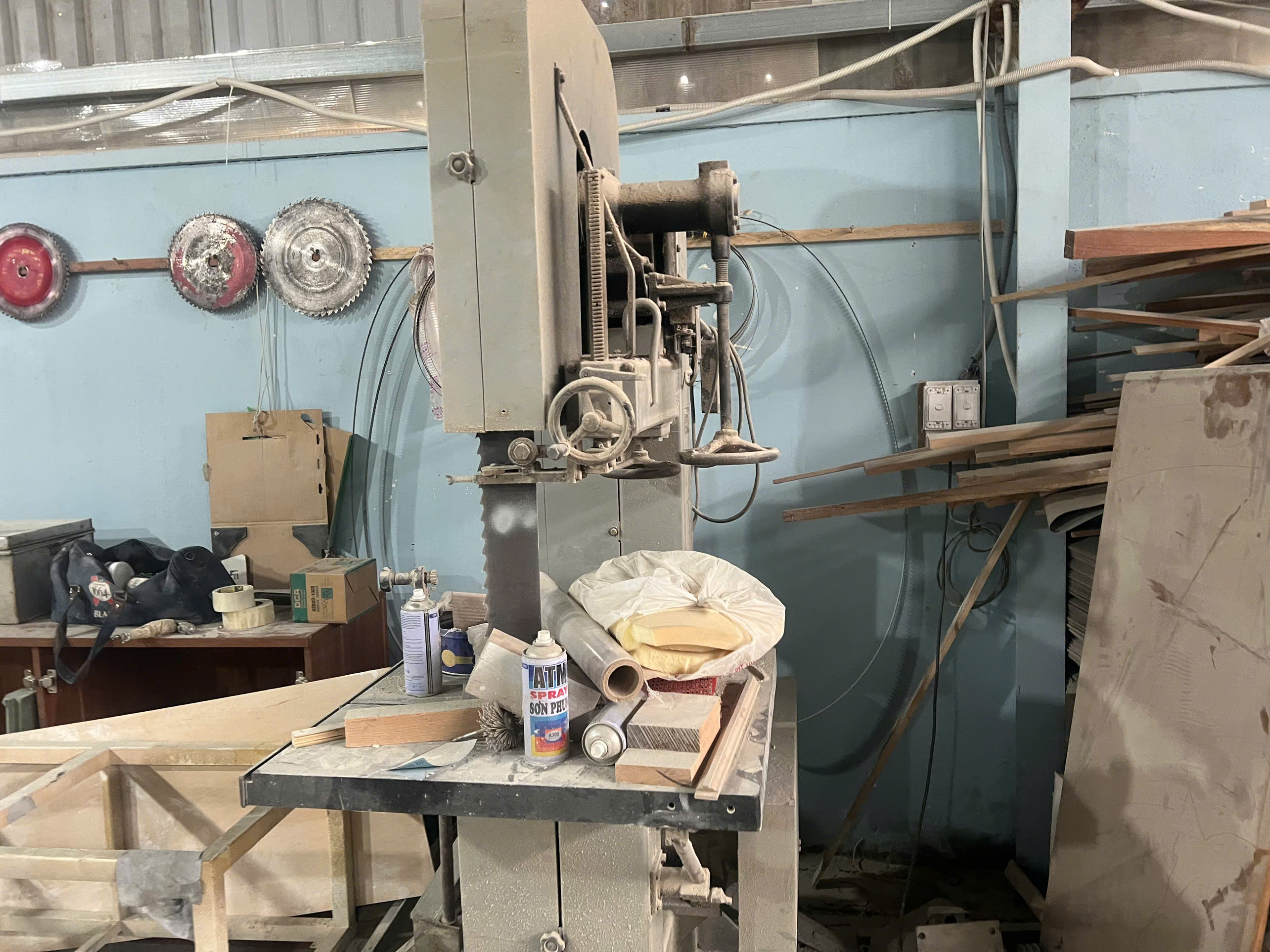
The Equipment Benchmarks That Matter Most
Not all machines are equal. And not all suppliers who own good machines know how to use them well. Here is a breakdown of the critical benchmarks we check during every audit:
| Equipment / Capability | What to Look For | Red Flag |
|---|---|---|
| Fiber laser cutter | ≥4kW power, automatic sheet loader, nesting software | Manual loading, no nesting optimization |
| CNC press brake | Servo-electric or hybrid drive, angle measurement system | Manual back gauge, no angle correction |
| Robotic welding | Programmed weld paths, seam tracking sensors | 100% manual welding with no jigs |
| CMM / inspection | Coordinate measuring machine 7, optical comparator | Calipers and visual inspection only |
| CAD/CAM software | SolidWorks, AutoCAD, integrated with CNC machines | Paper drawings manually entered |
| Surface treatment | In-house powder coating, anodizing, or plating line | All finishing outsourced with no QC |
| ERP / MRP system | Digital production scheduling and material tracking | Handwritten job tickets |
Quality Control Systems: The Make-or-Break Factor
I cannot overstate how often quality failures trace back to weak inspection processes — not bad machines. A supplier can own the best laser in the world, but if they do not have a structured inspection protocol (first article, in-process, and final), defects slip through.
We look specifically for:
- First Article Inspection (FAI) with documented reports
- In-process checks at critical bending and welding stages
- Final inspection using calibrated instruments
- AI-assisted inspection, if available — this is an emerging capability where cameras and software detect surface defects, dimensional deviations, and weld quality in real time
Suppliers who have embraced AI in their quality workflow tend to deliver "right first time" results far more consistently. This is especially important for custom parts with tight tolerances, where rework is expensive and delays cascade through the supply chain.
Advanced Materials Capability
If your parts require advanced materials like titanium, magnesium alloys, or high-strength stainless steel, the supplier needs specific experience. These materials behave differently during cutting, bending, and welding. We always ask for sample parts and process records when a supplier claims capability with specialty alloys. Talk is cheap. Evidence is not.
Sustainability and Environmental Compliance
More U.S. buyers now require suppliers to demonstrate sustainability practices. This includes energy-efficient equipment, scrap recycling programs, and compliance with local environmental regulations. Powder coating, for example, is both a performance and environmental advantage — it produces no volatile organic compounds and provides superior corrosion resistance. We check whether the supplier has in-house coating capability and whether they track their waste and energy metrics.
How will emerging sheet metal automation trends impact my procurement costs and lead times?
One trade-off we weigh constantly is whether to recommend a highly automated supplier with higher piece prices or a labor-intensive shop with lower quotes but unpredictable delivery. Nine times out of ten, the automated supplier wins on total cost when you factor in rejects, delays, and expediting fees.
Emerging sheet metal automation trends — including robotic welding, AI-driven scheduling, smart factory integration, and "dark factory" production lines — will reduce procurement costs by 10–25% and shorten lead times by improving throughput, reducing rework, and enabling predictive maintenance that prevents unplanned downtime.
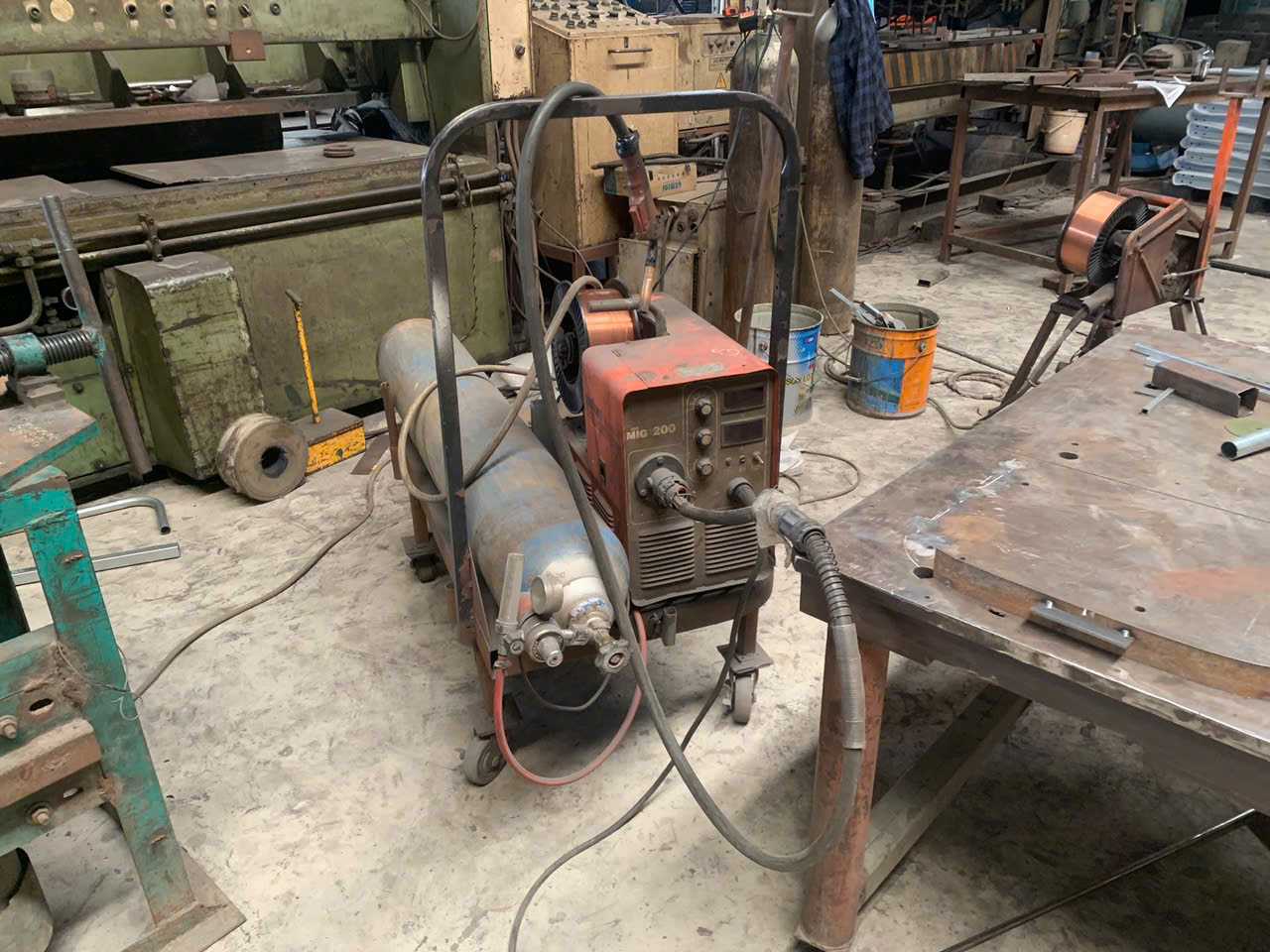
The Automation Shift Is Accelerating
Industrial automation 8 in sheet metal is no longer limited to large OEMs. Mid-sized fabricators across Vietnam, Taiwan, and India are adopting robotic press brake tending, automated welding cells, and lights-out laser cutting. This shift has direct procurement implications.
When a supplier automates their laser cutting, they can run overnight without operators. This effectively doubles their capacity without doubling their workforce. For buyers, that means shorter queues, faster turnaround, and more predictable scheduling.
How Automation Affects Cost and Lead Time
Here is a comparison we have observed across suppliers at different automation levels:
| Factor | Low Automation | Moderate Automation | High Automation |
|---|---|---|---|
| Typical lead time (custom bracket, 500 pcs) | 4–6 weeks | 3–4 weeks | 2–3 weeks |
| First-pass yield rate | 85–90% | 92–96% | 97–99% |
| Labor cost share in piece price | 40–50% | 25–35% | 10–20% |
| Rework / scrap rate | 5–10% | 2–5% | <2% |
| Ability to scale volume quickly | Limited | Moderate | High |
These numbers come from our own supplier evaluation records across dozens of audits. The pattern is clear: higher automation correlates with better quality, shorter lead times, and lower total cost of ownership — even if the unit price looks slightly higher on paper.
Key Automation Technologies to Watch
Robotic welding with AI defect detection is one of the most impactful technologies for custom parts procurement. Traditional manual welding is a major source of variability. A robotic welding cell with seam tracking and real-time monitoring produces consistent welds, part after part. For parts like the mounting brackets we source — which require multiple weld joints at precise angles — this consistency is critical.
Smart factory and IoT integration allows suppliers to monitor machine health in real time. Predictive maintenance means they replace a worn bearing before it fails mid-run, preventing the kind of unplanned downtime that causes delivery delays. We have seen suppliers cut unplanned downtime by half after implementing IoT-connected equipment monitoring.
Cobots (collaborative robots) are a middle ground. They work alongside human operators, handling repetitive tasks like part loading and deburring while humans manage complex setups. This is especially relevant for small-batch custom work where full automation is not cost-justified but consistency still matters.
The Skilled Labor Factor
One reality we see in Asian manufacturing is the growing skilled labor shortage. Experienced press brake operators and welders are harder to find and retain. Automation is not just about speed — it is about supply chain resilience 9. A supplier that depends entirely on a few skilled operators is one resignation away from a capacity crisis. Buyers should factor this risk into their supplier evaluation.
How do I verify that my overseas sheet metal partners are investing in the right equipment for my custom parts?
A lesson we learned early in our sourcing practice is that supplier self-reported equipment lists are unreliable. We once received a capability document listing a Trumpf TruLaser 5030 — and when our team arrived at the factory, the machine turned out to be a much older Chinese-brand laser with a fraction of the capability. Verification requires boots on the ground.
Verify overseas sheet metal partners' equipment investments by conducting on-site factory audits with your own team or a trusted third-party sourcing partner, cross-referencing machine serial numbers and purchase records, running trial production orders, and reviewing maintenance logs and calibration certificates to confirm actual operational capability.

Why Remote Verification Is Not Enough
Video calls and photos can be staged. We have seen suppliers borrow parts from other shops for quality samples. The only reliable method is a physical audit by someone who knows what to look for. Our teams in Vietnam and China conduct these audits regularly, and we follow a structured checklist that covers equipment, process, quality systems, and workforce competency.
A Practical Verification Process
Here is the step-by-step process we use:
- Request a detailed equipment list before the visit — machine brand, model, year of purchase, maintenance schedule.
- Verify on-site by checking nameplates, serial numbers, and maintenance logs. Look for signs of regular use (worn tables, fresh tooling).
- Run a trial order of 10–50 pieces. Measure every critical dimension. Compare to your drawing tolerances.
- Review calibration records for all inspection instruments. A CMM that hasn't been calibrated in two years is useless.
- Check software integration — is CAD/CAM connected to the CNC machines, or are operators manually entering G-code?
- Assess investment trajectory — ask about planned equipment purchases. A supplier who hasn't bought new equipment in five years may be undercapitalized.
What "Right Equipment" Means for Custom Parts
The right equipment depends on your specific part requirements. For the precision-engineered mounting brackets with complex folds, sharp bends, and pre-drilled holes that we regularly source, the critical equipment includes:
- A fiber laser with sufficient power for clean cuts on the specified material thickness
- A CNC press brake with angle measurement for accurate multi-bend sequences
- Welding capability (robotic or manual with proper jigs) for consistent joint quality
- Surface treatment — powder coating or sandblasting — for the matte, non-reflective finish many industrial brackets require
On-demand production models and digital prototyping capability are increasingly important too. If your supplier can produce a 3D-printed prototype or a digitally simulated forming sequence before cutting steel, you catch design issues before they become expensive mistakes. This aligns with the broader push toward additive manufacturing for prototyping and low-volume validation.
Cost Optimization Strategies Through Equipment Verification
Verifying equipment is not just about quality — it is about cost optimization strategies. A supplier with modern nesting software wastes less material. A supplier with automated press brakes runs faster and more accurately, reducing per-piece cost. A supplier with in-house surface treatment eliminates outsourcing markup and transport delays. Every equipment gap you identify is a potential cost or schedule risk.
We also look at the supplier's digital infrastructure. Do they use an ERP system for production scheduling and material tracking? Can they provide real-time order status updates? These digital transformation capabilities reduce the back-and-forth communication that slows down international procurement and creates misunderstandings — one of the biggest pain points our U.S. clients report.
Conclusion
Tracking sheet metal fabrication technology trends is essential for procurement professionals who want reliable quality, competitive costs, and on-time delivery from their overseas partners. Audit regularly, verify equipment firsthand, and prioritize suppliers investing in automation, AI, and digital infrastructure.
Frequently Asked Questions
How can I stay updated on the latest sheet metal fabrication technologies to improve my sourcing strategy?
A buyer we work with in the Midwest once told me he lost an entire quarter's schedule because his supplier was still running legacy punch presses while competitors had moved to fiber laser cutting fiber laser technology 2 . That gap in awareness cost him six figures in expediting fees and quality failures.
What specific technology benchmarks should I look for when auditing a new sheet metal supplier?
During a recent supplier audit at a factory in northern Vietnam, our quality engineer noticed the shop had invested in a brand-new Amada fiber laser but was still inspecting parts with handheld calipers and no CMM in sight. That disconnect between cutting-edge fabrication and outdated quality control systems is exactly the kind of imbalance that leads to non-conforming parts.
How will emerging sheet metal automation trends impact my procurement costs and lead times?
One trade-off we weigh constantly is whether to recommend a highly automated supplier with higher piece prices or a labor-intensive shop with lower quotes but unpredictable delivery. Nine times out of ten, the automated supplier wins on total cost when you factor in rejects, delays, and expediting fees.
Footnotes
1. Provides a comprehensive overview of how AI is transforming quality control in manufacturing. ↩︎
2. Authoritative source (RP Photonics encyclopedia) providing a detailed explanation of fiber lasers. ↩︎
3. Outlines key technologies and benefits of digital transformation in manufacturing. ↩︎
4. Describes FAI as a quality assurance process to ensure manufactured parts meet specifications. ↩︎
5. Provides a clear definition of predictive maintenance and its benefits for equipment upkeep. ↩︎
6. Defines additive manufacturing, its principles, and how it differs from traditional methods. ↩︎
7. Explains what a CMM is, how it works, and its importance in quality control. ↩︎
8. Explains industrial automation’s definition, components, and benefits in manufacturing. ↩︎
9. Defines supply chain resilience and its importance in anticipating and recovering from disruptions. ↩︎