Reading a cost breakdown in a stamping parts quotation wrongly can wreck your margin. I have seen buyers chase a low unit price, then get blindsided by tooling, freight, and rework charges our team later had to untangle.
A stamping parts quotation cost breakdown typically includes raw material, tooling amortization, press and labor time, overhead, quality allowance, secondary operations, packaging, and freight. Buyers should verify what each line includes, what is excluded, and over what volume fixed costs are spread.
Let me walk you through each cost bucket, the same way we explain quotes to our own clients. By the end, you will compare any two stamping quotations on equal terms.
What Cost Components Should I Expect to See in a Stamping Parts Quotation?
Last year, our Vietnam office reviewed two quotes for the same steel bracket. One was 18% cheaper per piece. It was also missing four cost lines. That gap taught our client a lesson.
A complete stamping parts quotation should show separate lines for raw material, tooling cost, press time, labor, overhead, quality and scrap allowance, secondary operations, packaging, and logistics. If any of these are missing, ask whether they are embedded, excluded, or forgotten.
When we build a quote comparison sheet for a client, we always start with a standard checklist. Every supplier structures quotes differently. Some bury overhead in the unit price. Others list every screw and carton. Neither style is wrong. But you cannot compare them until you normalize the structure.
The Standard Cost Buckets
Here is the framework we use when auditing quotations from stamping suppliers across Vietnam, Taiwan, and India:
| Cost Component | Typical Share of Unit Price | Usually Shown As |
|---|---|---|
| Raw material | 45–55% | Per-piece, based on gross weight |
| Direct labor | 15–25% | Per-piece or hourly rate |
| Overhead (press depreciation, facility) | 10–20% | Embedded or separate |
| Quality, inspection, scrap | 2–8% | Often embedded |
| Packaging | 2–5% | Per-piece or per-carton |
| Tooling | Varies widely | One-time or amortized |
| Secondary operations | Varies widely | Separate line items |
| Freight, duties, taxes | Varies widely | Often excluded |
Notice how the last three rows say "varies widely." Those are exactly the lines where quotes diverge the most. A simple Z-fold mounting clip may need no secondary work at all. A multi-bent chassis bracket with plating and tapped holes can double its base stamping cost through downstream operations.
One-Time vs Recurring Charges
Separate every charge into three groups. First, one-time costs: tooling, fixtures, first-article inspection 1, PPAP documentation 2. Second, per-piece costs: material, press time, labor, packaging. Third, recurring but irregular costs: die maintenance, engineering changes, requalification. When we run supplier audits, quotes that blur these three groups are the ones that cause disputes later. Ask your supplier to restate the quote in this format before you sign anything.
How Can I Tell If My Supplier's Tooling Costs Are Reasonable?
A buyer once forwarded me two tooling quotes for the same progressive die: one at a few thousand dollars, one at ten times that. Both were "correct." They described completely different tools.
Tooling cost is reasonable when it matches the die type, station count, expected hit life, and material hardness of your part. Compare quotes only after confirming die construction, guaranteed tool life, ownership terms, and who pays for maintenance and refurbishment.

Tooling is where the biggest pricing gaps hide. In our experience managing OEM projects from Singapore, the die quote tells you more about a supplier's honesty than the piece price does. A suspiciously cheap die usually means one of three things: a soft tool with short life, missing stations that push work into secondary operations, or a supplier planning to recover the cost through the unit price without telling you.
What Drives Die Cost
Die price scales with complexity, not part size alone. A small bracket with six bends, notched edges, and tight hole positions can need a more expensive die than a large flat blank. The main drivers are:
- Die type. Single-station blanking dies are cheapest. Progressive dies 3 cost more. Large transfer dies can reach six figures.
- Station count. Each bend, pierce, and form adds a station and engineering hours.
- Tool steel and hardening. Stamping stainless or high-strength steel 4 demands harder, costlier tool materials.
- Guaranteed hit life. A die rated for 500,000 hits is built differently than one rated for 5 million.
- Tryout and spares. Good quotes include tryout runs and spare punches. Cheap quotes often do not.
Amortization Math Buyers Must Check
If tooling is amortized into the piece price, the assumed volume changes everything. Watch this comparison:
| Scenario | Tooling Cost | Amortization Volume | Tooling Cost Per Piece |
|---|---|---|---|
| Supplier A | $20,000 | 100,000 pcs | $0.20 |
| Supplier B | $15,000 | 50,000 pcs | $0.30 |
| Supplier B restated | $15,000 | 100,000 pcs | $0.15 |
Supplier B looks more expensive per piece until you normalize the volume. This is why we insist every quote states the amortization base explicitly. Also confirm tooling ownership in writing. If you paid for the die, you should be able to move it. We have negotiated tooling transfer clauses for clients precisely because a supplier once claimed the die as their own asset.
Why Do Material and Labor Costs Vary So Much Between Stamping Suppliers?
Here is a trade-off we weigh on almost every project: a supplier with slightly higher labor rates but excellent material nesting often beats a cheaper shop that wastes coil. The math surprises most buyers.
Material costs vary because of grade, thickness, blank size, nesting efficiency, and scrap rates, while labor costs vary by press speed, automation level, setup time, and local wage rates. Two suppliers quoting identical parts can differ 20–30% purely on utilization and process efficiency.
Material cost is not just price per kilogram. It is gross weight, not net weight, that you pay for. When a blank is punched from a strip, the skeleton scrap around it is your cost too. That is why we always ask suppliers for their nesting layout and utilization percentage during audits. A well-nested progressive strip can hit 75–85% utilization on a simple bracket. A lazy layout can drop below 60%. On a part that is half material cost, that gap alone moves your unit price by more than 10%.
The Material Cost Equation
Think of quoted material cost as four multiplied factors:
- Base coil price for the specified grade and temper, at current market rates
- Gross blank weight, including all engineered scrap
- Utilization rate, meaning how tightly parts nest on the strip
- Scrap credit, since good suppliers sell skeleton scrap back and should share that credit
If a supplier quotes net part weight at coil price with no scrap factor, the quote is either wrong or padded elsewhere. Neither is a good sign.
Why Labor Rates Alone Mislead You
Buyers often fixate on hourly wage differences between countries. But stamping labor cost per piece equals the hourly rate divided by output per hour. A supplier running an automated progressive press at high strokes per minute with coil feeding can produce hundreds of parts per operator hour. A manual single-station shop may produce a fraction of that at a lower wage. In our Vietnam operations, we have seen the automated shop win on labor cost despite paying operators more. Also factor in setup and changeover time. Short runs spread setup hours across few parts, which quietly inflates the labor line. This is one reason MOQ and batch size sit inside your unit price, whether the quote shows it or not.
What Hidden Costs Should I Watch for When Comparing OEM Stamping Quotations?
A U.S. purchasing manager once told me his "cheapest" supplier ended up costing the most after inspection failures, air freight recovery shipments, and a surprise die repair invoice. We rebuilt his RFQ template together after that.
Hidden costs in stamping quotations include excluded secondary operations, packaging and freight, tariffs and taxes, engineering change fees, die maintenance charges, incoming inspection and rejection costs, currency clauses, and compliance certification. Always compare total landed cost, never the headline piece price.
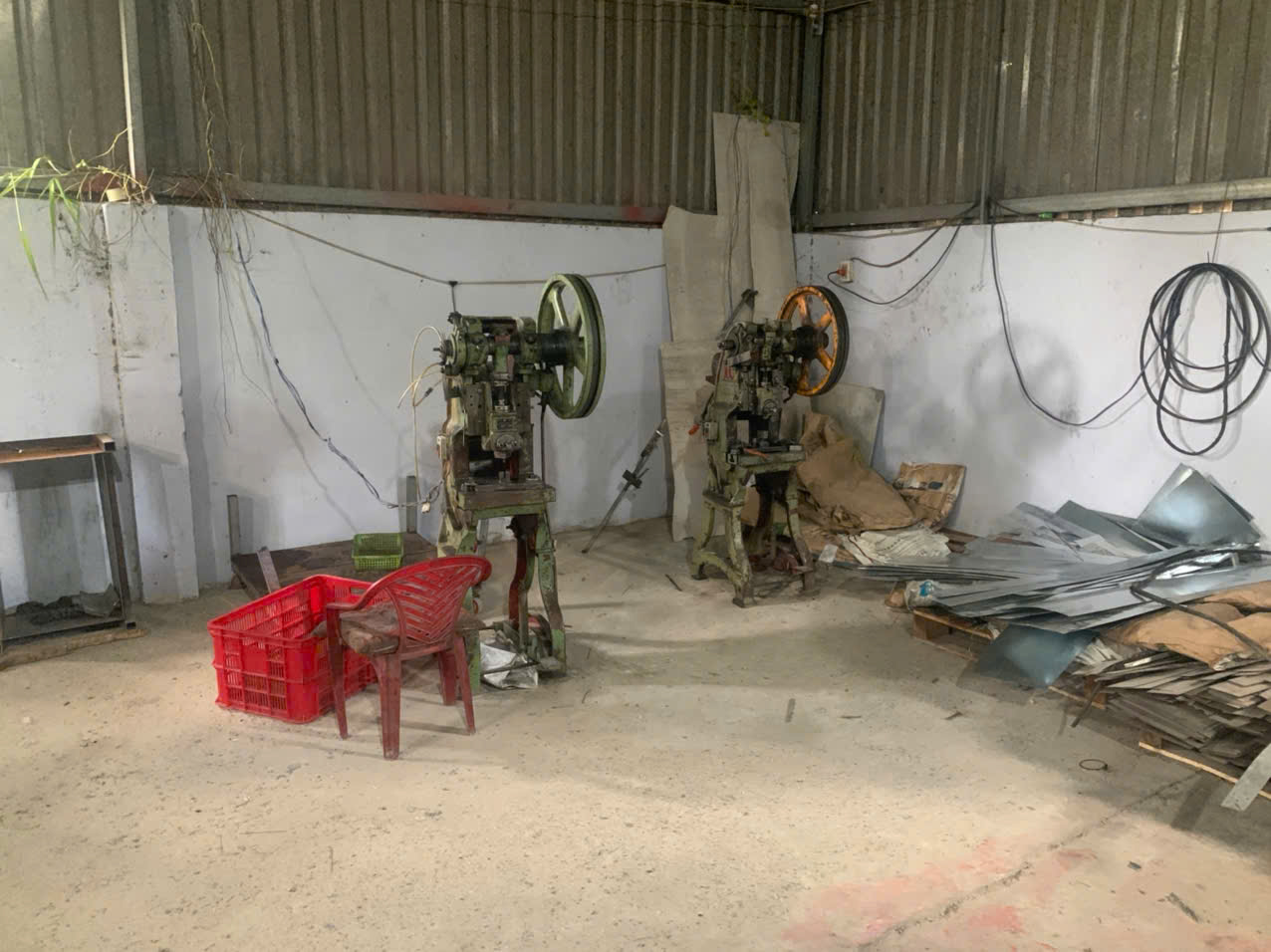
The headline unit price is the most visible number and the least complete one. Over years of managing door-to-door logistics and final inspection for clients, we have built a list of the charges that most often appear after the purchase order is signed. Use it as your defense checklist.
Headline Quote vs Total Landed Cost
Here is a simplified example based on the kind of comparison we prepare for clients sourcing stamped brackets:
| Cost Item | Supplier A (Cheap Headline) | Supplier B (Complete Quote) |
|---|---|---|
| Quoted unit price | $0.85 | $1.02 |
| Deburring and plating (excluded vs included) | +$0.14 | Included |
| Packaging | +$0.04 | Included |
| Freight and duties per piece | +$0.11 | +$0.08 |
| Rejection and rework allowance | +$0.06 | +$0.01 |
| Effective landed cost | $1.20 | $1.11 |
Supplier A wins the headline. Supplier B wins the project. This reversal happens more often than most buyers expect.
The Questions That Expose Hidden Costs
Put these into every RFQ, in writing:
- Which secondary operations are included: deburring, tapping, welding, plating, heat treatment?
- What packaging specification is priced, and is it export-grade?
- Are freight terms EXW, FOB, or DDP 5, and who handles customs and tariff classification 6?
- What tolerances and inspection level are priced in, and is first-article approval included?
- What are the fees for engineering change orders and die maintenance over tool life?
- Is there a currency adjustment clause or a material surcharge mechanism?
- What certifications are required, and who pays for testing and documentation?
For cross-border OEM sourcing 7, tariff classification and compliance costs can shift the effective landed price significantly. We handle these terms up front for our clients because renegotiating them after tooling is built leaves you with no leverage.
Conclusion
A misread quotation costs more than a high one. Break every stamping quote into its cost buckets, normalize tooling and volume, and compare landed cost. That is how procurement wins.
Frequently Asked Questions
What Cost Components Should I Expect to See in a Stamping Parts Quotation?
Last year, our Vietnam office reviewed two quotes for the same steel bracket. One was 18% cheaper per piece. It was also missing four cost lines. That gap taught our client a lesson.
How Can I Tell If My Supplier's Tooling Costs Are Reasonable?
A buyer once forwarded me two tooling quotes for the same progressive die: one at a few thousand dollars, one at ten times that. Both were "correct." They described completely different tools.
Why Do Material and Labor Costs Vary So Much Between Stamping Suppliers?
Here is a trade-off we weigh on almost every project: a supplier with slightly higher labor rates but excellent material nesting often beats a cheaper shop that wastes coil. The math surprises most buyers.
Footnotes
1. NIST provides manufacturing quality and inspection standards guidance relevant to first-article checks. ↩︎
2. Explains the PPAP quality process referenced as a one-time tooling-related charge. ↩︎
3. Background on progressive die stamping processes referenced when discussing tooling complexity. ↩︎
4. ISO sets international material standards for steel grades used in stamping tooling. ↩︎
5. Defines Incoterms shipping arrangements that determine freight and duty responsibility. ↩︎
6. WTO explains tariff classification systems affecting customs duties in landed cost calculations. ↩︎
7. Alibaba.com is a leading B2B platform for cross-border OEM sourcing and procurement. ↩︎