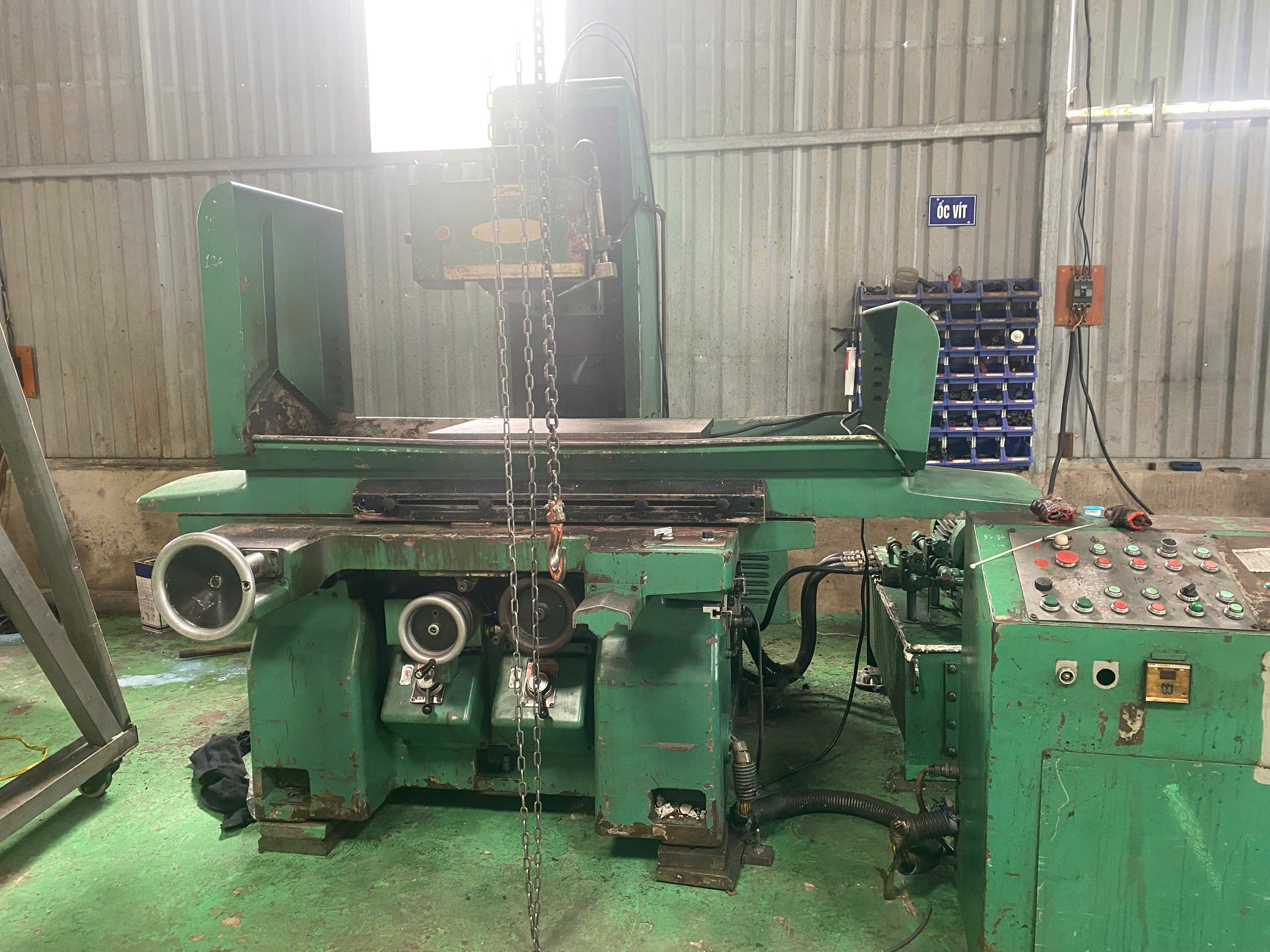
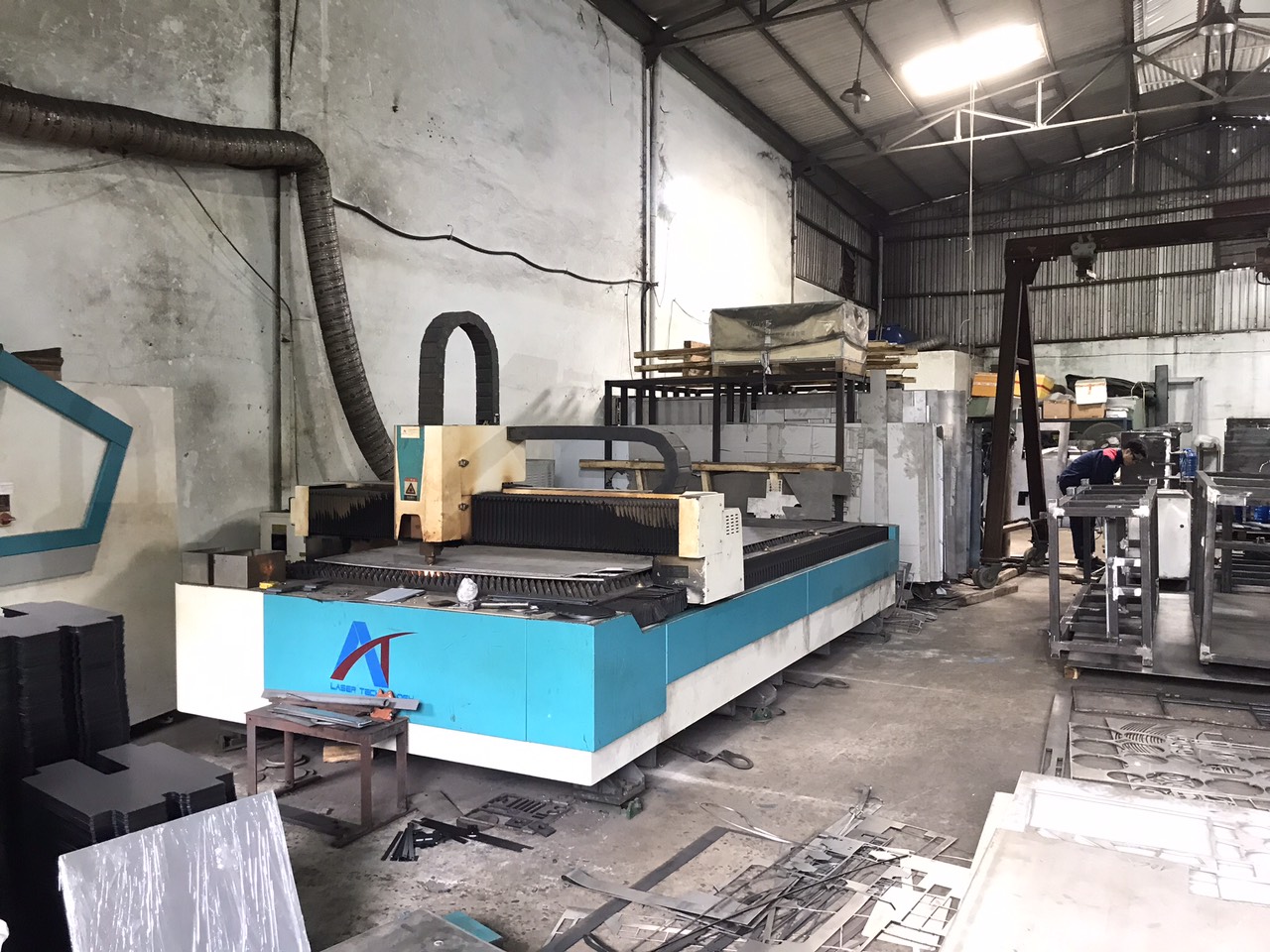
Every week, our team in Vietnam and China reviews sheet metal fabrication 1 quotes alongside U.S. purchasing managers who feel overwhelmed by line items they cannot decode. The numbers blur together. Costs seem arbitrary. And when three suppliers send three wildly different prices for the same part, frustration turns into real procurement risk — delayed projects, blown budgets, or worse, parts that fail in the field material type and thickness 2. I have watched this cycle repeat for years, and it always starts the same way: a buyer who does not know what each line on the quote actually means.
Sheet metal fabrication quotes break down costs into five core components — material, cutting, forming, secondary operations, and overhead — so buyers can see exactly how design choices like material type and thickness, part complexity, and production volume drive the final price and manufacturing feasibility.
This article walks through each cost component, explains the hidden drivers behind every line item, and gives you practical strategies to compare quotes, spot red flags, and calculate your true total landed cost 3 tolerance requirements 4. Let’s start with the comparison problem most buyers face first.
How do I accurately compare sheet metal quotes from different Asian suppliers?
A lesson our Singapore office learned early: two quotes that look identical on the surface can hide thousands of dollars in differences once you align the line items side by side.
To accurately compare sheet metal quotes from Asian suppliers, you must normalize every quote into the same cost categories — material, cutting, forming, secondary operations, finishing, tooling costs, and overhead expenses — then verify each supplier's assumptions about tolerances, surface finishing, and included services.
Why Quotes Look Different Even for the Same Part
Suppliers in different countries use different quoting formats. A factory in Vietnam might bundle labor costs and machine time into a single "processing fee." A Taiwanese supplier might itemize every bend, every hole, every weld. Neither approach is wrong, but they make apples-to-apples comparison nearly impossible unless you restructure both quotes into a common framework. Understanding why sheet metal fabrication supplier quotes vary so much is the first step toward making informed comparisons.
When our sourcing engineers receive quotes on behalf of U.S. clients, the first thing we do is map every line item to five standard buckets. Here is the framework we use:
| Cost Category | Typical Share of Total | What to Look For |
|---|---|---|
| Material | 30–40% | Alloy grade, sheet thickness, nesting yield, scrap policy |
| Cutting / Fabrication | 25–35% | Machine type (laser, punch, plasma), setup costs, runtime rate |
| Forming / Bending | 10–20% | Number of bends, press brake setup, tooling availability |
| Secondary Operations 5 | 10–25% | Welding method, hardware insertion, deburring, tapping |
| Overhead & Profit | Varies | Equipment depreciation, facility costs, margin |
How to Normalize Quotes Step by Step
- Request itemized breakdowns. If a supplier sends a lump-sum price, ask them to split it. Most professional shops can do this. If they refuse, treat it as a yellow flag.
- Confirm material specifications. One supplier might quote 304 stainless steel while another quotes 201. The price gap is real, and so is the quality gap.
- Check what is included. Does the quote cover surface finishing? Packaging? Inspection reports? Setup costs for the first run? These items can add 10–15% to the total if they are missing.
- Align tolerance requirements. Tighter tolerances mean slower production speeds, more inspection, and higher scrap rates. Make sure every supplier is quoting the same drawing revision with the same critical dimensions called out.
- Convert currencies and payment terms. A quote in Vietnamese dong with 30-day terms is not the same as a quote in USD with 90-day open-account terms. The cost of capital matters.
Red Flags in Supplier Comparisons
Watch for quotes that are more than 20% below the average. In our experience coordinating supplier audits across Asia, an unusually low quote often means the supplier has underestimated part complexity, plans to use thinner material, or will surprise you with change orders later. We have seen cases where a "cheap" quote ended up costing 30% more after rework and reshipping.
What hidden costs should I look for in my custom part price breakdown?
One of our U.S. clients once approved a quote that seemed competitive — until the first shipment arrived with no hardware installed, no powder coating, and a $1,200 "packaging surcharge" on the commercial invoice.
Hidden costs in custom sheet metal part quotes typically include setup fees, tooling charges, secondary operations like welding or tapping, surface finishing, inspection and PPAP documentation, packaging, and minimum order quantity surcharges — any of which can inflate the final price by 15–30% if not identified upfront.
The Most Commonly Overlooked Cost Items
Many buyers focus only on the per-piece price and ignore the supporting charges that appear on the final invoice. Here are the items our team flags most often during quote reviews:
| Hidden Cost Item | Typical Range | Why It Gets Missed |
|---|---|---|
| First-article inspection (FAI) 6 | $200–$800 | Often quoted separately or billed after production |
| PPAP documentation 7 | $500–$2,000 | Required by many U.S. OEMs but not always included |
| Tooling / fixture costs | $300–$5,000+ | May be amortized into piece price or billed separately |
| Setup per run | $50–$150 per setup | Adds up fast on multi-operation parts |
| Surface finishing (powder coat, anodize) | $2–$15 per part | Sometimes listed as "optional" and omitted from base price |
| Custom packaging / crating | $100–$1,000+ | Especially relevant for large or fragile brackets |
| Minimum order surcharge | 10–25% premium | Applied when order quantity falls below supplier's MOQ |
Welding: The Silent Cost Driver
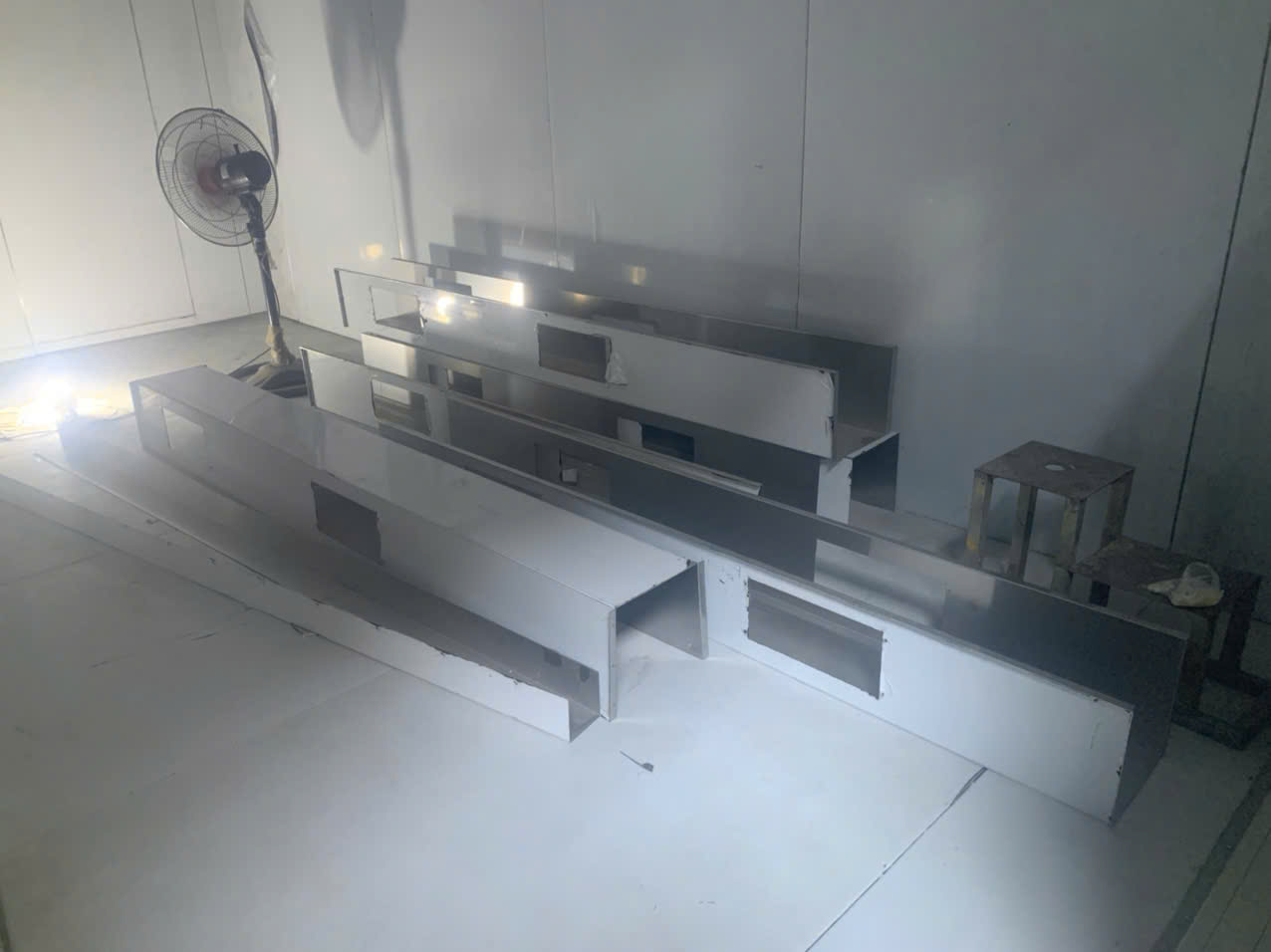
Welding costs are easy to underestimate. A pair of mirrored mounting brackets — like the heavy-duty gunmetal grey brackets we often produce with multiple bends, cutouts, and weld joints — can require significant TIG welding 8 time. TIG welding demands higher operator skill, slower travel speed, and more gas consumption than MIG. Weld length directly correlates with cost. Every additional inch of weld adds labor and consumables.
When reviewing your quote, ask the supplier to specify:
- Welding method (MIG, TIG, or spot)
- Total weld length per part
- Whether weld cleanup and grinding are included
Hardware and Fastener Installation
Custom hardware — PEM nuts, standoffs, rivets — adds both material cost and press time. Standard components are cheaper, but if your design requires unique sizes or specialized features, the premium can be substantial. Our engineers always review CAD files early to flag opportunities where standard hardware can replace custom components.
Design for Manufacturability Savings
This is where hidden costs become hidden savings. When we conduct DFM reviews during the quoting phase, we routinely identify changes that reduce costs by 10–20%. Simplifying bend sequences, reducing the number of unique hole sizes, and optimizing flat patterns for better nesting efficiency are the most common wins. Accurate quotes that break down material, processing, and surface treatment fees make these optimization opportunities visible and measurable.
How can I tell if a low quote will compromise my quality and lead time requirements?
A purchasing manager we work with in the Midwest once told me, "I would rather pay 10% more and sleep at night than save 10% and spend three months chasing replacements." That stuck with me.
A suspiciously low sheet metal quote often signals cut corners — thinner material, skipped inspection steps, loose tolerance requirements, no PPAP process, or unrealistic lead times — and you can identify these risks by requesting detailed process plans, material certifications, and QC documentation before awarding the order.

The Real Cost of Getting It Wrong
When a supplier quotes 25–30% below the market average, something has to give. In our years managing contract manufacturing across Vietnam and China, we have seen the following failure patterns:
- Material substitution: The supplier uses a cheaper alloy or thinner gauge without disclosing the change. The parts pass visual inspection but fail under load.
- Skipped operations: Deburring, edge rounding, or final inspection steps are dropped to save labor costs.
- No process control: Without a structured QC process, defects reach the shipping dock. Returns and rework eat into whatever savings the low price offered.
- Unrealistic lead times: The supplier quotes a fast turnaround to win the job, then misses the delivery date because they underestimated machine time and forming complexity. Learning how to determine if a sheet metal fabrication lead time is reasonable can help you spot this red flag early.
Questions to Ask Before Accepting a Low Quote
Rather than rejecting low quotes outright, use them as a diagnostic tool. Ask specific questions:
- What material grade and thickness are you quoting? Provide mill certifications.
- What is your inspection plan? Will you provide a first-article inspection report?
- How many production stages does this part require? Walk me through the process flow.
- What is your current capacity utilization? Can you realistically meet this lead time?
- Are setup costs included, or will they appear on the first invoice?
Volume Strategy: Laser vs. Stamping
One legitimate reason for a lower quote is process optimization at higher production volume. For large batches, stamping and punching are more cost-effective than laser cutting because the high initial tooling investment gets spread across thousands of parts. For small runs, stamping is far less economical because those setup costs hit fewer units. This dynamic is a key reason unit prices vary for low vs. high volumes in sheet metal fabrication.
| Process | Best For | Setup Cost | Per-Unit Cost at Volume |
|---|---|---|---|
| Laser cutting | Prototypes, small runs (1–500) | Low ($50–$150) | Higher |
| CNC punching | Medium runs (500–5,000) | Moderate ($200–$1,000) | Moderate |
| Stamping / progressive die | High volume (5,000+) | High ($2,000–$20,000+) | Lowest |
If a supplier quotes stamping prices for a 200-piece order, be skeptical. The economics do not support it unless they are absorbing tooling costs for a reason — perhaps expecting future volume that has not been committed.
Part-Size Pricing Benchmarks
Use these rough benchmarks to gut-check any quote you receive:
| Part Size | Approximate Area | Typical Price Range |
|---|---|---|
| Small | Less than 50 sq in | $5–$10 per part |
| Medium | 50–200 sq in | $10–$25 per part |
| Large | 200+ sq in | $25–$75 per part |
These ranges assume mild steel or aluminum, standard tolerances, and basic finishing. Stainless steel, tight tolerances, and complex secondary operations will push prices higher. If a quote falls significantly below these ranges for a comparable part, dig deeper.
How do I calculate the total landed cost for my custom sheet metal parts?
The trade-off I weigh most often with our clients is simple: a low ex-works price means nothing if the total landed cost — the real number that hits your P&L — is 20% higher than expected.
To calculate total landed cost for custom sheet metal parts, add the ex-works fabrication price to packaging, inland freight, ocean or air freight, customs duties, import taxes, customs brokerage fees, insurance, and any warehousing or inventory carrying costs at the destination port.
Breaking Down the Landed Cost Formula
Total landed cost is the only number that matters for procurement decisions, yet most buyers evaluate suppliers based on the per-piece fabrication price alone. Here is the full formula we walk through with every new client:
Total Landed Cost = Fabrication Price + Packaging + Inland Transport + International Freight + Insurance + Customs Duties + Brokerage Fees + Destination Handling + Inventory Carrying Cost
Each Component Explained
Fabrication price: This is the per-piece cost from the supplier, covering material, cutting, forming, secondary operations, and overhead expenses 9. It is the number on the quote — but only part of the story.
Packaging and crating: Heavy sheet metal brackets and housing bases need sturdy packaging. Wooden crates, foam inserts, and VCI (vapor corrosion inhibitor) wrapping for steel parts can add $0.50–$5.00 per part depending on size and fragility.
Inland transport: Moving goods from the factory to the port in Vietnam or China typically costs $200–$800 per shipment depending on distance and cargo weight.
International freight: Ocean freight for a 20-foot container from Southeast Asia to the U.S. West Coast currently ranges from $2,000–$5,000 depending on the market cycle. Air freight is 5–10x more expensive but necessary for urgent orders. Global supply chain volatility can cause rapid fluctuations, so lock in rates early.
Customs duties: U.S. import duties on fabricated steel and aluminum parts vary by HTS code and country of origin. Parts from Vietnam may face lower tariffs than parts from China under current trade policy. This is one reason we help clients source from multiple Asian countries.
Brokerage and handling: Customs brokers charge $150–$400 per entry. Destination port handling adds another $200–$600.
Inventory carrying cost: If parts sit in a warehouse for 30–60 days before use, the carrying cost (storage, insurance, capital tied up) adds 1–2% of inventory value per month.
A Practical Example
Suppose you order 1,000 medium-sized sheet metal brackets at $15 each from a Vietnamese supplier:
| Cost Element | Amount | Per Part |
|---|---|---|
| Fabrication (1,000 × $15) | $15,000 | $15.00 |
| Packaging | $800 | $0.80 |
| Inland transport | $400 | $0.40 |
| Ocean freight | $2,500 | $2.50 |
| Insurance | $200 | $0.20 |
| Customs duty (3.5%) | $525 | $0.53 |
| Brokerage & handling | $500 | $0.50 |
| Inventory carrying (1 month) | $300 | $0.30 |
| Total Landed Cost | $20,225 | $20.23 |
The per-part cost jumped from $15.00 to $20.23 — a 35% increase over the quoted fabrication price. This is why we always calculate landed cost before our clients commit to a supplier.
Tips to Reduce Your Landed Cost
- Consolidate shipments. Group multiple part numbers into a single shipment to spread freight and brokerage costs.
- Optimize packaging. Work with your supplier to design packaging that maximizes container utilization.
- Use open-account payment terms. Our 60–90 day payment terms free up cash flow so buyers are not financing inventory and payables simultaneously.
- Leverage DFM early. Reducing part complexity not only cuts fabrication price but can also reduce weight and packaging needs, lowering freight costs.
- Build long-term supplier relationships. Consistent volume over multiple projects leads to more stable pricing, prioritized lead times, and collaborative design for manufacturability 10 efforts that optimize costs across the board.
Conclusion
Understanding sheet metal fabrication quotes is not just about reading numbers — it is about reading feasibility, risk, and total cost. Break every quote into its five core components. Normalize quotes across suppliers. Hunt for hidden costs. Stress-test low prices against quality and lead time requirements. And always calculate your total landed cost before making a decision. When you treat a quote as a diagnostic tool rather than a price tag, you make better sourcing decisions — and that is exactly the kind of partnership our team at DEWIN builds with every client.
Frequently Asked Questions
How do I accurately compare sheet metal quotes from different Asian suppliers?
A lesson our Singapore office learned early: two quotes that look identical on the surface can hide thousands of dollars in differences once you align the line items side by side.
What hidden costs should I look for in my custom part price breakdown?
One of our U.S. clients once approved a quote that seemed competitive — until the first shipment arrived with no hardware installed, no powder coating, and a $1,200 "packaging surcharge" on the commercial invoice.
How can I tell if a low quote will compromise my quality and lead time requirements?
A purchasing manager we work with in the Midwest once told me, "I would rather pay 10% more and sleep at night than save 10% and spend three months chasing replacements." That stuck with me.
Footnotes
1. Explains the process of transforming flat metal sheets into specific shapes. ↩︎
2. Details common sheet metal materials, their properties, and applications. ↩︎
3. Represents the complete cost of a product from origin to its final destination. ↩︎
4. Explains acceptable variations in dimensions for fabricated sheet metal components. ↩︎
5. Describes post-fabrication processes that enhance functionality, durability, and appearance. ↩︎
6. Replaced with the Wikipedia entry for First Article Inspection (FAI), an authoritative and comprehensive source. ↩︎
7. Standardized process in automotive supply chain to ensure supplier production consistency. ↩︎
8. Replaced with the Wikipedia entry for Gas Tungsten Arc Welding (TIG welding), an authoritative and comprehensive source. ↩︎
9. Defines indirect production expenses not directly tied to specific products. ↩︎
10. Replaced with a detailed guide on Design for Manufacturability (DFM) from Fictiv, a recognized manufacturing resource. ↩︎