A purchasing manager recently asked why his 25-piece sheet metal bracket order cost three times more per unit than a previous 2,000-piece run — and it’s a question we hear weekly.
Unit price in small-batch sheet metal fabrication is significantly higher than in mass production because fixed setup costs, tooling costs, and programming fees are spread across fewer parts. As production volume rises, economies of scale reduce the per-unit burden of these expenses, lowering the price dramatically.
Understanding exactly where that cost gap comes from — and how to manage it — can save your procurement team thousands per year fixed setup costs 1. Below, I break down the specific cost drivers, show real numbers, and share a decision framework we use with our U.S. clients every day.
Why is my unit price so much higher for small-batch sheet metal orders?
Last month, one of our long-standing clients in the Midwest received two quotes from us side by side — one for 20 custom mounting plates and one for 2,000. His reaction was immediate: "Why is the small run almost four times the unit cost?" It's the single most common question our sales team fields.
Your small-batch unit price is higher because fixed costs — CNC programming, first-article inspection, tooling setup, and fixture preparation — are divided among far fewer parts. A setup that costs the same whether you make 20 or 2,000 pieces inflates each unit's share dramatically at low volumes.
The Fixed-Cost Problem
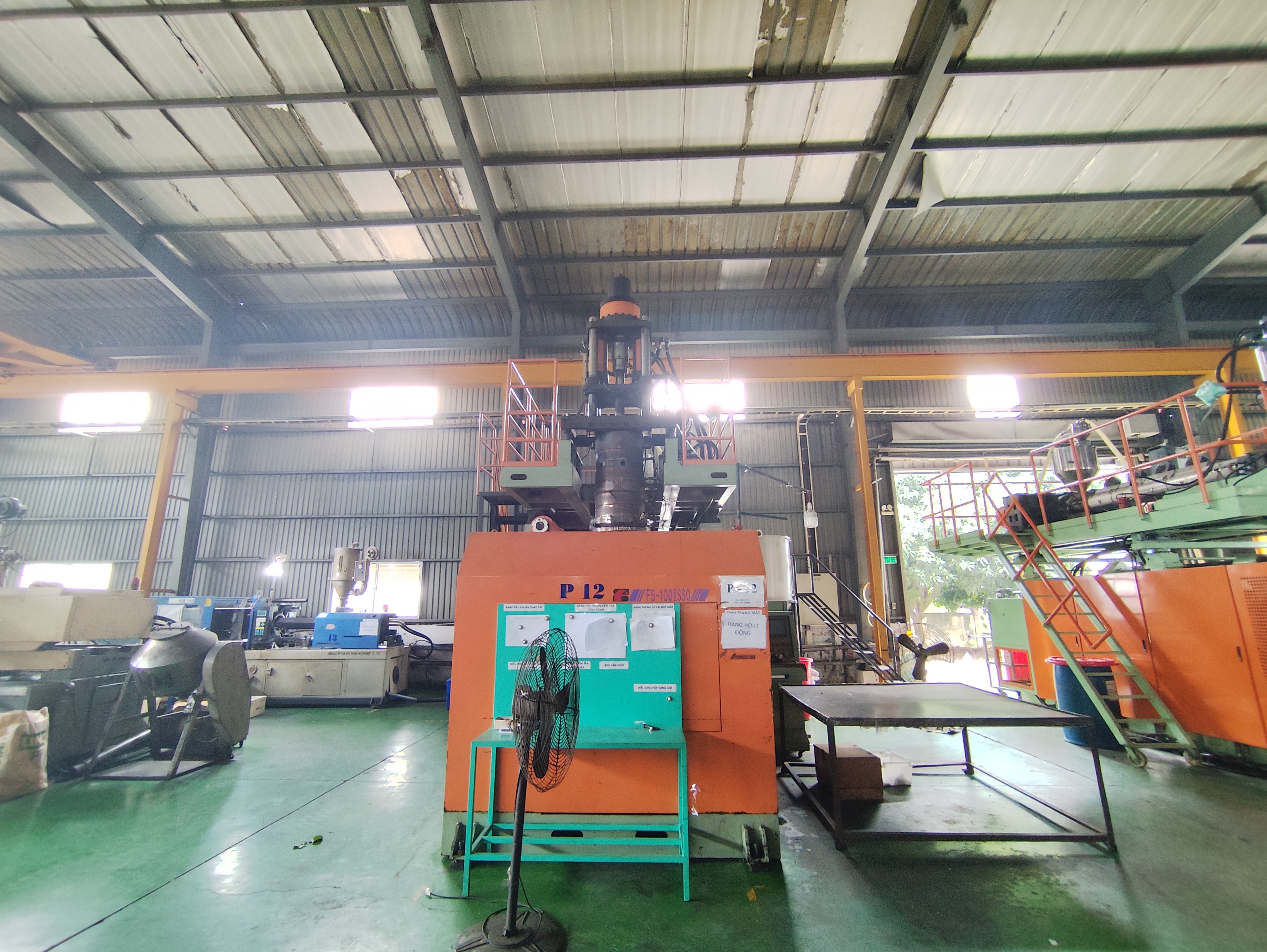
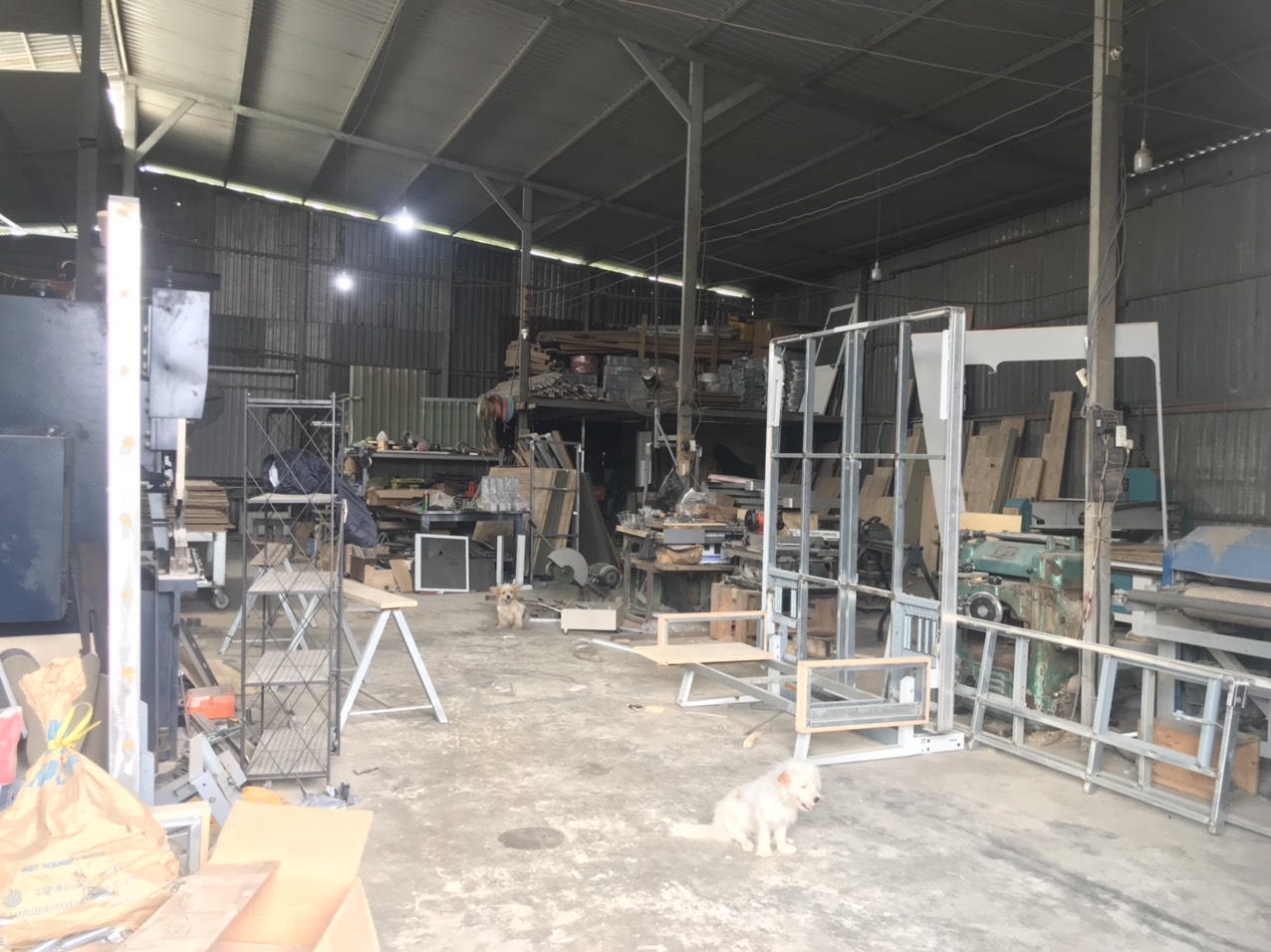
Every sheet metal job starts the same way. An engineer programs the CNC punch or laser. A technician sets up the press brake with the correct tooling. A first-article part is inspected against your drawing. These steps take roughly the same time whether you order 10 parts or 10,000 parts. When our Vietnam team sets up a bending machine, that 45-minute setup at roughly $100 per hour costs $75 regardless of batch size. For a 10-piece order, that adds $7.50 per unit. For a 1,000-piece order, it adds $0.075 per unit. The math is simple, but the impact is enormous.
Material Waste Amplified
Material selection also plays a role. In a small batch, the nesting software 2 has fewer shapes to arrange on each sheet. That means more scrap. A mass production run of identical parts lets our programmers optimize nesting to use 85–90% of the raw material. A short run might only achieve 60–70% utilization. The leftover aluminum or stainless steel is waste your quote absorbs.
Labor and Skill Intensity
Small-batch fabrication demands more skilled labor 3 per unit. Operators must verify setups more frequently relative to the number of parts produced. Quality inspectors perform proportionally more checks. In mass production, automation and repetition bring labor costs per unit down sharply.
| Cost Element | 20-Piece Batch | 2,000-Piece Batch |
|---|---|---|
| CNC Programming (per unit) | $12.50 | $0.13 |
| Machine Setup (per unit) | $7.50 | $0.08 |
| First-Article Inspection 4 (per unit) | $5.00 | $0.05 |
| Material Cost (per unit) | $22.00 | $16.00 |
| Labor (per unit) | $18.00 | $6.00 |
| Estimated Unit Price | $65.00 | $22.26 |
This table reflects real proportions we see in our quoting process. The gap is driven almost entirely by how fixed costs distribute — not by the raw material or the machine time per piece.
Part Complexity Multiplies the Effect
Part complexity 5 makes the gap worse. A simple flat bracket with two bends has minimal programming. A housing with multiple cutouts, welded tabs, and tight tolerances requires significantly more setup and programming time. In a small batch, every extra feature adds cost that fewer parts must absorb. In mass production, those features are amortized into near-insignificance.
How do setup and tooling costs impact my budget for low-volume production?
When we were quoting a protective housing project for a U.S. engineering firm — just 35 units with powder coating 6 — the tooling and setup line items alone represented nearly 40% of the total quote. That surprised the buyer, but it shouldn't have.
Setup and tooling costs can consume 30–50% of your total budget in low-volume production. These include CNC programming, fixture fabrication, press brake tooling changes, and first-article verification — all fixed expenses that remain constant regardless of how many parts you produce.

Breaking Down Setup Costs
Let me walk through what "setup" actually includes. It is not a single activity. It is a chain of tasks that must happen before the first good part comes off the line.
- Programming: A CAM engineer translates your CAD file into machine code for laser cutting, punching, and bending. This can take 1–4 hours depending on complexity.
- Tooling changeover: Press brake operators swap out dies and punches to match your bend radii and material thickness. Each changeover takes 15–45 minutes.
- Fixturing: If your part requires welding or assembly, custom fixtures may be needed to hold pieces in position. These are one-time builds.
- First-article inspection (FAI): The first part is measured against every critical dimension on your drawing. This is non-negotiable for quality-conscious buyers.
- Secondary operations setup: If your parts need tapping, hardware insertion, or finishing, each secondary operation has its own setup cycle.
How Tooling Costs Differ by Production Scale
| Tooling / Setup Item | Typical Cost | Impact on 25 Units | Impact on 5,000 Units |
|---|---|---|---|
| CNC Laser Programming | $200–$600 | $8–$24 per unit | $0.04–$0.12 per unit |
| Press Brake Setup (per bend station) | $75–$150 | $3–$6 per unit | $0.02–$0.03 per unit |
| Custom Welding Fixture | $300–$1,200 | $12–$48 per unit | $0.06–$0.24 per unit |
| First-Article Inspection | $100–$300 | $4–$12 per unit | $0.02–$0.06 per unit |
| Powder Coat Setup | $150–$400 | $6–$16 per unit | $0.03–$0.08 per unit |
These figures come from our actual quoting data across projects sourced from Vietnam and other Asian suppliers. The pattern is clear: every fixed-cost line item becomes negligible at high volumes but dominates at low volumes.
Strategies We Recommend
We advise our clients to ask fabricators whether setup fees are quoted separately or rolled into the unit price. Transparency matters. If the setup is itemized, you can sometimes reuse tooling and fixtures for repeat orders and avoid paying those fees again. Our team keeps tooling on file for returning customers — a practice that reduces lead time and cost on reorders.
Design for manufacturability 7 is another lever. Simplifying bend sequences or standardizing hole patterns can reduce programming hours and tooling changeovers. We often review drawings with clients before finalizing quotes to identify these savings. Even small changes — like using a standard bend radius instead of a custom one — can cut setup time by 20%.
At what quantity will I see a significant drop in my sheet metal fabrication unit price?
A lesson I've learned across hundreds of quoting cycles is that the price curve is not linear. Buyers often assume that doubling the order halves the price. It doesn't work that way. The steepest drop happens in a specific range, and knowing where that range falls can reshape your purchasing strategy.
For most sheet metal parts, the most significant unit price drop occurs between 50 and 250 pieces. Beyond 250 units, the curve flattens because fixed setup costs are already well-diluted, and further savings come mainly from incremental material discounts and cycle-time optimization.

The Price Curve Explained
Think of the unit price curve as a steep hill that levels off into a gentle slope. At very low volumes — say 5 to 25 parts — you are climbing the steepest part of the hill. Every additional unit you add to the order pulls the price down noticeably because those fixed costs are being divided by more parts. Once you pass roughly 100–250 units, the hill flattens. The fixed costs are already so diluted that adding more units barely changes the per-unit setup burden. From that point forward, savings come from other sources: bulk material purchasing, reduced per-piece inspection sampling, and automation efficiencies.
Where the Break Points Fall
The exact break point depends on part complexity, material selection, and the secondary operations required. Here's a general framework based on why unit prices vary for low vs. high volumes:
| Order Quantity | Typical Unit Price Behavior | Primary Cost Driver at This Volume |
|---|---|---|
| 1–10 units | Highest unit price; prototyping costs dominate | Engineering, programming, FAI |
| 10–50 units | Steep price decline per unit added | Setup cost dilution |
| 50–250 units | Moderate continued decline | Material efficiency, labor optimization |
| 250–1,000 units | Gradual flattening | Bulk material discounts, automation |
| 1,000–5,000+ units | Near-minimum unit price | Economies of scale 8 fully realized |
For our clients who source custom brackets and housings, the sweet spot often sits around 100–200 pieces. At that range, setup costs are sufficiently diluted, and material can be ordered in economically efficient sheet quantities. Going from 200 to 2,000 might only reduce the unit price by another 15–25%.
When Small-Batch Still Makes Sense
Even knowing this curve, there are strong reasons to stay at low volumes. If your product design is still evolving, committing to 2,000 units locks you into a revision that may change. We often recommend a hybrid model: run 25–50 pieces to validate the design and manufacturing process, then scale to 500+ once the design is stable. This approach prevents costly scrap from obsolete inventory and keeps your minimum order quantity manageable. You can learn more about how prototyping and mass production differ in sheet metal fabrication to decide which approach fits your project stage.
The growing trend toward low-volume, high-mix production 9 supports this strategy. Many of our U.S. clients are moving away from large inventory commitments. They order in smaller batches more frequently, trading a slightly higher unit price for reduced warehousing costs and greater design flexibility.
What hidden labor and programming costs should I expect in my small-batch sheet metal quotes?
During a recent project review with our China office, we dissected a quote for 15 custom stainless steel mounting brackets. The client had questioned why the labor line was so high relative to the material cost. When we broke it down hour by hour, the answer became obvious — and it's a pattern I see in almost every small-run quote.
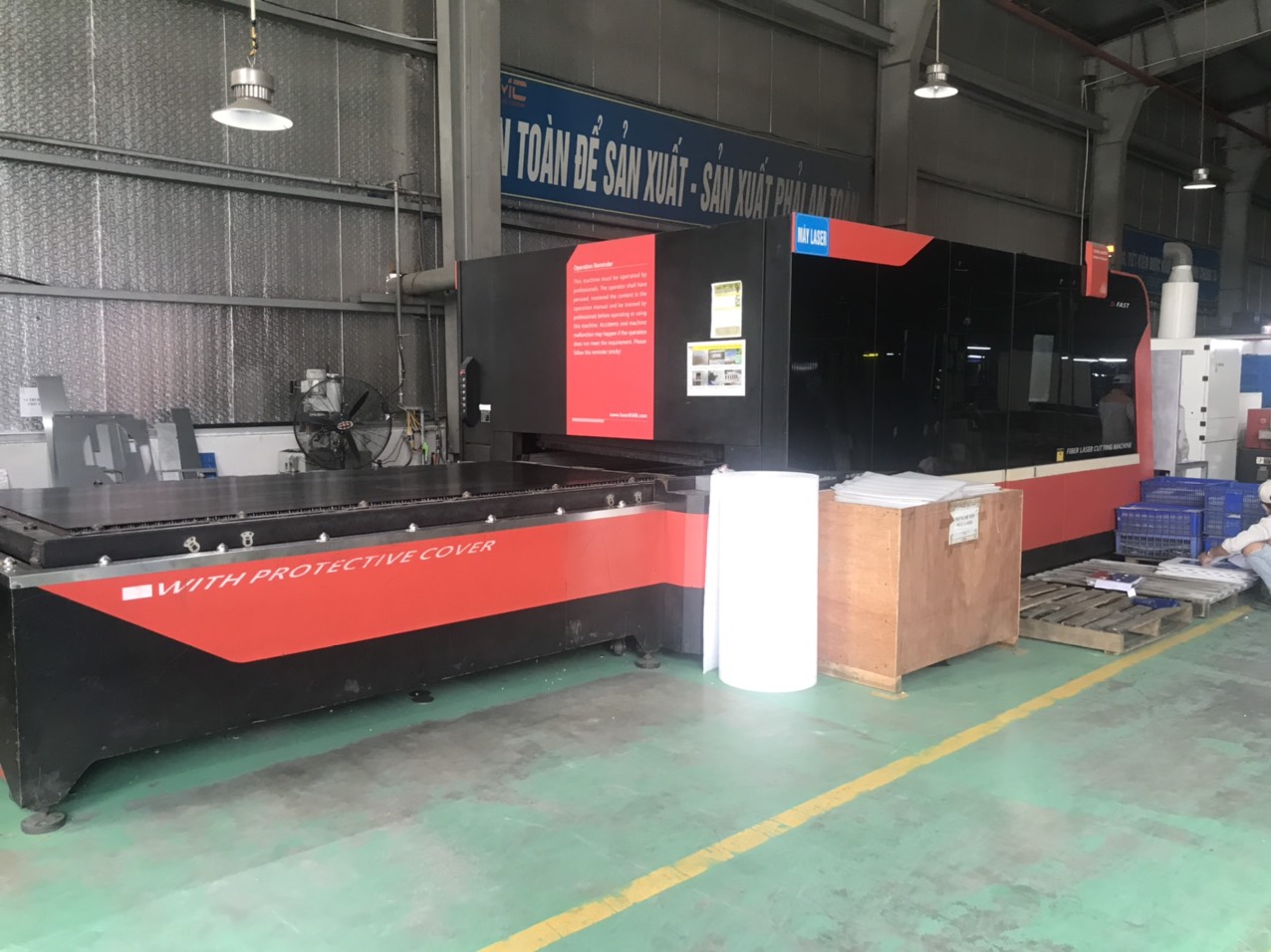
Hidden costs in small-batch quotes typically include CAM programming, nesting optimization, process engineering reviews, deburring labor, inspection beyond FAI, packaging customization, and coordination of outsourced secondary operations like plating or heat treatment — costs that are minimal per unit in mass production but significant in short runs.
The Costs You Don't Always See
Most fabricators roll several line items into a single "unit price" without breaking them out. Here's what often hides inside that number:
- CAM programming and nesting: Even with AI-driven nesting software, an engineer must review and optimize the layout. For complex parts, this can take 2–3 hours.
- Process engineering: Someone must decide the sequence of operations — cut first, then bend, then weld, then finish. For a new part, this planning takes time.
- Deburring and edge treatment: Laser-cut and punched edges need deburring. In a small batch, this is often done by hand, adding significant labor cost per piece.
- Dimensional inspection: Beyond the formal FAI, operators perform in-process checks. In a 15-piece run, the ratio of inspected parts to total parts is much higher than in a 5,000-piece run.
- Coordination of secondary operations: If your parts need powder coating, anodizing, or hardware insertion, coordinating with sub-suppliers adds project management time. Lead time extends, and each handoff carries a fixed coordination cost.
- Packaging and labeling: Custom packaging for small lots doesn't benefit from bulk packaging material purchases. Labels may need to be printed in small quantities at higher per-piece costs.
A Real-World Cost Breakdown
Consider a custom charcoal gray powder-coated mounting bracket — similar to the complex fabricated brackets with matte finishes that we regularly produce. Here's an approximate breakdown for a 15-piece order:
| Cost Category | Estimated Cost | Per Unit (15 pcs) |
|---|---|---|
| CAM Programming | $350 | $23.33 |
| Material (4 kg Al per part at $4/kg + 25% waste) | $300 | $20.00 |
| Laser Cutting (machine time) | $120 | $8.00 |
| Bending (3 bends per part) | $90 | $6.00 |
| Welding | $180 | $12.00 |
| Deburring (manual) | $75 | $5.00 |
| Powder Coating (outsourced, incl. setup) | $375 | $25.00 |
| Inspection and QC | $150 | $10.00 |
| Project Coordination | $100 | $6.67 |
| Packaging | $60 | $4.00 |
| Total | $1,800 | $120.00 |
In a 1,500-piece run of the same part, programming, inspection setup, and coordination costs would be nearly identical in absolute terms but would add less than $1.00 per unit combined. The material cost per unit would drop because of bulk purchasing. Machine cycle times would decrease through optimized repetition. The unit price might land around $28–$35.
What to Ask Your Fabricator
When you receive a quote, ask these questions:
- Are setup and programming fees itemized or bundled into the unit price?
- Will tooling and fixtures be stored for future reorders?
- What secondary operations are outsourced, and do they carry separate setup fees?
- Is the engineering/design review cost included, and can it be waived on repeat orders?
- What is the lead time impact of outsourced finishing or plating?
These questions help you understand sheet metal fabrication quotes and cost breakdowns and identify opportunities to reduce prototyping costs and overall spend on future orders.
Conclusion
Small-batch sheet metal fabrication costs more per unit because fixed setup, tooling, and programming expenses are shared among fewer parts. Validate designs at low volumes, then scale to mass production for the best unit economics.
Frequently Asked Questions
Why is my unit price so much higher for small-batch sheet metal orders?
Last month, one of our long-standing clients in the Midwest received two quotes from us side by side — one for 20 custom mounting plates and one for 2,000. His reaction was immediate: "Why is the small run almost four times the unit cost?" It's the single most common question our sales team fields.
How do setup and tooling costs impact my budget for low-volume production?
When we were quoting a protective housing project for a U.S. engineering firm — just 35 units with powder coating 6 — the tooling and setup line items alone represented nearly 40% of the total quote. That surprised the buyer, but it shouldn't have.
At what quantity will I see a significant drop in my sheet metal fabrication unit price?
A lesson I've learned across hundreds of quoting cycles is that the price curve is not linear. Buyers often assume that doubling the order halves the price. It doesn't work that way. The steepest drop happens in a specific range, and knowing where that range falls can reshape your purchasing strategy.
Footnotes
1. Defines setup cost as a batch-level cost incurred to prepare equipment for production. ↩︎
2. Describes software used to optimize material utilization by efficiently arranging parts on a sheet. ↩︎
3. Highlights the essential role of specialized knowledge and training in the manufacturing sector. ↩︎
4. Explains FAI as a critical verification process to ensure product specifications are met before mass production. ↩︎
5. Explores how intricate designs and numerous features increase challenges in manufacturing projects. ↩︎
6. Explains the process of applying a durable, protective finish to metal surfaces. ↩︎
7. Describes the engineering practice of designing products for easier and more cost-effective manufacturing. ↩︎
8. Provides a comprehensive definition and explanation of cost advantages from increased production. ↩︎
9. Explains a manufacturing strategy focused on producing a wide variety of products in small quantities. ↩︎