
When a long-time US client called our Singapore office last quarter asking whether Vietnam sheet metal fabrication sourcing could cut his landed costs 1 by half, I realized the tariff landscape had shifted faster than most buyers expected.
US Section 301 tariffs currently impose zero duty on Vietnam-sourced sheet metal fabrication, while Chinese imports face 25%–145%+ tariffs. This creates a 40–60% landed cost advantage for buyers who move sourcing to Vietnam, though proposed new investigations could add a 12.5% surcharge if finalized by late 2026.
The numbers are dramatic, but the details matter ISO 9001-certified facilities 2. Below, I walk through the real cost math, quality benchmarks, compliance rules, and lead-time trade-offs that every US purchasing manager needs to evaluate before making the switch.
How much can I save on Section 301 duties by moving my sheet metal fabrication to Vietnam?
One conversation changed how I think about tariff mitigation strategies First Article Inspection (FAI) 3. A US buyer showed me two quotes for the same powder-coated steel mounting bracket — one from Dongguan, one from Ho Chi Minh City. The base prices were close. But after duties, the gap was enormous.
By sourcing sheet metal parts from Vietnam instead of China, US buyers can save 40–60% on landed costs. Vietnam currently faces zero Section 301 tariffs, while Chinese equivalents carry 25–145%+ duties. Even when Vietnam's base unit price is slightly higher, the tariff-free entry erases the difference and then some.
Breaking Down the Landed Cost Math
Let me walk through a real scenario. Suppose you need 10,000 precision steel brackets per year US country of origin rules 4. The table below compares a typical Chinese quote against a Vietnamese quote for the same part.
| Cost Element | China Source | Vietnam Source |
|---|---|---|
| Unit manufacturing cost | $8.00 | $9.50 |
| Freight to US port (per unit) | $0.60 | $0.70 |
| Section 301 tariff rate | 25% (minimum) | 0% |
| Tariff cost per unit | $2.00 | $0.00 |
| Standard import duty (MFN) | 2.5% | 2.5% |
| MFN duty per unit | $0.20 | $0.24 |
| Total landed cost per unit | $10.80 | $10.44 |
| Annual cost (10,000 units) | $108,000 | $104,400 |
At a 25% tariff, the savings look modest. But many sheet metal HTS codes now carry tariffs well above 25%. At 54% or higher, the picture shifts dramatically.
| Tariff Scenario | China Landed Cost | Vietnam Landed Cost | Savings |
|---|---|---|---|
| 25% Section 301 | $10.80 | $10.44 | 3.3% |
| 54% Section 301 | $13.12 | $10.44 | 20.4% |
| 79% Section 301 | $15.12 | $10.44 | 30.9% |
| 145% Section 301 | $20.40 | $10.44 | 48.8% |
Why Base Cost Differences Are Misleading
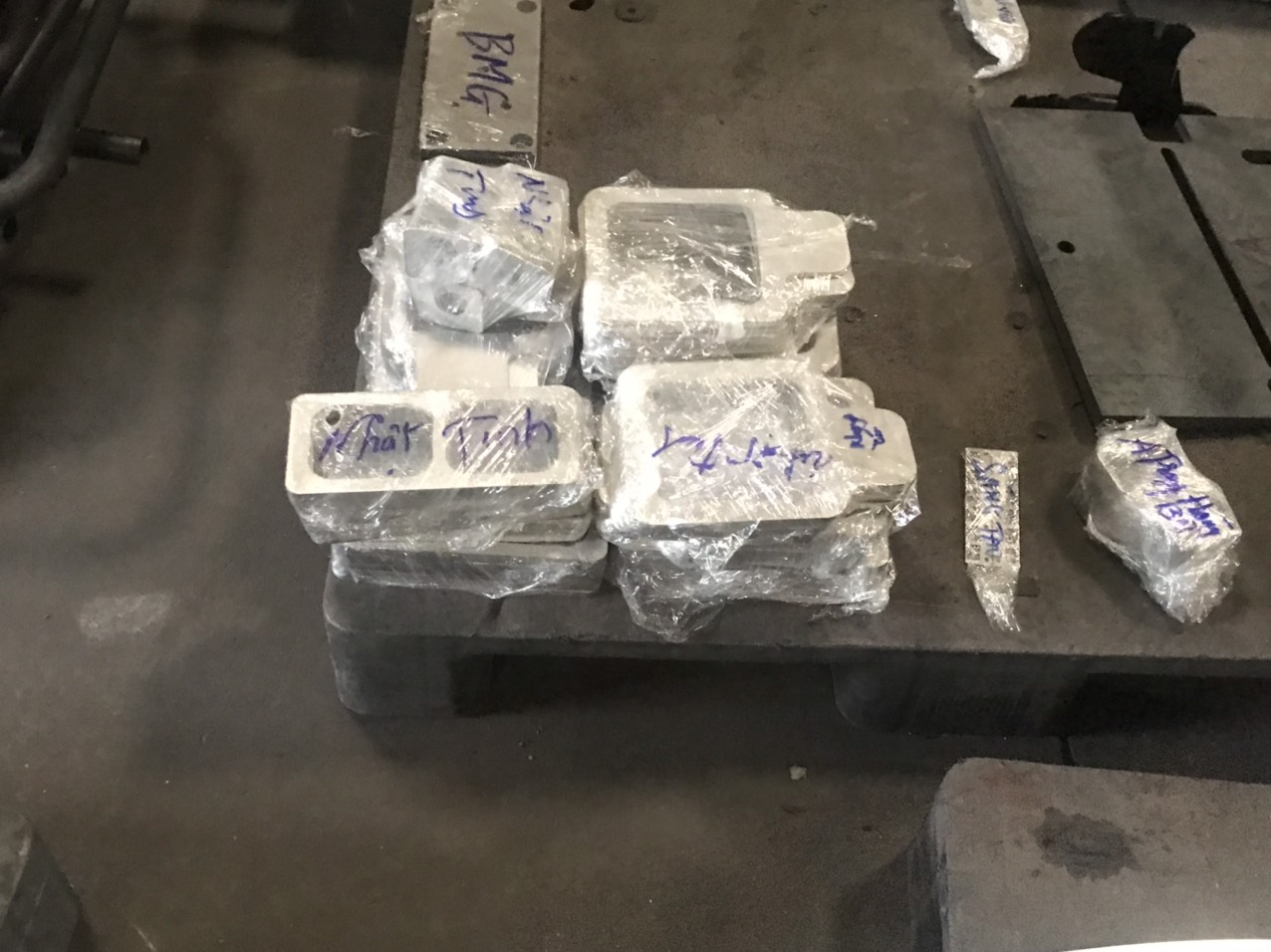
Many buyers look only at the factory gate price. Vietnam's base manufacturing cost for sheet metal is typically 30–50% lower than China's for standard parts. However, for high-precision components — the kind with tight tolerances, multiple bend operations, and powder-coat finishes — the gap narrows. Our Vietnam office works with fabricators whose CNC laser cutters and press brakes match the equipment found in top-tier Chinese shops. The difference is that Vietnam's labor costs remain lower, and raw material inputs like Hot Rolled Coil 5 are domestically available.
The Emerging Risk: Proposed 12.5% Tariff
I need to be honest about risks. The Trump Administration launched two Section 301 investigations in March 2026 that explicitly include Vietnam. One targets structural excess capacity in manufacturing. The other focuses on forced labor enforcement 6 and proposes a 12.5% additional tariff for economies lacking adequate forced labor import restrictions. Public consultations run through July 6, 2026.
Even if this 12.5% tariff is finalized, the landed cost analysis still favors Vietnam over China in most scenarios. A $9.50 part with a 12.5% surcharge becomes $10.69 — still below the $10.80 landed cost from China at only 25% Section 301 duty. The math is clear: Vietnam remains cost-competitive even under the worst-case proposed tariff scenario. For a deeper look at what U.S. tariffs and duties apply when sourcing sheet metal fabrication from Vietnam, see our detailed breakdown.
Can Vietnam sheet metal suppliers meet my high-precision engineering standards and QC requirements?
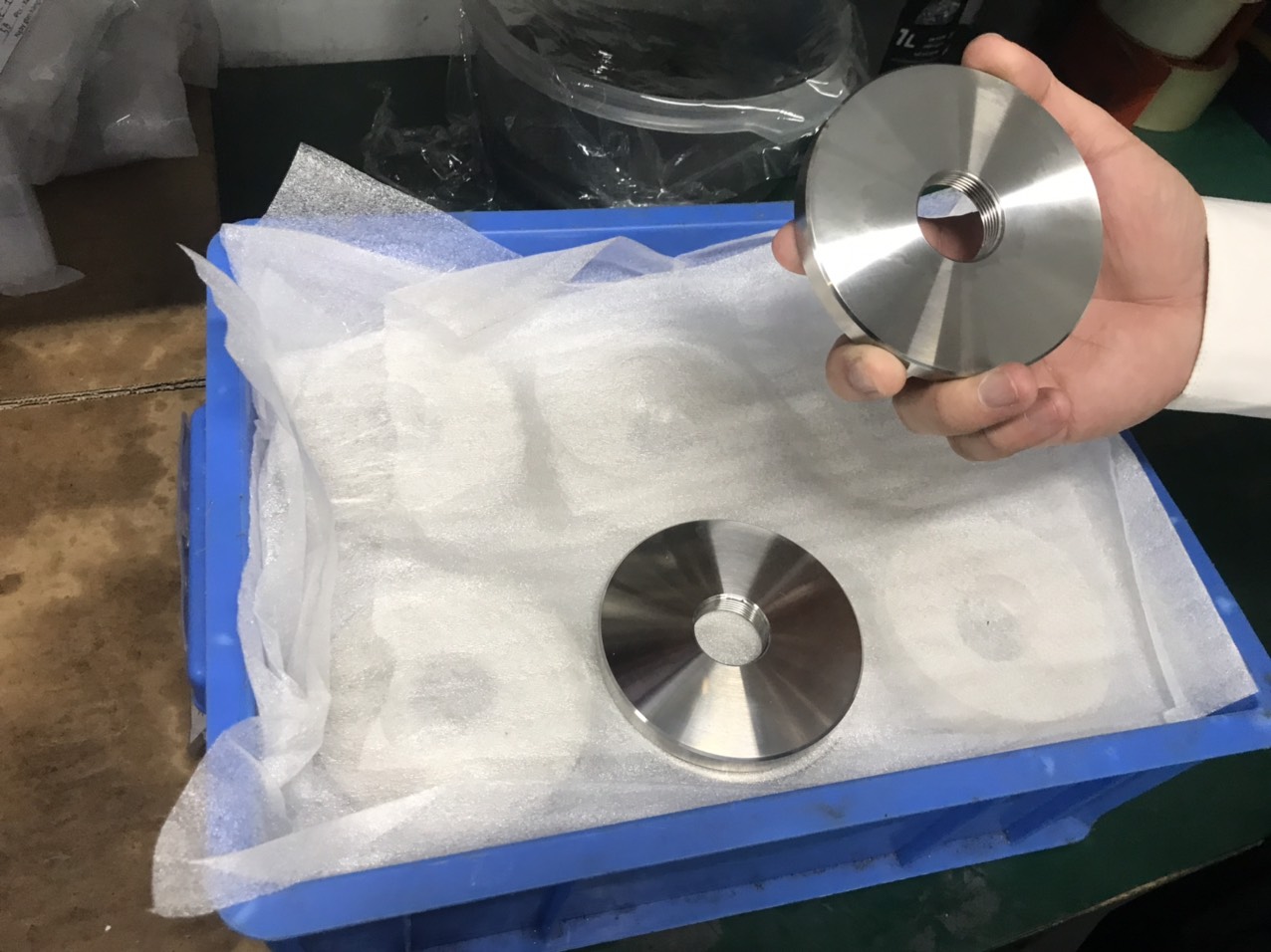
Last year, a client sent us a drawing for a pair of mirrored mounting brackets — heavy-duty, angular, with multiple precise folds, sharp bends, irregular cutouts, and pre-drilled mounting holes at ±0.05 mm tolerance. He had been burned by a previous supplier who overlooked critical GD&T callouts 7. He asked bluntly: "Can Vietnam actually do this?"
Yes, leading Vietnam sheet metal fabricators now operate CNC laser cutters, precision press brakes, and robotic welders that meet ASTM, EN, and JIS standards. With ISO 9001-certified facilities and proper PPAP documentation, Vietnamese suppliers consistently deliver parts within ±0.05 mm tolerances for US engineering applications.

How Vietnam's Metal Fabrication Industry Has Matured
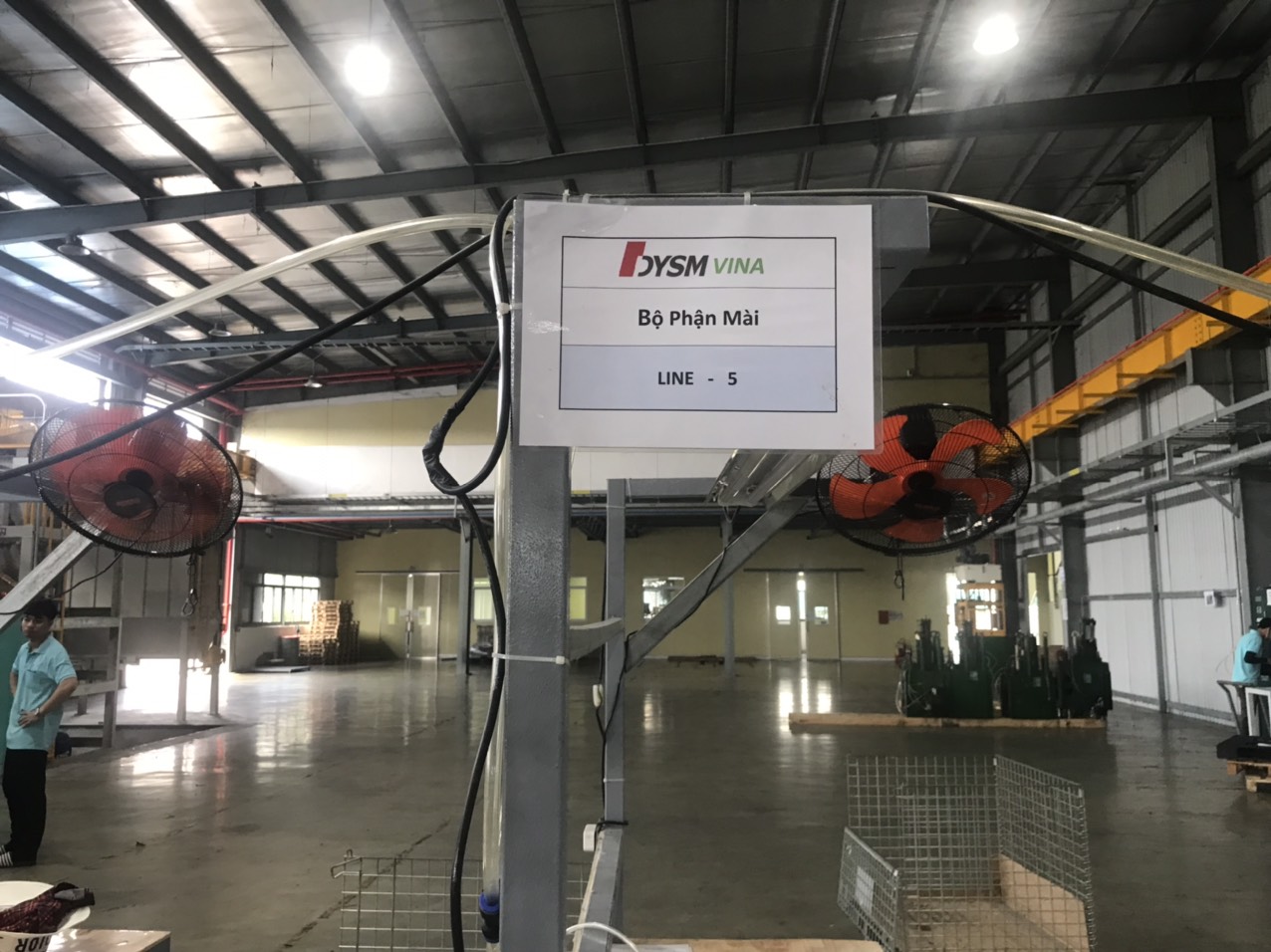
Vietnam's sheet metal sector has evolved rapidly, driven by foreign direct investment from Japan, Korea, and increasingly from Western OEMs relocating production. The country's top fabricators have invested heavily in automation — fiber laser cutters from Trumpf and Amada, CNC press brakes with angle measurement systems, and coordinate measuring machines for final inspection. This is not the low-tech workshop environment many buyers imagine.
Our team in Vietnam conducts on-site supplier audits before we recommend any fabricator to a US client. We check machine lists, operator certifications, calibration records, and past production data. We look at how they handle engineering change orders. We verify whether they have experience reading and interpreting US-standard drawings with GD&T notation. These checks are critical because many quality failures originate not from bad equipment, but from misread drawings and poor process control.
What a Proper QC Framework Looks Like
Getting it "right first time" matters more than anything to a purchasing manager who has dealt with rework cycles and returns. Here is how we structure QC for Vietnam-sourced sheet metal:
- Drawing review conference — Before production starts, our engineers and the supplier's team review every dimension, tolerance, surface finish, and material spec on a video call. We flag ambiguities and resolve them with the US buyer.
- First Article Inspection (FAI) — The supplier produces a small batch. We measure every critical dimension using calibrated instruments and compile a PPAP-level report.
- In-process checks — At key stages (laser cutting, bending, welding, finishing), the supplier records measurements against control plans.
- Final inspection — Our local QC team conducts 100% visual inspection and AQL-based dimensional sampling before shipment.
This layered approach addresses the pain point of suppliers lacking strict QC processes. It costs a bit more in time upfront but prevents the far greater cost of rejected shipments at a US warehouse.
Certifications and Standards
Vietnamese mills and fabricators increasingly hold certifications that matter to US buyers:
- ISO 9001:2015 (Quality Management)
- ISO 14001 (Environmental Management)
- IATF 16949 (for automotive-grade work)
- Material test reports traceable to ASTM or equivalent standards
The key is verification. We never take a certificate at face value. Our audit process confirms that the management system is actually operating, not just documented on paper.
How do I ensure my Vietnam-sourced parts comply with US country of origin rules to avoid penalties?
A compliance question came up during a recent project review that stopped everyone in the room. The buyer's customs broker had flagged a concern: if the raw steel coil originated in China but was fabricated in Vietnam, would US Customs consider the finished bracket "Vietnamese origin" — or would it be reclassified as Chinese and hit with Section 301 tariffs?
To comply with US country of origin rules, Vietnam-sourced sheet metal parts must undergo "substantial transformation" in Vietnam — meaning the fabrication process fundamentally changes the material's character, name, and use. Proper documentation including mill certificates, production records, and certificates of origin is essential to avoid transshipment penalties.
Understanding Substantial Transformation
US Customs and Border Protection applies the "substantial transformation 8" test to determine country of origin. For sheet metal, this generally means the raw material must be significantly changed in Vietnam — not just trimmed, repackaged, or lightly assembled. Converting steel coil into a fully fabricated bracket through laser cutting, multi-axis bending, welding, surface treatment, and assembly typically qualifies as substantial transformation.
However, CBP has been aggressive about investigating transshipment risks. They look for patterns: a sudden spike in Vietnamese exports that mirrors a decline in Chinese exports of the same product. They examine whether the "fabrication" in Vietnam adds meaningful value or is merely cosmetic.
Red Flags That Trigger CBP Scrutiny
Here are the situations that draw unwanted attention from customs compliance authorities:
- Chinese-origin raw material with minimal processing in Vietnam
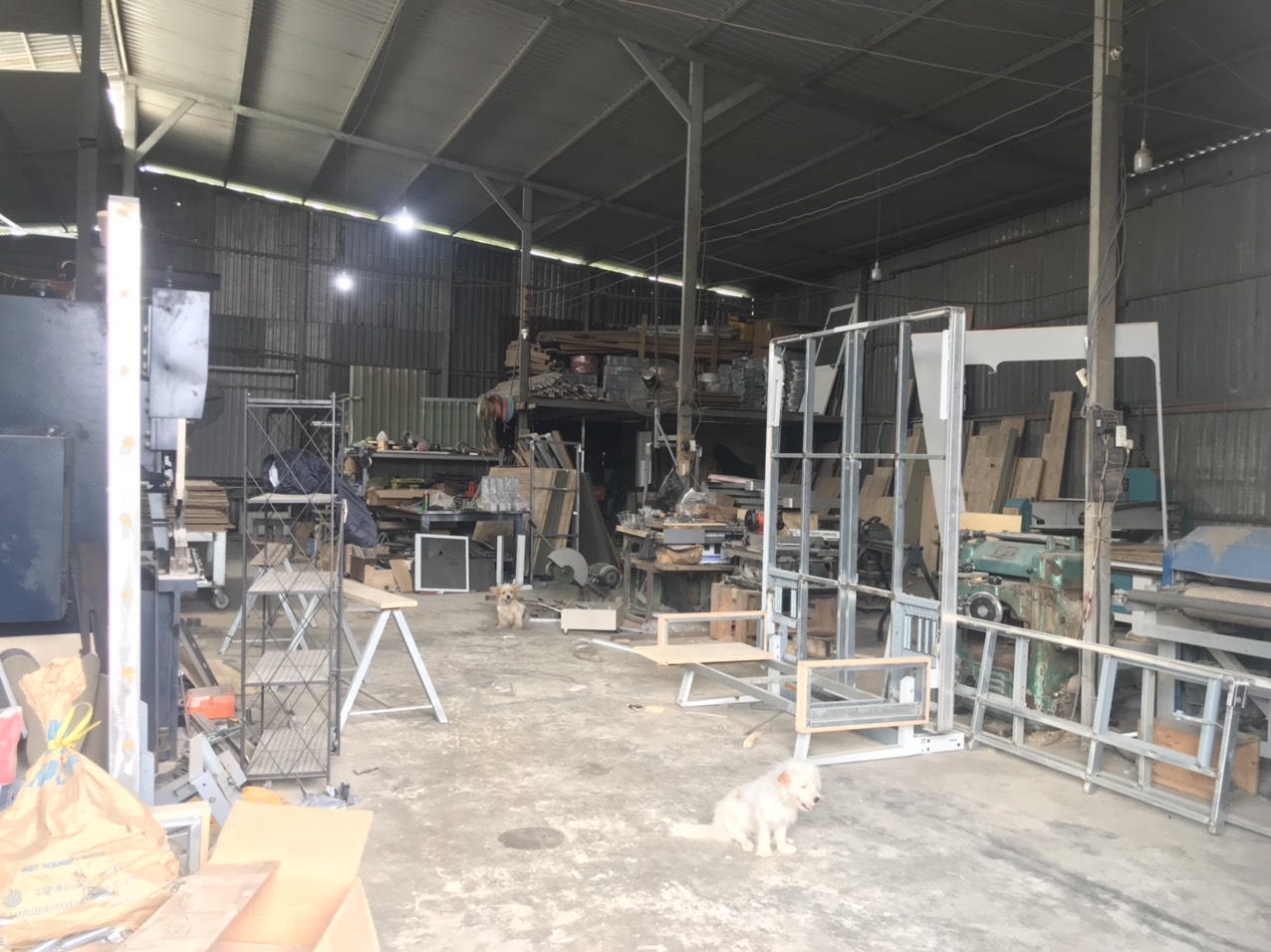
- A Vietnamese "supplier" that is actually a Chinese-owned shell company with no real manufacturing capability
- Documents that show the goods spent only days in Vietnam before export
- Inconsistent HS codes between import and export declarations
- Lack of verifiable production records or factory audit history
What Documentation You Need
We advise every US buyer to maintain a robust compliance file. The table below outlines the key documents:
| Document | Purpose | Who Provides It |
|---|---|---|
| Mill Test Certificate (MTC) | Proves raw material origin and spec | Steel mill or coil supplier |
| Certificate of Origin (CO) | Declares country of manufacture | Vietnam Chamber of Commerce |
| Bill of Materials (BOM) | Shows all input materials and sources | Fabricator |
| Production routing sheet | Details each manufacturing step | Fabricator |
| In-process photos / videos | Visual evidence of transformation | Fabricator or QC agent |
| Packing list with lot traceability | Links finished goods to raw material lots | Fabricator |
| Factory audit report | Confirms real manufacturing capability | Third-party auditor or sourcing agent |
Blockchain and Digital Traceability
Some forward-thinking buyers are now adopting blockchain-based traceability platforms. These systems create an immutable record from raw material purchase through finished goods shipment. While not yet required by CBP, digital traceability strengthens your defense in the event of an audit and demonstrates proactive customs compliance. Our team has begun piloting digital documentation workflows with select Vietnam suppliers to make this process seamless for US clients.
Forced Labor Compliance Under UFLPA
The Uyghur Forced Labor Prevention Act 9 adds another layer. Even if your parts are genuinely made in Vietnam, CBP can detain shipments if they suspect any input material was produced with forced labor. The proposed 12.5% tariff under the new excess capacity investigation is partly tied to concerns about forced labor enforcement gaps in Vietnam. US buyers should require suppliers to provide written declarations confirming no forced labor in their supply chain and should conduct periodic audits to verify these claims. This is not optional — it is a condition of entry.
Will switching to Vietnam sheet metal sourcing affect my project lead times and supply chain reliability?
The question I hear most often from purchasing managers is not about price — it is about time. "If I move from my current China supplier, will I miss my delivery windows?" This concern is valid. Manufacturing relocation always introduces short-term uncertainty, and nobody wants to explain a late shipment to their production team.
Switching to Vietnam sheet metal sourcing typically adds 2–4 weeks to initial project lead times due to supplier qualification and first-article processes. However, once production is established, Vietnam offers comparable or faster ocean freight times to the US West Coast, and supply chain diversification reduces single-source risk significantly.
Comparing Transit Times
Vietnam's strategic location in Southeast Asia provides competitive shipping routes. Here is how transit times compare:
| Route | Origin | Destination | Typical Ocean Transit |
|---|---|---|---|
| China (Shanghai) → US West Coast | Shanghai | Long Beach | 14–18 days |
| Vietnam (HCMC) → US West Coast | Ho Chi Minh City | Long Beach | 16–20 days |
| China (Shanghai) → US East Coast | Shanghai | Savannah | 28–35 days |
| Vietnam (HCMC) → US East Coast | Ho Chi Minh City | Savannah | 25–32 days |
The transit difference is minimal — often just two to three days. For East Coast destinations, Vietnam can actually be slightly faster due to routing through the Suez Canal or transpacific options.
The Real Bottleneck: Supplier Qualification
The initial lead time increase comes not from shipping but from supplier setup. A proper qualification cycle includes drawing review, material procurement, tooling preparation, first article production, inspection, and approval. For a complex sheet metal assembly with multiple bend operations and weld joints, this can take 4–6 weeks. We compress this timeline by running drawing reviews before the supplier even starts quoting, and by having our Vietnam team on-site during first article runs to catch issues in real time.
Building Supply Chain Resilience
The trade war impact of the past several years taught every procurement professional a hard lesson: single-source, single-country supply chains are fragile. Supply chain diversification is not just a tariff play — it is a risk management strategy. By qualifying a Vietnam supplier alongside an existing China source, buyers create optionality. If tariffs spike further, if a port closes, or if a geopolitical event disrupts one corridor, the other remains operational. Understanding the competitive advantages of Vietnam sheet metal fabrication vs China can help inform this dual-sourcing decision.
Managing Ongoing Production
Once the first article is approved and production ramps up, Vietnam suppliers perform reliably when managed correctly. The key factors are:
- Clear production schedules shared 4–6 weeks in advance
- Rolling forecasts so the supplier can pre-order raw materials
- Weekly status updates — our Vietnam team provides these as standard
- Buffer stock strategy — maintaining 2–4 weeks of safety stock in a US warehouse eliminates most delivery risk
Our experience managing custom parts projects across Asia has shown that proactive communication prevents most delivery delays. The suppliers who fail are usually the ones left without clear expectations. With a local team in Vietnam handling day-to-day coordination, we bridge the communication gap that causes so many procurement headaches.
Nearshoring Considerations
Some US companies are exploring nearshoring to Mexico or Central America as an alternative. While this trend is real, it is driven more by geopolitical preference than by cost. For sheet metal fabrication specifically, Vietnam still offers a significant cost advantage over nearshore options, and the metal fabrication industry in Mexico lacks the depth of supplier networks found in Southeast Asia. Trade diversion is happening, but Vietnam remains the primary beneficiary for now.
Conclusion
US Section 301 tariffs 10 have made Vietnam sheet metal fabrication sourcing the most cost-effective option for American buyers today. Act now to lock in zero-tariff advantages while building compliance frameworks that protect against proposed future duties.
Frequently Asked Questions
How much can I save on Section 301 duties by moving my sheet metal fabrication to Vietnam?
One conversation changed how I think about tariff mitigation strategies First Article Inspection (FAI) 3 . A US buyer showed me two quotes for the same powder-coated steel mounting bracket — one from Dongguan, one from Ho Chi Minh City. The base prices were close. But after duties, the gap was enormous.
Can Vietnam sheet metal suppliers meet my high-precision engineering standards and QC requirements?
Last year, a client sent us a drawing for a pair of mirrored mounting brackets — heavy-duty, angular, with multiple precise folds, sharp bends, irregular cutouts, and pre-drilled mounting holes at ±0.05 mm tolerance. He had been burned by a previous supplier who overlooked critical GD&T callouts 7 . He asked bluntly: "Can Vietnam actually do this?"
How do I ensure my Vietnam-sourced parts comply with US country of origin rules to avoid penalties?
A compliance question came up during a recent project review that stopped everyone in the room. The buyer's customs broker had flagged a concern: if the raw steel coil originated in China but was fabricated in Vietnam, would US Customs consider the finished bracket "Vietnamese origin" — or would it be reclassified as Chinese and hit with Section 301 tariffs?
Footnotes
1. Defines landed cost, a critical metric in international trade and sourcing decisions. ↩︎
2. Official ISO page explaining the international standard for quality management systems. ↩︎
3. Defines First Article Inspection as a critical quality control process in manufacturing. ↩︎
4. Official CBP guidance on country of origin marking requirements for imports. ↩︎
5. Provides a comprehensive definition and characteristics of hot-rolled steel. ↩︎
6. Official US Customs and Border Protection page detailing forced labor enforcement efforts. ↩︎
7. Introduces the ASME standard for Geometric Dimensioning and Tolerancing, a key engineering concept. ↩︎
8. Official CBP explanation of the legal concept of substantial transformation for origin determination. ↩︎
9. Official CBP resource providing information on the Uyghur Forced Labor Prevention Act. ↩︎
10. Official source for information on Section 301 investigations and related trade actions. ↩︎