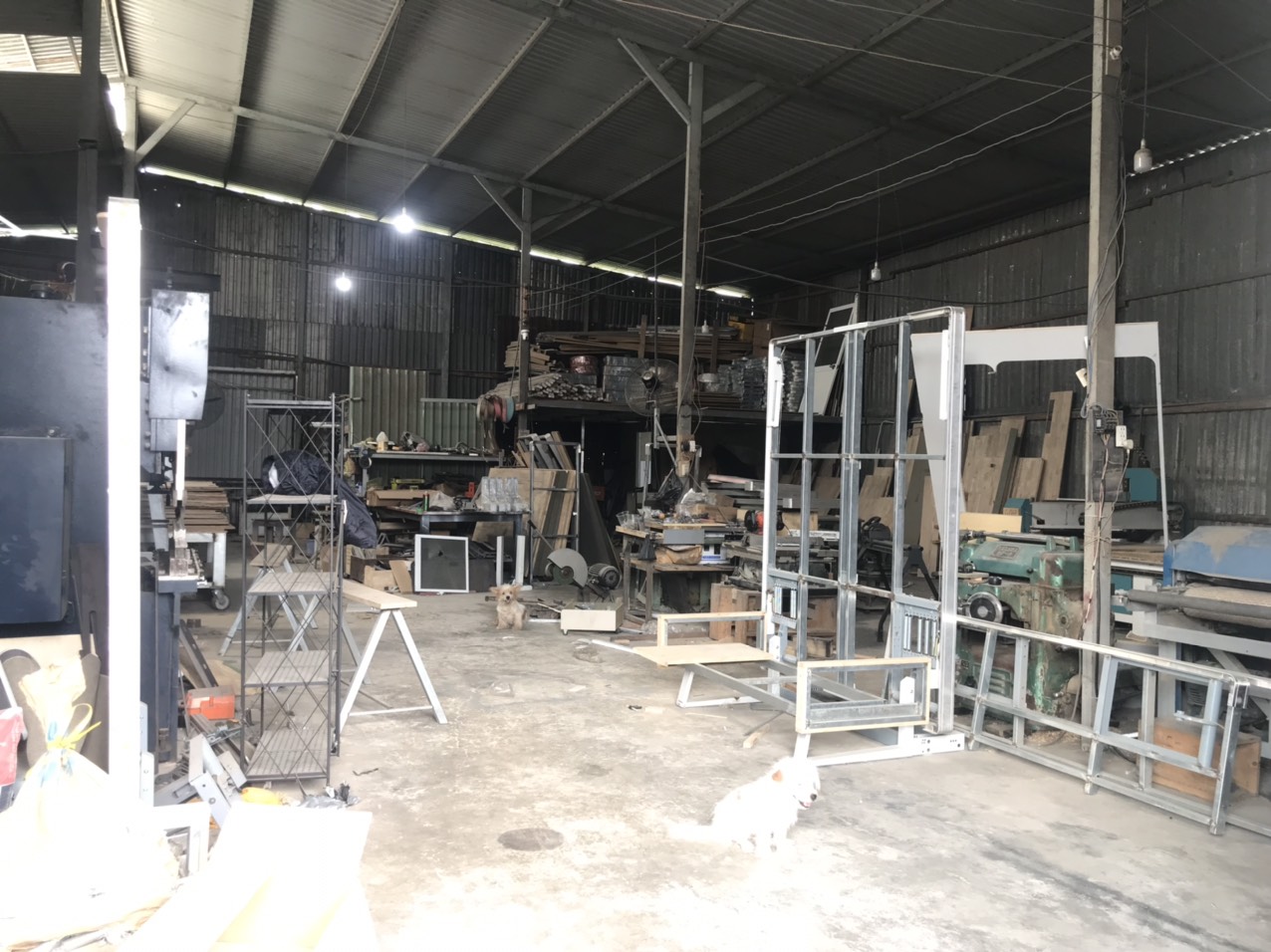

Using the EU-Vietnam FTA for a [Certificate of Origin](https://dewintech.com/blog/what-certificate-origin-requirements-sourcing-stamping-parts-vietnam/) on stamping parts saved one of our European clients thousands per shipment EVFTA Rules of Origin 1. Yet most buyers still pay full MFN tariffs unnecessarily.
To use the EU-Vietnam FTA for stamping parts, confirm the parts meet EVFTA Rules of Origin (usually Change in Tariff Classification), then obtain a C/O Form EUR.1 from Vietnam’s Ministry of Industry and Trade for shipments over €6,000, or self-certify below that threshold.
The process sounds simple. In practice, it trips up many importers. Below, I walk through qualification, documents, supplier coordination, and the mistakes I see most often.
How do I determine if my stamping parts qualify for EVFTA preferential treatment?
Last year, our Vietnam team reviewed a batch of stamped steel brackets for an EU buyer. The steel coil came from Taiwan. Did the parts still qualify? Yes — and here is why.
Stamping parts qualify for EVFTA preferential tariff treatment when they satisfy the Product Specific Rules in Protocol 1 — typically a Change in Tariff Classification at the 4-digit level. Raw steel coil (HS 72xx) stamped into finished brackets (HS 73xx) generally meets this Rules of Origin requirement.

Qualification comes down to three checks. I run every stamping project through them before we promise any tariff savings to a client.
Check 1: HS Code classification
Everything starts with the correct HS Code classification 2. Stamped brackets, mounting clips, and structural fasteners usually fall under Chapter 73 (articles of iron or steel). But some stamped parts classify as machinery parts (Chapter 84) or vehicle parts (Chapter 87). Each heading carries its own Product Specific Rules. Get the code wrong, and your whole origin claim can collapse at customs.
Check 2: The origin rule itself
Under EVFTA Protocol 1, most metal stamping parts qualify through one of two paths:
| Origin Criterion | What It Means | Typical Fit for Stamping Parts |
|---|---|---|
| Change in Tariff Classification 3 (CTH) | Non-originating inputs must change tariff heading at the 4-digit level | Steel coil (HS 7208) stamped into brackets (HS 7326) — usually qualifies |
| Regional Value Content 4 (VNM cap) | Non-originating materials capped, often at 50% of ex-works price | Useful when the tariff heading does not change |
| Wholly Obtained | All materials sourced locally | Rare for stamping; steel is usually imported |
For the brackets we ship — punched, bent, and formed on presses in Vietnam — the CTH rule is the workhorse. Imported Taiwanese steel coil changes heading once it becomes a finished bracket. The stamping is the last substantial process, not a minimal operation.
Check 3: The direct transport requirement
Goods must travel directly between Vietnam and the EU. Transit through a third country is allowed only if the goods stay under customs supervision and undergo no further processing. We plan routing carefully so a transshipment in Singapore never breaks the origin chain.
What documents do I need to prepare for a Certificate of Origin application?
A buyer once asked me why his supplier's C/O application stalled for two weeks. The answer: no Bill of Materials, no cost statement. Paperwork gaps kill timelines.
A C/O Form EUR.1 application requires the completed EUR.1 form, application form, commercial invoice, packing list, export customs declaration, bill of lading, plus origin evidence — a Bill of Materials, production cost statement, and supplier declarations proving sufficient processing in Vietnam.

The document set splits into two groups: shipment documents and origin evidence. Both must be ready before the exporter files through Vietnam's eCoSys portal.
The full document checklist
| Document | Purpose | Common Problem |
|---|---|---|
| C/O Form EUR.1 (completed) | The certificate itself | Description does not match invoice |
| Application form | Formal request to issuing authority | Missing signatures or stamps |
| Commercial invoice | Confirms value and buyer | Value mismatch with customs declaration |
| Packing list | Confirms quantity and packaging | Quantity inconsistent with B/L |
| Export customs declaration | Proves the export took place | Filed late or with wrong HS code |
| Bill of lading | Proves direct transport requirement | Routing shows uncontrolled transshipment |
| Bill of Materials (BOM) | Lists all inputs and their origins | Missing supplier origin details |
| Production cost statement | Shows processing value added | Cannot separate originating vs non-originating costs |
| Supplier declarations | Verifies raw material sources | Steel mill certificates not retained |
Why the origin evidence matters most
Customs authorities can audit an EUR.1 claim years after issuance. That is why we insist our Vietnamese stamping partners keep press-shop records, tooling logs, and material certificates for every production lot. For factories running mixed steel stocks — some originating, some not — accounting segregation lets them manage identical coils in the same inventory and still support C/O issuance from the records.
Timing helps too. Vietnam's digital eCoSys system typically processes approved applications within three working days, often faster. The issued EUR.1 movement certificate stays valid for twelve months, which gives breathing room if a shipment slips.
How do I work with my Vietnam supplier to obtain a valid C/O Form EUR.1?
Our seven-person team in Vietnam spends real time on this exact task. Coordinating C/O paperwork between a factory floor and a foreign buyer is where most delays are born.
Work with your Vietnam supplier by confirming they are registered on the eCoSys portal, agreeing on the origin criterion upfront, aligning HS codes on all documents, and setting a timeline so the EUR.1 movement certificate is issued within three working days of export.

Here is the workflow I use with stamping suppliers, refined over many shipments of brackets and clips to European clients.
A five-step coordination process
- Confirm registration early. Your supplier must be registered with the Ministry of Industry and Trade and set up on eCoSys (ecosys.gov.vn). If they have never exported to the EU, this setup takes time. Ask before you place the order, not after.
- Agree the origin criterion at quotation stage. Decide whether the parts qualify by Change in Tariff Classification or by a value rule. Lock down the HS codes for both raw material and finished part. We put this in the purchase order.
- Collect origin evidence during production. Ask the supplier to compile the BOM, mill certificates, and cost statement while the parts are still on the press line. Chasing paperwork after shipment is painful.
- File promptly. The application should go in around the export date. Retrospective issuance is possible — for errors or when the destination was unknown at export — but it slows customs clearance procedures on the EU side and can delay duty refunds.
- Verify before the goods sail. Check that the EUR.1 description, HS code, quantity, and value match the invoice, packing list, and bill of lading exactly. One mismatch invites rejection.
Know which path applies
| Shipment Value | Proof of Origin (Vietnam → EU) | Who Issues It |
|---|---|---|
| Over €6,000 | C/O Form EUR.1 | MoIT authorized agencies via eCoSys |
| €6,000 or below | Declaration of Origin on the invoice | The exporter, self-certified |
One more note. EU exporters shipping to Vietnam work differently — they self-certify on the invoice, often linked to REX system registration, and never apply for a paper certificate. Do not let a Vietnamese supplier copy that model for high-value exports; the €6,000 threshold governs their side.
What common mistakes should I avoid when claiming EVFTA tariff benefits on stamping parts?
The costliest lesson I learned came from a mismatched invoice value. Customs held the shipment, the client paid full duty upfront, and the refund took months. Small errors, big consequences.
Avoid five common mistakes: wrong HS Code classification, inconsistent data across documents, breaking the direct transport rule, relying on minimal operations to claim origin, and missing supporting records like the BOM and cost statement needed to survive a customs audit.

Let me break down each mistake and how our team guards against it on real stamping projects.
Mistake 1: Sloppy HS classification
Stamped brackets sit in a gray zone. Is your part a "structural article of iron or steel" or a "part of machinery"? The distinction changes the applicable Product Specific Rules and the tariff rate. We classify every part before quoting and cross-check against the EU's Access2Markets database 5. Guessing here is expensive.
Mistake 2: Inconsistent documents
The EUR.1, invoice, packing list, and customs declaration must tell one identical story. Same HS code. Same quantity. Same value. Same description. EU customs officers compare these line by line. Our final inspection checklist includes a document review for exactly this reason — it is part of getting things right the first time.
Mistake 3: Breaking direct transport
A container rerouted through a third-country warehouse without customs supervision loses its origin status. If your freight forwarder consolidates cargo mid-route, get a non-manipulation certificate from the transit customs authority. We manage door-to-door logistics ourselves partly to keep this chain intact.
Mistake 4: Claiming origin on minimal operations
Simple cleaning, sorting, or repackaging never confers origin. Genuine stamping — punching, bending, forming with dedicated tooling — does, because it transforms the tariff heading. Keep press records that prove real processing happened in Vietnam.
Mistake 5: Weak audit files
Post-clearance verification 6 can arrive years later. Retain the BOM, mill certificates, cost statements, and supplier declarations for at least the retention period required by the agreement. If a part narrowly fails the CTH test, remember the De Minimis rule: up to 10% of the ex-works price may consist of non-originating materials that did not change heading. Also watch the horizon: EU importers of metal parts increasingly ask for embedded carbon data under CBAM 7, so aligning emissions records with origin files now is smart preparation.
Conclusion
Skipping the EVFTA process means paying tariffs you could legally avoid. The fix: verify Rules of Origin, prepare clean documents, and coordinate closely with your Vietnam supplier. Our team handles this daily — done right, the savings on stamping parts are substantial and repeatable.
Frequently Asked Questions
How do I determine if my stamping parts qualify for EVFTA preferential treatment?
Last year, our Vietnam team reviewed a batch of stamped steel brackets for an EU buyer. The steel coil came from Taiwan. Did the parts still qualify? Yes — and here is why.
What documents do I need to prepare for a Certificate of Origin application?
A buyer once asked me why his supplier's C/O application stalled for two weeks. The answer: no Bill of Materials, no cost statement. Paperwork gaps kill timelines.
How do I work with my Vietnam supplier to obtain a valid C/O Form EUR.1?
Our seven-person team in Vietnam spends real time on this exact task. Coordinating C/O paperwork between a factory floor and a foreign buyer is where most delays are born.
Footnotes
1. Explains background of the EU-Vietnam FTA framework referenced throughout the article. ↩︎
2. WTO reference on harmonized system classification relevant to tariff and origin rules. ↩︎
3. Wikipedia explains this core customs concept used to determine preferential origin. ↩︎
4. Authoritative Wikipedia page explaining origin criteria including value-added rules. ↩︎
5. Official EU tool for checking tariffs and rules of origin, directly named in the article. ↩︎
6. Official EU page explaining the verification process for preferential proofs of origin. ↩︎
7. Official EU page explains the Carbon Border Adjustment Mechanism mentioned regarding embedded carbon data. ↩︎