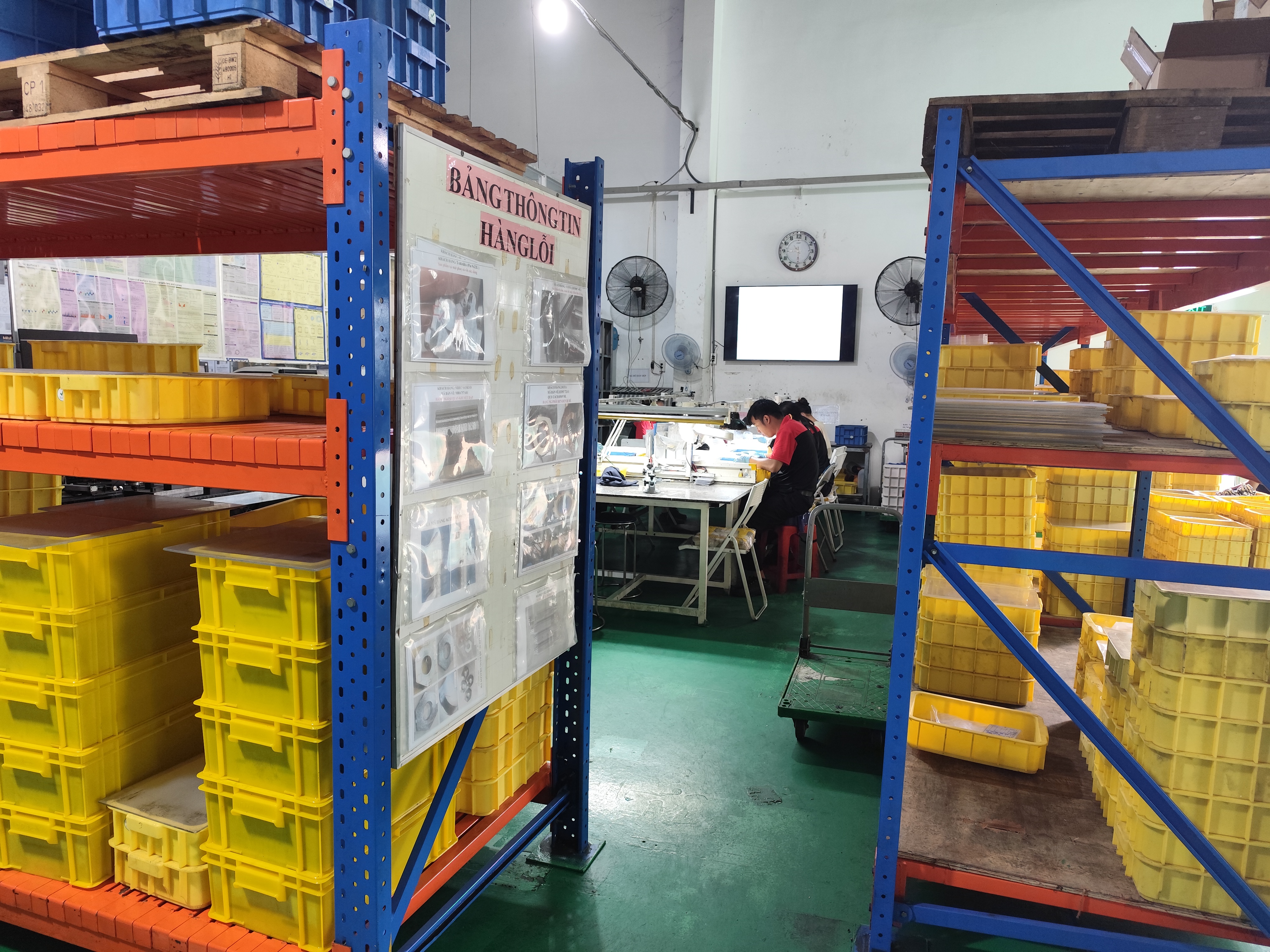
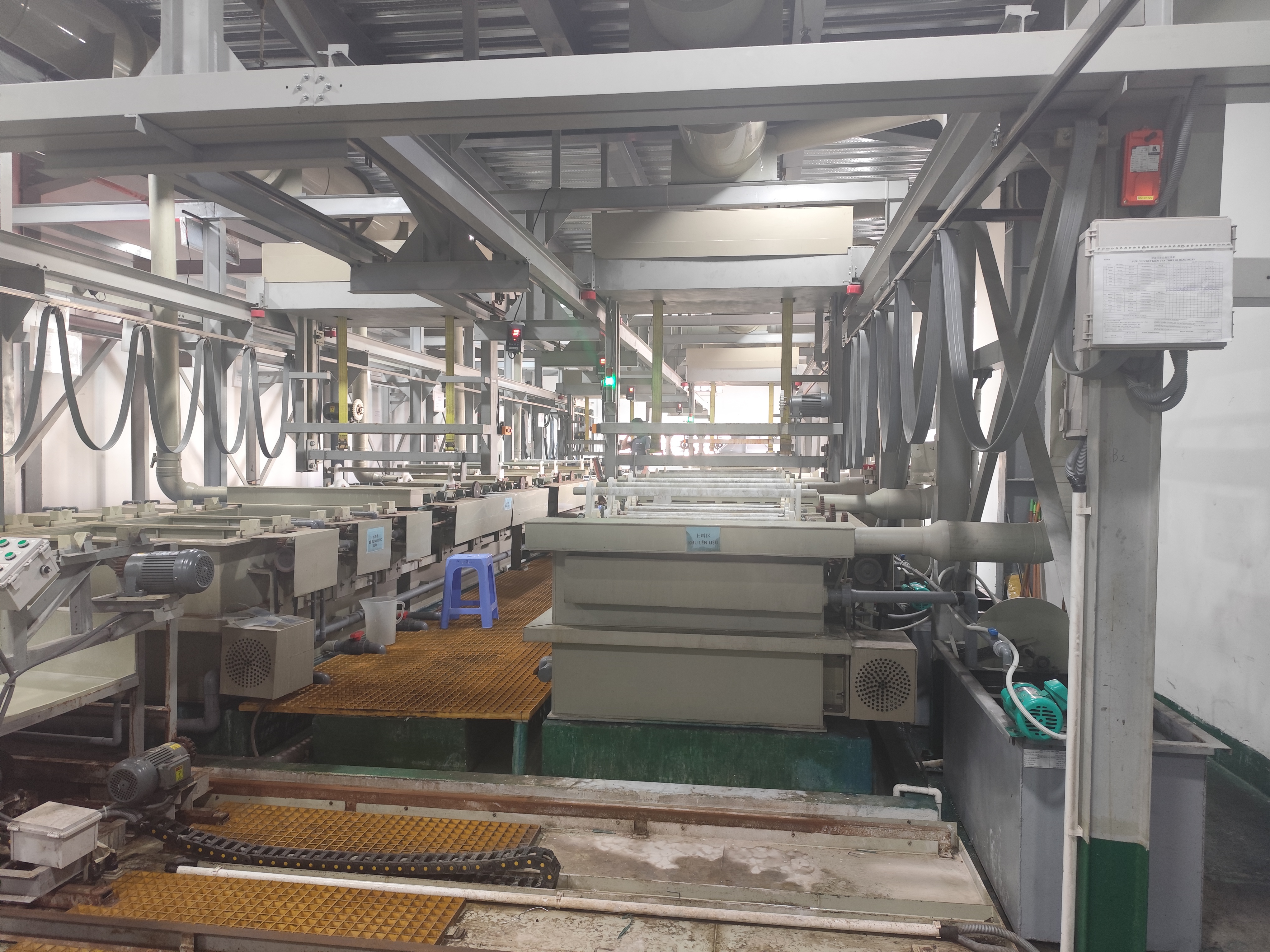
Verifying EU environmental compliance for electroplating and coating processes has become one of the trickiest parts of our supply chain work — especially when sourcing stamped metal brackets and custom hardware from Asian facilities for European buyers.
To verify EU environmental compliance for a supplier’s electroplating and coating processes, request RoHS and REACH declarations, audit their chemical management and wastewater systems against BAT standards, demand third-party lab reports for restricted substances like hexavalent chromium, and confirm ISO 14001 certification and SCIP database notifications.
The regulatory landscape is not static. ECHA’s proposed exemption for hexavalent chromium 1 in electroplating — with strict emission and exposure limits — has added a layer of complexity that simple supplier declarations cannot address. This guide breaks down exactly what you need to check, what documents to demand, and how to audit a plating line before it puts your market access at risk.
How can I confirm my supplier's electroplating process meets RoHS and REACH requirements?
A few months ago, one of our U.S. clients needed zinc-plated mounting brackets for a European OEM. The supplier's initial "compliance certificate" turned out to be a generic letter with no test data behind it — a situation we see far too often in cross-border sourcing.
To confirm RoHS and REACH compliance, request a formal Declaration of Conformity with supporting XRF or ICP-MS lab reports, verify substances against the current REACH SVHC list and RoHS restricted substance thresholds, and cross-check the supplier's material safety data sheets for all bath chemistries used.
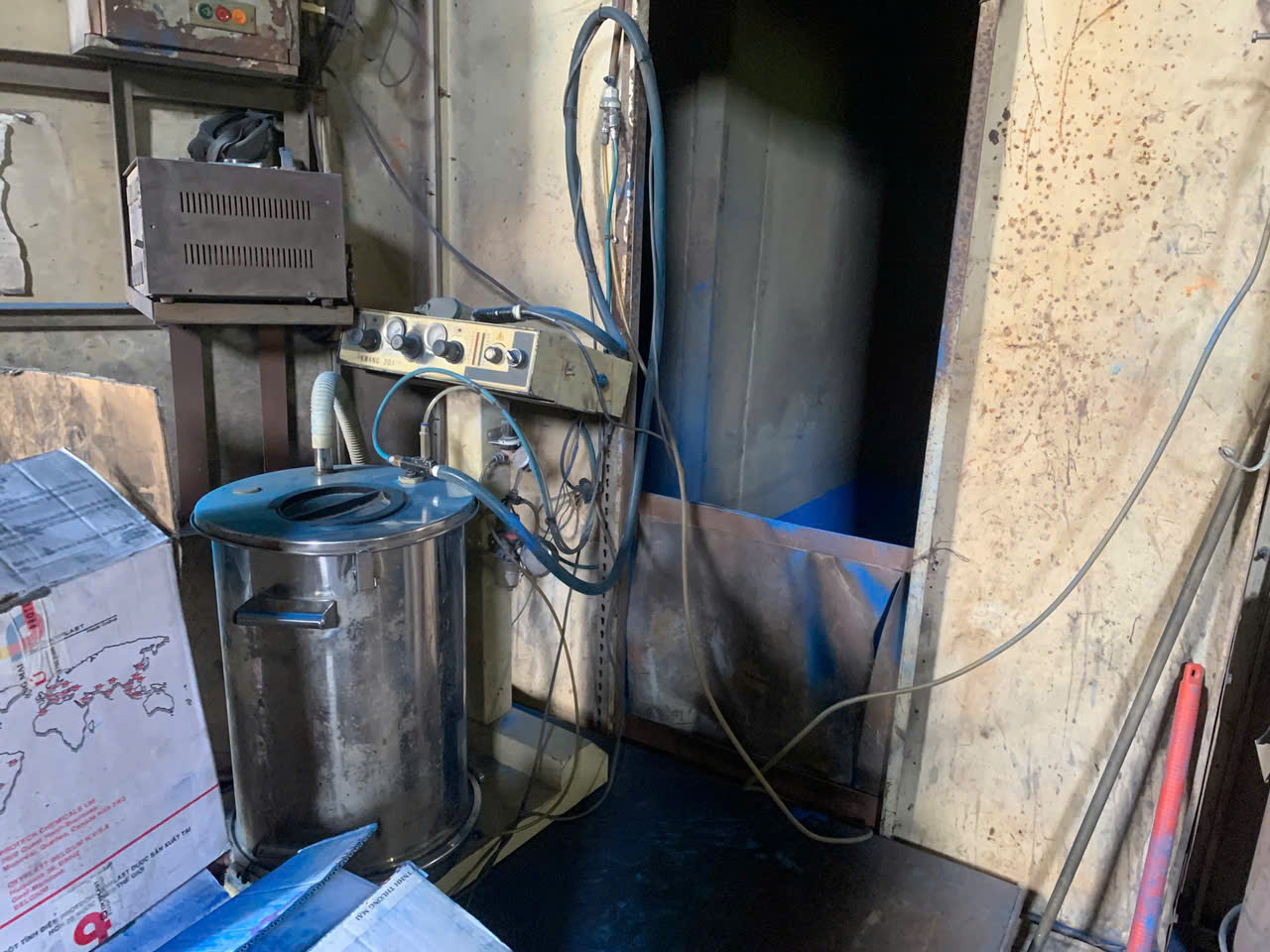
Understanding RoHS vs. REACH for Electroplated Parts
RoHS and REACH are two separate regulations, and each demands different evidence. RoHS directive compliance 2 focuses on restricting specific substances — lead, mercury, cadmium, hexavalent chromium, and certain flame retardants — below defined thresholds in electrical and electronic equipment. REACH, on the other hand, is broader. It covers all chemicals and requires suppliers to identify and communicate the presence of Substances of Very High Concern 3 (SVHCs) above 0.1% by weight in any article.
For stamped metal brackets with zinc or chromium finishes, both regulations apply when the parts end up in products sold in the EU. I have learned that many suppliers confuse the two or assume one covers the other. They do not.
The Hexavalent Chromium Exemption Trap
Here is where things get complicated. ECHA has proposed an exemption for the electroplating and finishing industry from the general hexavalent chromium ban — but only if the facility meets defined limits for worker exposure and environmental emissions. This means a supplier cannot simply say "we use Cr(VI), but we have an exemption." They must prove they meet the strict conditions of that exemption. Our team always asks for specific emission monitoring records, not just a blanket statement.
What Documents to Request
| Document | Purpose | Red Flag If Missing |
|---|---|---|
| Declaration of Conformity (DoC) | Formal statement of RoHS/REACH compliance | Supplier may not understand regulatory requirements |
| Third-party XRF or ICP-MS test reports | Independent verification of restricted substance levels | Reliance on self-declaration only |
| Current REACH SVHC list cross-reference | Confirms awareness of latest Candidate List updates | Outdated compliance, risk of newly listed substances |
| Material safety data sheets 4 for bath chemicals | Reveals actual chemistries in use | Lack of chemical management transparency |
| SCIP database notification proof | Required for articles containing SVHCs above 0.1% | Non-compliance with EU Waste Framework Directive |
Practical Steps We Follow
When we qualify a new plating supplier, the first step is always to request the latest REACH SVHC list — which ECHA updates twice a year — and ask the supplier to confirm, substance by substance, whether any are present above the threshold. We then cross-check this against the material safety data sheets for every chemical bath used in the plating line. If the supplier cannot produce these documents quickly, that tells us their chemical management system is weak.
For RoHS, we require lab reports from an accredited third-party laboratory 5, not just a supplier's own in-house test. XRF screening is a good first pass, but for borderline results, ICP-MS provides the precision needed for regulatory certainty.
What documents should I request to verify EU environmental compliance for coating processes?
During a recent supplier qualification project for galvanized steel clips destined for the German market, our Vietnam office discovered that the plating facility had no batch traceability system in place — a gap that would have been invisible without an on-site document review.
Request a comprehensive package including the Declaration of Conformity, coating thickness reports via XRF, salt spray corrosion test results, wastewater discharge monitoring records, process change notifications, batch traceability logs, and evidence of ISO 14001 certification or equivalent environmental management system documentation.
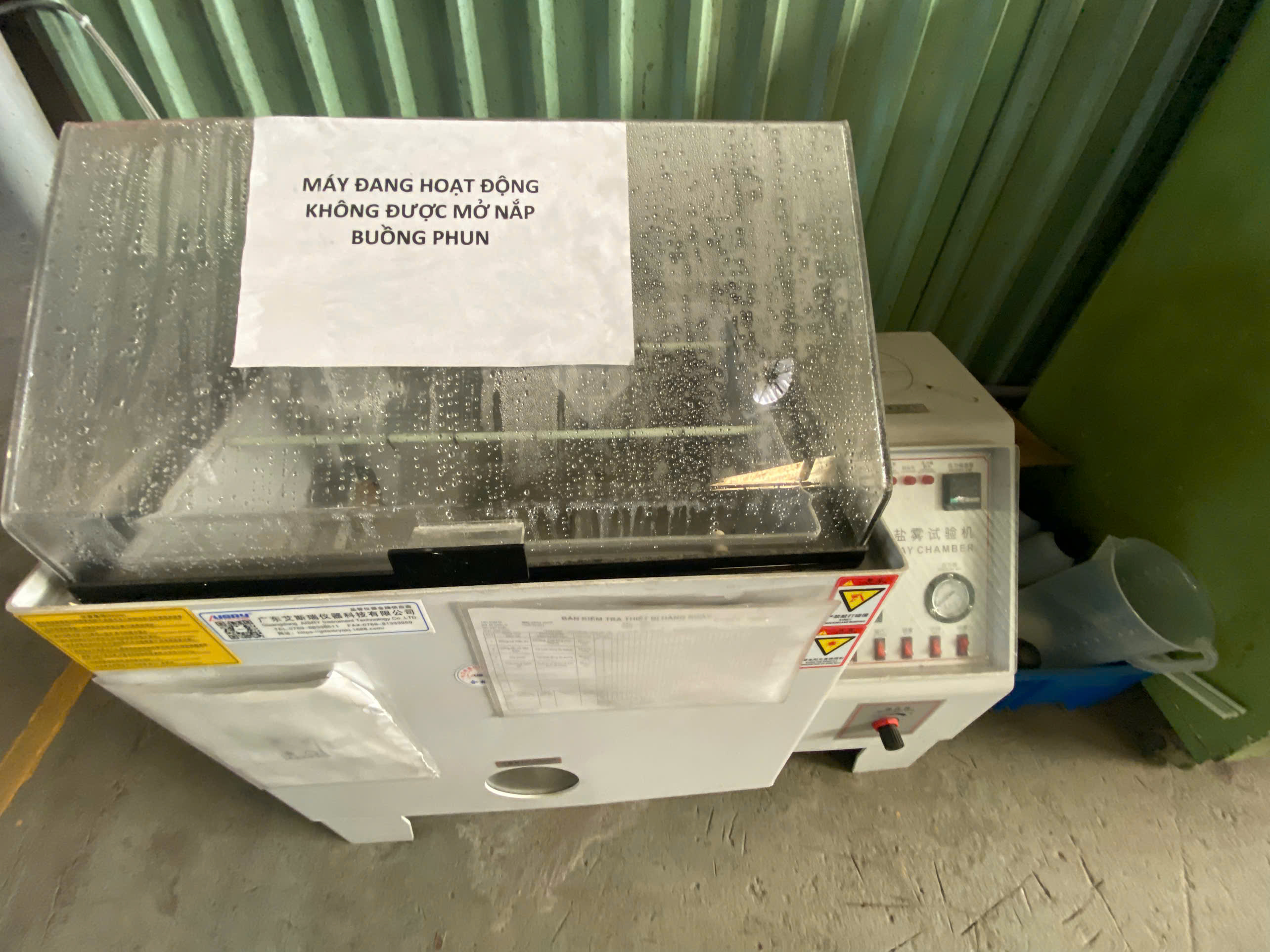
The Documentation Stack
Verifying EU environmental compliance for coating processes requires more than a single certificate. You need a layered documentation package that covers chemistry, performance, environmental controls, and traceability. Below is the full stack we require from every plating supplier before approval.
| Document Category | Specific Documents | Why It Matters |
|---|---|---|
| Regulatory Declarations | RoHS DoC, REACH SVHC declaration, SCIP notification | Legal market access in the EU |
| Performance Reports | Coating thickness (XRF/cross-section), salt spray test reports | Confirms functional quality of the coating |
| Environmental Controls | Wastewater discharge limits records, air emission monitoring, Industrial Emissions Directive 6 compliance evidence | Demonstrates the facility meets EU BAT standards |
| Process Management | Process change notifications, bath chemistry logs | Ensures consistency and alerts buyers to changes |
| Traceability | Batch/lot tracking records, incoming chemical inspection logs | Essential for recall response and audit trails |
| Management Systems | ISO 14001 certification, EMS objectives and targets | Shows systematic, continuous improvement approach |
Beyond the Checkbox: What to Look For in the Documents
I have reviewed hundreds of supplier compliance packages. The most common shortcoming is not the absence of documents — it is the lack of specificity. A coating thickness report should reference the exact standard used (e.g., ISO 2178 for magnetic method or ASTM B568 for XRF). Salt spray test reports should specify hours tested and reference EN ISO 9227. If these details are missing, the reports are unreliable.
For wastewater, we ask suppliers to provide discharge monitoring data aligned with local permits and, ideally, the Surface Treatment BREF benchmarks. The EU's Best Available Techniques reference document for surface treatment of metals and plastics sets the bar. Suppliers who can demonstrate adherence to this BREF are far more likely to withstand regulatory scrutiny.
Preparing for Digital Product Passports
A trend we are watching closely is the EU's upcoming Digital Product Passport 7 requirement under the Ecodesign for Sustainable Products Regulation. This will require machine-readable environmental data at the product level. We have started asking suppliers whether they can provide structured data — not just PDF certificates — for metrics like CO2e per square meter of coating. Early preparation here gives our clients a competitive edge.
Process Change Notifications: The Hidden Risk
One lesson we learned the hard way: a supplier switched from a trivalent chromium bath to a different chemistry without notifying us. The new bath met RoHS thresholds, but the coating adhesion failed in the field. Now, every supplier agreement includes a mandatory process change notification clause. Any change to bath chemistry, plating parameters, or chemical suppliers must be reported and re-qualified before production resumes.
How do I audit a supplier's chemical management system for hazardous substances like hexavalent chromium?
The first time our China office audited a mid-sized plating shop in Dongguan, the facility looked clean on paper. But when we walked the floor, we found open chromium baths with no mist suppression, and the wastewater treatment system had been bypassed for "maintenance" — a situation that would have been a serious violation under the Industrial Emissions Directive.
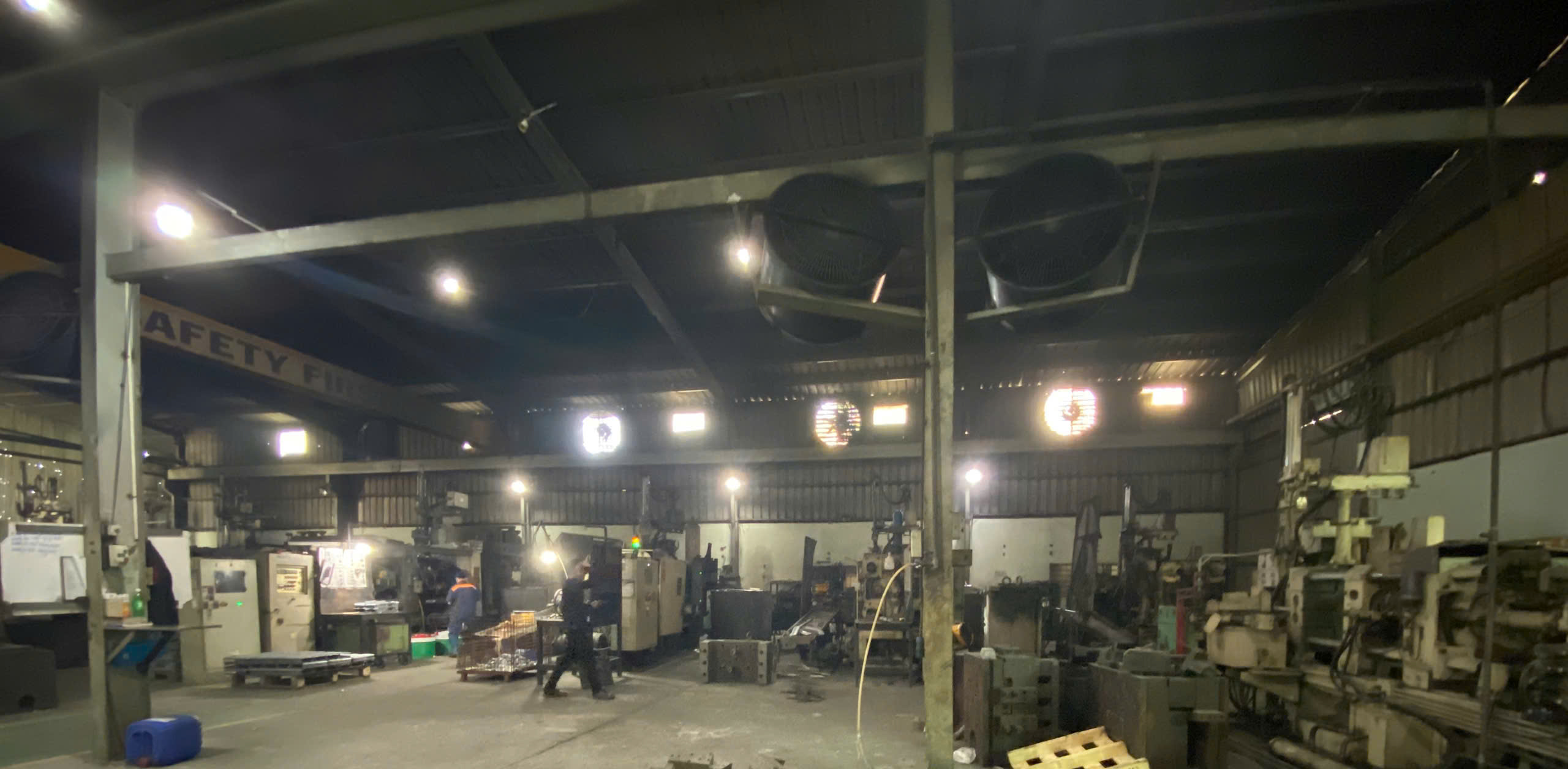
Audit a supplier's chemical management by physically inspecting ventilation and mist suppression systems, verifying closed-loop rinse and wastewater treatment operations, reviewing hexavalent chromium exposure monitoring records, checking chemical inventory against material safety data sheets, and confirming the facility's environmental management system has measurable objectives and regular internal audits.
The On-Site Audit: What to Inspect
Documents tell you what a supplier says they do. An on-site audit tells you what they actually do. When we audit a plating facility for EU compliance, we follow a structured supplier audit checklist that covers five critical areas.
1. Air Emission Controls
For any line using hexavalent chromium, we check for:
- Enclosed plating tanks or covers over chromium baths
- Mist suppression systems (chemical suppressants or physical barriers)
- Local exhaust ventilation with HEPA or equivalent filtration
- Air emission monitoring records showing compliance with limits stricter than the US EPA's 0.011 mg/dscm for existing sources
The EU's emission limits under the Industrial Emissions Directive are among the strictest in the world. A supplier that meets only local Asian regulations may fall far short.
2. Wastewater and Sludge Management
We inspect the wastewater treatment plant for evidence of:
- Counter-current rinsing systems to reduce water consumption
- Conductivity control on rinse water to optimize chemical usage
- Proper sludge handling and disposal records
- Discharge monitoring data compared against wastewater discharge limits from the Surface Treatment BREF
A simple but revealing metric: we time the drain period after parts are removed from plating baths. An additional 2–3 seconds of drain time can reduce dragout by 50%, cutting both chemical waste and wastewater contamination. Suppliers who do not control dragout are wasting chemicals and creating unnecessary environmental risk.
3. Chemical Inventory and Substitution
We walk through the chemical storage area 8 and compare what is on the shelves to what is on the material safety data sheets and approved chemical lists. We specifically look for:
- Presence of PFAS-based mist suppressants (fluorinated chemicals facing broad EU restriction)
- Use of EDTA or other persistent chelating agents — and whether biodegradable alternatives have been evaluated
- Whether hexavalent chromium is still in use, and if so, whether the facility can demonstrate it qualifies for the ECHA exemption with documented exposure and emission data
4. Closed-Loop Systems
Best Available Techniques for hexavalent chromium call for closed-loop systems wherever possible. During audits, I check whether chromium rinse water is recycled back to the plating bath, or whether it goes straight to the wastewater plant. Closed-loop operations dramatically reduce both environmental emissions and regulatory risk.
5. Environmental Management System Review
Finally, we review the supplier's EMS — ideally certified to ISO 14001. We look for:
- Documented environmental objectives with measurable targets
- Records of internal audits and corrective actions
- Training records for operators handling hazardous substances
- Emergency response plans for chemical spills
| Audit Area | Key Checkpoints | BAT Alignment |
|---|---|---|
| Air emissions | Enclosed tanks, mist suppression, exhaust filtration, monitoring records | Surface Treatment BREF — minimize Cr(VI) air emissions |
| Wastewater | Counter-flow rinses, conductivity control, discharge data | BREF wastewater discharge limits |
| Chemical inventory | MSDS match, PFAS phase-out plan, substitution evaluation | REACH SVHC list, PFAS restriction readiness |
| Closed-loop systems | Chromium rinse water recycling, dragout reduction | BAT for hexavalent chromium control |
| EMS | ISO 14001 cert, objectives, internal audits, training | Systematic continuous improvement |
The Small Supplier Challenge
Many small and mid-sized plating facilities lack the capital for advanced treatment infrastructure. In these cases, we focus on practical, lower-cost verification steps: dragout timing, conductivity checks on rinse water, and visual inspection of ventilation. These are not substitutes for full BAT compliance, but they reveal whether a supplier is making genuine effort or simply providing paper compliance.
Which third-party testing and certifications should I require before approving a supplier's plating line?
A trade-off we weigh on nearly every project is the cost of third-party testing versus the risk of a non-compliant shipment reaching the EU. After one shipment of zinc-plated brackets was held at Rotterdam for exceeding cadmium limits — detected by customs sampling, not by our own QC — we made independent lab testing non-negotiable.
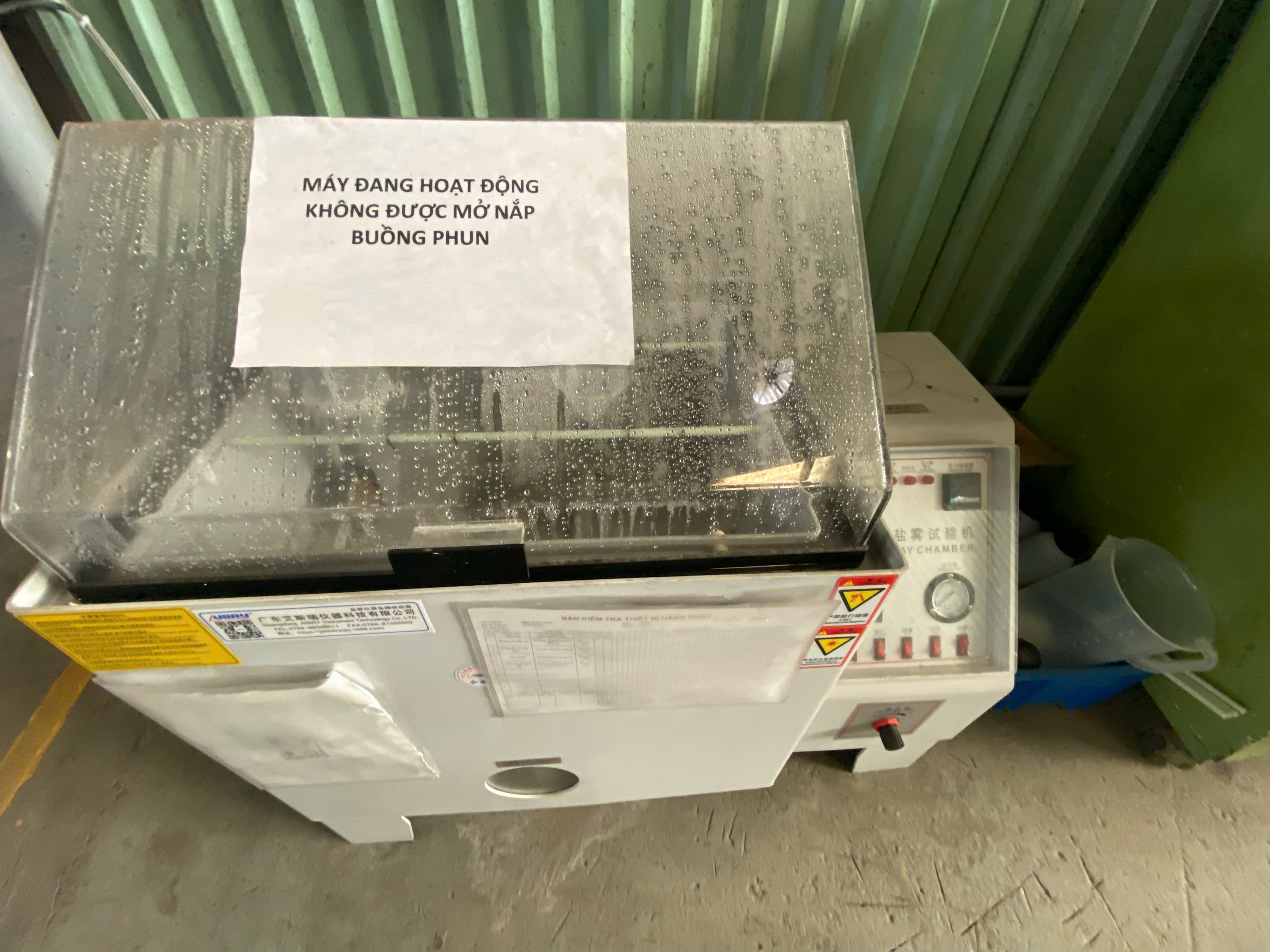
Before approving a supplier's plating line, require accredited third-party XRF screening and ICP-MS analysis for restricted heavy metals, ISO 14001 certification for environmental management, IETF or Nadcap accreditation if applicable, SCIP database registration proof, and independent salt spray and adhesion test reports from laboratories with ISO 17025 accreditation.
Testing Methods: XRF vs. ICP-MS
Not all lab tests are equal. Here is a quick comparison of the two primary analytical methods we use for verifying restricted substance levels in electroplated coatings:
| Method | What It Measures | Pros | Cons | Best For |
|---|---|---|---|---|
| XRF (X-ray Fluorescence) | Elemental composition of coating surface | Fast, non-destructive, portable | Lower precision for trace levels, matrix effects | Initial screening, incoming inspection |
| ICP-MS (Inductively Coupled Plasma Mass Spectrometry) | Precise elemental analysis after acid digestion | Very high sensitivity, can detect sub-ppm levels | Destructive, slower, higher cost | Definitive compliance confirmation, borderline cases |
We use XRF as a first pass on every batch. If results are close to thresholds — for example, hexavalent chromium near the RoHS limit — we escalate to ICP-MS for definitive confirmation. This two-tier approach balances cost and certainty.
Certifications That Matter
Not every certification carries equal weight. Here is how we prioritize:
ISO 14001 — This is our baseline requirement. It confirms that the supplier has a functioning environmental management system with documented objectives, regular internal audits, and a framework for continuous improvement. Without it, we have no confidence in the supplier's ability to maintain compliance over time.
ISO 17025 for testing labs — Any third-party lab report we accept must come from an ISO 17025-accredited laboratory. This standard ensures the lab follows validated test methods and has quality controls on its own processes.
Nadcap — For aerospace-grade plating, Nadcap accreditation is the gold standard. It covers process controls, chemical management, and operator training at a level far beyond ISO alone.
SCIP database registration — Under the EU Waste Framework Directive, any article containing an SVHC above 0.1% must be notified to the SCIP database. We require proof of this notification before shipping any plated parts to Europe. The SCIP database notification is not optional — it is a legal requirement.
Emerging Alternatives: When to Verify PVD Instead
Physical Vapor Deposition — specifically magnetron sputtering 9 — is emerging as a transformative alternative to traditional electroplating. PVD eliminates hazardous liquid chemicals entirely. There are no chromium baths, no wastewater discharge, and no PFAS-based suppressants. For buyers who want to avoid the entire hexavalent chromium compliance burden, PVD is worth evaluating.
However, PVD verification requires different technical validation. Instead of checking bath chemistry and wastewater, you verify vacuum chamber parameters, target material purity, and coating adhesion under thermal cycling. We have started qualifying PVD suppliers for clients who prioritize long-term regulatory simplicity and lower carbon footprints.
The Role of CLP Compliance
One area often overlooked is CLP (Classification, Labelling and Packaging) compliance for the chemicals used in the plating process. We verify that all chemical mixtures on the supplier's line carry valid Unique Formula Identifiers 10 and up-to-date Safety Data Sheets. This is not just about worker safety — it is a regulatory requirement under EU law, and non-compliance with CLP can trigger enforcement action that disrupts your supply chain.
Carbon Footprint Data: The Next Frontier
Under the Corporate Sustainability Reporting Directive, large EU companies will need to report Scope 3 emissions — which includes the carbon footprint of their supply chain. We have begun requesting product-level carbon data, measured in CO2e per square meter of coating, from our plating suppliers. Not all can provide it yet, but those who can will have a clear market advantage as CSRD requirements take full effect.
Conclusion
Verifying EU environmental compliance for electroplating and coating processes demands more than paper declarations — it requires layered evidence from lab reports, on-site audits, certified management systems, and proactive monitoring of an evolving regulatory landscape.
Frequently Asked Questions
How can I confirm my supplier's electroplating process meets RoHS and REACH requirements?
A few months ago, one of our U.S. clients needed zinc-plated mounting brackets for a European OEM. The supplier's initial "compliance certificate" turned out to be a generic letter with no test data behind it — a situation we see far too often in cross-border sourcing.
What documents should I request to verify EU environmental compliance for coating processes?
During a recent supplier qualification project for galvanized steel clips destined for the German market, our Vietnam office discovered that the plating facility had no batch traceability system in place — a gap that would have been invisible without an on-site document review.
How do I audit a supplier's chemical management system for hazardous substances like hexavalent chromium?
The first time our China office audited a mid-sized plating shop in Dongguan, the facility looked clean on paper. But when we walked the floor, we found open chromium baths with no mist suppression, and the wastewater treatment system had been bypassed for "maintenance" — a situation that would have been a serious violation under the Industrial Emissions Directive.
Footnotes
1. ECHA restriction details for hexavalent chromium in surface treatment and electroplating processes. ↩︎
2. Official European Commission page explaining the RoHS directive and its substance restriction requirements. ↩︎
3. ECHA’s official list of substances identified as very high concern under REACH regulations. ↩︎
4. ECHA guidance on the requirements and compilation of safety data sheets for chemical mixtures. ↩︎
5. International organization for laboratory accreditation ensuring technical competence and reliable testing results. ↩︎
6. European Commission details on the directive regulating pollutant emissions from industrial installations. ↩︎
7. European Commission overview of the Digital Product Passport initiative for product sustainability data. ↩︎
8. Authoritative guidance from the Health and Safety Executive on the safe storage of packaged chemicals. ↩︎
9. Technical explanation of magnetron sputtering as a physical vapor deposition technique for coatings. ↩︎
10. ECHA information on the Unique Formula Identifier required for hazardous chemical mixtures in the EU. ↩︎