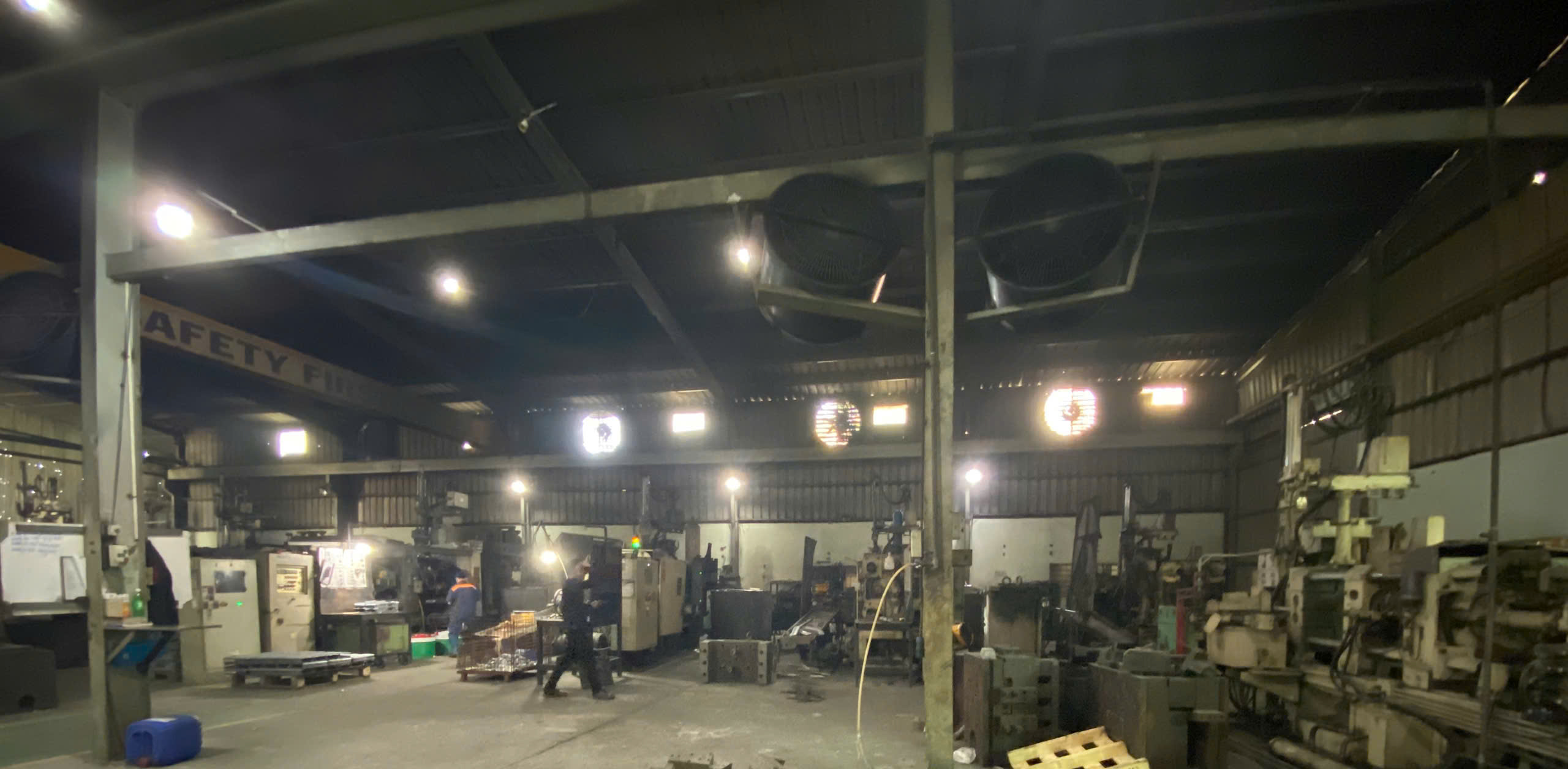
Verifying EU environmental compliance for supplier electroplating 1 and coating on stamping parts became my daily job after one client’s shipment nearly failed a customer audit over a passivation chemistry.
To verify EU environmental compliance for electroplated and coated stamping parts, request REACH and RoHS declarations, SDS files, and batch-level Certificates of Compliance, audit the supplier’s plating process and waste controls, run independent XRF and lab testing, and lock requirements into contracts with annual revalidation.
That single sentence hides a lot of work. Below, I break the process into four practical questions Directive 2011/65/EU 2. Each one covers documents, audits, testing, or supplier selection. Follow them in order and you will approve suppliers with confidence, not hope.
What Documents Should I Request to Confirm REACH and RoHS Compliance for Electroplated Stamping Parts?
A buyer in Ohio once forwarded me a supplier's one-page "REACH compliant" letter and asked if it was enough. Our team in Vietnam had to tell him gently: it was not even close.
Request Safety Data Sheets for every plating chemical, a REACH declaration covering SVHC and restriction status, a RoHS declaration naming the passivation type, batch-linked Certificates of Compliance, full material declarations or IMDS entries, and third-party test reports from accredited labs like SGS or Intertek.

A generic compliance letter tells you almost nothing. Formulations change. Regulations change. A statement written two years ago may not reflect the bath chemistry running today. That is why we ask suppliers for a layered documentation package before we approve any plating line for EU-bound stamping parts.
The Core Document Package
Here is the checklist we use when qualifying plating shops across Vietnam, Taiwan, and India for our U.S. and European clients:
| Document | What It Proves | Red Flag If Missing |
|---|---|---|
| Safety Data Sheets (SDS) | Chemical identity of every bath, additive, and sealant | Supplier does not know its own chemistry |
| REACH declaration | SVHC content, Annex XIV authorization status, restriction status | Blanket "REACH OK" with no substance list |
| RoHS declaration 3 | Compliance with Directive 2011/65/EU limits on lead, cadmium, mercury, Cr(VI), phthalates | No mention of the passivation system used |
| Certificate of Compliance (CoC) | Lot-specific conformity, tied to shipment | Generic annual letter, no batch numbers |
| Full Material Declaration / IMDS | Exact composition of each coating layer | Only marketing-level material descriptions |
| Third-party test reports | Independent verification from accredited labs | Reports older than 12 months or for different parts |
Why Batch Linkage Matters Most
The document that fails most often in our audits is the CoC. Many suppliers issue one compliance statement per year and stamp it on everything. But EU environmental compliance is a moving target. A trivalent passivation supplier may switch additive packages mid-year. Insist that every CoC carries the production lot number, the date, and the specific chemistry used. Then cross-check that lot number against the packing list of the actual shipment.
One Detail That Catches Many Buyers
For zinc-plated stamped brackets, the RoHS declaration should explicitly state that trivalent chromate passivation, Cr(III), was used and that hexavalent chromate, Cr(VI), was not. If the paperwork only says "chromate passivation," send it back. That wording hides the exact risk you are trying to eliminate.
How Can I Audit My Supplier's Coating Process to Ensure It Meets EU Environmental Standards?
Walking a plating line tells you more in two hours than a folder of certificates tells you in two weeks. Our Vietnam-based auditors learned this on dozens of shop floors.
Audit the supplier by mapping every bath and pretreatment step, verifying SDS files match actual chemicals on-site, confirming trivalent chromium use, checking wastewater treatment and environmental permits, reviewing incoming-chemical screening procedures, and testing batch traceability from plating bath to finished shipment.
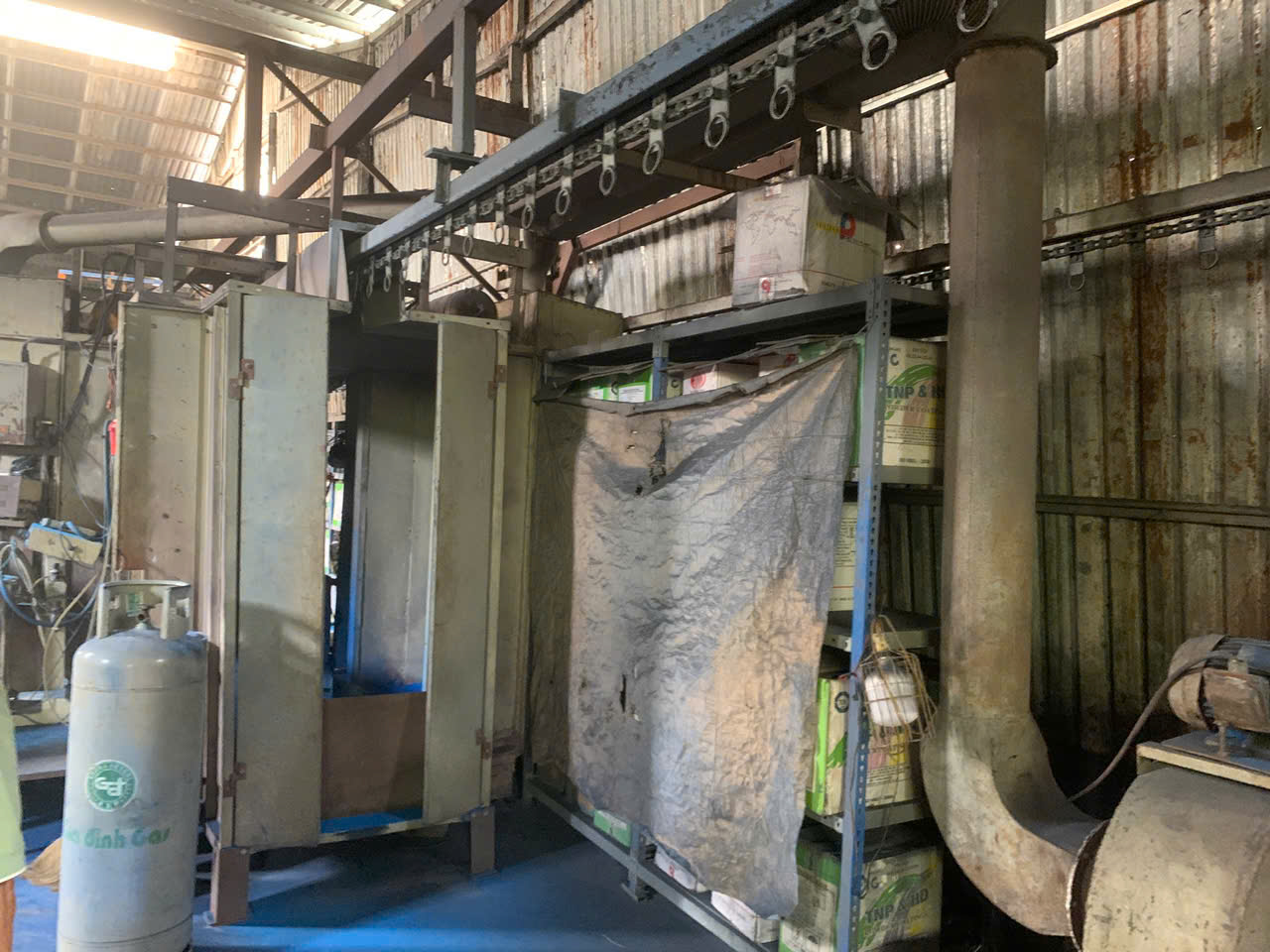
Paperwork review is layer one. The audit is layer two. Compliance lives in three distinct places, and an audit must cover all of them. First, substance compliance: what is actually in the baths. Second, process compliance: how chemicals, waste, and emissions are managed. Third, product compliance: whether the finished stamped part ships with correct documentation and traceability.
A Practical Audit Sequence
We run plating audits in this order:
- Map the process. List every step for each part family: cleaning, pickling, zinc or nickel plating, passivation, sealing, drying. Ask which additives go into each tank.
- Match SDS to reality. Pull the SDS binder, then walk to the chemical storage area. The drums on the floor must match the documents. Mismatches are the single most common finding.
- Confirm the chromium system. Ask directly: is any hexavalent chromium 4 used anywhere, including pretreatment? Verify with purchase records for passivation chemicals.
- Inspect waste and effluent handling. Check wastewater treatment, sludge disposal contracts, and local environmental operating permits. A shop that dumps effluent carelessly will cut corners on chemistry too.
- Test traceability backwards. Pick a finished carton. Ask the supplier to trace it back to the plating line, the bath lot, and the chemical batch. Time how long it takes. Good shops answer within an hour.
- Review change control. Ask when compliance documents were last updated and what triggers a re-check. Annual revalidation, plus updates whenever regulations change, is the standard we hold suppliers to.
Questions That Separate Strong Suppliers From Weak Ones
| Audit Question | Strong Answer | Weak Answer |
|---|---|---|
| How do you screen incoming chemicals? | SVHC check against current ECHA candidate list on every new formulation SVHC candidate list 5 | "Our chemical vendor handles that" |
| When did you last update REACH documents? | Within 12 months, plus event-driven updates | "When a customer asks" |
| Can you show your effluent discharge permit? | Current permit produced on the spot | Vague reference to "local approval" |
| Which passivation do you run? | Named Cr(III) product with SDS | "Blue zinc" or "standard chromate" |
The pretreatment and passivation stages deserve extra attention. In our experience, the main compliance risk is rarely the zinc or nickel deposit itself. It is the chromate conversion layer, the sealant, or an obscure organic additive nobody thought to declare.
Which Testing Methods Can I Trust to Verify Heavy Metal and Hazardous Substance Limits in Plating Finishes?
One lesson cost a client of ours a six-week delay: they trusted paperwork alone, and a customer's incoming XRF scan flagged a coating anomaly. Since then, our final inspection protocol always includes independent screening.
Trust a combination of handheld XRF screening for fast heavy-metal detection, accredited laboratory wet-chemistry analysis for precise Cr(VI) and cadmium quantification, spot tests for hexavalent chromium on passivation layers, and periodic third-party verification from labs such as SGS, Intertek, or TÜV Rheinland.
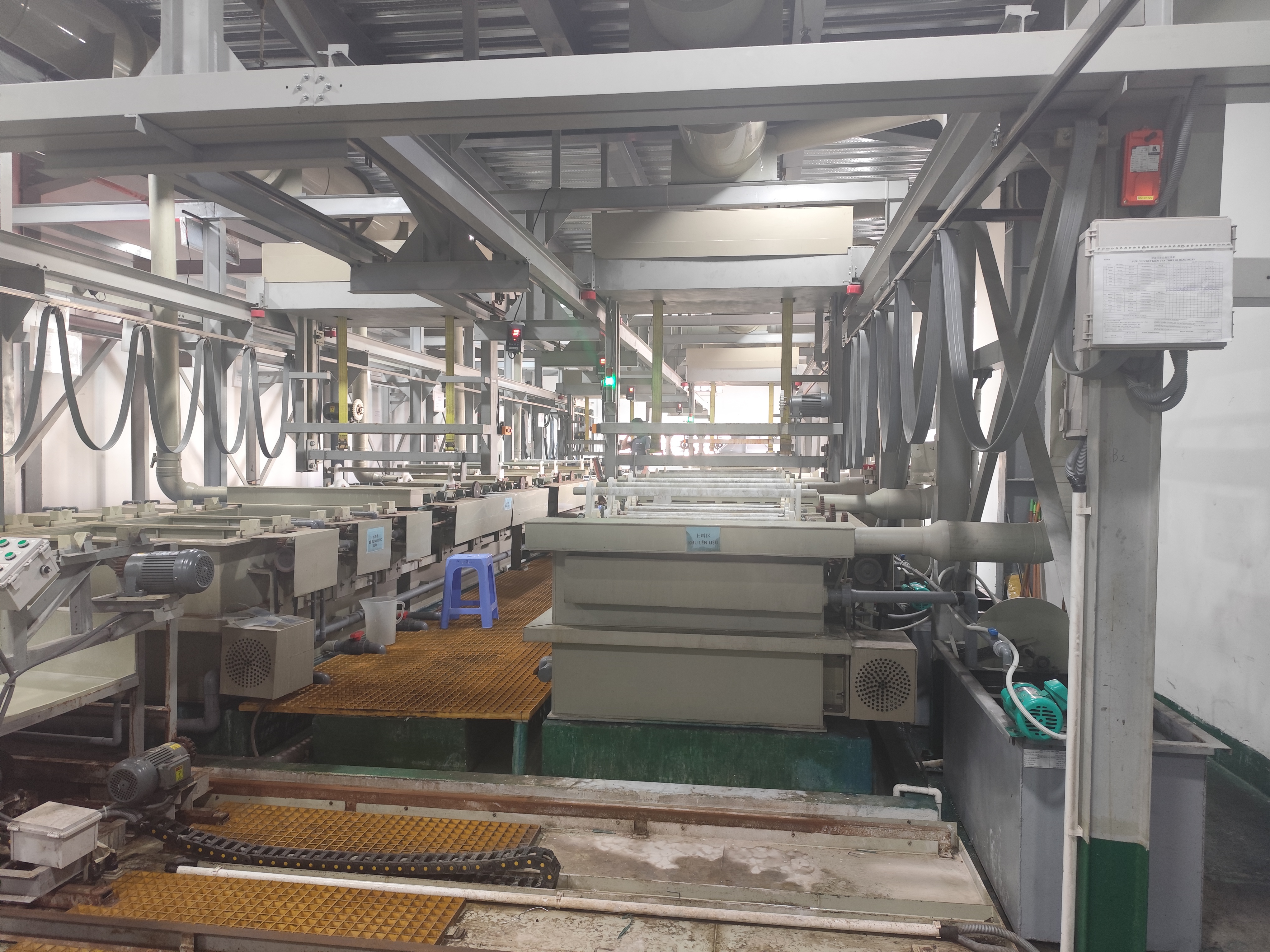
No single test does everything. Each method has a role, a cost, and a blind spot. The smart approach layers them, matching the test to the risk and the stage of the supply chain.
Matching the Test to the Risk
| Method | Best For | Speed | Limitation |
|---|---|---|---|
| Handheld XRF | Screening total lead, cadmium, chromium, mercury on incoming lots | Minutes | Cannot distinguish Cr(III) from Cr(VI) |
| Diphenylcarbazide spot test | Quick Cr(VI) check on chromate passivation | Minutes | Qualitative only, surface-level |
| Lab wet chemistry (ICP, UV-Vis) | Precise quantification against RoHS limits, e.g., cadmium at 0.01 wt% | Days | Higher cost, destructive |
| Coulometric/XRF thickness testing | Verifying coating thickness against drawing spec | Minutes | Performance check, not substance check |
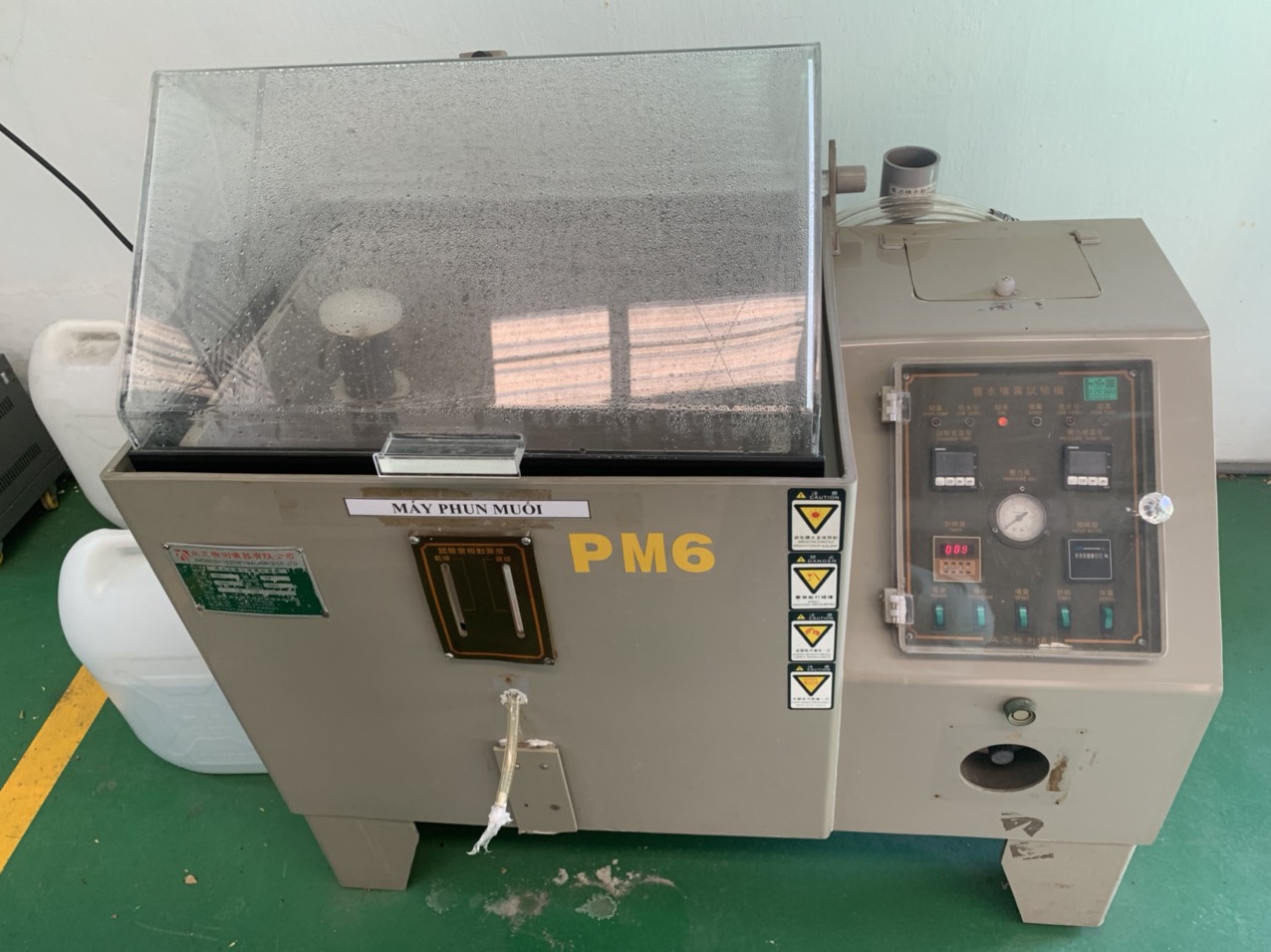
| Salt spray and adhesion testing | Confirming a compliant coating still performs salt spray testing 6 | Days to weeks | Says nothing about restricted substances |
The XRF Chromium Trap
XRF is fast and useful, but it reads total chromium. A trivalent passivation and a hexavalent one can look identical on the screen. If the XRF shows chromium present, you must follow up with a Cr(VI)-specific method before drawing any conclusion. Buyers who reject parts on total chromium alone waste money. Buyers who accept parts on total chromium alone take real risk.
How Often Should You Test?
We recommend a tiered rhythm. Screen every new supplier's first article with a full accredited lab panel. Then run XRF spot checks on incoming lots at a defined sampling rate. Return to full lab testing annually, after any process change, or whenever a passivation product changes. Also keep an eye on emerging targets. PFAS 7 screening is becoming relevant for anti-corrosion and anti-friction coatings, given the proposed EU-wide restriction. Testing that ignores tomorrow's rules protects only yesterday's shipments.
One nuance worth stating: testing is a verification layer, not a substitute for process control. Some suppliers argue that end-product testing adds little value when process controls are strong. They have a point, but the reverse is also true. Documents without occasional independent testing invite complacency. Use both.
How Do I Choose a Supplier in Asia Who Consistently Meets EU Environmental Requirements for Custom Coated Parts?
Weighing a lower quote against compliance maturity is a trade-off I face constantly when sourcing coated stamping parts across Vietnam, Taiwan, and India for our clients.
Choose suppliers that treat REACH and RoHS screening as a qualification gate, run trivalent chromium systems, maintain environmental permits and waste treatment, provide lot-linked certificates with every shipment, accept audit visits, and commit contractually to annual revalidation and change notification.

Compliance capability varies enormously across Asia, even between two shops on the same street. The difference is rarely equipment. It is management discipline. Here is how we separate suppliers who happen to be compliant today from suppliers who will still be compliant in year three.
Signals of a Consistently Compliant Supplier
Look for these traits during qualification:
- Compliance as a gate, not an afterthought. Strong suppliers screen chemistries against REACH and RoHS before quoting, not after a complaint.
- Modern chromium chemistry. They have already transitioned to trivalent chromium passivation and can name the product and its supplier.
- A living document system. REACH declarations, SDS files, and SVHC checks carry recent dates. Ask when the last update happened and why.
- Environmental management evidence. Wastewater treatment, permits, and disposal contracts are available without hesitation.
- Willingness to be audited. Suppliers who resist a floor walk usually have a reason.
- Honest exclusions. A supplier who says "this coating is fine for industrial use but not for electronics" understands scope. Blanket claims are a warning sign.
Lock It Into the Contract
Selection is only half the job. Consistency comes from contract language. We embed these clauses into purchase agreements and drawings:
- Named approved chemistries and passivation systems, with change notification required before any substitution.
- Mandatory CoC with lot numbers on every shipment.
- SVHC thresholds and REACH/RoHS references stated explicitly on the drawing.
- Annual compliance revalidation, plus event-driven updates when regulations change.
- Right to audit and right to independent testing at the buyer's discretion.
Plan for What Is Coming
The EU is moving toward more traceability, not less. Digital Product Passport 8 requirements under the ESPR will eventually demand traceable material and process data for metal components. Suppliers who already keep clean, digital, batch-level records will adapt easily. Suppliers who scramble to reconstruct paperwork will not. When we shortlist plating and stamping partners, we now ask about data systems as seriously as we ask about salt spray hours. Our project managers then hold the supplier to those commitments through PPAP, in-process control, and final inspection, because a qualified supplier still needs ongoing oversight to stay qualified.
Conclusion
Weak verification invites rejected shipments and audit failures. Layer documents, audits, testing, and contracts, and revalidate yearly, and your plated stamping parts will enter the EU without surprises.
Frequently Asked Questions
How Often Should You Test?
We recommend a tiered rhythm. Screen every new supplier's first article with a full accredited lab panel. Then run XRF spot checks on incoming lots at a defined sampling rate. Return to full lab testing annually, after any process change, or whenever a passivation product changes. Also keep an eye on emerging targets. PFAS 7 screening is becoming relevant for anti-corrosion and anti-friction coatings, given the proposed EU-wide restriction. Testing that ignores tomorrow's rules protects only yesterday's shipments.
What Documents Should I Request to Confirm REACH and RoHS Compliance for Electroplated Stamping Parts?
A buyer in Ohio once forwarded me a supplier's one-page "REACH compliant" letter and asked if it was enough. Our team in Vietnam had to tell him gently: it was not even close.
How Can I Audit My Supplier's Coating Process to Ensure It Meets EU Environmental Standards?
Walking a plating line tells you more in two hours than a folder of certificates tells you in two weeks. Our Vietnam-based auditors learned this on dozens of shop floors.
Footnotes
1. Background encyclopedic reference explaining the coating process central to the article ↩︎
2. Official EU RoHS directive page defining the substance limits discussed in the table ↩︎
3. Official EU page defining RoHS Directive substance limits referenced in supplier declarations. ↩︎
4. EPA reference on chromium compounds explaining the toxicity risk behind Cr(VI) restrictions ↩︎
5. ECHA’s official Substances of Very High Concern list used for supplier screening ↩︎
6. Wikipedia background on the standard corrosion test method mentioned in the testing table ↩︎
7. EPA resource on PFAS chemicals, relevant to emerging coating restriction risks noted in the article ↩︎
8. Official EU page on ESPR and Digital Product Passport requirements referenced for future compliance ↩︎