Last quarter, we helped a U.S. client discover their sheet metal supplier’s IATF 16949 certificate 1 was expired — after tooling was already paid for.
To verify IATF 16949 certification when sourcing sheet metal fabrication, obtain the supplier’s unique certificate number, validate it on the official IATF Customer Portal, confirm the certification scope covers your required processes, and cross-check that the issuing body is IATF-recognized. This prevents costly quality failures and supply chain disruptions.
The automotive supply chain 2 has zero tolerance for counterfeit quality credentials. Whether you are a Tier 1 supplier or a purchasing manager sourcing precision brackets and housings, this guide walks you through every step. Let us break it down.
How can I verify the authenticity of a sheet metal supplier's IATF 16949 certificate online?
A few years ago, one of our team members in Vietnam flagged a supplier whose certificate looked slightly off — the logo was missing a registered trademark symbol. That single detail saved the project.
To verify authenticity online, visit the IATF Customer Portal at iatf-customerportal.org, enter the supplier's 6- or 7-digit IATF certificate number or Unique Site Identifier, and confirm the certificate status reads "issued." Also check that the IATF Globe logo with the "R" symbol appears on the physical certificate.
Why Digital Verification Is Now the Standard
The days of trusting a PDF scan are over. The IATF Customer Portal 3 replaced older, unreliable methods and now provides real-time validation. Over 93,700 IATF 16949 certificates are currently active worldwide. That volume means fraudulent claims do appear. Digital verification is the only reliable filter.
When we onboard a new sheet metal fabrication supplier for our clients, we run portal verification as the very first step. It takes less than five minutes. There is no reason to skip it.
Step-by-Step: The 5-Minute Verification Checklist
Here is the process we follow internally:
- Request the certificate. Ask the supplier for a copy of their IATF 16949 certificate. Do not accept "we'll send it later."
- Check the IATF Globe logo. The logo must include a globe graphic with "IATF" text and an "R" (registered) symbol. If it is missing, that is a red flag.
- Locate the certificate number. It will be a 6- or 7-digit number printed on the certificate.
- Go to the IATF Customer Portal. Navigate to https://iatf-customerportal.org. Enter the certificate number or the Unique Site Identifier (USI).
- Confirm the status. The portal will show "issued" or "suspended." According to IATF Rules, a suspended certificate is still valid until formally withdrawn.
- Cross-check the certification body. Only approximately 41 certification bodies 4 are authorized by the IATF to issue certificates. If the issuing body is not on the IATF's official list, the certificate is not legitimate.
What Each Portal Result Means
| Portal Status | What It Means | Your Action |
|---|---|---|
| Issued | Certificate is active and valid | Proceed with supplier evaluation |
| Suspended | Temporary hold; still considered valid per IATF Rules | Investigate reason; request corrective action details |
| Withdrawn | Certificate is no longer valid | Do not proceed; disqualify supplier |
| Not Found | Certificate number does not exist in the system | Request clarification; potential fraud |
If the portal returns "Not Found," contact one of the five IATF Oversight Offices. They can trigger a formal investigation. We have done this once for a client, and it confirmed the certificate was fabricated.
Common Mistakes Purchasing Teams Make
Many sourcing teams accept a certificate at face value because the supplier has a long track record or a competitive price. This is risky. A quality management system 5 certification must be verified independently. We integrate this check into every supplier audit we conduct across Vietnam, China, and other Asian sourcing regions.
Some suppliers also argue that portal verification is too burdensome for small fabricators. Industry consensus disagrees. The portal is free, fast, and accessible to anyone. There is no valid substitute.
Does my supplier's IATF 16949 certification scope actually include the specific fabrication techniques I need?
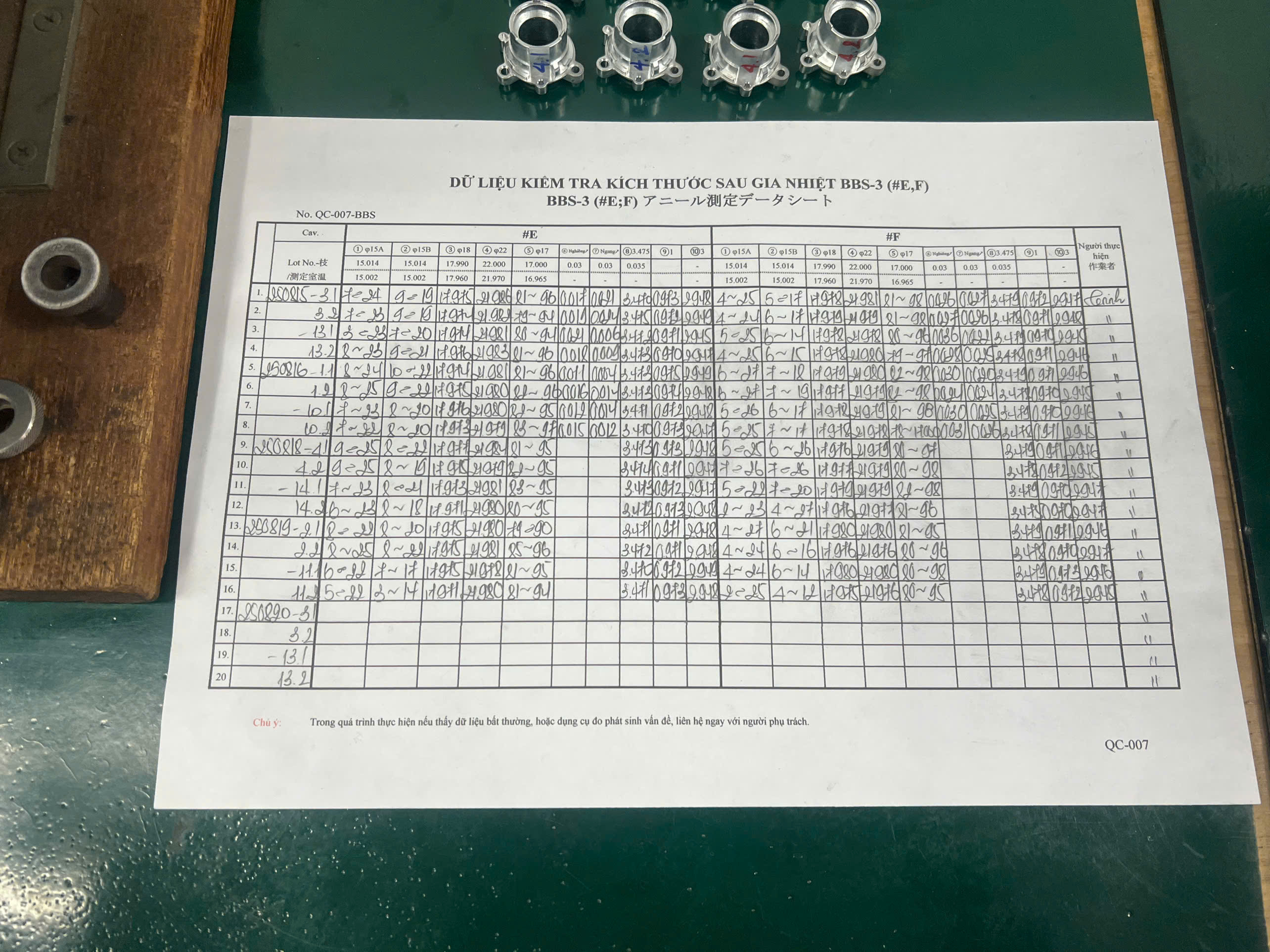
We learned this lesson the hard way on a project involving complex automotive mounting brackets. The supplier held a valid IATF 16949 certificate — but their certified scope covered only stamping. Our client needed laser cutting, CNC bending, and welding. The certificate was real. The coverage was not.
A valid IATF 16949 certificate does not automatically cover every fabrication process a supplier offers. You must read the certification scope statement on the certificate itself and confirm it explicitly lists the techniques you need — such as laser cutting, stamping, welding, CNC bending, or powder coating — for automotive applications.
Certification Scope vs. Actual Capability
IATF 16949 certifies a quality management system, not the quality of individual products. This is a critical distinction. A supplier may have excellent sheet metal fabrication equipment, but if their certified scope does not include the specific processes your part requires, their quality system has not been audited against those processes.
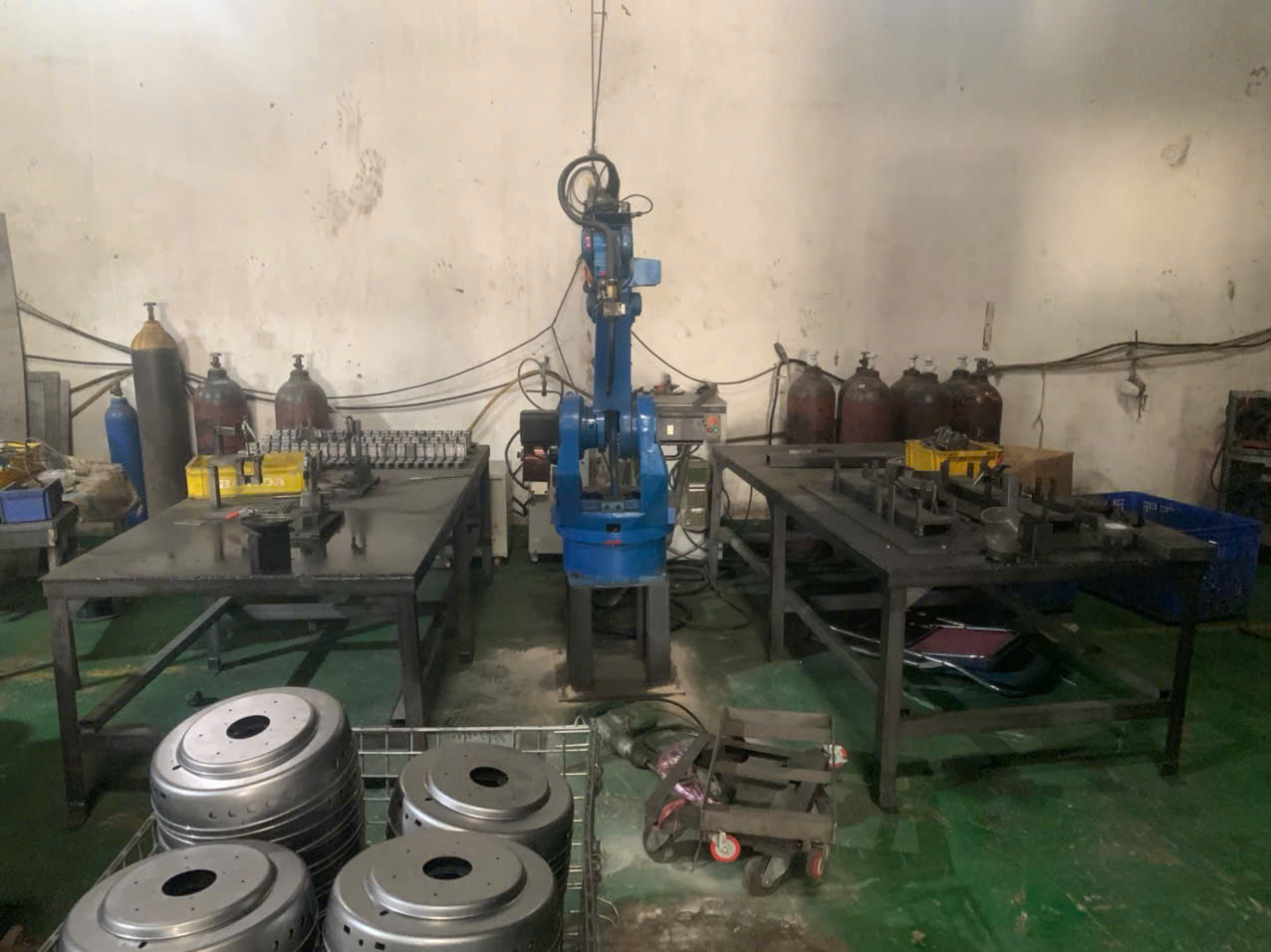
When we review supplier capabilities for our U.S. clients, we always cross-reference the scope statement against the part drawing requirements. For example, if a drawing calls for TIG welding on a precision mounting bracket, we confirm "welding" or a more specific term appears in the scope. Understanding what IATF 16949 certification means for sheet metal fabrication suppliers is essential context for evaluating scope coverage.
How to Read a Certification Scope Statement
The scope statement is usually printed on the first page of the certificate. Here is what to look for:
| Scope Element | What to Check | Example |
|---|---|---|
| Product type | Does it mention sheet metal parts, fabricated components, or brackets? | "Manufacturing of sheet metal automotive components" |
| Processes listed | Are your required processes named? | "Laser cutting, CNC bending, spot welding, powder coating" |
| Industry | Does it specify automotive? | "For automotive OEM and Tier 1 customers" |
| Exclusions | Are any processes or clauses excluded? | "Design responsibility excluded" |
If the scope says "manufacturing of stamped metal components" and your project requires fabricated and welded assemblies, there is a gap. The supplier's quality management system was not audited for welding. This matters because defect prevention strategies, control plan 6s, and Failure Mode and Effects Analysis 7 documents are all tied to the certified scope.
Why Scope Gaps Create Real Risk
Scope gaps affect more than paperwork. They mean the supplier's Production Part Approval Process 8 submissions for your specific part may not be backed by a certified quality system. Their Advanced Product Quality Planning process may not address the unique risks of your fabrication technique.
We once helped a client request a scope clarification from a Taiwanese supplier. The supplier's scope covered "metal stamping and assembly." The client's part required deep-draw forming and robotic MIG welding. The supplier had the machines but had never been audited on those processes under IATF 16949. The client chose to work with us to find an alternative supplier whose scope matched perfectly.
Questions to Ask Your Supplier About Scope
- Can you provide the exact wording of your IATF 16949 certification scope?
- Does your scope include the specific fabrication processes listed on my drawing?
- If a process is outsourced (e.g., heat treatment, plating), is that sub-tier supplier also IATF 16949 certified or managed under your quality system?
- Have you had any scope reductions during your last recertification audit?
These questions are part of the standard supplier audit checklist we use at DEWIN when evaluating fabrication partners across Asia.
How do I confirm that IATF 16949 quality standards are being applied to my custom sheet metal order?
During a recent factory visit in Vietnam, I asked a supplier to show me their control plan for a specific bracket our client had ordered. They pointed me to a generic template. It had no connection to the actual part drawing or its critical dimensions.
To confirm IATF 16949 standards are applied to your specific order, request part-specific quality documentation: a completed Production Part Approval Process package, a Failure Mode and Effects Analysis, a detailed control plan tied to your drawing, measurement system analysis records, and statistical process control data from your actual production runs.

Beyond the Certificate: Evidence of System Application
A certificate on the wall does not guarantee the quality management system is active on your production line. You need evidence. The IATF 16949 standard requires suppliers to apply its principles — traceability, risk management, continuous improvement — to every customer order. But enforcement depends on buyer vigilance.
When we manage contract manufacturing for our clients, we require suppliers to produce documentation specific to each part number. Generic documents are not acceptable. Here is what we request and why:
The Documentation You Should Demand
| Document | Purpose | What to Check |
|---|---|---|
| PPAP (all required levels) | Proves the supplier can consistently produce parts meeting your specs | Part-specific data, not templates; signed customer approval |
| FMEA (Process) | Identifies potential failure modes in fabrication | Risk Priority Numbers (RPNs) addressed; actions completed |
| Control Plan | Defines inspection frequency, methods, and reaction plans | Linked to your drawing's critical dimensions and tolerances |
| MSA (Measurement System Analysis) | Validates that gauges and measurement tools are accurate | Gage R&R studies with acceptable variation percentages |
| SPC Data | Shows process stability over time | Cpk values above 1.33 for critical characteristics statistical process control data 9 |
| Material Traceability Records | Confirms raw material origin and certification | Heat numbers, mill certs linked to your specific batch |
How to Spot a System That Exists Only on Paper
There are warning signs. If a supplier takes weeks to provide PPAP documents, the system may not be functioning. If the control plan lists inspection frequencies that do not match what operators actually do on the floor, the system is cosmetic.
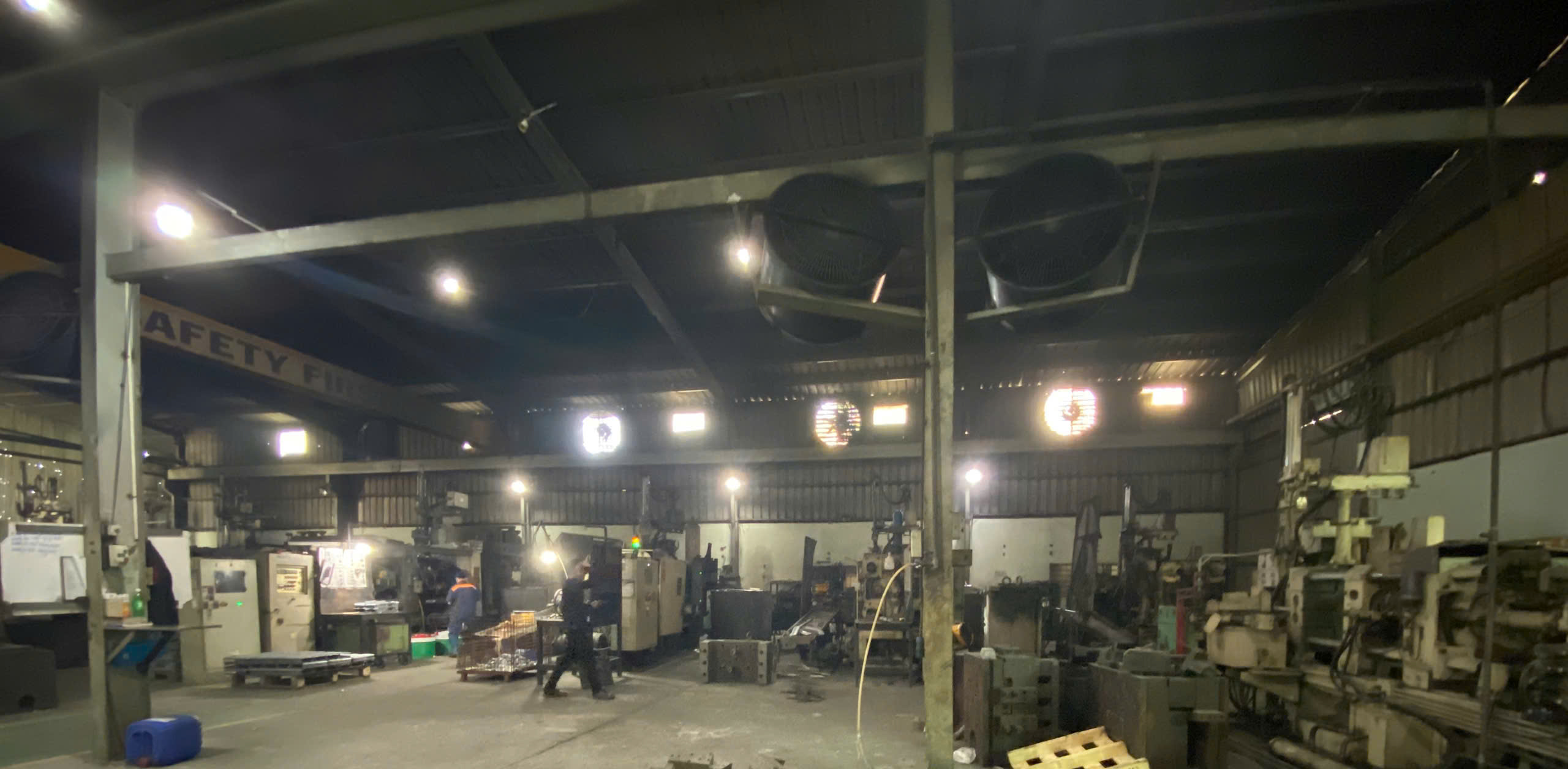
Our quality team in China has walked factory floors where the SPC charts on the wall had not been updated in months. The IATF 16949 certificate was valid. The continuous improvement process was not happening.
We recommend asking the supplier for a live walkthrough — virtual or in-person — of how they apply their quality system to a current order. Ask to see the actual control plan being used by operators. Ask to see real-time SPC data. Ask to see corrective action records from recent non-conformities. For a detailed guide on what to include in your PPAP request, see our article on how to request a PPAP package from suppliers when sourcing sheet metal fabrication.
Integrating Customer-Specific Requirements
IATF 16949 requires suppliers to identify and manage customer-specific requirements. If you are an automotive OEM or Tier 1, you likely have unique requirements around packaging, labeling, inspection criteria, or reporting. Your supplier must demonstrate that these requirements are captured in their system and flowed down to operators.
During our PPAP process, we verify that customer-specific requirements are embedded in the control plan and work instructions. This is not optional. It is a core requirement of the standard, and failure here is a common source of non-conforming shipments.
What are the key red flags I should look for when reviewing a supplier's IATF 16949 audit history?
A purchasing manager I work with in the U.S. once told me, "The certificate looked fine, but the supplier had three major non-conformities in their last audit and couldn't explain what they fixed." That project ended in a six-month delay and a complete supplier switch.
Key red flags in a supplier's IATF 16949 audit history include repeated major non-conformities, inability to provide audit summaries, unresolved corrective actions, frequent changes in certification bodies, scope reductions between audit cycles, and any history of certificate suspension or withdrawal.

Understanding the IATF 16949 Audit Cycle
The IATF 16949 certification cycle is three years. Within that cycle, the supplier undergoes surveillance audits in years one and two, and a full recertification audit in year three. Each audit generates findings — categorized as major non-conformities, minor non-conformities, or opportunities for improvement.
A healthy supplier will have a clean or improving audit trail. A struggling supplier will show patterns.
Red Flags to Watch For
Here are the specific warning signs we look for during supplier audits:
Repeated major non-conformities. One major finding can happen to anyone. The same major finding in consecutive audits signals a systemic failure. It means the corrective actions were superficial or never implemented.
Inability to share audit summaries. According to IATF 16949, suppliers should be transparent with customers about their audit results. If a supplier refuses to share even a summary, ask why. Legitimate suppliers have nothing to hide.
Frequent certification body changes. Switching certification bodies is not inherently wrong, but doing it repeatedly can indicate "audit shopping" — seeking a less rigorous auditor.
Scope reductions. If a supplier's certified scope has narrowed between cycles, it may mean they failed to meet requirements for certain processes and chose to remove them rather than fix the issues.
Unresolved corrective actions. Every non-conformity must have a documented corrective action with evidence of effectiveness. If the supplier cannot show closed corrective actions, the quality management system is not functioning.
Gaps in surveillance audits. If a supplier skipped a scheduled surveillance audit, their certificate may have been at risk. This is a serious concern for risk management in the automotive supply chain.
What a Clean Audit History Looks Like
For comparison, a well-managed sheet metal fabrication supplier will show:
- Consistent certification body across cycles
- Declining number of minor non-conformities over time
- All corrective actions closed within 90 days
- No scope reductions
- Evidence of internal audits driving continuous improvement
- Integration of customer feedback into their defect prevention strategies
When to Walk Away
If your supplier has a history of suspension, or if the IATF Customer Portal shows "withdrawn" at any point, proceed with extreme caution. A withdrawal means the certification body determined the supplier could not maintain compliance. Even if they later recertified, you should ask for a full explanation and independent verification.
Our recommendation: always request audit history as part of your supplier onboarding. Make it a contractual requirement. At DEWIN, we build this into the supplier qualification process for every custom part project we manage. For a broader overview of all certifications needed when sourcing automotive OEM sheet metal fabrication, we recommend reviewing our dedicated guide.
Conclusion
Verifying IATF 16949 certification protects your automotive supply chain from quality failures, delivery delays, and reputational damage. Use the IATF Customer Portal, confirm scope coverage, demand part-specific documentation, and scrutinize audit history before committing to any sheet metal fabrication supplier.
Frequently Asked Questions
How can I verify the authenticity of a sheet metal supplier's IATF 16949 certificate online?
A few years ago, one of our team members in Vietnam flagged a supplier whose certificate looked slightly off — the logo was missing a registered trademark symbol. That single detail saved the project.
Does my supplier's IATF 16949 certification scope actually include the specific fabrication techniques I need?
We learned this lesson the hard way on a project involving complex automotive mounting brackets. The supplier held a valid IATF 16949 certificate — but their certified scope covered only stamping. Our client needed laser cutting, CNC bending, and welding. The certificate was real. The coverage was not.
How do I confirm that IATF 16949 quality standards are being applied to my custom sheet metal order?
During a recent factory visit in Vietnam, I asked a supplier to show me their control plan for a specific bracket our client had ordered. They pointed me to a generic template. It had no connection to the actual part drawing or its critical dimensions.
Footnotes
1. Provides an overview of the IATF 16949 standard. ↩︎
2. Explains the complexities and requirements of the automotive supply chain. ↩︎
3. Direct link to the official portal for certificate verification. ↩︎
4. Provides a list of IATF-recognized certification bodies. ↩︎
5. Defines what a quality management system entails. ↩︎
6. Details the structure and importance of a control plan in manufacturing. ↩︎
7. Describes the methodology for identifying and mitigating potential failures. ↩︎
8. Explains the purpose and requirements of PPAP in automotive. ↩︎
9. Official AIAG & VDA page for the Statistical Process Control Manual, highly authoritative for the automotive industry. ↩︎