
Last quarter, a client’s shipment of sheet metal brackets got rejected at receiving inspection because the supplier’s MIL-STD documentation failed verification—costing weeks and thousands in delays.
To verify MIL-STD compliance when sourcing sheet metal fabrication, you must validate supplier certifications like AS9100D, confirm material traceability through authenticated mill test reports, require Grade A UID marking verification, audit quality control processes in-person, and demand complete inspection documentation before every shipment.
MIL-STD compliance 1 is not a single checkbox. It spans material certifications, unique identification marking, environmental testing, and rigorous documentation. Each layer demands specific verification steps. This guide breaks down the exact process our team follows when managing defense-related sheet metal projects for U.S. buyers sourcing from Asian fabricators.
How can I verify that my supplier's MIL-STD material certifications and test reports are authentic?
A U.S. defense contractor once sent us a set of mill test reports from a previous supplier, asking us to cross-check them First Article Inspection Report 2. Three out of five had inconsistencies in heat numbers that did not match the referenced CAGE code 3s.
Verify authenticity by cross-referencing mill test report heat numbers with the producing mill's records, confirming the supplier's CAGE code registration, validating AS9100D certification through accreditation body databases, and checking that material composition matches the specific MIL-SPEC called out on the drawing.
Understanding the Terminology First
Before diving into verification, it is critical to distinguish between MIL-STD, MIL-SPEC, and MIL-STD-130 4. Many suppliers and buyers use these terms interchangeably, which creates confusion and compliance gaps.
| Term | What It Covers | Example |
|---|---|---|
| MIL-STD | Broad DoD defense standards covering processes and testing methods | MIL-STD-810 5 (environmental testing), MIL-STD-461 (EMI) |
| MIL-SPEC | Specific material or product specifications | MIL-DTL-5541 (chemical conversion coatings on aluminum) |
| MIL-STD-130 | Unique Identification (UID) marking of military property | Data Matrix codes 6, serial numbers, CAGE codes |
When a drawing calls out a MIL-SPEC for material, the mill test report must reference that exact specification. A generic "stainless steel 304" certificate is not the same as a report certifying compliance to a specific military material specification.
Step-by-Step Certification Verification
Our team in Vietnam and China follows a structured process when auditing supplier documentation for defense-related projects. Here is the sequence we use:
- Request the original mill test report directly from the material supplier, not from the fabricator. If the fabricator provides it, verify the mill's contact information independently and confirm the report's authenticity by phone or email.
- Cross-reference the heat number on the raw material with the heat number on the test report. Physical stamps on the material must match.
- Verify the supplier's CAGE code through the Defense Logistics Agency's Commercial and Government Entity database. Every legitimate defense supplier has a registered CAGE code. If the fabricator does not have one, they cannot be the direct supplier for DoD contracts.
- Confirm AS9100D certification by checking the certificate number against the accreditation body's online database. AS9100D is the aerospace-grade quality management system standard. A valid certificate must show the scope of work covers sheet metal fabrication, not just assembly or design.
- Check for NADCAP accreditation if the contract involves special processes like welding, heat treating, or surface finishing. NADCAP accreditation 7 is separate from AS9100D and covers specific process capabilities.
Red Flags in Test Reports
When reviewing documentation, watch for these warning signs:
- Test report dates that precede the material purchase order date
- Missing or generic CAGE codes
- Chemical composition values that are suspiciously identical across multiple heats
- Certifications issued by bodies not recognized by the International Accreditation Forum
- Surface finishing specifications listed without referencing the applicable MIL-SPEC standard
Material traceability is the backbone of MIL-STD compliance. Without it, every downstream inspection and test loses its validity. Our standard practice is to maintain a full traceability chain from raw material receipt through final shipment, including photographs of heat number stamps on incoming material.
What specific quality control steps should I look for to ensure my sheet metal parts meet military standards?
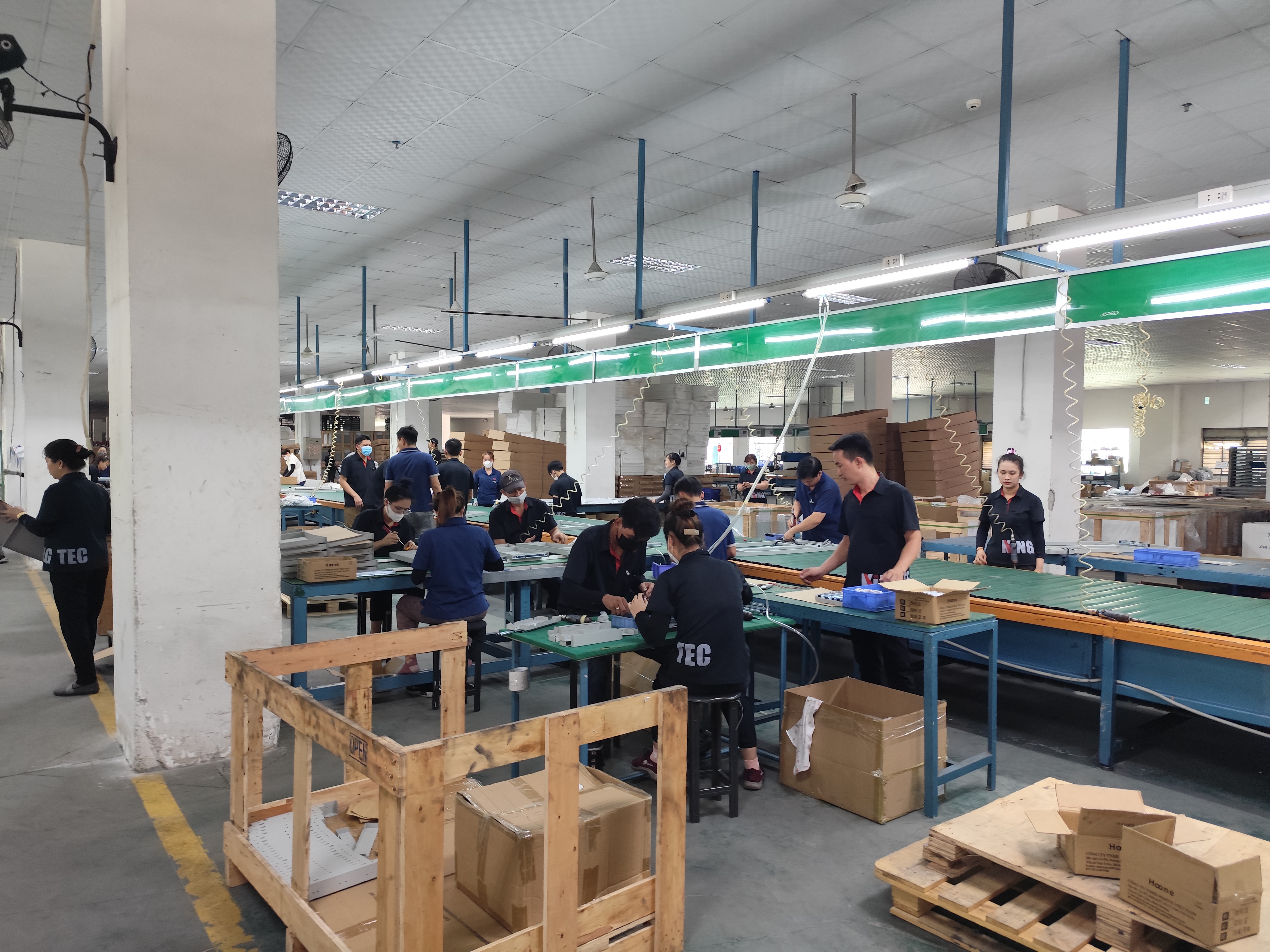
During a recent project involving gunmetal-finished mounting brackets similar to the ones on our production floor, the client's contract required MIL-STD-810 environmental testing and corrosion resistance validation. The fabricator had no idea these requirements existed until we flagged them during our pre-production review.
Look for an integrated quality system that includes incoming material inspection with MIL-SPEC verification, in-process dimensional checks against tight tolerances, non-destructive testing where required, surface finishing validation per applicable standards, and final inspection with documented acceptance criteria tied to the specific MIL-STD or MIL-SPEC codes on the drawing.

Quality Control Must Be Embedded, Not Bolted On
A fabricator who adds quality checks only at the end of production is not equipped for military work. Quality control processes for MIL-STD compliance must be integrated across every stage. Here is what a compliant process looks like for precision manufacturing of sheet metal components:
| Production Stage | QC Step | What to Verify |
|---|---|---|
| Incoming Material | Material inspection | Heat number match, MIL-SPEC compliance, material thickness |
| Cutting/Laser | First article inspection | Dimensional accuracy, edge quality, burr-free condition |
| Bending/Forming | In-process check | Bend angles, radii, springback compensation |
| Welding | Weld inspection | Visual + non-destructive testing 9 (NDT) per AWS D17.1 or applicable standard |
| Surface Treatment | Coating verification | Thickness measurement, adhesion test, corrosion resistance per MIL-SPEC |
| Final Assembly | Final inspection | Full dimensional report, cosmetic check, marking verification |
Non-Destructive Testing Requirements
For defense sheet metal parts, non-destructive testing is often mandatory. The specific method depends on the application and the material. Common NDT methods include:
- Visual inspection — always required, often with magnification for weld quality
- Dye penetrant testing — for detecting surface cracks in welds or bent areas
- Radiographic testing — for critical weld joints on structural components
- Ultrasonic testing — for verifying material thickness and detecting internal flaws
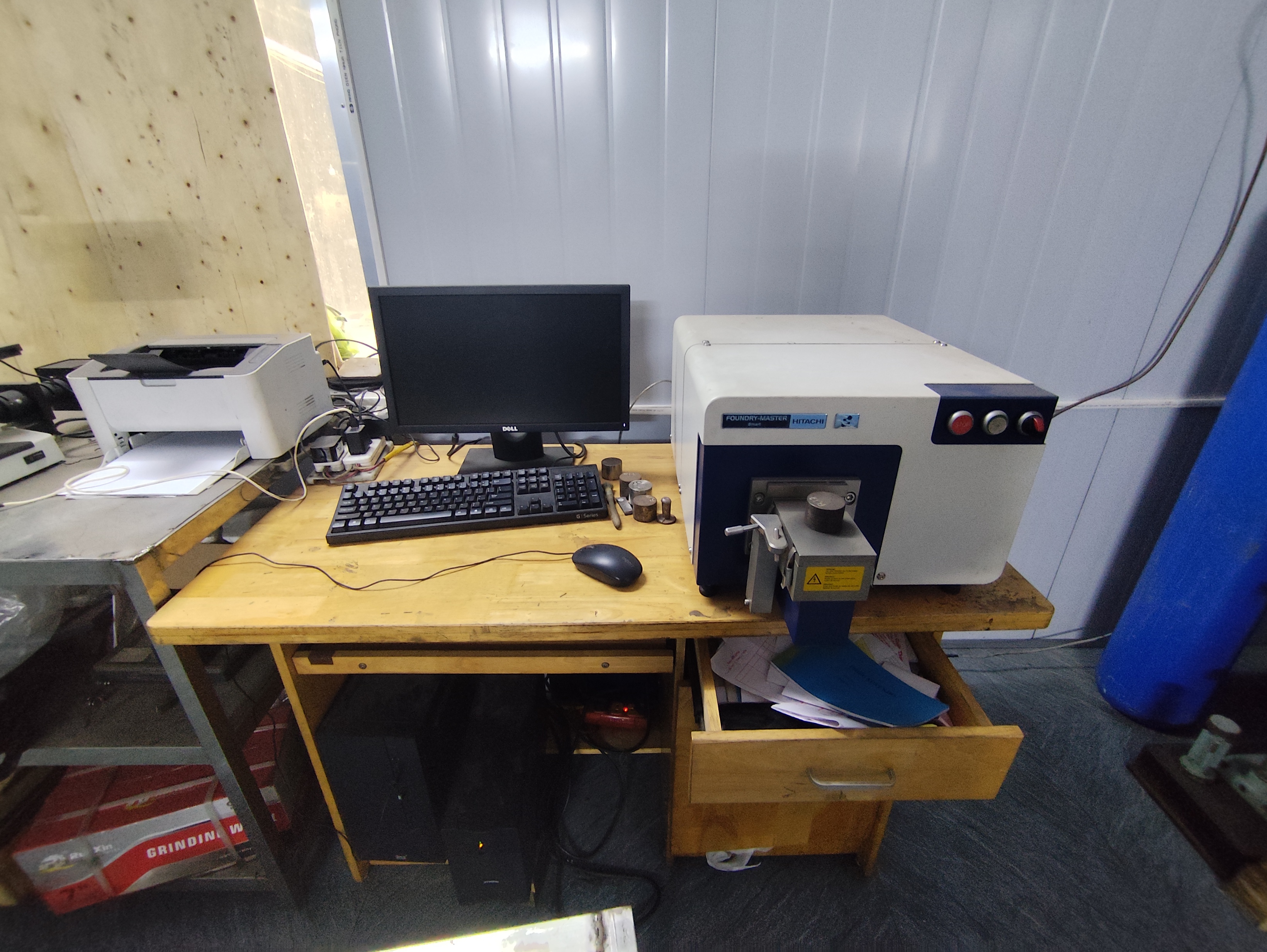
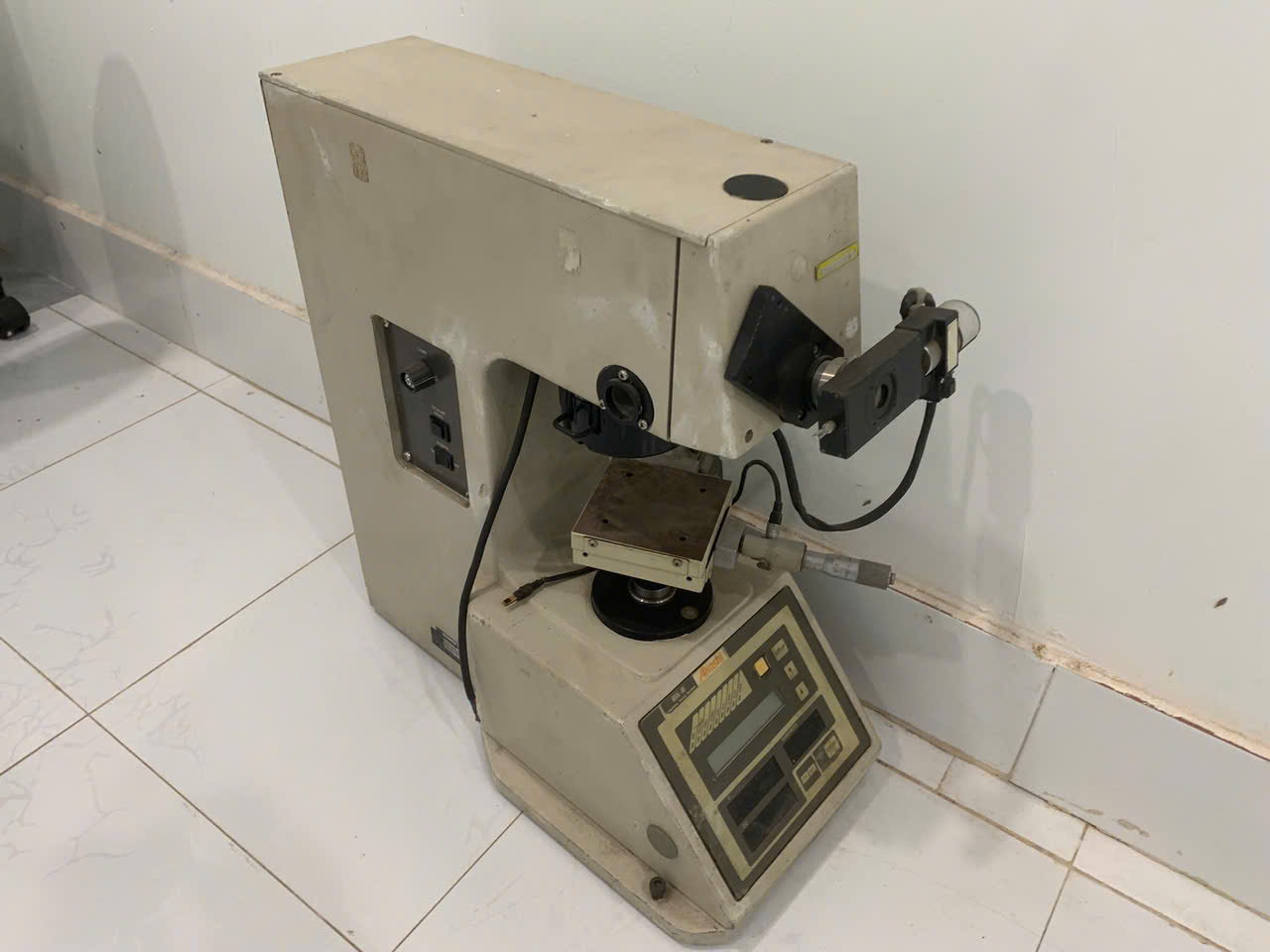
Our inspection team uses calibrated equipment 10 with current calibration certificates traceable to national standards. This is not optional for defense work. A measurement taken with an uncalibrated tool is meaningless in a military quality audit.
Surface Finishing and Corrosion Resistance
Many MIL-SPEC standards govern surface finishing for sheet metal. For example, chemical conversion coatings on aluminum, anodizing, and powder coating each have their own specifications. The fabricator must know which specification applies and must test the finished coating for adhesion, thickness, and corrosion resistance.
For those angular mounting brackets with a matte gunmetal finish — common in defense applications — the coating must survive the environmental conditions specified in the contract. If the contract references MIL-STD-810, the parts may need to endure extreme temperature cycles, humidity, salt fog, vibration, and mechanical shock. These are not theoretical tests. They simulate real-world conditions that tactical components face in the field.
UID Marking and MIL-STD-130 Integration
UID marking under MIL-STD-130 is required when items fall into specific categories. The four contract-triggering categories are:
- Unit acquisition cost of $5,000 or more
- Items classified as sensitive, classified, mission-essential, or controlled inventory
- Items serially managed by the DoD
- Government Furnished Property (GFP) regardless of value
If the sheet metal parts meet any of these triggers, the fabricator must apply compliant UID markings. The required data elements include the National Stock Number (NSN), part number, serial number, and manufacturer identification via a CAGE code with the appropriate Data Identifier. Data Matrix codes, also called Machine Readable Information (MRI), are the preferred and often mandatory format for DFARS-mandated Item Unique Identification (IUID) items.
The choice between MOPA laser marking and Dot Peen marking is a genuine trade-off that depends on the component's end use:
| Marking Method | Best For | Limitation |
|---|---|---|
| MOPA Laser | Small UID codes requiring high digital clarity | Higher equipment cost; may not survive heavy abrasion |
| Dot Peen | Parts exposed to CARC paint, abrasion, or extreme wear | Lower digital clarity on very small codes |
Machine readability under field conditions is non-negotiable. A UID mark that cannot be scanned after painting or exposure to harsh environments will result in a rejected contract. Grade A verification standards must be confirmed before shipping.
Which inspection documents and testing protocols should I require to confirm MIL-STD compliance before shipment?
One lesson we learned early in our supply chain management work is that the documentation package matters as much as the parts themselves. A perfectly fabricated bracket without the right paperwork gets rejected at the receiving dock just as fast as a dimensionally non-conforming one.
Before shipment, require a First Article Inspection Report (FAIR) per AS9102, a Certificate of Conformance referencing each applicable MIL-STD or MIL-SPEC, material test reports with full traceability, non-destructive testing reports, dimensional inspection data, surface treatment verification records, and Grade A UID verification results if marking is required.
The Complete Documentation Package
The documentation package for a MIL-STD compliant sheet metal shipment is not a single certificate. It is a set of interlinked records that prove every aspect of the part meets the contract requirements. Here is the minimum package our team assembles before releasing a shipment:
- First Article Inspection Report (FAIR) — prepared per AS9102, covering all dimensional characteristics, material certifications, and special process certifications
- Certificate of Conformance (C of C) — a formal statement from the fabricator that the parts conform to the drawing and all referenced specifications
- Mill Test Reports (MTR) — original reports from the material producer with heat numbers, chemical composition, and mechanical properties
- Non-Destructive Testing Reports — with operator qualifications, equipment calibration records, and acceptance criteria
- Dimensional Inspection Data — CMM reports or detailed measurement records for all critical dimensions and tight tolerances
- Surface Treatment Records — coating thickness measurements, adhesion test results, and salt spray test data where applicable
- UID Verification Report — Grade A verification scan results for all Data Matrix codes and human-readable text
Validation vs. Verification: A Critical Distinction
In defense quality management, validation and verification are not the same thing. Understanding the difference prevents documentation gaps.
Validation confirms that the requirements in the contract are correct and traceable. It asks: "Are we building the right thing?"
Verification confirms that the marking and manufacturing requirements have been met. It asks: "Did we build it correctly?"
For UID marking specifically, verification means scanning the Data Matrix code with approved verification equipment and confirming it meets Grade A readability standards. The verification must be done under conditions that simulate field use. A code that scans perfectly in a clean lab but fails after powder coating is not compliant.
UID Registration Pathways
After marking and verification, the UID numbers must be registered. There are two pathways:
- Manual input via WAWF (Wide Area Workflow Receiving Report) — this is the standard path for prime contractors submitting receiving reports. WAWF accepts up to 50 UID "children" for sub-components or subsystems.
- Direct input to the IUID Registry via SFTP or EDI — this method offers better control and scalability for high-volume programs. Only GFP or embedded child items can be manually input at the IUID Registry level.
Prime contractors — meaning suppliers selling directly to the government — are responsible for UID registration. If you are sourcing through a distributor or intermediary, clarify who holds the registration responsibility before production begins.
Testing Protocols for Environmental Compliance
If the contract references MIL-STD-810, the parts may need to undergo environmental testing. MIL-STD-810 is a 200+ page document covering extreme temperature, humidity, vibration, shock, and altitude tests. Not every test method in MIL-STD-810 applies to every part. The contract should specify which test methods are required.
Other related standards that may apply to sheet metal fabrication for defense include:
- MIL-STD-461 — electromagnetic interference (EMI) requirements for electronic enclosures
- MIL-DTL-901 — high impact shock testing for shipboard equipment
- ITAR compliance — required for any fabricator handling defense articles, technical data, or services listed on the United States Munitions List
ITAR compliance is particularly important when sourcing from overseas fabricators. The fabricator and the sourcing intermediary must both hold appropriate licenses or agreements to handle ITAR-controlled technical data.
How do I evaluate if an overseas fabricator has the technical expertise to handle my complex MIL-STD requirements?
During a supplier audit at a facility in Southeast Asia last year, I asked the quality manager to show me their process for verifying UID markings. He pointed to a handheld barcode scanner used for inventory management. That scanner cannot verify Grade A compliance. It was a clear sign the facility was not ready for MIL-STD-130 work.
Evaluate an overseas fabricator by conducting an on-site audit of their equipment and process capabilities, reviewing their experience with specific MIL-STD codes, verifying their personnel qualifications, assessing their AS9100D and NADCAP certifications, and testing their ability to produce a compliant first article with full documentation.

What to Audit On-Site
An on-site audit is the single most effective way to evaluate a fabricator's readiness for defense work. Phone calls and email questionnaires are not substitutes. When our team conducts supplier audits in Vietnam or other Asian countries, we follow a structured checklist that covers equipment, processes, people, and documentation systems.
| Audit Area | What to Check | Red Flag |
|---|---|---|
| Equipment | CNC machines, laser cutters, press brakes, CMMs | Outdated equipment without calibration records |
| Marking | MOPA laser or Dot Peen system with verification software | No dedicated UID marking equipment |
| NDT Capability | Dye penetrant, radiographic, or ultrasonic equipment | Outsourced NDT with no control over the process |
| QMS Documentation | AS9100D manual, procedures, work instructions | Procedures that do not reference MIL-STD or MIL-SPEC codes |
| Personnel | Certified welders, trained inspectors, NDT operators | No training records or qualification certificates |
| Traceability System | ERP or MES system with lot/heat tracking | Manual paper-based tracking with gaps |
Assessing Technical Depth Beyond Certifications
Holding an AS9100D certificate does not automatically mean a fabricator understands the nuances of your specific MIL-STD requirements. Aerospace standards provide the quality management framework, but the technical execution depends on experience with the specific standard called out in your contract.
Ask the fabricator to provide examples of previous work under the same or similar MIL-STD codes. Request sample documentation packages from past projects (with proprietary data redacted). If they cannot produce examples, they may be entering unfamiliar territory.
For complex sheet metal parts — like mirrored mounting brackets with multiple bends, cutouts, and weld joints — the fabricator must demonstrate competence in:
- Interpreting GD&T callouts on defense drawings
- Managing springback compensation for precision manufacturing of complex bends
- Controlling weld distortion on thin-gauge material
- Applying and verifying MIL-SPEC coatings on assembled weldments
- Maintaining full traceability from raw material through finished part
The Role of a Supply Chain Partner
Evaluating an overseas fabricator from the other side of the Pacific is difficult without local presence. This is where working with a supply chain management partner becomes practical. Our offices in Vietnam and China allow us to conduct supplier audits, manage PPAP documentation, monitor in-process quality, and perform final inspections before shipment.
For defense contractors and sourcing companies in the United States, having a local team that speaks the fabricator's language and understands both Asian manufacturing practices and DoD requirements eliminates many of the communication failures that lead to non-conforming parts. The goal is to get it right the first time, not to discover problems after parts arrive at a U.S. port.
Emerging Technologies in Compliance Verification
The defense supply chain is adopting new technologies that enhance compliance verification:
- Digital twin technology allows engineers to simulate material behavior and predict part performance under MIL-STD conditions before cutting any metal
- AI-powered anomaly detection monitors real-time production data for deviations from specified tolerances, enabling immediate corrective action
- Blockchain-based traceability creates an immutable record of material origins, processing steps, and certifications that is resistant to fraud
These tools are not yet standard at most Asian fabricators, but they represent the direction defense procurement is heading. Fabricators who invest in these capabilities now will have a significant competitive advantage.
Conclusion
Verifying MIL-STD compliance when sourcing sheet metal fabrication requires systematic certification checks, embedded quality controls, complete documentation packages, and hands-on supplier evaluation — every step building toward audit-ready, first-time-right results. To strengthen your verification process further, learn which material specifications are critical for incoming inspection, understand what quality assurance clauses to include in your fabrication contract, and explore how to create a sample testing plan to verify fabrication capabilities before committing to production.
Frequently Asked Questions
How can I verify that my supplier's MIL-STD material certifications and test reports are authentic?
A U.S. defense contractor once sent us a set of mill test reports from a previous supplier, asking us to cross-check them First Article Inspection Report 2 . Three out of five had inconsistencies in heat numbers that did not match the referenced CAGE code 3 s.
What specific quality control steps should I look for to ensure my sheet metal parts meet military standards?
During a recent project involving gunmetal-finished mounting brackets similar to the ones on our production floor, the client's contract required MIL-STD-810 environmental testing and corrosion resistance validation. The fabricator had no idea these requirements existed until we flagged them during our pre-production review.
Which inspection documents and testing protocols should I require to confirm MIL-STD compliance before shipment?
One lesson we learned early in our supply chain management work is that the documentation package matters as much as the parts themselves. A perfectly fabricated bracket without the right paperwork gets rejected at the receiving dock just as fast as a dimensionally non-conforming one.
Footnotes
1. Explains the scope and importance of military standards and specifications. ↩︎
2. Details the AS9102 standard for documenting first article inspection results in aerospace. ↩︎
3. Official source for Commercial and Government Entity (CAGE) code information. ↩︎
4. Guide to the military standard for unique identification marking of property. ↩︎
5. Replaced HTTP 404 with an authoritative Wikipedia page providing a comprehensive overview of MIL-STD-810. ↩︎
6. Replaced HTTP 503 with an authoritative Wikipedia page providing a comprehensive overview of Data Matrix codes. ↩︎
7. Official site for the aerospace special process accreditation program. ↩︎
8. Provides official requirements for the aerospace quality management system standard. ↩︎
9. Authoritative resource on methods for evaluating material properties without causing damage. ↩︎
10. Official source for measurement standards and calibration traceability from NIST. ↩︎