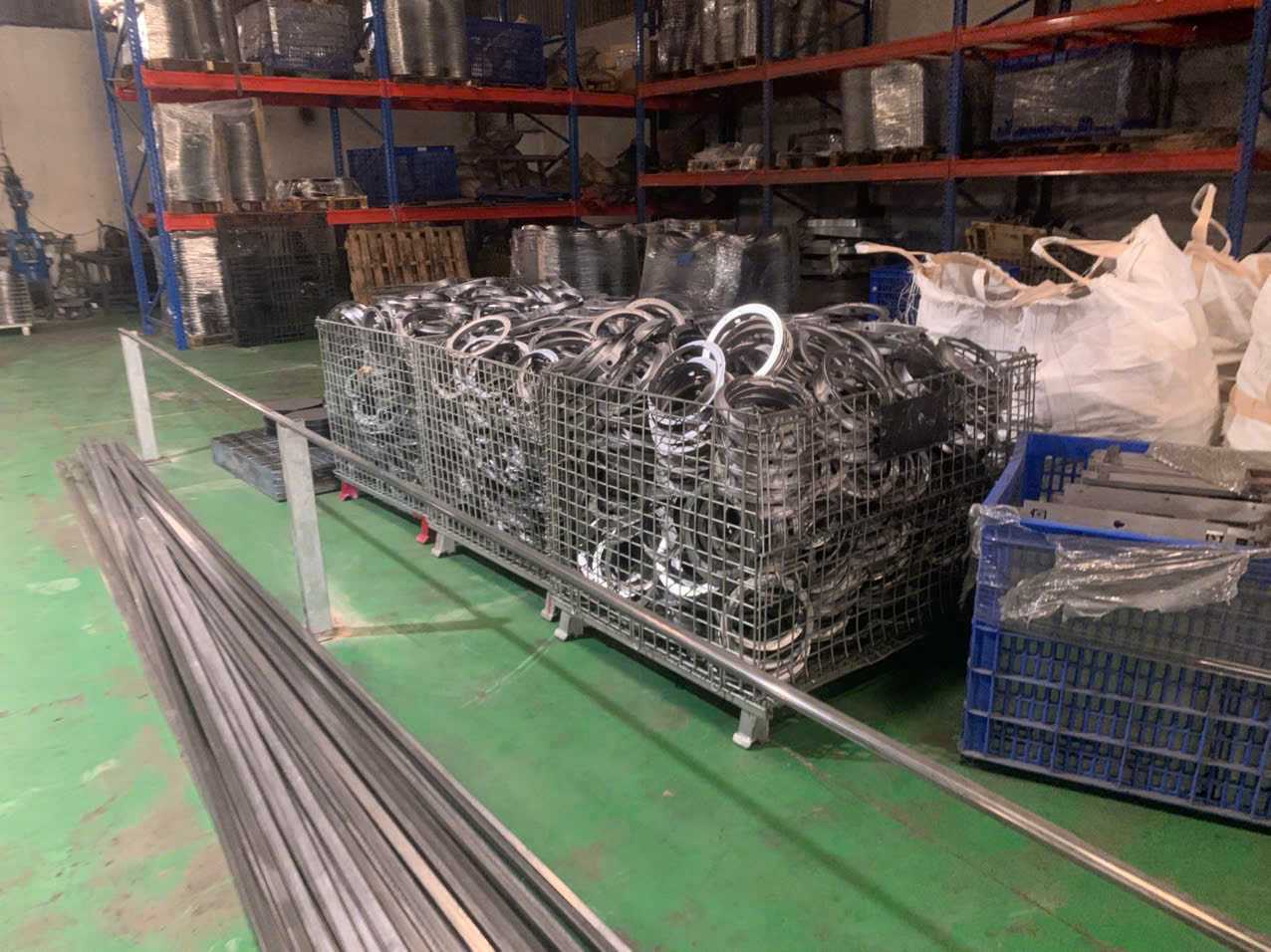
Last quarter, a client’s shipment of precision sheet metal brackets arrived in Houston with rust spots and torn labels — the entire lot was rejected at incoming inspection federal regulations 1. That single failure cost weeks and thousands in rework. We’ve since built a verification system at DEWIN that catches these problems before containers leave Asia.
To verify sheet metal supplier packaging and labeling for US OEMs, confirm compliance with federal regulations (FPLA, OSHA HCS), OEM-specific standards (AIAG, PPAP requirements), and validate corrosion protection, label durability, barcode accuracy, and crating integrity through documented audits and pre-shipment inspections at the supplier’s facility.
This guide walks through every checkpoint — from pre-shipment audits in Asia to customs documentation — so your next container of custom sheet metal parts arrives compliant, undamaged, and ready for the production line.
How do I verify that my sheet metal supplier's packaging meets US OEM standards before the shipment leaves Asia?
A buyer we work with once told us, "I can't fly to Vietnam every time a shipment goes out." That conversation pushed our team to develop a remote verification protocol that mirrors what you'd catch on the factory floor — without the plane ticket.
Verify your supplier's packaging meets US OEM standards by requiring photographic evidence of packaging stages, cross-referencing packaging specs against OEM-issued guidelines (AIAG, PPAP), confirming material traceability, and conducting periodic on-site audits or hiring a third-party inspection team in the supplier's region.
Start With the OEM's Packaging Specification
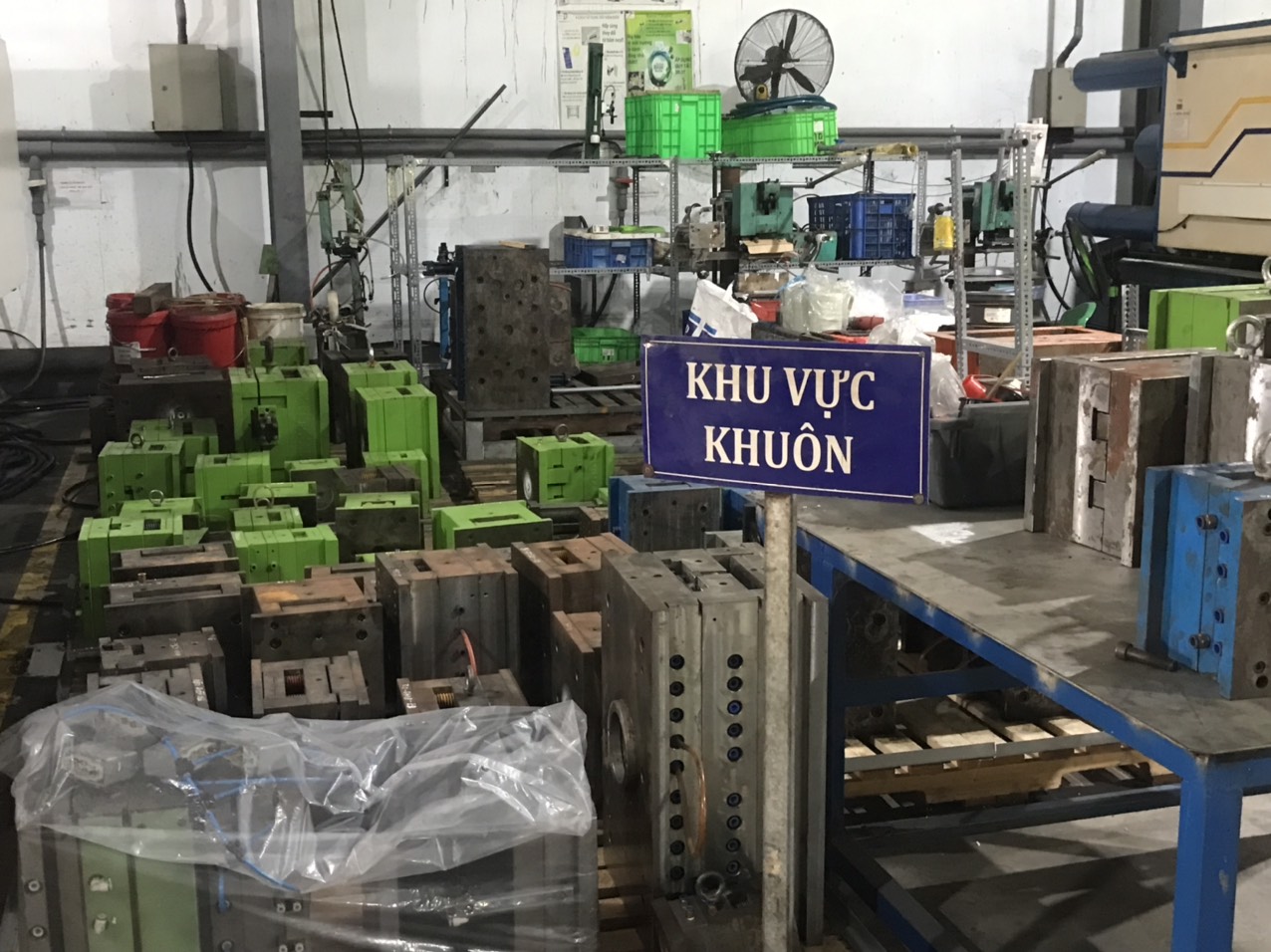
Every US OEM issues its own packaging standard. Automotive OEMs typically reference AIAG guidelines 2. Aerospace primes like Lockheed Martin may require double-wall corrugated for large or heavy sheet metal parts. Before you judge a supplier's packaging, you need the exact spec your end customer demands.
At our offices in Vietnam and China, we maintain a library of OEM packaging specs. When a new project kicks off, the first step is mapping the OEM's requirements to the supplier's current capabilities. We look at box type, cushioning method, weight limits, and stacking rules.
Build a Packaging Checklist
A checklist turns a vague requirement into a pass/fail inspection. Here is a baseline checklist we use:
| Checkpoint | What to Verify | Pass Criteria |
|---|---|---|
| Box material | Single-wall vs. double-wall corrugated | Matches OEM spec |
| Inner cushioning | Foam, dividers, VCI wrap | Parts cannot shift or contact each other |
| Weight per box | Gross weight including packaging | Below OEM and carrier limits |
| Stacking strength | Compression test result | Withstands 3x stack height |
| Stretch wrap | Applied to palletized loads | Full wrap, no exposed edges |
| Pallet type | Heat-treated wood (ISPM-15 3) | Stamp visible on all pallet boards |
Use Photo and Video Documentation
When we cannot be on-site, we require the supplier to send timestamped photos of every packaging stage. The photos must show: the empty box with cushioning, the parts placed inside, the closed box with labels visible, and the loaded pallet. Video of the stretch-wrapping process is a bonus.
This approach gives supply chain visibility without a physical presence. It also creates a record you can reference if a damage claim arises later. We store these files linked to the purchase order number for full traceability.
Third-Party Pre-Shipment Inspection
For high-value or first-time shipments, hiring a third-party inspector is worth the cost. Inspectors in Asia typically charge between $200 and $400 per visit. They check packaging against your checklist, pull random samples, and issue a report with photos. This is the most reliable way to verify compliance before a container is sealed.
What specific labeling and documentation should I require from my supplier to ensure a smooth US customs clearance?
One lesson we learned the hard way: a perfect part in a perfect box still gets held at the port if the label is wrong. A shipment of custom mounting brackets — similar to the powder-coated steel brackets with pre-drilled holes that we regularly handle — sat in a Los Angeles warehouse for eleven days because the country of origin marking was missing from two cartons.
Require labels showing product identity, part number, net quantity, country of origin, batch/lot number, supplier information, and barcode. Documentation must include a commercial invoice, packing list, Certificate of Conformance, bill of lading, and material test reports. For California-bound goods, verify Proposition 65 compliance.

Federal Labeling Requirements
US Customs enforces several federal laws. The Fair Packaging and Labeling Act 4 (FPLA) requires clear product identity, the manufacturer or distributor's name and address, and net quantity in both US customary and metric units. OSHA's Hazard Communication Standard 5 applies if parts have coatings, oils, or chemical treatments — labels must include hazard pictograms, signal words, and precautionary statements.
California Proposition 65 6 adds another layer. If your parts or their packaging contain any of over 900 restricted chemicals or heavy metals, you need lab test results proving compliance. We always recommend testing packaging materials — not just the parts — because ink, adhesive, and foam can trigger a Prop 65 violation.
OEM-Specific Label Content
Beyond federal law, your OEM customer will have its own labeling requirements. Here is a comparison of what three major OEMs require:
| Requirement | Daimler Truck | Chrysler (FCA) | Lockheed Martin |
|---|---|---|---|
| Label size | 4" x 6" | Per L-Series spec | Per drawing |
| Print method | Thermal preferred | Thermal transfer | Per spec |
| Languages | English | English, French, Spanish | English |
| Font size | Bold black ink | ≥10 pt / ≥3 mm height | Per drawing |
| Barcode | Required | Required, verified | Required |
| Heavy part warning | Not specified | Required ≥30 lbs / 13 kg | Per safety spec |
| Approval process | Submit before first shipment | Submit before first shipment | Per contract |
Our team prepares label templates in .ai or .eps format and submits them for OEM approval before mass production begins. This prevents last-minute corrections and avoids recertification delays.
Documentation Checklist for Customs
| Document | Purpose | Who Provides It |
|---|---|---|
| Commercial Invoice | Declares value for duty calculation | Supplier or shipper |
| Packing List | Lists contents, weight, dimensions per box | Supplier |
| Bill of Lading | Contract of carriage | Freight forwarder |
| Certificate of Conformance | Confirms parts meet spec | Supplier |
| Material Test Report | Proves material composition | Supplier or lab |
| Country of Origin Certificate | Proves where parts were made | Supplier or chamber of commerce |
| PPAP documentation 7 | Validates production process | Supplier |
| Prop 65 test report | Proves chemical compliance | Independent lab |
We compile these documents into a single digital package and share them with the buyer and customs broker before the vessel departs. This gives everyone time to flag problems while the container is still in transit — not after it arrives.
Barcode Verification
Barcode errors cause scan failures at the OEM's receiving dock. We require suppliers to print sample barcodes and verify them with a handheld scanner before production labels are printed. The barcode must encode the correct part number, quantity, lot number, and supplier code. Any mismatch means the label is reprinted.
How can I confirm my supplier's crating and rust-prevention methods are sufficient for long-haul sea freight?
The trade-off between cost and protection is real. A supplier once proposed saving $0.15 per part by skipping VCI film on a batch of gunmetal grey brackets with weld joints — exactly the kind of complex, angular parts with multiple folds and cutouts that trap moisture. We ran a humidity test in our warehouse. After 72 hours, orange spots appeared on every unprotected sample. The $0.15 savings would have cost $12,000 in rejected parts.
Confirm crating and rust-prevention sufficiency by requiring VCI (Volatile Corrosion Inhibitor) wrapping or papers, desiccant packs, sealed poly bags, and humidity indicators inside each crate. Validate methods through salt spray testing, humidity chamber trials, and documented corrosion protection procedures matching the transit duration — typically 30 to 45 days for sea freight from Asia to the US.
Why Sea Freight Is Harsh on Sheet Metal
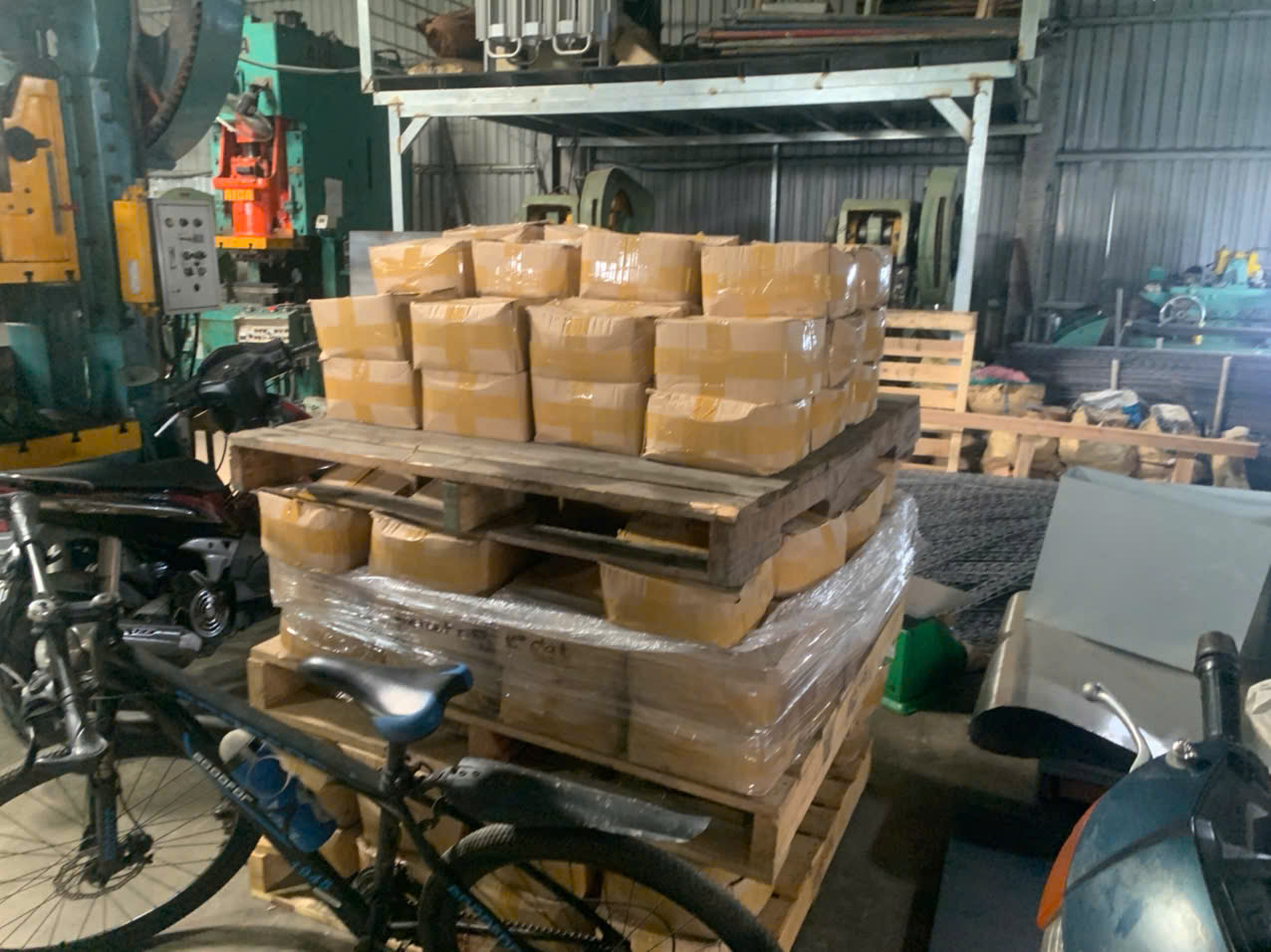
A container crossing the Pacific spends 25 to 40 days at sea. Temperatures inside the container can swing from 5°C to 65°C in a single day. This cycling causes condensation — commonly called "container rain." Bare steel or iron sheet metal parts will rust within days under these conditions. Even powder-coated parts with exposed edges or weld marks are vulnerable.
Corrosion Protection Methods
There are several approaches. The right choice depends on material, transit time, and OEM requirements.
VCI Film and Paper: VCI materials release vapor-phase corrosion inhibitors that form a molecular layer on metal surfaces. VCI Film and Paper 8 They are the most common method for shipping damage prevention on ferrous sheet metal. Wrap each part or line the box interior.
Desiccant Packs: Silica gel or clay desiccants absorb moisture inside sealed packages. They are effective but must be sized correctly — too few packs in a large box will not control humidity.
Sealed Poly Bags: Heat-sealed polyethylene bags create a moisture barrier. Combined with VCI and desiccants, they offer strong protection. Our quality control procedures require heat sealing — not just taping — to ensure the seal holds.
Humidity Indicator Cards: These small cards change color when humidity exceeds a threshold (typically 30%, 40%, or 50%). Place them inside sealed packages. When the buyer opens the box, the card tells you instantly whether the moisture barrier held during transit.
Oil or Wax Coating: For unfinished steel parts, a thin oil film prevents rust. However, many OEMs reject oiled parts because the oil must be removed before assembly or painting. Check your OEM's incoming inspection standards before using this method.
Validation Testing
Ask your supplier to demonstrate their corrosion protection with a simple test. Seal a sample part in the exact packaging they plan to use. Place it in a humidity chamber at 40°C and 90% relative humidity for 72 hours. Inspect the part. If there is no rust, the method is likely sufficient for a 30–45 day ocean transit. For critical parts, request salt spray test results 9 (ASTM B117) from the coating or VCI material supplier.
What steps should I take to audit a supplier's final inspection and packaging process during my next factory visit?
During a recent visit to one of our partner factories in Vietnam, I noticed the final inspection station was located right next to the grinding area. Metal dust was settling on freshly inspected parts — and on the labels. That one observation led to a layout change that eliminated a recurring contamination complaint from the OEM.
During a factory visit, audit the supplier's final inspection by reviewing their quality control procedures, checking calibrated gauges, observing the inspection workflow, verifying packaging materials match approved specs, confirming label accuracy with a barcode scanner, and reviewing records for material traceability and Certificate of Conformance generation.

What to Look for on the Shop Floor
Walk the process in order: final machining or finishing → inspection → cleaning → packaging → labeling → palletizing → staging for shipment. Look at the flow. Are inspected parts separated from uninspected ones? Is the packaging area clean, dry, and well-lit? Is there a dedicated label printing station?
The Audit Checklist
Here is the step-by-step process we follow during a supplier audit:
-
Review the control plan. Ask the supplier to show you the control plan for the specific part. It should list every inspection point, the measurement tool used, the specification, and the sample frequency.
-
Check gauge calibration. Pick up a caliper or micrometer on the inspection bench. Look for a calibration sticker with an expiration date. If it is expired or missing, flag it immediately.
-
Watch an inspector work. Stand beside the inspector for at least 15 minutes. Watch them measure a part. Do they follow the control plan? Do they record data? Do they know the reject criteria?
-
Pull a finished box. Open a sealed, ready-to-ship box at random. Check: Are the parts wrapped in VCI film? Is the cushioning intact? Does the label match the packing list? Scan the barcode — does it return the correct data?
-
Verify the Certificate of Conformance. Ask to see the CoC for the lot you just opened. Does it reference the correct part number, revision, material, and quantity? Is it signed and dated?
-
Review nonconforming material records. Ask how they handle rejected parts. There should be a quarantine area and a log of nonconformances. This tells you whether the supplier has a real supplier quality management system or just a poster on the wall.
-
Check PPAP status. If PPAP was submitted and approved, the supplier should have a file with all 18 elements accessible. Confirm the packaging approval section is complete and matches what you see on the floor.
Red Flags During a Factory Visit
Watch for these warning signs:
- Labels printed on a regular inkjet printer (not thermal transfer — ink smears in humidity).
- VCI film stored in direct sunlight (UV degrades the inhibitor).
- No separation between raw material storage and finished goods packaging.
- Inspectors using personal, uncalibrated tools.
- No written procedure for packaging — workers rely on memory.
When we find red flags, we document them with photos and issue a corrective action request before approving the shipment. This approach — catching problems at the source — aligns with automotive industry standards and saves everyone time and money downstream. You can also verify the authenticity of supplier certifications to ensure the quality management systems behind these processes are legitimate.
Conclusion
Verifying sheet metal supplier packaging and labeling is not optional — it is a core part of supplier quality management. Build checklists from OEM specs, enforce corrosion protection, audit in person, and document everything. That is how you get parts to the US right the first time.
Frequently Asked Questions
How do I verify that my sheet metal supplier's packaging meets US OEM standards before the shipment leaves Asia?
A buyer we work with once told us, "I can't fly to Vietnam every time a shipment goes out." That conversation pushed our team to develop a remote verification protocol that mirrors what you'd catch on the factory floor — without the plane ticket.
What specific labeling and documentation should I require from my supplier to ensure a smooth US customs clearance?
One lesson we learned the hard way: a perfect part in a perfect box still gets held at the port if the label is wrong. A shipment of custom mounting brackets — similar to the powder-coated steel brackets with pre-drilled holes that we regularly handle — sat in a Los Angeles warehouse for eleven days because the country of origin marking was missing from two cartons.
How can I confirm my supplier's crating and rust-prevention methods are sufficient for long-haul sea freight?
The trade-off between cost and protection is real. A supplier once proposed saving $0.15 per part by skipping VCI film on a batch of gunmetal grey brackets with weld joints — exactly the kind of complex, angular parts with multiple folds and cutouts that trap moisture. We ran a humidity test in our warehouse. After 72 hours, orange spots appeared on every unprotected sample. The $0.15 savings would have cost $12,000 in rejected parts.
Footnotes
1. Provides an overview of key US federal packaging and labeling regulations. ↩︎
2. Provides official AIAG guidelines and standards for automotive packaging and labeling. ↩︎
3. Defines ISPM-15, an international standard for wood packaging material. ↩︎
4. Details the requirements of the Fair Packaging and Labeling Act from the FTC. ↩︎
5. Replaced with the official OSHA Hazard Communication Standard overview page. ↩︎
6. Provides official information on California’s Proposition 65 and its requirements. ↩︎
7. Explains the Production Part Approval Process (PPAP) and its documentation. ↩︎
8. Explains the mechanism and application of Volatile Corrosion Inhibitor materials. ↩︎
9. Describes the ASTM B117 standard for salt spray (fog) corrosion testing. ↩︎