I’ve seen too many purchasing managers receive sheet metal parts that don’t match the grade on the label — a problem that erodes trust, wastes money, and delays entire product launches.
To verify sheet metal suppliers for stainless steel, aluminum, and carbon steel, buyers should conduct systematic supplier audits covering quality control procedures, industry certifications, material traceability, fabrication capabilities, and financial stability — then confirm material grades through both quick field tests and professional lab analysis like XRF or OES.
This guide walks through the exact steps our team uses when qualifying factories across Southeast Asia IATF 16949 certifications 1. Each section tackles a specific challenge purchasing managers face, from evaluating quality systems to managing supply chains with flexible payment terms.
How do I evaluate a supplier's quality control process to ensure my stainless steel and aluminum parts meet strict tolerances?
A buyer we work with in the Midwest once rejected three consecutive shipments from a previous supplier because the stainless steel brackets had dimensional deviations exceeding 0.15 mm on critical hole positions. The root cause was simple: the factory had no formal inspection procedure DFM review process 2.
Evaluate a supplier's quality control process by reviewing their quality management system documentation, verifying metrology equipment such as CMMs and digital calipers, confirming First Article Inspection protocols, and requesting evidence of in-process and final inspection records tied to your specific tolerances.
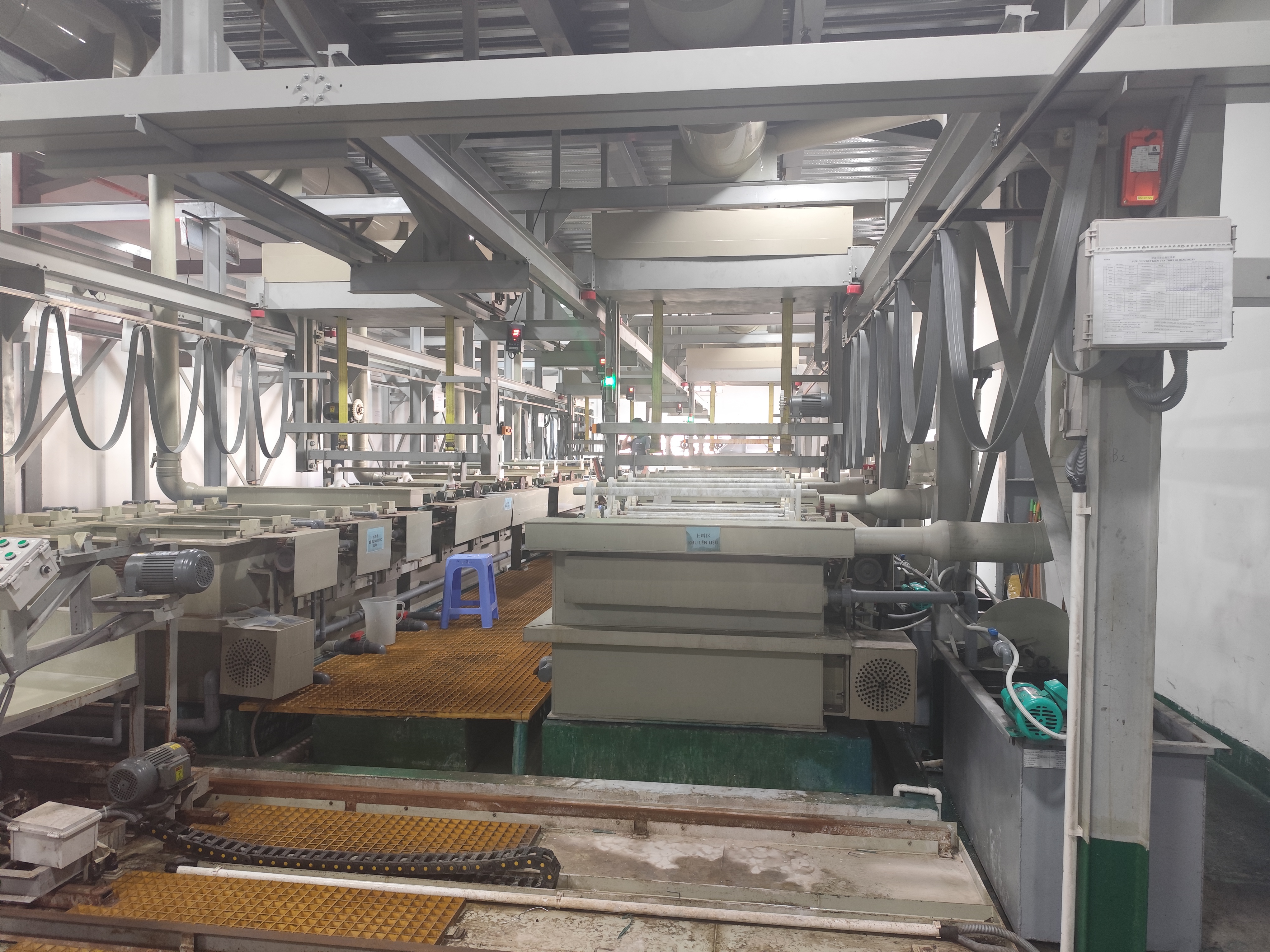
Start with the Quality Management System
Before you visit a factory or request samples, ask for their quality management system documentation PPAP (Production Part Approval Process) 3. ISO 9001 certification 4 is a baseline, not a differentiator. What matters is how the system works on the shop floor. Ask the supplier to walk you through a recent order. Can they show you the inspection plan? Do they have documented quality control procedures for each process step — cutting, bending, welding, finishing?
When our team audits a factory in Vietnam, we look for visible evidence. Are work instructions posted at each station? Do operators reference them? A quality system that lives only in a binder is not a quality system.
Metrology Equipment Matters
The equipment a supplier uses tells you what tolerances they can reliably hold. Here is a quick reference:
| Equipment | Typical Accuracy | Best For |
|---|---|---|
| Digital calipers | ±0.02 mm | Linear dimensions, hole diameters |
| Micrometers | ±0.01 mm | Thickness, small features |
| CMM (Coordinate Measuring Machine) | ±0.005 mm | Complex 3D geometries, GD&T |
| Optical comparator | ±0.01 mm | Profile inspection, edge quality |
| Surface roughness tester | Ra 0.01 µm resolution | Finish requirements |
If your parts require dimensional accuracy within ±0.05 mm, the supplier needs more than a tape measure. Ask what instruments they use and whether they are calibrated on schedule. Request calibration certificates.
First Article Inspection and In-Process Checks
First Article Inspection (FAI) 5 is non-negotiable when you source custom parts. FAI means the supplier measures every dimension on the first production piece against your drawing, documents the results, and sends you the report before running the full batch. This is how you catch problems before they become expensive.
In-process checks are equally important. A supplier with strong quality control procedures will inspect at multiple stages — after laser cutting, after bending, after welding, and after surface treatment. Ask for their inspection flow chart. If they don't have one, that's a red flag.
Material Verification on the Shop Floor
Quality control extends to the raw material itself. When stainless steel 304 arrives at the factory, how does the supplier confirm it's actually 304? Reliable suppliers check mill test reports against the physical material. Some use portable XRF analyzers 6 to verify the alloy composition right at the incoming inspection station.
Quick field tests can supplement professional methods. The magnet test is a useful first screen: austenitic grades like 304 and 316 are generally non-magnetic, while ferritic grades like 430 and carbon steel are strongly magnetic. Aluminum is always non-magnetic and noticeably lighter. But for critical applications, field tests alone are not enough. Professional lab methods — XRF or OES — give you precise grade identification. XRF or OES analysis 7
| Test Method | Speed | Cost | Reliability for Grade ID |
|---|---|---|---|
| Visual check (stamps, finish) | Instant | Free | Low — stamps can be wrong |
| Magnet test | Instant | Free | Moderate — cold work can make 304 slightly magnetic |
| Spark test | 1–2 min | Low | Moderate — requires experience |
| Nitric acid test | 5 min | Low | Good for stainless vs. carbon steel |
| Molybdenum spot test | 5 min | Low | Good for 316 vs. 304 |
| XRF / OES analysis | 10–30 min | Higher | Excellent — precise composition |
Our Vietnam office keeps a portable XRF gun specifically for incoming material checks during supplier audits. It has saved us from accepting misgraded material more than once.
What specific equipment and certifications should I look for when auditing a sheet metal factory in Southeast Asia?
During a recent factory visit in Ho Chi Minh City, I noticed a supplier proudly displayed an ISO certificate in the lobby — but it had expired two years earlier. That single detail changed our entire evaluation of their operation.
When auditing a sheet metal factory in Southeast Asia, look for current ISO 9001 or IATF 16949 certifications, fiber laser cutters capable of handling multiple material specifications, CNC press brakes with digital angle measurement, welding stations with WPS documentation, and calibrated metrology equipment with valid certificates.
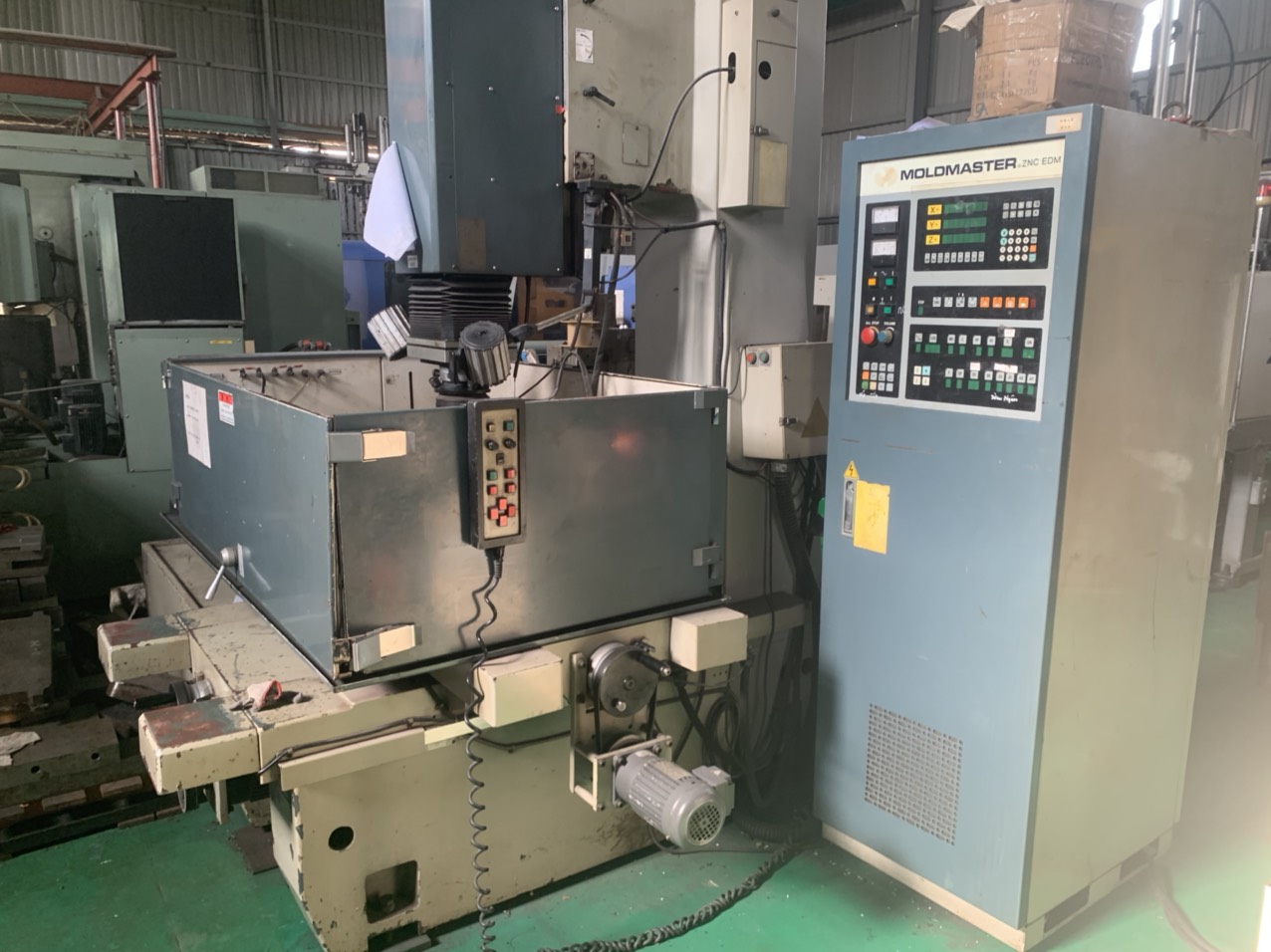
Essential Fabrication Equipment
A well-equipped sheet metal factory needs specific machines for each process step. The equipment list tells you what the factory can actually do — and what it will need to outsource. Outsourced processes add lead time and reduce your control over quality.
Here is a checklist of core fabrication capabilities to verify:
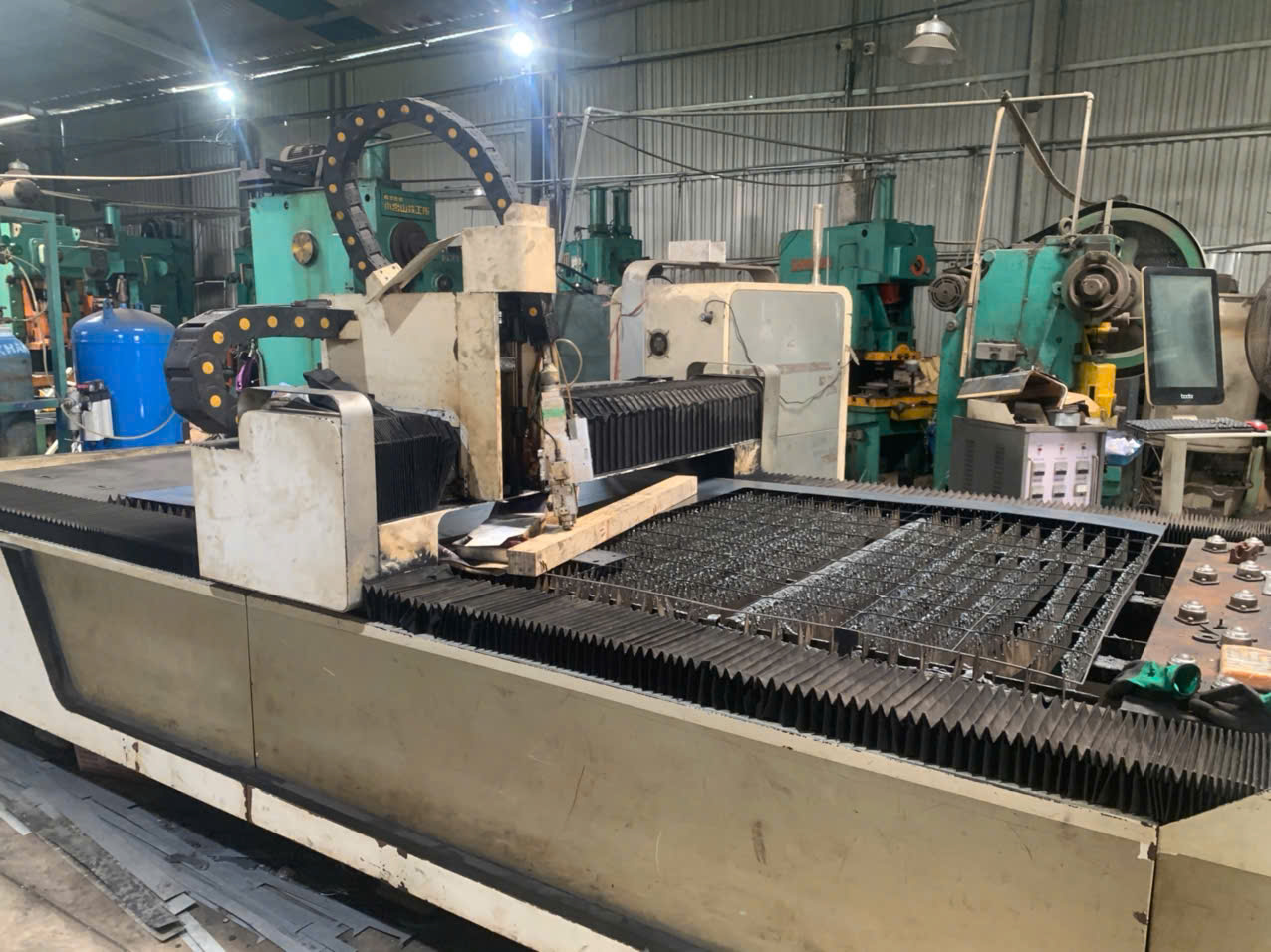
- Laser cutting: Fiber lasers (1 kW–6 kW) handle stainless steel, aluminum, and carbon steel efficiently. Check the cutting bed size and thickness capacity.
- CNC punching: For high-volume parts with standard hole patterns.
- CNC press brakes: Look for machines with digital angle measurement and crowning systems. These ensure consistent bend angles across long parts.
- Welding: TIG welding for stainless steel and aluminum. MIG for carbon steel. Ask for Welding Procedure Specifications (WPS) 8 and welder qualification records.
- Surface treatment: Powder coating lines, anodizing (for aluminum), electropolishing (for stainless). In-house finishing reduces handling and transit damage.
Certifications That Matter
Not all certifications carry equal weight. Focus on the ones relevant to your industry and material requirements.
| Certification | What It Covers | Why It Matters |
|---|---|---|
| ISO 9001:2015 | Quality management system | Baseline for process control and documentation |
| IATF 16949 | Automotive quality standard | Required for automotive supply chain; stricter than ISO 9001 |
| ISO 14001 9 | Environmental management | Demonstrates ESG compliance and sustainability commitment |
| ISO 3834 | Welding quality requirements | Critical for structural and pressure-rated weldments |
| NADCAP | Special processes (aerospace) | Required for aerospace heat treatment, NDT, surface treatment |
| RoHS / REACH | Hazardous substance restrictions | Required for products sold in EU markets |
Ask to see the actual certificates. Verify the scope — a factory may be ISO 9001 certified for assembly but not for welding. Check the certification body too. Accredited bodies like TÜV, SGS, or Bureau Veritas carry more credibility than unknown registrars.
What to Look for Beyond Equipment and Certificates
Walk the production floor. Look at housekeeping. A clean, organized factory usually produces better parts. Check if materials are stored properly — stainless steel should not be stored in contact with carbon steel to avoid contamination. Aluminum sheets should be separated with protective film.
Ask about their material traceability system 10. Can they trace a finished part back to the specific coil or sheet it came from? Can they produce the mill test report for that coil? This is critical for industries like food processing, medical devices, and offshore installations where material certificates are mandatory.
Also evaluate their data protection practices. If you share proprietary drawings, how do they control access? Do they have NDAs in place? Do they use secure file-sharing platforms? Cybersecurity may seem unusual for a sheet metal factory, but intellectual property protection is a growing concern for US buyers sourcing in Asia.
Risk Assessment During the Audit
Pay attention to capacity utilization. A factory running at 95% capacity may struggle to accommodate your rush orders. A factory at 40% capacity may have financial stability concerns. Look for a balance — 60% to 80% utilization suggests healthy demand and room for your orders.
Check their customer base diversity. A factory dependent on one or two large customers is vulnerable. If that customer leaves, the factory's financial health could deteriorate rapidly. A diverse customer and product base indicates long-term stability.
How can I verify if a custom metal manufacturer has the project management expertise to prevent delivery delays?
One lesson I learned early in our sourcing operations: a supplier can have excellent machines and skilled welders, but still deliver late — consistently. The missing piece is almost always project management.
Verify a manufacturer's project management expertise by reviewing their order tracking systems, evaluating their DFM review process, requesting references from existing customers about on-time delivery rates, and assessing whether they assign dedicated project managers who communicate proactively through each production milestone.
Why Delivery Delays Happen
Most delivery delays in custom sheet metal fabrication trace back to a few common causes. Understanding these helps you ask the right questions during supplier evaluation.
- Incomplete or ambiguous drawings — The supplier starts production without clarifying tolerances, surface finish, or material grade. Halfway through, questions arise, and the line stops.
- No DFM review — The supplier accepts the drawing as-is, even when a feature is difficult or expensive to produce. Problems surface during production, not before.
- Poor scheduling — The supplier overcommits. Your order sits in a queue behind jobs that arrived after yours.
- Material procurement delays — The supplier doesn't stock your material and orders it after receiving your PO. Specialty grades like 316L stainless or 5052 aluminum may have longer lead times.
- Rework from quality failures — Without proper quality control procedures, defective parts get caught late, and the entire batch needs rework.
Questions to Ask About Project Management
When we evaluate a new factory, we run through a specific set of questions designed to reveal their real project management maturity. Here are the essentials:
- Do you assign a dedicated project manager or engineer to each order?
- How do you track production status? Is it a digital system or paper-based?
- Can you share a sample production schedule or Gantt chart from a recent project?
- How do you handle engineering changes after production starts?
- What is your standard communication frequency — daily updates, weekly reports?
- Do you conduct a DFM review before quoting, and do you proactively flag design issues?
A supplier with strong project management will answer these questions with specifics. They will show you their ERP system. They will explain their escalation process when something goes wrong. They will tell you about a time they caught a problem early and how they resolved it.
Digital Integration and Real-Time Tracking
Modern suppliers offer digital tools that give buyers visibility into production status. Online portals, real-time order tracking dashboards, and shared project management platforms eliminate the "black box" problem — where you place an order and hear nothing until it ships (or doesn't).
Our team uses collaborative platforms to share production updates, inspection photos, and shipping documents with US clients. This transparency builds trust and catches issues before they escalate. If a supplier cannot provide any form of digital tracking, their lead time estimates may be unreliable.
Evaluating Historical Performance
Ask for references. Contact two or three of the supplier's existing customers — ideally buyers with similar order profiles to yours. Ask them specifically about on-time delivery. Not the supplier's claimed rate, but the customer's actual experience. A supplier that consistently meets realistic lead times is worth more than one that quotes aggressive timelines and misses them.
How do I find a sourcing partner who can manage my entire supply chain while offering flexible payment terms for my custom parts?
A conversation with a purchasing manager in Texas last year stuck with me. He said: "I don't need another supplier. I need someone who takes ownership of the whole process — from drawing review to the parts arriving at my dock."
Find a sourcing partner who manages your entire supply chain by selecting a firm with local teams in manufacturing regions, proven expertise in supplier audits and PPAP, end-to-end logistics management, and the financial stability to offer open account payment terms of 60 to 90 days for qualified buyers.
What Full Supply Chain Management Looks Like
Managing the supply chain for custom sheet metal parts involves much more than placing orders with a factory. It covers every step from co-development through delivery. Here is what a comprehensive sourcing partner handles:
- OEM co-development — Working with your engineering team to optimize designs for manufacturability and cost before production begins.
- Supplier selection and audits — Identifying qualified factories, conducting on-site supplier audits, and managing ongoing performance.
- PPAP (Production Part Approval Process) — Running the formal approval process to confirm the factory can consistently produce conforming parts.
- Process control — Monitoring production processes, not just final inspection. This includes verifying material specifications, in-process checks, and SPC where applicable.
- Final inspection — Independent verification that parts meet all drawing requirements before shipment.
- Logistics management — Door-to-door shipping, customs documentation, and delivery coordination.
Why Payment Terms Matter for Custom Parts
Custom parts projects often involve long lead times — sometimes 8 to 12 weeks from order to delivery. If you pay 100% upfront, your cash is tied up for months before you see the parts. If the parts arrive with quality issues, recovering that money is difficult.
Flexible payment terms — such as net 60 or net 90 open account — shift cash flow risk away from the buyer. But not every sourcing partner can offer this. It requires financial stability and trust. Our Singapore headquarters enables us to extend credit terms to qualified US and European clients, because we absorb the payment cycle gap with our Asian factory partners.
Comparing Sourcing Models
| Sourcing Model | Control Over Quality | Supply Chain Visibility | Payment Flexibility | Best For |
|---|---|---|---|---|
| Direct from factory | Low — you manage QC | Low — limited tracking | Limited — often 30/70 TT | High-volume, stable products |
| Trading company | Low to moderate | Low | Moderate | Simple, commodity parts |
| Online fabrication platform | Moderate — platform QC | Moderate — online tracking | Limited — prepay common | Prototypes, simple geometries |
| Full-service sourcing partner | High — dedicated QC team | High — end-to-end visibility | High — open account possible | Complex custom parts, ongoing programs |
For purchasing managers handling multiple custom parts programs with strict quality and delivery requirements, a full-service sourcing partner delivers the most value. You get a single point of contact who owns the outcome.
Risk Assessment and Contingency Planning
A good sourcing partner doesn't just react to problems — they anticipate them. Ask about their formal risk management strategies. Do they maintain backup suppliers for critical materials? Do they diversify across factories and even countries to reduce concentration risk?
Our operations span Vietnam and China, which gives us geographic flexibility. If a factory in one region faces disruption — whether from a holiday shutdown, power issue, or capacity constraint — we have alternatives ready. This kind of supply chain management resilience is difficult for a single factory to provide on its own.
Also ask about sustainability and ESG compliance. Many US companies now require their supply chain partners to demonstrate responsible sourcing practices. A partner who already has ISO 14001 or documented sustainability programs saves you audit time and compliance headaches down the road.
Conclusion
Verifying sheet metal suppliers requires a structured approach across quality systems, equipment, certifications, project management, material traceability, and supply chain management — turning what feels overwhelming into a repeatable, reliable process.
Frequently Asked Questions
How do I evaluate a supplier's quality control process to ensure my stainless steel and aluminum parts meet strict tolerances?
A buyer we work with in the Midwest once rejected three consecutive shipments from a previous supplier because the stainless steel brackets had dimensional deviations exceeding 0.15 mm on critical hole positions. The root cause was simple: the factory had no formal inspection procedure DFM review process 2 .
What specific equipment and certifications should I look for when auditing a sheet metal factory in Southeast Asia?
During a recent factory visit in Ho Chi Minh City, I noticed a supplier proudly displayed an ISO certificate in the lobby — but it had expired two years earlier. That single detail changed our entire evaluation of their operation.
How can I verify if a custom metal manufacturer has the project management expertise to prevent delivery delays?
One lesson I learned early in our sourcing operations: a supplier can have excellent machines and skilled welders, but still deliver late — consistently. The missing piece is almost always project management.
Footnotes
1. Official source for the automotive industry’s quality management system standard. ↩︎
2. Explains Design for Manufacturability (DFM) and its principles for efficient production. ↩︎
3. Details the Production Part Approval Process for ensuring consistent part quality. ↩︎
4. Official information on the international standard for quality management systems. ↩︎
5. Provides a comprehensive overview of First Article Inspection in manufacturing. ↩︎
6. Explains the principles and applications of portable X-ray Fluorescence analyzers. ↩︎
7. Compares XRF and OES for metal analysis, detailing their uses and differences. ↩︎
8. Defines and explains the formal document outlining welding procedures. ↩︎
9. Official information on the international standard for environmental management systems. ↩︎
10. Discusses the importance and methods of material traceability in manufacturing. ↩︎