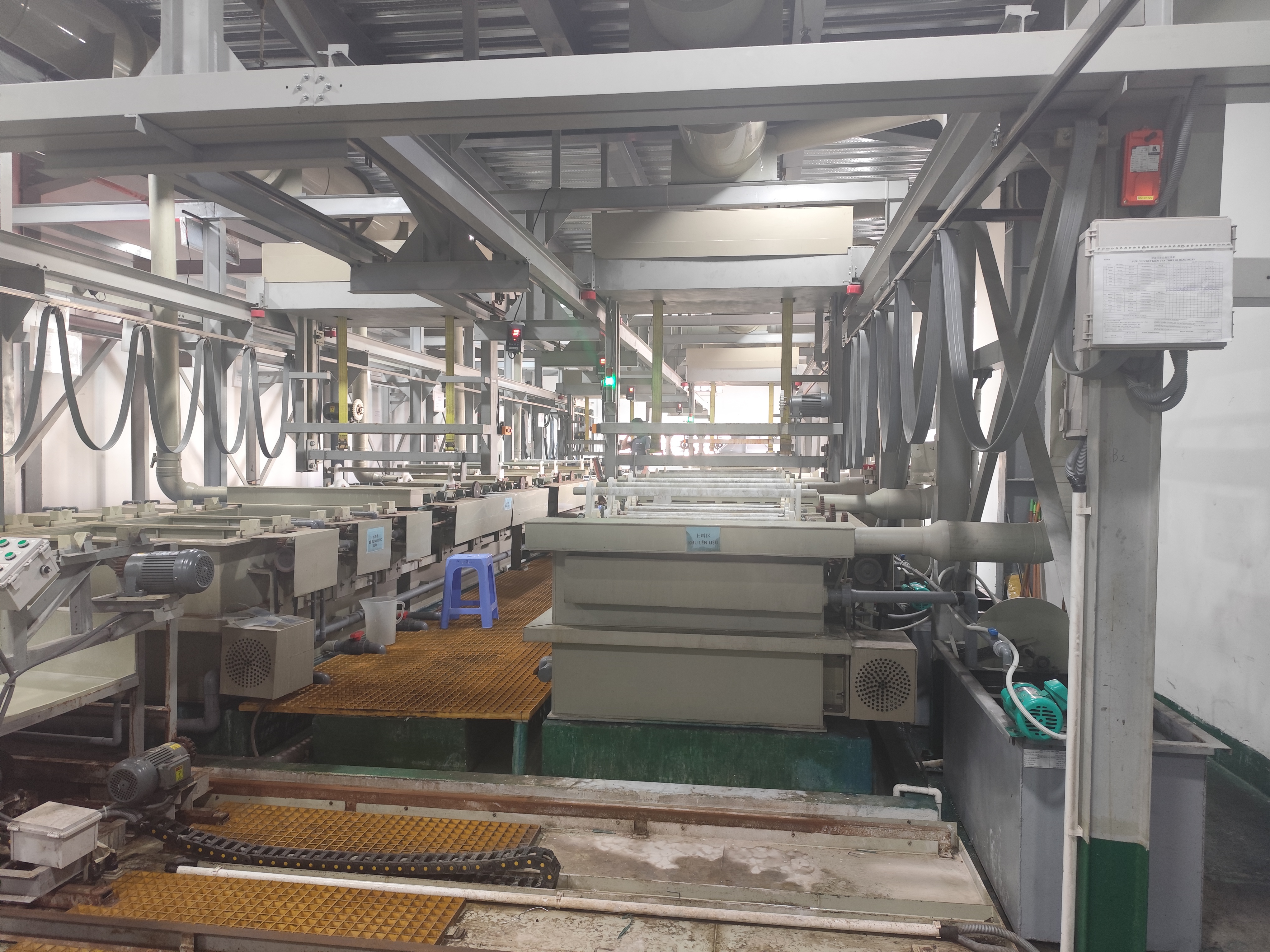

I learned the hard way that email exchanges alone never reveal the truth about a Vietnam sheet metal fabrication supplier’s real capabilities.
To verify US OEM experience when sourcing Vietnam sheet metal fabrication, you must confirm the supplier’s direct US project history through ISO 9001 certification, on-site factory audits, US client references, quality control documentation, and trial orders — distinguishing real manufacturers from trading companies before committing to production.
This guide walks you through each verification step on-site factory audits 1. I will share the specific checks our team runs from our Vietnam office, the documents we collect, and the red flags we have caught over years of managing sheet metal supply chains for US buyers.
How can I verify a Vietnam supplier's track record with US-based sheet metal projects?
A few months ago, a US client asked us to vet a Vietnam supplier who claimed ten years of OEM export experience — but the production floor told a completely different story ASTM International 2.
You can verify a Vietnam supplier's US track record by requesting verifiable client references, reviewing export shipping records, confirming ISO 9001 certification, conducting an on-site factory audit, and starting with a paid prototype or trial order before committing to volume production.
Why On-Site Factory Audits Are Non-Negotiable
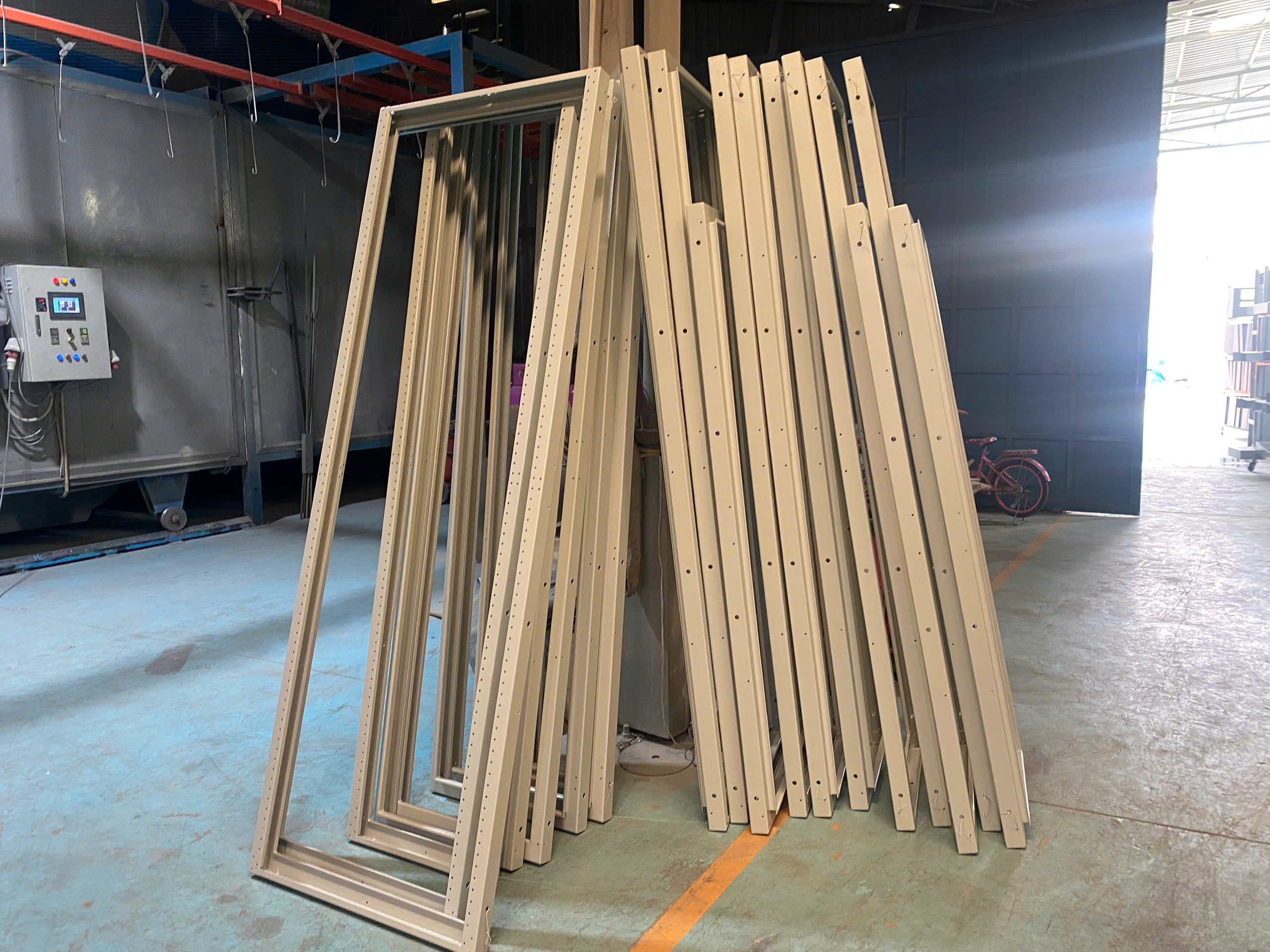
The single biggest risk in Vietnam sourcing is the trading company trap. Many suppliers presenting themselves online as factories are actually middlemen who subcontract work to unknown shops. You cannot detect this through email, video calls, or even Alibaba storefronts.
Our Vietnam team has visited over a hundred facilities in both the northern and southern industrial clusters. We look at specific things on the production floor. Are there TRUMPF or Bystronic fiber lasers? Is the powder-coating line automated or manual? Are there dedicated QC stations with calibrated instruments? These details separate real manufacturers from brokers renting showroom space.
When we conduct a Supplier Qualification Audit, we verify the business license, check equipment ownership records, and interview floor supervisors. A real factory has worn tooling, material scrap bins, and workers who can explain their process. A trading company has a clean office and vague answers.
Checking Export History and Client References
Ask for bill-of-lading records 3 or packing lists showing shipments to US ports. A supplier with genuine US OEM experience will have documentation readily available. We also request permission to contact their US clients directly. Repeat business from the same buyer over multiple years is the strongest signal of reliability.
Here is a quick reference for evaluating supplier credibility:
| Verification Method | What It Reveals | Reliability Level |
|---|---|---|
| ISO 9001 certificate (audited, not self-declared) | Quality management system in place | High |
| On-site factory audit | Real equipment, capacity, workforce | Very High |
| US client references (direct contact) | Actual delivery and quality performance | Very High |
| Export shipping records | Real trade history with US ports | High |
| Alibaba Gold Supplier badge | Paid membership, not quality proof | Low |
| Video call factory tour | Surface-level view, can be staged | Medium |
North vs. South Vietnam: Choosing the Right Cluster
Vietnam's manufacturing geography matters. The northern cluster around Hanoi tends to focus on precision work — tighter tolerances, smaller batches, and closer ties to Japanese and Korean OEM standards. The southern cluster around Ho Chi Minh City leans toward volume production and larger structural assemblies.
For US buyers needing precision-engineered brackets or complex mounting components with weld marks at specific joints and pre-drilled mounting holes at tight tolerances, the northern cluster often makes more sense. For high-volume enclosures and frames, the south offers better scale. Our team helps buyers match their requirements to the right region before shortlisting suppliers.
Supply chain transparency 4 starts with knowing exactly where your parts are made. We document the full chain — from raw material source to final inspection — so nothing is hidden.
What specific evidence should I request to prove their experience with US technical standards?
One trade-off we constantly weigh is speed versus thoroughness — a buyer wants quotes fast, but skipping the evidence-gathering phase leads to costly rework down the line.
Request ISO 9001 audit reports, ISO 3834 welding certifications, Mill Test Reports for raw materials, past first-article inspection reports for US clients, documented compliance with ASTM or IEC standards, and evidence of third-party inspection by agencies such as SGS, Bureau Veritas, or Intertek.
Certifications That Actually Matter
Not all certifications carry equal weight. An ISO 9001 certification 5 audited by an accredited body (like TÜV, SGS, or DNV) proves the supplier maintains a structured quality management system. But a self-declared ISO certificate printed in-house means nothing.
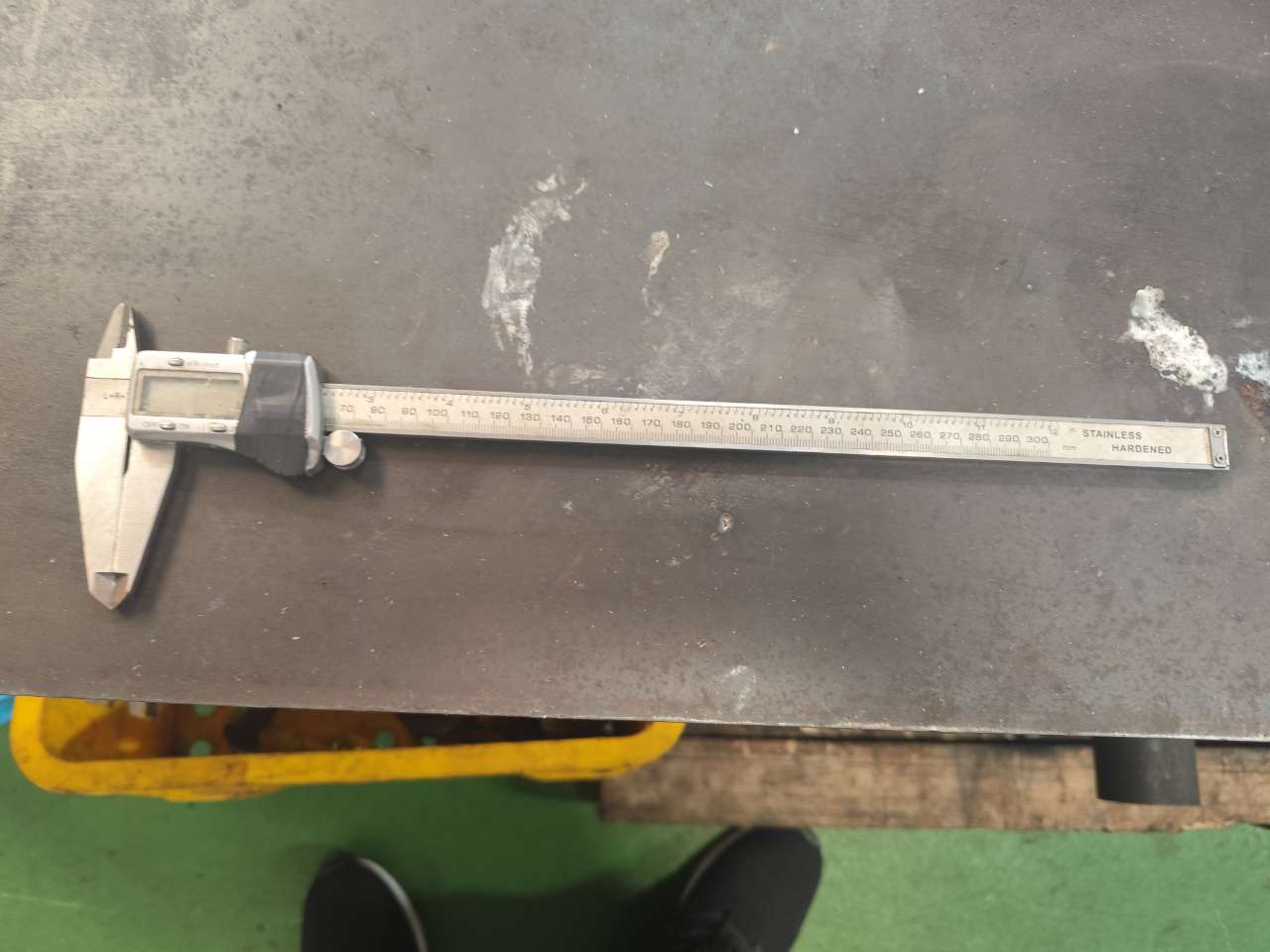
For sheet metal fabrication involving welding — like the heavy-duty mounting brackets with visible weld marks at joints that we regularly source — ISO 3834 certification for welding quality is critical. ISO 3834 welding certifications 6 This standard ensures the supplier controls welding procedures, welder qualifications, and post-weld inspection.
Material certifications are equally important. Every batch of steel or aluminum should come with a Mill Test Report 7 (MTR) tracing the material back to the mill. This is not optional for US import regulations and trade compliance — it is a baseline requirement.
Documents to Request Before Placing Any Order
Here is a practical checklist we use when vetting a new Vietnam supplier for US OEM sheet metal projects:
| Document | Purpose | When to Request |
|---|---|---|
| ISO 9001 certificate (verify issuing body) | Confirms quality management system | During initial supplier vetting process |
| ISO 3834 welding certificate | Validates welding procedure control | If parts involve welding |
| Mill Test Reports (MTRs) | Traces raw material origin and composition | Before production begins |
| First Article Inspection Report 8 (FAIR) | Proves ability to meet drawing specs | After prototype / first run |
| Equipment calibration records | Shows measurement tools are accurate | During factory audit |
| Third-party test reports (SGS, Intertek) | Independent verification of product quality | Before shipment |
| NDA / IP protection agreement | Protects proprietary OEM designs | Before sharing drawings |
Intellectual Property and Data Security
US buyers rightfully worry about intellectual property protection when sharing complex OEM drawings with overseas suppliers. Before sending any CAD files or engineering specifications, we ensure an NDA is signed and we evaluate the supplier's cybersecurity practices. Are drawings stored on secure servers? Who has access? Is there a policy for handling proprietary files?
We also check whether the supplier works with competing brands. A factory producing similar products for your direct competitor raises obvious IP risks. These are questions best answered face-to-face, during the audit, not over email.
Third-party inspection agencies add another layer of trust. When SGS or Bureau Veritas independently tests your parts and issues a report, you have documentation that holds up regardless of what the supplier claims. We build this into every project timeline — it is a non-negotiable part of our supplier vetting process.
How do I assess if their project management team can handle my complex OEM drawing requirements?
A lesson our team learned early in Vietnam: a factory can own world-class equipment and still deliver non-conforming parts if the project management layer is weak.
Assess a supplier's project management capability by evaluating their English-speaking engineering team, reviewing their Design for Manufacturability (DFM) feedback process, checking how they handle drawing revisions, and testing their responsiveness with a real prototype order involving your most complex specifications.
Communication Is Where Most Projects Fail
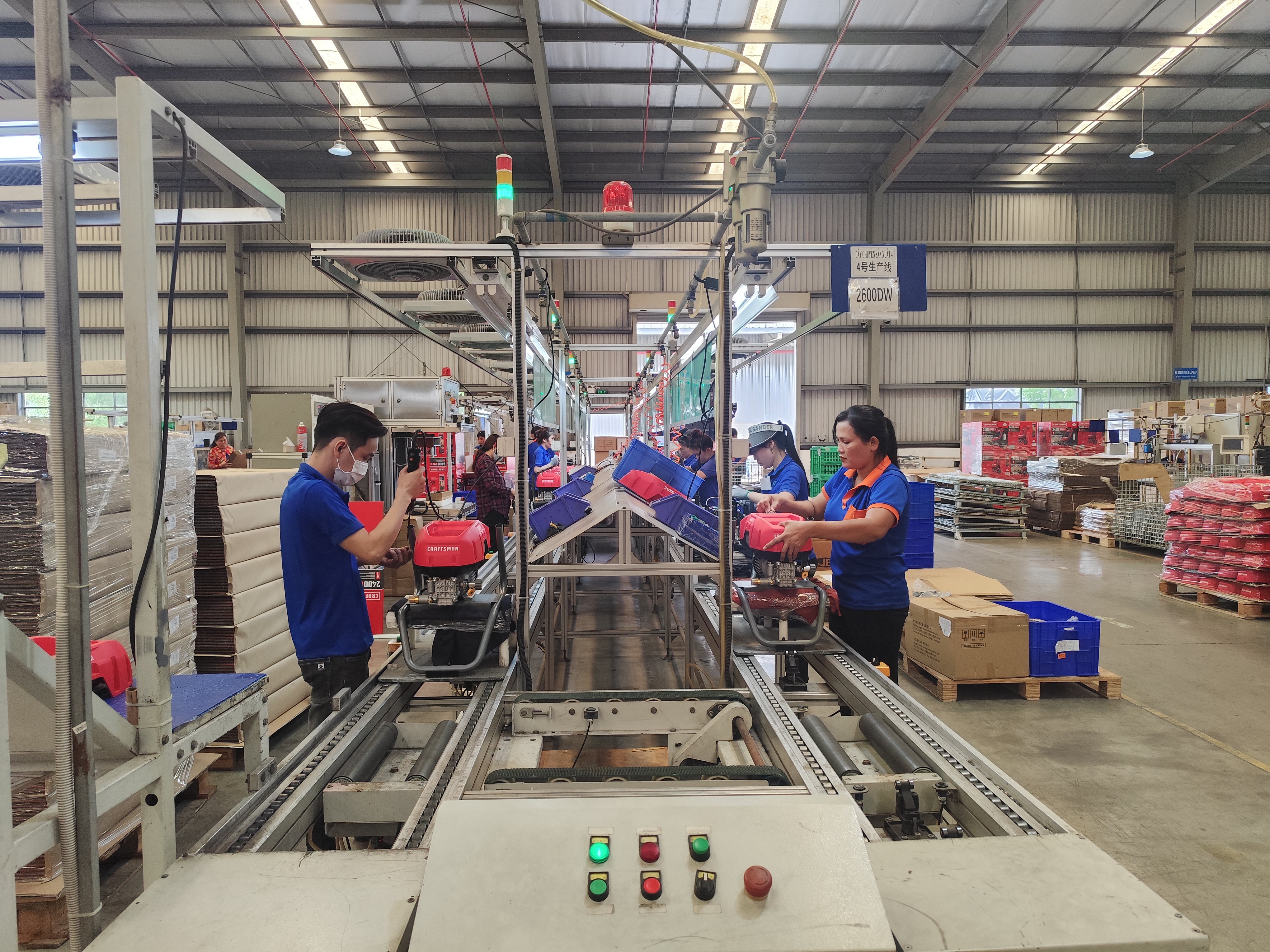
The number one pain point I hear from US purchasing managers is not price — it is communication. Suppliers who lack professional expertise overlook critical drawing requirements. A tolerance callout gets missed. A surface finish specification is ignored. A material grade is substituted without approval. These mistakes are almost always rooted in poor project management, not poor machining.
When we evaluate a Vietnam supplier’s PM team, we look for specific behaviors. Do they issue a formal DFM review within 48 hours of receiving drawings? Do they flag potential issues proactively — like a bend radius that is too tight for the specified material thickness? Do they confirm every revision in writing?
What a Strong PM Process Looks Like
Here is how we structure the project management handoff for a typical US OEM sheet metal project, and what we expect the supplier to mirror:
-
Drawing Receipt and Review — The supplier's engineering team reviews all drawings within two business days. They issue a formal DFM report highlighting any concerns, suggested changes, or clarification requests.
-
Kick-Off Meeting — A video or phone call with the project manager, lead engineer, and QC lead. We confirm material specs, tolerances, surface finishes, and packaging requirements.
-
Prototype / First Article — The supplier produces a small batch. We conduct a First Article Inspection against the drawing. Deviations are documented and corrected before mass production.
-
Revision Control — Every drawing change is logged with a revision number. The supplier confirms receipt and implementation of each revision in writing.
-
Progress Updates — Weekly status reports during production, including photos of in-process parts and any issues encountered.
A supplier who cannot describe this kind of structured approach during the evaluation phase will almost certainly struggle with your complex OEM requirements once production starts.
Testing Responsiveness Before Committing
I always recommend sending a moderately complex drawing — not your most critical part, but something with enough detail to test the supplier's attention. Include a few intentional challenges: a tight tolerance on one dimension, a specific surface finish callout, and a note requiring a particular material grade.
Then observe. How quickly do they respond? Do they ask clarifying questions, or do they just quote a price? Do they catch the tight tolerance and comment on it? A supplier who sends back a price within an hour without any technical questions is a red flag. That means nobody actually read the drawing.
Our team in Vietnam sits across the table from these project managers regularly. We know which factories have engineers who genuinely understand CNC machining tolerances, laser cutting kerf allowances, and welding distortion control — and which ones are just sales teams with a calculator.
What quality control documentation should I review to ensure my custom parts are right the first time?
During a recent pre-shipment inspection at a Vietnam facility, our QC engineer caught a dimensional deviation on a batch of precision-engineered mounting brackets — the kind of error that would have cost our US client weeks of rework and thousands in scrap.
Review the supplier's Incoming Material Inspection records, In-Process Quality Control checklists, First Article Inspection Reports (FAIR), final dimensional inspection data with CMM reports, Factory Acceptance Test (FAT) documentation, and third-party pre-shipment inspection certificates to ensure your custom parts are right the first time.
The "Right First Time" Standard
Getting custom sheet metal parts right the first time is not luck. It is the result of documented, repeatable quality control measures at every stage of production. When I review a supplier's QC system, I want to see evidence — not promises.
The QC process should begin before any metal is cut. Incoming material inspection verifies that the steel or aluminum matches the MTR and meets the specified grade, thickness, and surface condition. I have seen suppliers substitute cheaper material grades to save a few cents per kilogram. Without incoming inspection records, you would never know.
Stage-by-Stage QC Breakdown
| Production Stage | QC Checkpoint | Documentation Required |
|---|---|---|
| Material receiving | Verify material grade, thickness, MTR match | Incoming Material Inspection Report |
| Laser cutting / CNC machining | Dimensional check on first pieces | First Article Inspection Report (FAIR) |
| Bending / forming | Angle verification, bend radius check | In-Process Inspection Checklist |
| Welding | Visual inspection, weld quality per ISO 3834 | Weld Procedure Qualification Record |
| Surface treatment (powder coating, sandblasting) | Coating thickness, adhesion test | Surface Treatment Test Report |
| Assembly (if applicable) | Fit check, hole alignment, hardware torque | Assembly Inspection Checklist |
| Final inspection | Full dimensional inspection, visual, packaging | Final Inspection Report with CMM data |
| Pre-shipment | Third-party random sample verification | Third-Party Inspection Certificate |
Factory Acceptance Testing (FAT)
For more complex assemblies — like electrical enclosures or multi-component mounting systems — Factory Acceptance Test 9ing goes beyond dimensional checks. FAT verifies that the assembled product functions as intended. For sheet metal enclosures housing electrical components, this includes verifying IEC standard compliance, checking IP ratings, and confirming that all mounting holes align with the mating components.
We build FAT protocols into every project plan. The test criteria are agreed upon before production starts, and the supplier must document every test result. This is especially important for parts destined for US end-users who expect compliance with specific US import regulations and industry standards.
Calibration and Equipment Maintenance
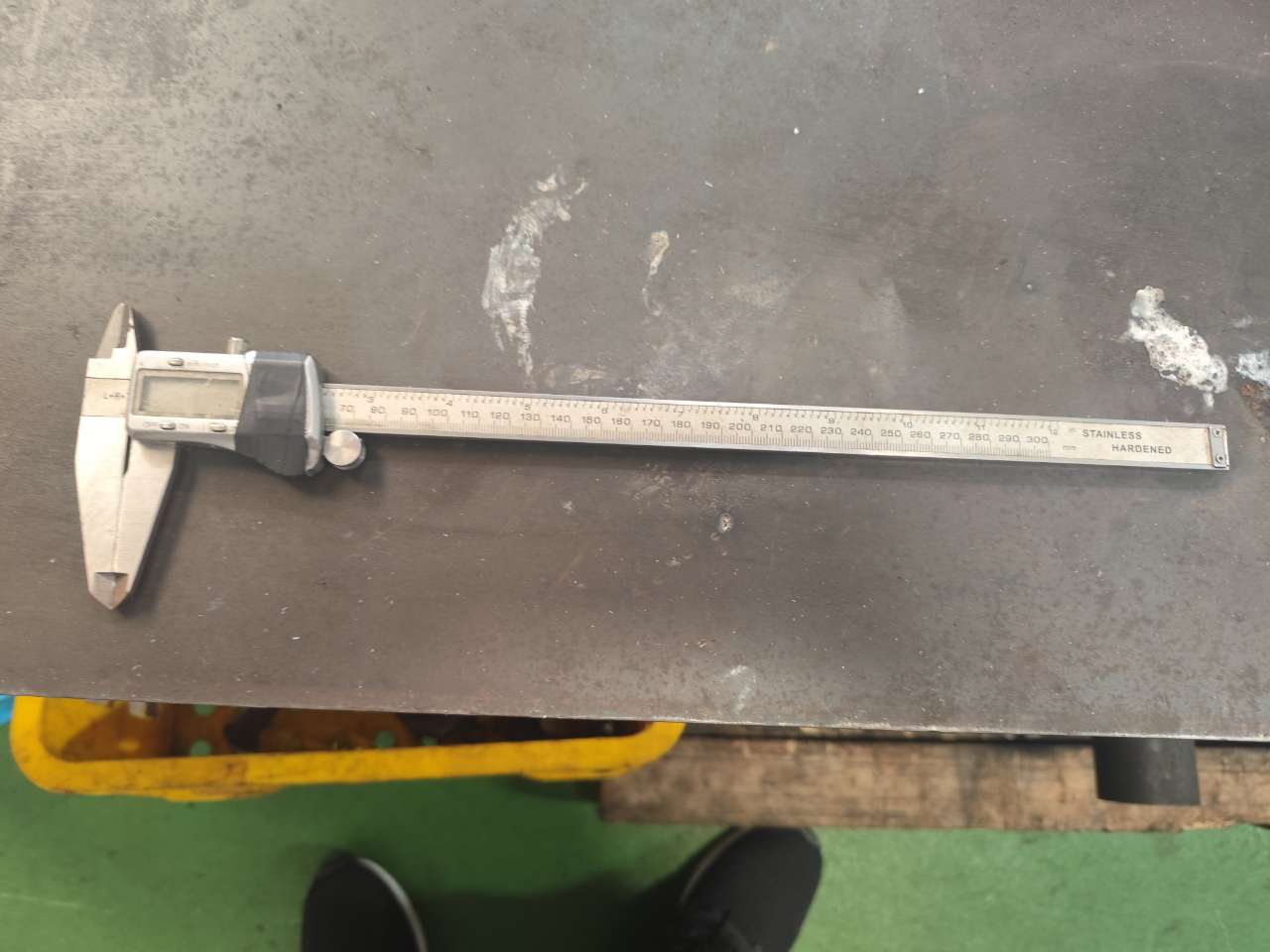
A detail that many buyers overlook: the accuracy of a supplier's inspection depends on the accuracy of their measurement tools. I always ask for equipment calibration records. CMM machines, calipers, micrometers, and gauges should all have current calibration certificates traceable to national standards.
Suppliers who have adopted predictive maintenance for their fabrication machinery — monitoring laser cutter performance, press brake accuracy, and CNC spindle health — tend to produce more consistent parts. This is because equipment drift is caught before it causes defects, not after.
Lead times also improve when QC is strong. Parts that pass inspection the first time do not need rework cycles. For US buyers managing tight production schedules, this directly impacts your ability to meet downstream commitments. Understanding common pitfalls and misconceptions in sheet metal fabrication procurement can help you avoid these costly delays from the start.
Conclusion
Verifying US OEM experience in Vietnam sheet metal fabrication requires audits, documentation, and structured project management — not just email exchanges and quoted prices. If you are sourcing sheet metal fabrication for the first time, building this verification framework early will save you significant time and cost downstream.
Frequently Asked Questions
How can I verify a Vietnam supplier's track record with US-based sheet metal projects?
A few months ago, a US client asked us to vet a Vietnam supplier who claimed ten years of OEM export experience — but the production floor told a completely different story ASTM International 2 .
What specific evidence should I request to prove their experience with US technical standards?
One trade-off we constantly weigh is speed versus thoroughness — a buyer wants quotes fast, but skipping the evidence-gathering phase leads to costly rework down the line.
How do I assess if their project management team can handle my complex OEM drawing requirements?
A lesson our team learned early in Vietnam: a factory can own world-class equipment and still deliver non-conforming parts if the project management layer is weak.
Footnotes
1. Details the importance and comprehensive checklist for factory audits. ↩︎
2. Official website of the global standards development organization. ↩︎
3. Defines the legal document used for shipping goods and its importance. ↩︎
4. Discusses the concept and benefits of supply chain transparency for businesses. ↩︎
5. Explains the purpose and process of ISO 9001 certification. ↩︎
6. Official ISO standard for quality requirements in fusion welding. ↩︎
7. Comprehensive guide explaining the definition and importance of MTRs. ↩︎
8. Explains the purpose and components of a First Article Inspection Report. ↩︎
9. Defines FAT and outlines its process to ensure customer requirements are met. ↩︎