
Last quarter, I helped a US distributor recover from a failed Vietnam sourcing attempt — wrong tolerances, missed deadlines, zero traceability ASTM standards 1. Verifying Vietnam sheet metal fabrication suppliers before committing prevents these costly mistakes.
To verify Vietnam sheet metal fabrication suppliers have US industrial distributor experience, request export records to US addresses, check ISO 9001 certification, contact US client references directly, review QC documentation against ASTM standards, and conduct a factory audit in Vietnam either in person or through a trusted third-party inspection agency.
Below, I break down the exact steps our team in Vietnam uses to vet suppliers for US-bound custom sheet metal projects. Each section targets a specific concern that purchasing managers raise most often.
How can I verify a Vietnam supplier's track record with other US industrial distributors?
A conversation with a new client in Ohio last year taught me something important. He had already paid a deposit to a Vietnam fabricator who claimed "years of US experience" — but could not produce a single reference.
Verify a Vietnam supplier's US track record by requesting documented export records showing shipments to US addresses, calling at least two US distributor references directly, checking ISO 9001 certification validity, reviewing case studies of US-bound sheet metal projects, and cross-referencing claims through third-party sourcing agencies or factory audit reports.
Start with Export Documentation
The simplest proof is paperwork. Any supplier with genuine US export experience will have customs declarations, bills of lading, or commercial invoices showing shipments to American ports. When our Vietnam office evaluates a new sheet metal partner, we ask for redacted copies of at least three recent export documents. If the supplier hesitates or offers excuses, that is a red flag.
Look for consistency. A supplier shipping to the US once in 2019 is different from one with monthly shipments across multiple years. Regularity shows an established relationship, not a one-off order.
Demand Real US Client References
Do not accept a list of company logos on a website. Ask for the name, title, and direct contact information of a purchasing manager at a US industrial distributor they have served. Then call that person. Ask about on-time delivery rates, quality consistency, and how the supplier handled problems.
Our supplier vetting process always includes at least two reference calls. The questions I focus on:
| Question to Ask the Reference | What You're Really Checking |
|---|---|
| How long have you worked with this supplier? | Relationship stability |
| What is their on-time delivery rate? | Reliability under real conditions |
| Have you experienced quality rejections? | QC consistency |
| How do they handle non-conformances? | Problem-solving maturity |
| Do they meet US packaging and labeling requirements? | Export compliance awareness |
Use Third-Party Validation
If you cannot visit Vietnam yourself, engage a third-party inspection firm 2 like SGS, Bureau Veritas, or Intertek to conduct a factory audit in Vietnam. These audits evaluate production capacity, quality control systems, worker conditions, and management processes. Our Singapore team coordinates these audits regularly because we know that a supplier's claims need independent confirmation.
Sourcing platforms like ensun.io and specialized agencies also maintain databases of vetted metal fabrication capabilities in Vietnam. Cross-referencing supplier claims against these platforms adds another layer of confidence.
Check Certifications — But Verify Them
An ISO 9001 certification 3 is important, but not all certificates are equal. Some suppliers display expired or fraudulent certificates. Always verify the certificate number with the issuing body. A legitimate ISO 9001 certification means the supplier has documented quality processes, internal audits, and corrective action systems — all of which US distributors expect.
| Certification | What It Covers | Why US Distributors Care |
|---|---|---|
| ISO 9001:2015 | Quality management systems | Ensures repeatable, documented processes |
| AS/NZS 5131 | Structural steelwork fabrication | Validates structural integrity for industrial use |
| ASTM compliance | Material and testing standards | Required for many US industrial applications |
| RoHS / REACH | Hazardous substance restrictions | Needed for products entering US and EU markets |
What specific QC reports should I ask for to ensure my sheet metal parts meet US quality standards?
One lesson I learned early in this business: a supplier who says "we inspect everything" but cannot show you the report is a supplier who inspects nothing.
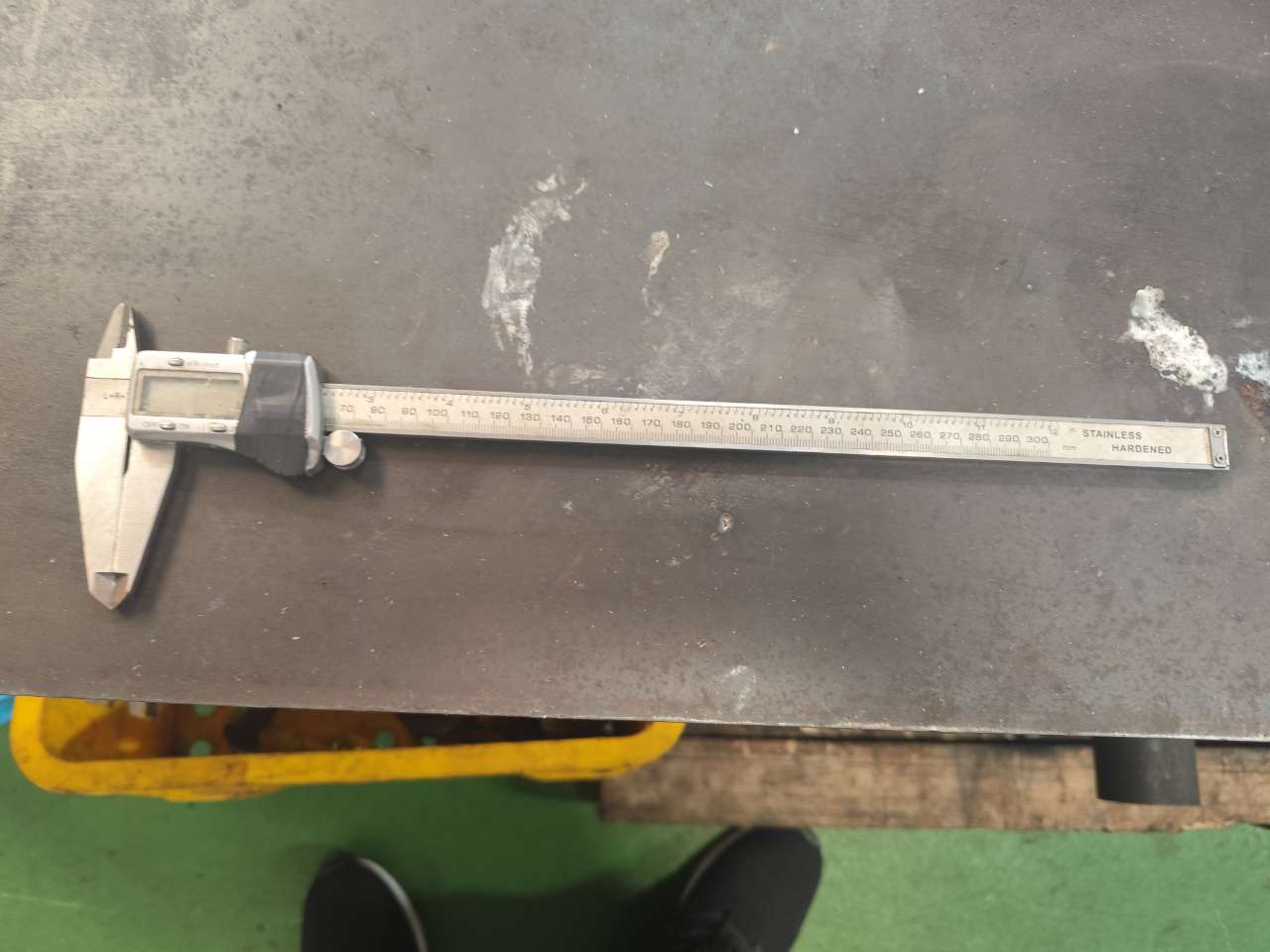
Ask for First Article Inspection Reports (FAIR), in-process inspection records, final inspection reports with dimensional data, material test certificates (MTCs), and PPAP documentation. These QC reports prove the supplier can consistently meet US quality standards for sheet metal parts, including ASTM material specifications and customer-defined tolerances.
The Five Essential QC Reports
Not all quality documentation is created equal. For sheet metal fabrication destined for US industrial distributors, I recommend requesting these five specific reports:
1. First Article Inspection Report (FAIR)
This report verifies that the first production piece matches every dimension, tolerance, and specification on the drawing. First Article Inspection Report 4 Our team insists on FAIR before any mass production begins. It catches misunderstandings about critical dimensions early — before hundreds of parts are cut wrong.
2. In-Process Inspection Records
These show measurements taken during production, not just at the end. For sheet metal, this means checking bend angles after CNC bending, weld penetration during welding, and surface finish before coating. A supplier with strong quality control systems will have structured checkpoints at each process stage.
3. Final Inspection Report
This is the gate between the factory floor and the shipping dock. It should include dimensional measurements, visual inspection results, and functional checks. We use AQL sampling plans based on the order quantity and criticality of the part.
4. Material Test Certificates (MTCs)
These certificates trace the raw material back to the mill. They confirm the steel grade, chemical composition, and mechanical properties. Material Test Certificates 5 US import regulations often require material traceability, especially for structural or safety-critical components.
5. PPAP Documentation
Production Part Approval Process documentation is standard in automotive, but many US industrial distributors now expect it for custom parts. PPAP includes the control plan, process flow diagram, measurement system analysis, and capability studies. When we manage OEM manufacturing in Vietnam, PPAP is part of our standard deliverable.
Matching Reports to US Standards
| US Standard | Relevant QC Report | What to Check |
|---|---|---|
| ASTM A36 (structural steel) | Material Test Certificate | Yield strength, tensile strength, chemical composition |
| ASTM A480 (stainless sheet) | MTC + surface finish report | Flatness, surface roughness (Ra value) |
| AWS D1.1 (welding) | Weld inspection report | Weld size, penetration, visual defects |
| Customer GD&T specs | FAIR + final inspection report | All critical-to-quality dimensions within tolerance |
What "Right First Time" Really Requires
The biggest pain point I hear from US purchasing managers is rework. Parts arrive, fail incoming inspection, and then begin a costly cycle of returns and re-manufacturing. The root cause is almost always a missing or inadequate QC step at the supplier's end.
A supplier who maintains proper quality control systems will have documented procedures for handling non-conformances, including root cause analysis and corrective actions. Ask to see their non-conformance log. If they have never recorded a single defect, they are not inspecting — they are ignoring.
Our approach is to embed process control at every stage. We review the supplier's control plan before production starts, define inspection criteria tied to the drawing, and conduct independent final inspection before shipment. This is what it takes to achieve "right first time" results consistently.
How do I assess if their communication and project management will prevent my typical sourcing delays?
The most technically capable factory I have ever worked with nearly lost a major US account — not because of bad parts, but because they took five days to answer emails.
Assess a Vietnam supplier's communication and project management by evaluating their English proficiency during technical discussions, response time to emails, use of structured project timelines, ability to interpret complex drawings accurately, and willingness to provide regular production status updates with photographic evidence.
Why Communication Failures Cause More Delays Than Production Problems
In my experience managing supply chain operations across Vietnam and China, the number one cause of delivery delays is not machine breakdowns or material shortages. It is miscommunication. A drawing note gets overlooked. A tolerance is misread. A change order is acknowledged but never implemented. By the time the error surfaces, weeks have passed and the production run is complete — with the wrong specification.
This is why our Vietnam office exists. Having a local team of seven people who speak both the technical language of manufacturing and the business language of US procurement eliminates the gap that causes these failures.
What to Evaluate Before Placing an Order
Before you commit to a Vietnam sheet metal supplier, run a simple communication test. Send them a moderately complex drawing with GD&T callouts. Ask them to review it and come back with questions within 48 hours. A supplier with genuine OEM manufacturing experience in Vietnam will ask smart questions — about material grade, surface finish expectations, critical versus reference dimensions, and acceptable weld appearance.
If they respond with "no questions, we can do it," be cautious. Complex sheet metal parts always have questions. A supplier who asks none either does not understand the drawing or does not care enough to clarify.
Project Management Red Flags and Green Flags
| Green Flags | Red Flags |
|---|---|
| Responds to emails within 24 hours | Takes 3+ days to reply without explanation |
| Provides a production timeline with milestones | Gives only a vague "4–6 weeks" delivery estimate |
| Assigns a dedicated project manager | Different person responds each time |
| Sends weekly progress photos and updates | Goes silent after order confirmation |
| Asks clarifying questions about the drawing | Claims "no problem" on every specification |
| Uses structured tools (Gantt charts, shared trackers) | Relies entirely on informal chat messages |
The Role of a Local Team
Having people on the ground in Vietnam makes a measurable difference. Our team visits supplier factories during production, checks in-process quality in real time, and resolves issues before they become shipment delays. For US purchasing managers working across a 12-hour time zone gap, this local presence acts as their eyes and ears.
Supply chain management 7 for custom parts is not just about finding a factory. It is about actively managing the project from order placement through final inspection and shipment. A good supplier will welcome this oversight. A bad one will resist it.
Can I confirm their experience with the door-to-door logistics and credit terms my US company needs?
A trade-off I weigh with every new supplier is this: can they make great parts but fail to get those parts through US customs and onto my client's dock on time?
Confirm a Vietnam supplier's logistics and credit term experience by reviewing their Incoterms familiarity (DDP, DAP, FOB), verifying freight forwarder partnerships, checking their history with US customs documentation, and asking whether they offer open account payment terms such as Net 60 or Net 90 — which are standard expectations for established US industrial distributors.
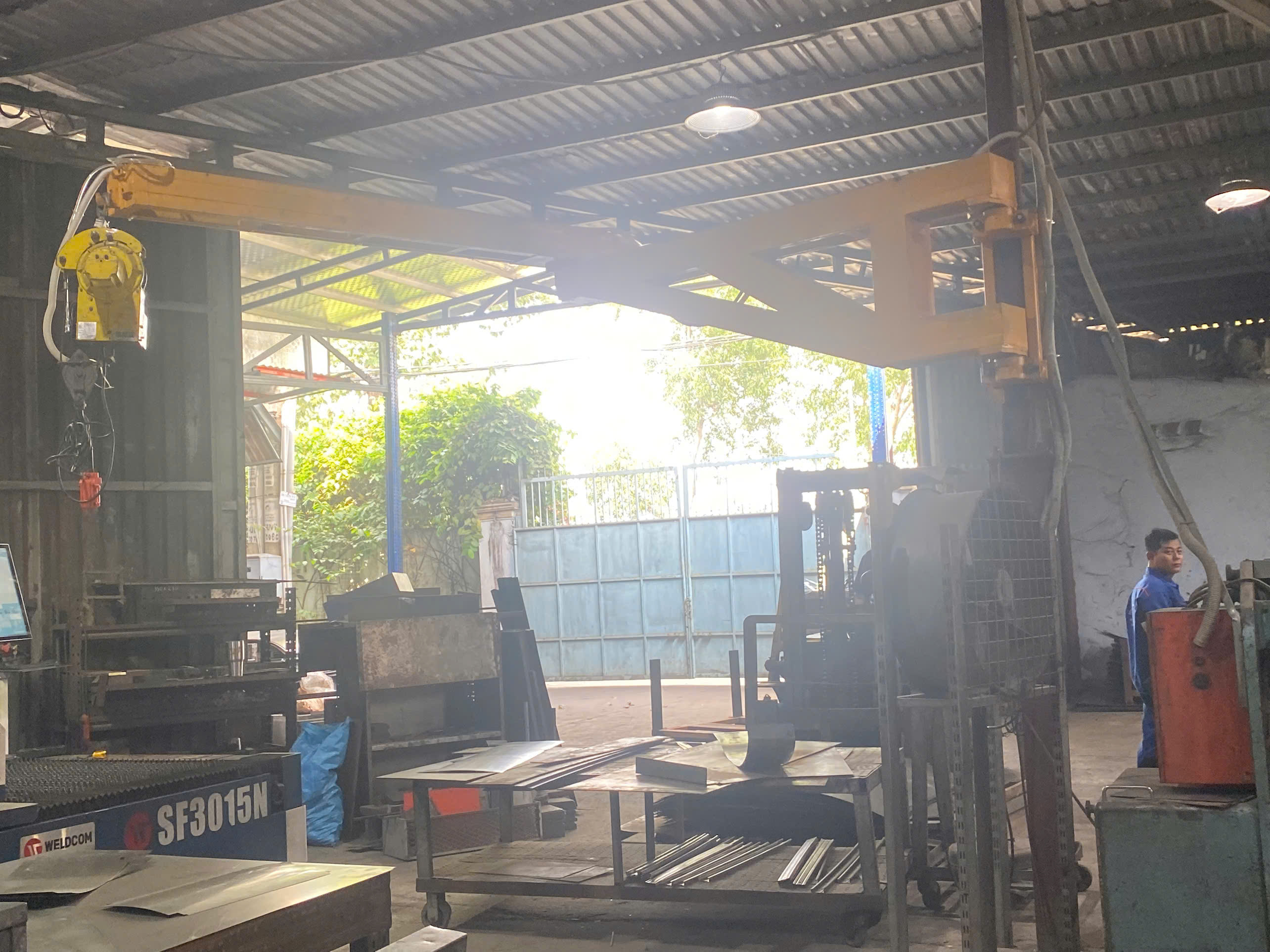
Logistics: More Than Just Shipping
Many Vietnam fabricators quote FOB Ho Chi Minh City and consider their job done once the container leaves the port. Incoterms familiarity 8 But US industrial distributors often need door-to-door delivery — meaning the supplier or their logistics partner manages ocean freight, customs clearance, and inland trucking to the final US warehouse.
When we handle projects for US clients, we manage the entire logistics chain. This includes export documentation, container booking, customs brokerage on the US side, and delivery scheduling. The difference between a smooth import and a container stuck at port is usually paperwork: the commercial invoice, packing list, certificate of origin, and any required compliance documentation for US import regulations.
Understanding Trade Agreements and Tariff Implications
Trade agreements between Vietnam and the US play a role in cost calculations. While Vietnam is not part of the USMCA, it benefits from certain trade preferences. However, tariff policies can shift. A supplier with genuine US export experience will understand the current duty rates for sheet metal components and help you classify products under the correct Harmonized System (HS) codes. Harmonized System codes 9
Ask the supplier:
- What HS codes have you used for similar products shipped to the US?
- Have any of your US shipments been held at customs? Why?
- Do you have an established freight forwarder with US customs clearance capability?
Credit Terms: The Cash Flow Question
Here is a reality that many Vietnam suppliers do not address: US industrial distributors expect credit terms. Paying 100% upfront or even 50/50 is not how established US companies operate. They need Net 60 or Net 90 10 payment terms to manage cash flow and align with their own receivables cycle.
Most small and mid-sized Vietnam fabricators cannot offer open account terms. They lack the financial structure or the trust in international receivables. This is where working with an intermediary like our team becomes valuable. We offer credit terms to qualified US clients because we have the financial stability and the risk management processes to support it. The supplier gets paid on their terms, and the US buyer gets the payment flexibility they need.
| Payment Term | Typical Availability from Vietnam Suppliers | Availability Through DEWIN |
|---|---|---|
| 100% T/T in advance | Common | Not required |
| 50% deposit / 50% before shipment | Very common | Available if preferred |
| Net 30 | Rare from direct suppliers | Available for qualified clients |
| Net 60 | Very rare | Available for qualified clients |
| Net 90 | Almost never from direct suppliers | Available for qualified clients |
| Letter of Credit (L/C) | Available from larger suppliers | Supported |
Production Capacity and Scalability
Beyond logistics and payment, US distributors need confidence that a supplier can handle volume increases. A factory running at 95% capacity today cannot absorb a 30% order increase next quarter. During a factory audit in Vietnam, we evaluate not just current output but also machine utilization rates, shift schedules, and expansion capability. This production capacity evaluation tells us whether the supplier can grow with the US distributor's demand or will become a bottleneck.
Conclusion
Verifying Vietnam sheet metal fabrication suppliers requires documented export records, validated certifications, direct US references, rigorous QC reports, and confirmed logistics and credit term capabilities. Proper supplier vetting protects your quality, timeline, and cash flow.
Frequently Asked Questions
How can I verify a Vietnam supplier's track record with other US industrial distributors?
A conversation with a new client in Ohio last year taught me something important. He had already paid a deposit to a Vietnam fabricator who claimed "years of US experience" — but could not produce a single reference.
What specific QC reports should I ask for to ensure my sheet metal parts meet US quality standards?
One lesson I learned early in this business: a supplier who says "we inspect everything" but cannot show you the report is a supplier who inspects nothing.
How do I assess if their communication and project management will prevent my typical sourcing delays?
The most technically capable factory I have ever worked with nearly lost a major US account — not because of bad parts, but because they took five days to answer emails.
Footnotes
1. The original URL is now accessible and is the official ASTM International website, an authoritative source. ↩︎
2. Introduces leading third-party inspection, testing, and certification companies. ↩︎
3. Explains the importance and scope of ISO 9001 quality management. ↩︎
4. Defines First Article Inspection Report (FAIR) and its purpose in manufacturing. ↩︎
5. Clarifies the role of Material Test Certificates (MTCs) in verifying material properties. ↩︎
6. Describes the Production Part Approval Process (PPAP) and its importance in quality control. ↩︎
7. Replaced HTTP 404 with an authoritative definition and overview from the Association for Supply Chain Management (ASCM). ↩︎
8. Provides an overview of Incoterms rules for international trade responsibilities. ↩︎
9. Replaced HTTP unknown with the official World Customs Organization page, the most authoritative source for HS codes. ↩︎
10. Defines Net 60 and Net 90 payment terms and their impact on cash flow. ↩︎