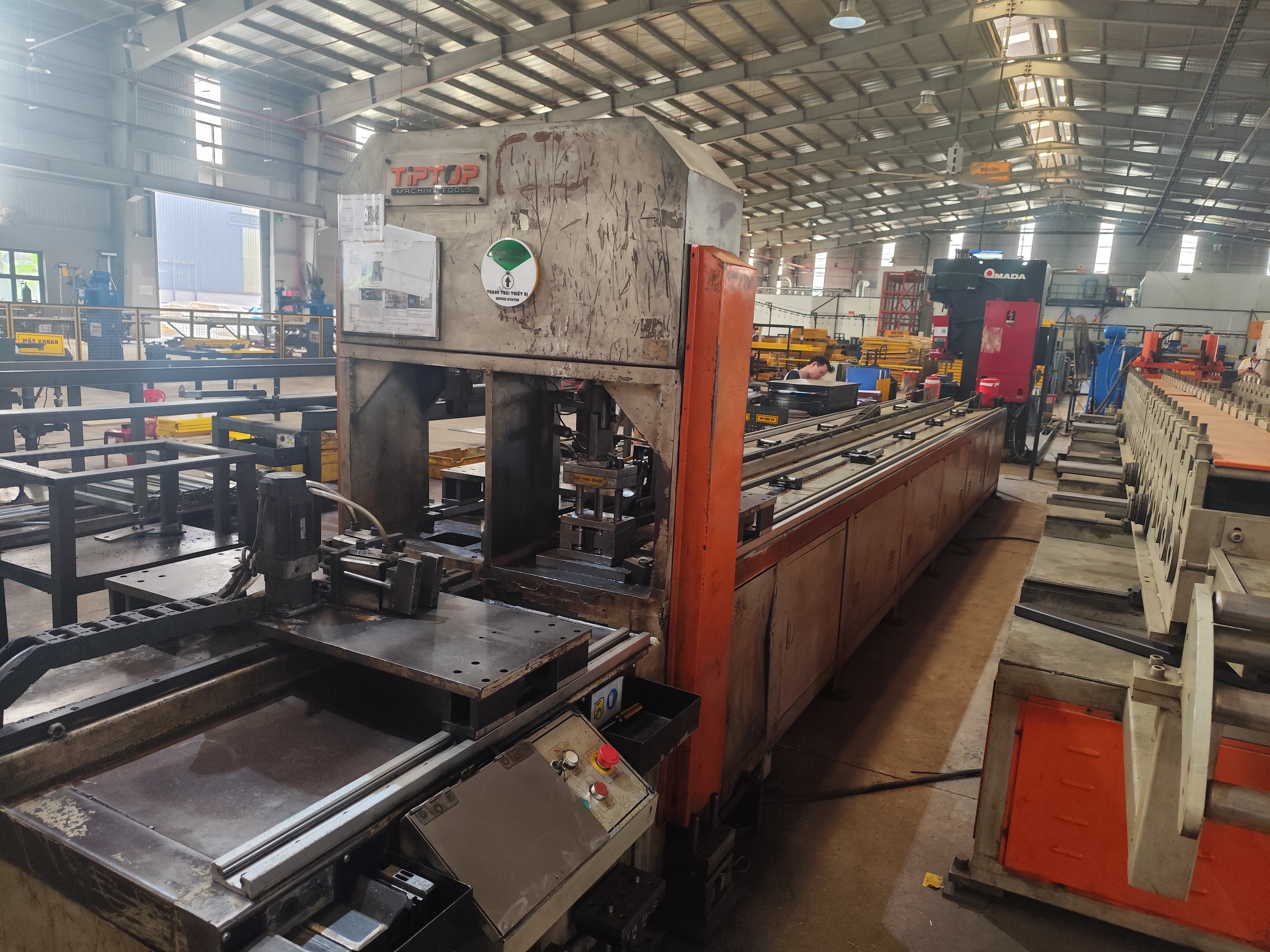

Last year, a U.S. buyer shared a nightmare with our team: they paid $18,000 in tooling to a Vietnam stamping shop that had never shipped a single container overseas — and the parts failed customs inspection on arrival.
To verify a Vietnam supplier’s export experience for stamping parts, review their Bill of Lading history, request export licenses and customs records, audit press capability and quality systems like ISO 9001 or IATF 16949, validate customer references, and run a pilot batch before committing production volume.
The steps below break this process into four clear areas. Each one covers what to check, what documents to request, and what red flags to watch for. Let’s start with the most direct verification method: checking past export records.
How can I check a Vietnam stamping supplier's past export records to the U.S.?
One lesson we learned early in our Vietnam office operations: a supplier's domestic reputation tells you almost nothing about their ability to ship internationally. The real test is whether they have actually moved containers through customs and delivered to overseas buyers.
Check a Vietnam stamping supplier's past U.S. export records by searching third-party customs shipment data platforms for their Bill of Lading history, verifying their Enterprise Registration Certificate, and cross-referencing their HS code usage for stamped metal parts like 7326.90 or 8708.99.

Start with Customs Shipment Data
Third-party trade databases let you search a supplier's name or tax ID 1 and pull their Bill of Lading 2 history. You want to see consistent shipment volumes over at least 12 months. Look for established buyer names in the U.S. or EU — not just one-off shipments to unknown entities.
When our team vets a potential stamping partner, we check whether their HS codes 3 match the parts we need. For precision metal stamping brackets or clips, common codes include 7326.90 (other articles of iron or steel) and 8708.99 (automotive parts). If a supplier claims five years of stamping exports but their records show only furniture hardware, that's a mismatch.
Verify Their Legal Registration
The Vietnam National Business Registration Portal allows you to cross-reference a supplier's tax ID and legal representative. This step confirms whether the company is registered as a manufacturer or a trading entity. Trading companies sometimes present factory photos that belong to someone else. We have seen this firsthand.
Look for Priority Enterprise Status
Vietnam Customs grants "Priority Enterprise 4" status only to highly compliant, high-volume exporters. If your supplier holds this designation, it signals a mature export operation. Similarly, participation in the SXXK (Import-for-Export) tax scheme means they are legally structured to import raw materials duty-free for export production.
Key Indicators to Check in Export Records
| Indicator | What It Tells You | Red Flag If Missing |
|---|---|---|
| Bill of Lading history (12+ months) | Consistent export activity | Sporadic or no shipments |
| HS codes matching your parts | Relevant product experience | Codes for unrelated products |
| Enterprise Registration Certificate | Legal manufacturing entity | Registered as trading company |
| Priority Enterprise status | High compliance, high volume | Not necessarily a deal-breaker |
| SXXK scheme participation | Structured for export production | May indicate domestic-only focus |
| Bonded warehouse access | Sophisticated logistics capability | Absent in smaller operations |
Contact the Industrial Park Management Board
If the factory sits inside an industrial park, the local Ban Quản lý Khu công nghiệp can verify the supplier's operational standing and their ratio of export-to-domestic production. This is a step most buyers skip. But it gives you a ground-level confirmation that no database can replicate.
What documents should I request to confirm a supplier's international shipping experience?
A buyer we work with in the Midwest once told us he wasted three months negotiating with a Vietnam shop that could not produce a single certificate of origin when asked. That delay pushed his product launch back an entire quarter.
Request export licenses, certificates of origin, past commercial invoices with FOB or CIF terms, packing lists, mill test certificates for raw materials, and any EVFTA or RCEP tariff documentation to confirm a Vietnam stamping supplier's international shipping experience.

The Document Pack Every Buyer Should Request
When we conduct supply chain due diligence for our U.S. clients, we request a standard document pack before any tooling commitment. Here is what it should include and why each item matters.
| Document | Purpose | What to Look For |
|---|---|---|
| Export license | Legal authorization to export | Valid dates, correct product scope |
| Certificate of origin (C/O) | Proves goods originate in Vietnam | Required for EVFTA/RCEP tariff benefits |
| Commercial invoices (past orders) | Shows FOB/CIF familiarity | Consistent Incoterms usage, real buyer names |
| Packing lists | Container loading competence | Proper packaging specs, weight accuracy |
| Mill test certificates (per coil) | Material traceability 5 | Chemical composition and mechanical properties match spec |
| FAIR/FAI reports | First Article Inspection capability | Full dimensional report on first 5–10 parts |
| SPC charts 6 (X-bar and R) | Process control evidence | Cpk ≥ 1.33 on critical dimensions |
| Die maintenance logs | Tooling discipline | Documented maintenance every 50,000–100,000 strokes |
Why FOB/CIF Familiarity Matters
This seems basic, but it is not. A supplier that has only sold domestically may not understand the difference between FOB and CIF terms. They may not know how to prepare export packing that survives ocean transit. We have inspected parts that arrived bent because the supplier used domestic-grade packaging for a 30-day sea shipment.
Export-ready suppliers demonstrate familiarity with container loading, desiccant placement, and basic English communication. These are baseline requirements, not extras.
Trade Agreement Documentation
Trade agreements change the math for buyers. Under EVFTA, 99% of tariffs are eliminated — metal stamped automotive components 7 exported from Vietnam to EU markets can face 0% tariff. RCEP opens broader Asia-Pacific access. But these benefits only apply if the supplier can produce the correct certificate of origin and tariff documentation.
Ask your supplier: "Have you shipped under EVFTA or RCEP before? Can you show me the C/O from a past shipment?" If they hesitate, they may not have the experience to navigate these frameworks. Learning how to verify export documents from Vietnam stamping parts suppliers can help you evaluate their documentation readiness more effectively.
Material Certification Is Non-Negotiable
Mill test certificates for every coil are a hard requirement. The certificate must show chemical composition and mechanical properties 8 that match your spec. "Equivalent" materials should never be accepted without independent testing — XRF or PMI verification on the first piece of every lot is the standard our team enforces.
This level of material traceability is tightening across the industry. Buyers who skip it risk receiving parts made from off-spec steel that fails in the field.
How do I verify a supplier's compliance with U.S. quality and customs standards?
During a factory audit last year in Binh Duong province, our Vietnam-based engineers discovered that a stamping shop was presenting subcontracted dies as in-house work. The wire-cut EDM machine in the corner had not been powered on in months. That single finding saved our client from a costly tooling mistake.
Verify compliance by conducting an on-site factory audit using a structured checklist that scores press capability, die quality, inspection systems like FAIR and SPC, and financial stability — then validate results through production-intent samples and a pilot batch with CTQ checkpoints.
The Factory Audit Checklist Approach
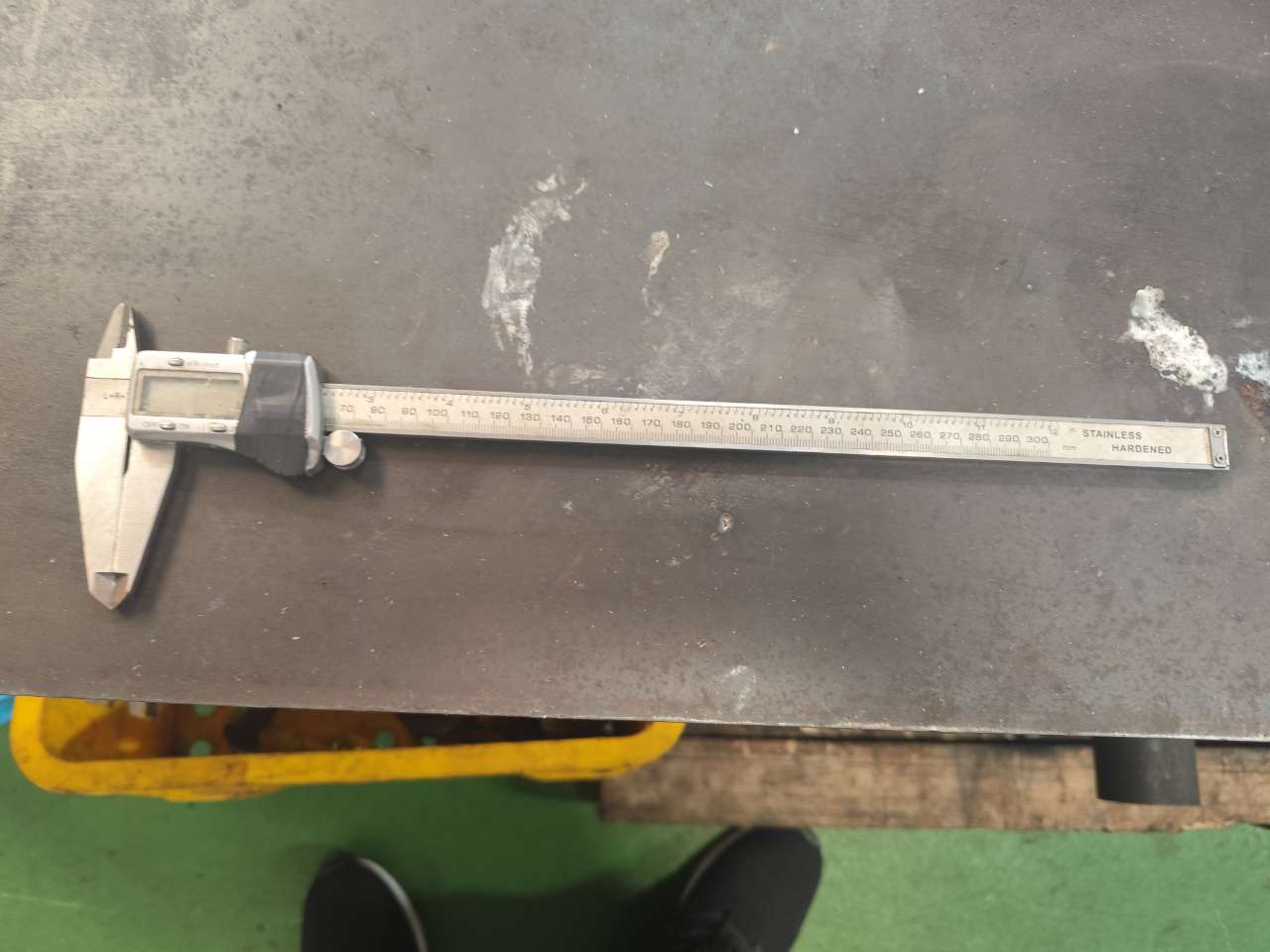
A structured audit — like the 50-point scoring system we use — covers four domains: press capability, die quality, inspection systems, and financial stability. Each domain gets a weighted score. The total determines whether the supplier is qualified, conditionally qualified, or disqualified.
Here is a simplified version of what we evaluate:
| Audit Domain | Key Checkpoints | Weight |
|---|---|---|
| Press capability | Tonnage range, servo vs mechanical, bed size, stroke rate | 25% |
| Die/toolroom quality | In-house EDM/wire-cut, tool steel grades, die maintenance records | 25% |
| Inspection systems | FAIR capability, SPC with Cpk ≥ 1.33, CMM or gauge availability | 30% |
| Financial & export readiness | Registered entity, export licenses, payment terms capability | 20% |
Press Capability Verification
Walk the shop floor. Count the presses. Note the tonnage range. For precision metal stamping brackets and clips — like the mounting hardware and shelf clips common in U.S. industrial applications — you need presses that match the part's tonnage requirement 9 with margin. Progressive die capability is essential for high-volume export orders.
Ask to see the press maintenance log. A well-run shop tracks preventive maintenance schedules. An unmaintained press produces inconsistent parts.
Die Maintenance Discipline
This is where many suppliers fail. Die maintenance should be documented every 50,000 to 100,000 strokes. Punch sharpening intervals and die wear tracking on critical stations must be recorded. If the supplier cannot show you these records, their die discipline is suspect.
Watch for this red flag: a supplier who claims in-house toolroom capability 10 but cannot show you active die maintenance records. Some shops subcontract die-making and only run production. That is not necessarily disqualifying — but they must be honest about it.
FAIR and SPC Requirements
First Article Inspection Reports should cover the first 5 to 10 parts from new tooling. Every dimension on the drawing gets measured and recorded. The FAIR must be approved before production starts. This is non-negotiable for export-quality work.
For ongoing production, SPC charts with Cpk ≥ 1.33 on key characteristics are the standard. Suppliers should provide X-bar and R charts. If they do not know what SPC means, they are not ready for your program.
The Pilot Batch Protocol
Before committing full volume, run a pilot batch. This is where you validate repeatability. Our workflow looks like this:
- Shortlist 3 to 5 suppliers by dominant stamping process
- Validate finishing capability (in-house vs outsourced)
- Request production-intent samples from actual tooling
- Run a pilot batch of 500 to 1,000 pieces
- Inspect against CTQ (Critical to Quality) checkpoints
- Scale only after pilot batch passes
If a supplier cannot deliver a clean pilot batch, they will not deliver a clean production run.
Tooling vs No-Tooling Decision
Not every project justifies stamping tooling. Below the tooling break-even volume, laser cutting and bending may be more economical. Tooling lead time is typically 4 to 8 weeks, and the investment must be amortized across enough parts to make sense. We always ask buyers: "What is your real annual volume?" Then we compare both routes.
Contract Safeguards for Tooling
Write these into your tooling contract:
- Die ownership: Buyer owns the die
- Maintenance responsibility: Supplier maintains at defined intervals
- Expected die life: Stated in number of strokes
- Tooling lead time: 4 to 8 weeks built into the program schedule
- Ramp criteria: Define what "production-ready" means before volume starts
Can I trust customer references to validate a Vietnam supplier's export track record?
A trade reference verification call taught us something surprising. We contacted three references a Vietnamese stamping supplier provided. Two were real — confirmed buyers with positive feedback. The third turned out to be the supplier's own trading company under a different name. That experience shaped how we handle references today.
Customer references are valuable but must be independently verified — contact references directly, confirm they are unrelated to the supplier, ask specific questions about on-time delivery, quality consistency, and communication, and cross-check claims against customs shipment data and audit findings.

What to Ask References
Do not just ask "Were you happy?" Ask specific, measurable questions. Here is the framework we use:
| Question Category | Specific Question | Why It Matters |
|---|---|---|
| Delivery | "What percentage of orders arrived on time in the last 12 months?" | Reveals reliability patterns |
| Quality | "How many lots required rework or were rejected?" | Shows first-time-right capability |
| Communication | "How quickly do they respond to engineering changes?" | Tests project management skill |
| Documentation | "Did they provide FAIR, SPC charts, and material certs without being asked?" | Indicates quality management system maturity |
| Problem resolution | "Describe the last quality issue and how they handled it." | Shows accountability and responsiveness |
Cross-Check References Against Data
References are one data point. They should align with what you find in customs shipment data, factory audit results, and pilot batch performance. If a reference says the supplier delivers 98% on time but their Bill of Lading history shows irregular, sporadic shipments, something does not add up.
We always triangulate. Customer references plus customs data plus audit scores give you a three-dimensional picture. Any single source can mislead you. For a deeper framework on this process, see how to evaluate a Vietnam stamping supplier’s track record with US OEM brands.
The Cost Advantage Context
Understanding why Vietnam is attractive helps frame the verification effort. Total cost of ownership for export-focused stamping programs can be up to 42% lower than China and 17% lower than Thailand. Trade agreements like EVFTA and RCEP amplify these savings. But savings mean nothing if the supplier cannot deliver conforming parts on time.
Vietnam is the leading destination for metal stamping relocation right now. Integrated die-design-and-stamping shops are becoming common in the export sector. Tooling and die-making capabilities are maturing rapidly. But some specialized components may still require import, and buyers should price that lead time into their planning.
Red Flags Summary
Before you commit die cost, watch for these warning signs:
- Subcontracted dies presented as in-house work
- Missing or fabricated die maintenance records
- No FAIR or SPC documentation
- Inconsistent coil traceability — no mill test certificates
- Lack of export paperwork (no C/O, no commercial invoices with FOB/CIF terms)
- References that cannot be independently verified
- IATF 16949 standards claimed but certificate scope does not cover stamping
The Verify-Before-You-Pay Checklist
Here is the practical sequence we follow before any tooling payment:
- Search customs databases for Bill of Lading history
- Verify Enterprise Registration Certificate on Vietnam's national portal
- Request and review the full document pack (export licenses, C/O, invoices, mill certs)
- Conduct an on-site or virtual factory audit with a structured checklist
- Contact at least three customer references and cross-check against shipment data
- Request production-intent samples from existing tooling
- Run a pilot batch with CTQ inspection at receiving
- Confirm EVFTA/RCEP documentation capability if shipping to EU or Asia-Pacific
- Sign tooling contract with die ownership, maintenance, and ramp criteria defined
- Scale production only after pilot batch approval
This sequence protects your investment. It takes effort upfront. But it costs far less than a failed shipment or a customs rejection. You can also assess the credibility of a Vietnamese stamping parts supplier as a complementary step in your due diligence process.
Conclusion
Verifying a Vietnam supplier's export experience for stamping parts requires customs data review, document verification, structured factory audits, reference checks, and pilot batch validation — all before committing tooling cost. Do the work upfront to protect your program.
Frequently Asked Questions
How can I check a Vietnam stamping supplier's past export records to the U.S.?
One lesson we learned early in our Vietnam office operations: a supplier's domestic reputation tells you almost nothing about their ability to ship internationally. The real test is whether they have actually moved containers through customs and delivered to overseas buyers.
What documents should I request to confirm a supplier's international shipping experience?
A buyer we work with in the Midwest once told us he wasted three months negotiating with a Vietnam shop that could not produce a single certificate of origin when asked. That delay pushed his product launch back an entire quarter.
How do I verify a supplier's compliance with U.S. quality and customs standards?
During a factory audit last year in Binh Duong province, our Vietnam-based engineers discovered that a stamping shop was presenting subcontracted dies as in-house work. The wire-cut EDM machine in the corner had not been powered on in months. That single finding saved our client from a costly tooling mistake.
Footnotes
1. Official government portal for verifying the legal registration and tax identification of businesses in Vietnam. ↩︎
2. Authoritative Wikipedia entry defining the document’s role in international trade. ↩︎
3. Official definition of the Harmonized System used by customs authorities to classify traded products globally. ↩︎
4. Details the special status granted by Vietnam Customs to highly compliant and high-volume export companies. ↩︎
5. Explains the process of tracking the history and application of materials throughout the supply chain. ↩︎
6. Overview of the statistical methodology used to monitor and control quality during the manufacturing process. ↩︎
7. Official European Commission page for the EU-Vietnam Free Trade Agreement. ↩︎
8. Defines the physical characteristics of materials, such as strength and elasticity, critical for engineering specs. ↩︎
9. Authoritative technical overview of stamping press capacity and mechanics. ↩︎
10. Authoritative source on the specialized role of tool and die making in manufacturing. ↩︎