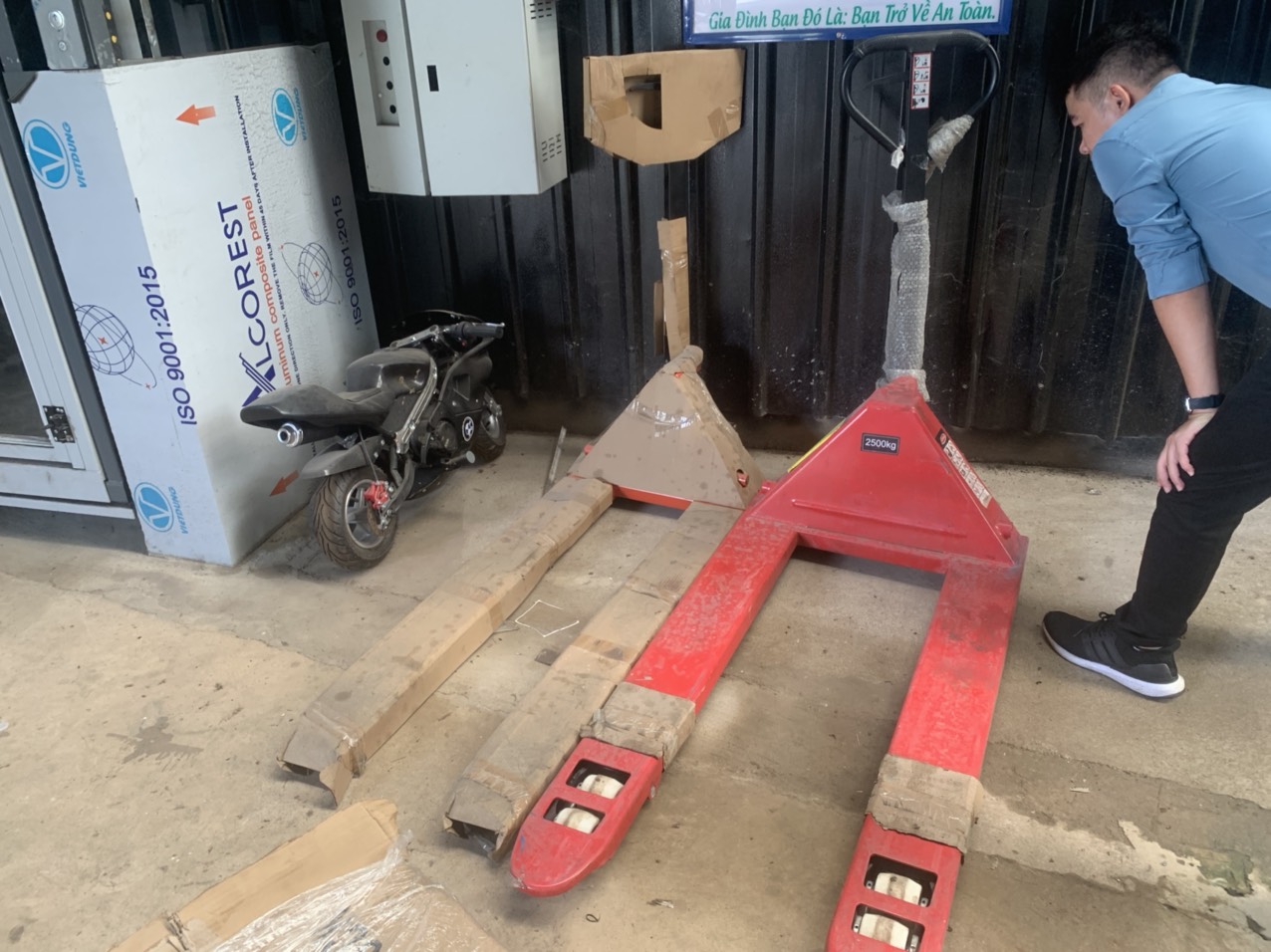
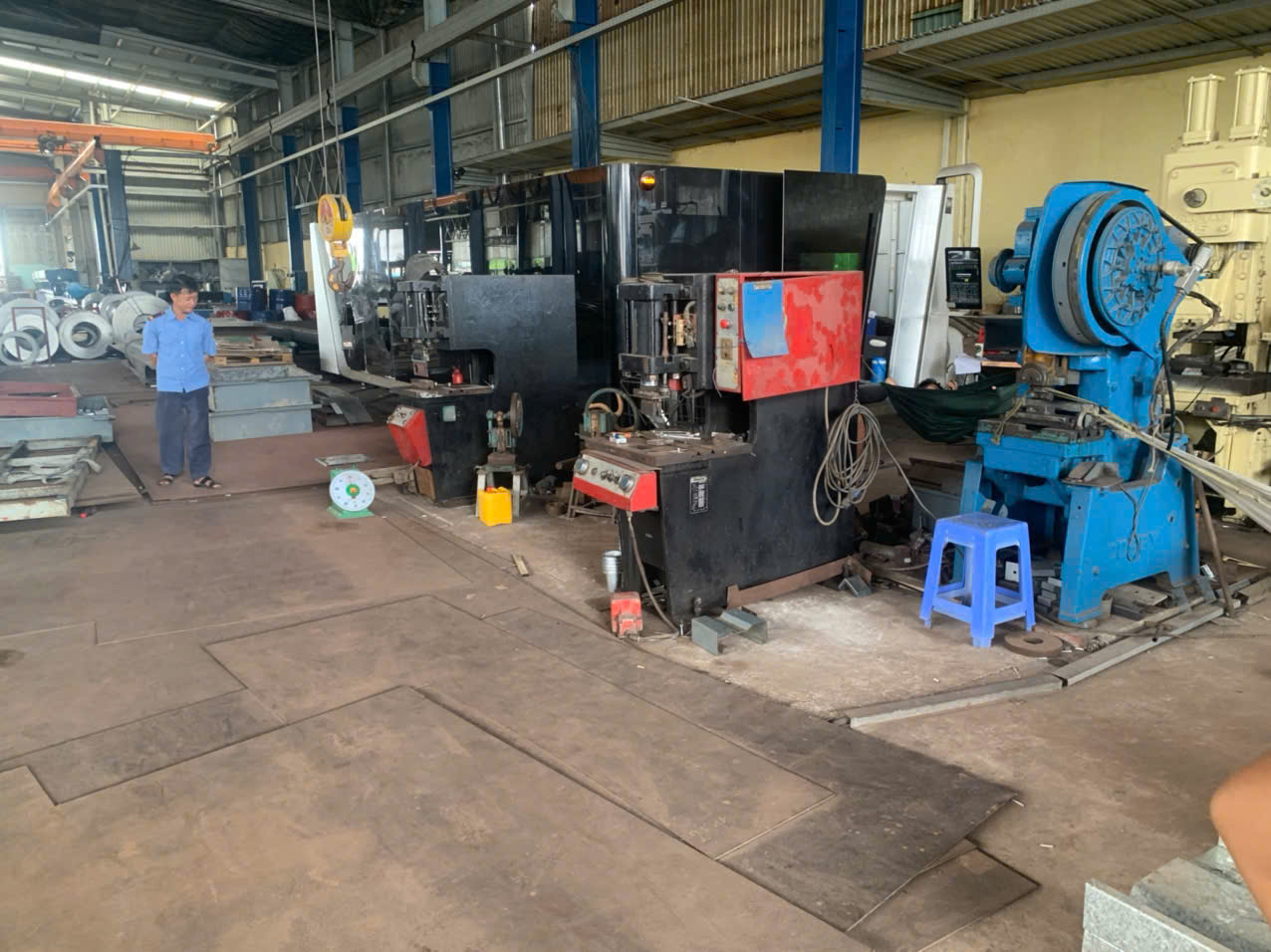
Verifying Vietnamese stamping parts suppliers against [EU environmental and social standards](https://dewintech.com/blog/how-verify-eu-environmental-compliance-stamping-parts-suppliers/) is now a legal necessity, not a courtesy. Our Vietnam-based team audits these factories weekly, and the gap between paper claims and reality can be alarming.
To verify Vietnamese stamping parts suppliers meet EU environmental and social standards, request REACH and RoHS declarations with test reports, review labor contracts and payroll records, demand third-party audits like SMETA or ISO 14001 certification, and conduct on-site factory inspections to expose paper-only compliance.
The EU Corporate Sustainability Due Diligence Directive 1 takes full effect in 2027. That deadline changes everything for buyers sourcing stamped metal parts from Vietnam. Below, I break down exactly what to check, in the order I check it myself.
What Documents Should I Request to Confirm REACH and RoHS Compliance for Vietnamese Stamping Parts?
Last quarter, our Vietnam office rejected a bracket supplier who presented a RoHS "certificate" that turned out to be a self-printed template. Real RoHS and REACH compliance leaves a specific paper trail, and I have learned to follow it document by document.
Request a signed RoHS Declaration of Conformity, a REACH SVHC declaration referencing the current candidate list, third-party lab test reports (XRF or wet chemistry) for coatings, Mill Test Reports for each metal batch, and safety data sheets for all lubricants and plating chemicals used.
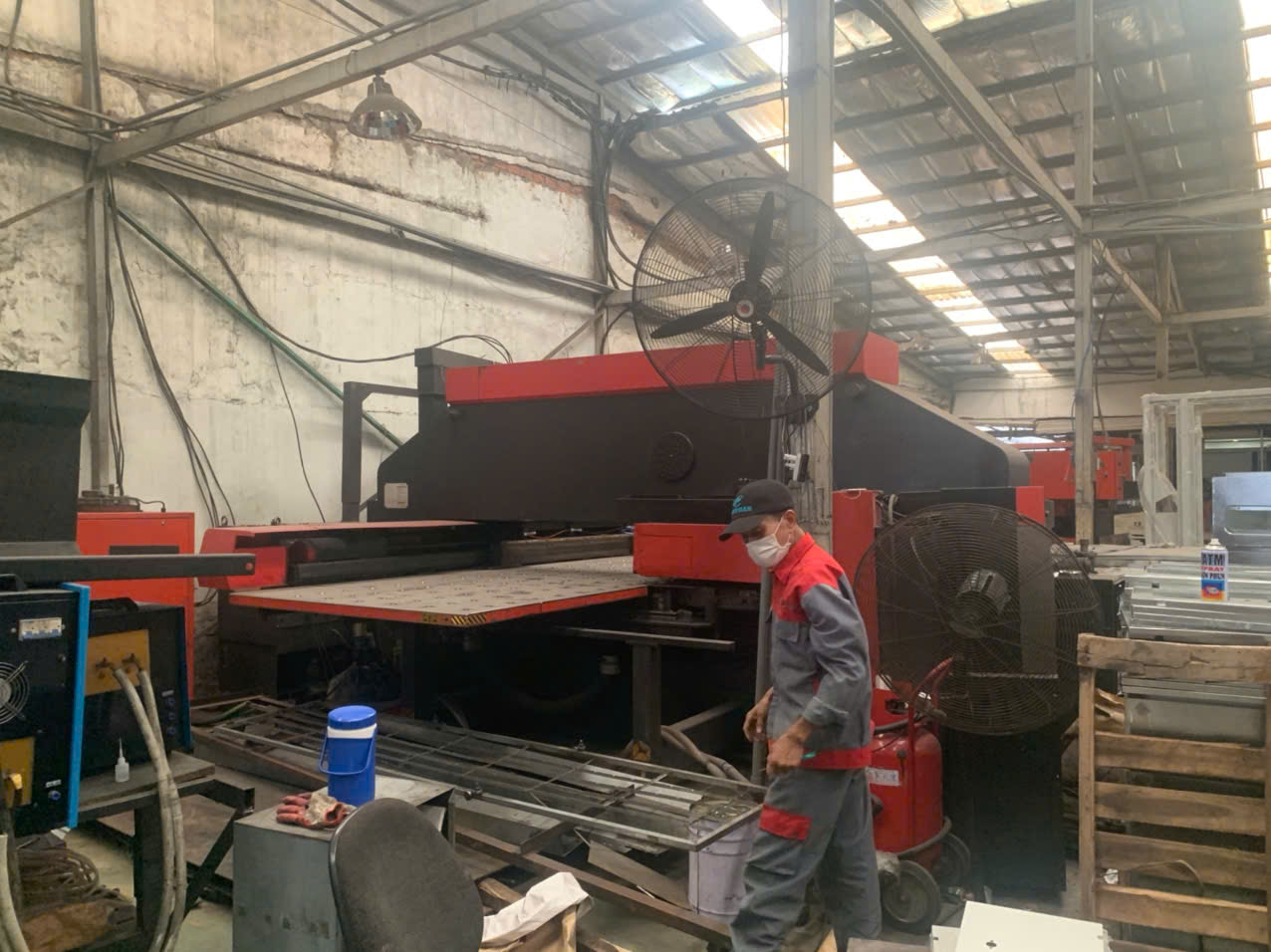
For stamped brackets and clips, the base steel is rarely the problem. The risk hides in the surface treatments. Zinc plating, nickel plating, passivation layers, and chromate conversion coatings can contain hexavalent chromium, lead, or cadmium. All three are restricted under RoHS. So when we audit a stamping shop, we always trace the plating subcontractor, not just the press shop.
The Core Evidence Pack
Here is the minimum document set I ask for before any stamped part ships to an EU-bound client:
| Document | What It Proves | Red Flag If Missing |
|---|---|---|
| RoHS Declaration of Conformity 2 | Restricted substances below limits | Supplier does not understand EU law |
| REACH SVHC declaration 3 | No substances of very high concern above 0.1% | Declaration cites an outdated candidate list |
| Third-party lab test report | Actual measured values for coatings | Only a self-declaration exists |
| Mill Test Report (MTR) | Chemical composition of each steel batch | No batch-level traceability |
| Safety data sheets (SDS) | Lubricants and chemicals are documented | Unknown stamping oils in use |
Check the Dates and the Scope
A test report from four years ago proves nothing about today's production. The REACH candidate list updates twice a year. I insist on RoHS and REACH compliance documents that are less than twelve months old and that name the exact part number, coating type, and plating subcontractor. Generic company-level declarations are close to worthless. Also verify the lab itself. Reports from accredited labs such as SGS, TÜV, or Bureau Veritas carry weight. Reports from an unnamed "internal lab" do not. When we develop custom parts with a new Vietnamese press shop, we often commission our own verification testing on first articles. It costs little compared to a rejected shipment at Rotterdam.
How Can I Verify a Supplier's Labor and Social Responsibility Practices Before Signing a Contract?
One buyer interaction sticks with me. A U.S. purchasing manager asked why we insisted on visiting a stamping factory's dormitories and canteen before approving them. Six months later, a competitor's supplier in the same industrial zone was exposed for unpaid overtime. Documents alone never told that story.
Verify labor practices by reviewing employment contracts, payroll records, and working-hours logs; interviewing workers privately during on-site visits; requesting SMETA social audit or SA8000 social accountability reports; and confirming a functioning grievance mechanism exists before signing any contract.

Stamping is high-risk work. Progressive presses, shear edges, and heavy coil handling mean occupational health and safety must sit at the center of any social assessment. Under the Corporate Sustainability Due Diligence Directive, your Vietnamese supplier becomes part of your legal due diligence chain. If they violate labor rights, the liability can travel upstream to the EU buyer.
What I Check On-Site
Our local team in Vietnam follows a consistent sequence during pre-contract social assessments:
- Contracts and payroll. We cross-check signed labor contracts against actual payroll records and attendance logs. Mismatches suggest unrecorded overtime or informal hiring.
- Working hours. Vietnamese law caps overtime. We look for two sets of timekeeping records, a classic concealment tactic.
- Age verification. We review ID copies and hiring procedures to rule out underage labor.
- Machine safety. We check press guarding, two-hand controls, light curtains, PPE issuance records, and incident logs. A stamping shop without finger-protection systems fails immediately.
- Worker interviews. We speak with operators privately, away from management. Ten minutes of honest conversation reveals more than a hundred pages of policy.
- Grievance channel. We confirm workers know how to raise complaints and that past complaints were actually resolved.
Recognized Social Audit Frameworks
A SMETA social audit (Sedex Members Ethical Trade Audit) is the most commonly accepted framework among EU buyers. SA8000 social accountability certification is stricter and less common in Vietnamese stamping shops SA8000 certification 4, but its presence is a strong positive signal. BSCI audits are also widely recognized. Whichever framework the supplier holds, ask for the full audit report and the corrective action plan, not just the certificate page. The findings section shows you what really happened during the audit and whether the supplier closed the gaps.
Which Third-Party Audits or Certifications Prove a Vietnamese Manufacturer Meets EU Environmental Standards?
There is a trade-off I weigh on nearly every sourcing project: a fully certified factory costs more per part, while a cheaper uncertified shop shifts the verification burden onto us. For EU-destined stamped parts, that trade-off has narrowed. Certification gaps now create legal exposure, not just quality risk.
ISO 14001 certification is the environmental baseline, supported by valid Vietnamese environmental permits, wastewater and waste-transfer records. Third-party factory inspections by SGS or Bureau Veritas, IATF 16949 quality management for automotive parts, and CBAM-ready carbon emissions data complete credible proof.
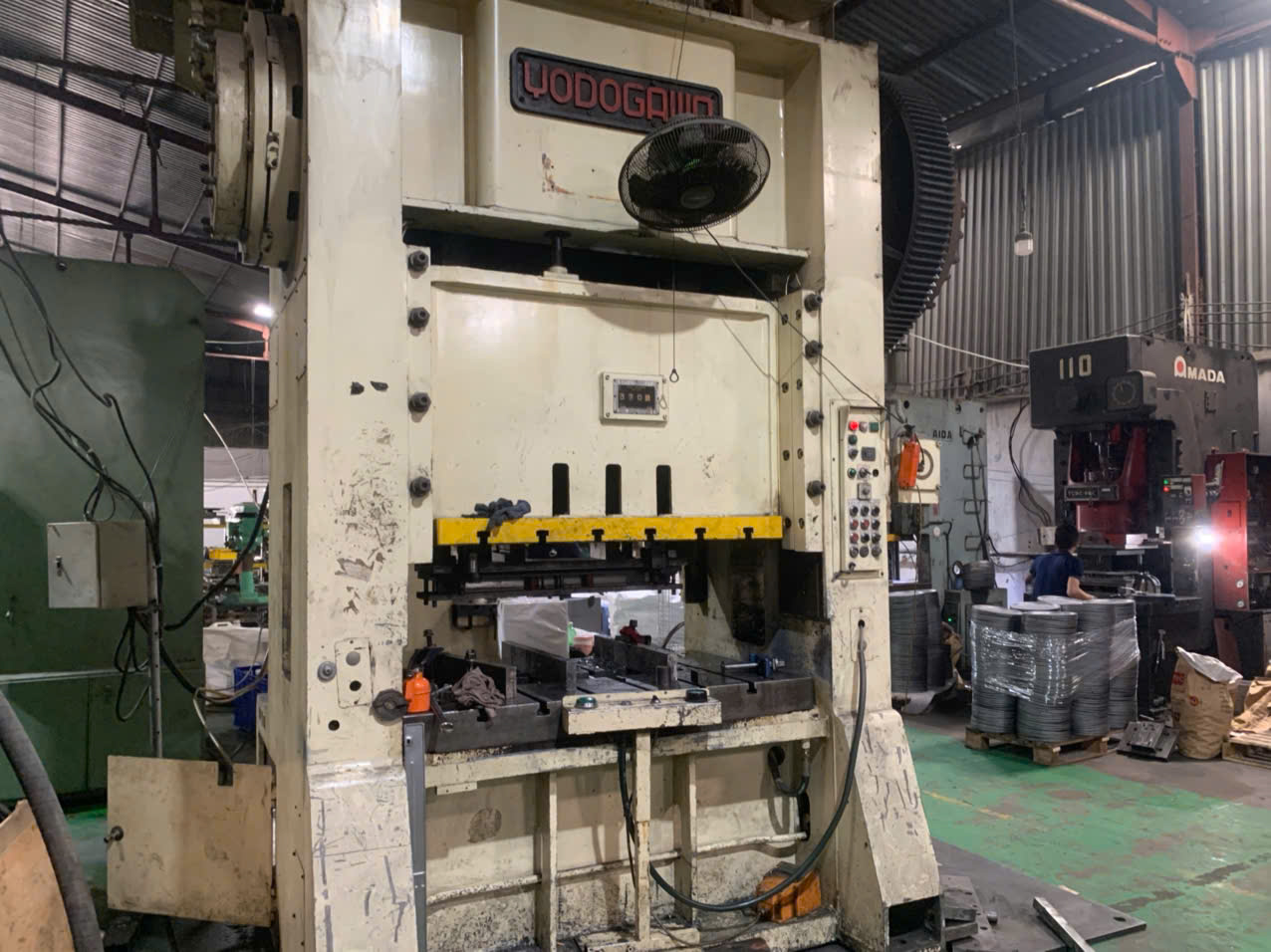
Certificates matter, but they are entry tickets, not proof of daily practice. I have walked through ISO 14001-certified stamping plants where used stamping oil sat in unlabeled drums beside a storm drain. The certificate was real. The behavior was not. That is why a third-party factory inspection, ideally unannounced, must sit alongside any certificate review.
Certification Hierarchy for EU-Bound Stamped Parts
| Certification / Evidence | Covers | Weight for EU Compliance |
|---|---|---|
| ISO 14001 certification 5 | Environmental management system | Baseline, mandatory expectation |
| ISO 9001 / IATF 16949 6 quality management | Quality systems, automotive rigor | Strong, especially for automotive brackets |
| Vietnamese environmental permit | Legal operation, discharge limits | Non-negotiable legal foundation |
| Wastewater and waste-transfer logs | Metal sludge and oil disposal | Critical stamping-specific evidence |
| SMETA / SA8000 audit reports | Social and labor compliance | Required under CSDDD due diligence |
| CBAM emissions data for steel/aluminum | Embedded carbon in raw material | Rapidly becoming mandatory |
| Conflict minerals reporting (tooling) | Tungsten/cobalt in dies | Increasingly requested |
Stamping-Specific Environmental Evidence
Metal stamping generates two problem streams: oily metal sludge and spent drawing lubricants. Both are classified as hazardous industrial waste in Vietnam. Ask for waste transfer notes showing licensed haulers took the material. Also ask where the scrap steel goes. A closed-loop arrangement returning offcuts to certified mills supports circularity claims. Untraceable scrap sales into informal markets do not.
Do not overlook the Carbon Border Adjustment Mechanism 7. Stamped steel and aluminum parts carry embedded emissions from upstream mills. Suppliers who can already provide verified carbon data per ton of input material are far better prepared for the EU's expanding CBAM scope. We now build ESG performance monitoring into our regular supplier scorecards for exactly this reason, tracking energy sources, waste handling, and audit closure rates quarter by quarter.
What Red Flags Should I Watch for When Assessing a Vietnamese Supplier's Sustainability Claims?
The hardest lesson from years of running supplier audits across Vietnamese industrial zones is this: the most dangerous supplier is not the one with no certificates. It is the one with perfect certificates and evasive answers. Paper compliance is a learned skill, and some factories have mastered it.
Watch for certificates without underlying audit reports, refusal to allow unannounced visits, missing wastewater or waste-transfer records, dual timekeeping systems hiding overtime, undisclosed plating subcontractors, outdated REACH declarations, and vague answers about scrap disposal or carbon data.

Red flags rarely appear alone. In our experience, one concealment usually signals a pattern. Here is how I categorize warning signs when screening a new stamping partner.
Documentation Red Flags
| Red Flag | Why It Matters |
|---|---|
| Certificate PDF only, no full audit report | Findings and corrective actions are being hidden |
| REACH declaration citing an old SVHC list | Compliance process is not maintained |
| No Mill Test Reports for recent batches | Raw material traceability is broken |
| Environmental permit expired or wrong scope | Factory may be operating illegally |
| No conflict minerals reporting for die materials | Tungsten carbide tooling sourcing is untracked |
Behavioral Red Flags
Behavior tells you more than paperwork. Be cautious if a supplier insists on two weeks' notice before any visit. Legitimate factories accommodate short-notice inspections. Be cautious if the plating process is described as "in-house" but no plating line appears during the tour. Tier 2 subcontractors handling electroplating or heat treatment are where the worst chemical discharge violations hide. Be cautious if workers go silent or glance at supervisors during interviews.
Claims Without Systems
Under the CSDDD, a supplier needs a functioning due diligence system: a documented code of conduct, a risk register, a grievance channel, and a CAPA process with closure evidence. A supplier who claims sustainability but cannot show a single closed corrective action has a slogan, not a system. Similarly, "green factory" claims should be testable. Ask for the rooftop solar generation data or the renewable energy contract. If the answer is a brochure photo, walk away. When we onboard suppliers for our EU-bound projects, we write audit cooperation, documentation sharing, and compliance clauses directly into the contract. Suppliers who resist those clauses are telling you something important before the first part is ever stamped.
Conclusion
EU rules turned supplier verification from a checkbox into a legal duty. Buyers who audit documents, systems, and behavior now will secure compliant Vietnamese stamping partners
Frequently Asked Questions
What Documents Should I Request to Confirm REACH and RoHS Compliance for Vietnamese Stamping Parts?
Last quarter, our Vietnam office rejected a bracket supplier who presented a RoHS "certificate" that turned out to be a self-printed template. Real RoHS and REACH compliance leaves a specific paper trail, and I have learned to follow it document by document.
How Can I Verify a Supplier's Labor and Social Responsibility Practices Before Signing a Contract?
One buyer interaction sticks with me. A U.S. purchasing manager asked why we insisted on visiting a stamping factory's dormitories and canteen before approving them. Six months later, a competitor's supplier in the same industrial zone was exposed for unpaid overtime. Documents alone never told that story.
Which Third-Party Audits or Certifications Prove a Vietnamese Manufacturer Meets EU Environmental Standards?
There is a trade-off I weigh on nearly every sourcing project: a fully certified factory costs more per part, while a cheaper uncertified shop shifts the verification burden onto us. For EU-destined stamped parts, that trade-off has narrowed. Certification gaps now create legal exposure, not just quality risk.