
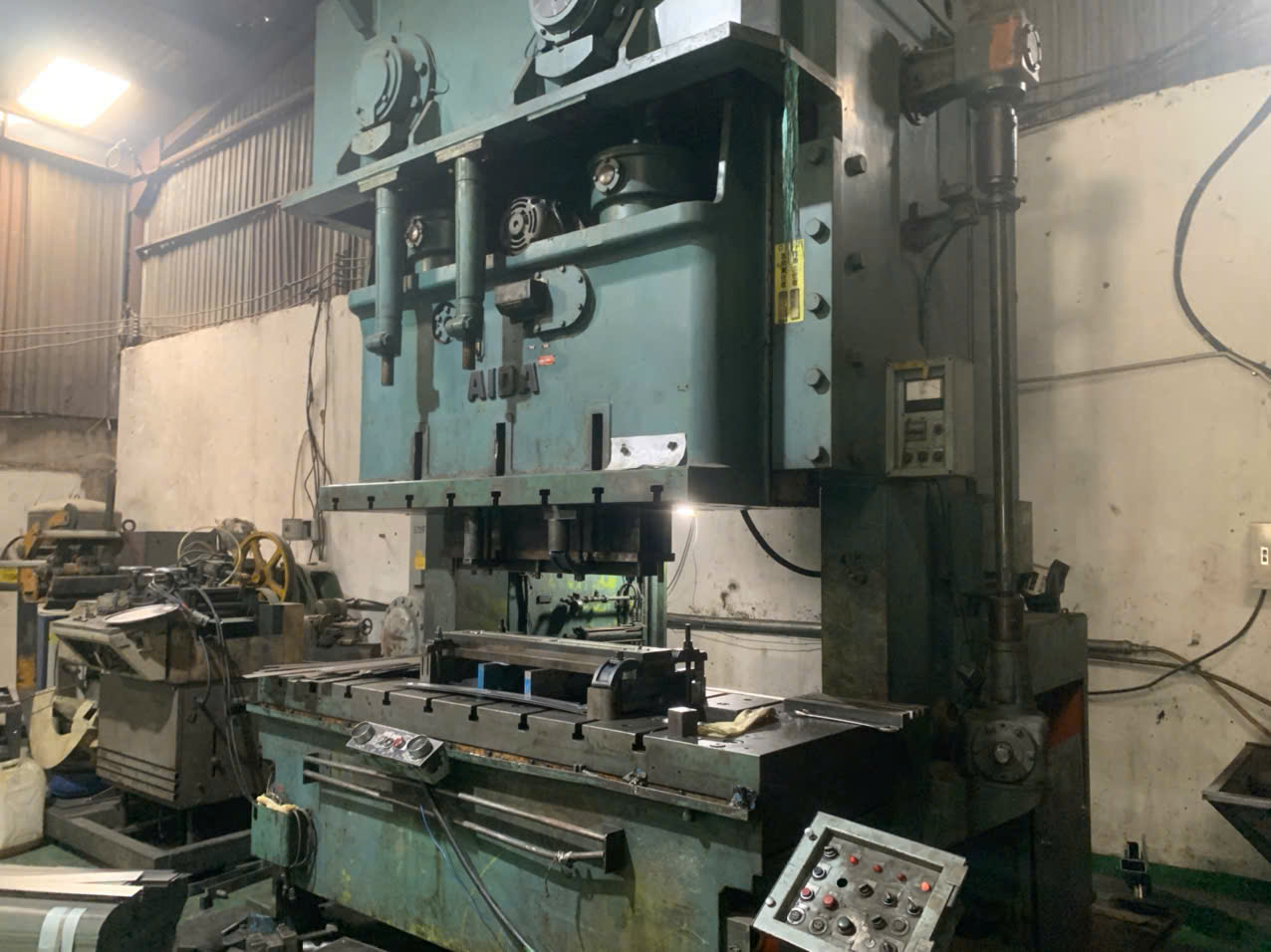
Last January, a rush order for stamping parts from one of our U.S. clients hit a wall — our Vietnam facility was ramping down for Tet, and every logistics partner we contacted was already overloaded.
Vietnamese holidays like Tet extend stamping parts lead times by 2–4 weeks beyond the official closure. The total supply chain disruption spans 6–8 weeks, covering pre-holiday production surges, a full factory shutdown, port congestion, workforce migration, and a slow post-holiday ramp-up that delays metal fabrication capacity normalization until late February or March.
This is not a one-week inconvenience. If you source stamping parts from Vietnam, understanding the true timeline is critical to protecting your production schedule. Below, I break down what happens, when it happens, and exactly how to plan around it.
How Long Before Tet Should I Place My Stamping Parts Order to Avoid Delays?
One lesson we learned early in our Vietnam operations is that the calendar date of Tet is almost irrelevant — what matters is the 8-week operational window surrounding it, and most buyers realize this far too late.
To avoid Tet-related delays on stamping parts, place your order at least 6 months before the holiday — ideally by August or September. Raw materials must be secured 45 days before the shutdown, and finished goods should ship no later than 3 weeks before Tet to avoid port congestion and freight forwarding delays.
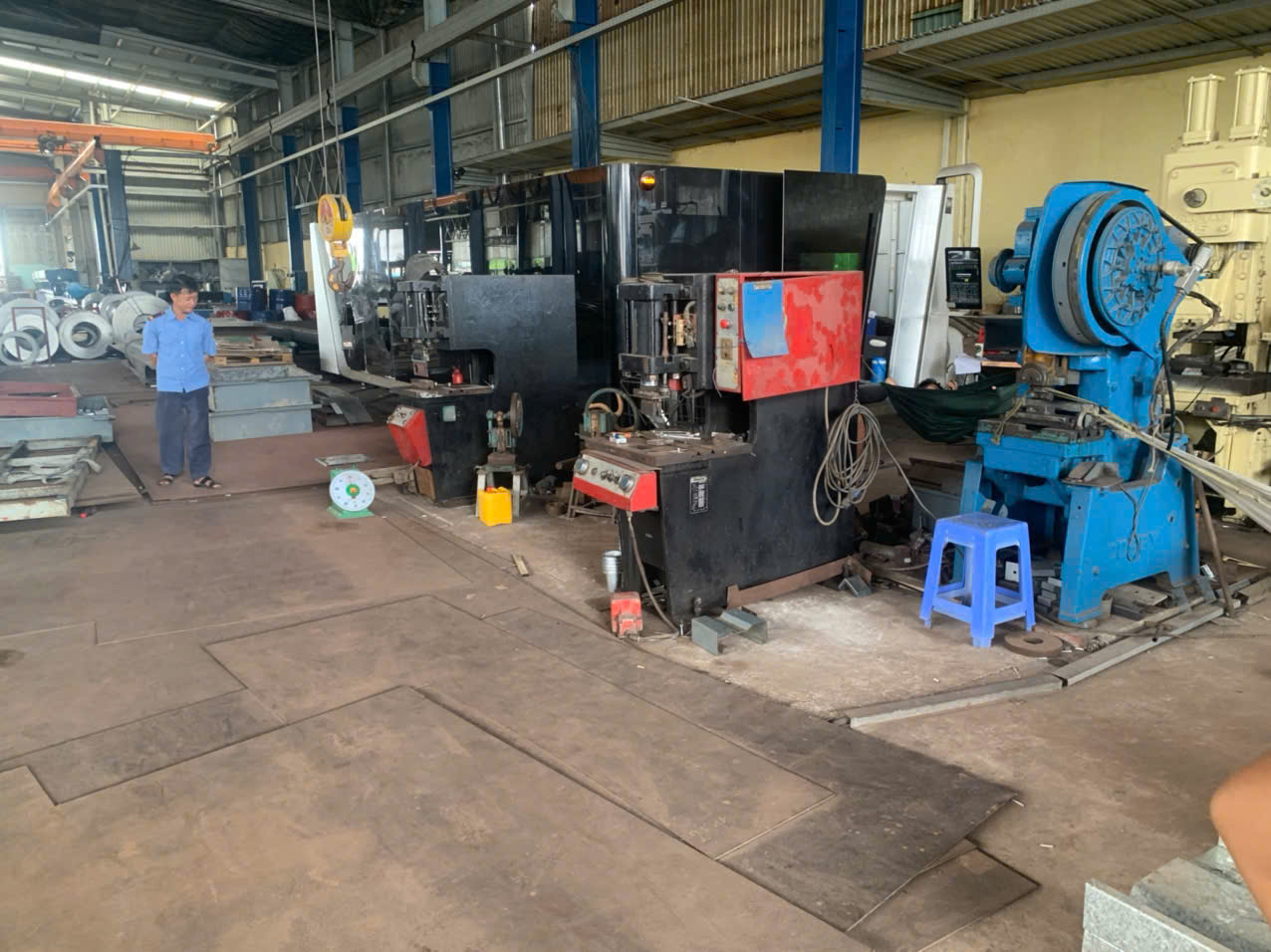
Why 6 Months Is the Real Planning Horizon
Most people think Tet is a 7-day holiday. It is not. The official government mandate gives workers 5–7 days off. Weekends extend that to 7–10 days. But the real disruption to your stamping parts supply chain starts weeks before and lingers weeks after.
Here is what actually happens on the ground. About two weeks before Tet, our Vietnam team sees factories push utilization from a normal 80–85% up past 95%. Everyone is rushing to clear backlogs. This "pre-Tet rush" sounds productive, but it creates problems. Quality control risks escalate. When a stamping press runs at maximum throughput to meet deadlines, defect rates on precision components climb. We have seen this firsthand — tolerances slip, inspection gets abbreviated, and the parts that ship in that final rush window require more scrutiny.
Then the shutdown hits. For stamping facilities, this is a near-total halt. Most close for 1–2 weeks. Unlike injection molding or assembly operations, stamping presses — especially large-tonnage progressive die 1 setups — cannot simply be switched off and on. After a week of inactivity, every press needs recalibration and lubrication. Dies must be inspected. This "restart friction" adds days to the post-holiday timeline that most buyers never account for.
The 8-Week Disruption Timeline
| Phase | Timeframe Relative to Tet | Factory Utilization | Impact on Stamping Parts |
|---|---|---|---|
| Pre-Tet Rush | 3–4 weeks before | 90–95%+ | Higher defect risk, rushed QC |
| Final Shipping Window | 2–3 weeks before | 85–90% | Port congestion 2 surges 40–60% |
| Shutdown | 1–2 weeks around Tet | 0–10% | Zero production, no material flow |
| Early Ramp-Up | 1–2 weeks after | 50–70% | Skeleton crews, machine recalibration |
| Full Normalization | 3–4 weeks after | 80%+ | Workforce attrition, retrained staff |
Raw Material Procurement Must Start Early
Stamping parts depend on continuous steel and aluminum coil supply. Most Vietnamese stamping plants source raw coils from China. Here is the compounding problem: China celebrates Lunar New Year 3 on the same dates. This creates a synchronized 6-week gap in the raw material supply chain. If your order requires a specific steel grade, that material must be on-site at the factory 45 days before the holiday begins. There is no workaround for this.
For our clients ordering custom brackets, mounting hardware, and structural components, we start material procurement discussions in August for any Q1 deliveries. That gives us enough runway to confirm coil specifications, place orders with Chinese mills before their own holiday ramp-down, and have inventory buffering in place at our partner factories.
What Other Vietnamese Holidays Besides Tet Could Impact My Production Schedule?
A client once asked me why a stamping order shipped two weeks late in April. It turned out our supplier's factory had closed for Reunification Day 4, and the shipment sat at the port through a string of back-to-back public holidays we had not flagged in the delivery schedule.
Beyond Tet, Vietnam observes 8–10 additional public holidays annually — including Reunification Day (April 30), International Workers' Day (May 1), and National Day (September 2) — that cause 1–5 day factory shutdowns, port closures, and freight forwarding delays, especially when holidays cluster or fall adjacent to weekends.

The Full Vietnamese Holiday Calendar for Supply Chain Planning
While Tet is by far the most disruptive event, the other holidays still create gaps in your production cycle time. Here is the complete list with their typical impact on stamping operations:
| Holiday | Date(s) | Duration | Impact on Stamping Production |
|---|---|---|---|
| New Year's Day | January 1 | 1 day | Minimal — close proximity to Tet planning |
| Tet (Lunar New Year) | Late Jan–Mid Feb (varies) | 7–10 days official; 3–4 weeks effective | Severe — full shutdown, workforce migration |
| Hung Kings' Commemoration | 10th day of 3rd lunar month | 1 day | Low — single day off, quick recovery |
| Reunification Day | April 30 | 1 day | Moderate — often combines with May 1 |
| International Workers' Day | May 1 | 1 day | Moderate — 2–4 day cluster with Apr 30 |
| National Day | September 2 | 2 days | Moderate — extended weekends possible |
| International Women's Day | March 8 | Not official, but observed | Minimal — reduced attendance at some plants |
The April 30 – May 1 Cluster Effect
The combination of Reunification Day and Workers' Day creates a 2–4 day production gap every year. When these fall on a Thursday-Friday, many factories extend the break through the weekend, resulting in a 4–5 day halt. For stamping parts in production, this means the presses stop, dies cool, and you lose nearly a full week of output.
Our team in Vietnam tracks these clusters at the start of each calendar year. We share an updated factory shutdown schedule with every active client so there are no surprises. This is especially important for orders with tight delivery windows — a 4-day gap in April can push your shipment into the next vessel sailing, adding 7–10 days to your export logistics timeline.
September 2 and Peak Season Overlap
National Day falls right as many U.S. companies are ramping up orders for Q4. If your stamping parts are destined for automotive or construction applications with fall deadlines, this 2-day holiday can collide with peak season surcharge periods on ocean freight 5. Container availability tightens, rates climb, and the combination of a short factory closure plus logistics pressure can extend your effective lead time by a week.
How These Holidays Compound
Individually, most non-Tet holidays cause only 1–3 day disruptions. But when you stack them across a quarter — especially Q1 with Tet and Hung Kings, or the April-May cluster — the cumulative effect on metal fabrication capacity is significant. A stamping line that loses 5–7 scattered days across a quarter is effectively losing 3–4% of its annual output capacity. For buyers with just-in-time inventory 6 models, this matters.
How Can I Plan My Supply Chain Around Vietnam's Holiday Shutdowns?
When we first set up our Vietnam office, we assumed that simply knowing the holiday dates would be enough. It was not. The real challenge is managing the invisible disruptions — the workforce migration patterns, the port congestion waves, and the raw material pipeline freezes that happen before and after every major shutdown.
Plan your supply chain around Vietnam's holiday shutdowns by maintaining 60-day safety stock levels, placing orders 6 months ahead of Tet, building holiday buffer clauses into supplier contracts, staggering shipments to avoid port congestion peaks, and establishing backup raw material sources outside China to prevent synchronized Lunar New Year supply gaps.

Step 1: Build a Rolling 12-Month Holiday Calendar
The first thing we do for every new U.S. client is map Vietnam's holiday calendar onto their delivery schedule. This sounds simple, but most purchasing managers only discover conflicts after an order is already in production. We overlay Vietnamese holidays, Chinese holidays (for raw material timing), and the client's own inventory needs into a single timeline.
Step 2: Adjust Safety Stock Levels
For stamping parts, we recommend a minimum 60-day safety stock 7 to bridge Q1 volatility around Tet. Standard practice in domestic U.S. sourcing might call for 2–3 weeks of buffer. When sourcing from Vietnam, you need 15–25% more than that baseline.
Here is a practical framework:
| Safety Stock Strategy | Standard (Non-Holiday) | Tet / Q1 Period | April–May Cluster |
|---|---|---|---|
| Finished Parts Buffer | 3–4 weeks | 6–8 weeks | 4–5 weeks |
| Raw Material (Steel Coil 8) | 2–3 weeks at factory | 6–8 weeks at factory | 3–4 weeks |
| Shipping Buffer (Ocean) | 1 sailing window | 2 sailing windows | 1–2 sailing windows |
| Emergency Freight Budget | Minimal | 5–10x ocean cost reserve | 2–3x ocean cost reserve |
Step 3: Stagger Shipments to Beat Port Congestion
Container volumes at Hai Phong and Ho Chi Minh City ports surge 40–60% in the 2–3 weeks before Tet. Vessel waiting times jump from 2–3 days to 7–10 days. If your stamping parts are sitting in a container at Cat Lai terminal during this window, they are competing with every other exporter in southern Vietnam for the same vessel slots.
Our approach is to ship finished goods no later than 3 weeks before Tet. For large orders, we split shipments — sending 60% early and holding 40% for post-holiday dispatch. This reduces the risk of a single shipment getting rolled at a congested port.
Step 4: Secure Raw Materials Before the China-Vietnam Sync Gap
This is the detail that catches most buyers off guard. Vietnam's stamping factories source steel and aluminum coils primarily from China. Both countries celebrate Lunar New Year on the same dates. This creates a synchronized 6-week gap where no new raw material enters the pipeline.
If your stamping parts require a specific alloy or gauge, that coil must be purchased, produced at the Chinese mill, shipped to Vietnam, and received at the factory — all before both countries shut down. Working backward from a mid-February Tet date, raw material procurement needs to start by late November at the latest.
Step 5: Include Holiday Clauses in Contracts
Every contract we manage for our clients includes explicit holiday buffer clauses. These are not force majeure 9 provisions — they are pre-agreed schedule adjustments that account for known shutdowns. This protects both parties. The supplier is not penalized for a predictable closure. The buyer has a documented commitment for post-holiday restart dates and output targets.
Regional Considerations: North vs. South
One thing our Vietnam team has observed consistently: factories in northern Vietnam (around Hanoi) take longer to normalize after Tet than those in the south (around Ho Chi Minh City). The reasons are structural. Northern Vietnam has colder weather during Tet season, which affects worker travel. Southern industrial zones, while hit harder by workforce migration during the holiday itself, tend to see faster labor return because workers are concentrated in nearby provinces.
For stamping parts specifically, the "skilled die-setter gap" is more acute in the south. These specialized technicians cannot be replaced by seasonal labor. If a die setter does not return after Tet — and post-holiday labor attrition runs 10–20% — the factory's ability to run complex progressive dies drops significantly. This is why we always confirm our suppliers' key personnel retention plans as part of pre-Tet preparation.
What Should I Ask My Supplier About Their Tet Shutdown Timeline and Backup Plans?
During a supplier audit at a stamping facility outside Ho Chi Minh City last year, I asked the factory manager one question: "What percentage of your die setters came back after Tet last year?" He paused. The answer was 78%. That single data point told me more about the factory's Q1 reliability than any capability brochure ever could.
Ask your stamping supplier for their exact Tet shutdown and restart dates, key personnel retention rate from previous years, raw material pre-stocking plan, post-holiday production ramp-up schedule, quality control procedures during pre-Tet rush periods, and their contingency plan for workforce attrition — including how they handle the skilled die-setter gap.

The Questions That Actually Matter
Most buyers ask "When do you close for Tet?" and stop there. That question barely scratches the surface. Here are the questions that separate proactive supply chain management from reactive firefighting:
1. What are your exact shutdown and restart dates?
Get specific calendar dates. Not "about one week." You need the last production day, the first day workers are expected back, and the first day the factory expects to be at 80%+ capacity.
2. What was your workforce return rate after Tet last year?
This is the single most revealing question. If a stamping factory lost 20% of its workforce last Tet and took 30 days to fully staff up, that pattern will likely repeat. Factories in southern Vietnam, where migrant labor concentration is highest, are most vulnerable.
3. How do you handle the skilled die-setter gap?
Stamping is not like basic assembly work. Progressive dies require specialized technicians to set up, calibrate, and maintain. If those technicians do not return — or return late — the factory cannot produce your parts regardless of how many unskilled workers are on the floor. Ask specifically about retention bonuses and return incentives for key technical staff.
4. What is your raw material pre-stocking plan?
Ask whether the factory has already secured steel or aluminum coil inventory for your order. If they have not procured materials by early December for a February Tet, you have a problem. The China-Vietnam synchronized shutdown means no new coil shipments will arrive for 6 weeks.
5. What quality controls do you maintain during the pre-Tet rush?
When factories surge to 95%+ utilization to clear backlogs, inspection shortcuts happen. Ask whether they maintain the same SPC protocols 10, first-article checks, and in-process measurements during high-output periods. For our clients, we conduct additional pre-shipment inspections during this window — we do not rely on the factory's self-reported data alone.
6. Do you have a post-Tet ramp-up schedule?
A good supplier will have a documented plan showing daily or weekly capacity targets for the first 30 days after reopening. If they cannot produce this document, they are winging it.
What a Strong Supplier Response Looks Like vs. a Weak One
| Question | Strong Supplier Response | Weak Supplier Response |
|---|---|---|
| Shutdown dates | "Last production day: Feb 7. Reopening: Feb 17. 80% capacity by Feb 24." | "We close about one week." |
| Workforce return rate | "Last year 92% returned within 5 days. We pay a return bonus." | "Most workers come back." |
| Die-setter retention | "We retain 95% of die setters with Tet bonuses and guaranteed March schedules." | "We will find replacements if needed." |
| Raw material plan | "All coil for Q1 orders was received by Dec 15." | "We will order materials after Tet." |
| QC during pre-Tet rush | "We maintain our standard PPAP and SPC process; no deviation allowed." | "We are very busy before Tet but quality is good." |
| Post-Tet ramp-up schedule | Documented daily capacity targets for 30 days post-reopening | "We will be back to normal soon after Tet." |
Advanced: Predictive Tet-Buffer Modeling
Some advanced manufacturers are now using data-driven approaches to predict post-Tet disruption severity. They analyze historical worker return rates by province, correlate those with weather patterns and bonus structures, and adjust production schedules and machine maintenance cycles before the holiday begins. While this level of sophistication is not widespread yet, it is a strong signal of a mature, reliable stamping supplier.
When we evaluate suppliers for our clients, we look for this kind of forward thinking. A factory that plans its maintenance windows to align with the shutdown — so presses are serviced, dies are refurbished, and everything is ready for day-one production when workers return — will recover faster than one that simply locks the doors and hopes for the best.
Conclusion
Vietnamese holidays — especially Tet — create an 8-week disruption window that extends stamping parts lead times by 2–4 weeks. Plan 6 months ahead, maintain 60-day safety stock, and ask your supplier the hard questions now. For a deeper look at managing unexpected disruptions beyond holidays, see our guide on how to handle supply chain delays when sourcing stamping parts from Vietnam.
Frequently Asked Questions
How Long Before Tet Should I Place My Stamping Parts Order to Avoid Delays?
One lesson we learned early in our Vietnam operations is that the calendar date of Tet is almost irrelevant — what matters is the 8-week operational window surrounding it, and most buyers realize this far too late.
What Other Vietnamese Holidays Besides Tet Could Impact My Production Schedule?
A client once asked me why a stamping order shipped two weeks late in April. It turned out our supplier's factory had closed for Reunification Day 4 , and the shipment sat at the port through a string of back-to-back public holidays we had not flagged in the delivery schedule.
How Can I Plan My Supply Chain Around Vietnam's Holiday Shutdowns?
When we first set up our Vietnam office, we assumed that simply knowing the holiday dates would be enough. It was not. The real challenge is managing the invisible disruptions — the workforce migration patterns, the port congestion waves, and the raw material pipeline freezes that happen before and after every major shutdown.
Footnotes
1. Explains the stamping technology referenced throughout the article. ↩︎
2. Authoritative reference on port congestion factors affecting freight and logistics. ↩︎
3. Provides background on the holiday origin driving Vietnam’s Tet shutdown period. ↩︎
4. Background on the Vietnamese national holiday causing production clusters. ↩︎
5. Relevant government resource on ocean freight and shipping logistics operations. ↩︎
6. Background on the inventory model mentioned regarding cumulative holiday disruption. ↩︎
7. ISO standards context for inventory and supply chain buffer planning practices. ↩︎
8. Industry authority on steel supply relevant to raw material procurement discussion. ↩︎
9. Legal concept referenced when distinguishing contract clause types for suppliers. ↩︎
10. ISO reference for statistical process control standards mentioned in QC discussion. ↩︎