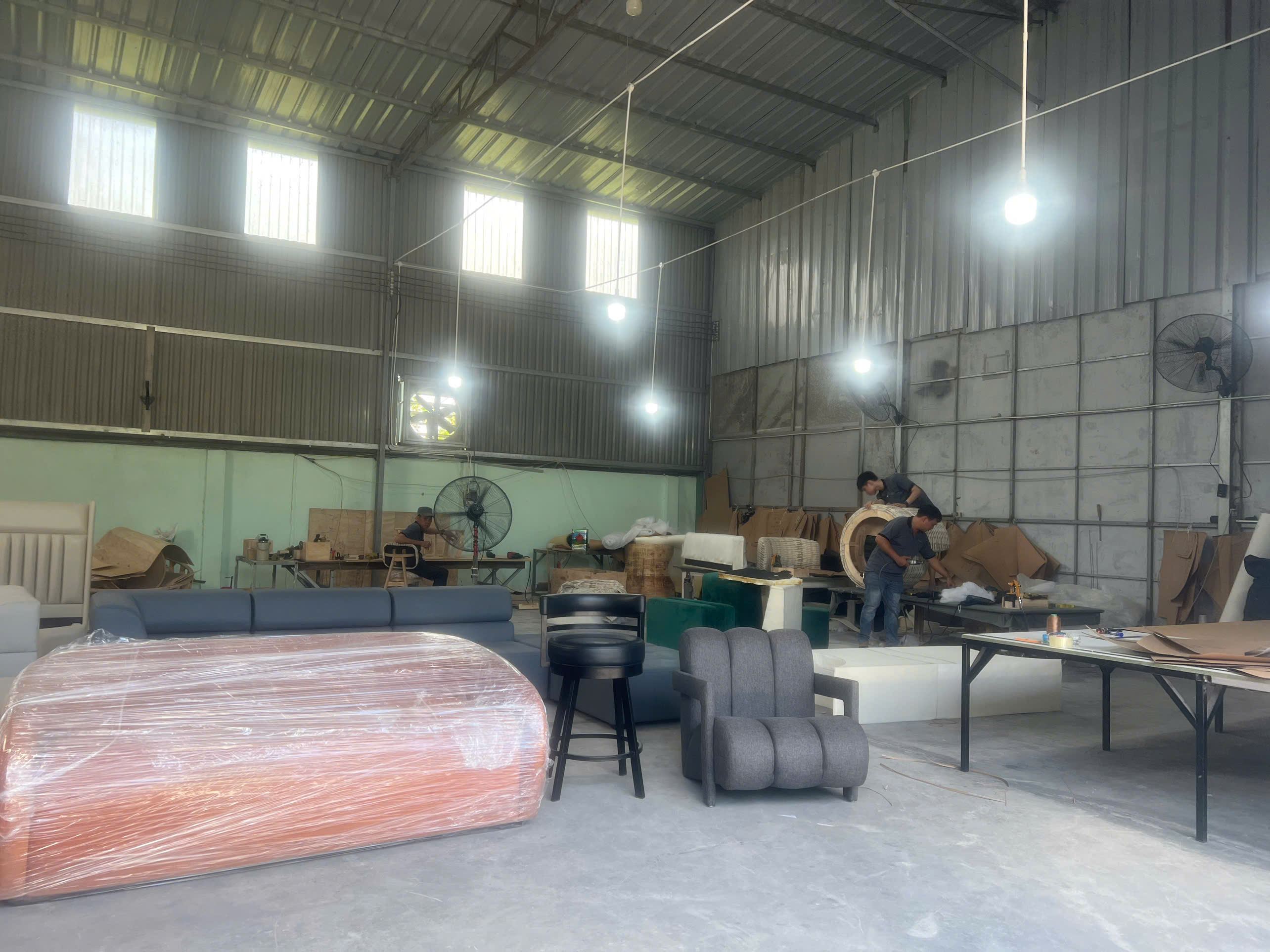
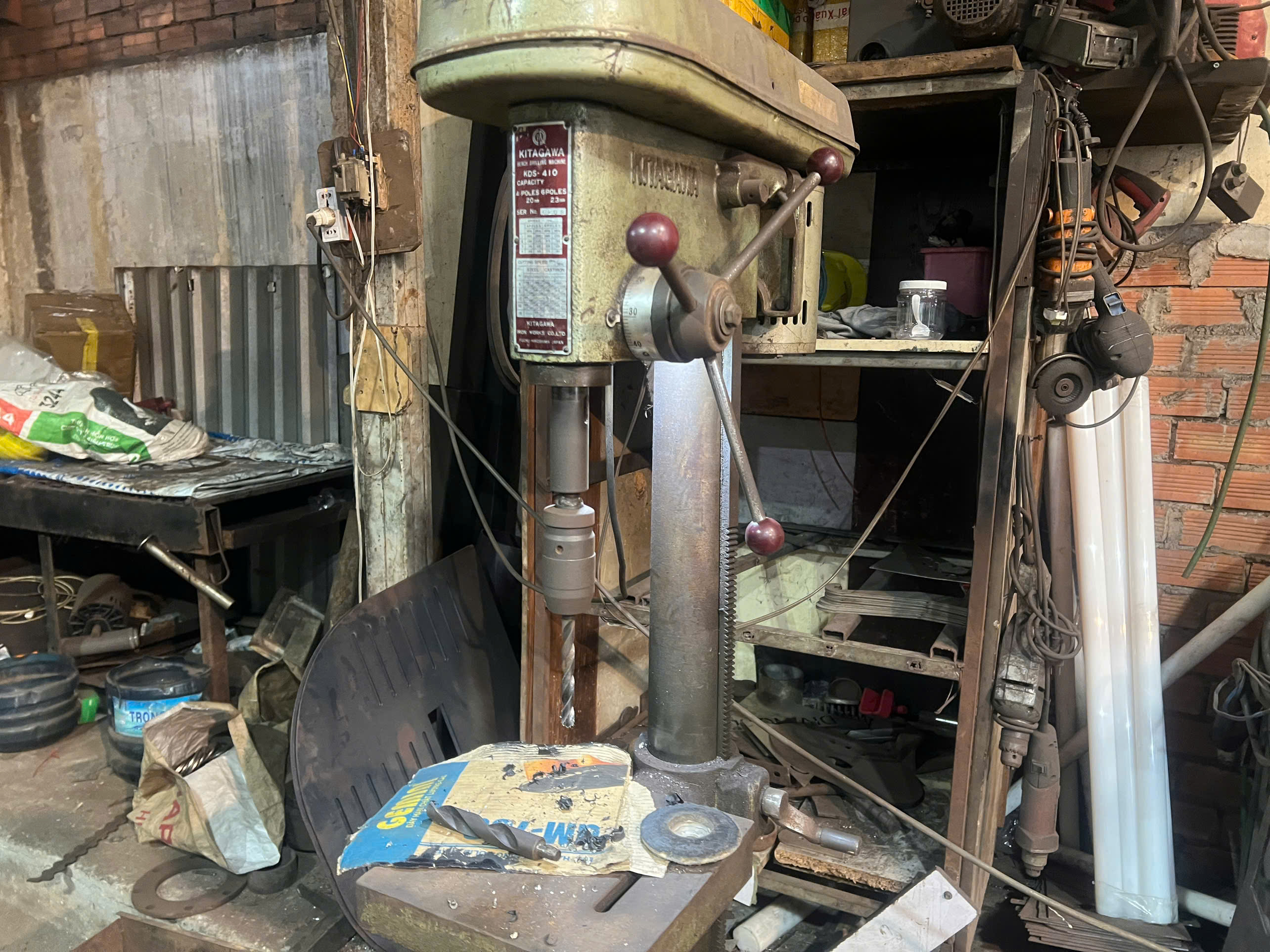
Every week, our Singapore and Vietnam offices field calls from US buyers asking the same question about Vietnamese stamping parts suppliers versus their Chinese counterparts.
Vietnamese stamping parts suppliers offer 15–30% lower landed costs for US buyers due to zero Section 301 tariffs and lower labor costs, but Chinese suppliers still lead in supply chain depth, ultra-precision capability, and high-volume scalability — making the best choice depend on your specific project requirements.
The sourcing landscape has shifted dramatically in recent years. Tariffs, geopolitical risks, and supply chain diversification goals have pushed more buyers toward a China Plus One strategy 1. But the real picture is more nuanced than “Vietnam is cheaper.” Below, I break down the key differences across quality, pricing, lead times, and communication — based on what our teams see on the ground every day.
How do Vietnamese stamping suppliers compare to Chinese suppliers on quality control and defect rates?
Last month, one of our quality engineers in Ho Chi Minh City flagged a subtle burr issue on a batch of precision metal stamping brackets during PPAP. The supplier caught it before shipment because we had installed a joint inspection protocol. That experience reminded me how much quality outcomes depend on the systems you put in place — not just the country you source from.
Vietnamese stamping suppliers deliver stable, mid-range quality with defect rates comparable to Chinese suppliers for standard parts, but Chinese factories still hold an edge in ultra-precision stamping below 5µm tolerances, where deeper tooling ecosystems and decades of process refinement provide more consistent results.
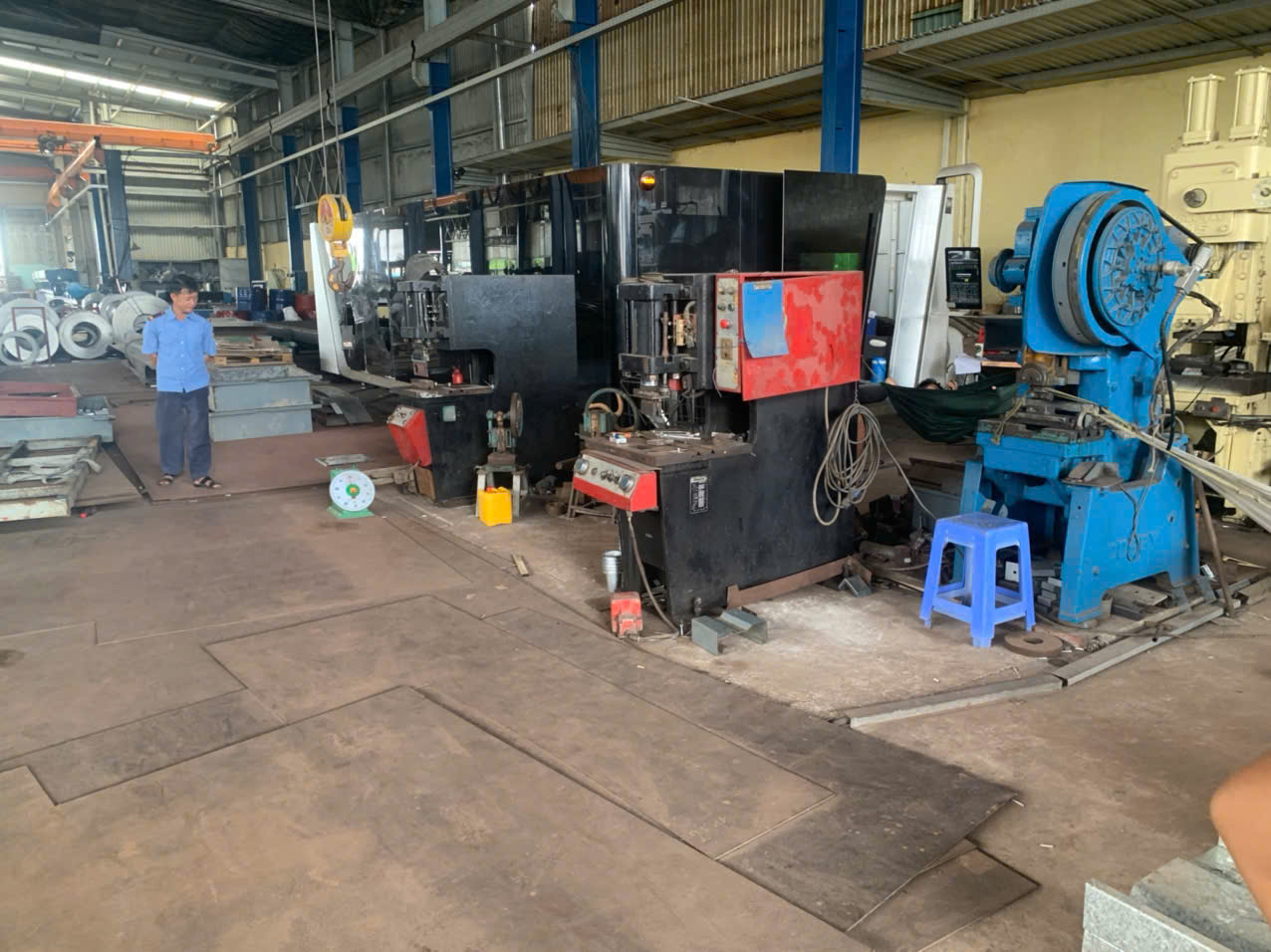
The Reality of Defect Rates
Quality is never a single number. It depends on the part complexity, the supplier's equipment, and the control processes in place. From our experience managing suppliers in both countries, here is what we typically observe:
| Quality Metric | Vietnam | China |
|---|---|---|
| Typical Defect Rate (standard parts) | 0.5–2.0% | 0.3–1.5% |
| Ultra-Precision Capability (<5µm) | Limited supplier pool | Widely available |
| Equipment Age (average) | Newer (built within 10 years) | Mixed (some 20–30 years old) |
| PPAP / APQP Readiness | Growing, often needs buyer guidance | Mature for Tier 1 automotive |
| Incoming Material Traceability | Improving, depends on supplier | Generally stronger systems |
Equipment vs. Process Maturity
One thing that surprises many buyers is that Vietnamese factories in our network often run newer stamping presses and progressive dies than equivalent-tier Chinese shops. A newer machine can mean tighter tolerances and better repeatability — on paper. But process maturity matters just as much. Chinese suppliers have spent decades refining their tooling and mold design workflows, their SPC systems, and their operator training programs. Vietnam is catching up fast, but the bench depth is thinner.
Capability Variance Is the Real Risk
The biggest quality risk in Vietnam is not the country itself. It is the wide variance between suppliers. Some Vietnamese stamping companies match or exceed what China offered five years ago for mechanical components. Others lack basic dimensional inspection tools 2. That is why equipment-level vetting and on-site audits are essential. Our Vietnam office conducts supplier audits specifically to close this gap before a single tool is cut. Understanding how to evaluate a supplier’s competitiveness when sourcing stamping parts from Vietnam is critical to managing this variance.
When Vietnam Wins on Quality
For automotive stamping brackets 3, spring clips, and mounting hardware — the types of parts shown in our product range — Vietnam has emerged as a strong option. Progressive die tooling for these mid-range precision parts is well within Vietnamese capability. The key is selecting the right supplier and implementing strict process controls from the start.
Can Vietnamese stamping parts suppliers match Chinese pricing for mid-to-high quality custom parts?
A buyer in the Midwest recently sent us a landed-cost comparison spreadsheet. His Chinese supplier quoted 12% less per unit than the Vietnamese option. But once he added Section 301 tariffs 4, the Chinese parts ended up costing 28% more at his warehouse door. That single spreadsheet changed his entire sourcing plan.
Vietnamese suppliers typically cannot match Chinese base pricing due to 30% higher raw material costs from import reliance, but the total landed cost for US buyers is usually 15–30% lower because Vietnamese-origin goods face zero Section 301 tariffs, which add 25–145%+ to Chinese stamped parts.

Breaking Down the Cost Equation
Price is not just the number on a quote. It is the total cost of ownership at your dock. Here is how the math works for a typical stamped steel bracket destined for the US market:
| Cost Component | Vietnam | China |
|---|---|---|
| Base Labor Cost | 40–60% below China | Higher, rising steadily |
| Raw Material (Steel/Aluminum) | ~30% premium (imported) | Subsidized domestic supply |
| Tooling Cost | Comparable to slightly higher | Generally lower |
| Base Unit Price | Often 5–15% higher | Lower base price |
| Import Tariffs and Duties (US) | 0% (Section 301) | 25–145%+ (Section 301) |
| Landed Cost at US Warehouse | 15–30% lower | Higher after tariffs |
| Shipping Cost | Similar or slightly higher | Similar |
Why Base Price Alone Is Misleading
China's domestic steel industry is heavily subsidized. Vietnamese stamping suppliers must import most of their raw steel and aluminum — often from China, Korea, or Japan. This creates a material sourcing availability gap. The metal itself can cost 30% more in Vietnam. Combined with labor efficiency that runs about 65% of China's output rate, the base unit price from a Vietnamese supplier is often slightly higher.
But for US importers, the base price is only part of the story. The tariff impact is the deciding factor. Section 301 tariffs on Chinese stamped metal parts range from 25% to well over 100% for certain categories. Vietnamese-origin goods carry zero Section 301 exposure, provided the parts meet genuine origin requirements with proper VCCI Form B documentation. For a deeper dive into this cost analysis, see our guide on how to compare price and quality when sourcing stamping parts from Vietnam vs China.
The Hidden Cost of Free Trade Agreements
Vietnam's extensive Free Trade Agreements 5 — including the CPTPP and EVFTA — also benefit European buyers. These agreements reduce or eliminate import duties for qualifying goods. For US buyers specifically, the tariff arbitrage alone can justify the switch, even when the per-piece price is slightly higher.
When China Still Wins on Price
If your project involves very high volumes — say 50,000 pieces per year or more — and your parts are not subject to Section 301 tariffs, China's base cost advantage is real. The density of the Chinese supply chain, the low material costs, and the sheer scale of production make it hard to beat on pure unit economics. But for most US-bound stamping projects in the mid-to-high quality range, Vietnam delivers a lower total cost.
What lead time and delivery reliability differences should I expect between Vietnam and China stamping suppliers?
Delivery delays are one of the most common pain points our US clients raise. When we started building our Vietnam supplier network, I expected lead times to be roughly similar to China. The reality was more complex. Some projects moved faster because our local team could visit the factory daily. Others took longer because a critical steel grade had to be imported from a Korean mill.
Chinese stamping suppliers generally offer faster lead times and higher scalability for large orders due to deeper logistics infrastructure and local raw material access, while Vietnamese suppliers typically require 1–3 additional weeks because of imported materials and a still-developing supply chain, though reliability improves significantly with local project management.

Where the Time Goes
Lead time efficiency in stamping depends on three things: raw material availability 6, tooling fabrication speed, and production scheduling. Here is how the two countries compare across each stage:
| Lead Time Stage | Vietnam | China |
|---|---|---|
| Raw Material Procurement | 2–4 weeks (imported) | 1–2 weeks (domestic) |
| Tooling / Die Fabrication | 4–8 weeks | 3–6 weeks |
| Production Run (standard volume) | Comparable | Comparable |
| Shipping to US (ocean freight) | 18–25 days | 18–30 days |
| Total Typical Lead Time | 8–14 weeks | 6–10 weeks |
The Raw Material Bottleneck
The single biggest driver of longer lead times in Vietnam is material sourcing. Vietnam lacks a mature domestic steel and aluminum industry. Specialized grades — the kind needed for precision stamped brackets and spring clips — must be imported. If a Korean or Japanese mill has a backlog, your Vietnam project slows down. Chinese suppliers pull from local warehouses and can start cutting steel within days.
Tooling Lead Time Is Closing the Gap
Vietnam's die-making capability has grown rapidly. Many suppliers now handle standard progressive dies in-house. But for complex tooling, some Vietnamese providers still rely on Chinese or Taiwanese engineering support. This adds a handoff step that can introduce delays during initial prototyping. Once the tool is proven, production runs are comparable in speed.
Logistics Infrastructure Matters
China's port efficiency and logistics infrastructure remain world-class. Inland transport, container availability, and customs processing 7 are well-oiled systems. Vietnam's logistics are developing fast, but occasional bottlenecks exist — especially during peak seasons or when shipping from factories outside major industrial zones. Inland shipping costs can also be higher.
How We Manage the Gap
Our approach is to front-load the timeline. We confirm material availability before tooling starts. We run first-article inspections at our Vietnam office to catch issues early. And we build buffer into the schedule for the first two or three orders. After that, most suppliers settle into a reliable rhythm. The key is proactive project management — exactly what we provide as part of our supply chain services. For more strategies on this topic, see our guide on how to handle supply chain delays when sourcing stamping parts from Vietnam.
Energy Grid Stability
One factor buyers rarely consider is power supply. Vietnam's industrial zones occasionally face seasonal power rationing, especially during summer peaks. This can disrupt production schedules for energy-intensive heavy stamping. China's power infrastructure is more resilient in this regard, though not immune to disruptions.
How do communication and engineering support compare between Vietnamese and Chinese stamping parts manufacturers?
The first time our team reviewed a set of stamped bracket drawings with a Vietnamese supplier, something stood out: they asked detailed questions about GD&T callouts 8 that many Chinese suppliers at the same tier level would have glossed over. That attention to drawing detail can mean the difference between getting it right the first time and a costly rework cycle.
Vietnamese suppliers generally offer more responsive communication and stronger willingness to adopt Western quality standards, but Chinese manufacturers provide deeper engineering support for complex tooling and faster prototyping, meaning the best communication experience depends on the project's technical complexity and the buyer's ability to provide on-the-ground oversight.
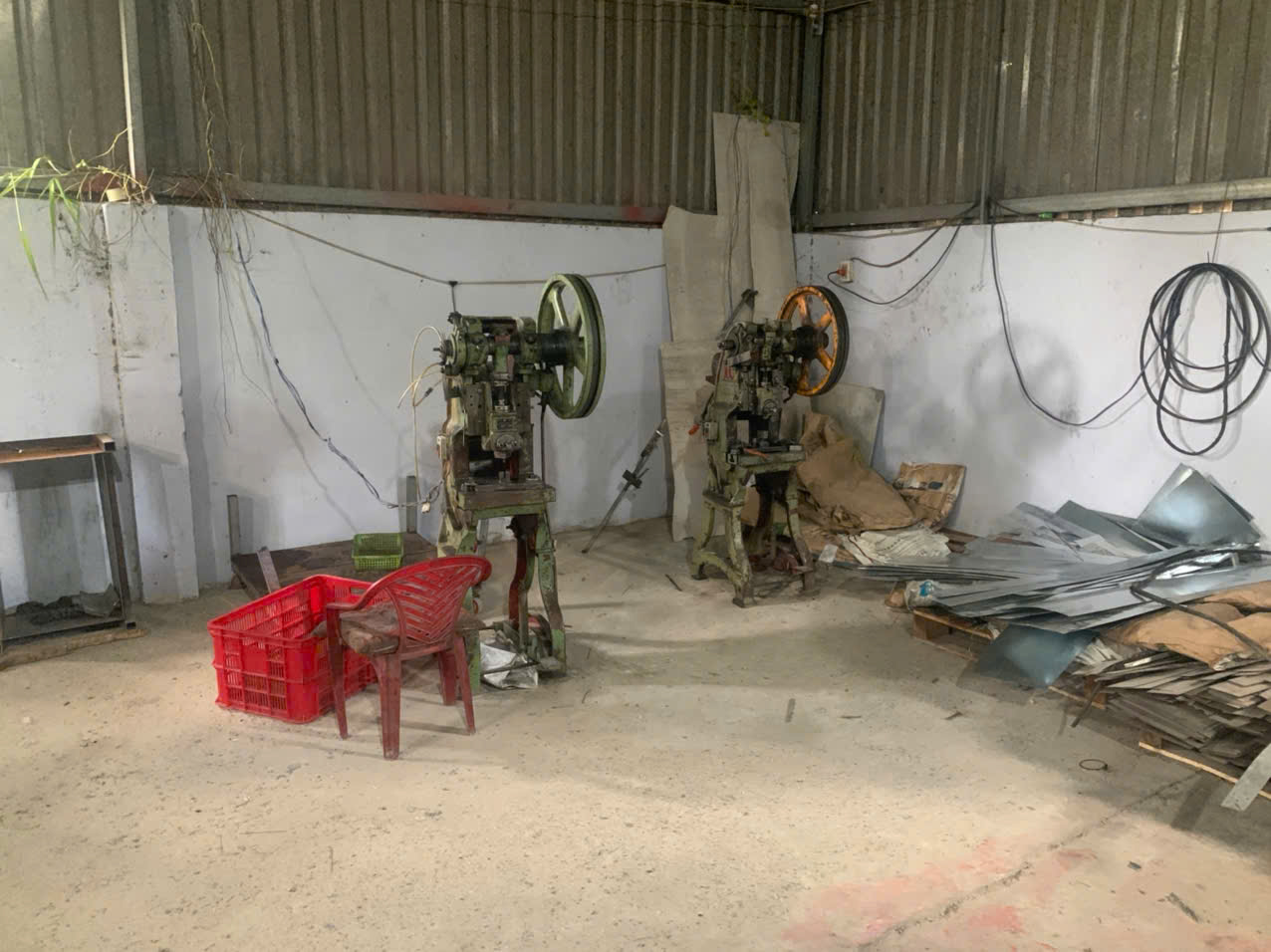
Communication Style and Responsiveness
Our experience managing both Chinese and Vietnamese supplier relationships shows clear patterns. Vietnamese teams tend to be more responsive to email and more willing to accommodate Western business norms — including ESG reporting requirements 9 and Tier 1 qualification processes. English proficiency among younger Vietnamese engineers is improving quickly.
Chinese suppliers, especially larger ones, often have dedicated export teams with strong English skills. But at the mid-tier level, communication can be inconsistent. Misunderstandings about critical drawing requirements are a common pain point for US buyers sourcing from China — and a leading cause of non-conforming parts.
Engineering Depth
Where Chinese suppliers shine is engineering support for complex projects. Need a progressive die designed from scratch for a multi-stage stamped bracket with tight tolerances? China's density of experienced tool and die engineers is hard to match. Vietnam's engineering talent pool is growing, but for complex tooling design, some suppliers still outsource to Chinese or Taiwanese partners.
IP Protection
For IP-sensitive projects, Vietnamese culture is generally considered more protective. We have seen fewer instances of design leakage or unauthorized reproduction in our Vietnam network compared to our experience in China. This is not a universal rule, but it is a meaningful consideration for buyers with proprietary designs.
What Good Communication Looks Like in Practice
The real differentiator is not the country — it is the system. Buyers who invest in clear specifications, regular review meetings, and local project management get better results in both countries. Our teams in Vietnam and China serve as that communication bridge. We translate not just language, but engineering intent, quality expectations, and timeline commitments.
- Vietnamese suppliers excel when paired with a local quality team and clear PPAP requirements.
- Chinese suppliers excel when the project demands rapid prototyping and deep tooling expertise.
- Both require active management to prevent the silent failures that lead to rework and delays.
Conclusion
Choosing between Vietnamese and Chinese stamping parts suppliers is not a binary decision. It is a strategic calculation based on your tariff exposure, volume needs, precision requirements, and supply chain diversification goals. For most US buyers sourcing mid-to-high quality custom stamped parts, Vietnam offers compelling landed-cost savings and growing capability — especially with the right partner managing supplier qualification, process control, and logistics on the ground.
Frequently Asked Questions
How do Vietnamese stamping suppliers compare to Chinese suppliers on quality control and defect rates?
Last month, one of our quality engineers in Ho Chi Minh City flagged a subtle burr issue on a batch of precision metal stamping brackets during PPAP. The supplier caught it before shipment because we had installed a joint inspection protocol. That experience reminded me how much quality outcomes depend on the systems you put in place — not just the country you source from.
Can Vietnamese stamping parts suppliers match Chinese pricing for mid-to-high quality custom parts?
A buyer in the Midwest recently sent us a landed-cost comparison spreadsheet. His Chinese supplier quoted 12% less per unit than the Vietnamese option. But once he added Section 301 tariffs 4 , the Chinese parts ended up costing 28% more at his warehouse door. That single spreadsheet changed his entire sourcing plan.
What lead time and delivery reliability differences should I expect between Vietnam and China stamping suppliers?
Delivery delays are one of the most common pain points our US clients raise. When we started building our Vietnam supplier network, I expected lead times to be roughly similar to China. The reality was more complex. Some projects moved faster because our local team could visit the factory daily. Others took longer because a critical steel grade had to be imported from a Korean mill.
Footnotes
1. Wikipedia overview of the business strategy for diversifying supply chains away from China. ↩︎
2. NIST provides the authoritative standards for the precision measurement tools used in manufacturing. ↩︎
3. ISO standard IATF 16949 is the primary quality benchmark for automotive stamping components. ↩︎
4. Official USTR landing page for Section 301 investigations, including those related to China tariffs. ↩︎
5. US government resource explaining how FTAs reduce or eliminate import duties. ↩︎
6. World Bank data on global logistics and material flow efficiency across different nations. ↩︎
7. Wikipedia entry explaining the regulatory procedures for international trade and shipping. ↩︎
8. Technical explanation of the engineering standards used in precision stamping drawings. ↩︎
9. Investopedia definition of the environmental and social standards required by Western buyers. ↩︎