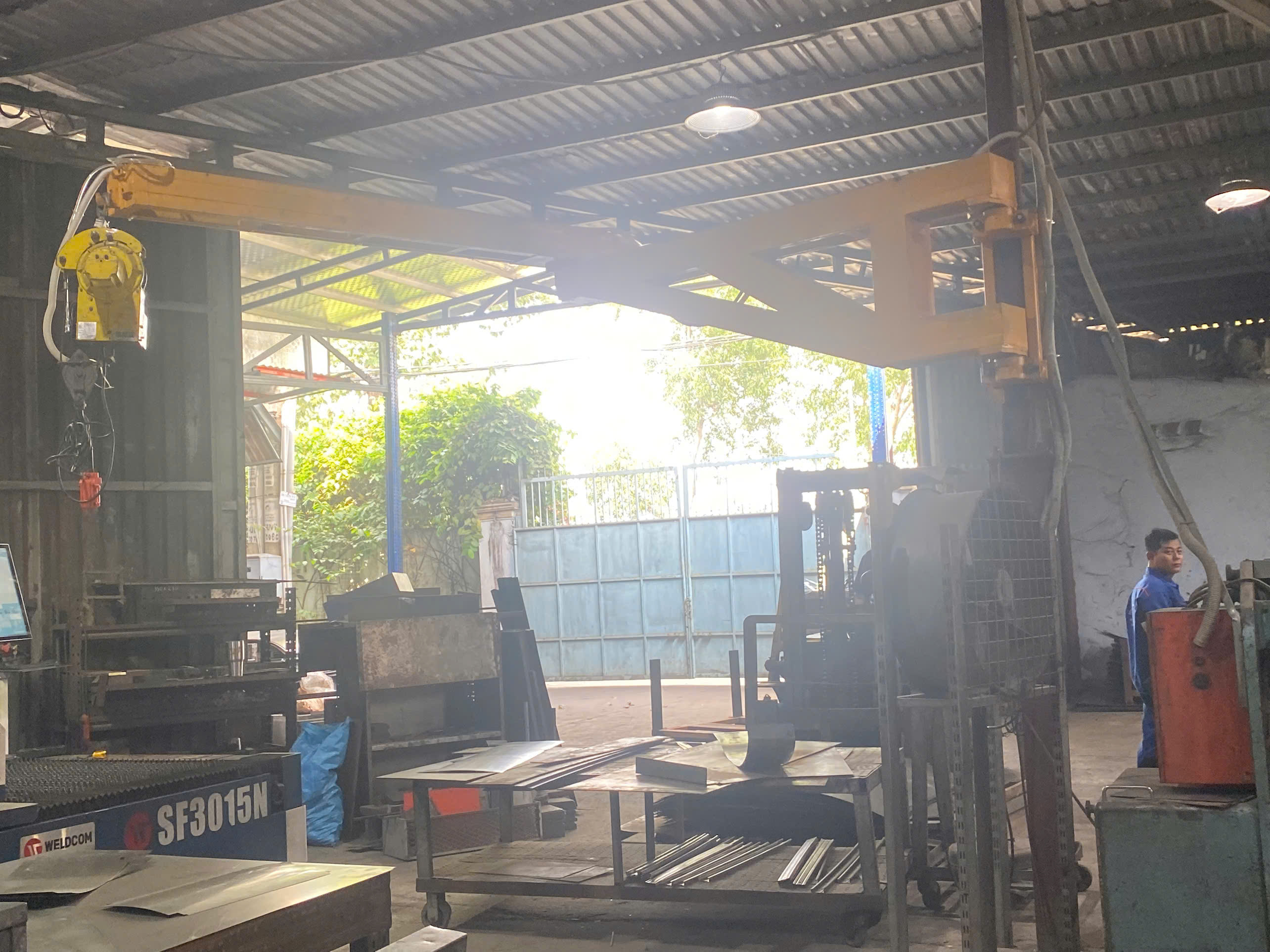

Choosing between Vietnamese stamping parts suppliers and Chinese factories keeps many European purchasing managers awake at night. I see this dilemma weekly from our sourcing offices in both countries.
Vietnamese stamping parts suppliers offer European OEMs lower labor costs, 0% EVFTA tariffs, and China+1 diversification, while Chinese suppliers still lead in tooling depth, complex progressive dies, and very high-volume capacity. The best choice depends on part complexity, annual volume, and landed cost—not factory price alone.
Let me break this comparison down piece by piece. I will cover quality, lead times, compliance, and cost stability, so you can match the right country to the right stamping program.
What Quality and Precision Differences Should I Expect Between Vietnamese and Chinese Stamping Suppliers?
A stamped bracket we audited last quarter in Hanoi passed every dimensional check on the first article. The same drawing had failed twice at a mid-tier Chinese shop. Country stereotypes rarely predict outcomes.
Quality depends more on supplier tier and process discipline than on country. Top Chinese factories offer deeper engineering support for complex dies, while many Vietnamese plants—especially those with Japanese or Korean roots—run IATF 16949, PPAP, and SPC systems that match Western expectations for stamped parts.

Our team runs supplier audits in both markets, and the pattern is consistent. Quality is a factory-level question, not a flag-level question. That said, structural differences do exist, and you should know them before you commit tooling.
Where China Still Leads on Precision
China's tooling ecosystem is deeper. More local shops can design and build complex progressive dies 1 in-house. If your part needs a multi-stage die with tight cumulative tolerances, China gives you more qualified candidates and faster iteration. High-tonnage transfer presses above 600 tons are also more common in China. Large structural stampings often still default there.
Where Vietnam Holds Its Own
Many of the best Vietnamese stamping plants are subsidiaries or joint ventures of Japanese, Korean, or Taiwanese manufacturers. They inherited strict quality disciplines: FMEA, control plans, layered process audits. For small and medium brackets, clips, and mounting hardware—like the zigzag-profile parts we manage daily—these plants deliver excellent repeatability.
| Quality Factor | China | Vietnam |
|---|---|---|
| Complex progressive die design | Deep, mature ecosystem | Thinner, often imported dies |
| Simple-to-medium stampings | Strong | Strong, very competitive |
| High-tonnage presses (600T+) | Widely available | Limited installed base |
| IATF 16949 2 / ISO 9001 spread | Widespread | Growing fast, FDI-driven |
| First-article discipline | Varies by tier | Varies by tier |
The practical lesson from our audits: send a detailed drawing package, demand PPAP-level documentation, and visit or audit the plant. In both countries, the suppliers who accept that scrutiny are the ones who get it right the first time.
How Do Vietnamese Suppliers Handle Lead Times and Delivery Compared to Chinese Factories?
Delivery delays are the number one complaint I hear from purchasing managers. Our Vietnam office exists partly because we learned that on-time delivery requires boots on the ground, not just emails.
Chinese factories generally deliver complex tooling faster and ship to Europe with more direct freight routes. Vietnamese suppliers match China on production lead times for simple-to-medium stampings, but tooling for complex dies takes longer, and ocean transit can add several days versus major Chinese ports.

Lead time splits into three stages: tooling, production, and logistics. Each stage behaves differently in the two countries, so I will take them one at a time.
Tooling Lead Time
China wins here for complex work. A six-station progressive die can move from design to tryout faster in Dongguan or Suzhou because die shops, wire EDM services, and heat treaters sit within the same industrial cluster. In Vietnam, complex dies are sometimes subcontracted or imported, which stretches the schedule. For simple single-stage or compound dies, the gap is small.
Production Lead Time
Once tooling is proven, production cycles are comparable. Vietnamese plants running brackets, clips, and mounting hardware hold schedules well, especially FDI-backed plants used to Japanese just-in-time expectations. The risk sits upstream: Vietnam imports much of its steel and aluminum coil, so material availability needs earlier planning. We typically ask Vietnamese partners to lock coil orders two to four weeks earlier than we would in China.
Logistics to Europe
China's port network is denser, with more direct sailings to Rotterdam, Hamburg, and Antwerp. Vietnam's routes from Hai Phong and Ho Chi Minh City are improving, but transit can run longer and schedules can be less flexible during peak season. Our fix is simple: build a realistic buffer into the master schedule and manage door-to-door logistics as one integrated plan, not two disconnected halves.
- Confirm material booking dates before issuing the PO.
- Lock the tooling tryout date in the contract.
- Schedule final inspection at least one week before vessel cutoff.
- Track the shipment weekly until customs clearance in the EU.
Can Vietnamese Stamping Parts Suppliers Meet My European Compliance and Certification Requirements?
A European buyer once asked me whether Vietnamese mills could even produce RoHS 3-compliant material certs. The question was fair five years ago. Today, the answer surprises most first-time visitors.
Yes. Leading Vietnamese stamping parts suppliers hold ISO 9001 and increasingly IATF 16949, provide full material certificates, RoHS and REACH declarations, and support PPAP submissions. EVFTA rules of origin also give compliant Vietnamese-origin stampings preferential 0% tariff access to the EU market.
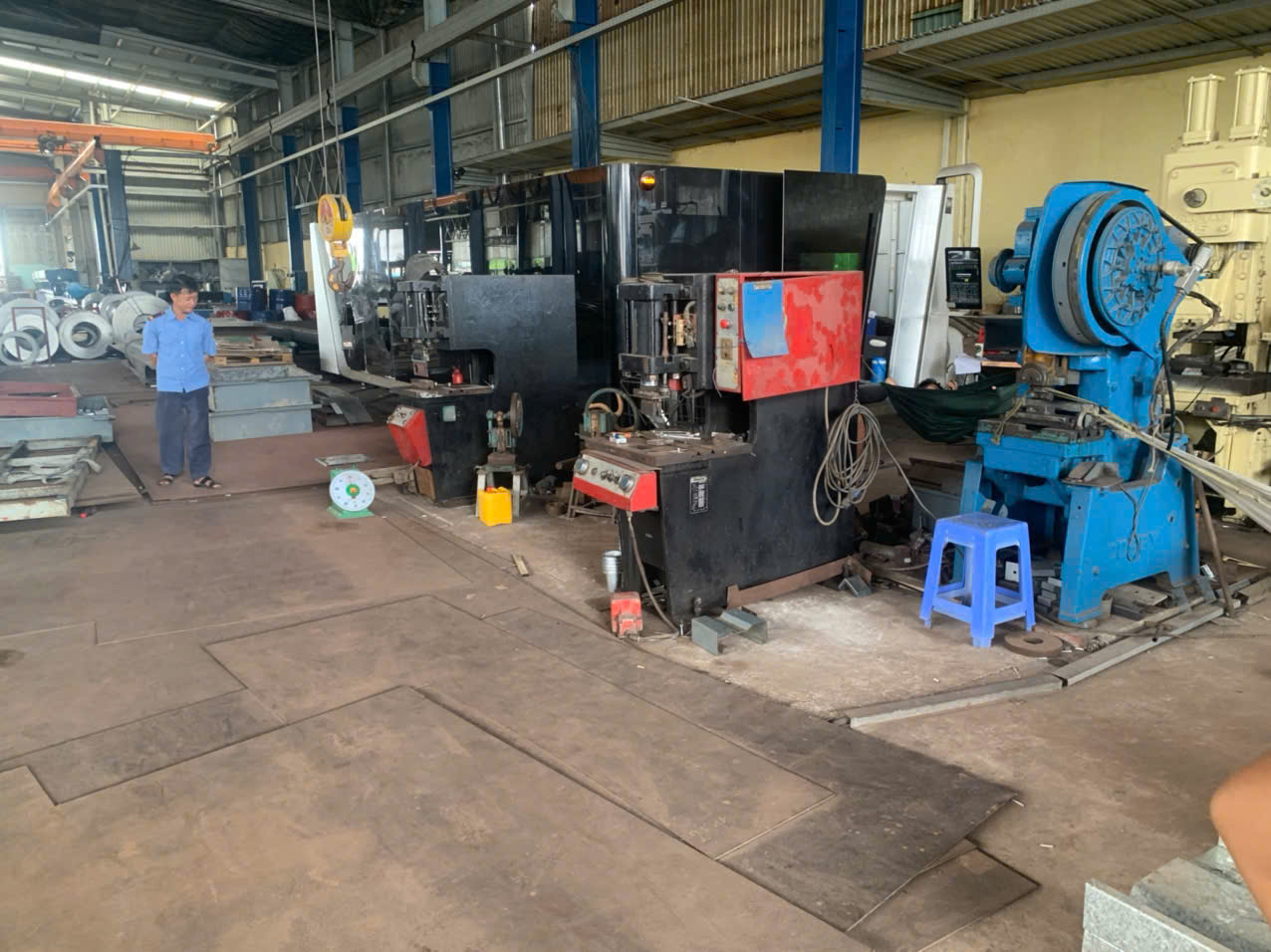
Compliance for European OEMs breaks into three layers: quality-system certification, product-level compliance, and origin documentation. Vietnamese suppliers can satisfy all three, but you must verify each layer, because capability is uneven across the market.
Quality System Certification
ISO 9001 4 is now common among export-oriented Vietnamese stamping plants. IATF 16949 is less widespread than in China, but the gap is closing fast, driven by Japanese and Korean automotive supply chains already operating in Vietnam. When we shortlist suppliers for automotive-adjacent brackets and mounting components, we filter first by certification, then verify with an on-site audit. A certificate on the wall means little without live SPC charts on the press line.
Product and Material Compliance
RoHS, REACH 5, and material traceability are manageable in Vietnam. The caveat: much coil feedstock is imported, often from China or South Korea. So mill certificates must trace back to the original mill, not just the local service center. We insist on full traceability from coil heat number to finished carton. That protects our clients during EU customs checks and end-customer audits.
Origin Documentation Under EVFTA
This is where compliance turns into money. To claim 0% duty, the stamped part must meet EVFTA 6 rules of origin, and the supplier must issue correct origin documentation. Sufficient transformation in Vietnam usually qualifies stamped parts even with imported coil, but the paperwork must be airtight. We review origin declarations before every first shipment, because one clerical error can trigger duty reassessment at the EU border.
| Compliance Item | Typical Availability in Vietnam | What to Verify |
|---|---|---|
| ISO 9001 | Common at export plants | Scope covers stamping processes |
| IATF 16949 | Growing, FDI-led | Current certificate, audit findings |
| RoHS / REACH declarations | Available | Test reports, not just statements |
| Material certs (EN 10204) | Available | Traceable to original mill |
| EVFTA origin proof | Available | Rules-of-origin calculation on file |
Which Country Offers Better Cost Stability and Payment Flexibility for My OEM Sourcing Needs?
Quote price is where most sourcing mistakes begin. Early in our trading history, we watched a client chase a cheaper Chinese quote, only to lose the entire saving at the EU border in duties.
Vietnam typically offers better landed-cost stability for EU-bound stampings because EVFTA removes tariff exposure and labor costs run 20–30% lower. China offers cheaper complex tooling and deeper material markets. Payment flexibility depends on the partner; experienced trading intermediaries can extend open account terms in either country.

Cost stability is not one number. It is the sum of piece price, tooling amortization, tariffs, freight, and financing terms. Let me separate them, because the winner changes line by line.
Piece Price and Labor
Vietnamese labor and overhead costs sit meaningfully below coastal China. For labor-intensive stampings with secondary operations—deburring, tapping, spot welding, assembly of clips and brackets—that gap flows straight into piece price. One structural caveat: Vietnam imports most of its coil feedstock, so raw material costs still track regional and Chinese pricing. The labor saving is real; the material saving mostly is not.
Tariffs and Landed Cost
For EU-bound programs, this is the decisive line. A stamped component shipped from Vietnam to Germany can enter at 0% under EVFTA, while the same part from China may carry a 6.5% duty, plus exposure to potential anti-dumping measures 7 on steel and aluminum products. Always compare landed cost, never quote price.
| Cost Element | China | Vietnam | Advantage |
|---|---|---|---|
| Labor and overhead | Higher | 20–30% lower | Vietnam |
| Complex tooling cost | Lower, deep die market | Higher or imported | China |
| Raw material price | Local, competitive | Import-linked | China (slight) |
| EU import duty | ~6.5% typical | 0% under EVFTA | Vietnam |
| Trade-risk exposure | Anti-dumping risk | Lower for EU | Vietnam |
| Very high-volume scaling | Strong | Moderate | China |
Payment Flexibility
Direct factories in both countries usually want deposits and balance-before-shipment, which strains OEM cash flow. This is where sourcing partners earn their keep. Because we manage the full chain—supplier audits, PPAP, process control, final inspection, and door-to-door logistics—we can offer open account terms to qualified corporate clients. That converts a 30% deposit model into net terms that match your own receivables cycle, regardless of which country runs the presses.
Conclusion
Vietnam wins on tariffs, labor cost, and diversification; China wins on tooling depth and extreme volume. Compare landed cost, audit real process maturity, and split programs by complexity. We help clients do exactly that.
Frequently Asked Questions
What Quality and Precision Differences Should I Expect Between Vietnamese and Chinese Stamping Suppliers?
A stamped bracket we audited last quarter in Hanoi passed every dimensional check on the first article. The same drawing had failed twice at a mid-tier Chinese shop. Country stereotypes rarely predict outcomes.
How Do Vietnamese Suppliers Handle Lead Times and Delivery Compared to Chinese Factories?
Delivery delays are the number one complaint I hear from purchasing managers. Our Vietnam office exists partly because we learned that on-time delivery requires boots on the ground, not just emails.
Can Vietnamese Stamping Parts Suppliers Meet My European Compliance and Certification Requirements?
A European buyer once asked me whether Vietnamese mills could even produce RoHS 3 -compliant material certs. The question was fair five years ago. Today, the answer surprises most first-time visitors.
Footnotes
1. Wikipedia background on the progressive die tooling technology central to the supplier comparison. ↩︎
2. Explains the automotive quality management standard referenced throughout the article. ↩︎
3. EU directive source for the RoHS compliance requirement mentioned for stamped parts. ↩︎
4. ISO’s official page defines the quality management standard referenced repeatedly in the article. ↩︎
5. ECHA official page explains the REACH chemical regulation cited for product compliance. ↩︎
6. Official EU source detailing the EU-Vietnam trade agreement tariff terms discussed extensively. ↩︎
7. Background on anti-dumping trade measures affecting Chinese steel and aluminum exports mentioned in the article. ↩︎