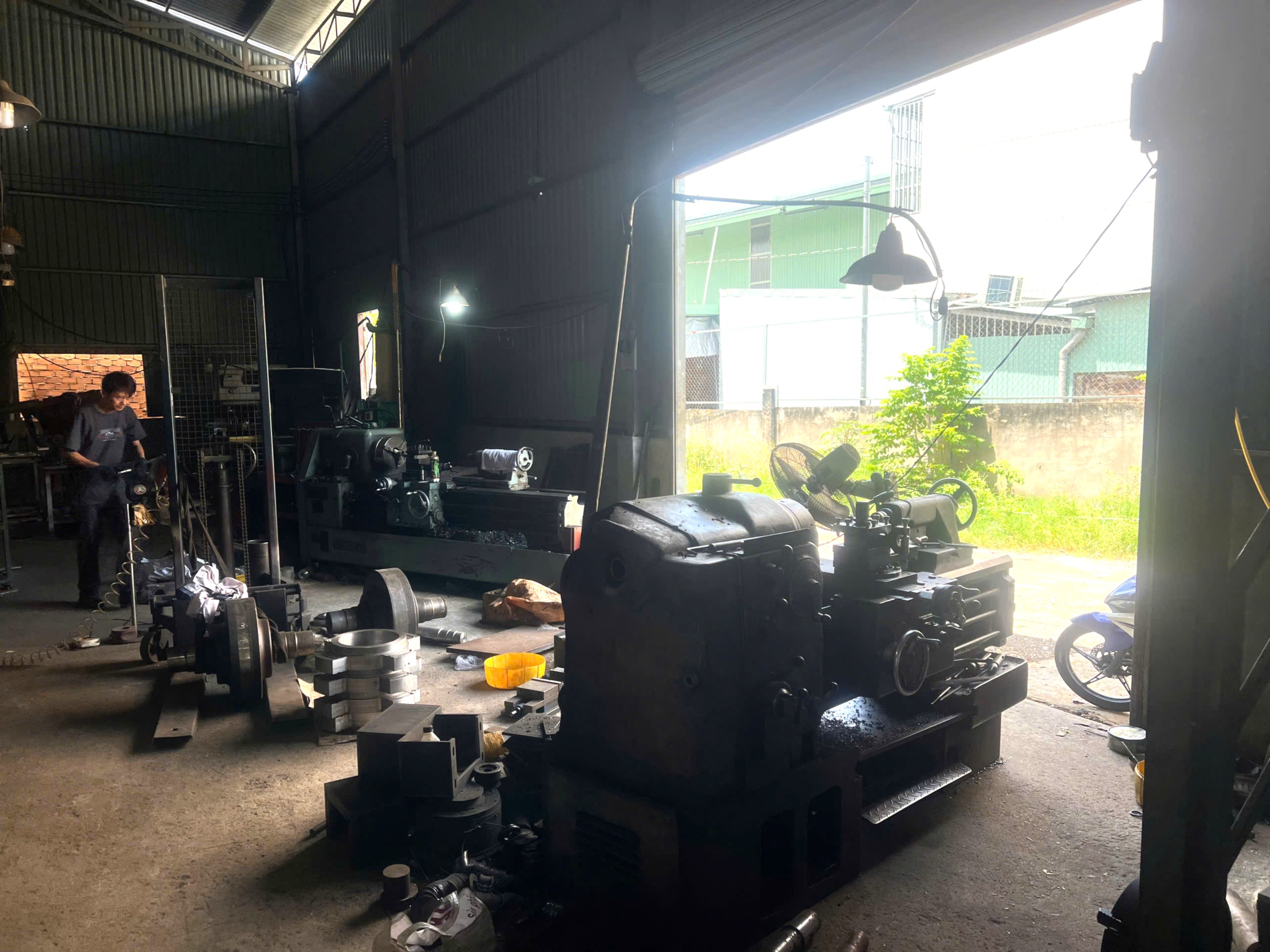

Vietnamese stamping parts suppliers now sit on almost every OEM shortlist I review, yet many buyers still get burned by picking the wrong country for the wrong part.
Vietnamese stamping parts suppliers typically beat Chinese suppliers on tariff exposure, labor cost, and diversification, while Chinese suppliers still lead on tooling depth, complex progressive dies, and high-volume programs. The right choice depends on part complexity, volume, material availability, and destination market—not country branding alone.
I run sourcing teams in both Vietnam and China. So I see the same drawings quoted on both sides of the border every week. Let me show you what the numbers and the audits actually reveal.
How do Vietnamese and Chinese stamping suppliers compare on quality control and first-pass yield?
Last quarter, our Vietnam office audited three stamping plants near Hai Phong for a U.S. bracket program. Two passed. One failed on metrology alone. That spread tells you everything.
Quality depends on the individual supplier, not the country. Top Chinese stamping suppliers show more consistent QMS maturity, IATF 16949 density, and in-house metrology across tiers. Vietnamese suppliers vary more widely, so OEMs need deeper audits, stricter FAI criteria, and closer process oversight there.
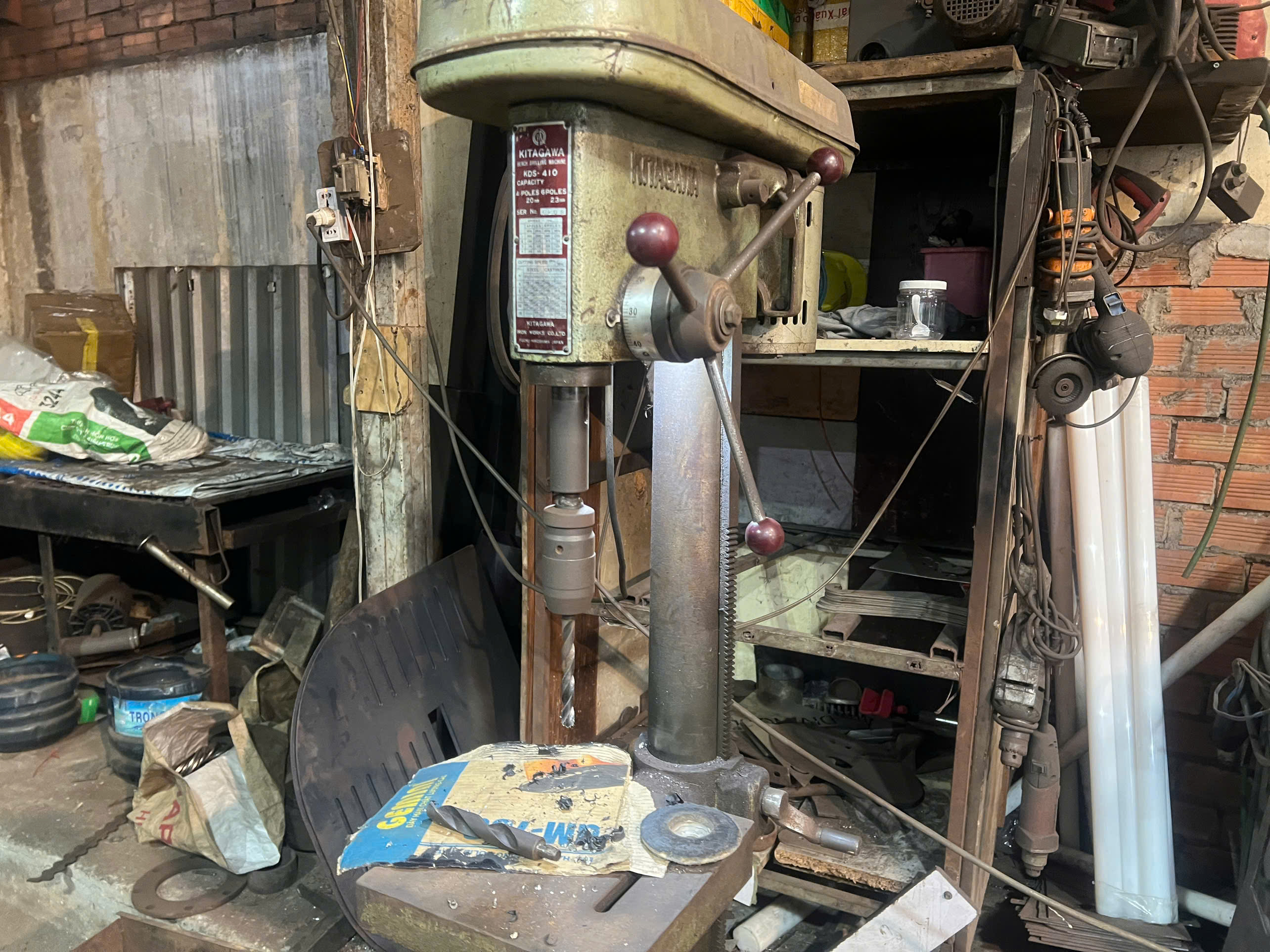
Quality is the area where averages mislead buyers the most. China has decades of export stamping history. That history built a thick layer of quality infrastructure: trained SQEs, calibrated CMMs, documented SPC, and PPAP 1 discipline. You can find that maturity across many tiers of Chinese suppliers, not just the top ones.
Vietnam is different. The best Vietnamese stamping plants—often Japanese, Korean, or foreign-invested—run quality systems that rival anything in China. But the middle of the market is thinner. Some shops still rely on manual sorting instead of process control. When we qualify a new Vietnamese stamping partner, our local team spends more days on site than we would in China. That extra effort is the real "cost" of Vietnam's quality gap.
What we check before awarding stamping business
Here is the checklist our engineers use in both countries:
- Documented QMS with real records, not binder decoration.
- First Article Inspection criteria agreed before tooling starts.
- SPC on critical dimensions, especially hole positions and bend angles statistical process control 2.
- In-house toolroom capability for die maintenance.
- Clear die ownership and maintenance responsibility in the contract.
| Quality Factor | China (typical top-tier) | Vietnam (typical top-tier) |
|---|---|---|
| IATF 16949 3 density | High, widespread | Growing, concentrated in FDI plants |
| In-house metrology (CMM) | Common | Less standardized |
| SPC discipline | Mature | Improving, verify case by case |
| Audit effort needed | Moderate | Higher, more hands-on |
| First-pass yield consistency | Strong across tiers | Strong at top, uneven below |
For simple brackets and clips like the ones we ship weekly, a well-audited Vietnamese plant delivers first-pass yields equal to China. For tight-tolerance, multi-stage parts, the pool of capable Vietnamese suppliers is smaller. It exists—you just have to find it and verify it.
Can Vietnamese stamping parts suppliers match Chinese lead times and delivery reliability for OEMs?
A purchasing manager once told me his biggest fear was not price—it was a missed ship date that idled his customer's assembly line. Lead time reliability decides whether Vietnam works for him.
Vietnamese stamping suppliers can match Chinese delivery on standard parts with locally available steel, but material imports for specialty alloys add one to four weeks of risk. China's denser sub-tier network still gives it a lead-time edge on complex, multi-process programs.

Lead time is really three separate clocks. First, tooling lead time. Second, production lead time. Third, transit time. Vietnam and China perform differently on each clock, and buyers often confuse them.
Tooling lead time
Simple blanking and forming dies take four to eight weeks in Vietnam, roughly matching China. Complex progressive die 4s stretch to six to twelve weeks in Vietnam, and sometimes the die itself gets subcontracted—occasionally back to China. That adds coordination risk. In China, most serious stamping houses build complex dies in-house, which compresses and stabilizes the schedule.
Production and material lead time
Here is the quiet risk in Vietnam: raw material. A large share of steel coil used by Vietnamese stampers is imported from China, Korea, or Taiwan. Standard grades sit in local stock. Specialty grades, specific coatings, or unusual gauges may need import lead time. Our Vietnam team confirms coil availability before we commit to any delivery date. When the material is local, Vietnamese production schedules hold up well.
Transit time
Transit is the smallest gap. Sailings from Hai Phong or Ho Chi Minh City to the U.S. West Coast run only marginally longer than from Chinese ports. Port and customs infrastructure in Vietnam is younger but improving fast, especially around the northern industrial zones.
| Lead-Time Element | China | Vietnam |
|---|---|---|
| Simple die build | 3–6 weeks | 4–8 weeks |
| Complex progressive die | 5–8 weeks | 6–12 weeks, may be outsourced |
| Standard coil availability | Immediate, deep local supply | Good for common grades |
| Specialty alloy/coating | Local, fast | Often imported, +1–4 weeks |
| Ocean transit to U.S. West Coast | Baseline | Slightly longer |
The practical rule we apply: if the part uses common steel and a manageable die, Vietnam delivers on time. If the part needs exotic material plus a high-cavitation progressive die, China remains the safer schedule.
What are the real cost differences between sourcing stamping parts from Vietnam versus China?
When our Singapore office builds a landed-cost model for a client, the piece price is never the headline. Tariffs are. That single line often flips the decision toward Vietnam.
Vietnam typically offers 15–30% lower total landed cost for U.S.-bound stamped parts once Section 301 tariff savings are included, driven by lower labor rates and tariff-free MFN entry. However, tooling, logistics, and material imports can narrow that gap on complex parts.

Cost comparisons fail when buyers look only at the unit price on a quote sheet. The honest comparison is a total landed-cost model with six lines: piece price, tooling amortization, tariffs, freight, quality risk, and management overhead. Let me walk through each one as we calculate it for our clients.
The six-line landed-cost model
| Cost Line | China | Vietnam | Notes |
|---|---|---|---|
| Piece price (labor-intensive parts) | Baseline | 15–30% lower base cost | Gap narrows on automated, high-volume work |
| Tooling cost | Competitive, deep ecosystem | Often comparable or lower | Supplier claims of 40–60% below U.S. prices should be verified case by case |
| U.S. import tariffs | Section 301 5 exposure | Standard MFN rates | The single biggest swing factor for U.S. OEMs |
| Ocean freight | Baseline | Similar, slightly longer | Not a deal-breaker either way |
| Quality risk cost | Lower oversight cost | Higher audit and travel cost | Budget for extra qualification effort in Vietnam |
| Material sourcing | Local, cheap | Some grades imported | Imported coil can erase part of the labor saving |
Two warnings belong in every cost discussion. First, Vietnam's labor advantage is real but narrowing as its wages rise. On highly automated stamping lines, labor is a small cost share anyway, so the gap shrinks further. Second, tariff savings carry compliance conditions. U.S. anti-circumvention investigations increasingly target Vietnam-origin metal parts made from Chinese substrate steel. If your "Vietnamese" part is stamped from Chinese coil with minimal transformation, you may face customs and legal risk. We document substantial transformation and material origin for exactly this reason. Some "Vietnamese" plants are also Chinese-owned satellites, which demands ownership due diligence before you rely on origin claims.
So the honest summary is this: Vietnam is not cheaper in every line, but it is often cheaper in the landed-cost sense—especially for U.S.-bound, labor-intensive stampings.
How do I evaluate Vietnamese versus Chinese suppliers for tooling capability and complex OEM projects?
The hardest quote I handled last year was a deep-draw housing with a twelve-station progressive die. Only one Vietnamese shop on our list could build it in-house. In China, we had six candidates by Friday.
Evaluate suppliers on in-house die design, press tonnage, coil-feed automation, and progressive die track record. China leads for complex, high-cavitation tooling and integrated engineering support. Vietnam suits blanking, piercing, forming, and moderate progressive work when the supplier owns its toolroom.

Tooling capability is where the ecosystem gap between the two countries shows most clearly. China built a dense network of toolmakers, die-steel suppliers, heat treaters, and wire-EDM 7 shops over thirty years. A Chinese stamping house can pull specialized support from across the street. Vietnam's toolmaking ecosystem is thinner. Fewer shops can design and build complex dies entirely in-house, and secondary processes like plating and heat treatment have fewer local options.
That does not mean Vietnam fails on tooling. It means your evaluation must go deeper. Here is the sequence we follow when qualifying either country:
- Confirm the process match. Blanking, piercing, forming, deep draw, and progressive work are different skills. Ask for parts they have actually run, not a brochure.
- Inspect the toolroom. Do they design dies in-house? Do they own wire-EDM and surface grinders? Or do they outsource the die and only run production?
- Verify press capacity and automation. Check tonnage range, coil-feeding lines, and in-die sensors. Automation predicts consistency.
- Nail down die ownership. Who owns the die? Who maintains it? What die life is guaranteed, and who pays for refurbishment?
- Demand production references. Ask for OEM references in your industry and review real FAI and SPC records.
For the stamped brackets, clips, and Z-fold fasteners that make up much of our order book, Vietnamese suppliers handle the tooling comfortably. For electronics-grade, tight-tolerance, high-cavitation programs, China still dominates the hardest jobs. Many of our clients land on a dual-source model: China for the most complex, high-volume dies, Vietnam for cost-sensitive and tariff-sensitive stampings. That split gives them resilience without sacrificing capability.
Conclusion
Choosing between Vietnamese and Chinese stamping suppliers on price alone is how OEMs end up with delays, tariff surprises, and non-conforming parts.
The pattern is consistent across every project we manage. Vietnamese stamping parts suppliers win on tariff exposure, labor cost, and China+1 resilience. Chinese suppliers win on tooling depth, material access, and the most complex programs. The smartest OEMs stop asking which country wins and start asking which supplier fits the part. Match complexity, volume, material, and destination market to the right plant—then verify everything on site. With teams on the ground in both Vietnam and China, that verification is exactly the work we do every day, from supplier audits and PPAP through final inspection and door-to-door delivery. If you want a landed-cost comparison on your next stamping drawing, we are ready to run the numbers for you.
Frequently Asked Questions
How do Vietnamese and Chinese stamping suppliers compare on quality control and first-pass yield?
Last quarter, our Vietnam office audited three stamping plants near Hai Phong for a U.S. bracket program. Two passed. One failed on metrology alone. That spread tells you everything.
Can Vietnamese stamping parts suppliers match Chinese lead times and delivery reliability for OEMs?
A purchasing manager once told me his biggest fear was not price—it was a missed ship date that idled his customer's assembly line. Lead time reliability decides whether Vietnam works for him.
What are the real cost differences between sourcing stamping parts from Vietnam versus China?
When our Singapore office builds a landed-cost model for a client, the piece price is never the headline. Tariffs are. That single line often flips the decision toward Vietnam.
Footnotes
1. ISO’s role in standardizing production part approval processes referenced for supplier verification. ↩︎
2. Background on SPC methodology used to describe quality discipline across suppliers. ↩︎
3. Explains the automotive quality management standard referenced for supplier QMS maturity. ↩︎
4. Background on the progressive die stamping process discussed throughout the tooling section. ↩︎
5. Official source explaining the tariff mechanism driving Vietnam’s cost advantage. ↩︎
6. Authoritative source explaining Section 301 tariffs affecting Chinese stamped parts imports. ↩︎
7. Explains the precision machining technology referenced as a toolroom capability. ↩︎