
Every week, our team in Vietnam and China fields the same question from U.S. purchasing managers: should I move my stamping parts out of China? The problem is real—Section 301 tariffs 1 have inflated landed costs, delivery timelines keep slipping, and finding a reliable alternative feels like a gamble. The agitation grows when you realize a wrong move could mean months of lost production and costly rework. But here is the good news: after years of managing stamping projects across both countries, we have seen a clear path forward for buyers willing to look at the data.
Vietnamese suppliers offer 15–30% lower landed costs for mid-complexity stamping parts due to zero Section 301 tariffs and lower labor rates, while Chinese suppliers remain superior for ultra-precision tolerances, high-volume runs exceeding 50,000 pieces per year, and complex multi-component assemblies requiring deep supply chain integration.
This article breaks down everything you need to know—cost, quality, lead times, and risk—so you can make a sourcing decision that fits your specific stamping project. Let’s walk through each factor side by side.
What Quality and Precision Differences Should I Expect Between Vietnamese and Chinese Stamping Suppliers?
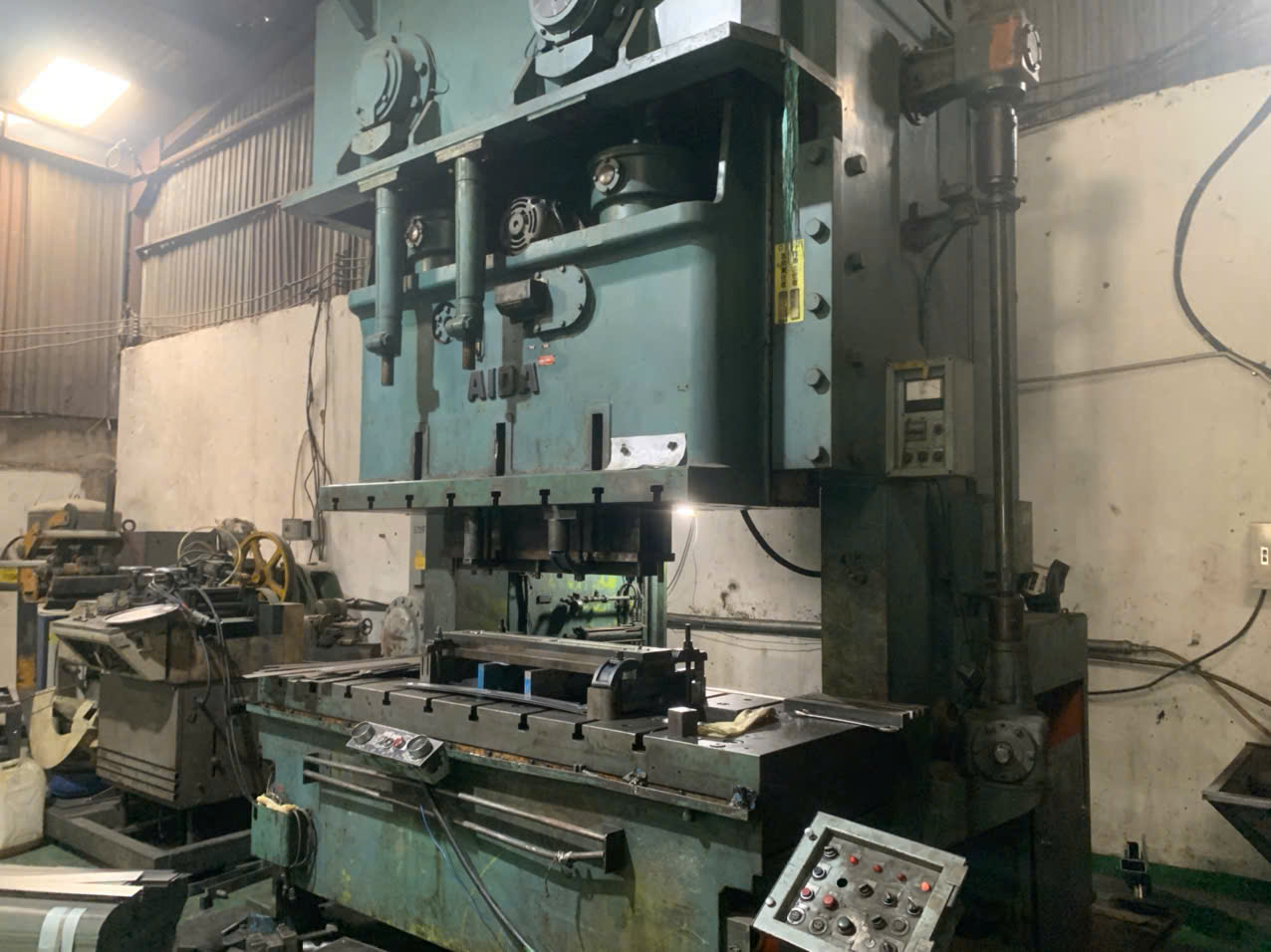
One lesson our quality team learned early was this: tolerance specs on paper mean nothing if the press doing the work was built in 1995 and has never been recalibrated. When we audit stamping factories in both Vietnam and China, the equipment age gap is often the first surprise.
For standard stamping tolerances of ±0.1 mm, Vietnamese suppliers now match or exceed Chinese capability from five years ago. However, Chinese suppliers still dominate for ultra-precision work at ±0.02 mm or tighter, exotic alloys, and complex multi-axis stamped assemblies requiring integrated engineering depth.

Tolerance Capabilities: Where Each Country Excels
Precision metal stamping 2 is not one-size-fits-all. The tolerance you need dictates which country gives you the best result.
| Tolerance Range | Vietnam Capability | China Capability | Best Fit |
|---|---|---|---|
| ±0.1 mm (standard sheet metal) | Strong — meets spec reliably | Strong — mature ecosystem | Either country works |
| ±0.05 mm (mid-precision) | Capable with vetted suppliers | Widely available | China has more options |
| ±0.02 mm or tighter (ultra-precision) | Limited — few shops equipped | Excellent — deep engineering bench | China is the clear winner |
For brackets, clips, and mounting hardware like the ones we regularly source—parts with punched holes, bent flanges, and angular geometries—Vietnamese factories handle ±0.1 mm tolerances without issue. Their stamping shops have grown up around Japanese and Korean electronics and motorcycle manufacturing, which built a solid die-making foundation.
Equipment Age: A Hidden Vietnamese Advantage
Here is something most buyers do not realize. Many Vietnamese stamping factories in established sourcing networks run newer machinery—presses built within the last ten years. Equivalent-tier Chinese suppliers often operate equipment that is 20 to 30 years old. Newer machines mean tighter repeatability and fewer drift issues across long runs.
That said, China's Tier-1 stampers are adopting Digital Twin technology 3 for real-time quality correction during the press cycle. This level of Industry 4.0 integration is not yet widespread in Vietnam. For high-strength steel stampings requiring complex springback calculations, Chinese engineers bring decades of specialized experience that Vietnamese shops are still developing.
Factory-to-Factory Variance: The Real Risk
This is critical. In China, the sheer density of stamping clusters means factory-to-factory quality variance is narrower. You can find a proven plant faster. In Vietnam, the variance is wider. I have seen two Vietnamese factories fifteen minutes apart where one runs a fully automated coil-fed line and the other still relies on manual feeding. Equipment-level vetting is not optional—it is essential. Our Vietnam office conducts on-site audits that check press lists, coil-feeding automation, in-house toolrooms, and die ownership before we ever place a trial order.
Tooling and Die-Making Depth
China's die-making clusters offer specialized heat treatment and surface coating services. These services can extend stamping tool life by up to 30% compared to standard tooling available in Vietnam. For high-volume programs where die longevity directly affects unit cost, this matters. Vietnam's tooling ecosystem is smaller, and complex mold fabrication may still require imports from China, Korea, or Japan.
How Do Production Costs and Pricing Compare When I Source Stamping Parts from Vietnam Versus China?
A U.S. purchasing manager we work with recently put it bluntly: "I don't care about piece price. I care about what it costs when it hits my dock." That landed-cost mindset is exactly right, and it is where the Vietnam-versus-China comparison gets interesting.
After factoring in zero Section 301 import tariffs and lower manufacturing labor costs, Vietnamese stamping parts typically land 15–30% cheaper than equivalent Chinese parts for U.S. buyers, despite slightly higher tooling and mold fabrication costs in Vietnam's smaller die-making ecosystem.

The Landed Cost Breakdown
Let me walk through the real numbers. The table below shows a side-by-side comparison for a hypothetical stamped steel bracket order shipping to the U.S.
| Cost Factor | China | Vietnam | Notes |
|---|---|---|---|
| Hourly labor cost | ~$6.50 | ~$2.99 | Vietnam is roughly 54% cheaper |
| Labor efficiency (relative) | 100% | ~65% | Offsets some labor savings |
| Piece price (per unit) | Baseline | 5–15% lower | Before tariffs |
| Tooling cost | Lower | 10–20% higher | Smaller die-making ecosystem in Vietnam |
| U.S. Section 301 tariff | 7.5–25% | 0% | Decisive advantage for Vietnam |
| Shipping to U.S. West Coast | Comparable | Comparable | Similar transit times from major ports |
| Total landed cost | Baseline | 15–30% lower | Tariff savings dominate |
Why Tariffs Are the Game Changer
The single biggest cost factor is import tariffs and duties. Chinese-origin stamping parts face Section 301 tariffs 4 that can add 7.5% to 25% to the invoice value. Vietnamese-origin goods carry zero Section 301 exposure. For a $500,000 annual stamping program, that tariff difference alone can save $37,500 to $125,000 per year.
This is why the China Plus One strategy has moved from boardroom theory to purchasing reality. Our clients are not leaving China entirely. They are shifting tariff-exposed parts to Vietnam while keeping complex, precision-critical work in China. For a deeper look at how to compare sourcing costs for sheet metal fabrication from China vs. Vietnam, we have covered that topic separately.
The Efficiency Tradeoff
Vietnam's labor is cheaper, but it is also less efficient—roughly 65% of China's productivity for comparable tasks. This means a Vietnamese factory may need more labor hours to produce the same output. For simple stamping operations, this barely matters. For complex production lines with tight cycle times, the efficiency gap can eat into cost savings.
Tooling: A Smaller but Real Cost Difference
Tooling and mold fabrication costs run 10–20% higher in Vietnam because the local die-making ecosystem is less developed. However, this is a one-time cost. Over a production run of 5,000 or more pieces, the per-unit impact shrinks to almost nothing. The ongoing tariff savings far outweigh the upfront tooling premium.
Compared to sourcing from U.S. domestic suppliers, Vietnam offers 30–50% lower piece prices. That gap is large enough to justify the logistics complexity for most mid-to-high volume stamping programs.
Can Vietnamese Suppliers Match Chinese Manufacturers in Lead Times and On-Time Delivery for Stamping Projects?
When we kicked off a bracket program with a Vietnamese supplier last year, the first sample arrived two days late. Not a disaster—but for buyers used to China's clockwork delivery from dense job-shop clusters, it raised an eyebrow. The lead time comparison between these two countries is more nuanced than most sourcing guides suggest.
Chinese manufacturers generally deliver stamping parts faster—often within three weeks—thanks to superior logistics infrastructure, mega-factory scale, and dense supplier clusters, while Vietnamese suppliers are competitive for mid-volume runs of 500 to 20,000 pieces but may have slower ramp-up times for complex product lines.
Volume Sweet Spots and Scale
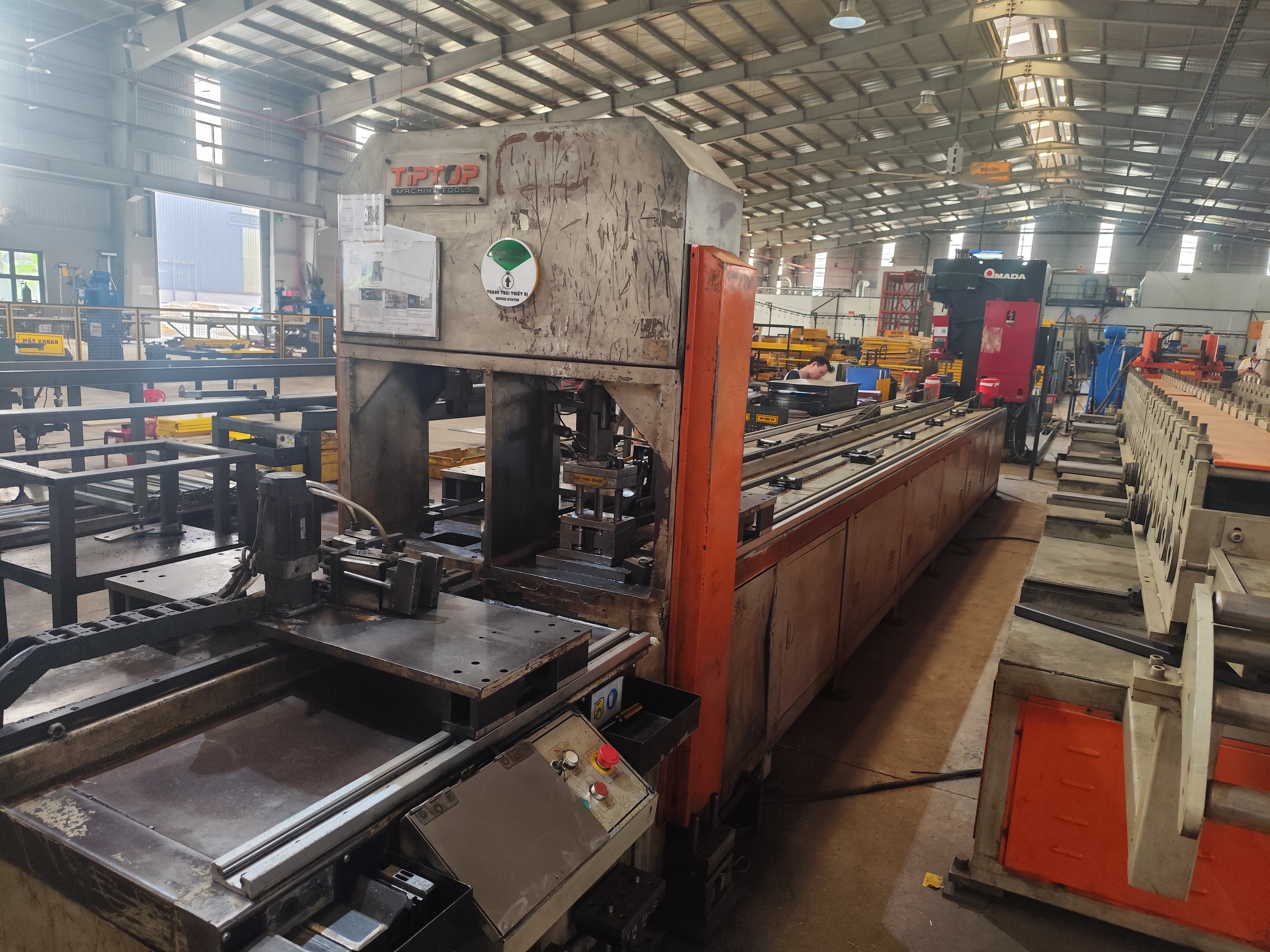
The volume you need shapes which country delivers best. China's stamping ecosystem was built for scale. Factories capable of running 50,000+ pieces per year are common, with automated lines, in-house raw material sourcing, and on-site logistics teams. Vietnam's sweet spot sits lower—500 to 20,000 pieces per year—where smaller, more agile factories can compete effectively.
| Order Volume | China Lead Time | Vietnam Lead Time | Advantage |
|---|---|---|---|
| Prototype (1–50 pcs) | 1–2 weeks | 1–3 weeks | China (faster prototyping) |
| Low volume (500–5,000 pcs) | 3–4 weeks | 3–5 weeks | Comparable |
| Mid volume (5,000–20,000 pcs) | 2–3 weeks | 3–4 weeks | China (slight edge) |
| High volume (50,000+ pcs) | 2–3 weeks | 4–6 weeks | China (clear winner) |
Raw Material Sourcing and Its Impact on Timelines
This is where supply chain resilience becomes real. China has one of the world's most complete industrial systems. A stamping factory in Dongguan or Ningbo can source specialized steel grades, coatings, and fasteners within a one-hour drive. Vietnam's supply chain is smaller and less developed. Vietnamese auto parts factories import roughly 80% of their components World Bank 5, often from China itself. If you need a specific high-strength steel or exotic alloy, expect an extra one to two weeks for raw material sourcing in Vietnam.
China's regional Scrap-to-Steel loops also play a role. Some Chinese stamping clusters return waste metal to local mills for immediate credit, creating a closed loop that reduces both cost and lead time. This infrastructure does not yet exist at the same scale in Vietnam.
Logistics Infrastructure
China's port efficiency, highway density, and freight forwarding networks are more mature. Major stamping hubs sit within hours of world-class ports like Shenzhen, Shanghai, and Ningbo. Vietnam's logistics infrastructure is improving rapidly—new expressways and expanded ports in Ho Chi Minh City and Hai Phong are helping—but transit times from factory to port can still add a day or two compared to China's best corridors.
For U.S.-bound shipments, ocean transit times from both countries to the West Coast are comparable at roughly 14–18 days. The difference shows up in the factory-to-port leg and in how quickly suppliers can respond to urgent schedule changes. Trade agreements 6 between Vietnam and multiple trading blocs are also smoothing customs processes, which helps.
On-Time Delivery: The Human Factor
On-time delivery depends more on the specific supplier than on the country. I have seen excellent Vietnamese factories hit 98% on-time rates, and I have seen Chinese factories miss deadlines repeatedly. The key is process control. Suppliers with ISO 9001 certification 7 and structured production planning tend to deliver on time regardless of geography. Our approach is to establish clear milestones, require weekly production updates, and conduct in-process inspections at critical stages.
Which Country Offers Better Communication, Quality Control, and Risk Mitigation for My Custom Stamping Parts?
A few months ago, our engineering team caught a missed GD&T callout 8 on a drawing review for a stamped mounting clip. The Vietnamese supplier had overlooked a critical flatness requirement that would have caused assembly issues downstream. We flagged it before tooling started. That interaction reminded me why communication and quality control matter as much as price.
China offers narrower supplier variance and established quality systems, making vetting easier, but Vietnam provides advantages in tariff risk mitigation and geopolitical diversification. Both countries require rigorous supplier audits, with Vietnamese suppliers needing especially thorough equipment-level vetting due to wider capability gaps between factories.

Communication: Language, Responsiveness, and Technical Depth
In our experience exporting to the U.S. market, communication quality varies factory by factory. Chinese suppliers in established export clusters—Shenzhen, Dongguan, Ningbo—often have dedicated English-speaking sales engineers. Vietnamese suppliers are catching up, but technical English proficiency is generally less consistent.
What matters more than language is technical understanding. Can the supplier read your drawing, identify potential stamping issues, and propose design-for-manufacturability improvements? Chinese suppliers with decades of export experience tend to have deeper engineering bench strength. Vietnamese suppliers trained in Japanese or Korean manufacturing systems bring strong process discipline but may need more support for unfamiliar product configurations.
Quality Control Systems
Both countries have suppliers with ISO 9001 certification 9. But certification alone does not guarantee performance. Here is what to verify during a supplier audit:
Vietnamese Supplier Vetting Checklist:
- Press list review — Document every press, its tonnage, age, and maintenance schedule.
- Coil-feeding automation — Manual feeding introduces variance; automated feeding is preferred.
- In-house toolroom — Can they maintain and repair dies on-site, or must they outsource?
- Die ownership terms — Confirm in the contract who owns the tooling and who pays for maintenance.
- Material traceability — Can they provide mill certificates for the steel or alloy used?
- First Article Inspection (FAI) — Do they follow a formal PPAP 10 or equivalent process?
- Inspection equipment — CMM, optical comparators, hardness testers—verify calibration records.
In China, the same checklist applies, but the narrower factory-to-factory variance means you are less likely to encounter a supplier that looks good on paper but lacks basic equipment. China's mature clusters make it easier to find a proven plant quickly. For more detail on advantages and risks of sourcing stamping parts from Vietnam, we have published a dedicated guide.
Risk Mitigation: The Dual Sourcing Strategy
Many of our clients now use a dual sourcing model. They manufacture precision or complex stamped parts in China and perform final assembly in Vietnam. This approach balances cost, quality, and supply chain resilience.
| Strategy | Best For | Key Benefit |
|---|---|---|
| 100% China sourcing | Ultra-precision, high-volume, complex assemblies | Deepest engineering and supply chain depth |
| 100% Vietnam sourcing | Mid-complexity, tariff-sensitive, U.S.-bound parts | Lowest landed cost, zero Section 301 tariffs |
| Dual sourcing (China parts + Vietnam assembly) | Mixed complexity programs | Balances cost, quality, and geopolitical risk |
| Vietnam FATP (final assembly, test, pack) | Products requiring U.S. tariff optimization | Reduces tariff exposure while leveraging Chinese components |
The "China for parts, Vietnam for assembly" model is not just theory. We see it in practice every month. A client ships precision-stamped inserts from China to our Vietnamese partner, who assembles them into a finished bracket kit and ships the assembled product to the U.S. with Vietnamese origin, avoiding Section 301 tariffs entirely.
The 80% Dependency Problem
Buyers pursuing a true "China-free" supply chain should know this: Vietnam imports approximately 80% of its auto and industrial parts, much of it from China. Moving your stamping order to Vietnam does not necessarily remove China from your supply chain. It often just moves China one tier deeper.
For true supply chain diversification, you need to verify where your Vietnamese supplier sources raw materials. If the steel comes from a Chinese mill, your exposure to Chinese trade policy disruptions remains. Sourcing from Korean or Japanese steel mills adds cost but reduces single-country dependency. Understanding what advantages Vietnamese stamping parts suppliers have over Chinese suppliers can help you weigh these tradeoffs more effectively.
Conclusion
There is no single winner between Vietnamese and Chinese stamping suppliers. Your best choice depends on tolerance requirements, order volume, complexity, and tariff exposure. We help U.S. buyers navigate this decision every day—matching each project to the right factory, the right country, and the right quality controls so the parts arrive right the first time.
Frequently Asked Questions
What Quality and Precision Differences Should I Expect Between Vietnamese and Chinese Stamping Suppliers?
One lesson our quality team learned early was this: tolerance specs on paper mean nothing if the press doing the work was built in 1995 and has never been recalibrated. When we audit stamping factories in both Vietnam and China, the equipment age gap is often the first surprise.
How Do Production Costs and Pricing Compare When I Source Stamping Parts from Vietnam Versus China?
A U.S. purchasing manager we work with recently put it bluntly: "I don't care about piece price. I care about what it costs when it hits my dock." That landed-cost mindset is exactly right, and it is where the Vietnam-versus-China comparison gets interesting.
Can Vietnamese Suppliers Match Chinese Manufacturers in Lead Times and On-Time Delivery for Stamping Projects?
When we kicked off a bracket program with a Vietnamese supplier last year, the first sample arrived two days late. Not a disaster—but for buyers used to China's clockwork delivery from dense job-shop clusters, it raised an eyebrow. The lead time comparison between these two countries is more nuanced than most sourcing guides suggest.
Footnotes
1. Official source explaining the tariff policy driving landed cost differences discussed throughout article. ↩︎
2. Background encyclopedia reference explaining the core manufacturing process discussed in the article. ↩︎
3. Wikipedia background on the Industry 4.0 concept mentioned for Chinese Tier-1 stampers. ↩︎
4. Official USTR source explaining Section 301 tariff mechanism referenced throughout cost comparisons. ↩︎
5. Authoritative economic overview supporting claims about Vietnam’s manufacturing and labor cost landscape. ↩︎
6. WTO resource on trade agreements relevant to Vietnam’s customs and tariff advantages. ↩︎
7. Official ISO page defining the quality management standard referenced for supplier vetting. ↩︎
8. Wikipedia background on the engineering standard referenced for drawing review quality control. ↩︎
9. Authoritative ISO page defining the quality management standard cited for supplier vetting. ↩︎
10. ISO/IATF-related standard reference for the production part approval process mentioned in vetting checklist. ↩︎