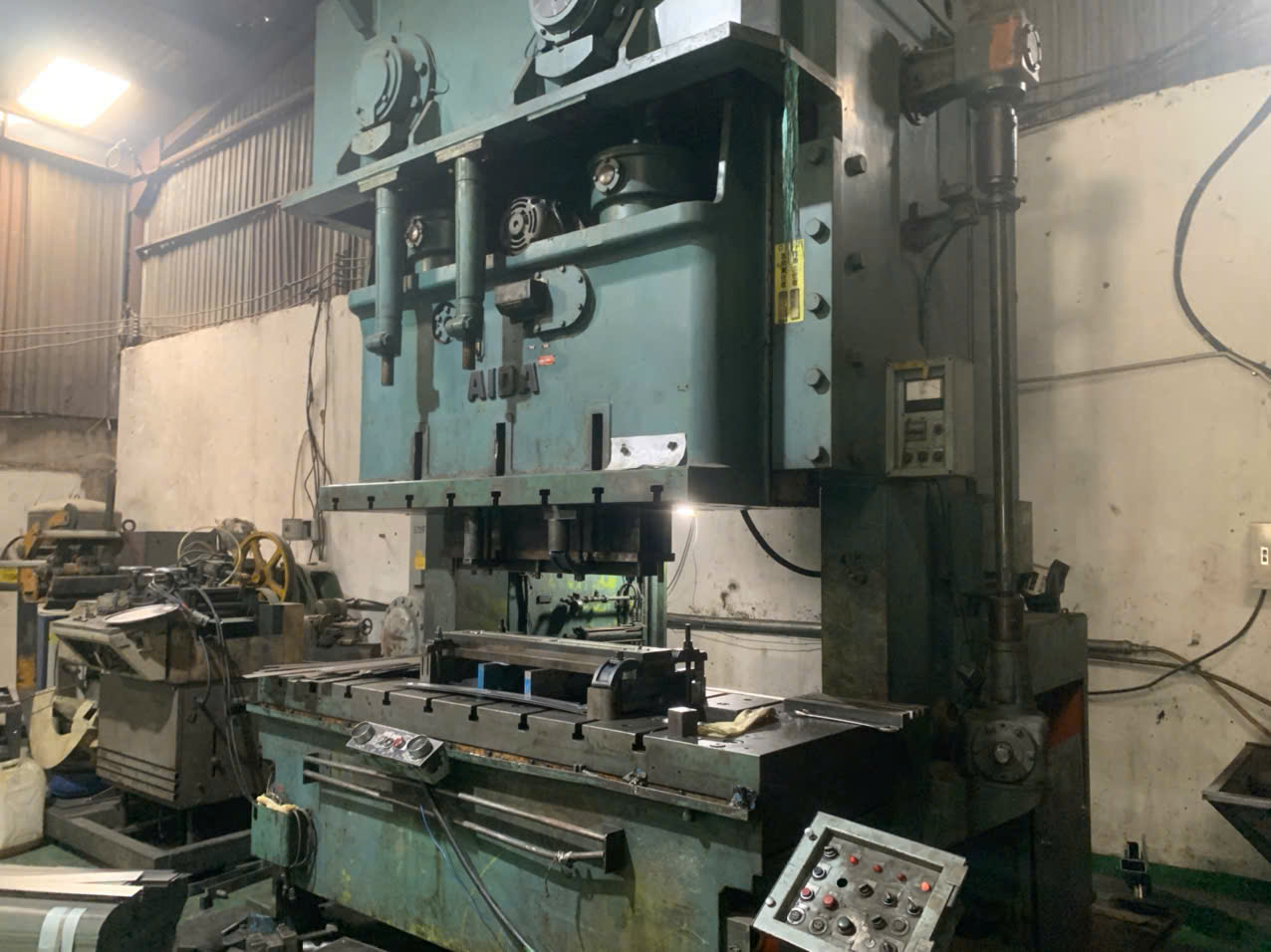
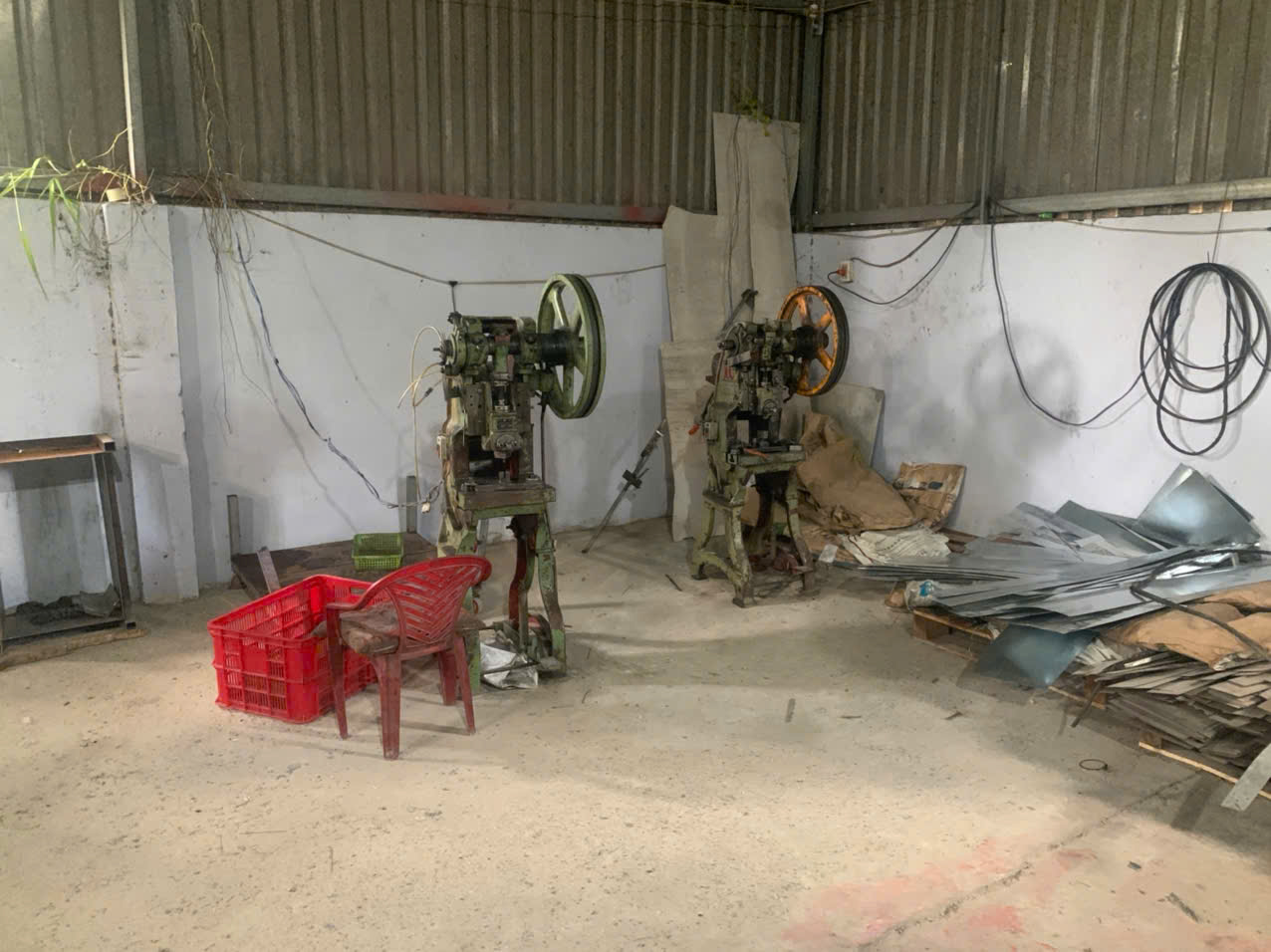
Every week, our Singapore office fields calls from U.S. purchasing managers asking one question: should I move my stamping parts from China to Vietnam?
Vietnamese suppliers offer 15–30% lower landed costs after Section 301 tariffs and excel at moderate-tolerance stamping, while Chinese suppliers retain dominance in tight-tolerance precision metal stamping, high-volume capacity, and deep supply chain ecosystems — making a dual-sourcing China Plus One strategy the optimal approach for most buyers.
The answer is rarely a simple either-or. Below, I break down quality, lead times, costs, and communication based on what our teams in both countries see daily on factory floors.
What Quality and Precision Differences Should I Expect Between Vietnamese and Chinese Stamping Suppliers?
One detail that surprised me early on: a Vietnamese shop we audited last year was holding ±0.05 mm on a progressive-die bracket — using Japanese-grade die steel and a Komatsu servo press that many mid-tier Chinese shops had not yet adopted metrology labs 1.
For parts requiring tolerances of ±0.1 mm or wider, Vietnamese stamping suppliers deliver quality comparable to Chinese manufacturers. However, for complex parts needing ±0.02 mm or tighter tolerances, exotic alloys, or multi-axis secondary machining, Chinese suppliers remain the stronger and more reliable choice.
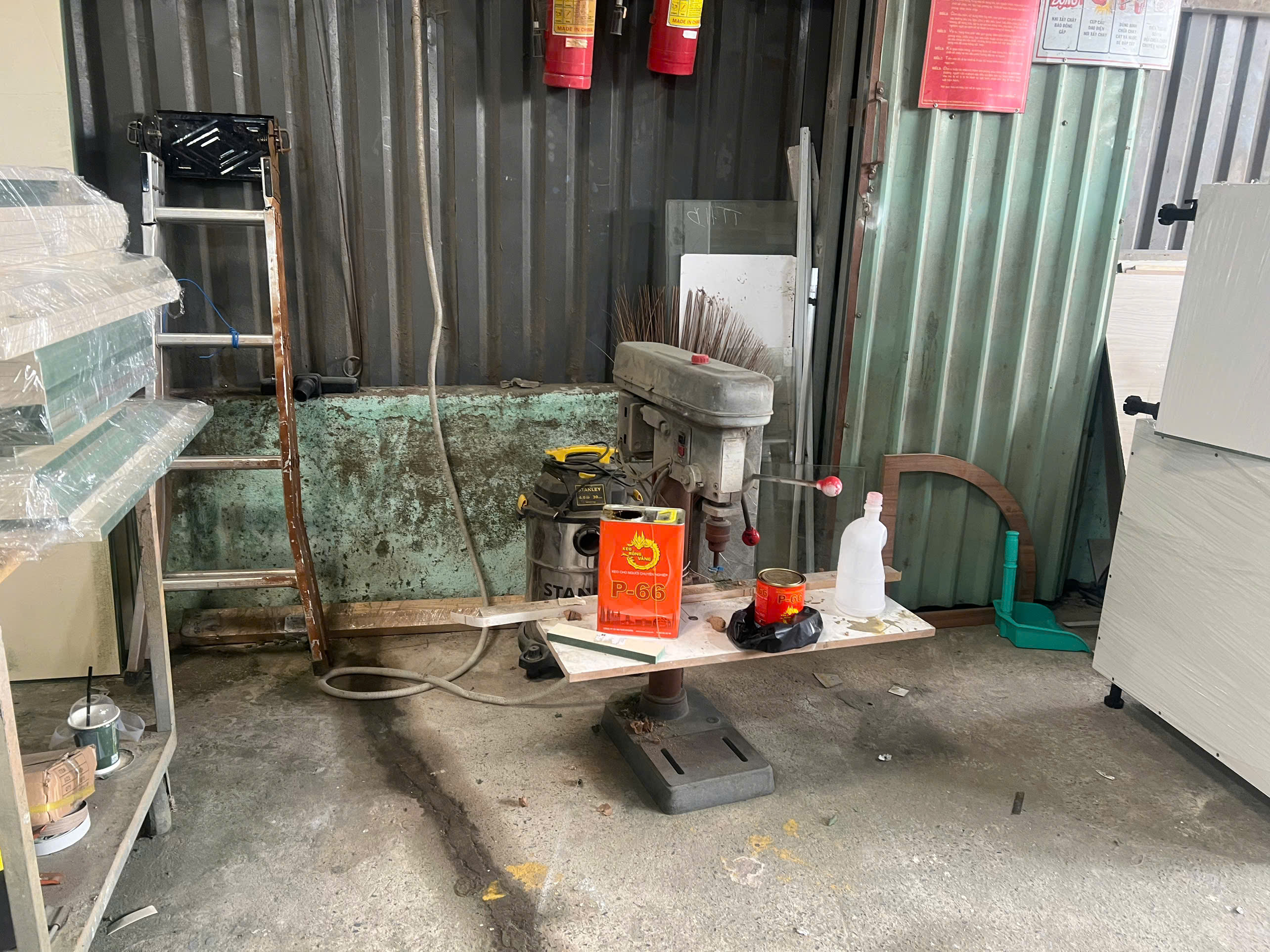
Where Vietnam Matches — and Where It Falls Short
Quality in stamping is not one thing. It spans dimensional accuracy, surface finish 2, material consistency, and batch-to-batch repeatability. Let me break each area down.
Dimensional accuracy. Our Vietnam office regularly sources brackets, post base mounts, and L-shaped mounting hardware — parts like the powder-coated brackets and raw steel post anchors we handle for U.S. distribution clients. For these components, tolerances sit in the ±0.05 mm to ±0.1 mm range. Vietnamese shops hit these numbers consistently, especially those trained under Japanese or Korean OEM programs. The workforce in northern Vietnam's industrial zones has absorbed decades of precision discipline from companies like Canon, Panasonic, and Samsung.
Tight-tolerance work. When a drawing calls for ±0.02 mm or tighter — common in automotive sensor housings or electronic shielding — China's ecosystem is simply deeper. Chinese facilities have better access to wire EDM 3, CNC grinding, and in-house metrology labs with CMM equipment. Vietnam is catching up, but the density of advanced equipment per factory is still lower.
Material consistency. Raw material availability matters. China produces its own tool steel 4, stainless sheet, and specialty alloys domestically. Vietnam increasingly sources local steel from mills like Formosa Ha Tinh, which helps meet strict Rules of Origin for EVFTA trade benefits 5 and duty-free EU exports. But for exotic alloys — Inconel, beryllium copper, phosphor bronze — Chinese mills offer faster access and more grades.
Tolerance Comparison Table
| Tolerance Range | Vietnam Capability | China Capability | Best Choice |
|---|---|---|---|
| ±0.1 mm or wider | Strong — comparable quality | Strong — mature ecosystem | Vietnam (lower cost) |
| ±0.05 mm | Good — top-tier shops only | Strong — widely available | Either (vet equipment) |
| ±0.02 mm or tighter | Limited — few shops qualified | Strong — deep bench | China |
| Exotic alloys (Inconel, BeCu) | Weak — imported materials | Strong — domestic supply | China |
ISO 9001 Certification and Inspection Infrastructure
One thing I want buyers to understand: ISO 9001 certification 6 alone does not guarantee part quality. We see certified factories in both countries that still miss critical drawing requirements. What matters is whether the shop has a real quality control process — incoming material inspection, in-process SPC, final dimensional checks, and documented corrective action.
China has a denser network of third-party inspection agencies (SGS, TÜV, Bureau Veritas offices in nearly every industrial city). Vietnam's third-party inspection coverage is thinner outside Ho Chi Minh City and Hanoi. This creates higher first-order risk for new buyers. Our Vietnam team bridges that gap by conducting equipment-level audits and first-article inspections on-site, but buyers sourcing independently should budget extra effort for supplier verification.
Top-tier Vietnamese stampers are also leapfrogging traditional models. Several shops we work with have adopted Smart Factory IoT monitoring — real-time press force tracking, die temperature sensing, and automated stroke counting. This data-driven approach can actually deliver more consistent quality than a mid-tier Chinese shop relying purely on operator experience.
How Do Lead Times and Delivery Reliability Compare When Sourcing Stamping Parts from Vietnam Versus China?
A U.S. client of ours once switched a bracket program from Dongguan to Hai Phong expecting identical four-week lead times. The first order took six weeks. The second took four. By the third, it was down to three and a half. That learning curve is real — and worth planning for.
Chinese suppliers typically deliver stamping parts 20–30% faster than Vietnamese suppliers due to mature domestic material supply chains and co-located tooling vendors. Vietnamese lead times are improving rapidly but remain longer for first orders, especially when tooling or specialized raw materials must be imported.

Why China Is Faster — For Now
Lead time in stamping is not just press time. It includes material procurement, tooling fabrication, first-article approval, production, surface treatment, and packing. China's advantage comes from ecosystem density. In a city like Dongguan or Ningbo, a stamping factory can source sheet metal from a warehouse 10 minutes away, send a die for wire EDM across the street, and outsource plating to a shop in the same industrial park.
Vietnam's logistics infrastructure is strong in major hubs — Hai Phong, Bac Ninh, Ho Chi Minh City — but regional gaps exist. If a part needs a specific surface treatment, the plating shop might be two hours away instead of two blocks. Vietnam is actively developing specialized Surface Treatment Clusters to provide integrated anodizing and plating services, but this network is still maturing.
Lead Time Breakdown by Phase
| Phase | China (Typical) | Vietnam (Typical) | Notes |
|---|---|---|---|
| Material procurement | 3–5 days | 5–10 days | Vietnam may import specialty sheet |
| Tooling fabrication (new die) | 3–4 weeks | 3–5 weeks | Vietnam tooling cost is lower |
| First-article approval | 3–5 days | 3–7 days | Depends on buyer response time |
| Production run (10k–50k pcs) | 5–10 days | 5–10 days | Similar press speeds |
| Surface treatment | 3–5 days | 5–8 days | Vietnam cluster still developing |
| Packing and shipping prep | 2–3 days | 2–3 days | Comparable |
| Total (new program) | 5–7 weeks | 6–9 weeks | Vietnam improves on repeat orders |
Delivery Reliability: The Real Pain Point
Frequent delivery delays are one of the top complaints I hear from U.S. purchasing managers — regardless of whether they source from China or Vietnam. The root causes differ, though.
In China, delays often stem from capacity overload. A popular factory juggles dozens of customers and quietly pushes back your order when a bigger client demands priority. In Vietnam, delays more often come from supply chain bottlenecks — a material shipment stuck at customs, or a heat-treatment vendor running behind.
Our approach is to build buffer time into the first two orders from any new Vietnamese supplier. We also maintain safety stock at our logistics partners. For repeat production, Vietnamese shops settle into a rhythm quickly. Their Minimum Order Quantity thresholds tend to be lower, which helps buyers who need smaller, more frequent shipments rather than one massive annual order.
One trend worth watching: Vietnamese stamping hubs are increasingly sourcing local steel, which cuts material procurement time. As domestic raw material availability grows, the lead time comparison will tighten further.
Will I Pay More or Less for Custom Stamping Parts from Vietnamese Suppliers Compared to Chinese Manufacturers?
The math changed overnight when Section 301 tariffs 7 hit 25% on Chinese metal stampings. I remember recalculating landed costs for a client's trailer-hitch mounting bracket — the kind of heavy-duty, powder-coated part with a thick base plate and central bore. The Vietnam quote was 8% higher on unit price. But after tariffs, freight, and duty, it was 22% cheaper landed in Houston.
Custom stamping parts from Vietnamese suppliers cost 15–30% less than Chinese equivalents on a total landed basis for U.S. importers, primarily due to zero Section 301 tariff exposure. Base unit prices are similar or slightly higher in Vietnam, but tooling costs run 30–50% lower thanks to labor cost arbitrage in die-making.

The Tariff Math: A Concrete Example
Let me walk through a real scenario. Say you buy a stamped steel mounting bracket at $0.50 per piece, 100,000 units per year.
| Cost Element | China Source | Vietnam Source |
|---|---|---|
| Unit price (FOB) | $0.50 | $0.54 |
| Annual volume | 100,000 | 100,000 |
| FOB total | $50,000 | $54,000 |
| Ocean freight (est.) | $3,000 | $3,200 |
| US import duty rate | 25% (Section 301) | 2.5% (MFN) |
| Duty paid | $12,500 | $1,350 |
| Total landed cost | $65,500 | $58,550 |
| Savings vs. China | — | $6,950 (10.6%) |
That $6,950 is conservative. Many stamped parts carry even higher base prices, and the 25% tariff compounds quickly. For a $2.00 part at 500,000 units, the tariff alone is $250,000 per year.
Tooling and Mold Costs: Vietnam's Hidden Advantage
Tooling costs are a one-time investment that many buyers overlook when comparing quotes. Die-making labor in Vietnam runs $8–15 per hour compared to $20–35 per hour in China. Wire EDM time costs $20–35 per hour in Vietnam versus $50–80 per hour in China.
In practical terms, a six-station progressive die that costs $25,000 in China can be built in Vietnam for $12,000–18,000. The quality is comparable for most applications because Vietnamese tool makers are trained by Japanese precision manufacturers and increasingly use premium Japanese or Korean die steel for higher stroke life and lower maintenance.
Where China Still Wins on Price
China's pricing advantage shows up in very high volumes — 500,000 pieces and above — where its mega-factories achieve economies of scale that Vietnamese facilities cannot match yet. China also wins when a part requires multiple secondary processes (stamping + welding + machining + plating) that are all co-located in one industrial cluster. Splitting those processes across Vietnam can add logistics cost that erodes the tariff savings.
Supply chain diversification 8 does not mean abandoning China entirely. It means placing each part where the total cost equation favors it. For labor-intensive stamping with moderate complexity, Vietnam wins. For high-volume, multi-process parts requiring deep component access, China still holds an edge on base cost — though tariffs may neutralize it for U.S.-bound goods.
What Communication and Quality Control Challenges Might I Face When Switching from Chinese to Vietnamese Stamping Suppliers?
Last quarter, we onboarded a new Vietnamese stamping shop for a client's galvanized L-bracket program. The factory manager spoke excellent English — better than most Chinese counterparts I have worked with over the past decade. But the quality engineer on the floor communicated only in Vietnamese. That gap between the front office and the shop floor is the single biggest risk I see buyers underestimate.
Switching from Chinese to Vietnamese stamping suppliers introduces challenges in technical English fluency on the shop floor, thinner third-party inspection coverage, and less mature engineering support outside major industrial zones. However, Vietnamese suppliers' cultural commitment to IP protection and their growing adoption of digital quality systems can offset these risks with proper vetting.
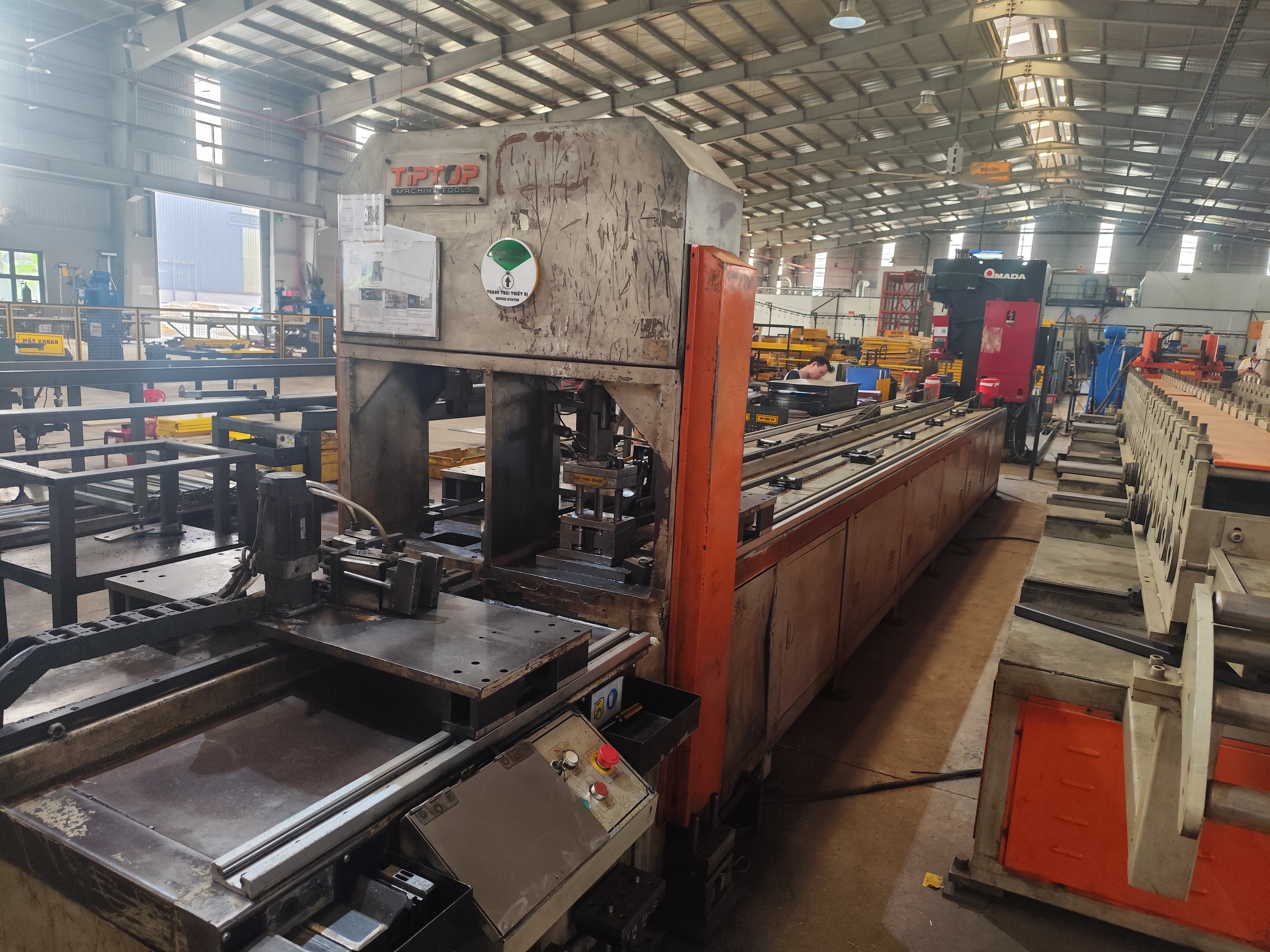
Language and Technical Communication
In China, decades of export manufacturing have built a deep bench of English-speaking sales engineers and quality managers. Vietnamese factories are catching up, but the depth is uneven. Sales teams in Ho Chi Minh City and Hanoi often communicate fluently. Factories in secondary cities may rely on translation apps or a single bilingual coordinator.
Our approach is straightforward: we station our own Vietnamese-speaking quality engineers at the factory during critical milestones — first-article runs, PPAP submissions 9, and production launches. This eliminates the telephone-game effect where a dimensional callout gets lost between the buyer's email, the sales team's translation, and the operator's understanding.
Quality Control Infrastructure
Here is what I tell every buyer considering the switch: do not assume that your Chinese QC playbook will work in Vietnam without modification.
In China, you can call SGS or TÜV and have an inspector at your factory within 48 hours in almost any industrial city. Pre-shipment inspection is a mature, commoditized service.
In Vietnam, third-party inspection is concentrated in major hubs. Outside those zones, response times stretch and inspector expertise varies. This is why having a local team — or a sourcing partner with local presence — is not a luxury. It is a necessity.
A Practical Vetting Checklist for Vietnamese Stamping Suppliers
- Equipment audit. Visit the shop floor. Verify press tonnage, die cushion capability, and feeder accuracy. Ask to see maintenance logs.
- Material traceability. Confirm whether the factory sources certified domestic steel or imports. Check mill certificates.
- Metrology capability. Does the shop own a CMM, optical comparator, or at minimum a calibrated set of micrometers and pin gauges? Or do they outsource measurement?
- Quality system documentation. Look beyond the ISO 9001 certificate. Review control plans, inspection instructions, and corrective action records.
- First-article process. Run a full PPAP (Production Part Approval Process) on the first order. Do not skip this step to save time.
- Reference customers. Ask for references from U.S. or European buyers. A factory exporting to Japan is also a strong signal.
IP Protection: A Quiet Advantage
One area where Vietnam consistently earns praise from our clients is intellectual property 10 protection. Vietnamese culture places high value on business relationships and trust. In our experience, IP leakage risk is materially lower than in China, particularly for Final Assembly, Test, and Pack operations where proprietary designs are exposed. This matters for stamped components that are part of patented assemblies.
The China Plus One Strategy in Practice
The smartest buyers are not abandoning China. They are building a dual-sourcing model. Complex, tolerance-critical stamping stays in China. Labor-intensive, moderate-tolerance stamping moves to Vietnam. Assembly of Chinese-made precision components into Vietnamese-stamped housings or brackets happens in Vietnam — capturing tariff savings on the finished good.
This hybrid strategy requires coordination. It requires a sourcing partner who understands both ecosystems. But for U.S. importers facing 25% Section 301 tariffs, it is the most pragmatic path to supply chain diversification without sacrificing quality or delivery.
Conclusion
Choosing between Vietnamese and Chinese stamping suppliers is not binary. Evaluate each part on tolerance, volume, tariff exposure, and total landed cost — then build a sourcing strategy that leverages the strengths of both. For a deeper dive into the cost equation, learn how to compare price and quality when sourcing stamping parts from Vietnam vs China. You can also explore how to compare Chinese vs Vietnamese sheet metal fabrication suppliers if your program includes sheet metal work alongside stamping.
Frequently Asked Questions
What Quality and Precision Differences Should I Expect Between Vietnamese and Chinese Stamping Suppliers?
One detail that surprised me early on: a Vietnamese shop we audited last year was holding ±0.05 mm on a progressive-die bracket — using Japanese-grade die steel and a Komatsu servo press that many mid-tier Chinese shops had not yet adopted metrology labs 1 .
How Do Lead Times and Delivery Reliability Compare When Sourcing Stamping Parts from Vietnam Versus China?
A U.S. client of ours once switched a bracket program from Dongguan to Hai Phong expecting identical four-week lead times. The first order took six weeks. The second took four. By the third, it was down to three and a half. That learning curve is real — and worth planning for.
Will I Pay More or Less for Custom Stamping Parts from Vietnamese Suppliers Compared to Chinese Manufacturers?
The math changed overnight when Section 301 tariffs 7 hit 25% on Chinese metal stampings. I remember recalculating landed costs for a client's trailer-hitch mounting bracket — the kind of heavy-duty, powder-coated part with a thick base plate and central bore. The Vietnam quote was 8% higher on unit price. But after tariffs, freight, and duty, it was 22% cheaper landed in Houston.
Footnotes
1. Official NIST page explaining the science of measurement and metrology standards. ↩︎
2. Wikipedia provides an authoritative and stable engineering definition of surface finish and texture. ↩︎
3. Wikipedia offers a detailed technical explanation of the wire electrical discharge machining process. ↩︎
4. Technical overview of tool steel types used in stamping dies and manufacturing. ↩︎
5. Official European Commission policy page detailing the EU-Vietnam trade agreement and its economic benefits. ↩︎
6. Official ISO page for the 9001 quality management system standard. ↩︎
7. Official USTR landing page for Section 301 investigations, including those related to China. ↩︎
8. Overview of supply chain diversification strategies for global manufacturing risk management. ↩︎
9. Detailed overview of the Production Part Approval Process used in manufacturing quality control. ↩︎
10. WIPO’s official definition and overview of intellectual property rights and protection. ↩︎