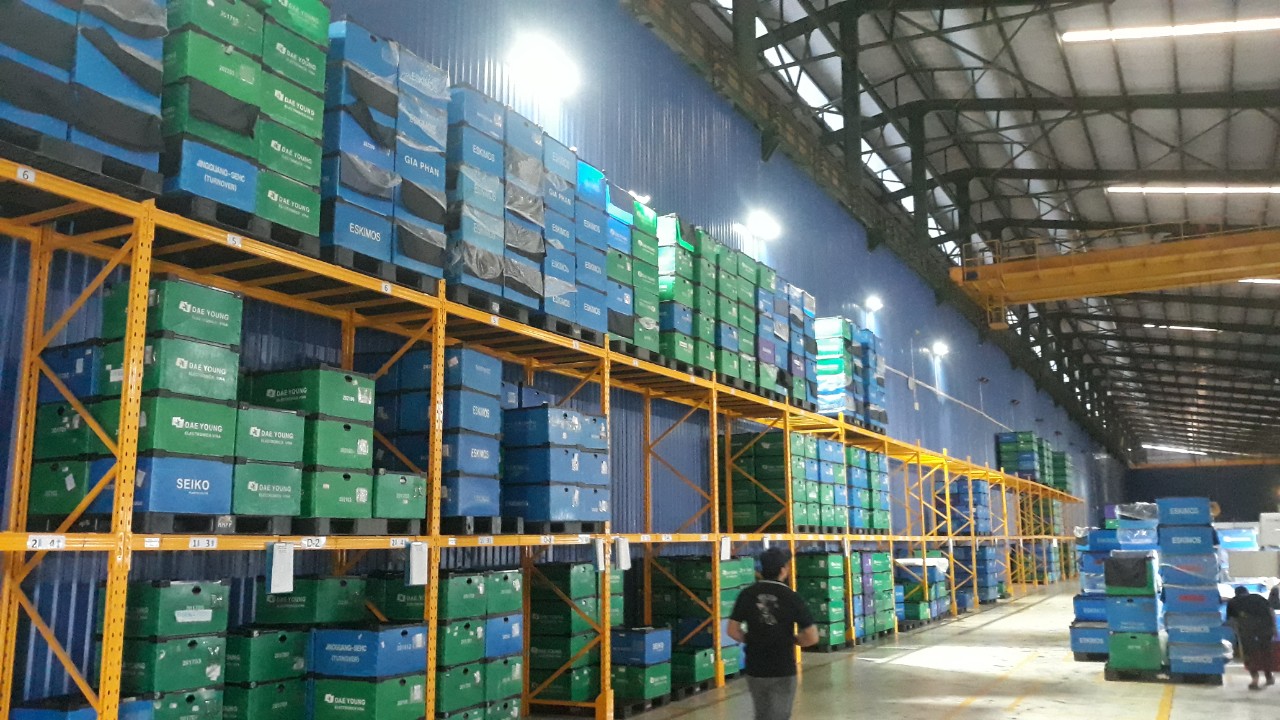
When our team manages sheet metal fabrication 1 sourcing for U.S. wholesalers, the tension between supplier MOQs and lean inventory goals surfaces in nearly every project discussion.
Wholesalers align MOQs with inventory strategy by calculating break-even order quantities against demand forecasts, negotiating flexible minimums through long-term supplier partnerships, and deploying Just-in-Time inventory models supported by ERP software to minimize carrying costs while maintaining supply continuity for sheet metal fabrication programs.
The challenge is straightforward but the execution is not statistical process control 2. Order too much and you tie up working capital in warehouse shelves. Order too little and per-unit costs spike, lead times slip, and production scheduling falls apart. The sections below break down how to strike that balance across four critical dimensions of sheet metal sourcing.
How can I balance sheet metal MOQs with my warehouse space and cash flow constraints?
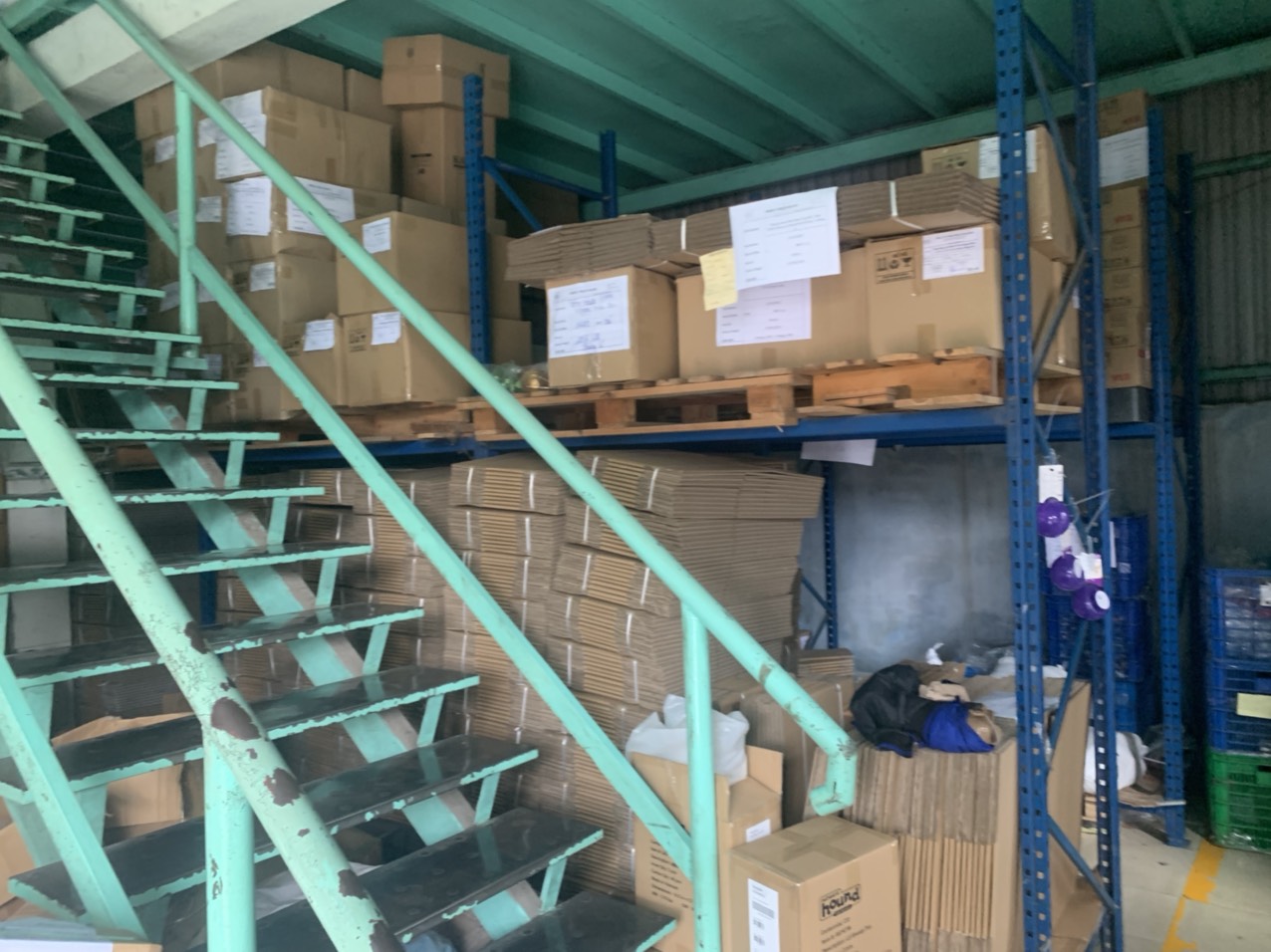
A buyer we work with in the Midwest once placed an initial order of 5,000 brackets only to discover that half of them sat untouched in his warehouse for nine months — eating up storage costs and freezing cash he needed for a new product launch.
Balance sheet metal MOQs with warehouse and cash flow limits by running a break-even analysis on fixed costs, negotiating tiered order quantities with suppliers, consolidating multiple part numbers into single shipments, and scheduling staggered deliveries that match your actual demand cycle rather than the supplier's preferred batch size.
Understanding the Break-Even Formula
The foundation of MOQ alignment is a simple break-even calculation. It tells you the minimum number of units you need to order for the deal to make financial sense — for both you and your supplier. Here is the core formula:
MOQ = Fixed Costs ÷ Contribution Margin per Unit
For example, if the fixed costs for tooling setup, shipping, and quality inspection total $10,000 and each bracket yields a $25 contribution margin, the minimum order quantity is 400 units. If you then apply a target profit margin of 20%, that number rises to approximately 500 units.
The key insight is that MOQ is not arbitrary. It reflects real costs — setup charges, material procurement minimums from steel mills, and shipping container utilization. When I walk our clients through this math, they often realize the supplier's MOQ is not inflated; it is the point where losses stop.
Mapping MOQ Against Warehouse Capacity
Warehouse management becomes a bottleneck when MOQs exceed what your storage can absorb. Consider this comparison:
| Factor | Low MOQ (250 units) | Medium MOQ (1,000 units) | High MOQ (5,000 units) |
|---|---|---|---|
| Per-unit cost | Higher (+15–25%) | Moderate | Lowest |
| Inventory carrying costs 3 | Low | Moderate | High |
| Cash tied up | Minimal | Manageable | Significant |
| Storage space needed | 1–2 pallets | 4–6 pallets | 15+ pallets |
| Risk of obsolescence | Low | Moderate | High |
The right column is not always the right answer. When we coordinate shipments for clients, we often recommend splitting a 5,000-unit order into two or three staggered deliveries. The supplier produces the full batch — satisfying their production efficiency — but ships in stages, so the buyer's warehouse is never overwhelmed.
Working Capital Management Tactics
Cash flow pressure is real for mid-size wholesalers. A few strategies that work in practice:
- Request blanket purchase orders with scheduled releases. You commit to volume, the supplier commits to price, and deliveries happen monthly or quarterly.
- Consolidate part numbers. If you source five different sheet metal brackets, grouping them into one purchase order can meet the supplier's revenue threshold even if each individual SKU falls below MOQ.
- Negotiate payment milestones tied to delivery rather than order placement. This keeps cash in your account longer.
Our Singapore office frequently structures contracts this way for U.S.-bound shipments. The result is cost reduction strategies that protect both sides of the transaction.
How do I ensure quality consistency across smaller sheet metal batches to avoid inventory waste?
One lesson we learned early on was that reducing batch sizes without adjusting the quality control process almost guarantees higher scrap rates and rework — which eliminates any savings from leaner ordering.
Ensure quality consistency across smaller sheet metal batches by requiring First Article Inspection reports for every new production run, standardizing dimensional tolerances with clear drawing callouts, implementing statistical process control at the supplier's facility, and demanding certificates of conformance that document material traceability per batch.
Why Smaller Batches Carry Higher Quality Risk
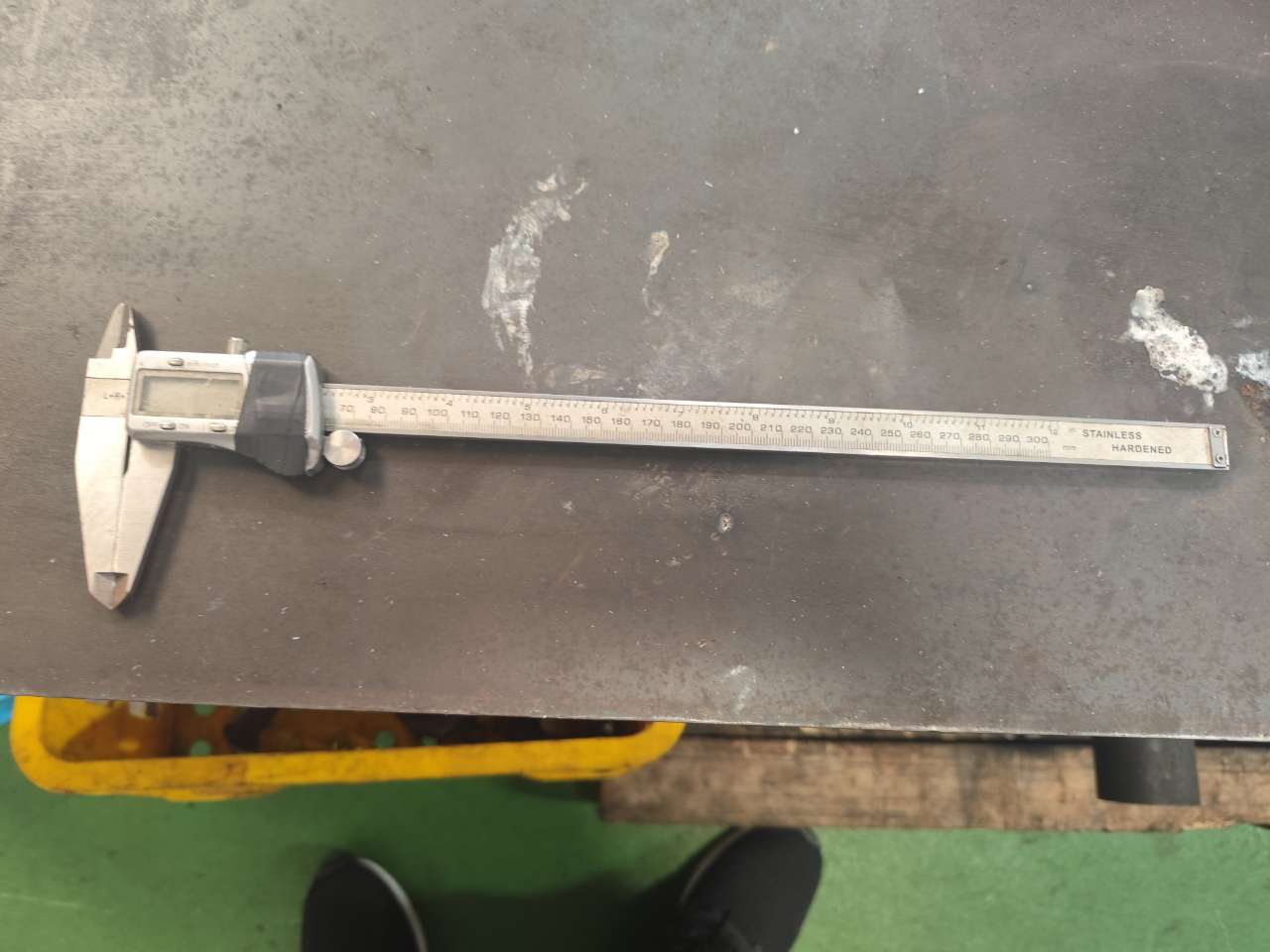
When a fabricator runs 5,000 pieces, the process stabilizes after the first few dozen units. Operators dial in the press brake, laser settings lock in, and the remaining units benefit from that stability. With a 500-piece run, the setup phase represents a larger percentage of total production time. Any drift in tooling or material thickness has a proportionally bigger impact.
This is where our team's approach to PPAP (Production Part Approval Process) adds value. We conduct capability studies before production begins and lock in process parameters that the operator must follow throughout the run. For sheet metal brackets with tight bend tolerances — like the mounting components with multiple pre-drilled holes and precise folds shown in our product range — even a 0.5mm deviation can cause assembly fit issues downstream.
Building a Quality Gate System
A practical quality gate system for smaller batches looks like this:
| Quality Gate | Timing | What It Catches |
|---|---|---|
| Incoming material inspection | Before production | Wrong alloy, incorrect gauge, surface defects |
| First Article Inspection 5 (FAI) | First 3–5 pieces | Setup errors, dimensional drift, hole placement |
| In-process SPC checks | Every 50–100 pieces | Gradual tooling wear, material variation |
| Final inspection (AQL-based) | End of run | Cosmetic defects, burrs, missing features |
| Certificate of Conformance | Shipment | Material traceability, test results documentation |
Each gate acts as a filter. The earlier you catch a problem, the less scrap you generate. Our Vietnam and China offices run these inspections using calibrated CMM equipment and optical comparators, which ensures that even a 200-piece batch meets the same standards as a 5,000-piece run.
Inventory Tracking to Prevent Waste
Inventory waste does not only come from defective parts. It also comes from losing track of what you have. A consistent tracking format for sheet metal is critical. For example, specifying stock as "Bin B – 24×12×12 = 450 sq ft" keeps everyone aligned on dimensions and available quantities. Defining minimum cut sizes also prevents operators from creating unusable remnants that become scrap.
ERP software 6 plays a central role here. Real-time visibility into what is in stock, what is on order, and what is allocated to customers prevents duplicate orders and dead inventory. Several of our clients have reduced material waste by double digits simply by implementing barcode scanning at their receiving dock.
How do I find a sheet metal partner that offers flexible MOQs without compromising on lead times?
During a recent sourcing project for a U.S. engineering design firm, we evaluated eleven fabricators across four countries before finding three that could reliably deliver 300-piece orders within four weeks — a combination that most suppliers claimed was impossible.
Find a sheet metal partner with flexible MOQs and reliable lead times by screening suppliers for dedicated quick-turn capacity, evaluating their production scheduling systems, requesting references from buyers with similar order profiles, and prioritizing partners who invest in multi-process capabilities so they control the full fabrication sequence in-house.
Supplier Evaluation Beyond Price
Traditional procurement focuses on piece price. Modern supply chain optimization demands a broader view. When you send an RFQ, the questions that reveal MOQ flexibility are not about cost — they are about capability.
Ask about capacity utilization. A supplier running at 95% will not squeeze in your 300-piece job between larger orders. A supplier at 70% has both the motivation and the bandwidth. Ask about their equipment mix. A shop with a fiber laser, a turret punch, and CNC press brakes can handle diverse geometries without long changeovers, which directly supports lead time reduction for small runs.
Our procurement team uses a structured evaluation framework:
| Evaluation Criteria | Why It Matters for Flexible MOQ |
|---|---|
| Capacity utilization rate | Below 80% indicates room for smaller jobs |
| Equipment versatility | Multi-process shops switch jobs faster |
| In-house finishing (powder coat, plating) | Eliminates subcontractor delays |
| Quality certifications (ISO 9001 7, IATF) | Proves process discipline exists |
| ERP / production scheduling system | Shows they can slot small orders efficiently |
| Geographic location | Regional suppliers cut shipping transit time |
| Payment term flexibility | Indicates financial stability and partnership mindset |
Diversifying the Supplier Base
Relying on a single fabricator creates risk. If that supplier raises their MOQ or faces capacity constraints, your entire supply chain stalls. Diversifying across regions — for example, sourcing standard brackets from Vietnam while keeping complex weldments with a specialist in Taiwan — provides negotiation leverage and supply continuity. Understanding how to choose single vs multi-sourcing for sheet metal fabrication procurement is essential to making this decision effectively.
Industry data suggests that sourcing from multiple regions can mitigate tariff delay risks of 5–10%. Our team manages supplier relationships across Southeast Asia specifically to give U.S. buyers this kind of flexibility. When one supplier cannot meet a timeline, we shift production to another qualified source without starting the qualification process from scratch.
Demand Forecasting as a Negotiation Tool
Suppliers respond better to data than to requests. When you share a twelve-month demand forecast — even a rough one — the supplier can plan their material procurement and production scheduling around your needs. This makes them more willing to accept lower MOQs because they have visibility into future revenue.
AI-driven demand forecasting tools can cut lead times by up to 15% by predicting order patterns and triggering pre-production material purchases. Even without AI, maintaining a rolling forecast based on historical sales data gives your supplier enough confidence to hold smaller buffer stock for your account, effectively lowering the practical MOQ without changing the contractual one. You can also negotiate safety stock for demand fluctuations to formalize this arrangement.
Can open account payment terms help me manage the financial burden of larger sheet metal MOQs?
The conversation about payment terms usually comes up after a buyer realizes that prepaying for a large MOQ order drains the cash they need for other operations. One of our U.S. clients put it bluntly: "I can afford the parts. I just cannot afford to pay for them sixty days before I sell them."
Open account payment terms — typically net 30 to net 90 — directly reduce the financial burden of larger MOQs by allowing wholesalers to receive, warehouse, and begin selling sheet metal parts before payment is due, preserving working capital and improving cash flow alignment with their own receivables cycle.
How Open Account Terms Change the MOQ Equation
The traditional payment structure in Asian sourcing is 30% deposit before production and 70% balance before shipment. This means the buyer pays the full amount weeks or months before the goods arrive at their U.S. warehouse. For a $50,000 sheet metal order, that is $50,000 out the door before a single bracket reaches a customer.
Open account terms flip this timeline. The supplier ships first, and the buyer pays later — usually 60 or 90 days after invoice. This changes the working capital calculation dramatically:
| Payment Structure | Cash Out Timing | Cash In Timing (from resale) | Gap |
|---|---|---|---|
| 30/70 prepayment | 60–90 days before delivery | 30–60 days after delivery | 90–150 days |
| Net 60 open account | 60 days after invoice | 30–60 days after delivery | 0–30 days |
| Net 90 open account | 90 days after invoice | 30–60 days after delivery | Often net positive |
With net 90 terms, many wholesalers collect payment from their own customers before they owe the supplier. This transforms a cash-draining MOQ commitment into a manageable, even self-funding, ordering cycle.
Who Qualifies for Open Account Terms
Not every supplier offers open account terms. It requires trust, financial stability on both sides, and often a track record of successful transactions. Our company offers open account payment terms 8 to qualified U.S. clients because we understand that cash flow pressure is one of the biggest barriers to scaling a sourcing program. We evaluate creditworthiness, order history, and communication responsiveness before extending these terms.
From the buyer's side, qualifying typically involves:
- Providing business references and financial statements
- Starting with smaller prepaid orders to build trust
- Demonstrating consistent order volumes over 6–12 months
- Maintaining clear, proactive communication on delivery schedules and any changes
The Strategic Advantage
Open account terms do more than ease cash flow. They enable wholesalers to accept higher MOQs without financial strain, which in turn unlocks better per-unit pricing. This creates a virtuous cycle: lower unit costs improve margins, better margins support faster inventory turnover, and faster turnover justifies the next order. Learning how to negotiate tiered pricing with sheet metal fabrication suppliers can amplify these volume-based savings even further.
For wholesalers managing Just-in-Time inventory models 9, payment terms that align with the sales cycle are not just convenient — they are structurally necessary. The combination of staggered deliveries, demand forecasting, and net 60–90 terms gives buyers the flexibility to order at MOQ levels that satisfy supplier economics while protecting their own balance sheet.
This is also where supplier negotiations become collaborative rather than adversarial. When both parties share risk — the supplier through extended terms, the buyer through volume commitments — the relationship moves from transactional to strategic. In our experience coordinating between Asian fabricators and U.S. sourcing companies, this shift is what separates programs that grow year over year from those that stall after the first purchase order.
Conclusion
Aligning MOQs with inventory strategy in sheet metal fabrication requires break-even analysis, quality systems scaled for small batches, diversified supplier partnerships, and payment terms that protect cash flow throughout the ordering cycle.
Frequently Asked Questions
How can I balance sheet metal MOQs with my warehouse space and cash flow constraints?
A buyer we work with in the Midwest once placed an initial order of 5,000 brackets only to discover that half of them sat untouched in his warehouse for nine months — eating up storage costs and freezing cash he needed for a new product launch.
How do I ensure quality consistency across smaller sheet metal batches to avoid inventory waste?
One lesson we learned early on was that reducing batch sizes without adjusting the quality control process almost guarantees higher scrap rates and rework — which eliminates any savings from leaner ordering.
How do I find a sheet metal partner that offers flexible MOQs without compromising on lead times?
During a recent sourcing project for a U.S. engineering design firm, we evaluated eleven fabricators across four countries before finding three that could reliably deliver 300-piece orders within four weeks — a combination that most suppliers claimed was impossible.
Footnotes
1. Defines the process of transforming flat metal sheets into products. ↩︎
2. Explains the use of statistical methods to monitor and control process quality. ↩︎
3. Defines the expenses associated with holding and maintaining inventory. ↩︎
4. Explains the financial tool for determining the point of no profit or loss. ↩︎
5. Describes a critical quality control process to verify production capability. ↩︎
6. Defines Enterprise Resource Planning software and its role in business management. ↩︎
7. Defines the internationally recognized standard for quality management systems. ↩︎
8. Found a working, authoritative URL (trade.gov) explaining methods of payment, including open account. ↩︎
9. Explains the inventory strategy focused on minimizing waste and costs. ↩︎