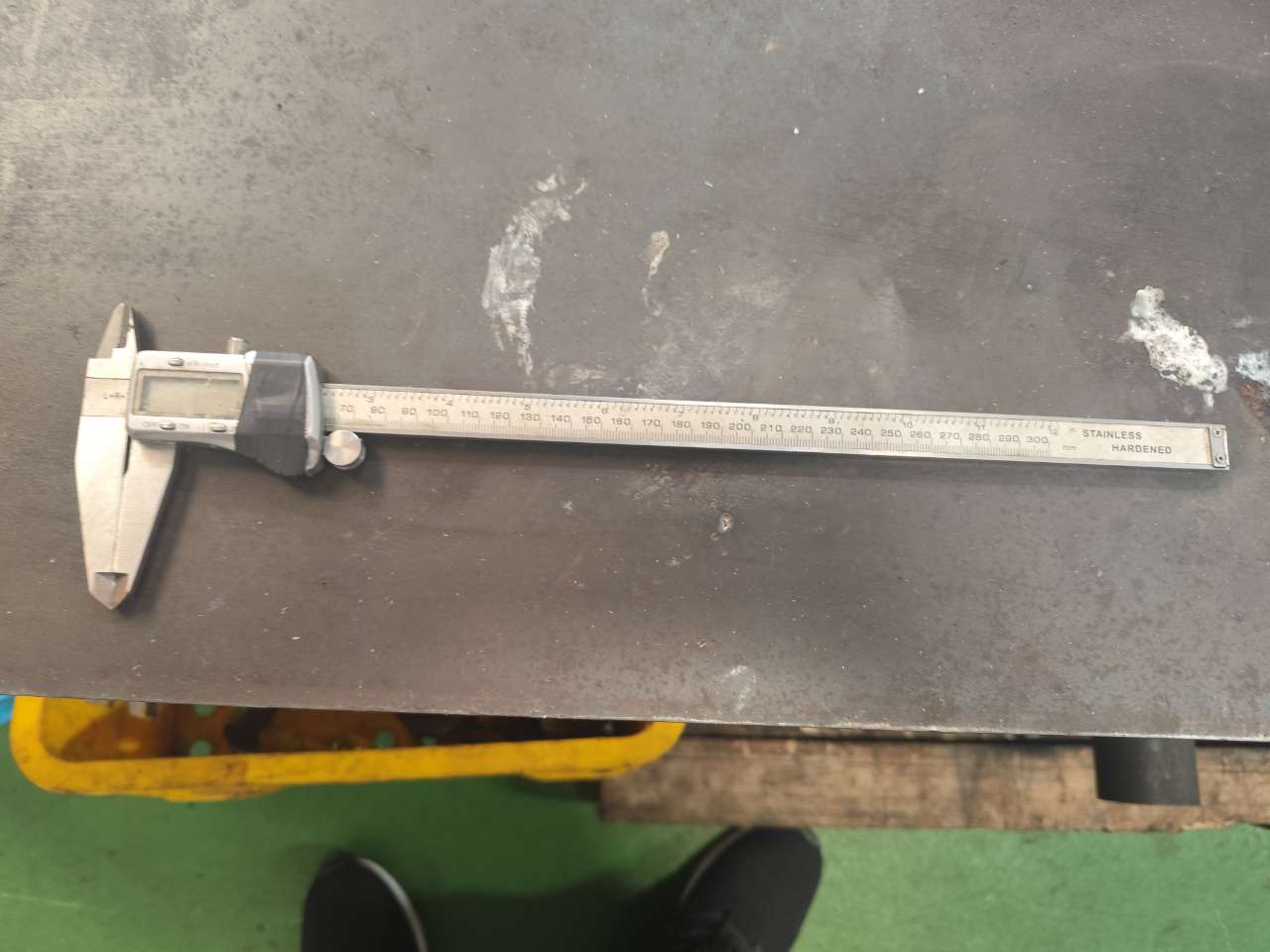
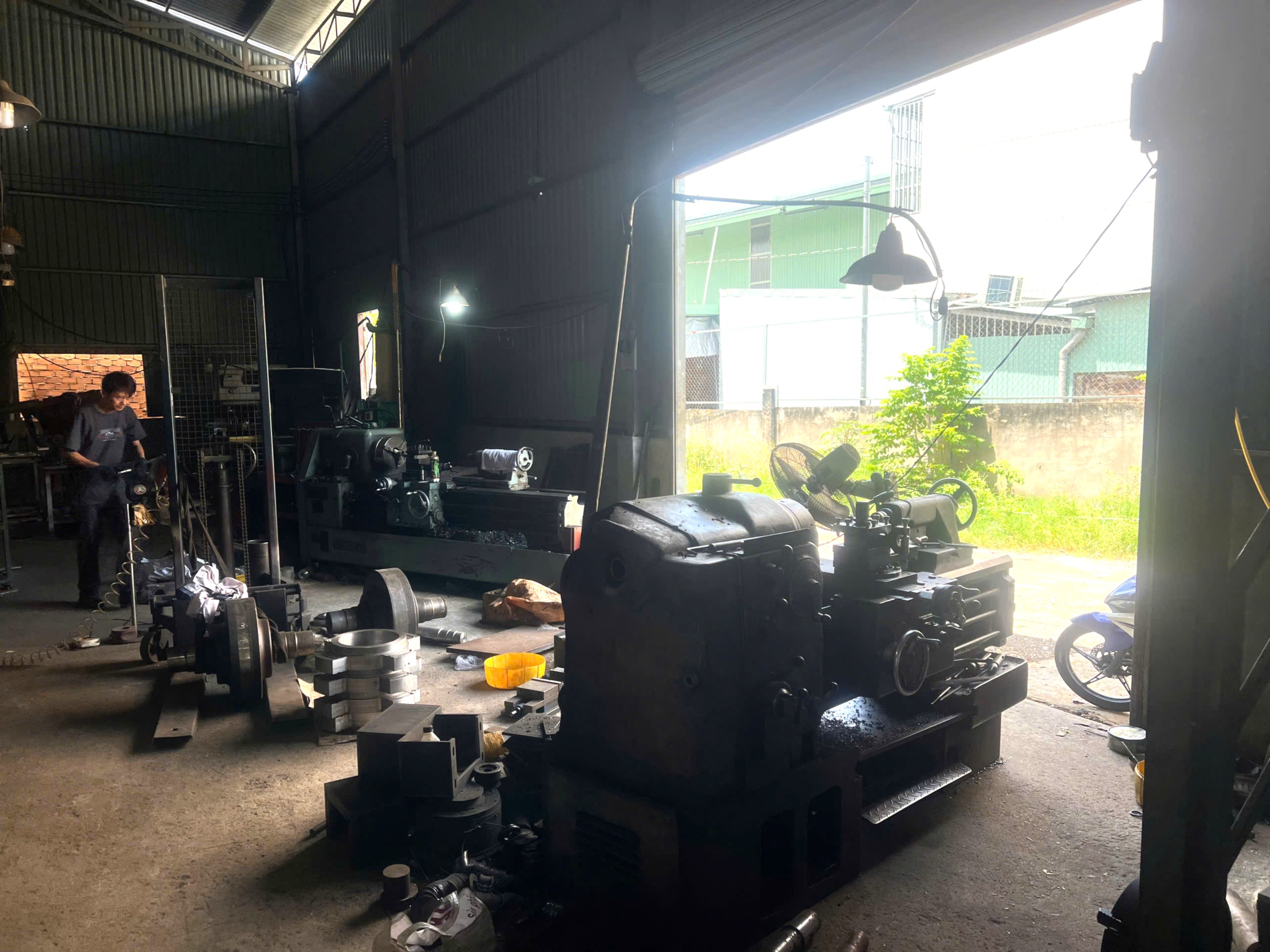
In one of my early import projects, I skipped third-party inspection to save time. The steel parts arrived with inconsistent welds and poor surface finish. The production delay that followed cost me much more than the inspection ever would have.
Third-party inspection is not legally required for most custom steel parts imports, but it is highly recommended. It helps verify quality, reduces risk, ensures documentation compliance, and may be necessary for customs clearance or specific industries.1
Let’s dive into when and why inspections are needed, what types exist, and how to choose the right inspection provider.
What types of third‑party inspections are common?
I used to think inspections only happened after production. I’ve since learned the most effective quality control starts much earlier.
The most common third-party inspections include Pre‑Production Inspection (PPI), During Production Inspection (DPI), Pre‑Shipment Inspection (PSI), and container loading supervision.2
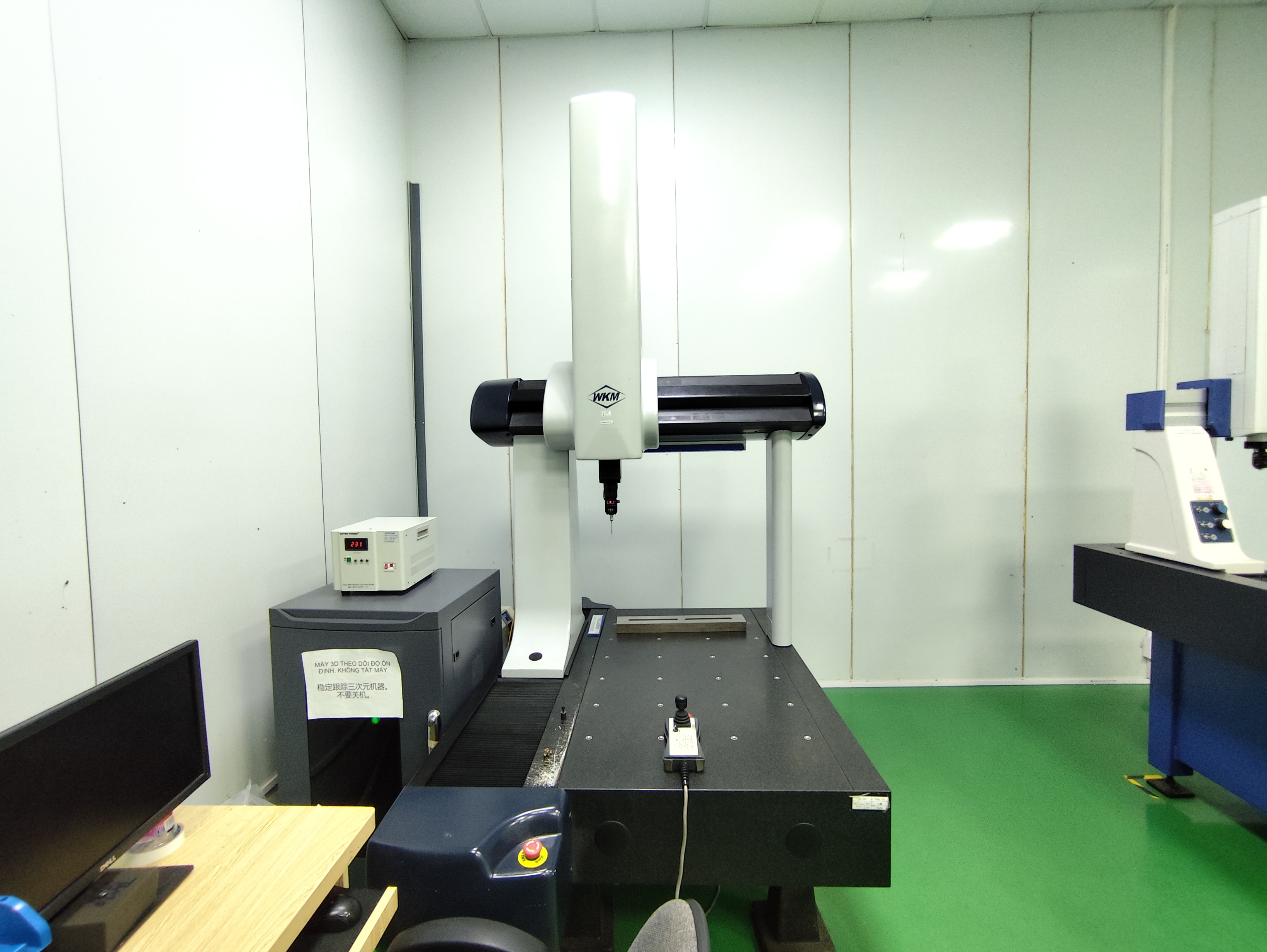
Types of Inspection and Their Purpose
| Inspection Type | Stage of Supply Chain | Primary Purpose |
|---|---|---|
| PPI (Pre‑Production) | Before manufacturing begins | Check raw materials, supplier readiness |
| DPI (During Production) | Midway through production | Validate process consistency, early issue detection |
| PSI (Pre‑Shipment) | After production completion | Confirm quantity, appearance, labeling, measurements |
| Loading Inspection | During container stuffing | Check packaging, quantity, seal integrity |
| Specialized Testing | Anytime | Analyze welding, coating, durability, documentation |
These inspections are most effective when tied to a formal Inspection and Test Plan (ITP) agreed upon before production begins.3
When should inspection be scheduled during import?
I once discovered welding cracks too late—after shipment. Now, I always schedule mid‑production checks for high‑value parts.
Inspection should be staged throughout the order lifecycle: before production, during manufacturing, and at shipment. Early checks help prevent waste and ensure compliance.4
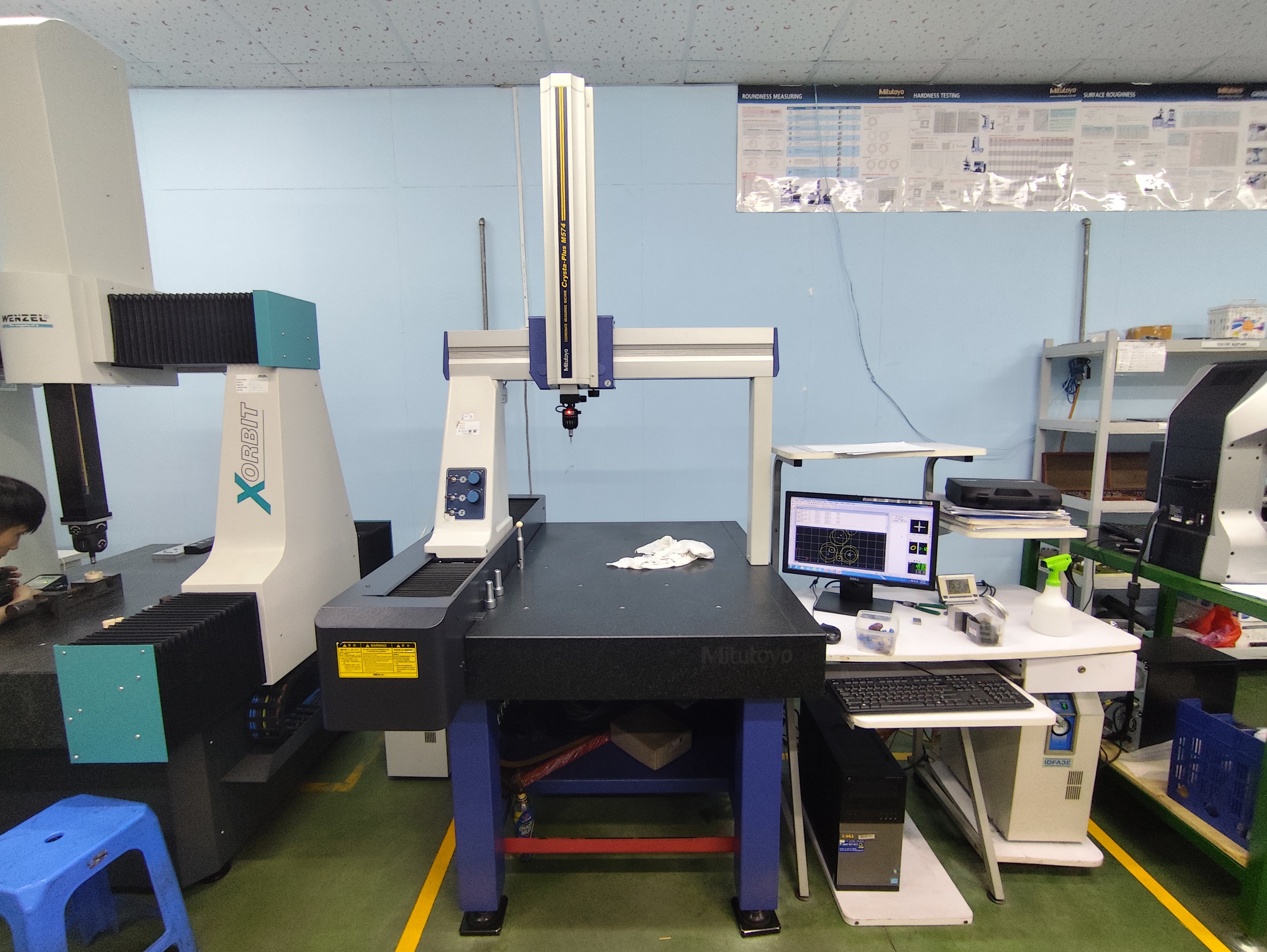
Recommended Inspection Timeline
| Stage | Inspection Type | What It Prevents |
|---|---|---|
| Pre‑order | Audit or PPI | Inadequate facility or material preparation |
| 30–50% production | DPI | Hidden quality or process deviations |
| Post‑production | PSI | Incorrect dimensions, defects, missing parts |
| Shipping day | Loading Inspection | Packaging mistakes, mixed SKUs, damaged goods |
If you are sourcing pressure vessels, ship parts, or railway components, third‑party inspection may even be legally required.5
How to select a reliable inspection agency?
One time, I went with the cheapest agency—until I realized their reports were just checklists. Since then, I only use accredited professionals.
Choose an ISO 17020‑accredited inspection firm with metalworking experience, clear reporting standards, and regional coverage where your supplier operates.6
Trusted Global and Regional Providers
| Inspection Agency | Accreditation | Regions Covered | Notable Features |
|---|---|---|---|
| SGS | ISO 17020 (Cat A) | Global | Deep metal/industrial QC expertise |
| Bureau Veritas | ISO/IEC Certified | Global | Lab-backed, strong reporting |
| CTI (Centre Testing) | ISO 17020 | China, SE Asia | Local pricing, multilingual reports |
| TÜV SÜD | ISO 17025/17020 | EU, Asia | Testing & certification in one |
| QIMA | In‑house protocols | Asia, EU, USA | Fast visual inspection coverage |
Always request sample reports, turnaround times, and inspector credentials before booking.
What are inspection costs and timeframes?
Some importers think inspections are expensive—but in reality, they cost less than one rejected shipment.
Third‑party inspections for steel parts typically cost between \$200–\$400 per man‑day and can be arranged in 2–3 working days.7
Typical Pricing Table
| Inspection Type | Average Cost (USD) | Lead Time |
|---|---|---|
| Pre‑Shipment (PSI) | $250–$350 per man‑day | 24–72 hours |
| Container Loading Check | $150–$250 flat | 24–48 hours |
| Laboratory Testing | $100–$300 per test | 3–7 days |
| All‑in QC Package | $400–$600 total | 2–4 days total |
Customs agents in some countries (e.g., India, Egypt, Vietnam) may also require third‑party certificates to clear steel imports under trade regulations.
Conclusion
Third‑party inspection isn’t a legal requirement for every custom steel import—but it’s often the smartest investment. Whether it’s for peace of mind, customs documentation, or critical tolerance checks, inspections help ensure you get what you paid for—and nothing less.
Frequently Asked Questions
What types of third‑party inspections are common?
I used to think inspections only happened after production. I’ve since learned the most effective quality control starts much earlier.
When should inspection be scheduled during import?
I once discovered welding cracks too late—after shipment. Now, I always schedule mid‑production checks for high‑value parts.
How to select a reliable inspection agency?
One time, I went with the cheapest agency—until I realized their reports were just checklists. Since then, I only use accredited professionals.
Footnotes
-
Overview of why third‑party QC isn’t mandatory but strongly advised. ↩
-
Describes common inspection stages: PPI, DPI, PSI, and container checks. ↩
-
Importance of formal Inspection and Test Plan (ITP). ↩
-
Scheduling inspections across production stages prevents late discoveries. ↩
-
Legal/regulatory requirements for inspections in specific industries/countries. ↩
-
ISO 17020 accreditation ensures inspection competence. ↩
-
Typical cost and scheduling data for third‑party inspections. ↩