I recently helped a U.S. startup client who needed just two custom mounting brackets — and every traditional shop turned them down. The frustration of being told “we only take orders of 200 or more” is something our team hears weekly from purchasing managers exploring sheet metal fabrication 1 for prototype or low-volume needs.
Yes, individuals can order small quantities or even single pieces through sheet metal fabrication. On-demand fabrication platforms and specialized low-volume shops now accept orders starting from just one unit, using automated quoting and laser cutting services to make one-off metal parts economically accessible.
But “possible” and “practical” are two different things. The real questions are about cost, quality, and finding the right supplier. Let me walk you through what our team has learned managing custom metal parts projects across Asia for U.S. buyers — from single prototypes to full production runs.
How do minimum order requirements affect my ability to source a single sheet metal prototype?
A conversation with a prospective client last quarter put this into sharp focus. minimum order requirements 2 He needed a single stainless steel enclosure to validate a fit check before committing to tooling. His existing supplier in China quoted a 500-piece minimum, which meant thousands of dollars at risk before he even confirmed the design worked.
Minimum order requirements are the biggest barrier to sheet metal prototyping. Traditional fabricators set MOQs of 10 to 500 units to cover setup costs, but on-demand platforms now eliminate this barrier entirely, accepting orders as low as one piece with instant automated pricing.
Why Traditional Shops Set Minimums
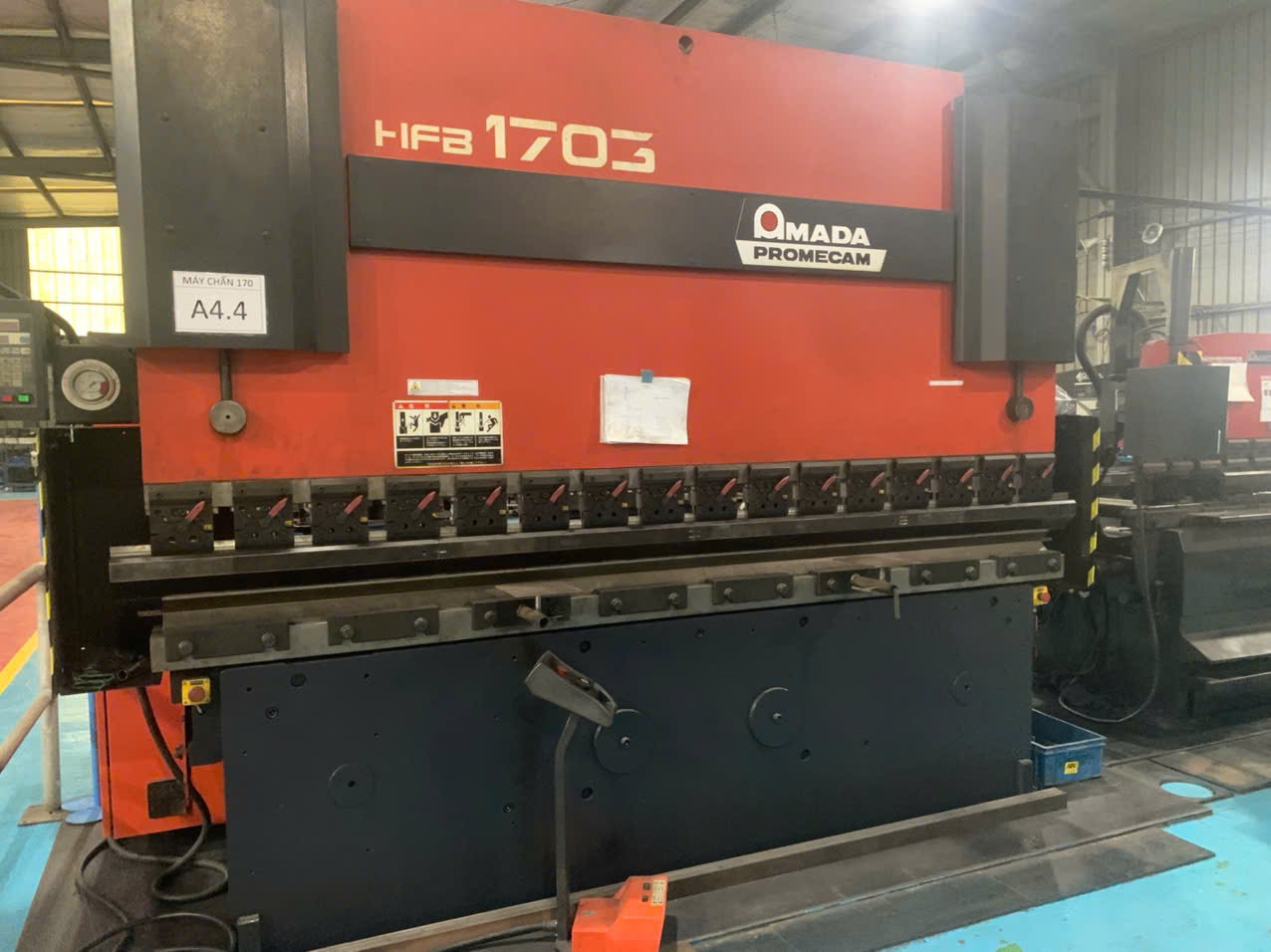
Traditional sheet metal shops are built for efficiency at scale. When a shop sets up a laser cutter or a CNC press brake 3, there is a fixed block of time spent on programming, fixture setup, and first-article inspection. That time costs the same whether you make 1 part or 1,000 parts. Most shops cannot justify tying up a machine for a single bracket when a 500-piece production run is waiting in the queue.
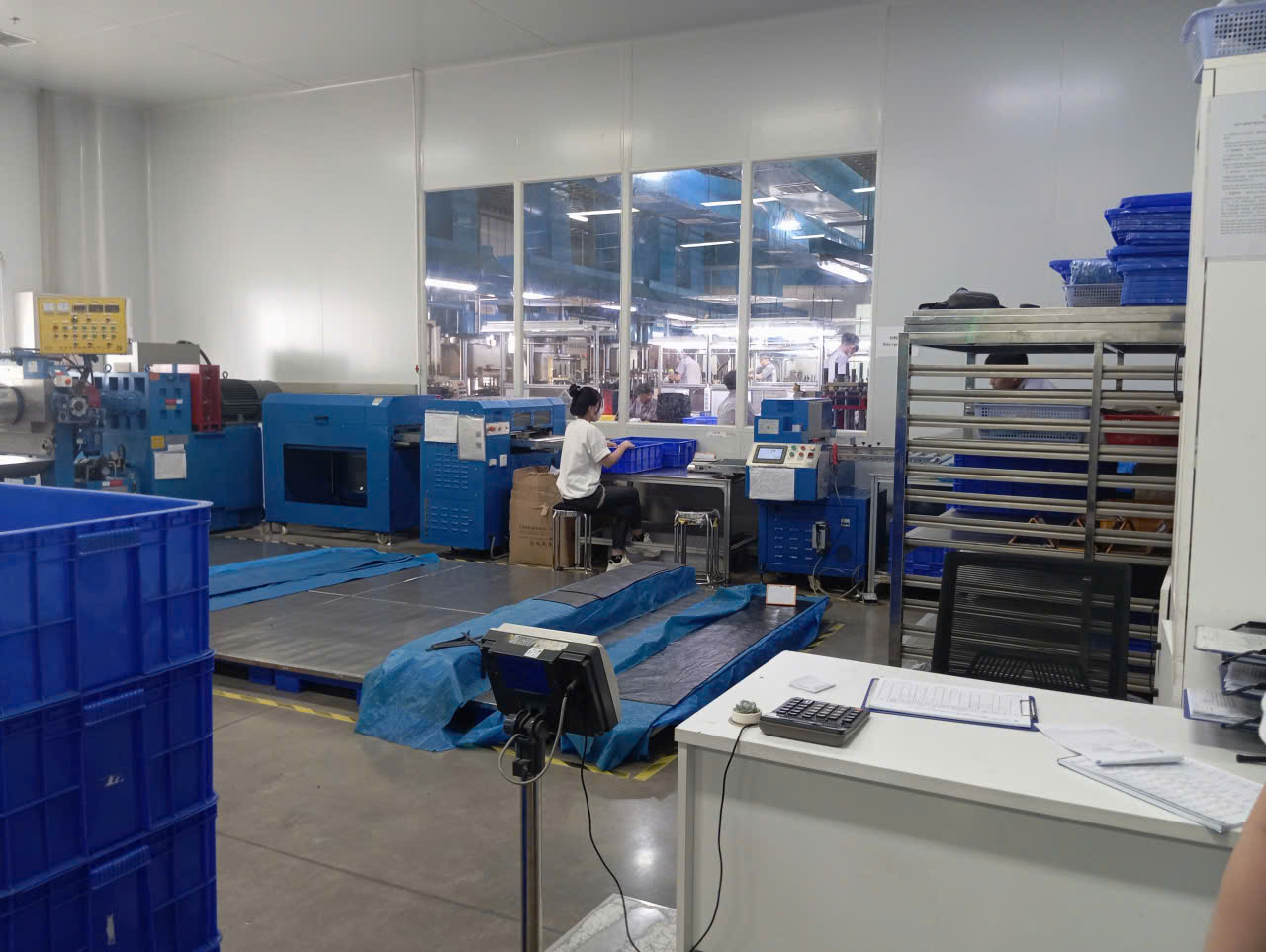
From our experience coordinating with contract manufacturers 4 in Vietnam and across Asia, we see this daily. A factory floor manager looks at a single-piece order and sees disruption. The setup might take 45 minutes, and the actual cutting and bending takes 5 minutes. That ratio makes no business sense for a shop optimized for batch production.
The On-Demand Alternative
The industry has shifted. Platforms like SendCutSend, Ponoko, OSH Cut, and Protolabs use automated quoting systems 5. You upload a CAD file, select your material, and get an instant price. No salesperson. No negotiation. No minimum order quantity.
These services use flexible laser cutting and CNC bending technologies that can switch between jobs in seconds. The automation removes the human bottleneck that made single-piece orders impractical.
MOQ Comparison: Traditional vs. On-Demand
| Factor | Traditional Shop | On-Demand Platform |
|---|---|---|
| Minimum Order Quantity | 10–500 units | 1 unit |
| Quoting Method | Manual (1–5 business days) | Instant (automated) |
| Setup Cost Absorption | Spread across large batch | Charged per order |
| Turnaround Time | 2–6 weeks | Same-day to 5 days |
| Best For | Production runs | Prototypes and small batches |
What This Means for Buyers
If you are a purchasing manager sourcing a single sheet metal prototype, you have two clear paths. Use an on-demand platform for speed and convenience, or find a flexible contract manufacturer who handles low-volume fabrication as part of their business model. In our supply chain work, we often bridge this gap — helping clients get prototype quantities from shops we have vetted, while keeping the door open for scaling to production volumes later.
Where can I find a reliable supplier for my low-volume custom metal fabrication needs?
One of the toughest lessons I learned early in our sourcing business was that "cheap" and "reliable" rarely overlap in low-volume fabrication. A client once sourced a small batch of aluminum brackets from an unvetted online vendor. The parts arrived with burrs, incorrect bend radii, and no inspection report. That $200 order cost him three weeks of delays and a redesign cycle.
For reliable low-volume custom metal fabrication, look to established on-demand platforms like Protolabs, SendCutSend, or OSH Cut for simple parts, and to vetted contract manufacturers with documented QC processes for complex assemblies requiring welding, finishing, or tight tolerances.

Online Platforms: Fast but Limited
On-demand platforms are excellent for flat laser-cut parts, simple bends, and standard materials. They work well for hobbyist metalworking projects, quick prototypes, and functional test parts. The automated workflow is their strength — and their limitation. Most platforms handle cutting and bending but do not offer welding, complex assembly, or advanced surface treatments in-house.
Here is a comparison of popular platforms for small batch manufacturing:
| Platform | Min. Order | Materials | Key Processes | Turnaround |
|---|---|---|---|---|
| SendCutSend | 1 piece | Steel, aluminum, copper, titanium | Laser cutting, bending, hardware insertion | 2–5 days |
| Protolabs | 1 piece | 250+ metals and plastics | CNC, sheet metal, 3D printing 6 | 1–7 days |
| OSH Cut | 1 piece | Steel, aluminum, stainless | Laser cutting, bending | 3–7 days |
| Ponoko | 1 piece | Metals, wood, acrylic | Laser cutting | 3–10 days |
| Xometry | 1 piece | Wide range | CNC, sheet metal, 3D printing | 3–10 days |
When You Need More Than Cutting and Bending
Many real-world custom metal parts require more than a flat profile and a couple of bends. Think welded frames, powder-coated enclosures, or brackets with pressed-in hardware and dimensional tolerances 7 under ±0.1mm. For these, you need a supplier with hands-on quality control — someone who inspects first articles, documents process controls, and communicates proactively about potential issues.
This is where our team at DEWIN typically steps in. We help U.S. purchasing managers find and audit contract manufacturers in Vietnam and other Asian countries who can handle low-volume fabrication with production-grade quality. We manage the PPAP documentation, run in-process inspections, and ensure that even a 10-piece order gets the same quality scrutiny as a 10,000-piece run.
Red Flags When Choosing a Low-Volume Supplier
Watch for these warning signs:
- No willingness to share inspection reports or material certificates
- Vague lead time commitments with no accountability
- No clear process for handling non-conforming parts
- Inability to discuss tolerances or finish specifications in technical detail
A reliable supplier — whether online or offline — should be transparent about what they can and cannot do. If a shop says they can do everything with no limitations, that is usually the first sign they cannot do anything particularly well.
The Maker-to-Manufacturer Transition
The "maker-to-manufacturer" ecosystem is expanding rapidly. A hobbyist who starts with a single laser-cut bracket on SendCutSend might eventually need 500 units per month with welding and anodizing. The challenge is finding a partner who can grow with you across that transition. Some on-demand platforms now offer bridge production services for quantities of 10 to 500 units, but for sustained production, a dedicated contract manufacturer with proper process controls remains the better path.
Why does the setup cost make my small-quantity sheet metal order so expensive?
The sticker shock is real. I recall a client's reaction when he saw that a single laser-cut and bent steel bracket was quoted at $39 from an on-demand service — while 10 of the same part cost just $45 total. His immediate question was, "Am I being overcharged?" The answer is no. The pricing math just works differently at low volumes.
Setup cost drives small-quantity sheet metal pricing because fixed expenses — machine programming, material loading, fixture setup, and first-piece verification — remain constant regardless of order size. For a single part, you absorb 100% of that overhead, whereas bulk orders spread it across hundreds or thousands of units.
Breaking Down the Cost Structure
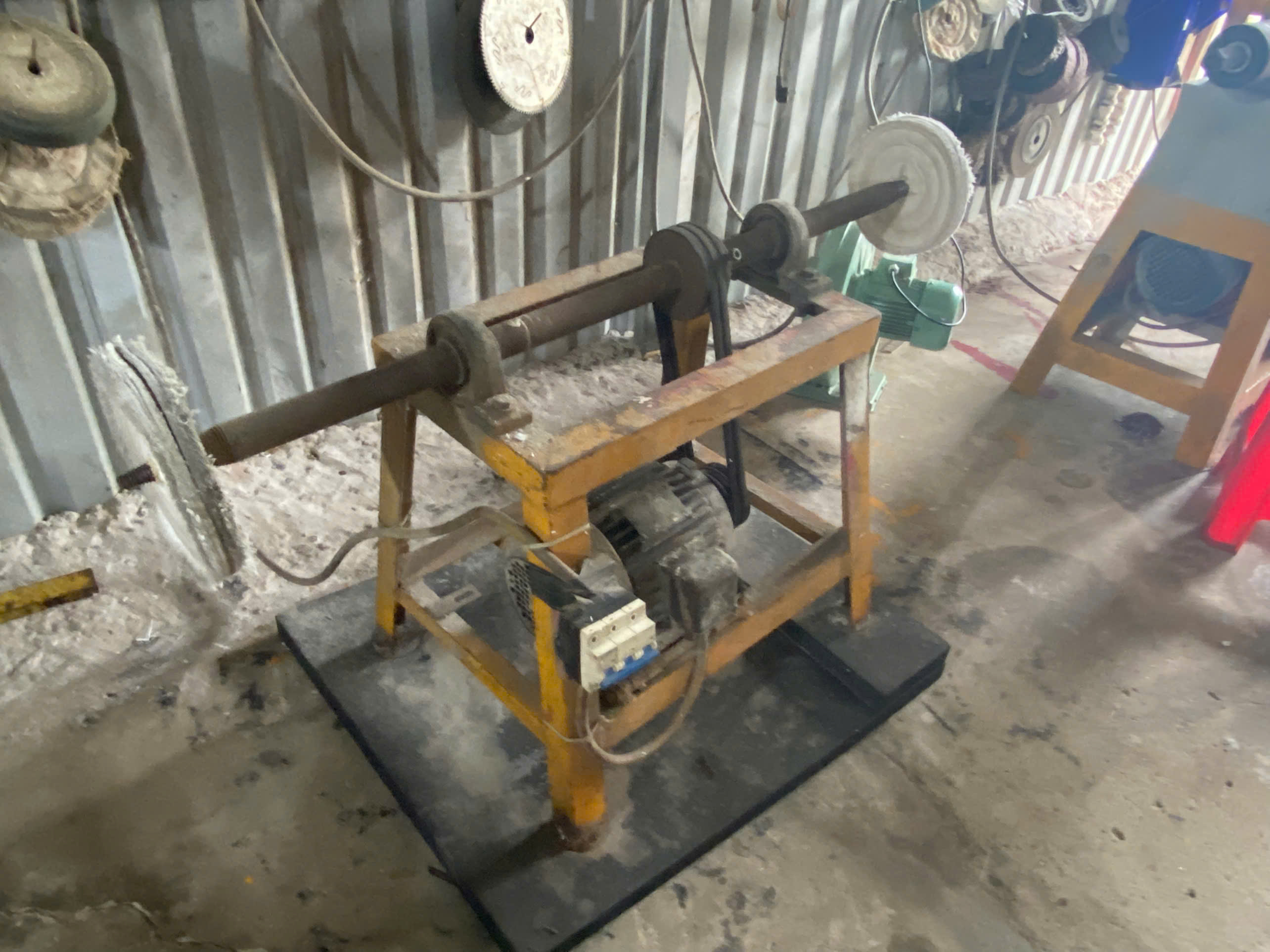
To understand why one-off metal parts are expensive, you need to see where the money actually goes. Material cost is usually a small fraction of the total. The dominant costs are labor, machine time, and overhead.
Let me illustrate with a real-world fabrication cost analysis for a simple steel bracket (100mm × 50mm, one bend, mild steel):
| Order Quantity | Estimated Total Cost | Cost Per Unit | Setup Cost Per Unit | Material Cost Per Unit |
|---|---|---|---|---|
| 1 piece | ~$39 | $39.00 | ~$34.00 | ~$5.00 |
| 10 pieces | ~$45 | $4.50 | ~$3.40 | ~$1.10 |
| 100 pieces | ~$230 | $2.30 | ~$0.34 | ~$1.96 |
| 1,000 pieces | ~$1,700 | $1.70 | ~$0.03 | ~$1.67 |
| 10,000+ pieces | Varies | ~$1.10 | Negligible | ~$1.10 |
The pattern is clear. At 10,000 units, the setup cost per unit essentially disappears. That is up to a 93% cost reduction compared to single-unit pricing. The material and direct processing costs become the dominant factor at scale.
Why You Cannot Avoid Setup Costs
Every sheet metal job, no matter how small, requires certain steps:
- Programming: The CNC machine or laser cutter needs a toolpath generated from your CAD file. This takes time whether you are making one part or a thousand.
- Material handling: A sheet of metal must be loaded, aligned, and secured. The leftover material must be managed.
- Machine calibration: Bend angles, laser focus, and material thickness compensation must be verified.
- First-article check: The first part off the machine is measured to confirm it meets specifications. First-article check 8 If it does not, adjustments are made and material is scrapped.
These steps happen once per job, not once per part. That is the core reason rapid sheet metal services charge a premium on single pieces.
Is It Worth It? A Cost-Benefit Perspective
The question is not whether $39 for a single bracket is "expensive." The question is whether the alternative costs more. Consider the alternatives:
- 3D printing a metal part costs $50–$200+ depending on the process (DMLS, SLM) and is slower. It is great for complex geometries but poor for thin, flat parts.
- Buying off-the-shelf parts means compromising on exact dimensions, material, or design intent.
- Ordering a 500-piece minimum from a traditional shop means spending $850+ to get $39 worth of validation.
For sheet metal prototyping, paying $39 to confirm your design works before committing to a $5,000 production order is not expensive. It is insurance.
When Sheet Metal Beats 3D Printing
Sheet metal is the better choice when you need:
- High strength-to-weight ratio in thin profiles
- Large flat surfaces without warping
- Specific metal alloys (spring steel, copper, brass)
- EMI shielding properties
- Parts that will be painted, powder-coated, or plated
3D printing wins on geometric complexity — internal channels, organic shapes, lattice structures. But for brackets, enclosures, panels, and mounting hardware, sheet metal fabrication delivers superior results even at single-piece quantities.
Can I get professional-grade quality for my small-batch sheet metal parts without a large contract?
Last year, an engineering design firm in Texas reached out to us because they needed 25 custom stainless steel mounting brackets with tight tolerances and a brushed finish. They had already tried two online platforms. The parts arrived looking fine cosmetically but failed dimensional inspection — bend angles were off by 2 degrees, and hole positions drifted outside tolerance. The firm needed professional-grade quality but did not have volume to justify a traditional supply agreement.
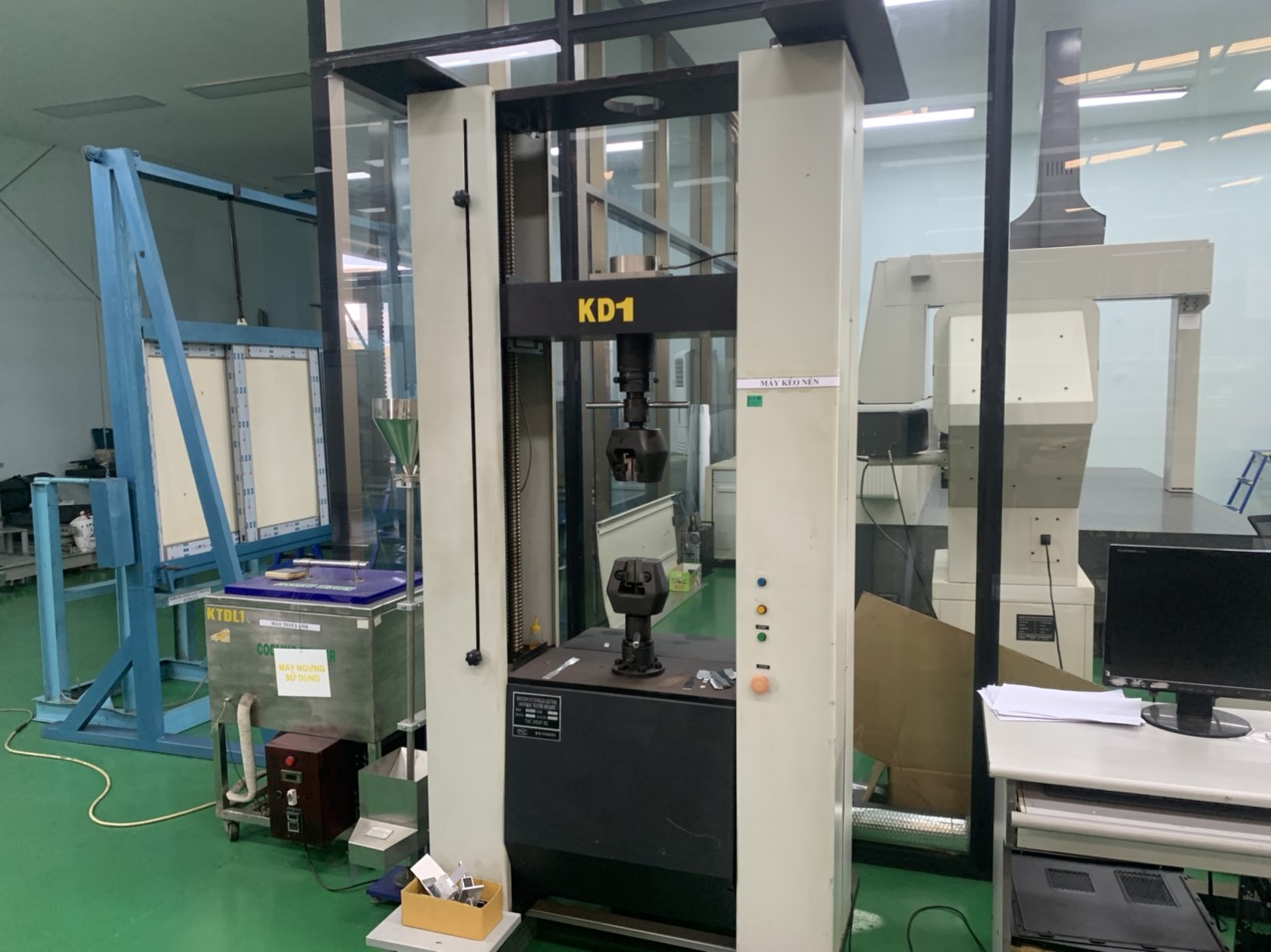
Yes, professional-grade quality is achievable for small-batch sheet metal parts without a large contract. The key is selecting a fabrication partner with documented quality processes — including first-article inspection, material traceability, and dimensional verification — rather than relying solely on automated, unverified online services.
Defining "Professional-Grade" Quality
Quality means different things to different buyers. For a hobbyist making a decorative panel, visual appearance is enough. For an OEM purchasing manager sourcing a structural bracket, quality means dimensional accuracy, material certification, surface finish consistency, and repeatable results across every unit in the batch.
Professional-grade quality for small batch manufacturing typically includes:
- Dimensional tolerances of ±0.1mm or tighter on critical features
- Material test reports confirming alloy grade and mechanical properties
- Surface finish specifications (Ra values, coating thickness)
- First-article inspection reports with measured vs. nominal data
- Traceability from raw material to finished part
The Quality Gap in On-Demand Services
Most on-demand platforms optimize for speed and price, not quality assurance. They run your part through automated nesting and cutting software, and the finished part ships with minimal human inspection. For simple, non-critical parts, this is perfectly acceptable. For parts that must meet engineering specifications, it is a risk.
Our team has seen this gap repeatedly. When we manage low-volume fabrication projects for U.S. clients, we implement the same process control steps we use for high-volume production:
- Design review before production to flag manufacturability issues
- First-article verification with calibrated measurement tools
- In-process checks during bending and finishing operations
- Final inspection against the client's drawing before shipment
This approach — getting it right the first time — eliminates the rework cycles that waste time and money. It is exactly what purchasing managers like our typical clients demand.
How AI and Automation Are Helping
AI-powered design tools are emerging that help individuals without deep engineering backgrounds optimize their designs for manufacturability. These tools can flag features that are too close to bend lines, identify materials that are wrong for the application, and suggest cost-saving modifications. This is part of a broader trend toward democratizing access to custom fabrication — making professional results accessible even for one-off orders.
Sustainability and Small Orders
A growing number of buyers also care about sustainability. For single-piece orders, material waste is a legitimate concern. Sheet metal fabrication inherently produces scrap from the cutting process. However, good fabricators optimize nesting to minimize waste, use recycled metals where possible, and can provide documentation on material utilization rates. When we source for eco-conscious clients, we prioritize fabricators who track and report their scrap ratios.
Practical Steps to Order Your First Custom Part
If you are ready to order, here is the process:
- Design your part in CAD software 9 (Onshape, SolidWorks, Fusion 360). Export as a STEP or DXF file.
- Choose a platform or supplier based on your quality requirements and part complexity.
- Select your material and finish. Over 250 metal types are available on major platforms, including specialized alloys.
- Review the instant quote. Check lead time, shipping options, and any design warnings.
- Place the order and confirm turnaround. Many services offer same-day or next-day delivery for small runs ordered before cutoff times.
For parts with critical tolerances or complex assemblies, consider working with a supply chain partner who can manage the fabrication, inspection, and logistics on your behalf. That is the model we use at DEWIN — we handle everything from supplier selection to door-to-door delivery, so the buyer only deals with one point of contact.
Conclusion
Individuals and businesses can absolutely order single pieces or small quantities through sheet metal fabrication. The key is choosing the right partner — one that matches your quality needs, budget, and volume. Whether you use an on-demand platform for simple laser cutting services 10 or a vetted supply chain partner for complex custom metal parts, the technology and infrastructure exist today to make low-volume fabrication practical, fast, and professional.
Frequently Asked Questions
How do minimum order requirements affect my ability to source a single sheet metal prototype?
A conversation with a prospective client last quarter put this into sharp focus. minimum order requirements 2 He needed a single stainless steel enclosure to validate a fit check before committing to tooling. His existing supplier in China quoted a 500-piece minimum, which meant thousands of dollars at risk before he even confirmed the design worked.
Where can I find a reliable supplier for my low-volume custom metal fabrication needs?
One of the toughest lessons I learned early in our sourcing business was that "cheap" and "reliable" rarely overlap in low-volume fabrication. A client once sourced a small batch of aluminum brackets from an unvetted online vendor. The parts arrived with burrs, incorrect bend radii, and no inspection report. That $200 order cost him three weeks of delays and a redesign cycle.
Why does the setup cost make my small-quantity sheet metal order so expensive?
The sticker shock is real. I recall a client's reaction when he saw that a single laser-cut and bent steel bracket was quoted at $39 from an on-demand service — while 10 of the same part cost just $45 total. His immediate question was, "Am I being overcharged?" The answer is no. The pricing math just works differently at low volumes.
Footnotes
1. Replaced HTTP 404 with an authoritative manufacturing resource defining sheet metal fabrication. ↩︎
2. Explains the concept of Minimum Order Quantity (MOQ) and its impact on manufacturing. ↩︎
3. Explains what a CNC press brake machine is and how it functions in metal bending. ↩︎
4. Defines contract manufacturing, its types, and examples in the industry. ↩︎
5. Replaced HTTP 404 with a relevant manufacturing software resource explaining automated quoting systems (manufacturing quoting software). ↩︎
6. Explains what 3D printing is, how it works, and its various technologies. ↩︎
7. Introduces Geometric Dimensioning and Tolerancing (GD&T) for defining engineering tolerances. ↩︎
8. Provides a definition and overview of the First Article Inspection (FAI) process. ↩︎
9. Offers a beginner’s guide to CAD software, its uses, and benefits in design. ↩︎
10. Details the process, uses, types, and materials involved in laser cutting technology. ↩︎