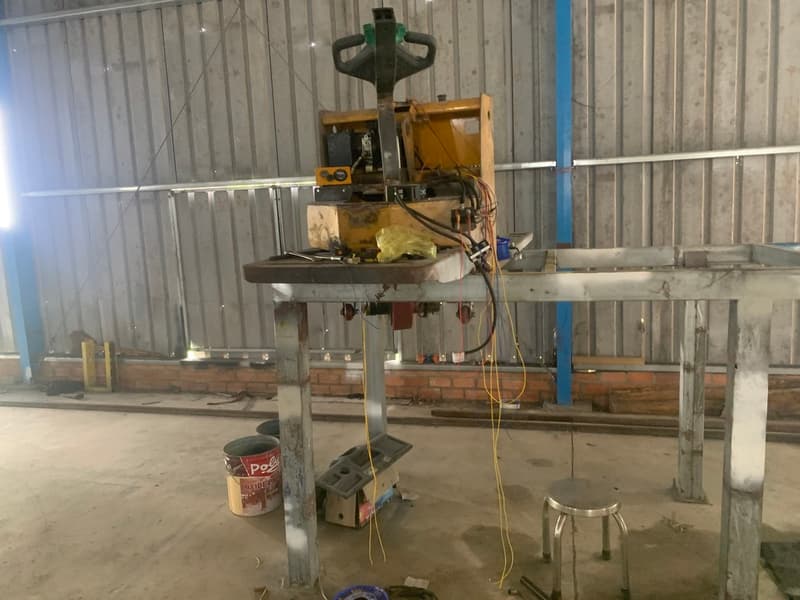
Overseas sourcing often feels like a black box. Delayed emails and manual status updates hide production bottlenecks until it is too late. AI-driven tracking provides real-time visibility to prevent costly shipment delays.
AI-driven production tracking improves supply chain transparency by using IoT sensors and computer vision to monitor manufacturing progress in real time. This technological layer replaces manual status updates with automated data, allowing procurement managers to detect bottlenecks and quality deviations immediately.
Key takeaways:
- AI tracking replaces manual, delayed reporting with continuous, real-time IoT data.
- Monitoring machine-level metrics helps predict lead time accuracy and prevent delays.
- Automated quality checks identify defect trends before they impact final assembly.
- Integrating digital monitoring with on-site audits creates a proactive risk mitigation framework.
How can AI tracking solve real-time visibility challenges in overseas manufacturing?
We often see sourcing managers struggling with “information lag” when dealing with overseas factories.
AI tracking solves real-time visibility challenges by integrating IoT sensors and computer vision directly into the manufacturing floor. These systems provide immediate data on machine uptime and progress, eliminating the delays caused by manual reporting and inconsistent email updates from factory staff.
Defining AI-driven production tracking
AI-driven production tracking is a system that utilizes Internet of Things (IoT) sensors and computer vision to monitor manufacturing workflows in real time. This technology allows for continuous observation of production stages without human intervention.
during on-site production audits, we see how much time is wasted waiting for manual updates. Traditional sourcing relies on a factory manager sending a weekly Excel sheet or a handful of photos. These updates are often reactive and describe what happened days ago, rather than what is happening now. AI-driven tracking changes this dynamic by pulling data directly from the machines. For example, an IoT-enabled machine can report its exact operating status every second.
Vietnam’s manufacturing sector is rapidly adopting these digital tools to align with international quality and compliance standards. By moving toward automated systems, factories provide a level of certainty that manual processes cannot match. This visibility allows procurement teams to optimize inventory buffers and delivery schedules with much higher confidence.
| Feature | Manual Reporting | AI-Driven Tracking |
|---|---|---|
| Data Frequency | Periodic (Daily/Weekly) | Real-time (Continuous) |
| Accuracy | Subjective/Human Error | Objective/Sensor-based |
| Speed | Delayed (Email/Chat) | Instant (Dashboard) |
What data points should I monitor when tracking production in Vietnamese factories?
Our audit engineers look for specific digital indicators when evaluating factory maturity.
Critical data points for production monitoring include machine throughput rates, real-time defect trends, and active downtime logs. Procurement teams should also monitor progress against scheduled milestones to ensure that manufacturing runs align with the established production timeline.
Effective monitoring requires focusing on metrics that directly impact your delivery date. For procurement engineers, the most important data point is often machine-level uptime. If a critical machine in a CNC machining cell goes offline, it creates a ripple effect through the entire production schedule. Our database contains 178 verified Vietnamese factories, including 30 specializing in CNC Machining, where machine-level monitoring is becoming standard.
For instance, a factory like Dai Thanh Production – Trading – Service has 3D CMM and CNC lathe machines on file. In a high-precision environment, monitoring the specific throughput of these machines allows for much tighter control over lead times. You should also track AI-assisted quality checks. These systems help catch defect trends early in the manufacturing run rather than after final assembly, preventing massive scrap costs.
| Metric | Importance | Monitoring Tool |
|---|---|---|
| Machine Uptime | Prevents schedule slippage | IoT sensor data |
| Defect Rate | Ensures quality standards | Computer vision |
| Throughput | Validates lead time accuracy | Automated counters |
By tracking these specific points, you move from guessing to knowing. This data allows you to act before a small machine issue becomes a major shipment failure.
How do automated production updates help mitigate supply chain disruptions early?
during on-site production audits, we look for signs of proactive risk management.
Automated production updates mitigate disruptions by using predictive analytics to detect machine downtime and production bottlenecks before they escalate. This early warning system allows procurement teams to adjust inventory buffers or delivery schedules before a delay impacts the final customer.
Predictive analytics in manufacturing tools can help calculate accurate lead times based on historical shop-floor throughput. Instead of relying on a factory’s “best-case scenario” estimate, you can use real data to see how long a specific process actually takes. If the data shows that a stamping & bending process is running 15% slower than usual due to tool wear, the system can flag this immediately.
Detecting these bottlenecks early allows for two types of responses. First, you can work with the factory to resolve the technical issue, such as scheduling immediate maintenance. Second, you can manage your own supply chain by notifying customers or adjusting downstream logistics. This proactive stance is much more cost-effective than dealing with a “shipment delayed” notification the day a part was supposed to leave the dock. Combining on-the-ground engineering expertise with AI tracking provides the ideal balance of technological precision and contextual oversight.
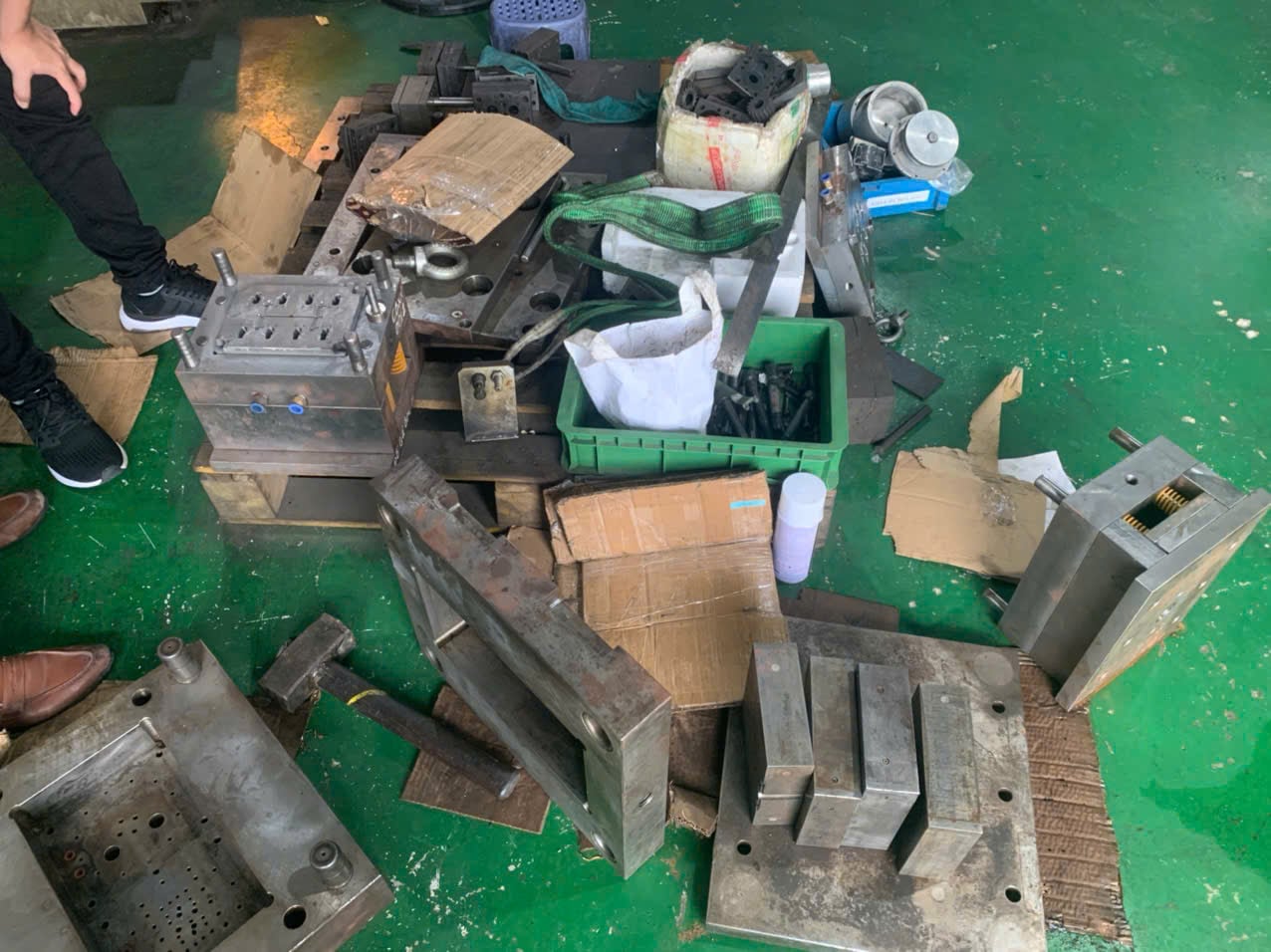
What steps should I take to integrate AI monitoring into my existing sourcing workflow?
Transitioning to a high-transparency model requires a structured approach to supplier selection.
Integrating AI monitoring begins with prioritizing manufacturing partners that offer transparent data-sharing protocols and digital shop-floor capabilities. Procurement managers should then combine these automated insights with periodic on-site audits to create a robust, proactive risk mitigation framework.
We recommend a three-step integration process. First, prioritize suppliers based on their digital readiness. When browsing our suppliers database, look for factories with comprehensive machine lists and clear quality protocols. For example, An Thanh Technology is a verified sheet metal manufacturer with CNC laser cutting machines on file, representing the type of modern facility capable of digital integration.
Second, implement a tiered communication protocol. Use the automated data for daily operational oversight, but maintain regular check-ins for strategic milestones. Third, validate the digital data with physical verification. We use our 50-point Dolphin Audit to ensure that the factory’s physical reality matches its digital claims. This hybrid approach—combining automated data with human-led audits—is the most effective way to manage risk in Vietnam. Moving from periodic manual audits to continuous AI monitoring creates a proactive risk mitigation framework that benefits both the buyer and the supplier.
FAQ
Does AI tracking replace manual audits?
AI tracking does not replace manual audits but rather supplements them. While AI provides continuous data, on-site audits are still necessary to verify physical safety, worker welfare, and the actual presence of equipment.
What is the cost impact of AI tracking?
Automated tracking typically reduces the hidden costs associated with shipping delays and quality failures. By catching errors early, companies avoid expensive rework and emergency air freight costs.
Can small Vietnamese factories use AI tracking?
Vietnamese factories are increasingly adopting digital tools to remain competitive. Many small-to-medium enterprises are integrating basic IoT sensors to improve their transparency with international buyers.
Conclusion
AI-driven tracking transforms Vietnam from a black box into a transparent partner. It reduces risk, optimizes lead times, and provides the visibility required for modern procurement. get an instant quote