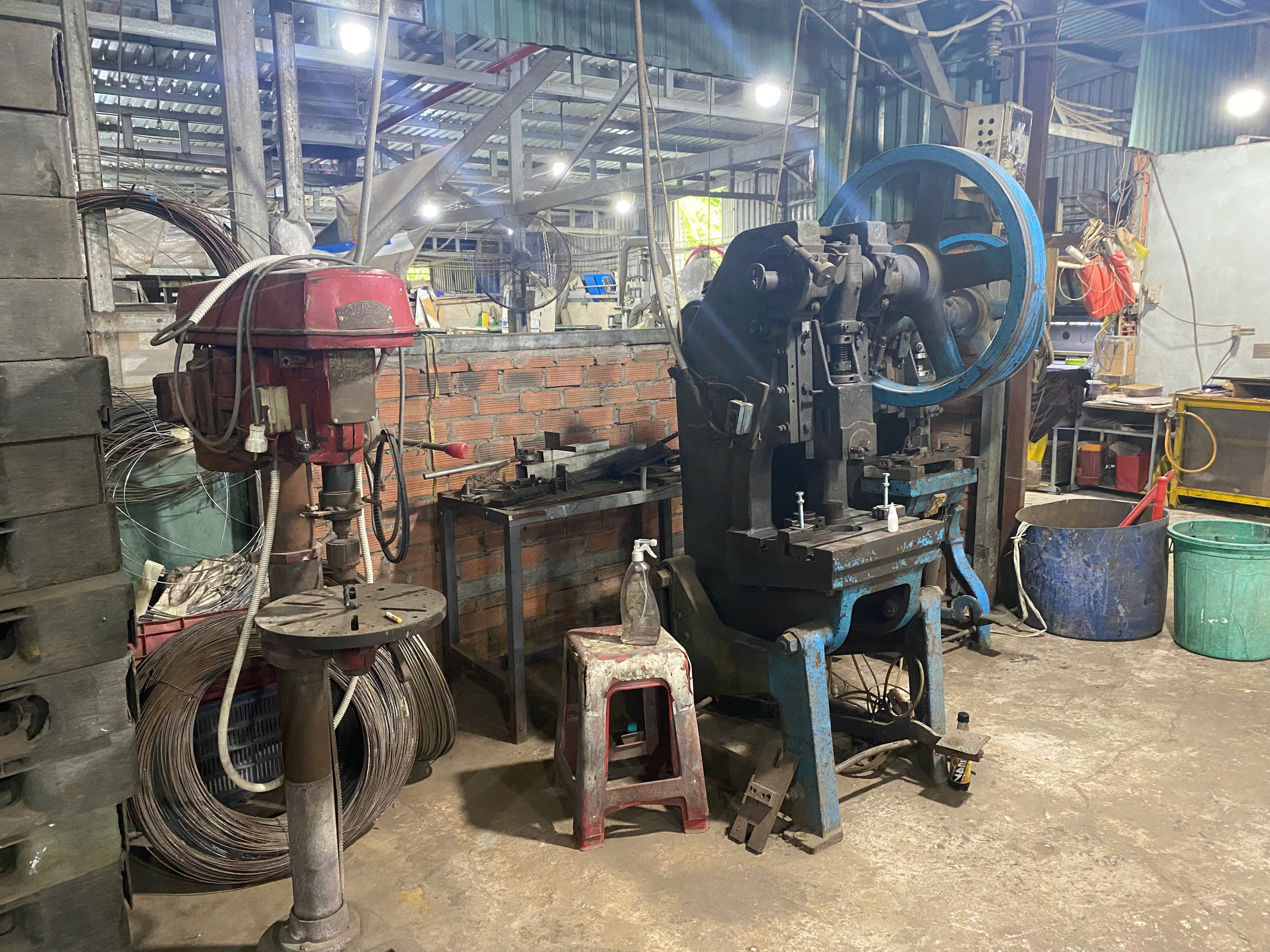
Controlling surface roughness and outgassing in semiconductor manifolds requires precision CNC machining, optimized cutting parameters, and strict post-processing protocols. Machining double-melted 316L VIM-VAR and fluoropolymers demands dedicated tooling to maintain surface integrity. Across Vietnam's manufacturing network, 30 suppliers list specialized CNC machining capabilities, while 38 list CNC milling machines and 8 list 3D CMM equipment to evaluate ultra-clean fluid components.
> Key Takeaways: > Controlling internal surface roughness and outgassing in 316L VIM-VAR and fluoropolymer manifolds prevents micro-pitting and gas entrapment in high-purity semiconductor systems. > Sourcing through Vietnam's supplier database provides access to 30 suppliers listing CNC Machining capabilities and 4 suppliers listing Valves & Fittings capabilities. > Verification of complex manifold geometries relies on advanced metrology, where 8 factories list 3d cmm and 6 factories list cmm machine on file. > Dimensional control requires rigid multi-axis setups, supported across supplier profiles such as Kien Vu Machanical Service Trading Co.,Ltd, which lists CNC milling machine 2 and lathe machine 2.
---
How Do Material Properties and Tooling Strategies Control Outgassing in Machining 316L VIM-VAR and Fluoropolymer Manifolds?
High-purity chemical and gas delivery networks in semiconductor fabrication require manifold blocks manufactured from specialized materials. For metallic gas delivery channels, double-melted 316L VIM-VAR (Vacuum Induction Melted / Vacuum Arc Remelted) stainless steel is selected due to its ultra-low sulfur and minimal inclusion content. These metallurgical characteristics prevent micro-pitting during subsequent processing and assembly. For wet-bench and aggressive chemical distribution systems, virgin fluoropolymers—including PTFE, PFA, PCTFE, and PEEK—provide chemical inertness.
Outgassing in high-vacuum and high-purity environments is directly linked to internal surface roughness and residual contamination. Microscopic burrs, tool marks, and subsurface tearing create entrapment sites for gas molecules and moisture. Controlling outgassing requires sharp, dedicated cutting tools and precise feed-and-speed parameters that prevent localized work-hardening in 316L VIM-VAR and thermal deformation in soft fluoropolymers.
Evaluating manufacturing partners through the DEWIN suppliers database reveals a robust industrial base in Southeast Asia. Out of 179 total Vietnamese factories on file across 37 industrial categories, 30 factories list dedicated CNC Machining capabilities, while 4 factories list specialized Valves & Fittings capabilities. Matching fluid manifold requirements to suppliers with appropriate machine tools ensures optimized cutting dynamics and surface control.
``mermaid flowchart TD A[Billet Selection: 316L VIM-VAR / Virgin Fluoropolymer] --> B[Rough CNC Milling & Boring Pass] B --> C[Finish Machining with Optimized Tool Geometry] C --> D[Surface Quality Inspection via Metrology] D --> E[Post-Processing & Chemical Passivation / Cleaning] E --> F[Cleanroom Ultra-Pure Packaging] ``
---
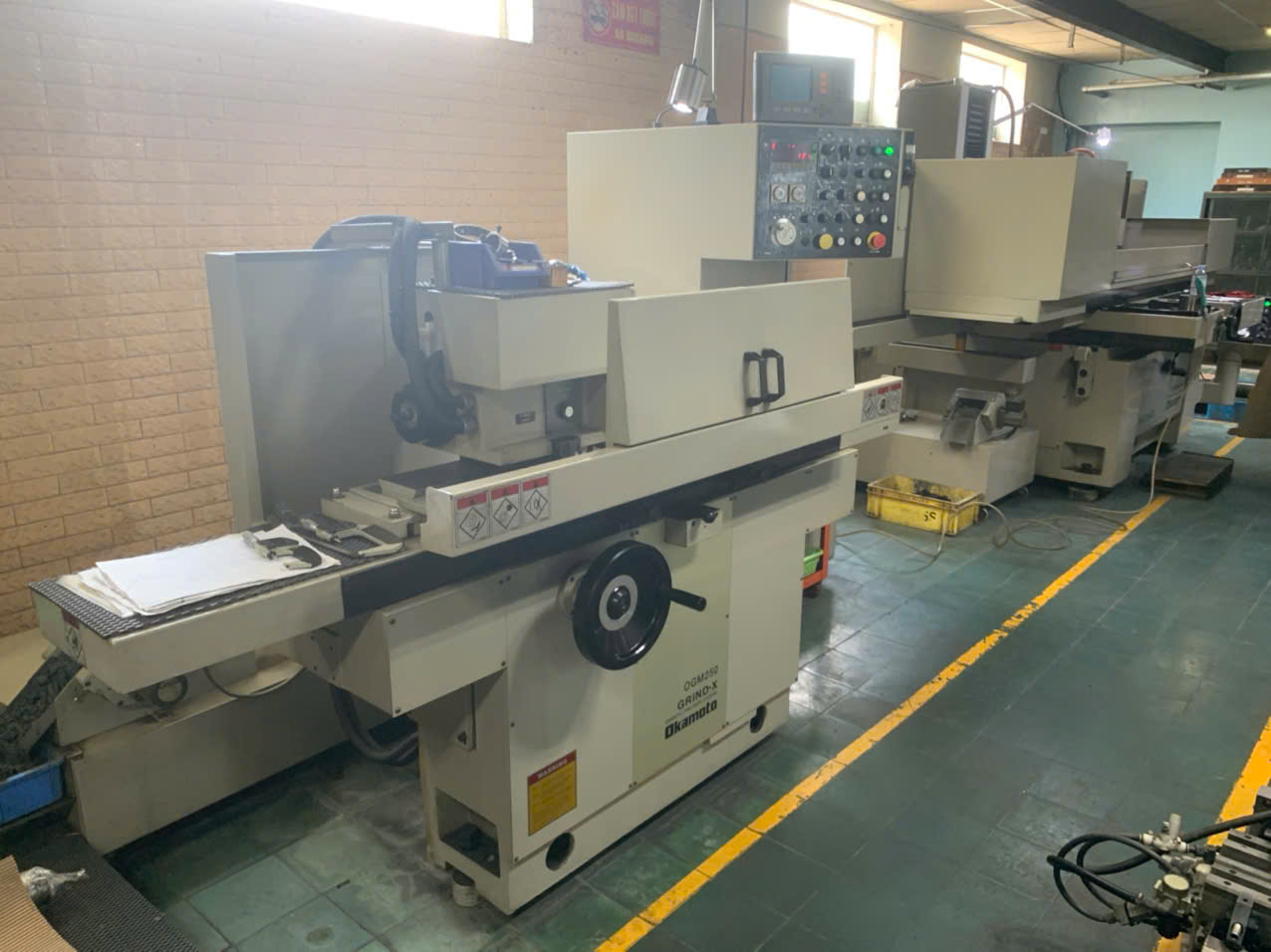
!Surface grinding machine in a Vietnamese factory
What Machining Techniques and Quality Protocols Ensure Sub-Micron Surface Integrity?
Achieving fine surface finishes across complex internal fluid passages requires strict machining protocols. In 316L VIM-VAR machining, tool engagement must remain consistent to prevent chatter and surface smearing. High-rigidity milling cutters with polished flutes reduce friction, allowing smooth chip evacuation without scoring channel walls. For fluoropolymers like PTFE and PFA, controlling heat generation is essential to avoid material creep and distortion; thermal expansion must be managed through stable cutting environments and sharp, high-rake carbide or diamond tooling.
| Material Class | Primary Sourcing Material | Tooling & Setup Parameters | Outgassing Mitigation Strategy | Metrology & Inspection | | :--- | :--- | :--- | :--- | :--- | | Double-Melted Stainless Steel | 316L VIM-VAR | Rigid multi-axis setup, positive rake carbide inserts, controlled coolant application | Eliminate inclusions and micro-crevices; optimize chip load to avoid work hardening | Surface profile analysis & 3D CMM probing | | High-Purity Fluoropolymers | PTFE / PFA / PCTFE / PEEK | High-speed spindle, razor-sharp plastic tooling, dry machining or clean air blast | Prevent hydrocarbon contamination; control ambient thermal fluctuation during cut | Non-contact optical metrology & CMM inspection |
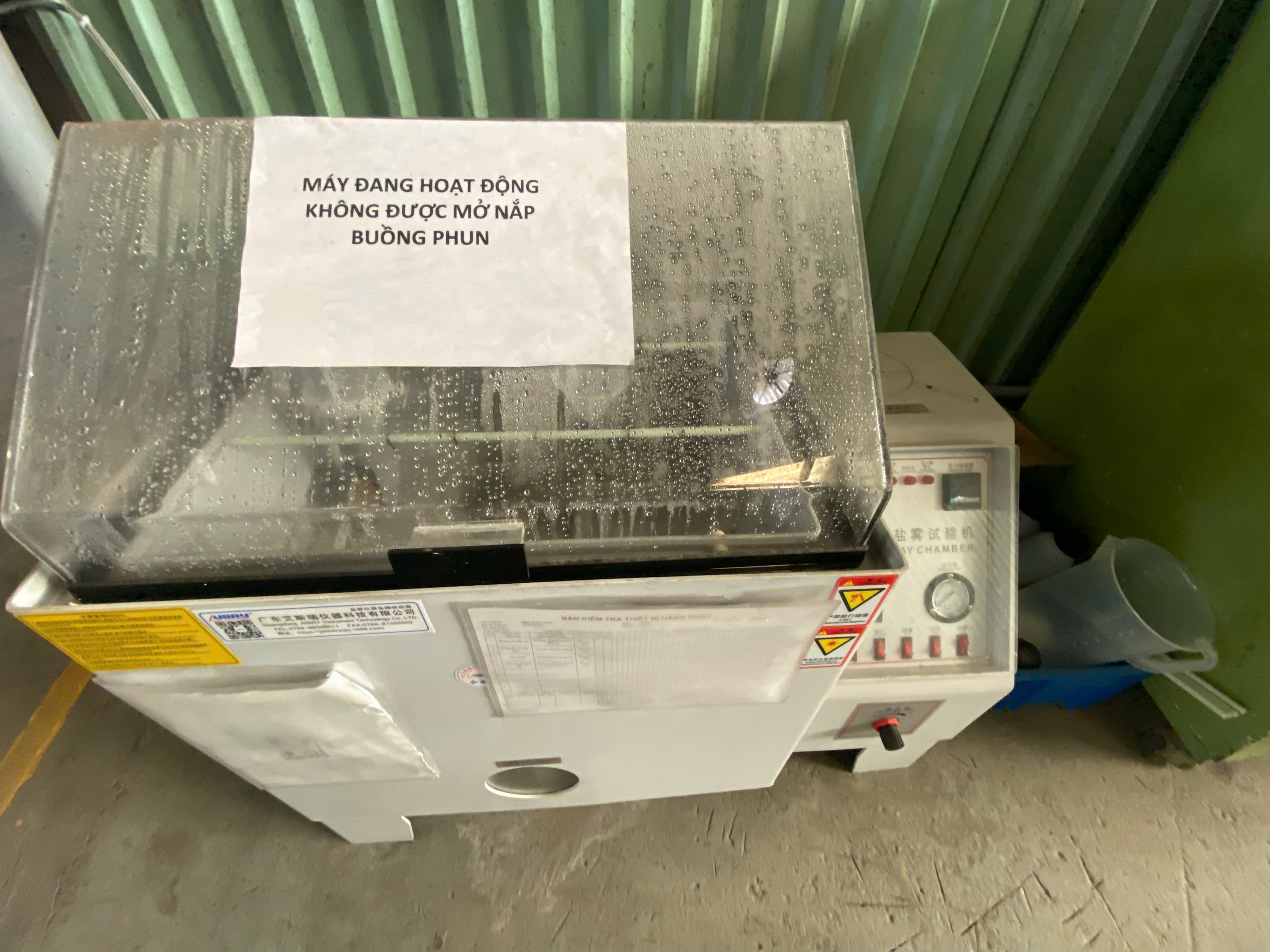
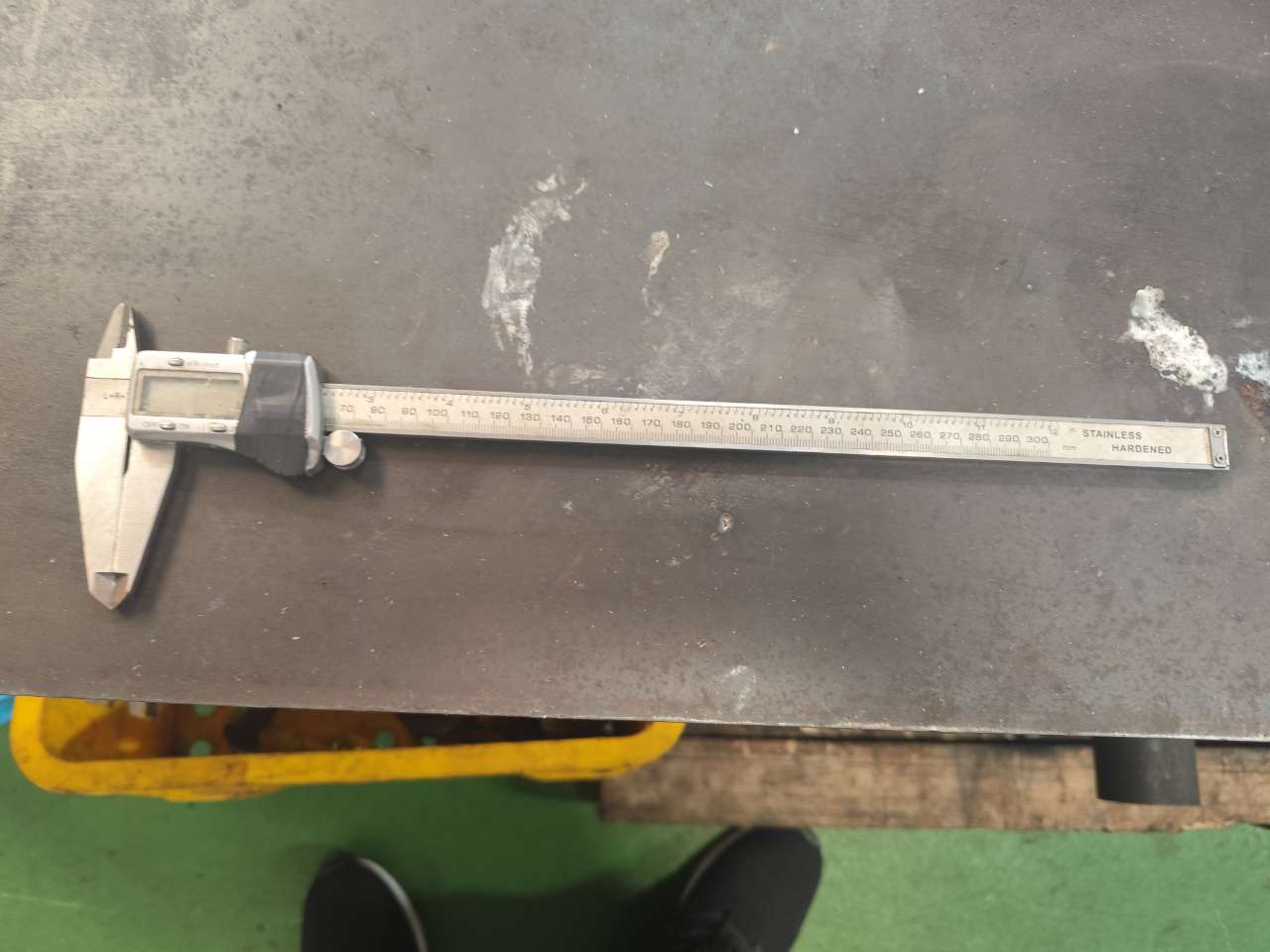
Quality verification relies on multi-axis coordinate measurement equipment. Within DEWIN's network of 163 factories with equipment lists on file, 38 factories list cnc milling machine and 30 factories list cnc lathe machine. For critical inspection of internal bores and datum surfaces, 8 factories list 3d cmm and 6 factories list cmm machine.
For example, supplier records show that Kien Vu Machanical Service Trading Co.,Ltd lists CNC laser cutting, CNC milling machine 2, and lathe machine 2 on file, supporting precision milling and turning workflows required for complex manifold blocks. Leveraging specialized CNC machining services enables engineers to enforce tight geometric tolerances across multi-port valve blocks.
---
How Can Procurement Engineers Structure RFQs for Dual-Shore Semiconductor Component Sourcing?
Procurement engineers evaluating dual-shore manufacturing strategies between Vietnam and global design centers must establish detailed engineering packages. Because semiconductor manifolds require high dimensional accuracy and cleanroom compatibility, RFQ submission packages should explicitly define all physical and metallurgical criteria.
Essential RFQ Documentation 1. 3D CAD Models: Native STEP or IGES formats detailing internal flow paths, valve seats, and mounting interfaces. 2. 2D Engineering Drawings: Complete dimensional callouts detailing exact datum reference frames and geometric tolerances. 3. Surface Roughness Specifications: Explicit micro-inch or micrometer Ra parameters for internal wetted passages versus external non-critical faces. 4. Material Traceability Criteria: Direct material callouts for virgin fluoropolymers or double-melted 316L VIM-VAR heat numbers. 5. Packaging Standards: Cleanroom washing and double-bagging requirements to maintain surface cleanliness during transport.
When evaluating supplier infrastructure, procurement teams can analyze equipment lists maintained on file. Supplier record Huu Hoc Mechanical Technology Co. Ltd lists CNC lathe machine 1, CNC lathe machine 2, and CNC lathe machine 3, illustrating multi-machine turning capabilities for valve bodies and fluid fittings. To begin evaluating manufacturing partners for custom fluid distribution components, buyers can directly request a quote.
---
Precision Manufacturing & Sourcing Specification Matrix
| Technical Dimension | Standard Commercial Grade | High-Precision OEM Export Grade | DEWIN Verification Protocol |
|---|---|---|---|
| Machining & Forming Tolerance | ISO 2768-m (±0.10 mm nominal) | ISO 2768-f (±0.01 mm – ±0.025 mm critical bores) | Calibrated 3D CMM & Air/Pin Gauging |
| Surface Roughness & Finish | Ra 1.6 – 3.2 µm as-machined / standard coat | Ra 0.4 – 0.8 µm precision ground / MIL-A-8625 anodized | Profilometer & Coating Thickness Gauge |
| Material & Alloy Certification | Supplier Mill Test Report (MTR) | Independent OES chemical & mechanical verification | EN 10204 3.1 + RoHS/REACH Compliance |
| Batch Inspection & Packaging | ISO 2859-1 (AQL 1.0 Major / 2.5 Minor) | Zero-defect critical features + VCI export crating | Pre-Shipment Inspection (PSI) Report |