
Transferring production overseas often exposes engineering teams to prohibitive upfront tooling costs and non-recurring engineering expenses. Poor design decisions and unverified tooling terms can drain initial budgets. We help buyers systematically lower upfront capital expenditure in Vietnam.
Western manufacturers minimize tooling and initial production costs in Vietnam by conducting early Design for Manufacturing reviews, utilizing standardized mold bases with interchangeable inserts, staging production through pilot batches, negotiating clear tooling ownership contracts, and sourcing local raw materials.
Key takeaways:
- Early Design for Manufacturing (DFM) reviews eliminate complex part features that inflate mold complexity and tooling costs.
- Modular tooling and standard mold bases allow buyers to run multiple product variants while dramatically reducing initial NRE expenses.
- Clear contract terms specifying mold ownership, maintenance obligations, and shot-life guarantees prevent unexpected re-tooling fees.
- Sourcing locally available Vietnamese metal and resin grades eliminates import tariffs and shortens initial production lead times.
How do I optimize part designs to lower upfront tooling expenses in Vietnam?
When our audit engineers evaluate production drawings across audited Vietnamese suppliers, we routinely identify costly geometric features that inflate tooling quotes before steel cutting begins.
Optimizing part designs to lower upfront tooling expenses in Vietnam requires conducting early Design for Manufacturing reviews, simplifying complex geometries, eliminating unnecessary deep undercuts, and establishing uniform wall thicknesses to prevent intricate multi-slide mold actions or costly electric discharge machining processes.
Tooling Cost Optimization Defined
Tooling cost optimization is the engineering practice of modifying part geometries, material callouts, and tolerance thresholds during pre-production to minimize mold or die complexity without compromising structural integrity.
When transferring manufacturing to Vietnam, engineering teams must align part specifications with regional tooling capabilities. Our database of 179 verified factories shows that 30 factories specialize in CNC machining and 18 specialize in plastic injection molding. Early Design for Manufacturing (DFM) reviews conducted during the prototyping stage prevent unnecessary capital expenditure. For example, deep undercuts require complex side-actions, hydraulic lifters, or collapsible cores that double mold construction costs. Simplifying part contours allows toolmakers to use simpler two-plate molds.
Furthermore, maintaining consistent wall thickness eliminates sink marks and thermal distortion, reducing the need for specialized cooling channels. Staging production runs through pilot batches allows engineering teams to validate tooling performance before committing to full-scale capital investments. For high-volume projects, multi-cavity molds increase initial tooling investment but significantly reduce per-unit production costs over time. Conversely, low-volume lines benefit from single-cavity prototype molds that keep initial non-recurring engineering (NRE) charges low.
| Design Feature | Tooling Cost Impact | Optimization Strategy |
|---|---|---|
| Deep Undercuts | Requires side-actions & mechanical lifters (+35% mold cost) | Redesign draft angles to eliminate internal lifters |
| Non-Uniform Walls | Causes differential cooling & warp; requires conformal cooling | Maintain constant wall thickness across part geometry |
| Tight Radius Corners | Mandates slow sinker EDM machining | Increase corner radii to permit standard CNC end milling |
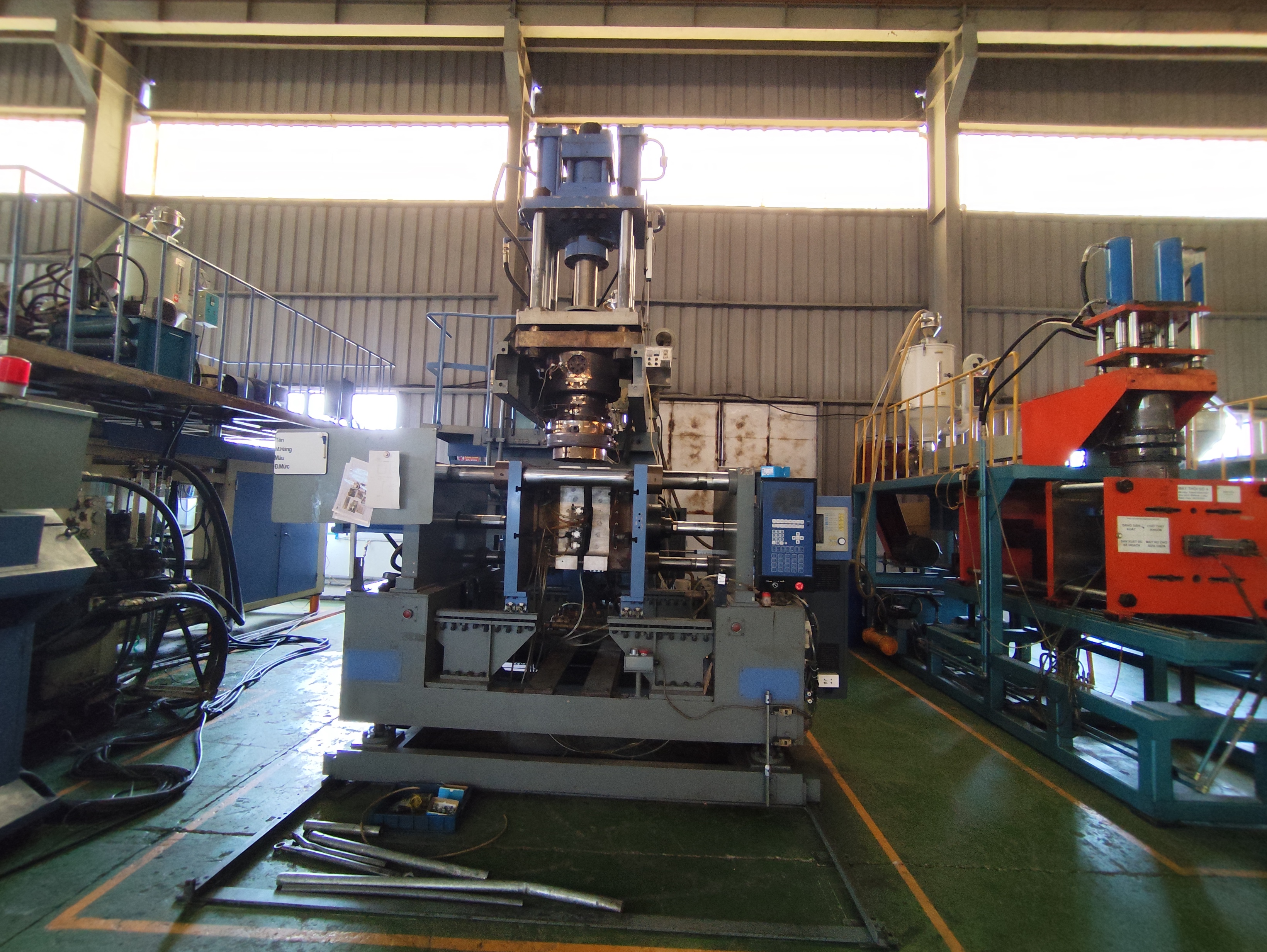
What tooling ownership and maintenance terms should I negotiate with Vietnamese suppliers?
Our on-ground team frequently sees ambiguity surrounding tool ownership and maintenance protocols create severe operational delays during manufacturing transfers to Vietnam.
Negotiating tooling terms with Vietnamese suppliers requires securing explicit legal ownership clauses, establishing documented shot-life guarantees, defining routine refurbishment responsibilities, and structuring payment terms around milestone-based validation steps like First Article Inspection approval prior to mass production.
Clarifying mold ownership, maintenance obligations, and shot-life guarantees in preliminary contracts prevents unexpected re-tooling expenses and operational disputes. Sourcing managers must ensure that purchase orders clearly state that the buyer retains full intellectual property and physical ownership of all custom tooling, dies, and fixtures once initial payment milestones are met. Contractual terms should explicitly grant the buyer the right to audit, inspect, or retrieve the tooling at any time.
Tooling payment terms should always follow milestone-based validation steps. A standard framework includes a 30% initial deposit upon mold design approval, 40% upon T1 sample submission, and the final 30% balance upon complete First Article Inspection (FAI) approval. Structuring tooling payments around milestone-based validation steps mitigates financial risk while ensuring suppliers meet quality tolerances prior to mass production.
Furthermore, maintenance terms must clearly delineate routine preventative care from major refurbishments. Suppliers should absorb routine cleaning, lubrication, and minor cavity wear maintenance throughout the agreed shot-life guarantee. For instance, an injection mold guaranteed for 500,000 shots must be maintained by the factory at no additional cost until that limit is reached. If the supplier damages the tool due to improper press setup, the contract must hold the factory liable for tool repair or replacement.
How can I leverage modular tooling and standardized components to reduce NRE costs?
We observe that custom tool fabrication dominates upfront capital expenditure when buyers launch multiple product variants or localized part families in Southeast Asia.
Leveraging modular tooling to reduce non-recurring engineering costs in Vietnam involves standardizing master mold bases, utilizing interchangeable core and cavity inserts, and incorporating off-the-shelf guide pins, ejector pins, and bushings to minimize custom steel machining hours and material expenses.
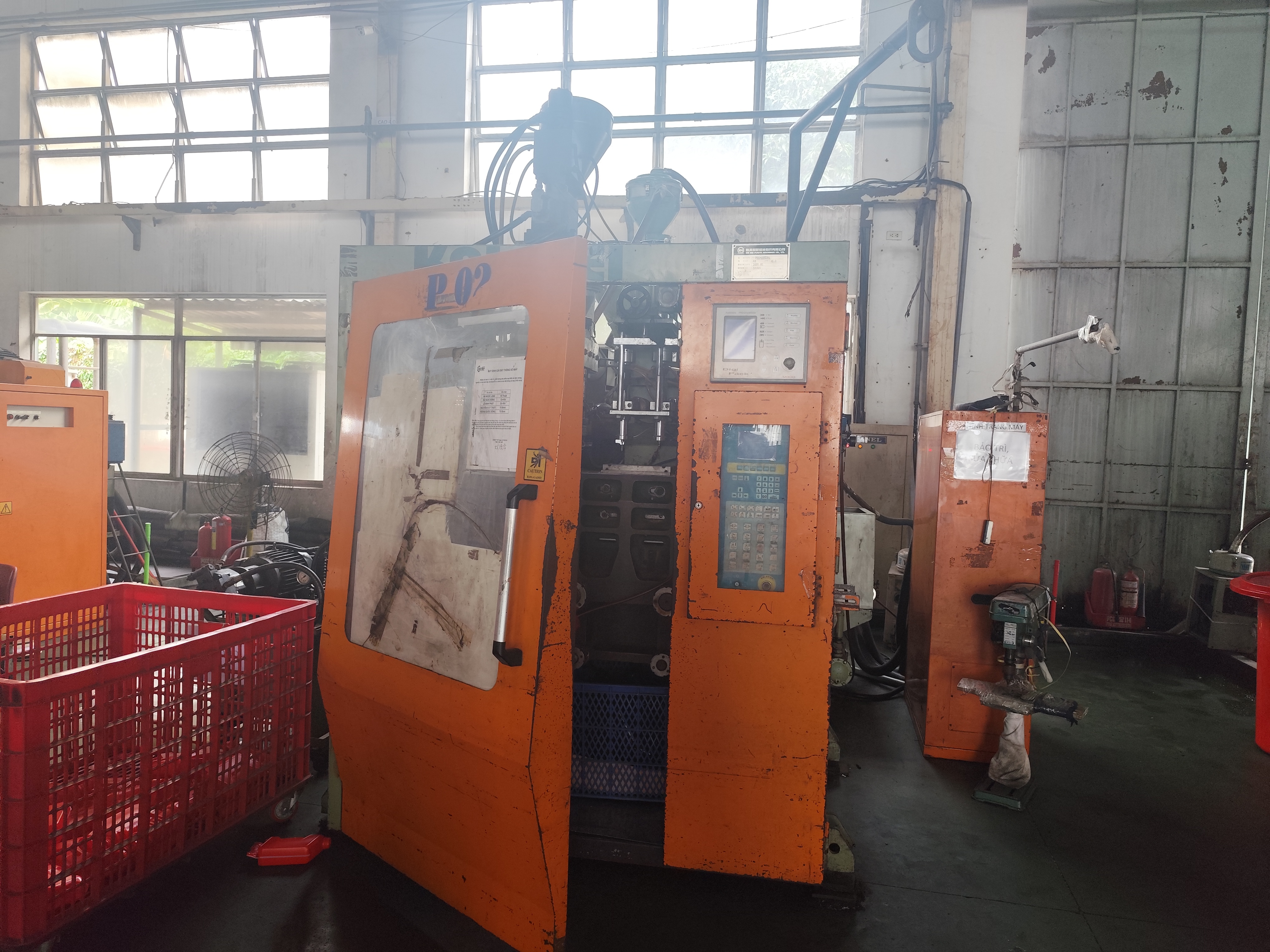
Standardizing mold bases and utilizing interchangeable inserts can substantially lower the cost of producing multiple product variants. Rather than building completely separate molds for each SKU, engineering teams can design a universal master mold base that remains permanently mounted in the press. Only the custom cavity and core inserts are swapped out between production runs. This modular approach reduces raw tool steel volume by up to 60% and drastically cuts machining time on CNC milling machines. Across our audited network, 38 factories maintain CNC milling equipment on file, making insert machining fast and cost-effective.
In metal forming, modular progressive dies allow factories to reconfigure punch stations without rebuilding the entire die set. Audited suppliers like Viet Thanh Mechanical Production maintain specialized equipment on file, including bending machines and CNC cutting machines, to support modular metal forming workflows.
Standardizing auxiliary components further drives down initial non-recurring engineering (NRE) charges. Specifying standard catalog items for ejector pins, runner bushings, and guide pillars eliminates the expense of custom-ground tooling components. Balancing initial tooling expenditure against projected volume guarantees is essential to avoid over-engineering molds for low-volume or evolving product lines.
| Tooling Component | Custom Tooling Approach | Modular / Standardized Approach | Cost / Lead Time Impact |
|---|---|---|---|
| Mold Base | Custom machined steel block for each SKU | Universal master mold base with interchangeable inserts | 40-50% reduction in NRE steel cost |
| Ejector & Guide Pins | Custom-ground non-standard diameters | Off-the-shelf catalog components | Instant local replacement; zero custom grinding fees |
| Stamping Dies | Single-purpose dedicated die set | Reconfigurable modular punch stations | Reduces re-tooling costs for part variants |
How do I evaluate localized raw material sourcing to lower initial unit production costs?
Our audit engineers routinely assist Western buyers in evaluating domestic material equivalents in Vietnam to eliminate costly import duties and international freight bottlenecks.
Evaluating localized raw material sourcing in Vietnam requires mapping foreign material specifications to certified domestic equivalents, verifying chemical composition and mechanical properties through lab testing, and taking advantage of regional trade networks to avoid import tariffs and reduce lead times.
Sourcing locally available raw material grades in Vietnam eliminates import tariffs and reduces lead times compared to specifying overseas stock. Many Western engineering drawings specify niche American or European material standards that local stockists do not carry. Importing small quantities of specialized raw steel or resin pellets for initial production runs inflates unit costs and adds weeks to production schedules.
Under international trade agreements like the EVFTA and CPTPP, localized raw material sourcing helps manufacturers meet rules of origin criteria required for duty-free export. Additionally, qualifying Vietnam-origin goods are not subject to US Section 301 Chinese punitive tariffs, making domestic integration highly advantageous for US procurement managers.
To lower initial unit production costs, procurement teams should collaborate with local suppliers to identify equivalent JIS or GB material grades available locally. For example, substituting imported AISI 304 stainless steel with locally stocked JIS SUS304 sheet steel preserves mechanical strength while eliminating import fees. For sheet metal and bending projects, factories such as Lap Phuc Mechanical Production Trading utilize CNC laser cutting equipment to process domestic steel coils efficiently. Mandating mill test reports and third-party spectroscopic analysis ensures local materials meet engineering tolerances without sacrificing performance.
FAQ
What is the typical payment schedule for manufacturing tooling in Vietnam?
A standard tooling payment schedule in Vietnam is structured as 30% upon mold design sign-off, 40% upon T1 sample delivery, and 30% upon final First Article Inspection approval. This milestone structure protects buyers against non-conforming tooling while providing suppliers necessary capital for raw steel procurement.
How does pilot batch production reduce initial manufacturing risk?
Pilot batch production allows engineering teams to validate mold gating, dimensional stability, and cycle times under real factory conditions before committing to mass production volume. Running a small pilot lot identifies tool wear or clamping defects early, preventing expensive scrap rates during full-scale manufacturing runs.
Are US Section 301 tariffs applied to tooling and components made in Vietnam?
qualifying Vietnam-origin goods are not subject to US Section 301 Chinese punitive tariffs, unlike products manufactured in China which carry substantial tariff surcharges. Sourcing tooling and production components from verified Vietnamese supplier facilities allows US buyers to import finished goods without paying Section 301 punitive duties.
Conclusion
Minimizing initial tooling and production costs in Vietnam requires early DFM reviews, clear contractual terms, modular mold designs, and localized raw material choices. Sourcing teams can mitigate financial risk and streamline pre-production validation when they get an instant quote.