
Sourcing components from Southeast Asia requires rigorous supplier verification to avoid hidden quality defects and production delays. Remote document checks alone cannot guarantee operational capability. We help procurement teams systematically audit Vietnamese factories through structured on-site engineering evaluations.
US and EU buyers effectively vet and audit Vietnam manufacturing suppliers by validating legal business licenses with local authorities, conducting structured on-site audits, verifying physical inspection equipment, and establishing enforceable Non-Disclosure Agreements. Combining remote compliance checks with local engineering audits mitigates quality risks.
Key takeaways:
- Validating official business registrations with local Vietnamese authorities establishes baseline legal legitimacy before sharing RFQ packages.
- On-site factory audits verify that production facilities possess functional equipment like 3D CMMs rather than outdated marketing claims.
- Authentic ISO 9001 certifications require direct confirmation with issuing accreditation bodies to prevent unverified compliance claims.
- Third-party audit frameworks evaluate sub-tier vendor networks and labor practices to secure resilient supply chains.
How Do I Conduct an Initial Desk Audit for a Vietnamese Factory?
When our audit engineers begin vetting new production partners across Vietnam, we start with exhaustive remote legal and technical document verification.
Conducting an initial desk audit for a Vietnamese factory requires verifying official business registration licenses, confirming export history to Western markets, evaluating technical capability statements, and executing enforceable non-disclosure agreements. Remote legal verification ensures operational legitimacy before sharing technical drawings.
Defining Vietnam Manufacturing Supplier Vetting
Vietnam manufacturing supplier vetting is the systematic evaluation of a factory’s legal status, operational capacity, quality management systems, and technical machinery prior to contract execution. Establishing strict desk audit protocols prevents costly sourcing missteps.
When reviewing candidate factories, procurement teams must request official enterprise registration certificates (ERC) issued by Vietnam’s Department of Planning and Investment. Verifying these documents against government registration databases confirms legal standing and operational status. Buyers should also evaluate past export documentation, such as bill of lading records for shipments to North American and European markets, which confirms familiarity with international customs and regulatory compliance standards.
Across our database of 178 audited suppliers, remote document verification serves as the first filter. For example, in our database, 30 factories specialize in CNC machining and 17 specialize in sheet metal production. To protect proprietary intellectual property, buyers must execute enforceable Non-Disclosure Agreements (NDAs) under legal frameworks prior to transferring engineering files. Utilizing a US contracting entity like a Delaware LLC provides legal jurisdiction while establishing local engineering representation in Vietnam ensures local compliance checks.
| Verification Stage | Required Document | Primary Risk Mitigated |
|---|---|---|
| Legal Legitimacy | Enterprise Registration Certificate (ERC) | Fraudulent or unlicenced operations |
| Trade Experience | Western Customs Bills of Lading | Non-compliance with export customs |
| Intellectual Property | Non-Disclosure Agreement (Delaware LLC jurisdiction) | Unauthorized sharing of technical drawings |
| Baseline Standardization | ISO 9001 Quality Certificate | Lack of structured quality processes |
What On-Site Quality Control Procedures Should I Verify During an Audit?
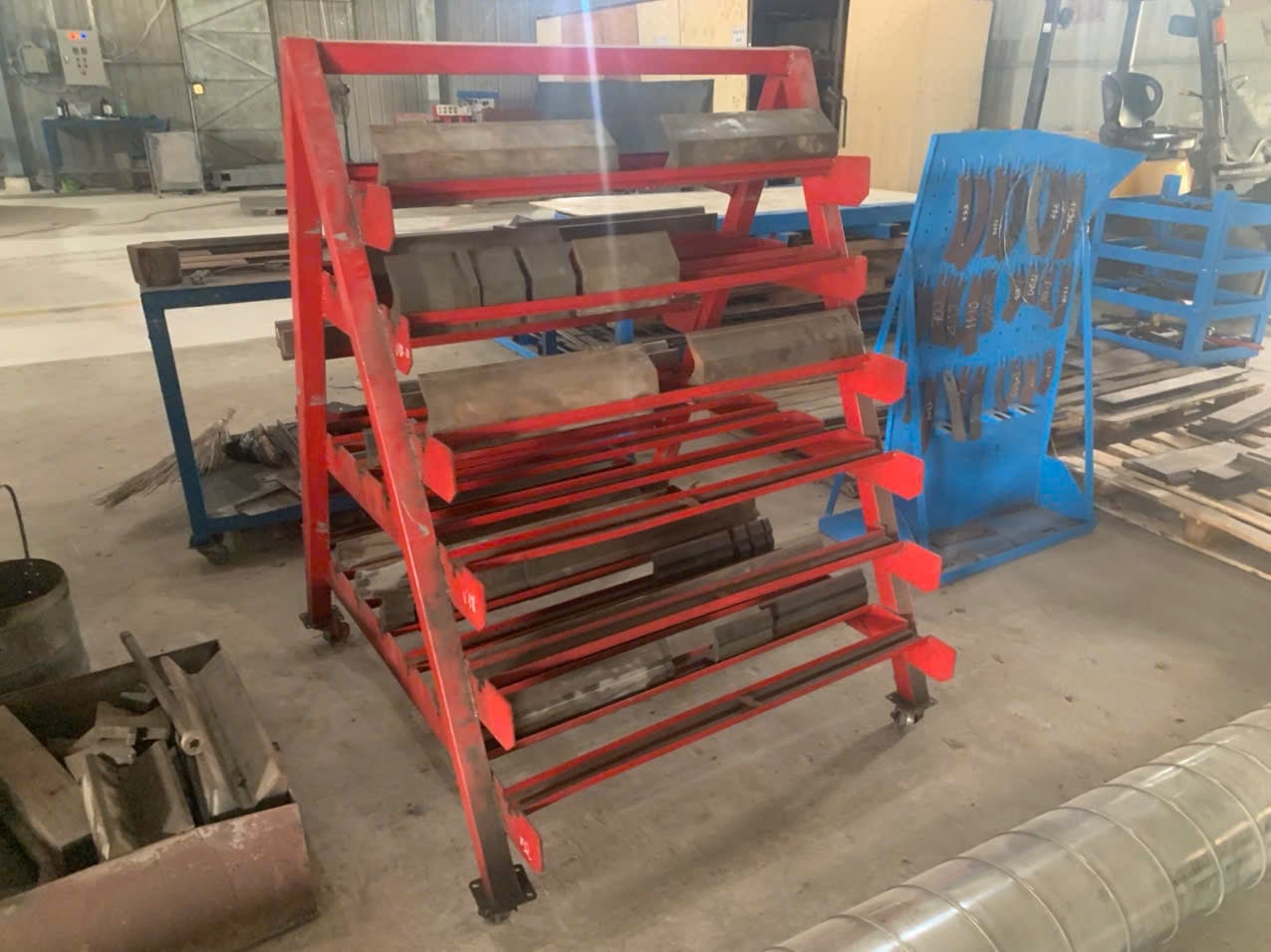
Our audit team regularly walks production floors across Vietnam to verify physical equipment, quality control stations, and actual shop-floor capabilities.
Verifying on-site quality control procedures during a factory audit requires inspecting active metrology equipment, examining raw material storage, evaluating calibrated 3D CMM units, and reviewing first-article inspection records. Physical verification ensures shop-floor equipment matches stated manufacturing capabilities.
Evaluating Metrology and Equipment Inventory
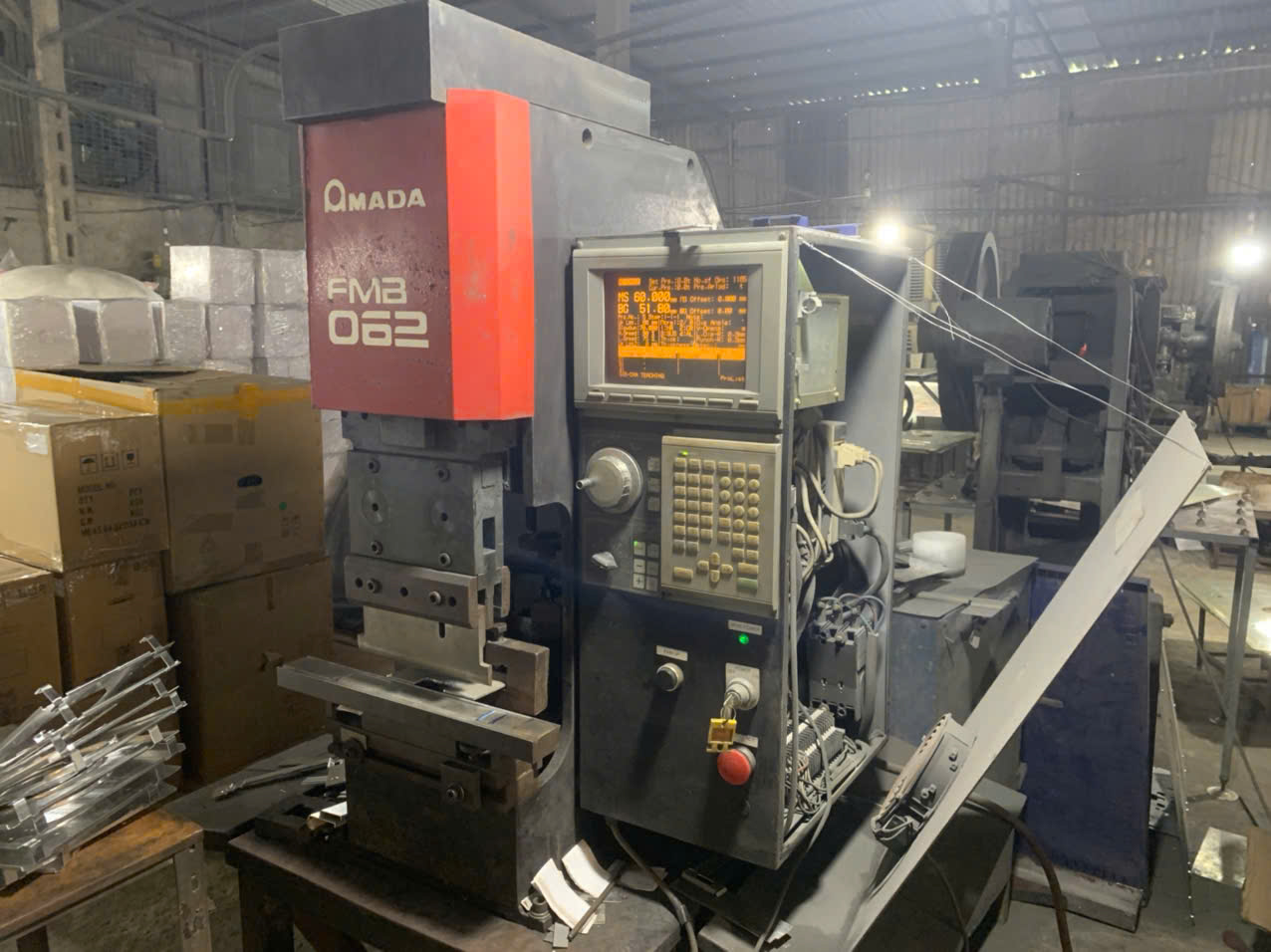
On-site physical audits bridge the gap between marketing claims and real shop-floor capabilities. A critical step is auditing metrology equipment and testing infrastructure. In our audited supplier database, 163 of the 178 factories have machine inventory lists on file, where 38 factories list CNC milling machines, 30 list CNC lathe machines, and 8 list 3D coordinate measuring machines (CMM).
When inspecting a facility like Vinh Loc Metal Mechanical And Electrical Import Ex, which specializes in sheet metal work with laser cutting and bending capabilities, audit engineers verify that bench drilling machines and bending equipment are properly maintained and operational. Inspectors should evaluate calibrated measurement instruments, in-process quality control (IPQC) stations, and final pre-shipment inspection workflows.
Material Traceability and Pilot Production
Beyond machinery, on-site audits must review incoming material inspection logs and sub-tier vendor traceability. Verifying mill test reports (MTRs) for raw steel, aluminum, or resin ensures material integrity. Sourcing managers should request a pilot production run or physical product samples to test precision machining tolerances before approving full-scale manufacturing.
| Audit Checkpoint | Physical Item Verified | Operational Objective |
|---|---|---|
| Raw Material Receiving | Mill Test Reports (MTRs) & Storage | Ensure alloy grades match engineering specifications |
| Machining Accuracy | 3D CMM Calibration Logs | Confirm dimensional tolerances for complex parts |
| In-Process Quality | IPQC Station Routing Sheets | Prevent defect propagation along assembly lines |
| Pre-Shipment Check | First-Article Inspection Reports | Validate finished goods against customer blueprints |
How Can I Evaluate a Vietnam Supplier’s ISO Compliance and Certification Authenticity?
Our quality engineers frequently encounter non-accredited or expired quality certificates during preliminary factory evaluations.
Evaluating a Vietnam supplier’s ISO compliance requires cross-referencing certificate registration numbers with official IAF-accredited issuing bodies, reviewing recent internal quality audit records, and confirming standard operating procedures on the shop floor. Direct verification prevents relying on fraudulent documentation.
Authenticating ISO 9001 and Industry Certifications
International buyers frequently request ISO 9001 quality management certificates to establish baseline manufacturing standardization. However, paper certificates can be mismanaged, expired, or issued by unaccredited registrar bodies. Sourcing engineers must verify the certificate number directly through the International Accreditation Forum (IAF) CertSearch database or contact the issuing accreditation body directly.
Verifying Practical Quality Systems
A valid paper certificate does not guarantee daily shop-floor adherence. Sourcing managers must inspect standard operating procedures (SOPs), non-conformance reporting (NCR) logs, and corrective action preventive action (CAPA) tracking systems on site. Evaluating how a factory manages scrap rates, tool wear, and machine calibration reveals whether quality management is actively practiced. Third-party auditing agencies provide independent evaluation of social compliance, environmental standards, and labor practices. Working within structured framework models like our 50-point Dolphin Audit ensures that factories maintain audited quality control standards across every production batch.
How Do I Mitigate Supply Chain Risks When Onboarding Manufacturing Partners in Vietnam?
Managing operational risk when shifting production to Southeast Asia requires proactive vendor evaluation, tariff planning, and logistics structured for international trade.
Mitigating supply chain risks when onboarding Vietnamese manufacturing partners involves auditing sub-tier raw material suppliers, structuring contracts under clear Incoterms like DDP, leveraging preferential trade agreements, and maintaining on-the-ground technical oversight. Comprehensive risk planning prevents material bottlenecks.
Sub-Tier Risk Assessment and Material Bottlenecks
Checking a factory’s sub-tier vendor network helps identify potential bottlenecks in raw material sourcing and secondary processing. If a primary machine shop relies on an unvetted plating, anodizing, or heat treatment sub-contractor, delays in secondary processing can stall entire production lines. Sourcing managers must map the complete tier-2 supply chain during initial vendor onboarding.
Trade Agreements and Strategic Contracting
Vietnam benefits from over 16 Free Trade Agreements (FTAs), including the Comprehensive and Progressive Agreement for Trans-Pacific Partnership (CPTPP), the EU-Vietnam Free Trade Agreement (EVFTA), and RCEP. Under the EVFTA, tariffs on many industrial components exported to European markets are progressively eliminated. Furthermore, qualifying Vietnam-origin goods are not subject to US Section 301 Chinese punitive tariffs, providing substantial landed-cost advantages compared to alternative sourcing regions. Structuring shipments under Delivered Duty Paid (DDP) terms and contracting through a US entity protects Western buyers against transit delays and legal risks.
FAQ
How long does a thorough factory audit take in Vietnam?
A comprehensive on-site factory audit in Vietnam typically takes one to two full days on location, followed by two days of technical reporting and document analysis. Complex facilities with extensive CNC machining lines or multi-stage assembly require longer evaluations.
What are the main red flags during a Vietnamese factory audit?
The main red flags during a Vietnamese factory audit include uncalibrated inspection equipment, missing raw material test reports, refusal to permit sub-tier vendor reviews, and missing legal enterprise registrations. Lack of active in-process quality control records also indicates operational risk.
Why should US and EU buyers use local on-the-ground auditors?
US and EU buyers should use local on-the-ground auditors because local engineering presence allows immediate physical factory inspections, real-time shop-floor verification, clear communication in Vietnamese, and deeper assessment of local sub-tier supplier networks without travel delays.
Conclusion
Effective supplier vetting requires combining remote document checks, local engineering audits, and sub-tier risk evaluations. Validating shop-floor capabilities ensures smooth contract manufacturing in Vietnam. Contact our team to get an instant quote.