
Sourcing custom metal stamping parts in Vietnam often leads to inconsistent quality when suppliers are vetted solely on price. A structured evaluation framework across five critical dimensions separates reliable high-volume manufacturers from high-risk shops.
Evaluating and comparing stamping parts suppliers in Vietnam requires scoring candidate factories across five core dimensions: quality control data, engineering DFM feedback, shop-floor tooling discipline, delivery history, and total landed program cost.
Key takeaways:
- Wall-mounted ISO certificates do not guarantee part accuracy without Cpk process capability data and First Article Inspection (FAI) reports.
- Capable stamping suppliers provide proactive Design for Manufacturability (DFM) feedback and ask detailed drawing questions before quoting.
- Direct shop-floor verification of CMM calibration and in-process inspection protocols is essential during vendor selection.
- Total landed cost calculations must incorporate raw material indexation, tooling ownership terms, and relief from Section 301 Chinese punitive tariffs for qualifying goods on Vietnam-origin goods.
What Quality Control Evidence Should I Request from Stamping Suppliers?
Our audit engineers evaluate quality control evidence on factory floors across Vietnam to verify that production capabilities match supplier documentation.
Requesting quality control evidence from metal stamping suppliers requires collecting First Article Inspection (FAI) or PPAP documentation, Cpk process capability charts on critical dimensions, CMM equipment calibration logs, and raw coil material heat certificates.
Metal Stamping Supplier Quality Control Defined
Metal stamping supplier quality control is the systematic verification of press operations, progressive tooling, raw material traceability, and statistical process stability to ensure stamped metal components meet engineering specifications across production runs.
Essential Quality Verification Documents
Paper certificates establish baseline compliance, but shop-floor data proves manufacturing execution. ISO 9001 registration confirms an operational framework exists, yet process data reveals long-run dimensional control. In our review of audited Vietnamese suppliers, such as Thanh Long Industrial Services Trade—which maintains 3D CMM and CNC milling equipment on file—we verify that physical inspection routines match documented quality systems.
Procurement teams must inspect specific documents before awarding contracts:
| Quality Document | Manufacturing Verification | Risk of Absence |
|---|---|---|
| FAI / PPAP Package | Validates tooling geometry and initial part conforming status | Unproven dies leading to assembly dimensional errors |
| Cpk Process Capability | Proves statistical stability across high-volume press runs | High defect rates and hidden scrap costs |
| Calibration Records | Ensures 3D CMM and optical measurement accuracy | False inspection passes on out-of-spec stamped parts |
| Material Mill Certs | Confirms metal alloy grade, temper, and yield strength | Material cracking during bending or flange forming |
In-process quality checks conducted at fixed intervals prevent volume defect propagation. Suppliers relying exclusively on final sorting at packing stations suffer higher scrap costs that inevitably inflate unit prices.
.jpg)
How Do I Evaluate a Stamping Supplier’s Engineering and DFM Capabilities?
When we walk production floors in Vietnam, our engineers examine how stamping shops analyze complex geometries before cutting tool steel.
Evaluating a stamping supplier’s engineering capability requires reviewing their Design for Manufacturability (DFM) reports, testing their in-house die design expertise, verifying CAD/CAM modeling proficiency, and confirming past co-development projects for similar metal geometries.
Testing DFM Feedback and Tooling Design
A capable metal stamping vendor evaluates drawings long before setting up press machinery. When submitting RFQs, procurement teams should analyze how thoroughly a factory evaluates bend radii, flange length, hole-to-edge clearances, and material springback. Suppliers offering quick, low-ball quotes without asking technical questions frequently encounter severe production stalls during tool trial runs.
Engineering evaluation should focus on three primary technical criteria:
- In-House Tooling and Progressive Die Capabilities: Factories that design and maintain progressive dies in-house handle design modifications faster. For example, Smctech maintains punching machines and CNC laser cutting equipment on file, allowing rapid prototyping and tooling adjustment.
- Proactive DFM Design Analysis: Engineering teams should highlight potential material thinning, burr direction, and grain alignment issues relative to bending lines.
- Co-Development Track Record: Reviewing real part samples and die modification logs demonstrates whether a supplier manages complex engineering changes smoothly.
Procurement teams should prioritize suppliers providing robust DFM feedback and Cpk process data over vendors offering quick quotes that risk downstream rework. Investing time in engineering reviews eliminates costly die modifications after press hardening.
Which Red Flags Should I Look for During a Stamping Shop-Floor Audit?
Our technical team conducts on-site factory audits across Vietnam to identify hidden manufacturing risks before clients sign production contracts.
Identifying red flags during a stamping shop-floor audit involves checking for uncalibrated measurement tools, poorly maintained progressive dies, raw coils stored without climate protection, missing in-process inspection stations, and disorganized die storage areas.
On-Site Audit Checklist for Stamping Operations
A physical factory audit reveals shop-floor reality beyond corporate brochures. Among the vetted Vietnamese manufacturing facilities in DEWIN’s database, including 13 dedicated stamping and bending facilities, physical floor organization correlates directly with delivery reliability and part consistency. Our 50-point Dolphin Audit protocol targets press discipline, maintenance standards, and metrology practices.
Shop-floor verification of CMM calibration and in-process inspection protocols must supersede reliance on wall-mounted ISO certificates during vendor selection. Procurement teams should systematically evaluate key physical indicators during an audit:
| Audit Category | Acceptable Standard | Critical Shop-Floor Red Flag |
|---|---|---|
| Tooling & Die Storage | Shelved, indexed, lubricated, and tagged dies | Tool steel resting on bare floors with surface rust |
| Material Handling | Coils stacked on pallets with moisture protection | Unlabeled raw coils stored outdoors or in wet areas |
| Metrology & Equipment | 3D CMM in climate room with active calibration tags | Uncalibrated calipers, missing CMM logs, dirty probes |
| Quality Stations | Operator checking parts at press every set interval | No quality checks at presses; post-sorting at packing |
Observing active press operations reveals whether operators follow standard work instructions. If press operators clear material jams improperly or bypass safety sensors, tool damage and batch variance will follow.
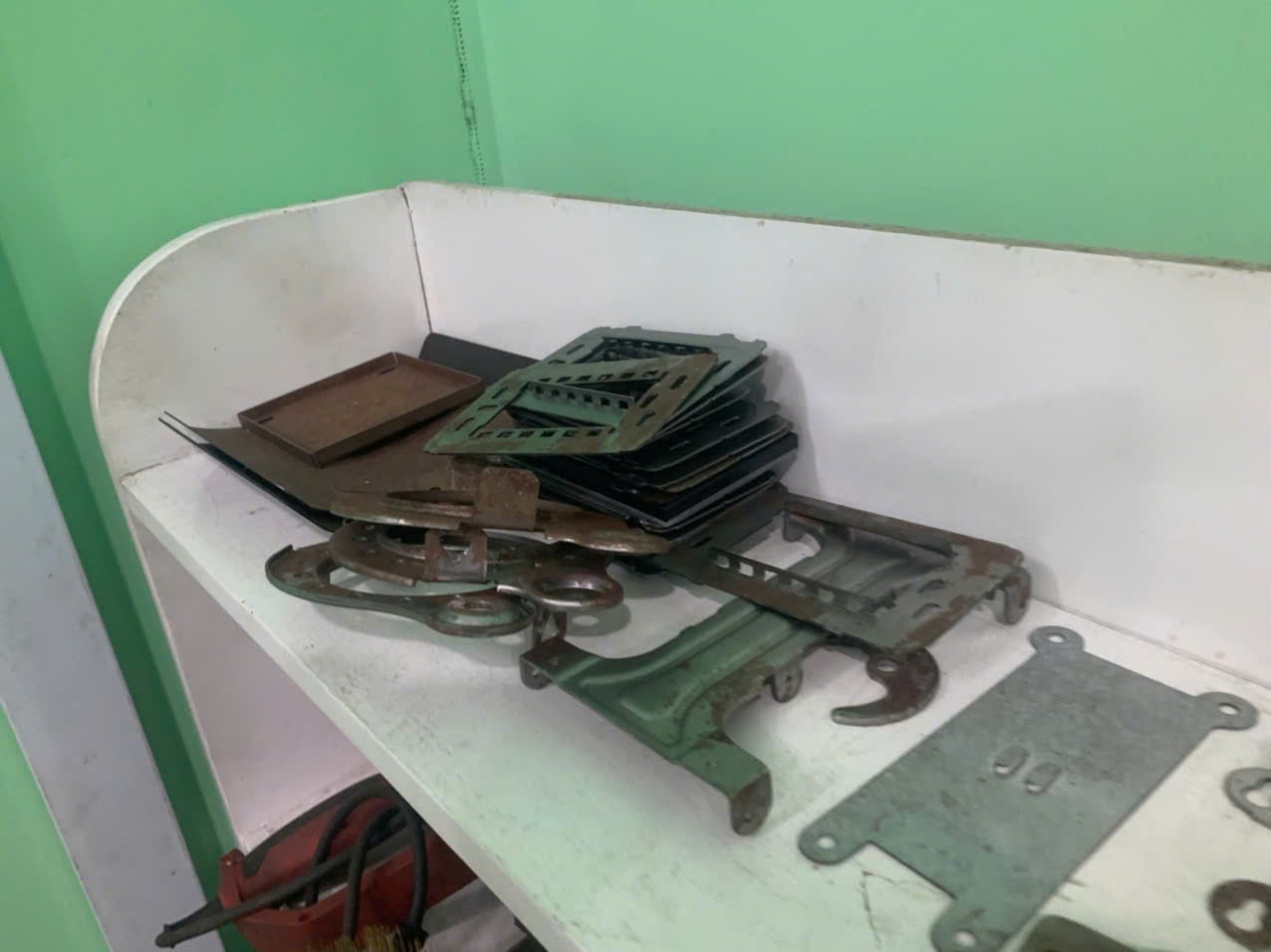
How Can I Score Stamping Suppliers Across Total Cost and Delivery Performance?
We help sourcing teams calculate true landed costs and evaluate historical vendor performance across Vietnam’s expanding industrial network.
Scoring stamping suppliers across total cost and delivery performance requires weighing piece-part prices, tooling amortizations, raw material indexation models, historical on-time delivery rates, and import duty savings under international trade agreements.
Total Landed Cost and Performance Weighting
Evaluating stamped part pricing requires looking far beyond piece-part unit rates. A comprehensive vendor evaluation matrix weighs piece price, die ownership terms, setup fees, shipping logistics, and tariff implications. Vietnam benefits from 16+ active Free Trade Agreements (FTAs) including CPTPP, EVFTA, and RCEP. Crucially, qualifying Vietnam-origin goods are not subject to US Section 301 Chinese punitive tariffs, creating significant cost advantages compared to alternative Asian manufacturing hubs.
To construct an effective supplier evaluation scorecard, procurement managers should apply weighted criteria across key operational metrics:
- Total Landed Cost (35% Weight): Includes piece cost, tooling ownership clauses, freight DDP terms, and tariff rates. Contracting under a Delaware LLC contracting entity provides additional legal risk mitigation for Western buyers.
- Quality & Engineering Performance (30% Weight): Based on FAI approval rates, Cpk data stability, and DFM rigor.
- On-Time Delivery History (20% Weight): Evaluated through past shipment tracking logs and raw material coil buffer stock policies.
- Commercial Terms & Flexibility (15% Weight): Incorporated payment terms, currency handling, and responsiveness.
Using a structured scoring matrix prevents low piece-part prices from obscuring elevated tooling maintenance costs or delivery risks.
FAQ
How does Cpk data differ from an ISO 9001 certificate?
Cpk data measures a factory’s actual statistical ability to keep critical part dimensions within tolerance over continuous press runs. An ISO 9001 certificate only confirms that an administrative quality management system is documented and operational on paper.
Why is raw coil material traceability critical in metal stamping?
Raw coil material traceability ensures that the correct metal grade, temper, and yield strength are used during production. Traceability documents protect buyers against unapproved material substitution that could cause part cracking or premature field failure.
What advantage do trade agreements offer when sourcing stamping from Vietnam?
Trade agreements reduce import duty burdens and enhance total landed cost predictability for international buyers. Under active FTAs like EVFTA, CPTPP, and RCEP—along with relief from Section 301 Chinese punitive tariffs for qualifying goods—Vietnam-origin stamped parts enter foreign markets cost-effectively.
Conclusion
Evaluating Vietnamese stamping suppliers requires combining rigorous Cpk process data, DFM analysis, and hands-on shop-floor audits. Our team audits factories across Vietnam to ensure high-quality production. Contact our engineering team today to submit your RFQ and get an instant quote.