
High minimum order quantities stall prototype launches and tie up working capital in unneeded inventory. shop-floor engineering audits confirm buyers struggle with rigid factory minimums weekly. You can successfully negotiate lower thresholds by addressing the supplier’s fixed setup and material constraints directly.
Negotiating MOQ for small orders of stamping parts involves identifying the supplier’s primary cost drivers—such as press setup labor, coil minimums, or first-article inspection overhead—and offering targeted concessions like absorbing setup fees, purchasing full coil lots, or committing to blanket orders.
Key takeaways:
- Stamping MOQs are driven by fixed setup time, coil purchase minimums, and inspection overhead rather than arbitrary supplier margins.
- Offering setup cost compensation or material buyouts removes financial risk for factories handling low-volume press runs.
- Structuring blanket purchase orders with scheduled deliveries allows suppliers to batch production while honoring lower batch sizes.
- Selecting suppliers with laser cutting or soft-tooling capabilities eliminates hard die changeover costs for small orders.
How Do Suppliers Calculate Minimum Order Quantities for Metal Stamping?
When our team evaluates production lines across our suppliers database, we see that stamping MOQs stem directly from non-recurring engineering and press changeover economics.
Stamping supplier minimum order quantities are calculated by amortizing non-recurring press setup costs, die mounting hours, first-article inspection time, and raw material coil lot minimums across the total production volume to prevent financial losses on short press runs.
What Is Metal Stamping MOQ?
Metal stamping MOQ is the minimum quantity of stamped metal components a supplier requires per production run to cover fixed machine setup and material costs. It ensures the factory does not lose money on low-volume production batches.
Primary Factors Driving Stamping Minimums
When our engineers inspect stamping operations, machine setup represents the largest fixed cost barrier. Installing a heavy progressive die into a mechanical press requires skilled technicians, precision alignment, and initial test stamping. A press changeover can consume two to four hours of machine downtime regardless of whether the subsequent run is 500 or 50,000 pieces.
Raw material acquisition creates a second major constraint. Steel and aluminum mills sell raw sheet coil in standardized weight minimums. If a custom bracket requires a specific alloy gauge that the factory does not stock, the supplier must purchase a full mill coil.
| MOQ Driver | Cost Cause | Buyer Solution |
|---|---|---|
| Press Setup | Skilled labor and downtime during die alignment | Pay a dedicated setup fee |
| Material Coil | Mill lot minimums for specialty sheet metal | Buy out the remaining coil stock |
| First-Article QC | CMM inspection time per setup batch | Simplify inspection criteria for pilots |
| Custom Packaging | Minimum run sizes for specialized cartons | Accept standard bulk packaging |
Understanding these underlying cost drivers transforms negotiations from price haggling into structured engineering problem-solving.
.jpg)
What Concessions Can Buyers Offer to Reduce Stamping Order Minimums?
During on-site supplier reviews, our sourcing team routinely resolves MOQ impasses by presenting structured concessions that preserve factory operating margins on initial low-volume runs.
Buyers can reduce stamping order minimums by paying separate machine setup fees, purchasing remaining material coil inventory upfront, increasing the per-unit purchase price, or consolidating multiple part numbers into a single master tooling setup.
Financial and Operational Trade-Offs
To lower minimums for custom /services/stamping components, buyers must absorb or reallocate the factory’s setup risks. Offering to pay a standalone engineering setup fee separates changeover labor from part pricing. This guarantees the factory covers its setup overhead while keeping the piece price clear.
Another effective tactic involves material buyouts. When a part requires specialized sheet metal, offering to pay for the complete raw material coil upfront eliminates supplier inventory risk. The factory stamps your immediate small order and holds the remaining pre-paid raw material for future production runs.
Production Consolidation and Blanket Orders
Buyers can also structure blanket purchase orders with scheduled release dates. A blanket PO commits to an annual volume—say 10,000 units—while requesting quarterly deliveries of 2,500 units. The factory can stamp the full batch in one press setup, store the finished goods, and ship on your schedule.
| Concession Strategy | Financial Impact | Best Use Case |
|---|---|---|
| Setup Fee Unbundling | Adds $150–$500 fixed cost per run | Prototype or trial orders under 1,000 units |
| Raw Material Buyout | Upfront payment for full coil lot | Custom alloy gauges or specialized tempers |
| Blanket Purchase Order | Spreads annual volume across releases | High-certainty products with steady demand |
| Price-Volume Tiering | 15–30% higher unit price for low batch | Small initial runs with planned scaling |
Factories like Smctech in Vietnam, which operates punching machines and progressive die lines, regularly accept these flexible structures when buyers demonstrate clear project organization.
How Does Prototype and Hybrid Tooling Help Lower Stamping Minimums?
When our engineers audit factory floors, we frequently recommend alternative process routing to bridge the gap between low-volume prototype builds and mass progressive stamping.
Prototype and hybrid tooling lower stamping minimums by replacing expensive automated progressive dies with laser cutting, CNC turret punching, and manual press brake bending, eliminating multi-thousand-piece volume requirements needed to justify hard tooling setups.
Soft Tooling vs. Hard Progressive Tooling
Hard progressive dies are designed for high-speed, multi-stage production running tens of thousands of parts. Mounting a complex progressive die requires extensive setup calibration. For small batch sizes, soft tooling or hybrid fabrication routes avoid these heavy setup penalties altogether.
Soft tooling combines /services/sheet-metal laser cutting or punching with dedicated forming dies. Instead of feeding continuous coil through a five-stage progressive die, a factory laser-cuts flat blanks first, then forms features using universal press brake tooling or simple single-stage dies.
Leveraging Hybrid Manufacturing in Vietnam
Our database includes 17 Sheet Metal factories and 13 Stamping & Bending factories in Vietnam. Many of these facilities possess dual capabilities. For instance, Lap Phuc Mechanical Production Trading maintains bending machines and CNC laser cutting equipment alongside metal stamping presses. Facilities with laser cutting can produce flat blanks on demand without custom blanking dies.
By opting for soft tooling during early product phases, buyers can order batches as small as 50 to 500 pieces. Once demand scales, the project transitions to progressive dies where higher MOQs make economic sense. In addition, US buyers importing stamped components from Vietnam pay relief from Section 301 Chinese punitive tariffs for qualifying goods, further reducing total landed costs compared to alternative sourcing destinations.
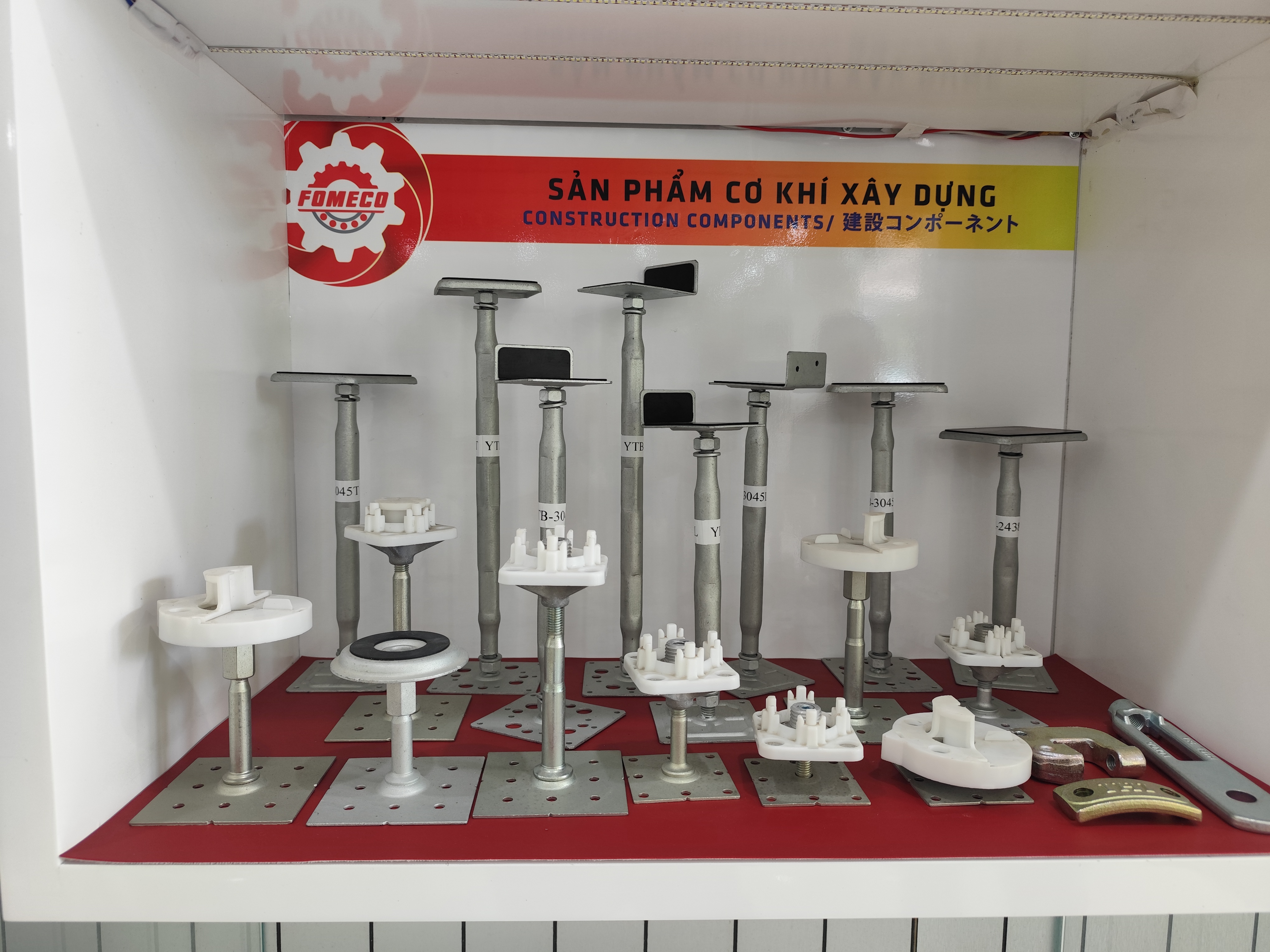
How Can Buyers Qualify Suppliers That Accept Flexible Order Volumes?
Evaluating factory capability early prevents wasted quotation cycles and aligns your low-volume production requirements with suppliers designed for rapid, flexible job changeovers.
Buyers can qualify flexible stamping suppliers by auditing their equipment lists for CNC laser cutters and press brakes, verifying quick-change die clamping systems, reviewing QCLDM tier ratings, and vetting factory willingness to handle short-run production.
Screening Equipment and On-Site Capabilities
Qualifying the right supplier requires reviewing shop-floor equipment rather than relying on marketing claims. Across our vetted Vietnamese manufacturing facilities, machine inventory reveals a supplier’s true operational flexibility. A shop equipped with CNC lasers and press brakes handles low-volume orders far better than a plant optimized solely for high-speed mechanical press stamping.
During our 50-point Dolphin Audit process, our inspectors verify quick-change clamping mechanisms on presses. Factories utilizing standardized sub-plates or hydraulic die clamps reduce setup times from hours to minutes, making small orders attractive.
Evaluating Supplier Fit via Quality and Delivery Tiers
When evaluating potential partners, buyers should look for audited technical transparency. For example, facilities like Thanh Long Industrial Services Trade maintain 3D CMM inspection systems and CNC laser cutters, supporting precise quality verification even on short pilot runs.
Working through audited networks ensures you quote only Tier 1-2 suppliers capable of maintaining strict tolerances on low-volume orders. To streamline your sourcing workflow, submit your technical drawings through our /rfq-template to receive verified supplier proposals with DDP delivery terms.
FAQ
What is a typical MOQ for custom metal stamping parts?
Typical MOQs for custom stamping parts range from 1,000 to 5,000 pieces for progressive die runs, though soft-tooling fabrication allows orders as small as 100 units. Stated minimums depend heavily on material availability, part complexity, and press setup requirements.
Will paying a setup fee reduce my per-unit price on small orders?
Paying a standalone press setup fee reduces the per-unit piece price by isolating fixed changeover labor costs from the unit economics. This structure allows buyers to see true raw material and processing costs per part without inflated batch amortization.
How do FTAs impact landed costs for small stamping orders from Vietnam?
Free Trade Agreements like CPTPP and EVFTA, combined with relief from Section 301 Chinese punitive tariffs for qualifying goods on Vietnam-origin goods, lower total landed costs for small stamping orders. These duty savings help offset higher unit costs associated with low-volume production runs.
Conclusion
Negotiating stamping MOQs requires isolating setup drivers, leveraging soft tooling, and offering structured financial concessions. Our team audits factory floors across Vietnam to match your part specifications with flexible suppliers. Contact our engineers to get an instant quote.