
Sourcing tight-tolerance aluminum parts abroad often leads to quality variance, unverified alloy grades, and unexpected delivery delays. Navigating foreign machine shop networks requires structured technical auditing. We match engineering teams with pre-vetted Vietnamese suppliers to ensure reliable precision manufacturing.
Sourcing precision CNC machined aluminum components in Vietnam requires selecting qualified suppliers, verifying on-site coordinate measuring machines, confirming raw alloy origin, and applying trade benefits. Overseas buyers leverage local machine shops to achieve tight tolerances and low tariffs on technical components.
Key takeaways:
- Vietnam’s precision machining ecosystem features 30 verified CNC machining factories across our audited supplier network.
- Quality assurance requires verifying on-site inspection equipment; 8 factories in our database maintain 3D coordinate measuring machines (CMM).
- qualifying Vietnam-origin goods are not subject to US Section 301 Chinese punitive tariffs, providing significant trade advantages compared to other Asian manufacturing hubs.
- Pre-audit screening using structured QCLDM criteria mitigates risks around material traceability and dimensional variance.
What Capabilities Define Precision CNC Machining for Aluminum in Vietnam?
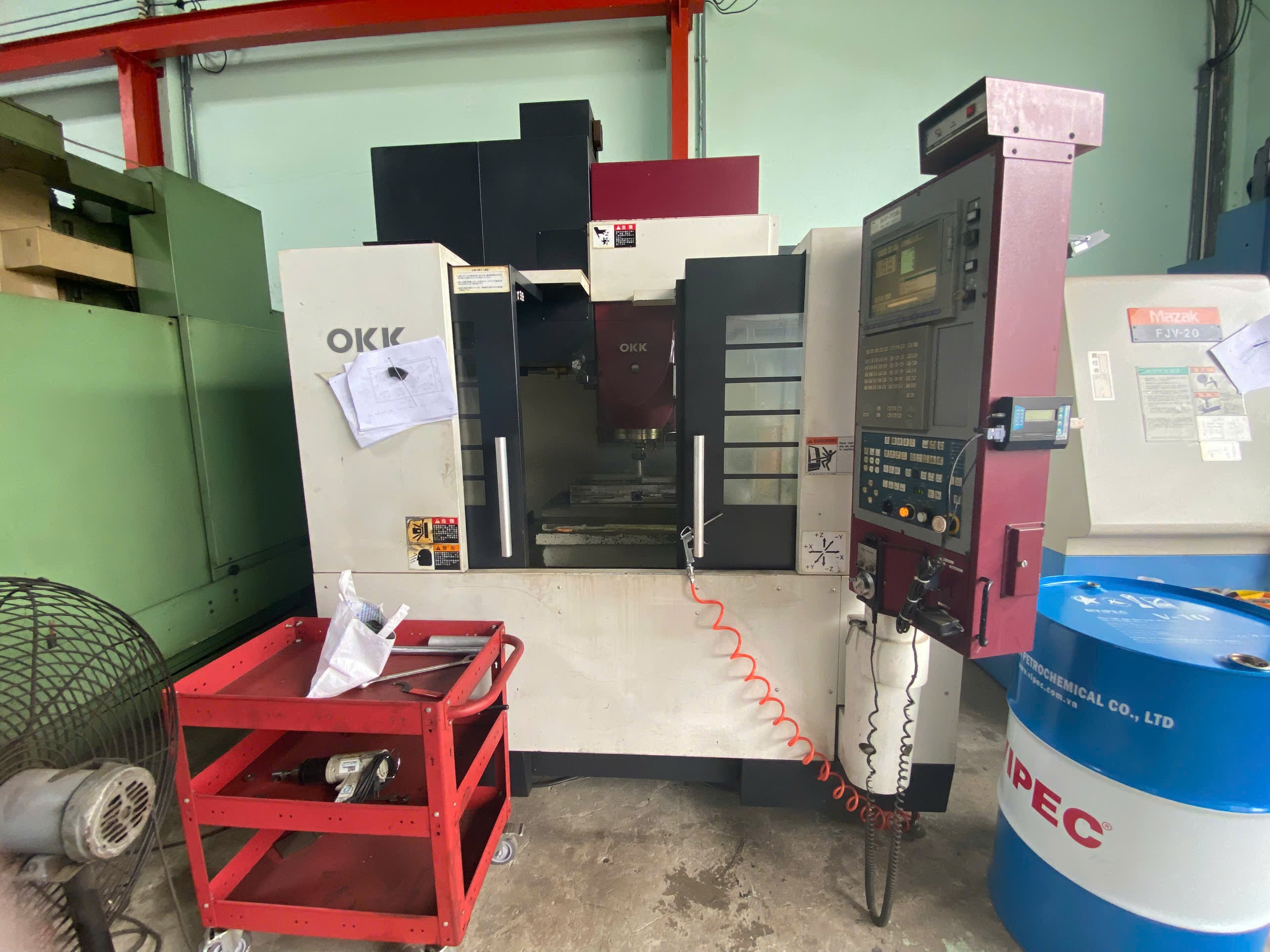
Our audit engineers inspect machine shops across Vietnam to assess structural milling and turning capabilities. We evaluate machine tool inventory and spindle configurations on production floors.
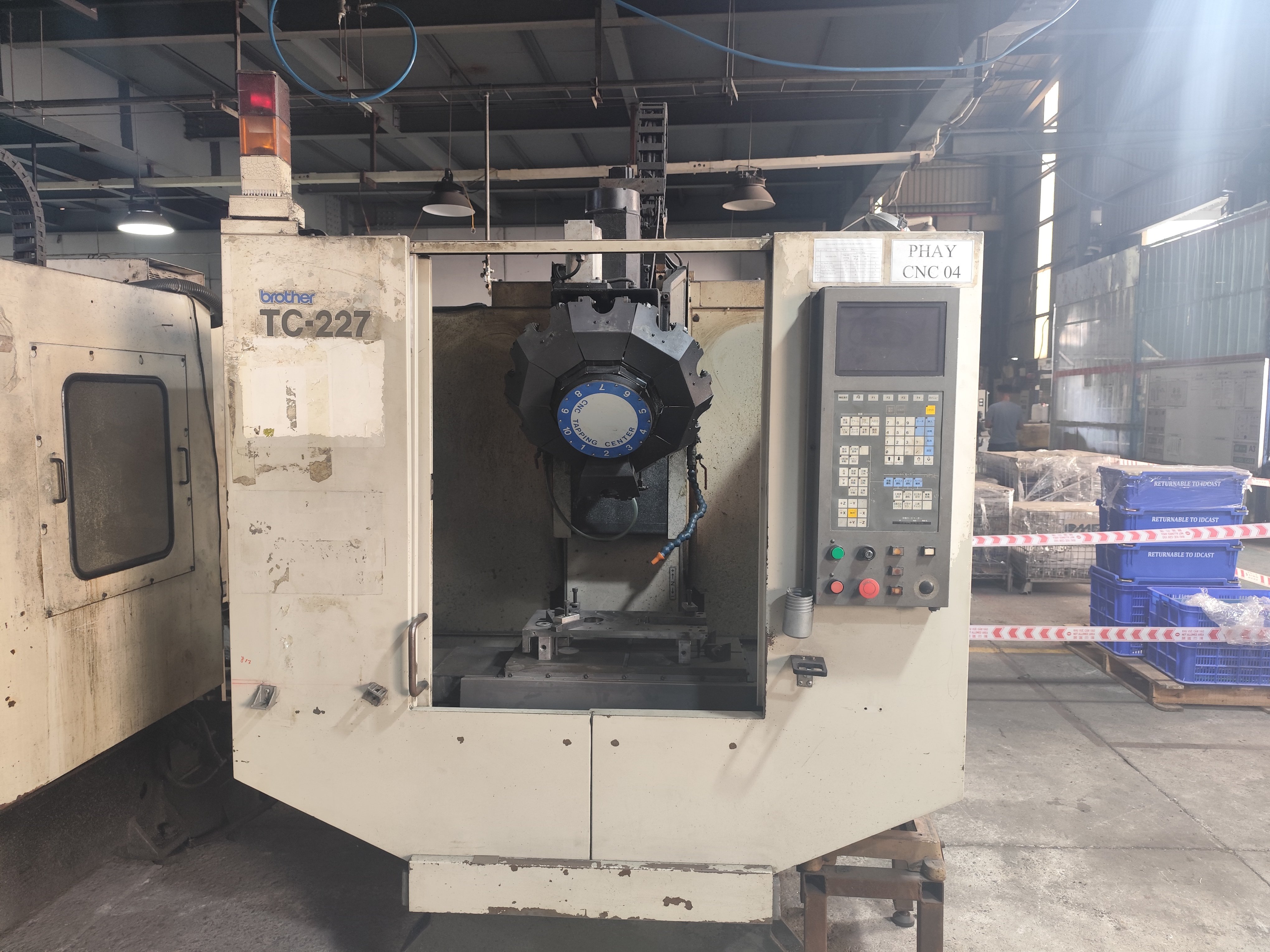
Precision CNC machining for aluminum in Vietnam encompasses multi-axis milling, high-speed turning, and tight-tolerance surface finishing. Qualified factories utilize high-precision CNC machine tools and computerized metrology equipment to manufacture complex aerospace, automotive, and electronic components.
Precision CNC Machining Defined
Precision CNC machining is a subtractive manufacturing process where computer-controlled cutting tools remove material from a solid block to form exact geometric shapes. In aluminum component production, high spindle speeds and tailored tool geometry prevent material galling and maintain thermal stability during cutting.
Across our audited supplier database, 30 factories specialize directly in CNC machining out of 179 total audited manufacturing facilities in Vietnam. When reviewing shop-floor equipment on file, 38 factories list CNC milling machines and 30 list CNC lathe machines. For example, Hoang Thinh Precision Machinery maintains multiple CNC milling machines on file to manufacture precision metal components and structural assemblies.
| Process Parameter | Typical Standard Range | Machining Capability Note |
|---|---|---|
| Standard Linear Tolerance | ±0.025 mm to ±0.050 mm | Achievable on modern 3-axis and 4-axis milling centers |
| Tight Linear Tolerance | ±0.005 mm to ±0.012 mm | Requires climate-controlled room and active thermal compensation |
| Surface Roughness (Ra) | 0.8 µm to 3.2 µm | Achieved via high-speed finishing passes and optimized tool inserts |
| Spindle Speed Capability | 10,000 RPM to 24,000 RPM | Standard for high-speed aluminum chip evacuation |
Evaluating machine tool rigidity and spindle runout during supplier qualification ensures that parts meet mechanical print requirements without secondary corrective operations.
How Do Sourcing Teams Audit Machine Shops in Vietnam for Tight Tolerances?
during on-site production audits in Vietnam, we focus on dimensional inspection tools and environmental controls. Equipment lists alone do not guarantee precision tolerances.
Auditing machine shops in Vietnam for tight tolerances involves verifying coordinate measuring machine calibration, checking temperature-controlled metrology labs, and reviewing first-article inspection records. Sourcing engineers validate operational procedures, tool wear protocols, and statistical process controls.
Key Metrology and Quality Control Benchmarks
Maintaining tight tolerances on aluminum parts requires strict temperature stability. Thermal expansion in aluminum alloys can alter dimensional readings during inspection if ambient shop temperatures fluctuate. Our 50-point Dolphin Audit evaluates metrology labs to confirm climate control and instrument calibration history.
In our audited database, 8 factories maintain 3D coordinate measuring machines (CMM) on file, while 6 additional factories list general CMM equipment. For instance, Thien Phuc Precision Co. Ltd lists CNC milling machines, CNC lathe machines, and bending machines on file. Validating that a factory owns dedicated inspection equipment reduces off-site measurement delays.
| Quality Verification Layer | Audit Focus Area | Requirement for Tight Tolerances |
|---|---|---|
| Environmental Control | Metrology Room Temperature | Constant 20°C (±1°C) environment for CMM operation |
| Equipment Calibration | CMM & Optical Comparator | Traceable calibration certificates updated annually |
| Process Inspection | First-Article & In-Process | Spc chart tracking of critical dimensions per batch |
| Material Traceability | Raw Stock Storage | Heat code tracking linked to mill test reports (MTR) |
Verifying supplier quality systems before issuing production purchase orders prevents non-conforming parts from reaching assembly lines.
What Are the Material Sourcing and Anodizing Options for Aluminum Parts in Vietnam?
We advise buyers to evaluate raw material supply chains early in the procurement cycle. Secondary operations like surface treatment heavily dictate final component performance.
Material sourcing and anodizing options in Vietnam include extruded or forged aluminum alloys combined with Type II clear or Type III hardcoat anodizing. Local machine shops source reliable alloy stock and integrate specialized finishing services to meet international corrosion specifications.
Aluminum Alloy Selection and Finishing Specifications
Precision CNC components commonly utilize aluminum 6061-T6, 7075-T6, and 5052 alloys. Sourcing teams must verify raw bar stock and plate origin to prevent material inclusions or voids during high-speed machining. Factories confirm alloy chemistry using optical emission spectrometers before cutting begins.
Anodizing provides critical surface protection and aesthetic consistency for machined aluminum components:
- Type II Anodizing (Sulfuric Acid Anodizing): Creates a protective oxide layer ranging from 5 µm to 25 µm. Ideal for decorative coloring, corrosion resistance, and general electronic enclosures.
- Type III Hardcoat Anodizing: Produces a dense oxide layer from 25 µm to 50 µm thickness. Significantly increases surface hardness (up to 60 Rockwell C) for high-wear mechanical applications.
- Chromate Conversion Coating (Chemical Film): Preserves electrical conductivity while delivering baseline corrosion protection per MIL-DTL-5541 specifications.
Ensuring that machine shops manage post-processing steps carefully prevents dimensional distortion on thin-walled aluminum features.
How Do Trade Agreements and Tariffs Impact Vietnam CNC Aluminum Procurement?
Overseas buyers choose Vietnam to diversify supply chains and optimize global trade duty structures. We track international trade agreements to maximize buyer savings.
Trade agreements and duty structures enhance Vietnam CNC aluminum procurement by eliminating key tariffs for Western buyers. Under free trade agreements like the CPTPP and EVFTA, qualifying aluminum components enter partner markets with reduced tariffs, while US Section 301 tariffs remain at preferential tariff treatment.
Tariff Structures and International Trade Frameworks
Navigating international trade rules allows procurement managers to calculate accurate total cost of ownership. Vietnam participates in 16+ free trade agreements (FTAs), providing global access advantages.
Under the EVFTA, qualifying goods shipped to European Union member states receive preferential duty treatment upon meeting origin requirements. For North American buyers, qualifying Vietnam-origin goods are not subject to US Section 301 Chinese punitive tariffs. This tariff landscape reduces landed costs compared to alternate manufacturing hubs subject to punitive trade remedies.
To safeguard international transactions, DEWIN operates as a Delaware LLC contracting entity. We manage export documentation, factory compliance, and DDP delivery options, providing fast turnaround rapid RFQ response and structured technical quotes based on quotes from pre-vetted Tier 1 and Tier 2 factories.
FAQ
How fast can sourcing teams receive quotes for CNC aluminum parts in Vietnam?
Sourcing teams can receive technical rapid RFQ response and structured technical quotes when submitting complete engineering drawings through DEWIN’s portal. Our engineering team reviews 2D drawings and 3D CAD models to match project requirements with audited Tier 1 and Tier 2 factories.
What machine types are most common among Vietnamese precision machining suppliers?
CNC milling machines and CNC lathe machines are the most common equipment types among Vietnamese precision machining suppliers. In our audited supplier database of 179 factories, 38 list CNC milling machines and 30 list CNC lathe machines on file.
Does DEWIN provide contract security and DDP shipping for overseas orders?
DEWIN provides contract security through a United States Delaware LLC entity and offers complete DDP delivery to destination facilities. This structure ensures Western contract enforceability while managing international freight, customs clearance, and duty documentation.
Conclusion
Sourcing precision CNC machined aluminum in Vietnam delivers significant cost and duty benefits when backed by rigorous factory audits. Contact our engineering team today to submit your RFQ and get an instant quote.