
Sourcing precision machined components overseas often creates risks around tolerance holding, material traceability, and quality verification. Our audit engineers evaluate machine shops across Vietnam daily to help Western procurement teams establish reliable, certified supply chains without sacrificing precision.
Sourcing high-precision CNC machining in Vietnam requires evaluating multi-axis machinery, verifying quality management systems through Coordinate Measuring Machine inspection reports, and structuring a phased supplier qualification process. Western procurement teams achieve tight tolerances by selecting audited machine shops equipped with modern CNC equipment.
Key takeaways:
- Vietnam features an expanding ecosystem of precision machine shops holding ISO 9001 and AS9100 quality certifications.
- Quality assurance relies on Coordinate Measuring Machine (CMM) reports, material mill certs, and structured sample approval processes.
- Out of 179 audited Vietnamese suppliers on DEWIN suppliers, 30 specialize in CNC machining with dedicated milling, turning, and multi-axis equipment.
- Vietnam-origin goods benefit from 16+ FTAs and relief from Section 301 Chinese punitive tariffs for qualifying goods, optimizing total landed cost.
What CNC machining capabilities and tolerance levels are available in Vietnam?
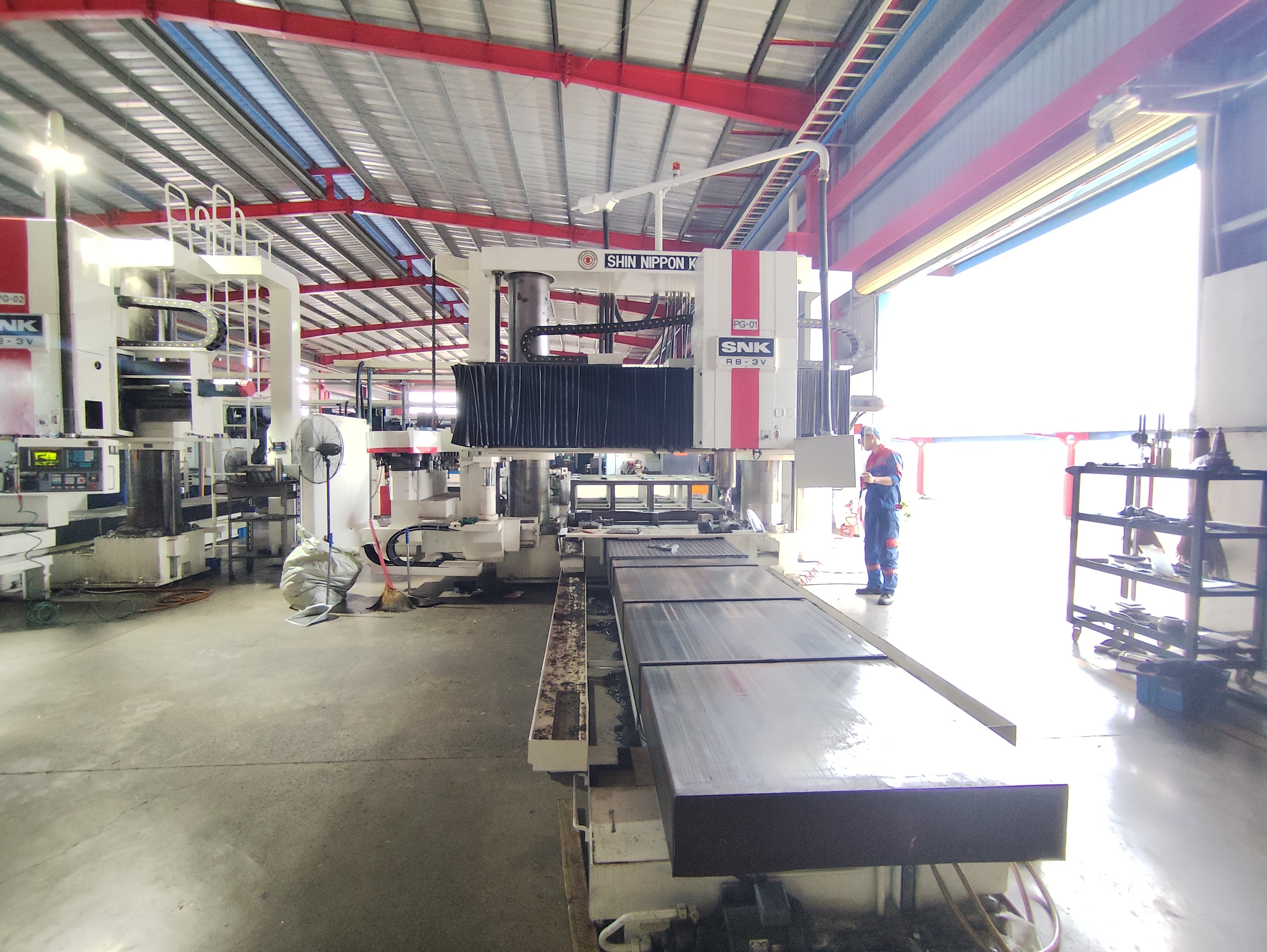
When we walk production floors in Vietnam, our audit engineers observe modern multi-axis CNC equipment capable of producing complex geometric components for demanding global industries.
Precision CNC machining in Vietnam delivers tight tolerances through multi-axis milling, precision turning, and advanced grinding operations. Vietnamese machine shops routinely process engineering metals and plastics to strict international engineering specifications for global aerospace, medical, and industrial applications.
Precision CNC Machining in Vietnam Defined
Precision CNC machining in Vietnam is a subtractive manufacturing process utilizing computer-controlled multi-axis mills and lathes to fabricate complex metal and plastic components to exact engineering drawings.
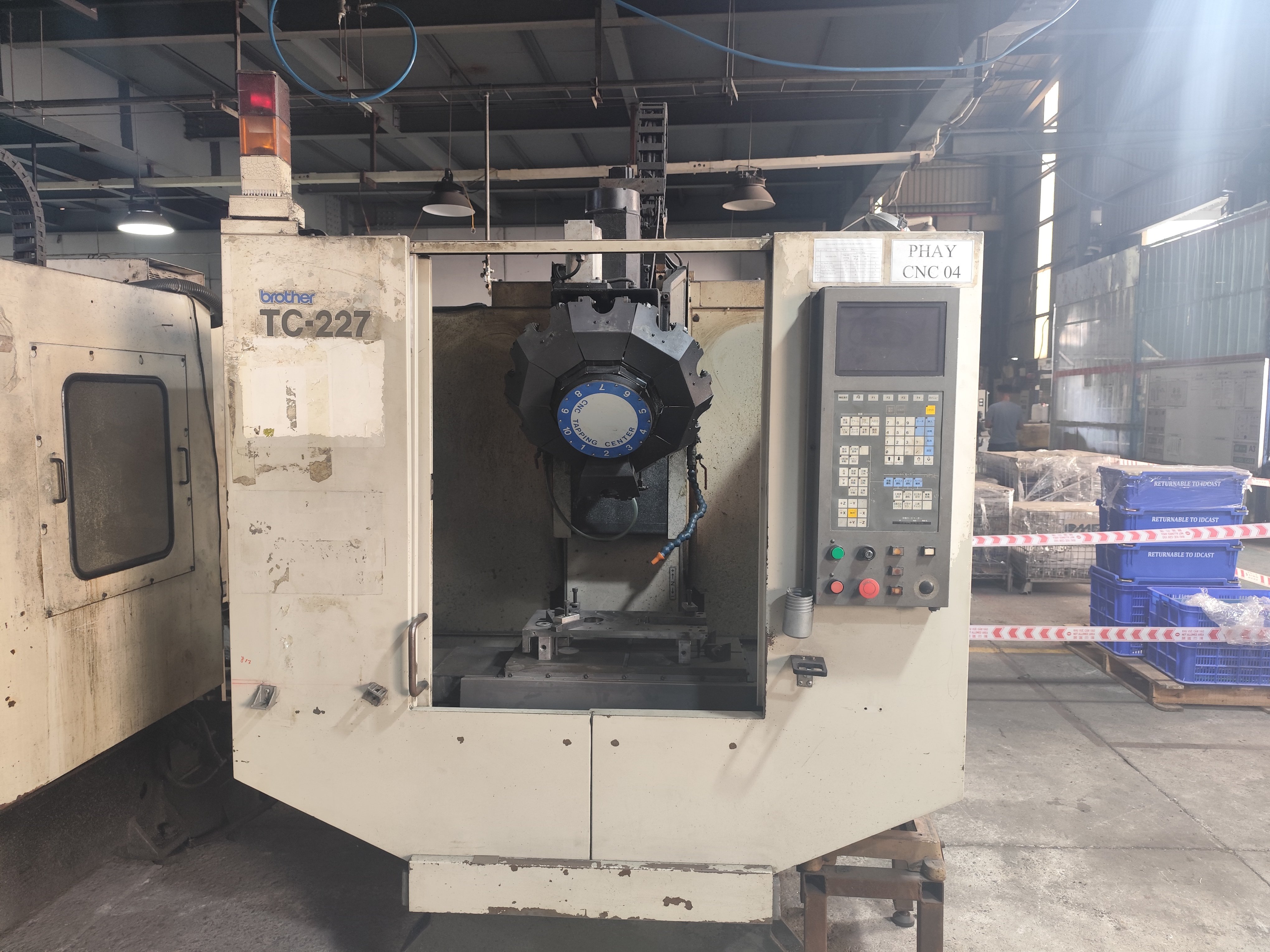
In our audited database of 179 Vietnamese factories, 30 specialize in CNC machining services. Machine list data shows that 38 factories list CNC milling machines and 30 list CNC lathe machines on file. For example, Hoang Thinh Precision Machinery maintains CNC milling and turning capabilities for international production contracts.
| Machining Process | Standard Tolerance | Tight Precision Tolerance | Typical Machinery |
|---|---|---|---|
| 3-Axis CNC Milling | ±0.05 mm (±0.002 in) | ±0.012 mm (±0.0005 in) | Vertical Machining Centers |
| 5-Axis CNC Milling | ±0.02 mm (±0.0008 in) | ±0.005 mm (±0.0002 in) | 5-Axis Simultaneous CNC Mills |
| CNC Turning | ±0.03 mm (±0.0012 in) | ±0.008 mm (±0.0003 in) | CNC Lathes with Live Tooling |
| Surface Grinding | ±0.01 mm (±0.0004 in) | ±0.002 mm (±0.0001 in) | Precision Surface Grinders |
Multi-Axis Capability and Complex Machining
Modern Vietnamese precision machine shops continuously upgrade their shop floors with multi-axis CNC machinery. Multi-axis milling allows complex surfaces, compound angles, and intricate internal cavities to be machined in a single setup. This setup reduction minimizes cumulative fixture stack-up errors, ensuring repeatable position tolerances. When evaluating facilities for high-precision components, engineering teams should review shop-floor layouts to confirm the presence of high-rigidity machining centers.
How do I verify ISO certifications and quality control processes in Vietnamese machine shops?
Our on-ground auditing teams verify supplier quality management systems on-site, ensuring that documented standards translate directly into measurable dimensional accuracy on the shop floor.
Verifying ISO certifications in Vietnamese machine shops requires validating third-party audit credentials, inspecting physical quality laboratories, and requiring full Coordinate Measuring Machine dimensional reports. Procurement managers must review calibration logs, material certifications, and structured First Article Inspection protocols prior to production approval.
Quality Infrastructure and CMM Verification
Established precision machine shops in Vietnam maintain robust quality management systems certified to ISO 9001 and AS9100 standards. However, paper certifications alone do not guarantee part accuracy. Procurement managers must evaluate the facility’s physical metrology equipment and quality protocols. Advanced suppliers utilize climate-controlled inspection rooms equipped with Coordinate Measuring Machines (CMM) and optical measuring systems. Across vetted Vietnamese manufacturing facilities, 8 list 3D CMM equipment and 6 list CMM machines on file, representing verified metrology capabilities.
Essential Quality Documentation Protocols
To guarantee compliance with engineering drawings, sourcing teams should implement a rigorous quality verification workflow:
- First Article Inspection (FAI): Require complete dimensional inspection reports per AS9102 or equivalent standards before approving production tooling.
- Material Mill Test Reports (MTR): Verify chemical composition and mechanical properties against ASTM or EN standards.
- In-Process SPC Data: Track critical-to-quality (CTQ) dimensions using statistical process control during batch production.
- Final Inspection Certificates: Include CMM point-cloud data and surface roughness test results with every shipment.
Evaluating facilities using our 50-point Dolphin Audit framework allows engineering teams to verify calibration schedules and trace quality processes from raw material intake to final packaging.
Which materials can be reliably sourced and machined by Vietnamese suppliers?
When our engineers inspect raw material stock in Vietnamese machine shops, we verify mill certs and origin documentation to ensure raw stock meets strict technical specifications.
Engineering metals including aluminum alloys, stainless steel, carbon steel, titanium, and brass are reliably sourced and processed by Vietnamese machine shops. Overseas buyers can also source high-performance engineering plastics like PEEK, POM, and PTFE alongside integrated surface finishing operations.
Standard Stock and Specialty Alloy Availability
Vietnamese precision machine shops regularly process a wide variety of engineering materials. Local industrial supply chains provide ready access to aluminum alloys (such as 6061-T6, 7075-T6, and 5052), stainless steels (304, 316L, 17-4 PH), and carbon steel grades. For specialized aerospace or medical components, suppliers import certified titanium stock and high-temp nickel alloys.
| Material Category | Common Material Grades | Typical Machined Applications | Compatible Secondary Operations |
|---|---|---|---|
| Aluminum Alloys | 6061-T6, 7075-T6, 5052 | Enclosures, brackets, heat sinks | Type II/III Anodizing, Powder Coating |
| Stainless Steel | 304, 316L, 17-4 PH | Valve bodies, medical fittings, shafts | Electropolishing, Passivation, Heat Treatment |
| Engineering Plastics | POM (Delrin), PEEK, PTFE | Insulators, bushings, wear plates | Vapor Polishing, Ultrasonic Cleaning |
| Copper & Brass | C360 Brass, C110 Copper | Electrical connectors, busbars | Nickel Plating, Gold/Silver Plating |
Secondary Operations within Industrial Clusters
High-precision components frequently require post-machining operations. Vietnamese industrial clusters near major manufacturing hubs offer ready access to secondary processing services. Machine shops coordinate closely with certified sub-contractors or maintain internal capabilities for anodizing, electropolishing, heat treatment, passivating, and plating. To compare cost models between regional supply hubs, procurement managers can use our instant quoting portal or review regional trade dynamics in our Vietnam vs China manufacturing guide.
How do I manage lead times and shipping logistics when sourcing CNC parts from Vietnam?
Our logistics coordinators work closely with regional freight networks to ensure custom CNC components move smoothly from Vietnamese factory floors to overseas assembly lines.
Managing lead times and shipping logistics when sourcing CNC parts from Vietnam requires establishing clear production milestones, utilizing ocean or air freight networks, and contracting under Delivered Duty Paid terms. Leveraging trade agreements optimizes customs processing and minimizes unexpected import delays.
Production Timelines and Phased Qualification
Managing lead times effectively starts with a phased qualification process. Prototype sampling and FAI approvals typically require 2 to 3 weeks, including setup, machining, inspection, and air express transport. Once samples are approved, full production runs generally ship within 4 to 6 weeks depending on batch volume and secondary finishing requirements. Establishing clear milestones at each stage prevents schedule slippage.
Trade Benefits and Logistics Execution
Sourcing CNC components from Vietnam offers significant macroeconomic advantages for Western buyers. Vietnam participates in 16+ Free Trade Agreements (FTAs), including CPTPP, EVFTA, and RCEP, which lower tariff barriers for global exports. Crucially for US buyers, qualifying Vietnam-origin goods are not subject to US Section 301 Chinese punitive tariffs, avoiding the severe tariff surcharges imposed on Chinese metal components.
To streamline international shipping, buyers often contract through a US entity, such as our Delaware LLC, to execute DDP (Delivered Duty Paid) terms. DDP shipping transfers customs clearance, import documentation, and freight management to the sourcing partner. Sourcing managers can submit engineering drawings to get an instant quote with clear lead time breakdowns within 24 hours.
FAQ
What ISO quality certifications are common among precision machine shops in Vietnam?
ISO 9001 quality management system certification is widespread among established precision machine shops in Vietnam. Many high-tier facilities serving aerospace or medical sectors also hold AS9100 or ISO 13485 certifications.
How do Vietnamese machine shops ensure tight tolerances on CNC parts?
Vietnamese machine shops ensure tight tolerances by deploying modern multi-axis CNC machines, controlling workshop temperatures, and conducting CMM inspections. Qualified facilities maintain calibrated metrology labs to verify critical dimensions against engineering drawings.
What is the advantage of sourcing CNC machining from Vietnam over other Asian hubs?
Sourcing CNC machining from Vietnam provides competitive labor costs, access to 16+ FTAs, and relief from Section 301 Chinese punitive tariffs for qualifying goods. Vietnam offers modern precision manufacturing capabilities while insulating supply chains from geopolitical risk and heavy tariff burdens.
Conclusion
Sourcing high-precision CNC machining in Vietnam enables procurement teams to achieve tight tolerances and strict ISO quality standards while optimizing costs. Work with our audited supplier network to streamline engineering reviews and get an instant quote.