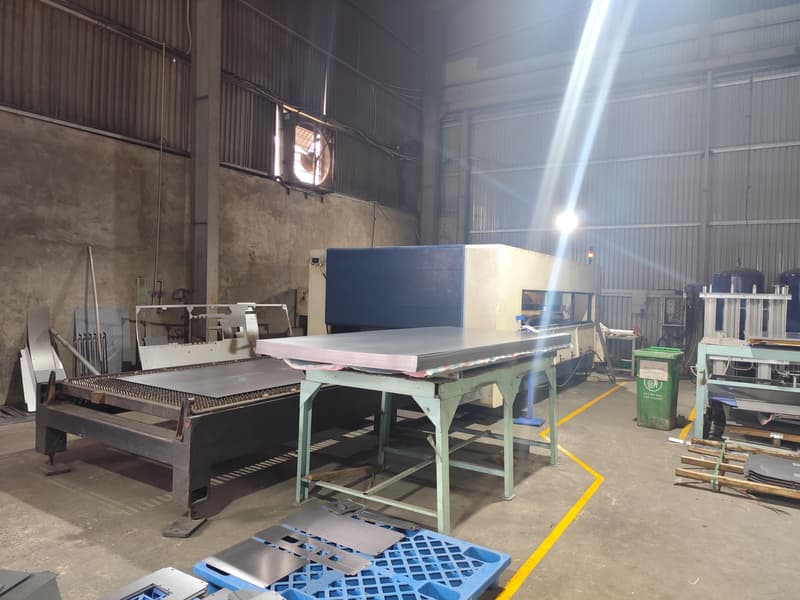
Sourcing custom metal stampings in Asia often leaves procurement engineers weighing high Tier 1 pricing against lower small-factory quotes. Choosing purely on unit price risks severe quality defects, sorting costs, and unexpected assembly line downtime.
The primary gap between Tier 1 stamping suppliers and small factories in Vietnam stems from quality management systems, statistical process control, and material traceability rather than physical pressing equipment. Tier 1 suppliers enforce documented process controls and PPAP submissions by default, whereas small factories require targeted auditing to verify consistent mass-production output.
Key takeaways:
- Quality disparities between Tier 1 suppliers and small factories root in process discipline, tooling management, and quality control systems rather than press machine hardware.
- Small factories offer lower piece prices but carry higher risks of sample-to-production variance, unmanaged engineering changes, and unverified raw materials.
- Calculating total cost of ownership requires factoring in scrap rates, sorting fees, and potential line-down risks alongside initial tooling and unit quotes.
- Conducting rigorous on-site process audits and tracing historic production lots backward reveals a small factory’s true operational maturity.
How do I verify if a small stamping factory meets Tier 1 quality standards?
When our audit team evaluates metal stamping suppliers across Vietnam, we focus on process maturity rather than floor space or press tonnage.
Verifying whether a small stamping factory meets Tier 1 quality standards requires evaluating documented process control systems, statistical process control, in-house tooling maintenance capability, and complete raw material lot traceability. Procurement teams must audit verified quality management practices rather than relying solely on press machinery specifications.
Defining Tier 1 Stamping Standards
A Tier 1 stamping supplier is a direct manufacturing partner that delivers fully validated, progressive die or transfer die stamped components adhering to structured quality frameworks like IATF 16949 and PPAP level submissions. Our database of audited /suppliers/ includes 13 dedicated stamping & bending factories across Vietnam. While press machinery like 200-ton mechanical presses produce identical blank shapes in both large and small facilities, quality discipline differentiates their final output.
Essential Quality Verification Criteria
To determine if a small factory can reliably match Tier 1 output, evaluate six core operational areas during assessment:
| Evaluation Area | Tier 1 Supplier Standard | Small Factory Verification Target |
|---|---|---|
| Quality Systems | Documented ISO/IATF process controls | Validated work instructions and control plans |
| Quality Submissions | Routine PPAP Level 3 documentation | Proven history of first-article inspection reports |
| Measurement Equipment | 3D CMM and calibrated gauges | Calibration logs with active dates and CMM access |
| Material Traceability | Heat-number tracking from coil to ship | Lot-based tracking tags through stamping operations |
| Tooling Care | Scheduled preventive die maintenance | Documented die repair logs and spare punch inventory |
| Process Control | Real-time SPC charts on key dimensions | In-line inspection logs on critical hole centerlines |
Factories like Thanh Long Industrial Services Trade maintain advanced equipment on file, such as 3D CMM units and CNC milling machines, showing that smaller facilities can maintain precision measurement technology. However, physical equipment must always be matched with rigorous lot-traceability audits.
.jpg)
What hidden risks should I watch for when switching to a smaller stamping supplier?
during on-site production audits, we look past clean sample parts to inspect real daily operations and tooling management procedures.
Hidden risks when switching to a smaller stamping supplier include sample-versus-production quality gaps, unmanaged engineering change orders, sub-contracted die maintenance, and informal lot traceability. Small factories frequently rely on manual post-process burr removal or end-of-line sorting rather than repeatable, automated process controls.
The Golden Sample Trap
A frequent issue in international procurement occurs when small suppliers hand-finish sample stampings to secure purchase orders. Master toolmakers might hand-file burrs, adjust bend angles manually, or polish surfaces on sample batches. Once production starts at high press speeds, unmanaged tool wear creates burrs, dimensional drift, and cracking along bending lines.
Tooling and Engineering Change Control
Outsourced die manufacturing and maintenance present substantial operational risks. If a small facility outsources progressive die repair to external machine shops without clear engineering drawings, die modifications remain unrecorded. When revision updates occur, small factories without formal engineering change order (ECO) controls may continue stamping components using outdated die inserts.
Traceability and Operational Vulnerabilities
- Sub-tier Material Quality: Unverified steel coils missing mill test certificates cause inconsistent springback during forming.
- Manual Sorting Reliance: Relying on human operators to catch off-spec parts introduces high defect rates compared to in-die sensors.
- Single-Facility Bottlenecks: Lack of redundant press capacity or spare die components can stall production during press breakdowns.
Will I actually save money by sourcing stamping parts from small factories?
Our engineering team frequently calculates comprehensive landed costs for buyers evaluating price quotes from different tier suppliers.
Sourcing stamping parts from small factories offers lower initial unit costs and lower tooling overhead, but true cost savings depend on calculating total cost of ownership. Unplanned expenses from high scrap rates, sorting fees, press downtime, and assembly delays often erase upfront piece-price savings.
Calculating Total Cost of Ownership (TCO)
Small factories typically present piece prices 15% to 30% below Tier 1 quotes due to lower overhead, smaller administrative staff, and direct operational structures. However, procurement teams must evaluate whether these nominal savings survive real-world operational frictions. Utilizing a detailed instant quoting portal framework helps expose hidden expenses before committing tooling capital.
| Cost Driver | Tier 1 Stamping Supplier | Small Stamping Factory |
|---|---|---|
| Unit Piece Price | Higher baseline overhead | Lower initial unit quote |
| Tooling & Die Capital | High initial die investment | Flexible, lower cost tooling |
| Defect & Scrap Rate | Standardized < 50 PPM targets | Variable; higher risk of drift |
| Quality Administration | Included in piece price | Requires external buyer auditing |
| Tariff & Logistics Impact | Standard shipping options | DDP delivery options via sourcing partners |
Managing Tariff and Contractual Protection
When evaluating Vietnam vs China manufacturing, U.S. buyers benefit from relief from Section 301 Chinese punitive tariffs for qualifying goods on Vietnam-origin goods. Combining these trade benefits under FTAs with proper contract structuring—such as contracting through a U.S.-based Delaware LLC entity—ensures lower piece prices do not come with contractual exposure. Contracting through vetted supply networks ensures quote turnaround within 24 hours while mitigating execution risk.
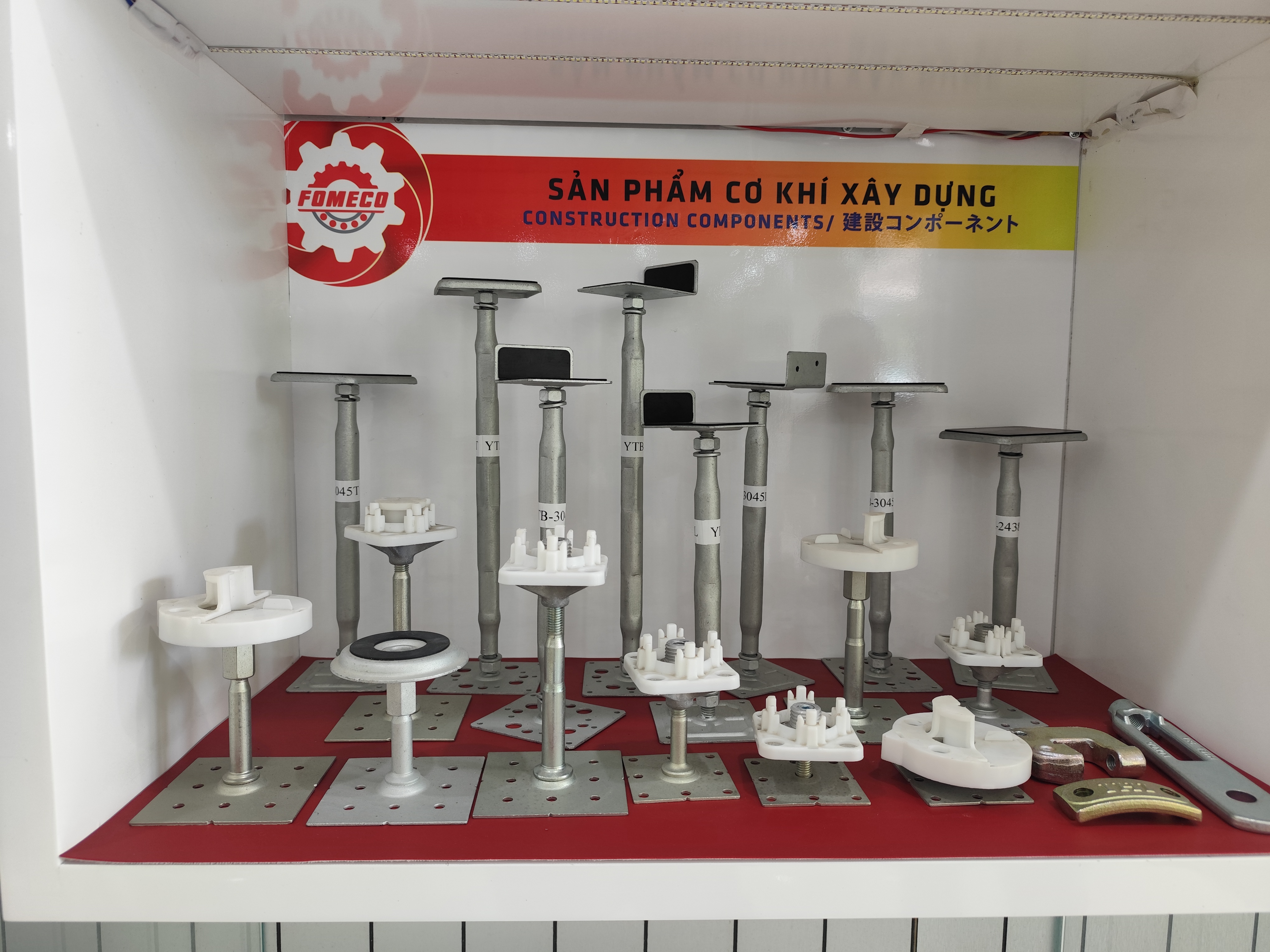
How can I audit a small stamping supplier in Vietnam before placing orders?
Our audit engineers conduct on-site factory evaluations daily across industrial parks in Vietnam to verify production systems firsthand.
Auditing a small stamping supplier in Vietnam requires an on-site evaluation of quality control systems, tooling maintenance records, lot traceability, and material verification procedures. Sourcing engineers must trace historical production lots backward from packed cartons to raw steel coils to confirm operational discipline.
Executing the 50-Point Dolphin Audit
When assessing factories in Vietnam—out of 179 personally audited suppliers in our database—our engineers execute a comprehensive 50-point Dolphin Audit protocol. Rather than simply reviewing certificates or examining press machinery like CNC laser cutting or punching machines (found at suppliers like Smctech), auditors must scrutinize daily shop-floor behavior.
Tracing Historical Production Lots
The most effective audit technique involves selecting a random finished lot in the warehouse and tracing its documentation backward:
- Finished Shipping Carton: Verify lot numbers match production logs and final inspection sign-offs.
- In-Process Inspection: Check live SPC control charts at the stamping press for recent dimensional readings.
- Die Maintenance Logs: Confirm the progressive die used for that lot underwent documented cleaning and punch inspection prior to setup.
- Raw Material Coil: Match coil tags to original mill test certificates to confirm material grade and tensile strength specs.
If the documentation chain breaks at any stage, the factory lacks true Tier 1 process discipline. Reviewing an audit-backed RFQ template ensures critical quality requirements are explicitly defined before placing production orders.
FAQ
What is the primary operational difference between Tier 1 stamping suppliers and small factories?
The primary operational difference between Tier 1 stamping suppliers and small factories lies in standardized process controls, documented PPAP submissions, and statistical process control systems rather than pressing equipment. Tier 1 suppliers execute rigorous quality assurance by default, whereas small factories require targeted auditing to ensure repeatable mass production.
Can small stamping factories in Vietnam handle complex progressive die tooling?
Small stamping factories in Vietnam can successfully operate complex progressive die tooling if they maintain dedicated in-house die maintenance capabilities and disciplined tool inspection routines. Factories lacking in-house tooling care risk unrecorded punch wear and dimensional drift during high-volume production runs.
How do US importers avoid tariffs when sourcing stamped metal parts from Vietnam?
US importers incur relief from Section 301 Chinese punitive tariffs for qualifying goods on metal stamping parts manufactured in and exported directly from Vietnam. Utilizing trade agreements alongside DDP delivery terms ensures transparent import compliance and predictable landed costs for Western buyers.
Conclusion
Evaluating the gap between Tier 1 stamping suppliers and small factories requires looking beyond press equipment to audit QA systems, tooling controls, and lot traceability. Contact DEWIN’s engineering team today to get an instant quote.