
Sourcing managers struggle to choose between fast domestic stamping and low-cost overseas suppliers. Quoted savings often disappear after hidden logistics costs and quality escapes emerge. Evaluating total landed cost reveals the true optimal sourcing location for your production volumes.
Overseas stamping sourcing from Vietnam delivers 30% to 50% lower initial unit prices for high-volume metal components, whereas domestic suppliers provide faster 2-to-6-week lead times, superior quality oversight, and greater supply-chain resilience for lower-volume production runs.
Key takeaways:
- Overseas stamping suppliers lower base unit prices by 30% to 50%, but logistics, tariffs, and duty fees typically add 20% to 25% to landed costs.
- Domestic suppliers excel in rapid turnaround times (2 to 6 weeks vs. 90 to 180 days overseas) and communication, making them ideal for short runs.
- On-site process audits, PPAP protocols, and local quality verification ensure overseas suppliers meet strict technical specifications.
- Explicit contractual tooling clauses protect die ownership and prevent legal disputes when manufacturing offshore.
How Do I Calculate Total Landed Cost for Overseas vs Domestic Stamping?
Our sourcing team regularly builds complete landed-cost models to compare domestic supplier quotes against overseas production lines.
Calculating total landed cost for stamping parts requires adding ocean freight, tariffs, customs fees, insurance, and inventory carrying costs to the base unit price, which frequently increases the overall offshore procurement cost by 20% to 25%.
Defining Domestic vs Overseas Stamping Sourcing
Domestic vs overseas stamping sourcing is the strategic evaluation of local metal press shops against international manufacturing vendors to balance unit price, freight risk, and supply chain speed.
Overseas stamping suppliers frequently quote unit prices that are 30% to 50% lower than domestic alternatives due to lower labor costs and high-volume economies of scale. However, purchasing managers who look only at unit prices often encounter unexpected budget overruns. Freight, tariffs, customs fees, transit insurance, and rework can add 20% to 25% or more to the total cost of offshore stamped parts.
| Cost Component | Domestic Stamping Supplier | Overseas Stamping Supplier (Vietnam) |
|---|---|---|
| Base Unit Price | Higher baseline | 30% to 50% lower |
| Logistics & Freight | Minimal truck freight | Ocean freight subject to rate spikes |
| Tariffs & Duties | $0 import duties | relief from Section 301 Chinese punitive tariffs for qualifying goods on Vietnam-origin goods |
| Safety Stock Risk | 1 to 2 weeks buffer | 6 to 12 weeks buffer stock required |
| Tooling Amortization | Higher initial die cost | Lower tool fabrication cost |
Evaluating the full cost stack reveals that domestic suppliers excel in supply-chain resilience and low inventory holding requirements. Across DEWIN audited suppliers, which include 13 specialized stamping & bending factories in Vietnam like Lap Phuc Mechanical Production Trading equipped with dedicated bending machines and CNC laser cutting tools, our engineers ensure every fee is calculated upfront so buyers see true landed parity.
.jpg)
How Can I Ensure Overseas Stamping Suppliers Meet My Quality Standards?
during on-site production audits in Vietnam, we verify process controls before approving any press line for client orders.
Ensuring overseas stamping suppliers meet strict quality standards requires conducting rigorous on-site factory audits, enforcing full Production Part Approval Process (PPAP) documentation, implementing in-process CMM inspections, and maintaining continuous local engineering oversight during mass production.
Implementing Quality Controls and Supplier Audits
Overseas stamping shops can match domestic quality provided there is local oversight, PPAP discipline, and rigorous process auditing. A beautiful initial sample part does not guarantee batch consistency across a 100,000-unit production run. Without verified die maintenance logs, first-article inspection sheets, and material test reports, process drift will lead to costly defect rates.
Our audit engineers mitigate these risks by conducting a 50-point Dolphin Audit on every press shop prior to production. We inspect press tonnages, feed automation, and dimensional verification equipment. For instance, verified suppliers like Thanh Long Industrial Services Trade utilize 3D CMM inspection systems and CNC milling machines to maintain die alignment and verify tight tolerances.
To lock in technical compliance, buyers must enforce PPAP Level 3 submission requirements, including control plans, Failure Mode and Effects Analysis (FMEA), and statistical process control (SPC) data for critical dimensions. Combining these quality gates with third-party pre-shipment inspections prevents non-conforming stamped parts from ever loading into an ocean container. Reviewing our quality inspection standards helps engineering teams establish these exact safeguards before issuing purchase orders.
How Do Lead Times Compare Between Domestic and Overseas Stamping Suppliers?
Our engineers track international shipping schedules daily to help procurement managers balance transit times against production demands.
Domestic stamping suppliers offer rapid lead times of 2 to 6 weeks for finished parts, whereas overseas stamping suppliers require 90 to 180 days to account for tool fabrication, mass production, ocean transit, and customs clearance.
Navigating Production Timelines and Pipeline Inventory
Domestic suppliers hold a distinct advantage when program flexibility and rapid response times are critical. A domestic press shop can adjust production schedules, modify tooling, and deliver replacement parts within days. In contrast, overseas lead times range from 90 to 180 days when accounting for initial die builds, sample sign-offs, production queues, and port handling.
| Production Phase | Domestic Stamping Lead Time | Overseas Stamping Lead Time (Vietnam) |
|---|---|---|
| Tooling Fabrication | 2 to 4 weeks | 4 to 8 weeks |
| Sample Approval (PPAP) | 1 week | 2 to 3 weeks (including air courier) |
| Mass Production Run | 1 to 2 weeks | 2 to 4 weeks |
| Ocean Transit & Customs | 0 days | 4 to 6 weeks |
| Total Cycle Time | 2 to 6 weeks | 90 to 180 days |
To manage this long transit lead time, buyers must maintain pipeline buffer stock. Fluctuating ocean freight reliability and unpredictable port congestion require purchasing teams to hold up to 60 days of safety stock in domestic warehouses. For mature, high-volume products with stable demand forecasts, this extra lead time is manageable. However, for fast-moving product lines subject to frequent design changes, extended lead times introduce significant inventory obsolescence risks. Sourcing teams can utilize our landed cost estimation portal to evaluate how lead-time buffers impact working capital.
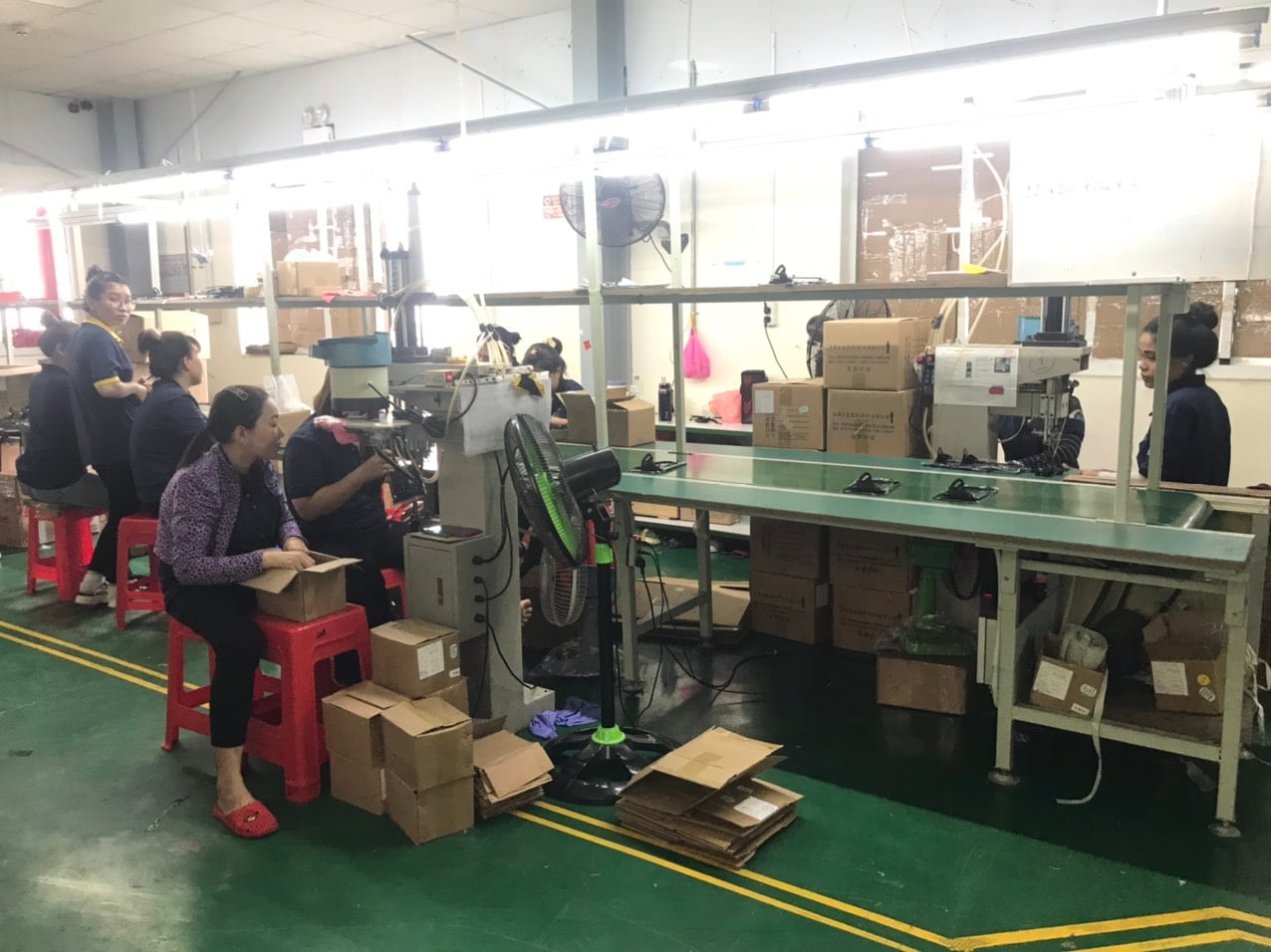
How Do I Mitigate Tooling Rights and Trade Tariff Risks When Sourcing Overseas?
When our audit engineers review vendor contracts, we ensure complete die ownership terms and tariff classifications are established before tooling fabrication starts.
Mitigating offshore tooling and tariff risks requires drafting explicit contractual die ownership agreements before production begins, taking advantage of trade agreements, and diversifying production to country origins like Vietnam to bypass punitive import tariffs.
Protecting Tooling Ownership and Tariff Compliance
Offshore manufacturing carries a higher risk of tooling disputes, requiring explicit contract clauses before production begins. A common pitfall occurs when buyers pay for stamping die fabrication but fail to secure unambiguous legal ownership. If a supplier relationship sours, an offshore factory may refuse to release the progressive die, holding production hostage.
To prevent tooling disputes, contracts must state that the buyer retains sole title to all dies, fixtures, and technical drawings. Our team enforces asset tagging, serial number tracking, and physical photo verification of dies at the factory level. Contracting through a US entity, such as DEWIN’s Delaware LLC, provides enforceable legal protection and recourse.
Tariff risk management is equally vital. Shifting trade policies and punitive tariffs have prompted U.S. buyers to diversify sourcing away from China. Transitioning stamping programs to Vietnam allows North American buyers to achieve competitive unit pricing while reducing concentration risk. Crucially, qualifying Vietnam-origin goods are not subject to US Section 301 Chinese punitive tariffs, providing immediate cost relief. Vietnam also benefits from 16+ free trade agreements, including CPTPP, EVFTA, and RCEP, offering global tariff advantages. Comparing regulatory structures through our Vietnam vs China manufacturing guide helps buyers structure compliant, tax-efficient supply chains.
FAQ
What is the typical cost savings when sourcing metal stampings from Vietnam?
Overseas stamping suppliers in Vietnam generally offer base unit prices that are 30% to 50% lower than domestic options. Net savings depend on total landed cost factors including freight, duties, and volume.
How do trade tariffs affect the landed cost of imported metal stampings?
Import tariffs directly increase landed costs by adding regulatory duty rates to the customs valuation of imported parts, though Vietnam-origin goods face relief from Section 301 Chinese punitive tariffs for qualifying goods.
What production volume justifies sourcing stamped components overseas?
High-volume production runs that exceed several thousand units per year typically justify overseas sourcing by amortizing freight, customs, and tooling setup overhead across large quantities.
Conclusion
Selecting between domestic and overseas stamping suppliers requires balancing landed costs, lead times, and risk factors. Transitioning high-volume programs to Vietnam optimizes unit economics while maintaining stringent quality control. Contact our engineering team today to get an instant quote.