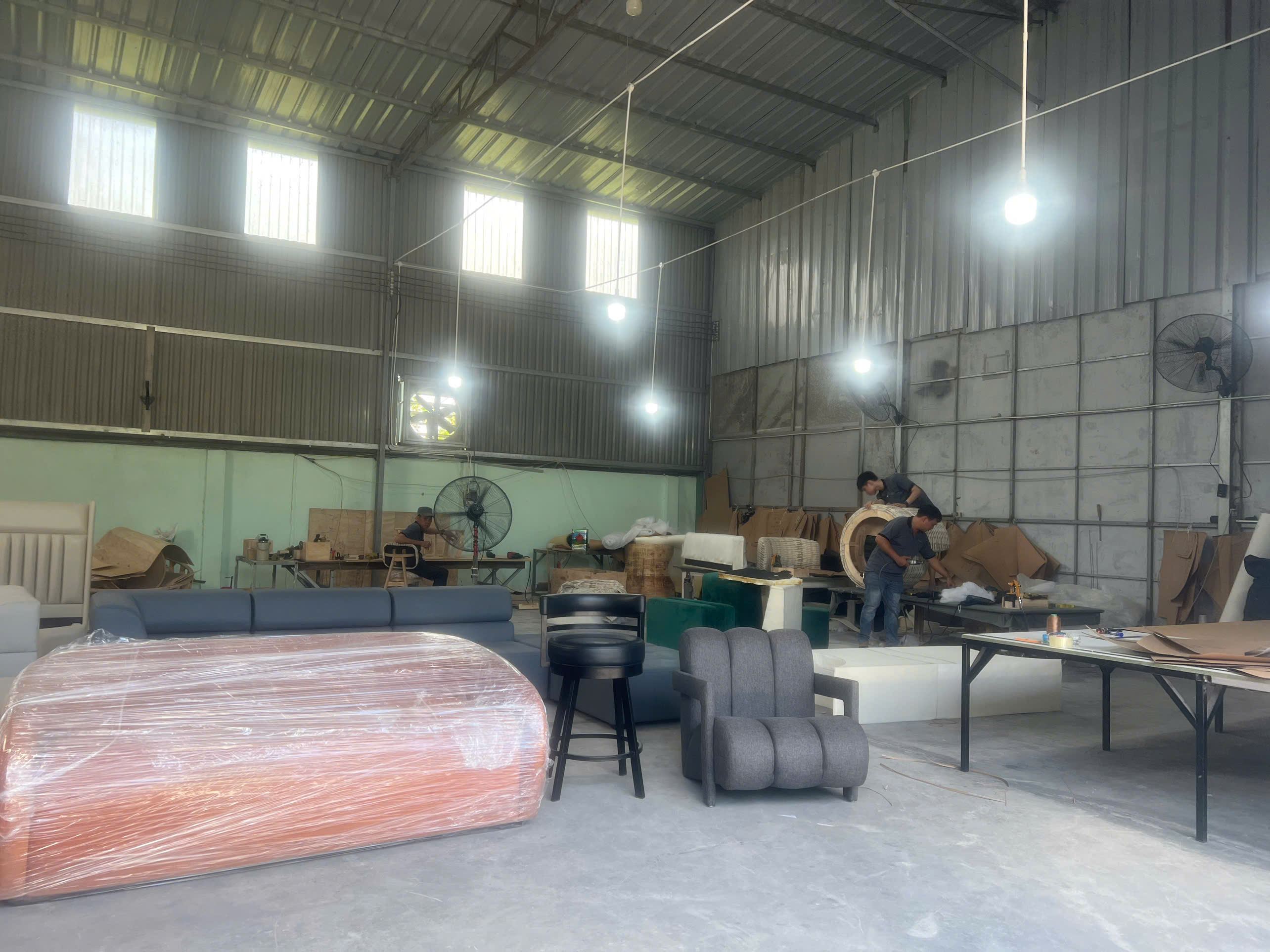
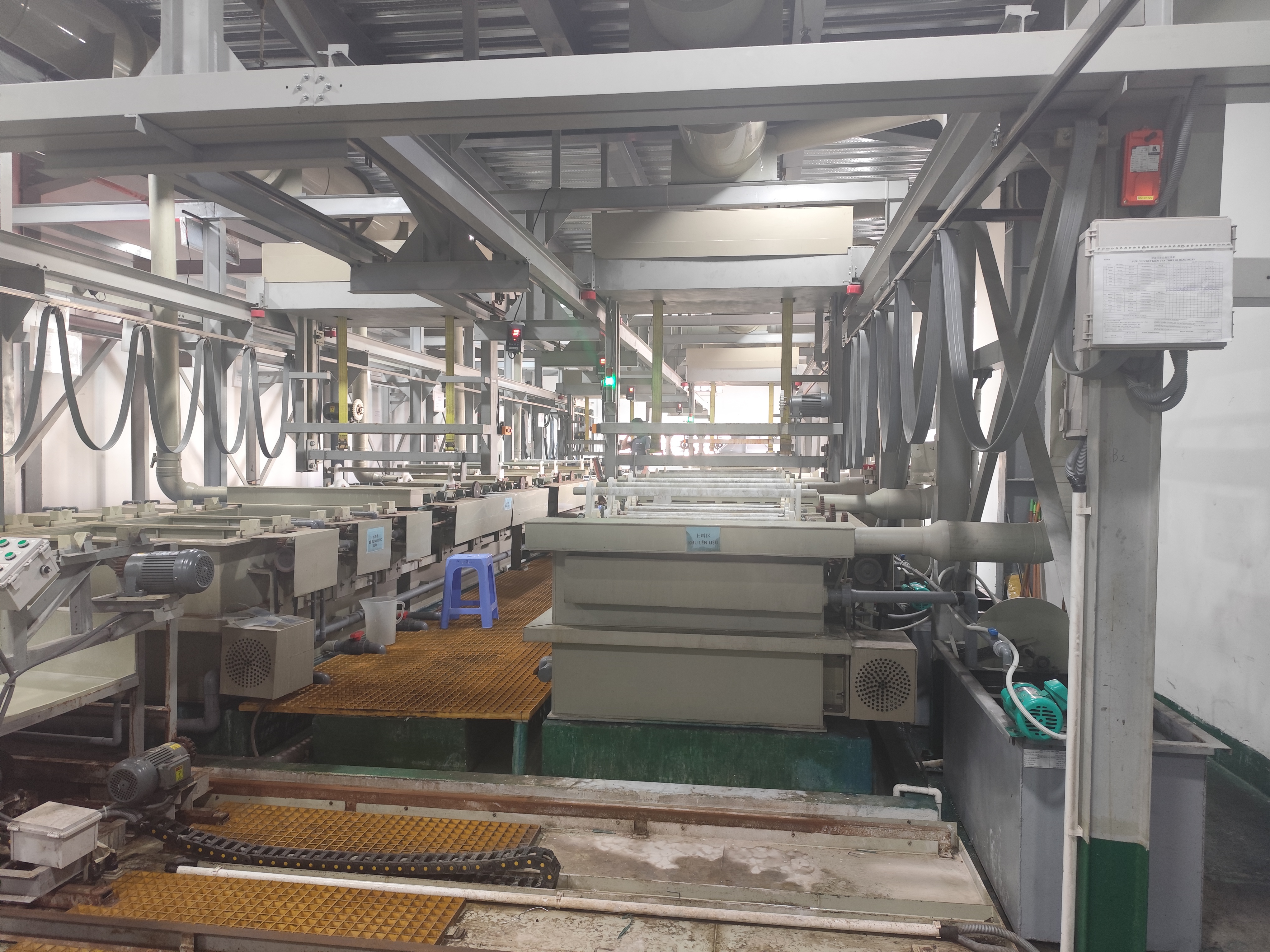
Years ago, I skipped pre-production inspection on a batch of custom machined flanges. They arrived out of spec—wrong steel grade, poor surface prep, and no documentation. That one mistake delayed our project by three weeks.
Pre-production inspection is not legally required for importing custom steel parts, but it is highly recommended. It verifies material, process readiness, and initial samples before mass production—especially critical for complex or high-value parts (SGS on PPI benefits) 1.
If you’re working with a new supplier or ordering high-precision components, here’s what you need to know.
What is included in pre‑production inspection?
At first, I thought inspections only made sense after production. But checking before the start is where the real cost savings happen.
Pre-production inspection (PPI) checks material compliance, machine setup, early samples, and supplier preparedness before production begins (QIMA: What is PPI?) 2.
Common PPI Checklist
| Area Inspected | Purpose |
|---|---|
| Raw Material Compliance | Verify steel grade, composition, MTCs |
| Drawing Conformance | Ensure supplier understands specifications |
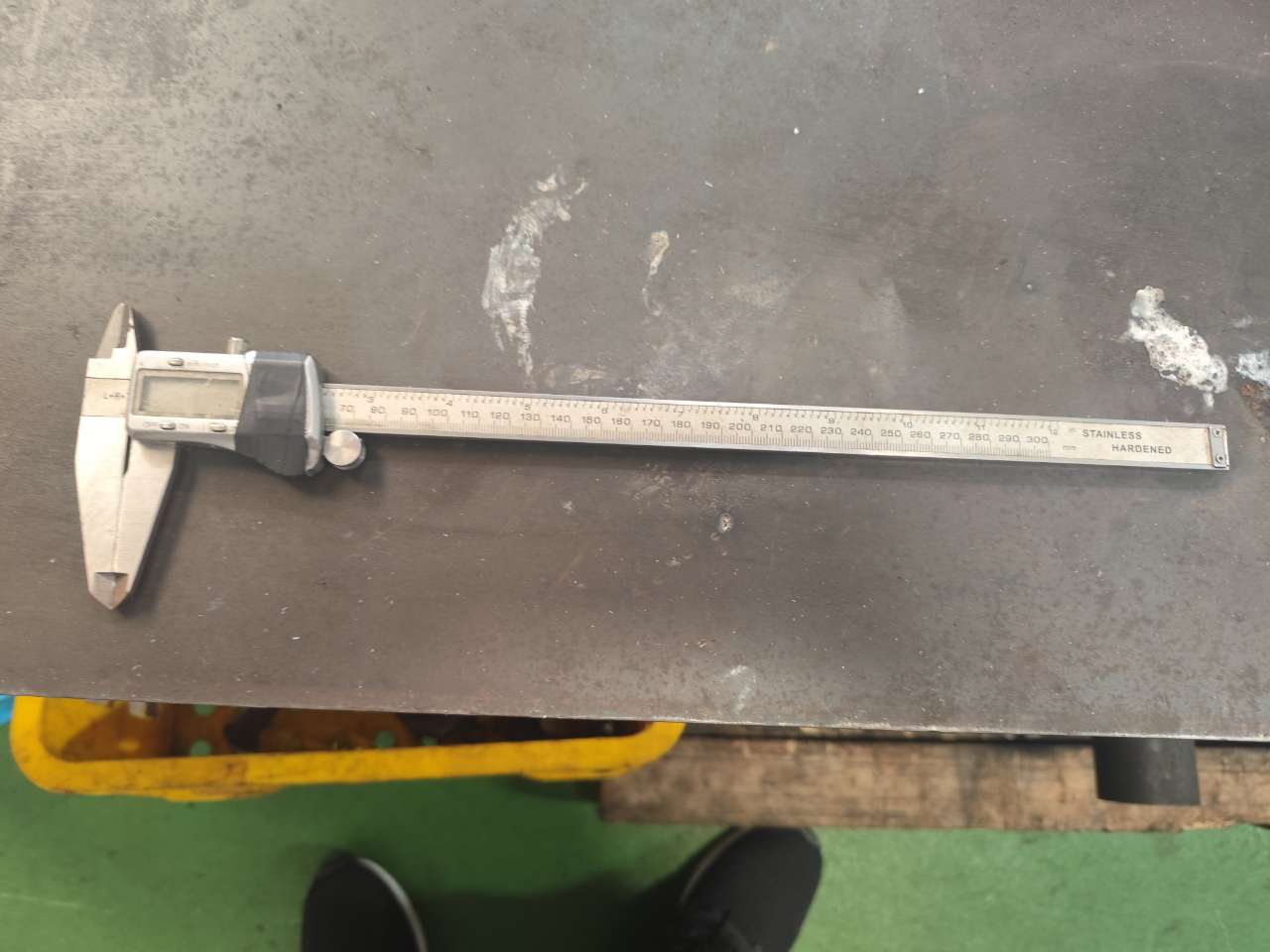
| Equipment Readiness | Confirm machine calibration and tooling |
| Initial Samples | Inspect first piece or prototype for defects |
| Documentation Review | Validate QC plans, WPS, certifications |
How does this prevent defects?
Once I caught a supplier trying to substitute SS400 for SS304. Thanks to PPI, I stopped production before it started.
PPI prevents defects by verifying that the right materials, machines, and procedures are used from the beginning (CTI technical QC process) 3.
Benefits of Early Detection
- Wrong material or steel grade → caught before mass waste
- Inconsistent drawings vs. production setup → corrected with minimal delay
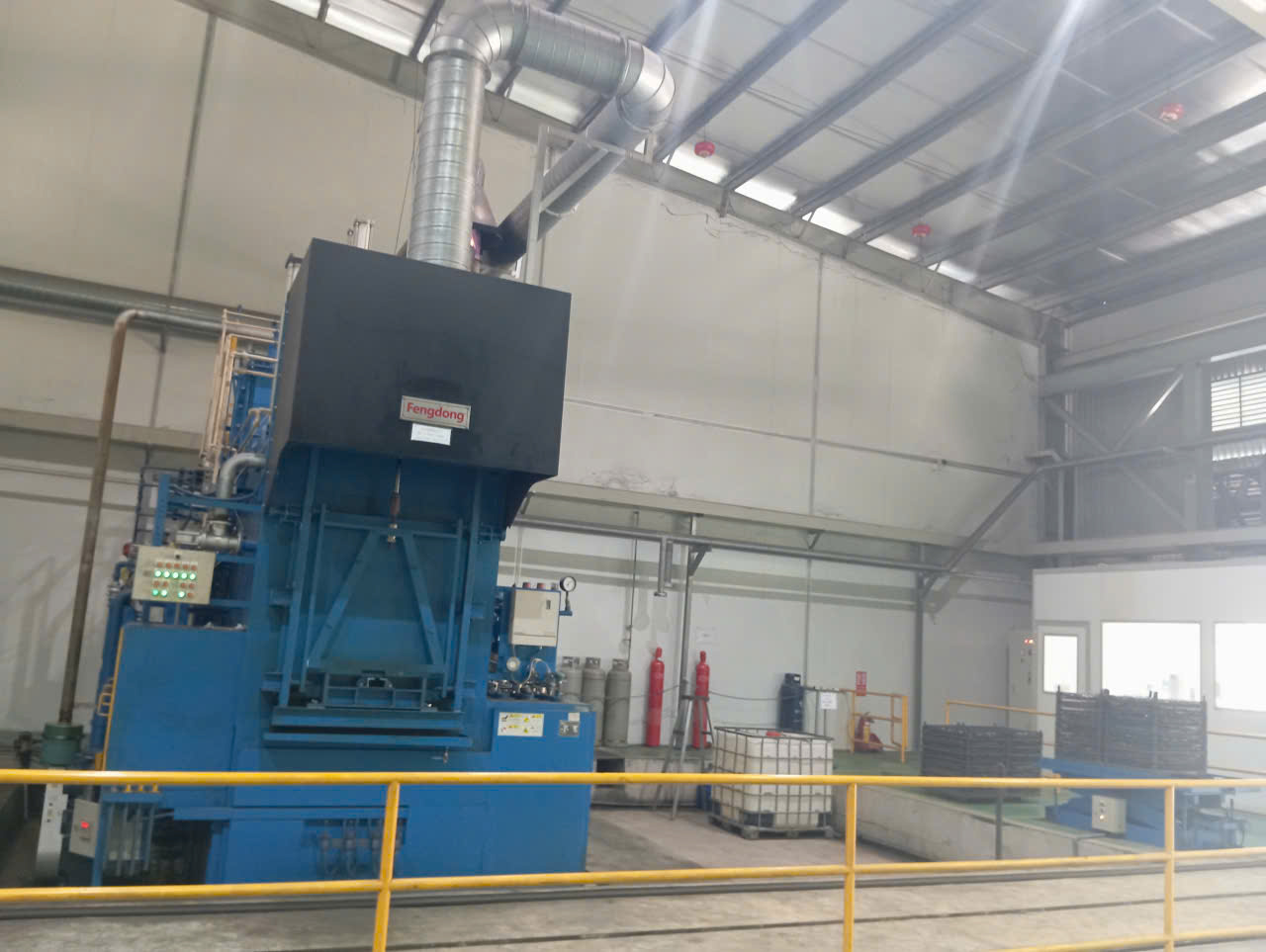
- Missing jigs or improper tooling → fixed before damage
- Inadequate worker skills → flagged before bad batches
When is the best timing for it?
I’ve learned timing is everything. Too early and the factory’s not ready. Too late and the damage is done.
The best time for PPI is after raw materials arrive and before production begins. This ensures checks happen when issues are still easy to correct (TÜV: Industrial inspections) 4.
Ideal PPI Timing Flow
| Stage | Action |
|---|---|
| RFQ / PO Stage | Finalize specs and ITP |
| Pre-Production Week | Materials delivered to factory |
| 1–2 Days Before Start | Inspector performs PPI |
| Post-PPI | Approve or request corrections |
Who should conduct it: in‑house or third‑party?
For my overseas suppliers, I rely on third-party firms. It’s the only way I get honest, technical feedback—fast.
Most importers use third-party inspection agencies for expertise and regional presence (SGS ISO 17020 accreditation) 5.
Comparison Table
| Inspection Type | Benefits | Limitations |
|---|---|---|
| In-House Team | Full control, deeper context | Costly, limited globally |
| Third-Party Inspection | Independent, skilled, localized | Needs clear scope and instructions |
Conclusion
Pre-production inspection isn’t legally mandatory—but it’s essential for quality assurance in custom steel imports. By verifying materials, setups, and supplier readiness early, you avoid bigger problems later. Even a single man-day inspection can prevent weeks of delay 6.
Frequently Asked Questions
What is included in pre‑production inspection?
At first, I thought inspections only made sense after production. But checking before the start is where the real cost savings happen.
How does this prevent defects?
Once I caught a supplier trying to substitute SS400 for SS304. Thanks to PPI, I stopped production before it started.
When is the best timing for it?
I’ve learned timing is everything. Too early and the factory’s not ready. Too late and the damage is done.
Footnotes
-
SGS overview of how PPI protects against quality and timeline risks. ↩ ↩
-
QIMA guide explaining the scope and benefits of pre-production inspections. ↩ ↩
-
CTI outlines technical control methods for metal part production. ↩ ↩
-
TÜV SÜD guidance on industrial inspection scheduling and protocols. ↩ ↩
-
SGS accreditation ensures independence and capability in third-party inspections. ↩ ↩
-
QIMA blog on ROI of early-stage inspections in metal sourcing. ↩ ↩