Low Volume & Small Batch Manufacturing in Vietnam: The Global Buyer's Guide
March 7, 2026 · 15 min read
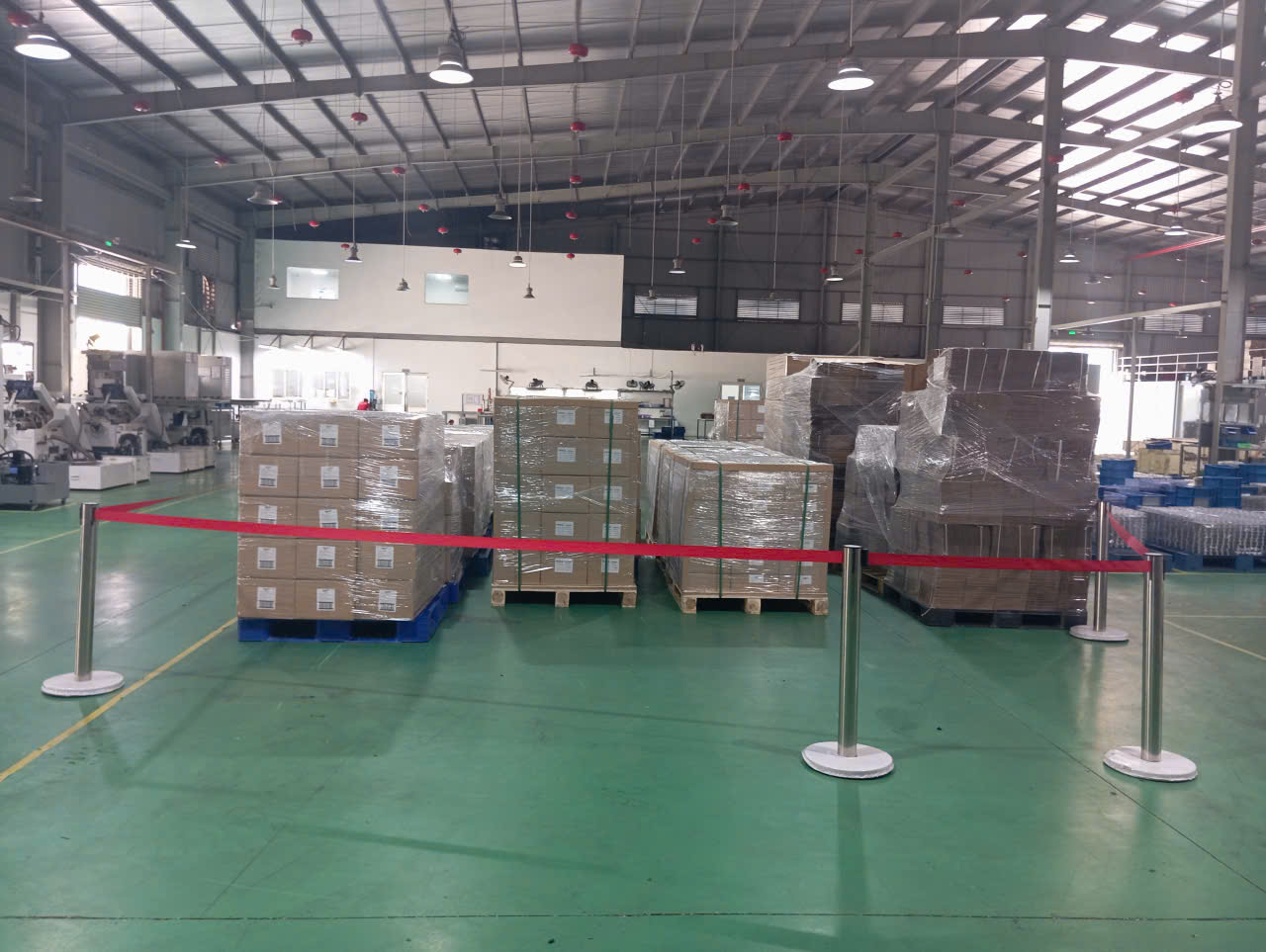
Vietnam has quietly become one of the world's most flexible manufacturing bases for low volume production. While China's coastal factories optimize for high-volume runs of 10,000+ pieces, Vietnam's manufacturing ecosystem — built by decades of serving Japanese, Korean, and European OEMs — thrives on high-mix, low-volume production.
Whether you need 50 precision CNC parts, 500 injection molded components, or 1,000 sheet metal assemblies, Vietnam's vetted Vietnamese manufacturing facilities offer competitive pricing without the MOQ walls that buyers encounter elsewhere in Asia.
Vietnam is one of the most flexible low-volume manufacturing bases in Asia: CNC machining has effectively no MOQ, injection molding starts around 200–500 parts, and sheet metal from 10 — all from vetted Vietnamese manufacturing facilities at competitive per-part pricing.

Step Inside a Real Vietnamese Factory with Our Sourcing Team
Watch on YouTube
Real footage from an audited DEWIN partner factory in Vietnam.
Vietnam's Low-Volume Advantage: Why the Economics Work
Three structural factors make Vietnam uniquely suited for small batch manufacturing:
1. Labor Cost Structure
Vietnam's manufacturing labor costs remain 30–50% below China's coastal hubs and 60–70% below South Korea or Japan. This means setup time, programming, and first-article inspection — the fixed costs that dominate low-volume pricing — cost significantly less per hour.
- CNC operator: $3.50–5.50/hour in Vietnam vs. $7–12/hour in coastal China
- Mold maker / toolmaker: $5–8/hour vs. $10–18/hour in China
- QC inspector: $3–5/hour vs. $6–10/hour in China
At low volumes, labor is a bigger share of total cost. A 200-part CNC run might involve 40 hours of machining + 8 hours of inspection + 4 hours of packaging. That's 52 labor-hours where Vietnam's cost advantage directly translates to per-part savings.
2. Factory Scale & Flexibility
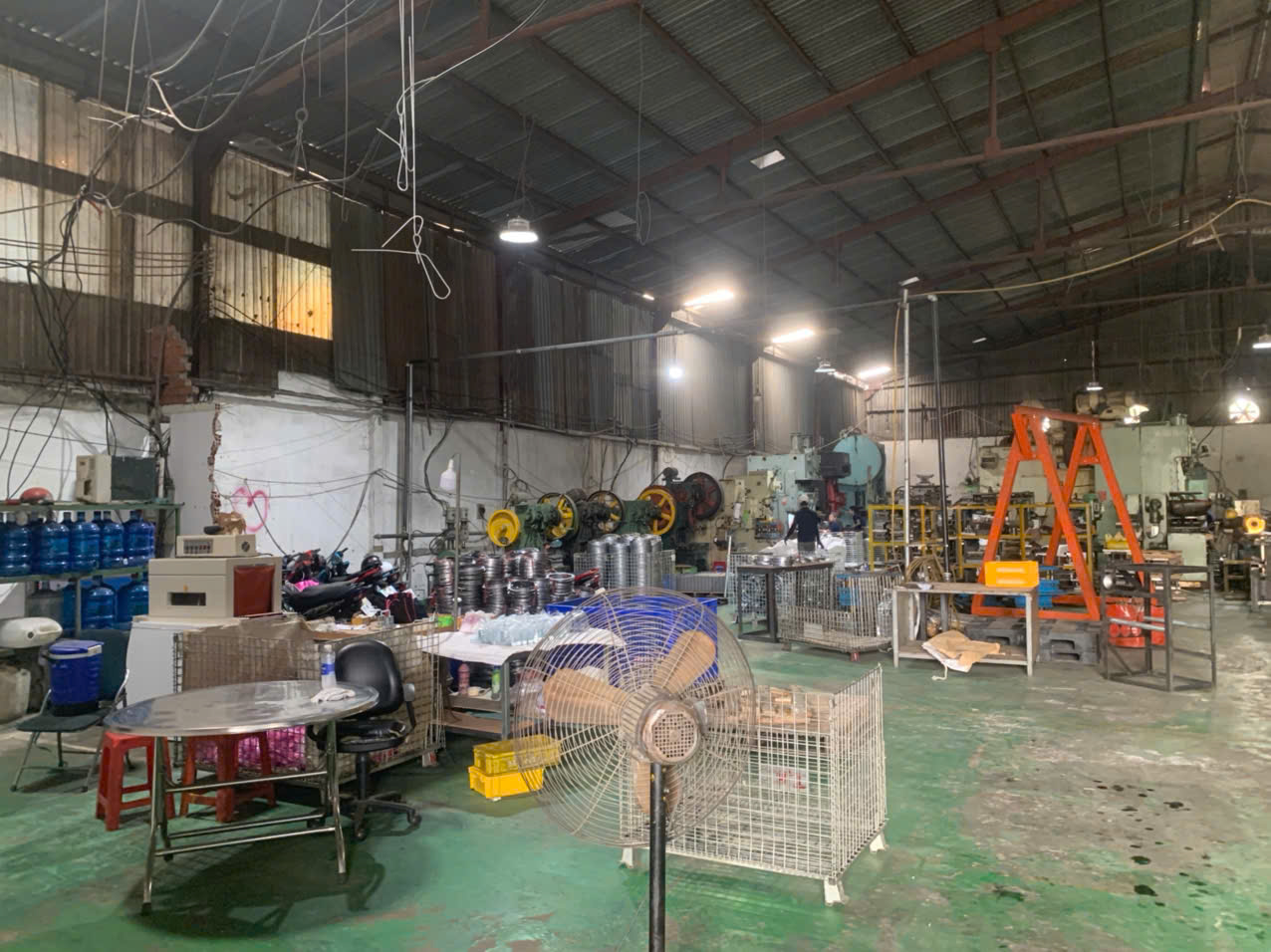
Many of Vietnam's best manufacturers are mid-size operations (50–300 employees) that run multiple product lines simultaneously. They're not mega-factories optimized for one product — they're job shops that switch between part numbers daily. This culture of flexibility means:
- Quick changeover between jobs (30–60 minutes on most CNC machines)
- Willingness to quote small batches without inflated pricing
- Experienced operators who handle variety — different materials, processes, tolerances
- Multi-process capability under one roof: machining + fabrication + finishing
3. Tooling Cost Advantage
For processes that require hard tooling — injection molding, die casting, stamping — Vietnam's tooling costs are 40–65% lower than US/Europe and 15–30% lower than China's premium shops:
- Single-cavity injection mold (simple part): $1,500–6,000 in Vietnam
- Same mold in China: $2,500–10,000
- Same mold in US/Europe: $8,000–25,000
- Gravity die casting mold: $2,000–8,000 in Vietnam
- Sheet metal fixture/jig: $200–800 in Vietnam
Lower tooling cost directly improves low-volume economics because the tooling amortization per part is the largest cost driver at small quantities.
Vietnam's low-volume economics work because labor-driven fixed costs — setup, programming, first-article inspection — run 30–50% below coastal China, and hard tooling for molding, casting, and stamping costs 40–65% less than US/Europe, lowering per-part amortization.
Minimum Order Quantities by Process
Here's what you can realistically source from Vietnam at each volume tier:
CNC Machining (Minimum: 1 part)
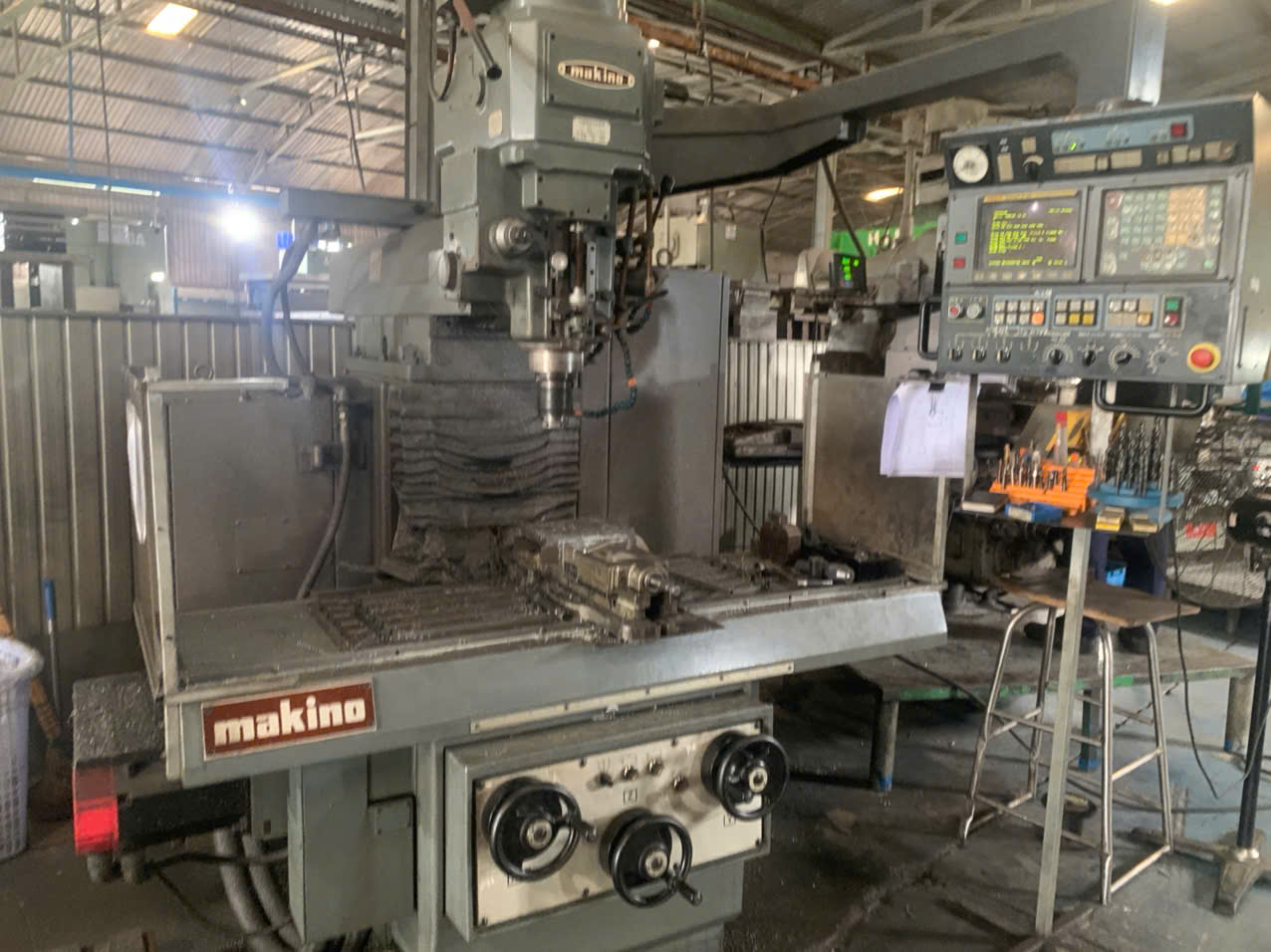
CNC machining has effectively no MOQ. Even single prototypes are economical because there's no hard tooling. Our factory network handles:
- 1–10 parts: Prototype pricing. $15–80/part typical for aluminum, depending on complexity
- 50–500 parts: Small production. 20–40% per-part reduction vs. prototype pricing
- 500–5,000 parts: Production volume. Optimized fixtures, batch processing, best per-part pricing
- Materials in stock: 6061-T6, 7075-T6, AL5052, SS304, SS316, brass C360, carbon steel, Delrin, PEEK, nylon
- Tolerances: Standard ±0.05mm, precision ±0.01mm, ultra-precision ±0.005mm available
Injection Molding (Minimum: 200–500 parts)
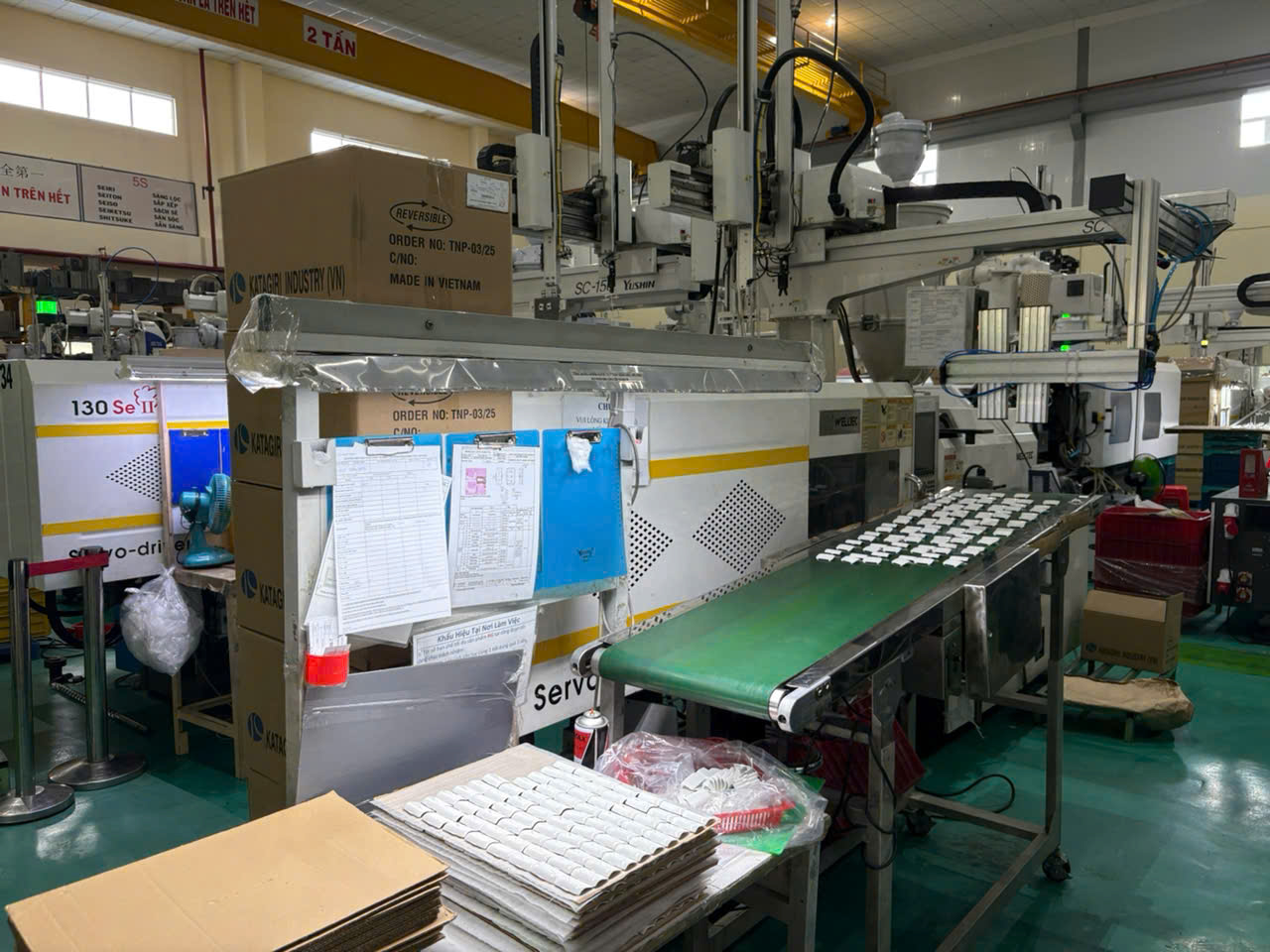
Injection molding at low volume works in Vietnam because tooling costs are low enough to justify small runs:
- 200–1,000 parts: Aluminum rapid tooling. $1,500–6,000 mold cost. Per-part: $0.50–3.00 depending on size and resin
- 1,000–10,000 parts: P20 steel single-cavity mold. $3,000–12,000 mold cost. Per-part: $0.20–1.50
- MUD/insert mold system: One universal base + interchangeable inserts. Saves 30–50% per mold for multi-part programs
- Resins available: ABS, PP, PE, PA6/66 (nylon), PC, POM, PMMA, TPU, glass-filled grades, custom color matching
- Secondary operations: Pad printing, ultrasonic welding, insert molding, overmolding — all available in-house at many facilities
Sheet Metal Fabrication (Minimum: 10 parts)
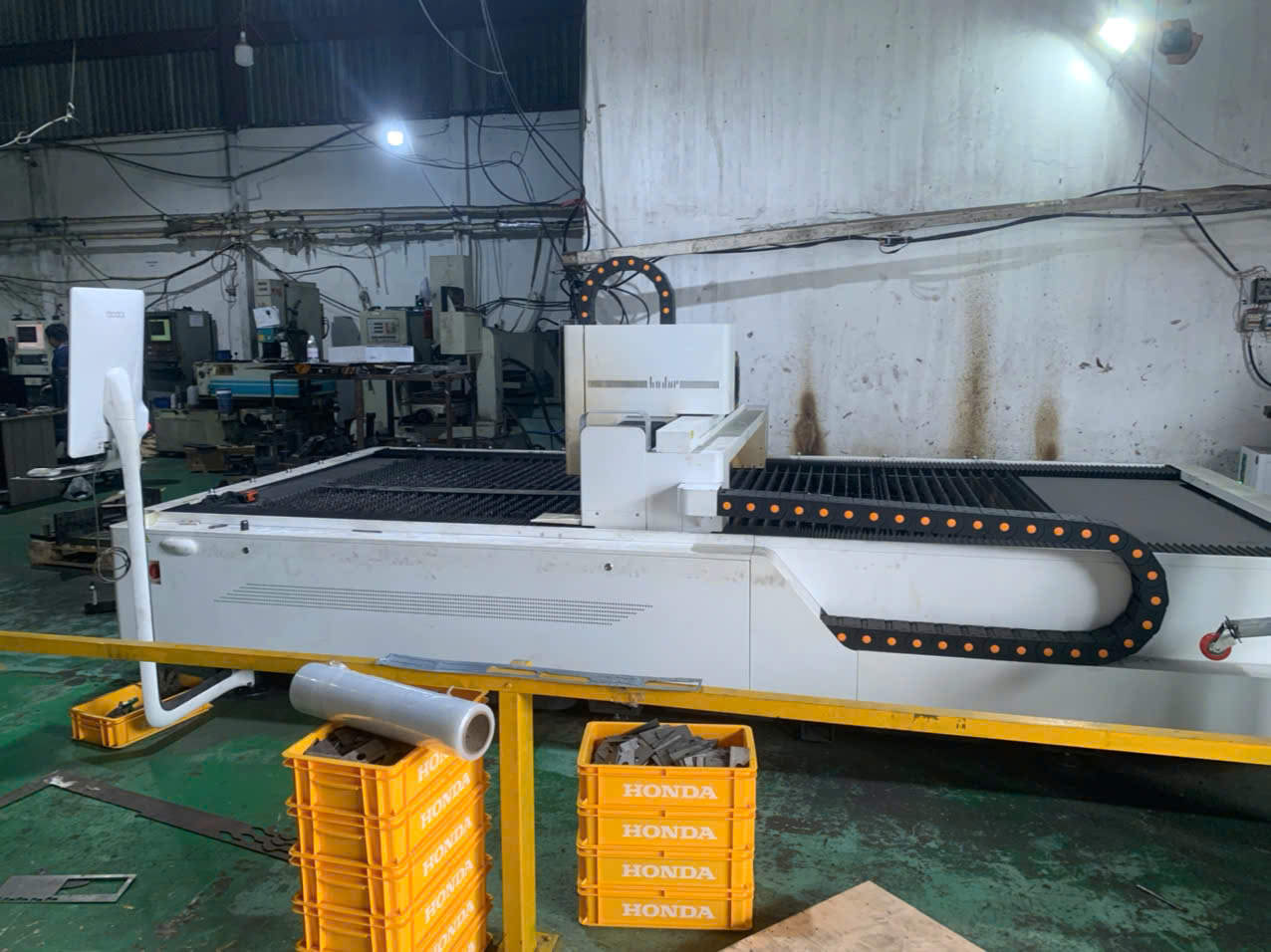
- 10–100 parts: Laser cut + CNC brake forming. No tooling. Per-part: $2–15 depending on size/complexity
- 100–3,000 parts: Optimized nesting, batch bending. Per-part drops 30–50%
- Capabilities: Fiber laser up to 20mm steel, 30mm aluminum. CNC brake forming up to 3m length. Robotic welding for assemblies
- Finishing included: Powder coating, wet paint, zinc plating, anodizing — all sourced domestically in Vietnam
Die Casting (Minimum: 300–500 parts)
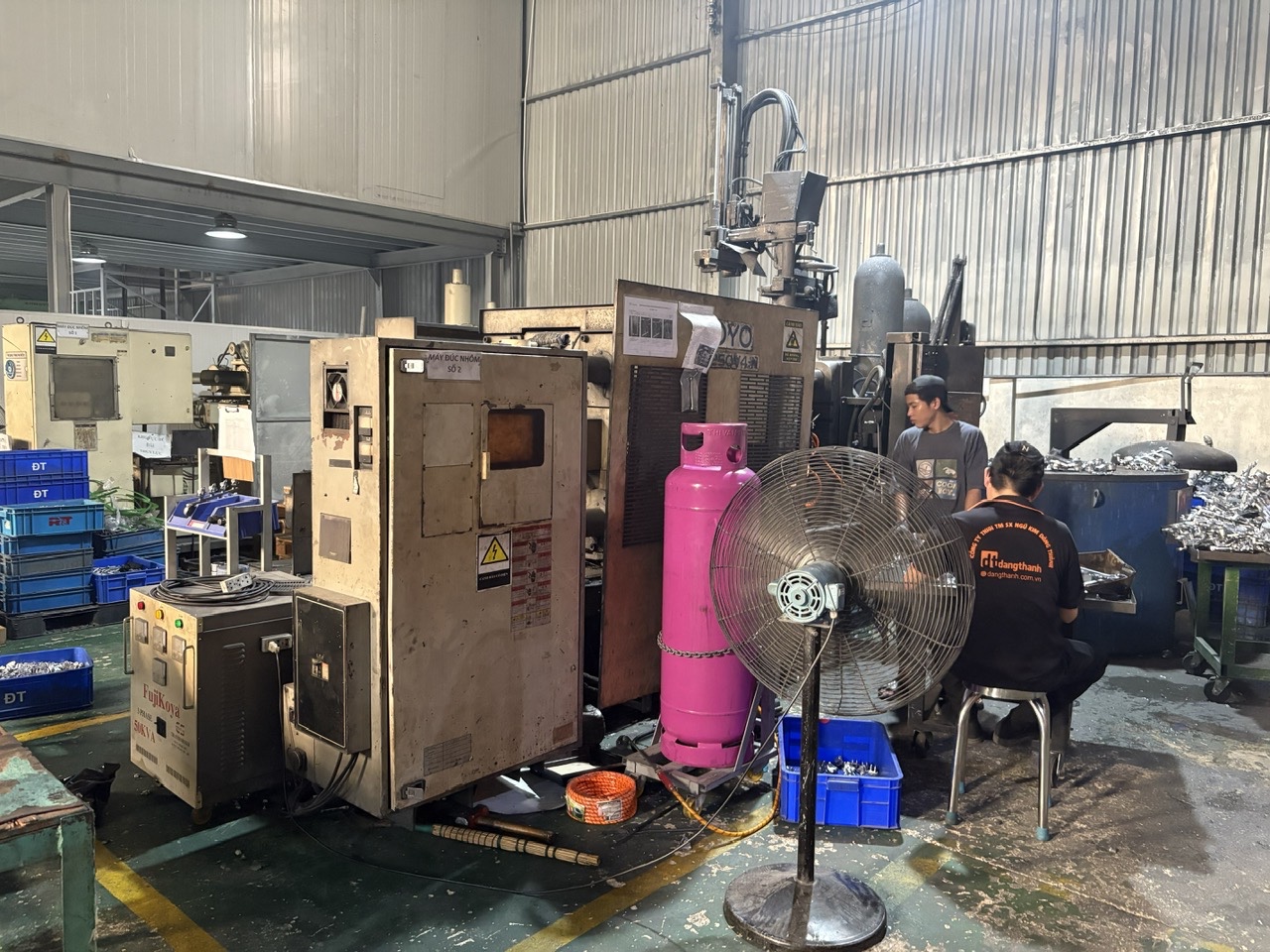
- Gravity die casting (300+ parts): Lowest tooling cost. Ideal for aluminum housings, brackets, and structural parts
- High-pressure die casting (500+ parts): Zinc (Zamak 3/5) and aluminum (ADC12, A380). Fast cycle times
- Tooling life: Vietnam-made H13 dies typically last 50,000–100,000 shots for aluminum, 200,000+ for zinc
- Post-processing: CNC secondary machining, shot blasting, powder coating, chromate conversion — all in the same region
Quality Assurance for Small Batches
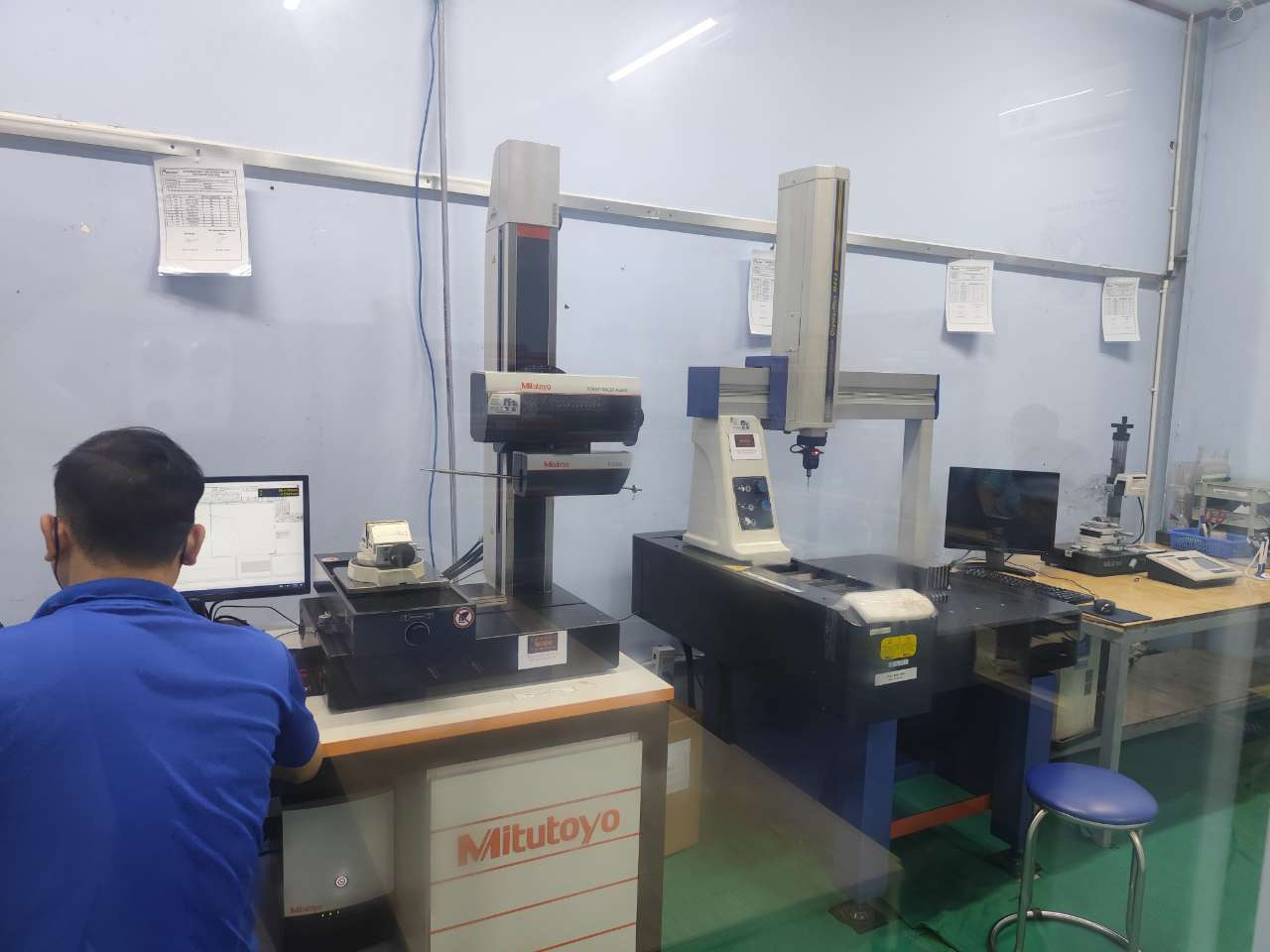
Low volume doesn't mean low quality. In fact, small batches have a quality advantage: every part can receive individual attention. Here's the standard quality process across our Vietnam factory network:
- First Article Inspection (FAI): Full dimensional report on first 3–5 parts per AS9102 or customer format. Production doesn't continue until FAI is approved
- In-process checks: CMM or caliper checks every 20–50 parts during production
- 100% final inspection: Feasible and standard at low volumes. Every part is measured on critical dimensions
- Material certificates: Mill certs provided for all metals. Resin lot numbers for plastics
- Certifications: Most of our partner factories hold ISO 9001:2015. Many also hold ISO 14001, IATF 16949 (automotive), or ISO 13485 (medical)
- DEWIN factory audits: We physically inspect every factory in our network — equipment verification, quality system review, production capacity assessment. 9,000+ real factory floor photos available for buyer review
Shipping & Logistics for Small Orders
One concern with low-volume offshore manufacturing is whether shipping costs eat the savings. Here's the reality:
- Air freight (under 100 kg): $5–8/kg from Ho Chi Minh City. A 50 kg box of CNC parts ships for $250–400. Delivery: 5–7 business days
- Sea freight LCL (100–500 kg): $150–400 per CBM. A standard pallet ships for $200–500. Transit: 18–25 days to US West Coast, 25–35 days to Europe
- Express courier (DHL/FedEx, under 30 kg): $8–15/kg. Best for urgent prototypes. 3–5 business days
- Consolidated shipments: Combine parts from multiple factories into one shipment — we handle the logistics from our Ho Chi Minh City warehouse
Rule of thumb: For orders under $2,000 total, air freight usually adds 8–15% to landed cost. For orders $2,000–10,000, sea freight adds 3–8%. Above $10,000, shipping is typically under 3% of total cost.
Industries We Serve at Low Volume
Our factory network regularly produces small-batch parts for:
- Industrial equipment OEMs: Custom brackets, housings, manifold blocks, valve bodies — 100–2,000 qty per order
- Agricultural machinery: Structural steel fabrications, hydraulic fittings, gearbox housings — 50–500 qty
- Automotive aftermarket: Performance parts, custom brackets, specialty fasteners — 200–5,000 qty
- Medical devices: Stainless steel and titanium instrument components — 50–1,000 qty, ISO 13485 environment
- Consumer electronics: Enclosures, heat sinks, connector housings — 500–5,000 qty
- Robotics & automation: Precision shafts, motor housings, sensor brackets — 50–500 qty
- Startups & product development: Pre-production runs, bridge manufacturing, pilot batches — 50–1,000 qty
How to Get Started
Your Low-Volume RFQ Checklist:
- ☐ 3D CAD file (STEP or IGES) + 2D engineering drawing
- ☐ Material specification (alloy grade, resin type, or equivalent)
- ☐ Quantity needed — initial order + estimated annual volume
- ☐ Surface finish and post-processing requirements
- ☐ Critical tolerances highlighted on drawing
- ☐ Certifications needed (ISO, material certs, RoHS, REACH)
- ☐ Target delivery date and destination country
- ☐ Packaging requirements (bulk, individual, labeled)
Send your drawings to our team and we'll match your parts with the right factories from our audited network. Full quotes — including production, finishing, and shipping — delivered within 48 hours.
Ready to Source Your Small Batch Parts from Vietnam?
No MOQ minimums. vetted Vietnamese manufacturing facilities. Real photos of every facility.
Get a Free Quote →Frequently Asked Questions
How much does freight add to the landed cost of a small Vietnam order?
Freight adds roughly 8–15% to landed cost on orders under $2,000 shipped by air, 3–8% on orders of $2,000–10,000 shipped by sea, and typically under 3% above $10,000. Air freight from Ho Chi Minh City runs $5–8/kg with 5–7 business-day delivery, while sea LCL runs $150–400 per CBM.
How much cheaper is injection mold tooling in Vietnam than in China or the US?
Vietnam tooling costs run 40–65% lower than US/Europe and 15–30% lower than China's premium shops. A single-cavity injection mold for a simple part costs $1,500–6,000 in Vietnam, $2,500–10,000 in China, and $8,000–25,000 in the US or Europe. Lower tooling directly improves low-volume economics because amortization per part is the largest cost driver at small quantities.
What tolerances can Vietnam CNC shops hold on a small batch?
Vietnam CNC shops hold ±0.05 mm as standard, ±0.01 mm as precision, and ±0.005 mm ultra-precision where required. Materials listed as in stock include 6061-T6, 7075-T6, AL5052, SS304, SS316, brass C360, carbon steel, Delrin, PEEK and nylon. Prototype runs of 1–10 parts stay economical because CNC machining needs no hard tooling.
Does a 100-piece batch get less inspection than a full production run?
Small batches typically get more inspection, not less: 100% final inspection is feasible and standard at low volumes, with every part measured on critical dimensions. First article inspection covers the first 3–5 parts per AS9102 or customer format, and production does not continue until FAI is approved. CMM or caliper checks follow every 20–50 parts.