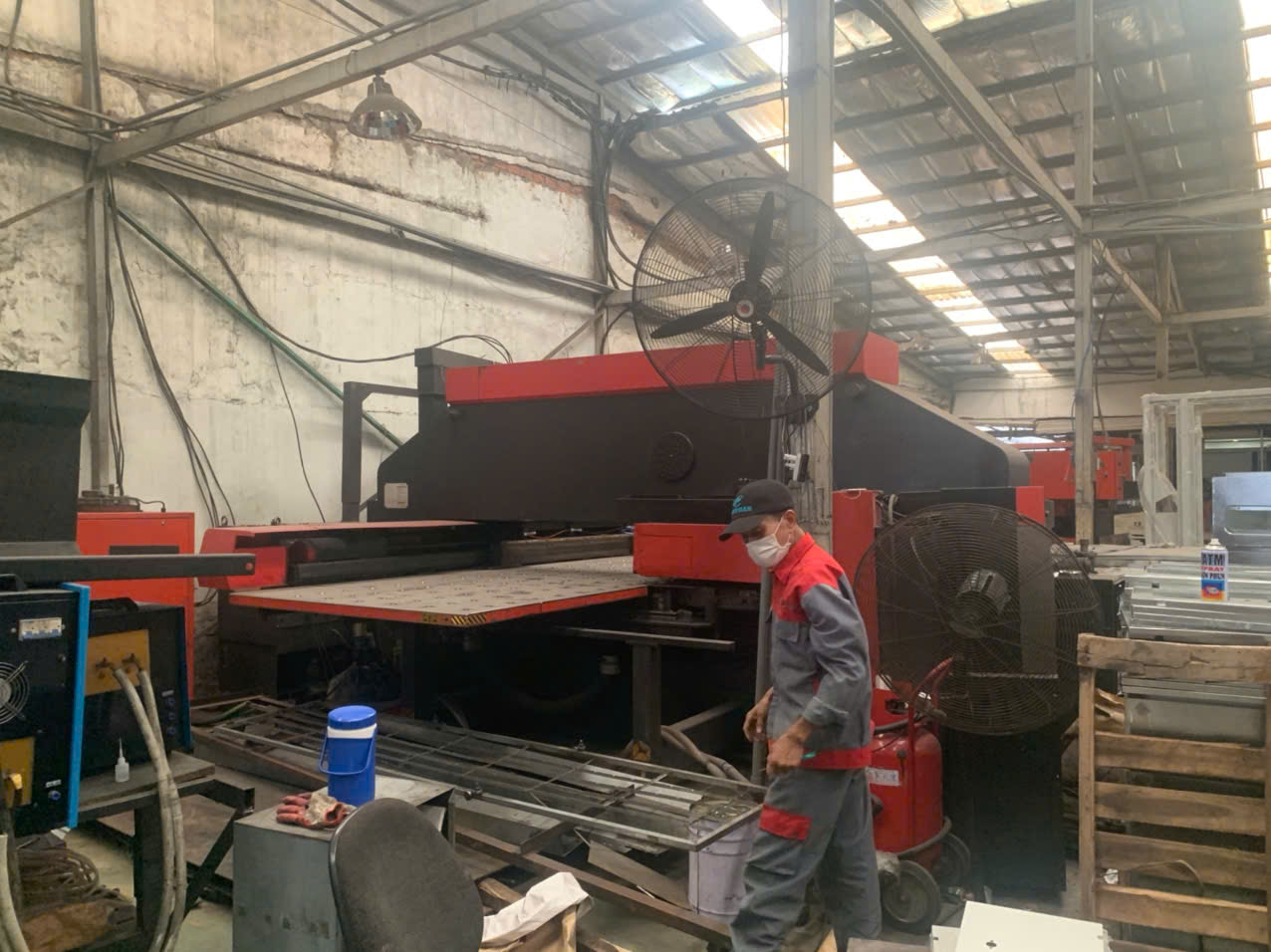

Materials used in stamping parts raise a real worry for buyers I talk to: is all that punched-out scrap wasted money and a sustainability liability ISO 14001 certification 1? Our sourcing team hears this weekly.
Yes, most materials used in stamping parts can be recycled and often reused. Steel, aluminum, stainless steel, copper, and brass are nearly 100% recyclable without losing mechanical properties, provided the scrap stays clean, well-sorted, and free of mixed coatings or bonded contaminants.
That short answer hides some important details. Recyclability depends on the metal, the coating, and the design stainless steel 2. Let me walk you through what actually happens on the shop floor, and what it means for your sourcing decisions.
How Can I Verify That My Stamping Supplier Actually Recycles Scrap Metal Responsibly?
During a supplier audit in Vietnam last year, our team found something telling: the tidiest scrap yard belonged to the factory with the best PPAP documentation. Scrap discipline and quality discipline usually travel together.
Verify responsible scrap recycling by auditing the supplier's scrap segregation system, requesting recycler contracts or scrap sales records, checking for alloy-sorted and coating-sorted bins, reviewing any ISO 14001 certification, and confirming traceability from press line to baler to licensed downstream recycler.

You cannot verify recycling practices from a website claim. You need evidence. When we run supplier audits for our U.S. clients, we treat scrap handling as a window into the whole operation. A sloppy scrap area often predicts sloppy process control elsewhere.
What to Ask For Before You Visit
Start with documents. A responsible stamper can show you scrap sales invoices, recycler agreements, and internal procedures for sorting. If they cannot produce paperwork, that is a red flag. Scrap metal has real cash value, so any well-run press shop tracks it carefully. Steel skeletons, aluminum punch-outs, and copper trim are all revenue streams, not garbage.
What to Check On Site
Walk the floor with a checklist. Here is the one our audit team uses as a baseline:
| Audit Point | What Good Looks Like | Red Flag |
|---|---|---|
| Scrap bins at press lines | Labeled by alloy, gauge, and coating | One mixed bin for everything |
| Coated vs. bare scrap | Galvanized and painted scrap kept separate | Zinc-coated mixed with bare steel |
| Scrap flow records | Weights logged per shift or per job | No records at all |
| Downstream recycler | Licensed, named, contracted | "A guy picks it up" |
| Floor contamination | Scrap free of oil rags, plastic, trash | Contaminated, low-value piles |
Why Segregation Matters So Much
Mixed scrap gets downcycled. Clean, single-alloy scrap goes back into high-grade production. Reputable stampers sort by alloy grade, thickness, and coating type because it maximizes resale value and keeps the material loop genuinely circular circular economy 3. Some larger operations now use digital material tracking, and material passports are emerging in the industry to prove scrap purity and origin. You do not need blockchain-level traceability from every supplier. But you should expect labeled bins, weight logs, and a named recycler. Those three things tell you the recycling story is real.
Will Using Recycled Materials Affect the Quality and Durability of My Custom Stamped Parts?
A purchasing manager in the U.S. once asked me to guarantee "virgin material only" for a batch of steel brackets. I had to explain gently: the coil he was already buying almost certainly contained recycled content, and his parts were fine.
No, recycled metals do not compromise stamped part quality when properly processed. Steel, aluminum, and copper can be recycled repeatedly without degrading tensile strength or ductility. What matters is certified material specifications, mill test reports, and incoming inspection—not whether the atoms are primary or secondary.

Metals behave differently from plastics. Plastics degrade with each recycling cycle. Metals do not, as long as the melt chemistry is controlled. When a mill remelts steel scrap, it refines the chemistry to meet the exact same standard as primary steel. The finished coil either meets the spec or it does not. The recycled content is invisible in the final product.
What Actually Controls Quality
In our experience managing PPAP submissions for custom stamped parts, quality problems almost never trace back to recycled content. They trace back to these things instead:
- Wrong material grade substituted without approval.
- Out-of-spec thickness or hardness in the incoming coil.
- Missing or falsified mill test reports 4.
- Poor die maintenance causing burrs and dimensional drift.
- Skipped incoming inspection at the press shop.
Notice that none of these are about recycled versus virgin material. They are about process control. That is why we insist on mill certificates and first-article inspection for every custom project we manage, regardless of material origin.
Where You Should Be Careful
There is one honest caveat. If scrap streams are contaminated or poorly sorted before remelting, unwanted trace elements can enter certain alloys. For most structural brackets, clips, and chassis parts, this is a non-issue because the material standard already limits those elements. For very demanding applications, such as deep-drawn parts or tight-tolerance electronic contacts, specify the material standard precisely on the drawing and require certified test reports. The standard protects you. A coil of aluminum that meets its specification will stamp, bend, and last the same whether it came from bauxite or from last year's beverage cans and press-shop skeletons.
What Cost Savings Can I Expect If I Source Stamping Parts Made from Recycled Metals?
Here is a trade-off I weigh on almost every quotation: material typically makes up the largest slice of a stamped part's cost, so anything that trims material spend moves the final price more than shaving press time ever could.
Expect indirect but real savings of roughly 3–10% on part cost, driven by lower mill input costs, scrap credit-backs from the stamper, and energy savings—recycling aluminum uses about 5% of the energy of primary smelting. Savings grow when nesting optimization cuts scrap by 10–20%.

Let me be precise about how these savings actually flow to you, because buyers often expect a simple "recycled discount" that does not exist as a line item.
Where the Savings Come From
| Savings Source | Mechanism | Typical Impact |
|---|---|---|
| Lower mill input cost | Secondary production is far more energy efficient than primary production | Reflected in coil pricing over time |
| Scrap credit-back | Stamper sells clean skeletons and offsets your material cost | Direct reduction on high-scrap parts |
| Nesting optimization | Better progressive die 6 layout reduces scrap 10–20% | Fewer kilograms bought per part |
| Remnant reuse | Oversized offcuts repurposed for smaller parts | Occasional, project-dependent |
| Energy footprint | Aluminum recycling 7 saves up to 95% of smelting energy | Stabilizes long-term pricing |
The Scrap Credit Conversation You Should Have
Many buyers never ask who keeps the scrap value. On a drawn shell part, material utilization can be as low as 50–60%. That means nearly half the coil you paid for becomes skeleton scrap. If that scrap is clean aluminum or copper, it has serious resale value. When we negotiate contract manufacturing terms for clients, we make the scrap arrangement explicit. Sometimes the stamper keeps the scrap and prices the part lower. Sometimes the client gets a credit tied to the scrap index. Either way, transparency saves money.
Design Is the Bigger Lever
Honestly, the largest savings come before the first press stroke. During OEM co-development, our engineers review blank layouts and nesting before the die is cut. Reducing scrap generation by even 10% on a high-volume bracket often outweighs any recycled-material price effect. Recycled content lowers the cost floor of the metal market. Smart design lowers how much of that metal you need to buy at all. Chase both, but chase design first.
How Do I Choose a Vietnam or Asia-Based Supplier That Supports Sustainable Metal Stamping Practices?
The lesson that shaped our audit checklist came early: a Vietnamese press shop we vetted had great pricing but no scrap traceability, and our client walked away. Our local team in Vietnam now screens for sustainability signals before we even discuss quotes.
Choose an Asia-based stamping supplier by requiring ISO 14001 or documented environmental practices, on-site verification of scrap segregation, mill certificates showing traceable material sourcing, closed-loop or recycler partnerships, and a local audit partner who can inspect the facility and monitor compliance over time.

Distance is the real challenge here. From the U.S., you cannot see whether the scrap bins are sorted or whether the "recycling program" is a slide in a sales deck. So you need a structured selection process, and ideally boots on the ground.
A Practical Selection Sequence
- Screen on paper first. Ask for environmental certifications, scrap handling procedures, and named recycling partners. Sustainable stampers answer quickly because the documents already exist.
- Verify material traceability. Every coil should arrive with a mill test report. Traceable inputs are the foundation of both quality and sustainability claims.
- Audit in person or by proxy. Our Vietnam office runs these audits for clients who cannot fly over. We photograph scrap areas, review weight logs, and interview floor supervisors, not just managers.
- Test with a pilot order. Include scrap-handling and documentation requirements in the purchase order. See if the supplier follows them without chasing.
- Monitor continuously. Sustainability is a habit, not a certificate. Periodic re-audits and final inspections keep suppliers honest.
Comparing Supplier Signals
| Signal | Strong Supplier | Weak Supplier |
|---|---|---|
| Certifications | ISO 14001 or documented equivalent | Verbal claims only |
| Scrap handling | Sorted, logged, contracted recycler | Mixed bins, cash pickup |
| Material sourcing | Mill certs, traceable coils | No documentation |
| Design input | Offers nesting and DFM feedback | Quotes drawings as-is |
| Transparency | Welcomes audits | Delays or restricts visits |
Vietnam has matured fast as a stamping base, and many shops there now serve European buyers with strict environmental expectations. That pressure has raised the baseline. But the spread between the best and worst facilities is still wide. A supplier who invests in clean scrap streams usually also invests in die maintenance, inspection, and on-time delivery. In our experience exporting to the U.S., those traits cluster together. Sustainability screening, done properly, doubles as quality screening.
Conclusion
Materials used in stamping parts are highly recyclable, and quality does not suffer. Verify suppliers, demand traceability, and design for less scrap—then sustainability becomes savings, not slogans.
Frequently Asked Questions
How Can I Verify That My Stamping Supplier Actually Recycles Scrap Metal Responsibly?
During a supplier audit in Vietnam last year, our team found something telling: the tidiest scrap yard belonged to the factory with the best PPAP documentation. Scrap discipline and quality discipline usually travel together.
Will Using Recycled Materials Affect the Quality and Durability of My Custom Stamped Parts?
A purchasing manager in the U.S. once asked me to guarantee "virgin material only" for a batch of steel brackets. I had to explain gently: the coil he was already buying almost certainly contained recycled content, and his parts were fine.
What Cost Savings Can I Expect If I Source Stamping Parts Made from Recycled Metals?
Here is a trade-off I weigh on almost every quotation: material typically makes up the largest slice of a stamped part's cost, so anything that trims material spend moves the final price more than shaving press time ever could.
Footnotes
1. Official ISO standard reference for environmental management systems mentioned as audit criterion. ↩︎
2. Wikipedia background on stainless steel, one of the recyclable metals named in the article. ↩︎
3. Wikipedia background concept explaining the closed-loop material recycling described in the article. ↩︎
4. Background explanation of mill test reports used to verify material specifications. ↩︎
5. Wikipedia background on tensile strength, a key mechanical property discussed in recycling context. ↩︎
6. Wikipedia background on progressive die technology referenced for nesting optimization. ↩︎
7. EPA resource on recycling benefits supports the energy savings claim for aluminum recycling. ↩︎