Miniature Fuel Filter Development: From Zero to Production
August 1, 2024 · 6 min read
.jpg)
OE parts development is fundamentally different from aftermarket work. Instead of manufacturing to an existing drawing, you often start with nothing more than a prototype concept and a set of performance requirements. That's exactly what happened when an internationally recognized off-road vehicle brand came to us with a challenge: develop a miniature fuel filter that didn't exist anywhere on the market.
OE parts development starts from a performance spec, not an existing drawing. The sourcing partner audits a specialist factory, co-designs producible drawings, validates samples in accredited third-party labs, then supervises trial and bulk production on the floor until every requirement is met.
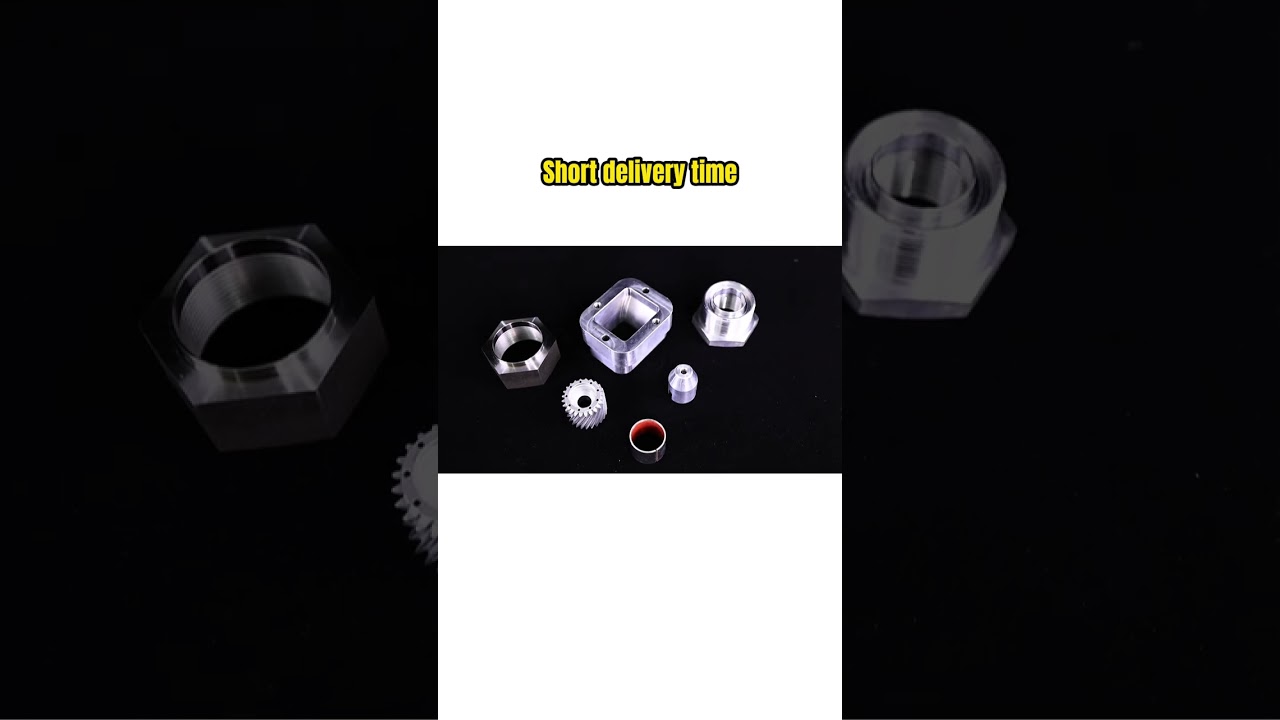
Real Vietnam Factory Samples — Custom Machined & Metal Parts
Watch on YouTube
Real footage from an audited DEWIN partner factory in Vietnam.
Phase 1: Supplier Selection & Drawing Design
We began by identifying and auditing qualified auto parts factories. Each candidate went through our Dolphin Report assessment, which covers:
- Supplier capability evaluation
- Facility tour documentation
- Equipment and capacity verification
- QCLDM quality scoring
Since no factory on the market produced fuel filters this small, we selected a specialist fuel filter manufacturer and worked with their engineering team to design the drawings from scratch, drawing on their manufacturing experience to make sure the design was actually producible.
Phase 2: Performance Testing
After producing initial samples, we coordinated all performance testing through accredited third-party labs — the factory's in-house equipment wasn't sufficient for the full test protocol.
Performance testing on a brand-new fuel filter runs through accredited third-party labs whenever the factory's own equipment can't cover the full protocol. Independent burst-strength, flow, and durability data give buyer and supplier an objective basis to trace and fix root causes.
The testing revealed a critical issue: burst strength was below spec. Our engineers traced the root cause to the adhesive formula and dosage. Six weeks of systematic experimentation followed before we finally dialed in the solution.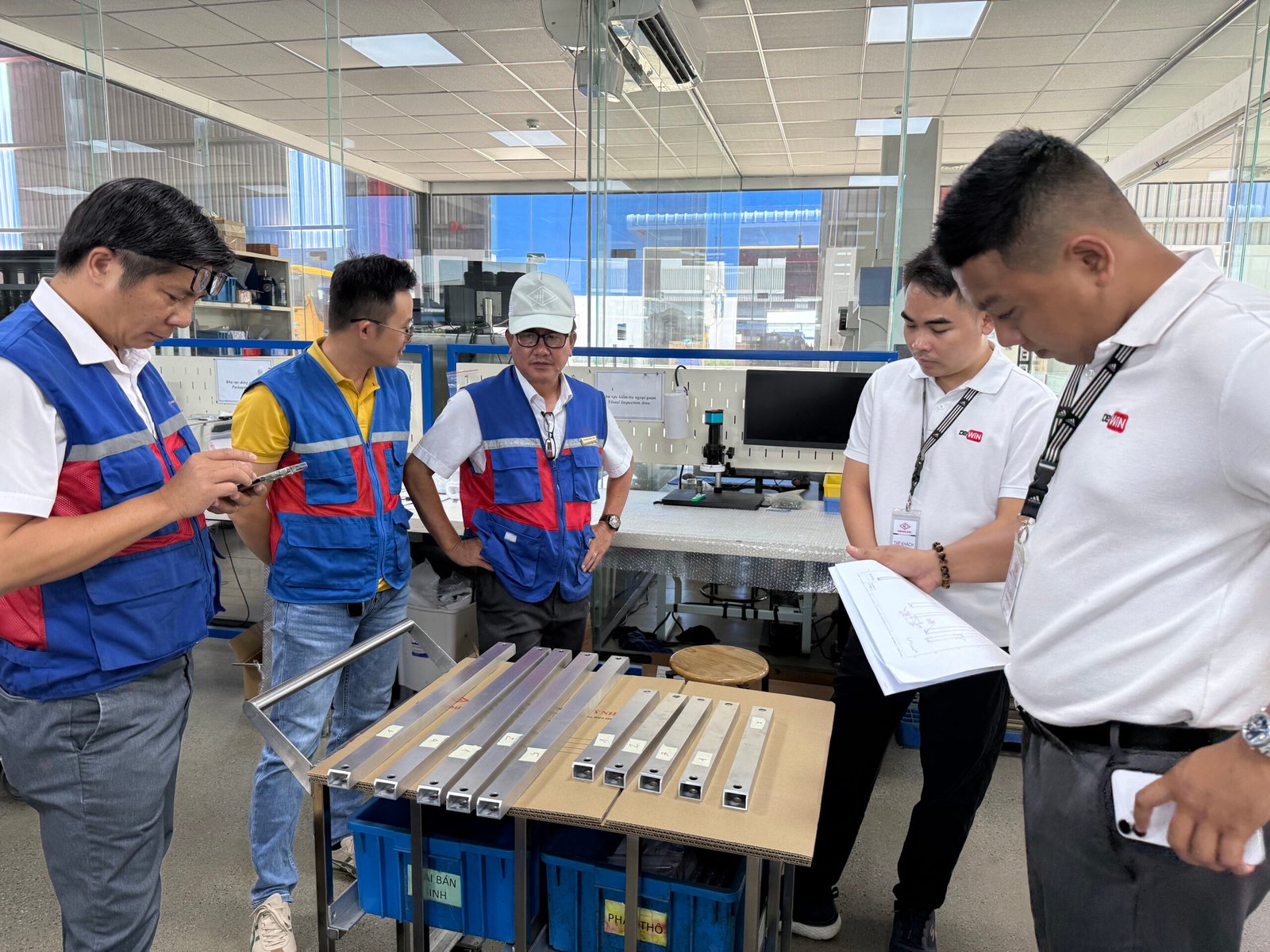
Phase 3: Process Control & Production
During trial production, our QA engineer and service assistant spent a full month on the factory floor. They provided real-time feedback to the client and worked directly with the production team to resolve issues as they appeared.
For bulk production, we maintained continuous oversight — video conferences with the factory, on-site verification of improvement measures, and regular reporting to keep the client fully informed.
Need OE Parts Development Support?
DEWIN acts as your eyes in the factory — managing supplier selection, quality control, and production oversight. Start a project →
Frequently Asked Questions
What does the Dolphin Report factory assessment actually cover?
The Dolphin Report assessment covers supplier capability evaluation, facility tour documentation, equipment and capacity verification, and QCLDM quality scoring. Every candidate factory goes through it before selection. On this fuel filter program that screening led to a specialist fuel filter manufacturer, because no factory on the market produced filters that small.
What happens when a brand-new part fails its performance test?
Third-party lab testing on this fuel filter revealed burst strength below spec, and the engineers traced the root cause to the adhesive formula and dosage. Six weeks of systematic experimentation followed before the solution was dialed in. Testing ran through accredited third-party labs because the factory's in-house equipment was not sufficient for the full protocol.
How much factory-floor supervision does trial production need?
Trial production on this program had a QA engineer and a service assistant on the factory floor for a full month, feeding real-time updates to the client and working directly with the production team to resolve issues as they appeared. Bulk production kept continuous oversight through video conferences, on-site verification of improvement measures, and regular reporting.