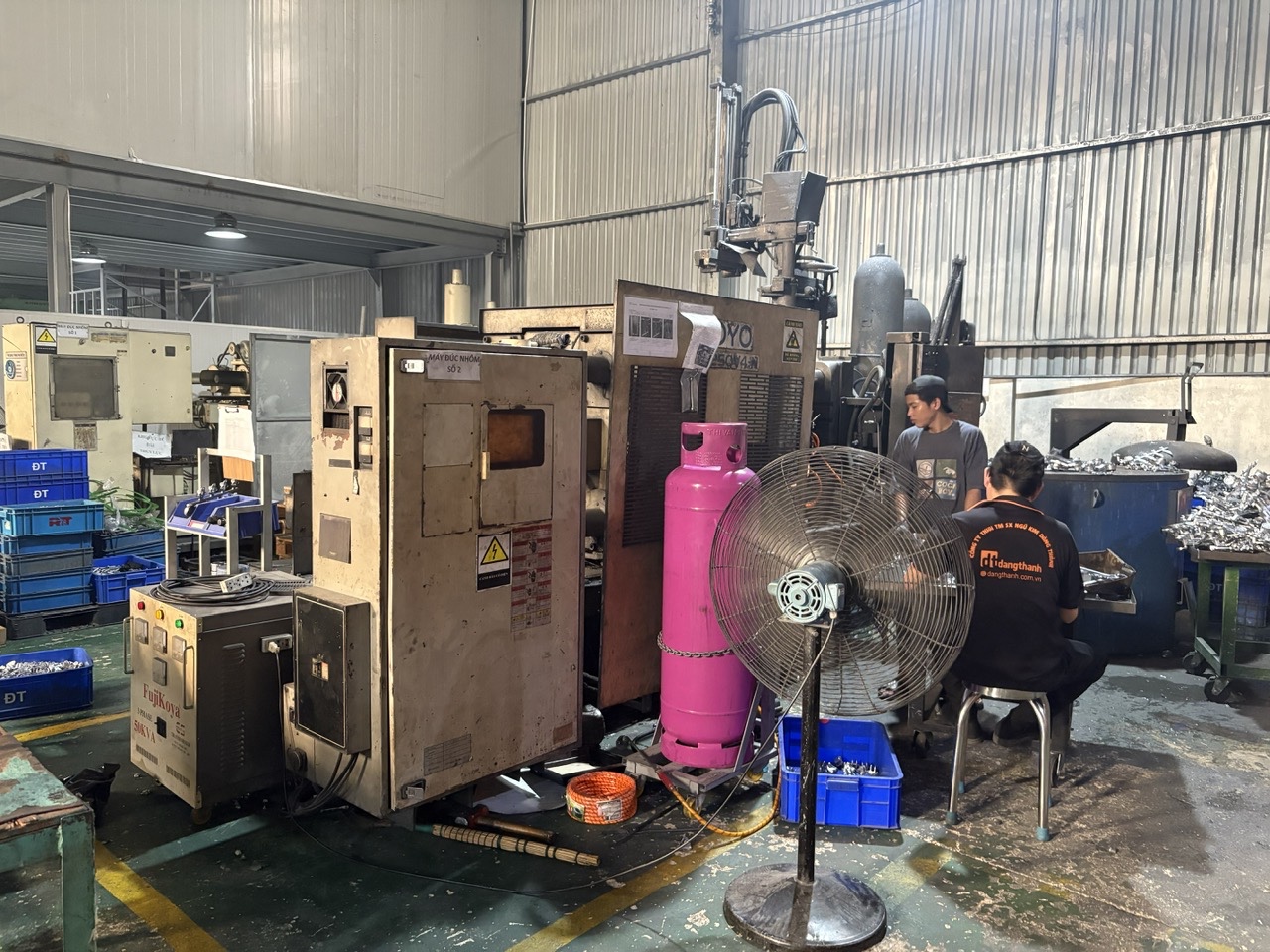
What Role Does Mold Flow Simulation Play Before Die Casting Tooling Steel Is Cut?
In China, mold flow simulation and pre-quote 2D/3D tolerance analysis are completed during early DFM review before tooling steel is cut. This upfront engineering evaluation identifies structural risks, flow behavior, and design adjustments in high-pressure aluminum die casting tooling to establish reliable component manufacturing parameters.
Key Takeaways
- Mold flow simulation and pre-quote 2D/3D tolerance analysis are conducted in China before tooling steel is cut.
- High-pressure die casting capabilities cover aluminum and zinc for high-cosmetic parts and complex assemblies.
- Quality control incorporates PPAP Level 3, ZEISS CMM dimensional inspection, material COA, and resident SQE audits.
- Engineering oversight is driven by the 26-person Xi'an Purchasing & Engineering Service Center managing DFM and QCLDM supplier workflows.
Engineering teams at the Xi'an Service Center perform comprehensive DFM reviews for aluminum and zinc high-pressure die casting projects. By evaluating digital models prior to cutting tooling steel, engineers analyze geometry constraints and tolerance requirements across complex components.
Integrating pre-quote 2D/3D tolerance analysis with mold flow simulation ensures that part geometry aligns with production requirements before hard tooling is built, mitigating downstream quality issues.
- Pre-quote 2D/3D tolerance analysis for aluminum component geometry
- Mold flow simulation executed before tool steel cutting
- DFM review managed by the 26-person engineering hub in Xi'an
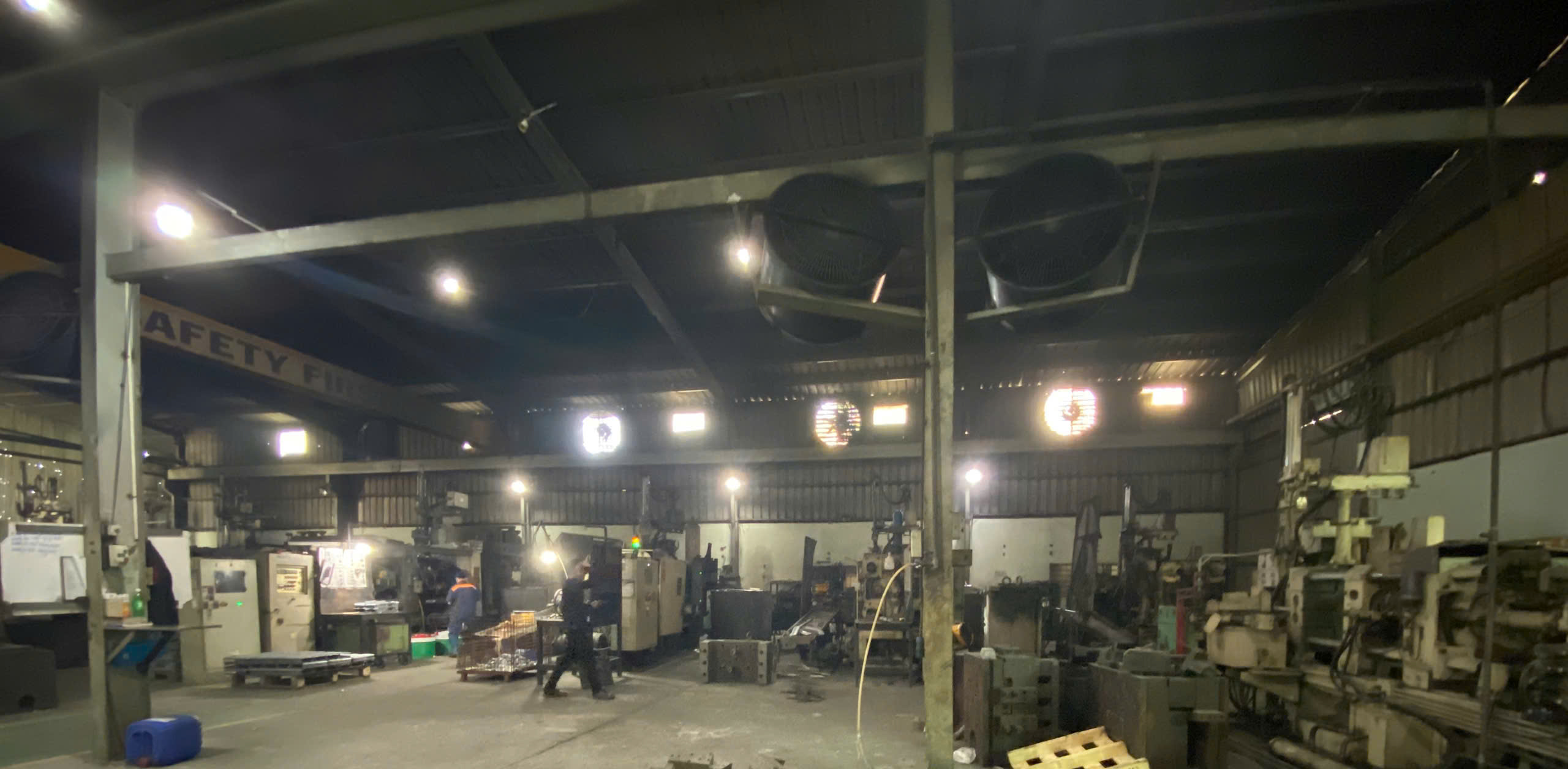
How Are High-Pressure Aluminum Die Casting Capabilities Evaluated for Precision Parts?
High-pressure aluminum die casting capabilities are evaluated through comprehensive DFM review, functional process selection, and secondary finishing options. Qualified facilities support high-cosmetic aluminum die casting, precision CNC machining, powder coating, and full functional cycle testing to meet rigorous industrial specifications.
Manufacturing capabilities in China encompass both aluminum and zinc high-pressure casting, addressing diverse structural and aesthetic criteria. DFM engineering guides the alignment of tool design with secondary machining processes to deliver precise tolerances.
For high-cosmetic hardware programs, die casting is paired with downstream CNC machining, surface powder coating, and 100% functional cycle testing to verify component performance across full assembly iterations.
- Aluminum and zinc high-pressure die casting processes
- Precision post-cast CNC machining and surface powder coating
- 100% functional cycle testing for high-cosmetic hardware
Which Quality Verification Controls Support Die Casting Production in China?
Quality verification for die casting relies on structured QCLDM supplier management, PPAP Level 3 documentation, material COA verification, and in-process dimensional audits. Resident SQEs utilize ZEISS CMM metrology to maintain strict defect benchmark control and dimensional consistency across mass production runs.
On-the-ground engineering oversight in China is orchestrated by 26 full-time staff who execute QCLDM supplier factory audits and quality controls. In-process inspection relies on ZEISS CMM dimensional reporting to verify features against GD&T blueprints.
Full PPAP Level 3 documentation, material certs (COA), and resident SQE audits establish traceable quality management, ensuring supplier benchmarking down to 50 PPM standards.
- In-process ZEISS CMM dimensional inspection and reporting
- Full PPAP Level 3 quality documentation and material COA verification
- Resident SQE audits and 50 PPM benchmark defect control
Polymer & Tooling Engineering Comparison Matrix
| Engineering Criterion | Bridge / Soft Tooling (P20 / 718H) | High-Volume Production Tooling (H13 / S136) | Quality Control Gate |
|---|---|---|---|
| Mold Steel & Cavity Life | 50,000 – 100,000 shots (Pre-hardened steel) | 500,000 – 1,000,000+ shots (Vacuum heat-treated) | Steel Hardness (HRC) & Cavity CMM Report |
| Dimensional Tolerance | DIN 16742 TG5 / Commercial standard | DIN 16742 TG3–TG4 / Fine engineering grade | T0/T1/T2 30-Piece Capability Study |
| Wall Thickness & Draft Angle | 1.5 mm – 4.0 mm wall; 1.0°–1.5° minimum draft | Uniform ±10% nominal wall; textured draft ≥ 2.5° | Moldflow Simulation & Cross-Section Check |
| Resin & Regulatory Compliance | Virgin resin lot certificate + COA | UL94, RoHS, REACH, FDA / ISO 10993 traceability | DSC Melt-Flow & Moisture Analyzer Check |
Frequently Asked Questions
What engineering review occurs before die casting mold steel is cut?
Before tool steel is cut, engineers perform pre-quote 2D/3D tolerance analysis, DFM reviews, and mold flow simulation to validate tool geometry and process feasibility.
Which materials are supported under high-pressure die casting capabilities?
High-pressure die casting capabilities cover aluminum and zinc alloys for cosmetic and structural industrial components.
How are dimensional tolerances verified for machined die castings?
Dimensional tolerances are verified using in-process ZEISS CMM dimensional inspection reports, PPAP Level 3 documentation, and resident SQE audits.
How is supplier quality managed across production runs in China?
Supplier quality is managed by a 26-person engineering team in Xi'an conducting QCLDM factory audits, resident SQE inspections, and 50 PPM defect benchmarking.