
How Do Regional Engineering Teams Manage Cross-Border DFM and Metrology?
Regional engineering centers in Xi'an and Ho Chi Minh City execute 2D and 3D tolerance analysis, progressive die design, and mold flow simulations prior to production. Local quality engineers perform resident factory audits, full PPAP Level 3 approvals, and in-process ZEISS CMM dimensional reviews to maintain defect controls down to 50 PPM benchmarks.
Key Takeaways
- Multi-stage driveline component production combines 160T to 630T closed-die forging, high-speed pull broaching, and CQI-9 heat treatment to maintain a spline pitch tolerance of +/-0.008 mm.
- Regional engineering teams in Xi'an and Ho Chi Minh City manage DFM tolerance analysis, PPAP Level 3 documentation, and ZEISS CMM metrology across specialized manufacturing nodes.
- Specialized material processing includes sintered metal structural components, ultra-precision titanium 5-axis CNC machining, and high-purity PEEK or PTFE injection molding.
Engineering centers coordinate supplier qualification and drawing reviews through structured QCLDM frameworks. The 26-person team in Xi'an conducts DFM reviews, material analysis documentation, and metrology verification across Chinese manufacturing nodes. Meanwhile, native teams in Ho Chi Minh City oversee production shifts, tooling migrations, and gauge transfers to ensure uninterrupted production flow.
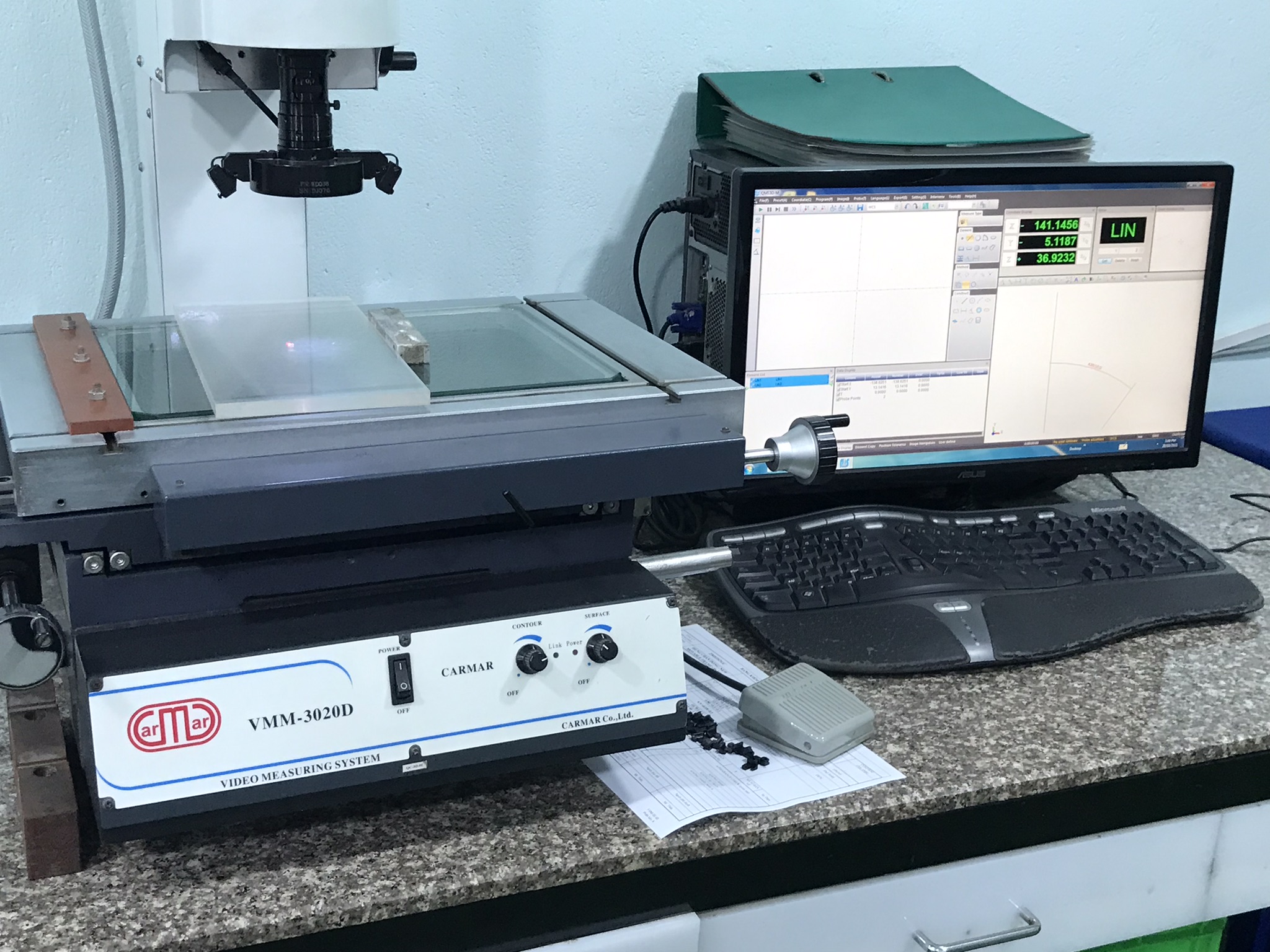
Advanced metrology centers utilize 3D coordinate measuring machines, contour measurement devices, and surface roughness testers. Combining CMM inspection with metallographic density testing ensures structural integrity for precision sintered gears, spherical plain bearings, and CNC machined components.
- DFM tolerance analysis, progressive die design, and mold flow simulation prior to cutting tool steel
- Full PPAP Level 3 submissions, including ZEISS CMM dimensional layout and material inspection documentation
- Quality management across multi-axis CNC machining, metal injection molding, and progressive sheet metal stamping
What Technical Processes Are Used for Driveline Forging and Spline Machining?
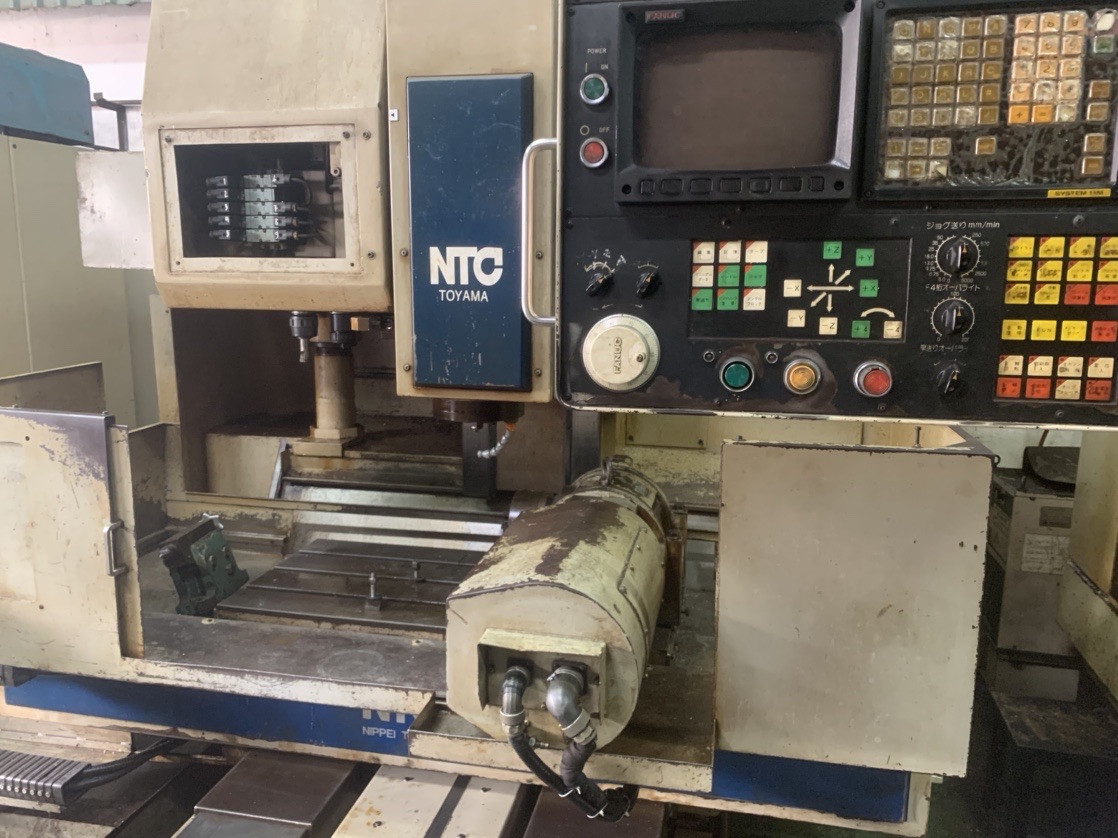
Precision driveline manufacturing relies on a 16-stage integrated workflow beginning with raw steel bar cutting and closed-die cold or warm forging. Automated truss-robot loading feeds 136 CNC lathes, 4 German EMAG hard-turning cells, and hydraulic pull broaching equipment to maintain raceway concentricity and tight spline pitch specifications.
Driveline components such as star-shaped inner sleeves, core shafts, and trunnion brackets undergo closed-die forging on 160T to 630T presses. Isothermal normalizing creates a uniform ferrite-pearlite grain flow, preparing blanks for high-speed hydraulic internal spline broaching compliant with DIN 5480 or JIS B 1603 standards.
Hardened drive components pass through automated continuous furnace carbonitriding heat treatments, achieving case hardness ratings of HRC 58 to 62 at depths of 0.85 to 1.25 mm. Non-destructive testing includes 100% eddy-current crack sorting, magnetic particle inspection, and ultrasonic cleaning prior to vacuum anti-rust packaging.
- Closed-die precision cold and warm forging utilizing 160T to 630T equipment with isothermal annealing
- High-speed hydraulic pull broaching holding +/-0.008 mm spline pitch and raceway concentricity
- Automated CQI-9 heat treatment delivering HRC 58 to 62 case depth from 0.85 mm to 1.25 mm
- 100% eddy-current crack detection, magnetic sorting, and ultrasonic cleaning prior to packaging
Which Specialized Material Capabilities Support Heavy Industrial Components?
Industrial component manufacturing leverages specialized facilities for powder metallurgy, heavy slewing bearings, aerospace 5-axis machining, and high-purity fluoropolymers. Advanced presses from 15T to 680T mold sintered structural parts, while multi-axis CNC centers machine titanium, Inconel, PEEK, and PTFE components to exact engineering tolerances.
Powder metallurgy and metal injection molding (MIM) operations process iron, copper, and 304/316L stainless steel powders into high-density transmission sprockets, shock absorber pistons, and Sint B50 bronze bushings. Vacuum debinding and mesh-belt sintering furnaces yield structural parts for automotive, medical, and industrial assemblies.
Heavy machinery and aerospace applications incorporate single-row, double-row, and crossed-roller slewing bearings up to 5,000 mm in diameter, alongside 5-axis CNC machined valve blocks made from titanium and Inconel. For high-purity environments, cleanroom facilities produce PEEK wafer carriers and PTFE encapsulated O-rings.
- Powder metallurgy structural parts molded using 15T to 680T CNC automatic and hydraulic presses
- Ultra-precision 5-axis CNC micro-machining for titanium, Inconel, and aerospace aluminum alloys
- Slewing bearings spanning 200 mm to 5,000 mm outer diameter with medium-frequency induction hardening
- High-purity PEEK, PFA, and PTFE injection molding performed within cleanroom production spaces
How Are Hand Pallet Trucks and Heavy Stamped Brackets Fabricated?
Turnkey product lines utilize high-tonnage progressive stamping, laser cutting, and robotic MIG welding to assemble structural assemblies. Hand pallet trucks undergo 100% hydraulic pump leak testing, while stamped brackets receive 240-hour salt-spray and 1,500-hour UV powder coating treatments to meet stringent vibration and durability standards.
Turnkey hand pallet truck manufacturing in Bac Ninh, Vietnam, integrates robotic MIG welding with AC/DF cast-iron hydraulic pumps and PU or Nylon rollers. Finished 2.0T to 5.0T capacity frames undergo 100% leak testing to verify hydraulic integrity before container loading.
Heavy-duty fire extinguisher brackets utilize SPCC and SS304 steel sheet ranging from 2.0 to 4.0 mm gauge. Formed on 315T progressive stamping presses and laser cutting cells, these assemblies feature 5G vibration quick-release latches and outdoor-grade polyester powder coating designed to withstand marine and commercial transport environments.
- Stamping presses up to 315T paired with OTC and Panasonic 9-axis welding robots
- Hydraulic hand pallet truck assembly featuring 100% pump leak testing and cast-iron AC/DF pumps
- Dual-country bracket fabrication supporting 2.5 lb to 30 lb cylinders with 5G vibration latches
- Surface protection including 240-hour ASTM B117 salt spray and 1,500-hour UV powder coating
Precision Manufacturing & Sourcing Specification Matrix
| Technical Dimension | Standard Commercial Grade | High-Precision OEM Export Grade | DEWIN Verification Protocol |
|---|---|---|---|
| Machining & Forming Tolerance | ISO 2768-m (±0.10 mm nominal) | ISO 2768-f (±0.01 mm – ±0.025 mm critical bores) | Calibrated 3D CMM & Air/Pin Gauging |
| Surface Roughness & Finish | Ra 1.6 – 3.2 µm as-machined / standard coat | Ra 0.4 – 0.8 µm precision ground / MIL-A-8625 anodized | Profilometer & Coating Thickness Gauge |
| Material & Alloy Certification | Supplier Mill Test Report (MTR) | Independent OES chemical & mechanical verification | EN 10204 3.1 + RoHS/REACH Compliance |
| Batch Inspection & Packaging | ISO 2859-1 (AQL 1.0 Major / 2.5 Minor) | Zero-defect critical features + VCI export crating | Pre-Shipment Inspection (PSI) Report |
Frequently Asked Questions
What metrology equipment is used to verify precision CNC and forged component dimensions?
Production facilities utilize 3D coordinate measuring machines (such as ZEISS and Mitutoyo models), gear profile testers, optical contour instruments, and surface roughness analyzers to measure tolerances down to +/-0.008 mm.
How are internal splines and drivetrain sleeves processed during volume manufacturing?
Internal splines are cut using high-speed hydraulic pull broaching on closed-die forged blanks. Hard-turning is completed on robotic CNC lathes and EMAG turning centers before undergoing automated CQI-9 carbonitriding and 100% eddy-current crack sorting.
What materials are available for powder metallurgy and self-lubricating bushing applications?
Materials include sintered iron, copper, 304 and 316L stainless steel powders, SAE841 and Sint B50 oil-impregnated bronze, SF-1/SF-2 PTFE composite materials, and graphite-plugged bronze alloys.
What environmental and vibration testing standards apply to heavy stamped brackets?
Stamped steel brackets undergo 5G vibration testing, 240-hour ASTM B117 salt-spray exposure testing, and 1,500-hour UV powder coating resistance evaluation to ensure performance in commercial and marine settings.